What’s in a Certified Roof Damage Inspection Report?

A certified roof damage inspection report details your roof’s condition, highlights issues, and offers expert repair recommendations for insurance or real estate.

You’ve probably seen the offers for “free roof inspections,” but it’s important to understand what you’re actually getting. Often, these are quick visual checks from a salesperson whose main goal is to sell you a new roof. A certified roof damage inspection report, on the other hand, is something entirely different. It’s a comprehensive assessment performed by an impartial, trained professional who follows a strict set of industry standards. Their job isn’t to make a sale; it’s to provide you with a detailed, factual account of your roof’s health. This official document gives you the unbiased information you need to make smart decisions, whether you’re dealing with an insurance adjuster, a potential homebuyer, or your own maintenance budget.

Contact Us Now

Key Takeaways

  • Use a certified report as your official proof: This document provides the unbiased, expert evidence you need to validate insurance claims, justify your home’s value in a real estate deal, and prevent small issues from becoming major expenses.
  • Prioritize an unbiased assessment over a sales pitch: A certified inspector’s job is to give you an accurate, fact-based evaluation of your roof’s condition, unlike a free check-up from a contractor whose main goal is often to sell you repairs.
  • Schedule inspections at key moments: Get the most value from a certified inspection by scheduling one at three critical times: after a major storm, before buying or selling a property, and annually as part of your proactive maintenance plan.

What Is a Certified Roof Damage Inspection Report?

After a major storm or during a real estate transaction, you might hear the term “roof inspection.” But not all inspections are created equal. A certified roof damage inspection report is a formal, detailed document created by a qualified professional who has thoroughly examined your roof. Think of it as a complete health check-up for the top of your house. It goes far beyond a quick glance from the ground. The inspector assesses every aspect of the roofing system—from the shingles and flashing on the outside to the decking and ventilation in the attic.

This report is the official record of your roof’s condition at a specific point in time. It meticulously documents any existing damage, areas of potential concern, and the overall structural integrity. This isn’t just a piece of paper; it’s a crucial tool for various property stakeholders, including homeowners filing insurance claims, buyers wanting peace of mind, and sellers looking to provide transparency. The report gives you a clear, unbiased, and expert opinion, which is essential for making informed decisions about repairs, maintenance, or property negotiations. It provides the evidence you need to move forward with confidence.

What’s Inside a Certified Report?

When you receive a certified report, you can expect a comprehensive breakdown of your roof’s condition. An NRCIA inspector conducts a detailed assessment of the roof’s exterior, the attic space, and even the interior of your home for signs of leaks. The report will include high-resolution photos that clearly show any damage, such as cracked shingles, compromised seals, or hail impacts. It will also provide a written analysis of these findings, explaining what they mean for your roof’s health. You’ll get an expert evaluation of the remaining lifespan of your roof and specific, actionable recommendations for any necessary repairs, which helps you prioritize and plan for the future.

Certified vs. Basic Inspections: What’s the Difference?

It’s important to understand the distinction between a basic or “free” inspection and a certified one. A free inspection is often a quick visual check performed by a roofing contractor whose primary goal is to sell you a new roof. The report, if you get one, might be little more than a sales quote. A certified inspection, on the other hand, is an unbiased, in-depth assessment performed by a trained professional who follows a strict set of standards. The goal is to provide an accurate picture of your roof’s health, not to make a sale. This certification is a snapshot of your roof’s condition today, while a warranty is a promise to cover future issues. With NRCIA, a successful inspection leads to a LeakFREE® certification, which often includes a warranty—giving you both an expert opinion and future protection.

Why Do You Need a Certified Roof Damage Report?

Think of a certified roof damage report as more than just an assessment—it’s a strategic tool for protecting your property. Whether you’re dealing with the aftermath of a storm, preparing to sell, or simply staying on top of maintenance, this detailed document provides the clarity and authority you need. It moves beyond a basic look-over to deliver a comprehensive, unbiased evaluation of your roof’s condition. This official report can be a game-changer when it comes to handling insurance claims, preserving your property’s value, and preventing small issues from turning into major expenses.

Strengthen Your Insurance Claim

When you file an insurance claim for roof damage, your provider needs clear, credible evidence. A certified report delivers exactly that. Unlike a simple estimate from a contractor, a certified inspection involves a thorough assessment of the roof’s condition by a qualified professional who documents everything with precision. This detailed report, complete with photos and standardized observations, gives your claim the weight it needs. It shows the insurance company that the damage has been verified by an impartial expert, which can lead to a smoother, faster, and more successful claims process for the homeowners and property managers we work with.

Protect Your Property’s Value

Your roof is one of your property’s most critical assets, and its condition directly impacts the overall value. A certified report helps you proactively identify and address any issues, ensuring the roof’s longevity and performance. If you’re planning to sell, providing a certification shows potential buyers that the roof is in solid shape, which can help you sell faster and for a better price. Offering the assurance of LeakFREE® roof protection gives buyers confidence and sets your property apart, turning a potential point of contention into a strong selling feature.

Catch Problems Early and Save Money

The most expensive repairs are often the ones that could have been prevented. Regular, certified inspections help you catch minor issues like storm damage, installation errors, or material defects before they escalate into costly structural problems. A small, inexpensive fix today can save you from a massive headache and a huge bill down the road. By investing in a professional inspection, you ensure your property is protected and that necessary repairs happen before problems spiral out of control. It’s the smartest way to manage your maintenance budget and protect your investment for the long term.

Who Provides Certified Roof Inspection Reports?

When you need a certified roof inspection report, you can’t just call any roofer. This type of detailed assessment requires a professional with specific training and credentials. A certified inspector has gone through a rigorous process to prove they can accurately evaluate a roof’s condition, identify potential issues, and provide the documentation you need for insurance claims, real estate transactions, or simply your own peace of mind. Think of them as specialists who can translate the complex story of your roof into a clear, actionable report. Choosing the right professional is the first and most important step in getting a reliable and trustworthy assessment of your property’s most critical asset.

The Role of an NRCIA Certified Inspector

An NRCIA Certified Inspector is more than just a roofer; they are a trained specialist dedicated to providing an unbiased, thorough evaluation of your roof. Their primary role is to conduct a detailed inspection based on a national standard, ensuring every component is assessed consistently and accurately. These inspectors serve a wide range of clients, from homeowners needing assurance after a storm to real estate agents facilitating a smooth transaction. They document their findings in a comprehensive report, complete with photos and clear explanations, giving you the expert guidance needed to protect your home. Their work is crucial for securing a LeakFREE® Roof Certification, which provides an extra layer of protection and value.

What Qualifications to Look For

When you’re looking for a certified inspector, the key is to find someone whose credentials guarantee expertise. The most reliable inspectors have completed an in-depth training and education program that covers all types of roofing systems, common points of failure, and industry best practices. Certifications from reputable organizations like the NRCIA show that an inspector is committed to upholding high standards. A qualified professional should be able to explain their process clearly and answer your questions confidently. Don’t hesitate to ask about their experience with roofs similar to yours and the specific criteria they use during their evaluation. This ensures you’re working with someone who truly understands the nuances of roof inspection.

How to Verify an Inspector’s Certification

Verifying an inspector’s certification is a simple step that provides significant peace of mind. Before hiring someone, ask for their certification number and the name of the issuing organization. Reputable organizations, including the NRCIA, make it easy to confirm a professional’s credentials. You can typically visit the organization’s website or call them to ensure the certification is active and in good standing. This quick check confirms you’re hiring a legitimate expert who is accountable to a professional standard. Taking a few minutes to verify their status ensures the report you receive will be credible, accurate, and recognized by insurance companies, lenders, and other stakeholders.

What to Expect in Your Certified Inspection Report

After your inspector leaves, you’ll receive a comprehensive report that breaks down the condition of your roof. Think of it as a complete health record for one of your home’s most critical assets. This isn’t just a simple checklist; it’s a detailed document designed to give you a clear, unbiased understanding of your roof’s current state and expected lifespan. An NRCIA-certified report is created to be straightforward and easy to read, whether you’re a homeowner, a real estate agent, or a property manager. It translates technical findings into plain language, so you know exactly where you stand.

This report serves as your roadmap. For homeowners, it highlights areas that need attention before they become costly problems. For home buyers, it provides the leverage and confidence needed to make a smart purchase. And for sellers, it’s a powerful tool that demonstrates transparency and adds value to your property. The goal is to equip you with objective, expert information so you can make confident decisions about maintenance, repairs, or real estate transactions. It’s a vital resource for the many different professionals and property owners who rely on a roof’s integrity.

A Detailed Look at Damage (With Photos)

They say a picture is worth a thousand words, and that’s especially true when it comes to your roof. Your certified inspection report will include a detailed visual record of your roof’s condition. A professional inspector will thoroughly check your roof for any problems, big or small, and document their findings with high-resolution photos. This isn’t just about snapping a few pictures of obvious damage; it’s about creating a complete visual inventory of everything from cracked shingles and failing flashing to signs of water intrusion in the attic. This photographic evidence provides indisputable proof of the roof’s condition, which is invaluable for insurance claims or negotiations in a real estate deal.

Clear Repair Recommendations

A great report doesn’t just tell you what’s wrong—it tells you how to make it right. Based on the detailed assessment, your inspector will provide clear, prioritized recommendations for any necessary repairs or maintenance. This isn’t an upsell; it’s a professional opinion on what it will take to ensure the roof meets certification requirements. You’ll get an actionable list that explains what needs to be fixed and why it’s important. This takes the guesswork out of the equation, giving you a clear path forward to extend the life of your roof and prevent minor issues from turning into major headaches down the road.

Understanding Your Certification and Warranty

It’s important to know the difference between a roof certification and a warranty, as they serve two distinct purposes. A certification is a snapshot of your roof’s health today. It’s an expert’s professional opinion, based on a thorough inspection, that your roof is in good condition and free of leaks at that moment. A warranty, on the other hand, is a promise to address problems that might happen in the future. With the NRCIA, once any required repairs are completed, your roof can qualify for a LeakFREE® roof certification, which includes a warranty. This gives you true peace of mind, knowing you’re protected against future leaks.

How Much Does a Certified Roof Inspection Cost?

Let’s get straight to the point: you want to know what to budget for a certified roof inspection. On average, homeowners can expect to pay around $247 for a professional inspection. Most people find their final cost lands somewhere between $125 and $376. However, that price can swing quite a bit, from as low as $75 for a very simple job to as much as $1,000 for a complex, large-scale roof.

Why such a wide range? The final price tag depends on the unique characteristics of your roof and the depth of the inspection required. A straightforward visual check on a small, single-story home will cost less than a detailed infrared inspection on a multi-level property with a steep pitch. Think of the initial quote as a baseline. The specific details of your property will determine where your project falls on the pricing spectrum. Understanding these variables will help you see exactly what you’re paying for and why it’s a crucial service for your home.

Factors That Influence the Price

Several factors can influence the cost of your certified roof inspection, so it’s helpful to know what to expect. The size and pitch of your roof are major contributors; a larger or steeper roof requires more time and safety equipment. The roofing material also matters, as inspecting slate or tile can be more complex than standard asphalt shingles. The type of inspection plays a role, too—a basic physical check will cost less than an advanced drone or infrared assessment designed to detect hidden moisture. Finally, your geographic location and the current extent of any damage will also affect the final price.

Why It’s a Worthwhile Investment

It’s easy to focus on the upfront cost, but a certified roof inspection is truly an investment in your property’s long-term health and value. It’s a proactive step that helps you catch minor issues like loose shingles or failing flashing before they turn into major leaks and expensive structural damage. By identifying and addressing problems early, you safeguard your home and prevent much larger repair bills down the road. This is the core principle behind obtaining a LeakFREE® roof certification, which ensures your roof’s integrity and gives you documented proof of its condition—a powerful tool for insurance, financing, or selling your home.

What Happens During the Certified Inspection?

Getting a certified roof inspection is a straightforward process that gives you a clear picture of your roof’s health. Knowing what to expect can help you feel prepared and confident from start to finish. The process breaks down into three simple phases: preparing for the visit, the inspection itself, and reviewing your detailed report.

Before the Inspector Arrives

Maybe your neighbor is getting a new roof, or you’ve just been through a heavy storm. If it’s been a while since your roof was checked, the first step is to schedule an inspection. To help your inspector work efficiently, you can do a few things to prepare. Clear any obstacles like vehicles, patio furniture, or toys from the perimeter of your home to provide easy and safe access to the roofline. It’s also helpful to gather any documents you have about your roof, such as its age, warranty information, or records of past repairs. This process is simple for all the different clients the NRCIA serves, from homeowners to property managers.

What to Expect on Inspection Day

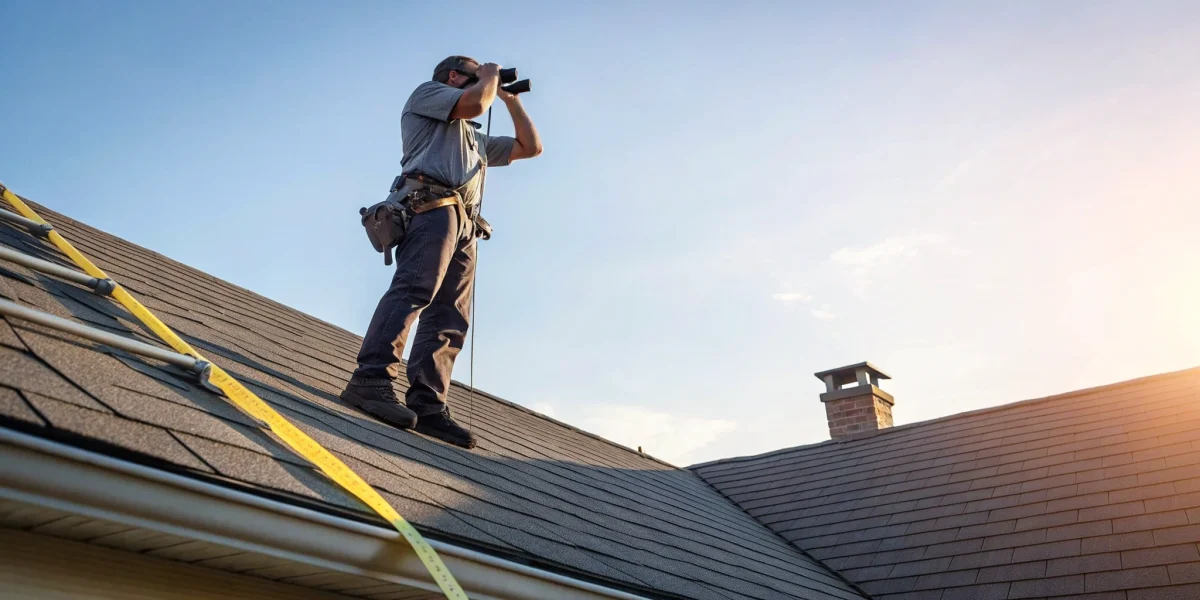
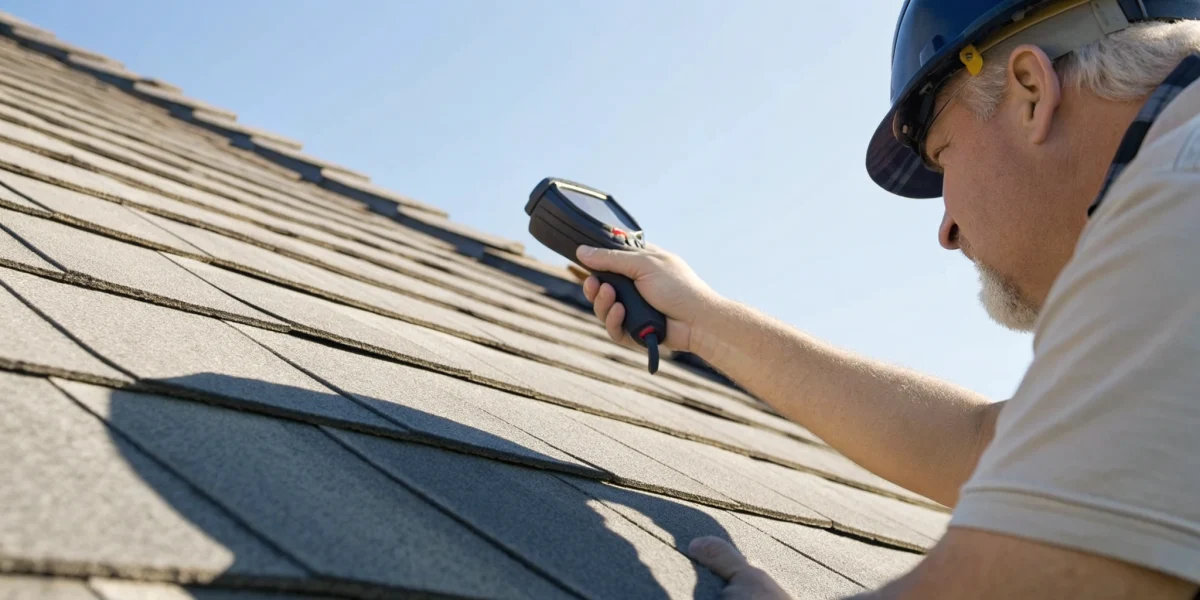
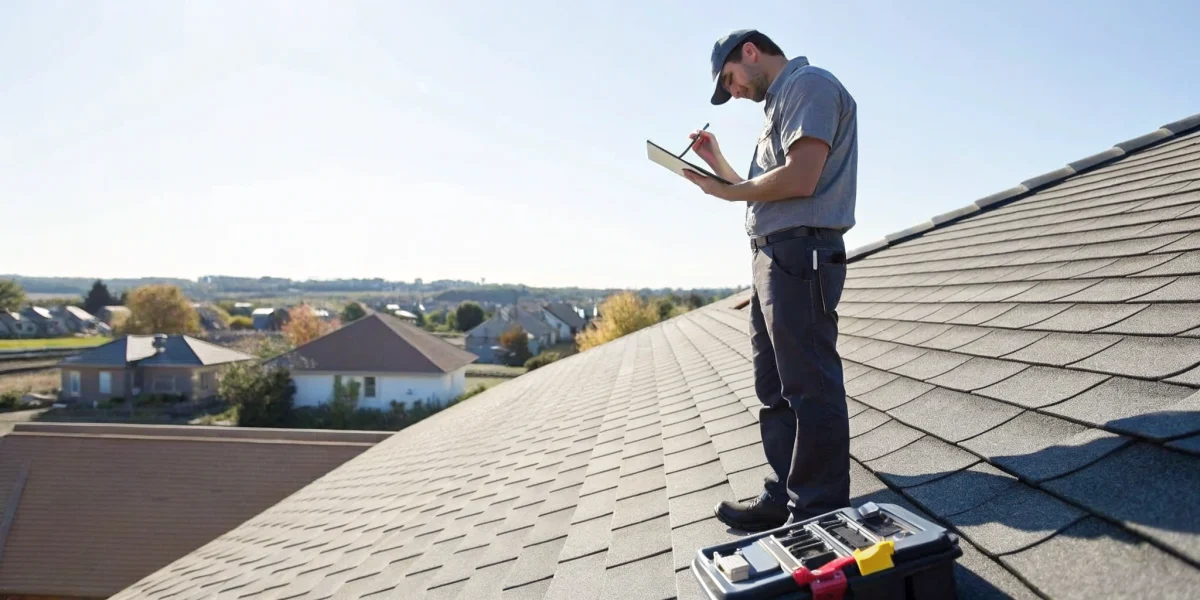
On the day of the inspection, a certified professional will perform a thorough assessment to determine your roof’s condition. This isn’t just a quick glance from the ground. Inspectors often walk on the roof to look closely at every component, from shingles and flashing to vents and gutters. They may also use special tools like infrared cameras to find hidden moisture or drones to view hard-to-reach spots. The goal is to identify any problems, big or small, and gather all the information needed to see if your roof qualifies for a LeakFREE® certification. The inspector will document everything meticulously for your final report.

Receiving and Reading Your Report

After the inspection, you’ll get a detailed report with pictures that clearly explain the findings. This document is your roadmap to understanding your roof’s current state. If repairs are needed, the report will provide clear recommendations and often includes estimates to help you plan your next steps. NRCIA inspectors use professional inspection software to create reports that are consistent, easy to read, and packed with valuable information. This report is the key to moving forward, whether that means scheduling repairs or enjoying the peace of mind that comes with a certified, protected roof.

How Certified Reports Help in Real Estate

A roof is one of the most critical—and expensive—components of a home, making it a major point of contention in real estate deals. A certified roof damage inspection report cuts through the uncertainty for everyone involved. Instead of relying on guesswork or a quick visual check, both parties get a detailed, unbiased assessment of the roof’s condition from a qualified professional. This document transforms the negotiation process, replacing anxiety with facts and building a foundation of trust. For real estate agents, it’s a tool that can prevent deals from falling apart over last-minute roofing surprises. For buyers and sellers, it’s the key to a transparent and fair transaction. An NRCIA certified inspection provides this clarity, ensuring that the state of the roof is clearly documented, which helps set realistic expectations and streamlines the path to closing.

How Sellers Gain an Edge

As a seller, a certified roof inspection report is one of the smartest moves you can make before listing your home. It gives you a significant advantage by demonstrating transparency and showing that your property is well-maintained. This proactive step can help you justify your asking price and attract serious buyers who are looking for a move-in-ready home. By identifying and addressing any potential issues beforehand, you avoid being blindsided by a buyer’s inspection report, which could lead to stressful, last-minute negotiations or even a canceled contract. Presenting a LeakFREE® certification upfront provides buyers with peace of mind and shows that you’ve invested in the long-term health of your property, making your home stand out in a competitive market.

How Buyers Gain Confidence and Leverage

For a buyer, the fear of the unknown can be overwhelming, especially when it comes to a potential five-figure roof replacement. A certified report from a trusted inspector removes that fear. It provides a comprehensive overview of the roof’s condition, complete with photos and detailed notes, so you know exactly what you’re buying. This information gives you the confidence to make a strong, informed offer. If the report uncovers issues, you have clear, documented evidence to negotiate repairs or a price adjustment. This isn’t just about finding problems; it’s about gaining certainty. Knowing the roof has been professionally vetted by an NRCIA inspector allows you to focus on the other aspects of your new home, secure in the knowledge that you won’t face an unexpected roofing crisis right after moving in.

Making the Transaction Process Smoother

Ultimately, a certified roof inspection report serves as a neutral, fact-based document that benefits everyone at the closing table. It minimizes the back-and-forth between buyer and seller by providing a clear, professional opinion on the roof’s lifespan and any necessary repairs. This clarity is crucial for mortgage lenders and insurance companies, who often require proof that the roof is in good condition before approving financing or coverage. Unlike a basic inspection, an NRCIA certification often comes with a warranty, which protects against future leaks or installation errors. This added layer of protection makes the property more attractive and assures all parties that the roof is a sound investment, helping the entire transaction proceed without delays or disputes.

When Should You Schedule a Certified Roof Inspection?

Knowing when to call in a professional for a roof inspection can feel like a guessing game. Do you wait until you see a water spot on the ceiling? Or is there a better time? The truth is, a certified roof inspection is one of the most powerful tools you have for protecting your property, and it’s not just for emergencies. Think of it as a strategic check-up that saves you money, stress, and surprises down the line.

Unlike a basic look-over from a roofer who might be looking for a repair job, a certified inspection is an unbiased, comprehensive evaluation of your roof’s current condition, performed by a trained professional following a strict set of standards. It’s designed to give you a complete picture, from the state of the shingles down to the integrity of the flashing and underlayment. There are a few key moments when scheduling a certified inspection is a non-negotiable, smart move. Whether you’re dealing with the aftermath of a wild storm, navigating a real estate transaction, or simply staying on top of routine maintenance, a detailed report from a certified professional gives you the clarity you need to make informed decisions. It’s about being proactive rather than reactive, and taking control of one of your property’s most critical assets.

After a Major Storm

After a major storm with high winds, hail, or heavy rain, your roof takes the biggest hit. Damage isn’t always obvious from the ground—missing shingles are easy to spot, but subtle issues like lifted flashing, hail bruises, or compromised seals are much harder to see. If you suspect damage, your first call should be to your insurance company. They will likely send their own inspector, but getting a second opinion from an NRCIA certified inspector provides an unbiased, thorough assessment. This independent report can be crucial for validating your insurance claim and ensuring you get the funds needed for a proper repair, not just a quick patch job.

Before You Buy or Sell

A roof is one of the most expensive components of a home, making it a major point of concern in any real estate deal. If you’re selling your home, a pre-listing inspection that results in a LeakFREE® Certification is a powerful marketing tool. It shows potential buyers the roof is in solid condition, which can help you sell faster and for a better price. For buyers, a certified inspection is your best defense against hidden problems. It ensures everyone knows the roof’s true condition, giving you peace of mind and valuable leverage during negotiations. It’s the best way to avoid the unwelcome surprise of a five-figure roof replacement right after you move in.

For Regular Property Maintenance

Just like changing the oil in your car, regular roof maintenance is essential for longevity. Most experts agree that roof inspections should be performed every year. This proactive approach is about catching small issues before they become catastrophic failures. A certified inspector can spot deteriorating seals, clogged gutters, or minor damage that, if left alone, could lead to extensive water damage and costly repairs. Regular inspections by a professional not only safeguard your home’s appearance and value but also help you budget for future needs. It’s the simplest way to extend the life of your roof and protect the entire structure underneath it.

Common Myths About Certified Roof Inspections

When it comes to roof inspections, a few common misunderstandings can lead to costly mistakes. Let’s clear up some of the biggest myths so you can make informed decisions about protecting your property. Getting the facts straight helps you see why a certified inspection isn’t just another item on a checklist—it’s a crucial step in safeguarding your home or building.

From thinking any contractor has the right skills to dismissing certification as a meaningless document, these misconceptions can leave you vulnerable. We’ll break down why specialized expertise and a formal certification process are so important for the long-term health of your roof.

Myth: “Any Inspection Will Do”

It’s easy to assume that any roofer or general contractor can give your roof a proper check-up, but that’s not quite right. A certified roof inspector has specialized training to spot subtle signs of damage or wear that an untrained eye would likely miss. They follow a standardized process to ensure nothing is overlooked, from the shingles down to the decking. Even brand-new roofs benefit from an inspection to catch any installation errors or material defects early on. Thinking any inspection is good enough can lead to missed problems that grow into expensive, stressful repairs down the road.

Myth: “Certification Is Just a Piece of Paper”

Some people believe a roof certification is just a formality without any real value, but it’s much more than that. A certification is proof that your roof has passed a comprehensive, multi-point inspection conducted by a qualified professional. This isn’t just about getting a passing grade; it’s about proactive protection. The process identifies potential issues before they become major headaches, ensuring your roof is sound. This documentation provides peace of mind and can be a powerful tool when selling your property or filing an insurance claim, ultimately protecting your investment with a LeakFREE® warranty.

How to Choose the Right Certified Roof Inspector

Finding the right inspector can feel like a big task, but it’s one of the most important steps you can take to protect your property. The key is to look for a professional who combines formal training with real-world experience. When you start your search, prioritize inspectors who hold a current certification from a reputable organization. Many insurance carriers prefer, or even require, reports from certified inspectors because it guarantees a certain level of knowledge and adherence to industry standards.

Beyond the paperwork, look for someone with a solid background in the field. Many of the best inspectors got their start as roofing contractors or in construction, giving them invaluable hands-on experience. They’ve seen it all and can spot subtle issues that others might miss. This combination of practical skill and formal education is what sets a great inspector apart. Choosing an inspector with a comprehensive training portfolio ensures they have the expertise to give you a truly accurate assessment of your roof’s condition, giving you confidence in their findings and recommendations.

Questions to Ask Your Inspector

Before you hire anyone, it’s smart to have a quick chat to make sure they’re the right fit. Think of it as a mini-interview to understand their process and expertise.

Here are a few key questions to ask:

  • Can you walk me through your inspection process? A professional inspector should be able to clearly explain the steps they take, from the initial visual check to a more detailed examination of the roofing materials, flashing, and structure.
  • What kind of recommendations will you provide? A thorough report doesn’t just list problems; it offers clear, actionable solutions. Your inspector should be able to guide you on the necessary repairs or maintenance to get your roof in top shape and potentially qualify for a LeakFREE® certification.

Red Flags to Watch Out For

Just as important as knowing what to look for is knowing what to avoid. A few warning signs can help you steer clear of underqualified or unprofessional inspectors. The biggest red flag is a lack of proper, verifiable certification. If an inspector is hesitant to show you their credentials, consider it a dealbreaker. A true professional will be proud of their qualifications.

Another warning sign is a lack of transparency. Your inspector should be open and willing to provide documentation and answer your questions clearly. Be cautious of anyone who seems vague about their process or rushes through your concerns. A reputable inspector, like one who is part of the NRCIA network, is committed to providing a detailed, unbiased assessment, not pressuring you into unnecessary repairs.

Related Articles

Contact Us Now

Frequently Asked Questions

What’s the real difference between a certified inspection and a free one from a roofer? The biggest difference comes down to motive. A free inspection is typically a sales tool used by a roofing company to generate business, so their report might focus on what they can sell you. A certified inspection is a professional service you pay for. The inspector’s only job is to provide a completely unbiased and thorough assessment of your roof’s condition based on a strict set of standards, giving you an accurate picture without any sales pressure.

Is a roof certification the same thing as a warranty? They are two different things that work together to protect your home. Think of a certification as a snapshot in time—it’s an expert’s official statement that your roof is in good, leak-free condition on the day of the inspection. A warranty, on the other hand, is a promise to cover certain problems that might pop up in the future. With the NRCIA, a successful inspection leads to a LeakFREE® certification, which also includes a warranty to protect you against future leaks.

If the report finds problems, do I have to use a specific company for the repairs? Not at all. The certified report is an independent, objective document that outlines any necessary repairs to bring your roof up to standard. You are free to hire any qualified and insured roofing contractor you trust to perform the work. The report simply gives you a clear, expert-backed roadmap to follow, ensuring the right issues are addressed correctly, no matter who does the job.

How long does a typical roof inspection take? The time it takes can vary, but most standard residential roof inspections are completed within one to three hours. The final duration depends on several factors, including the size of your home, the complexity and steepness of the roof, and the type of roofing material. The inspector will be thorough, so they’ll take the time needed to carefully assess every aspect of your roofing system.

How often should I get my roof inspected if there hasn’t been a major storm? For routine maintenance, it’s a smart practice to have your roof professionally inspected once a year. Think of it like an annual health check-up for your home. This proactive approach helps you catch small, inexpensive issues like deteriorating seals or minor damage before they have a chance to become major, costly problems. Regular inspections are the best way to extend the life of your roof and protect your entire property.

Roof Inspection Cost Reddit: What’s the Real Price?

Get real insights on roof inspection cost Reddit users report, including average prices, factors that affect cost, and tips for finding a trustworthy inspector.

Why does one homeowner pay $150 for a roof inspection while their friend in the next state pays $500? This question is at the heart of many online discussions. If you’ve ever searched ‘roof inspection cost reddit,’ you’ve seen the wide range of prices people report, and it can be confusing. The truth is, the cost isn’t arbitrary. It’s a tailored price based on specific factors like your roof’s size, complexity, material, and even your geographic location. We’re breaking down these variables to help you understand what goes into a quote, so you can feel confident you’re getting a fair price for a thorough, professional assessment.

Contact Us Now

Key Takeaways

  • Prioritize an Objective Assessment Over a “Free” Offer: A free inspection from a contractor is a sales tool, not an unbiased evaluation. Investing in a paid report from a certified inspector provides the impartial information you need for major decisions like buying a home or filing an insurance claim, saving you from sales pressure and unnecessary repairs.
  • Treat Roof Inspections as Proactive Maintenance, Not an Emergency Fix: Waiting for a storm or a leak is a costly mistake. A professional inspection is essential during real estate transactions, for insurance compliance, and as routine upkeep every few years to extend your roof’s lifespan and prevent small issues from turning into major structural damage.
  • Look Beyond Price to an Inspector’s Qualifications: While costs vary based on your roof’s size, material, and location, the true value comes from the inspector’s expertise. A certified specialist has the training to provide a detailed, accurate report, unlike a generalist who may only perform a quick visual check. This expertise is what protects your investment.

What Reddit Says About Roof Inspection Costs

When you want the real scoop on what something actually costs, where do you go? For many, the answer is Reddit. It’s a goldmine of firsthand accounts from homeowners, buyers, and even roofing pros who are willing to share what they’ve paid without a sales pitch attached. We sifted through the threads to see what people are really saying about the price of a professional roof inspection, because let’s be honest, it can be confusing. You see ads for “free” inspections right next to quotes for several hundred dollars. So, what’s the real deal?

The conversations on Reddit reveal a lot about what you can expect to pay and why the price can vary so much. It’s clear that while a “free” offer from a contractor is tempting, many users advocate for paying for an independent, unbiased assessment. This is especially true when the stakes are high, like during a home purchase or for insurance purposes. To help you make sense of it all, we’ve broken down the three biggest takeaways from the Reddit community: the typical price range you can expect, how your location plays a huge role, and the ongoing debate about free versus paid inspections.

The Average Price Tag

So, what’s the magic number? According to dozens of discussions on Reddit, a standard roof inspection in the U.S. typically costs between $120 and $600. Most users report that the national average seems to land somewhere in the $250 to $300 range. This isn’t a one-size-fits-all price, of course. The final cost depends heavily on the size and complexity of your roof, the type of materials, and exactly what services are included in the inspection. Think of this range as a solid starting point for budgeting.

How Location Impacts Cost

One thing Reddit users consistently point out is that where you live matters. A homeowner in a coastal area prone to hurricanes will have different inspection needs than someone in a region with heavy snowfall. Users mention that factors like the age and type of your roof (think shingles versus tile) can make insurance companies in certain states more interested in a detailed inspection. This is because local climate, building codes, and even the prevalence of specific issues like hail damage can influence the scope and, therefore, the cost of a thorough assessment.

The Free vs. Paid Inspection Debate

This is a hot topic on Reddit. You’ll see many posts from roofing companies offering “free inspections.” While tempting, users often caution that these are typically sales calls in disguise. The goal is often to find damage and sell you on repairs or a full roof replacement. In contrast, a paid inspection from a certified professional is meant to be an objective, unbiased evaluation of your roof’s condition. This is a critical distinction for homeowners and real estate agents who need a trustworthy report without the sales pressure.

What Factors Influence the Price of a Roof Inspection?

Figuring out the cost of a roof inspection isn’t as simple as looking up a price online. The final quote you receive is a tailored price based on the unique characteristics of your property. Think of it less like buying a product and more like commissioning a service—the cost reflects the time, expertise, and risk involved. Several key factors come into play, from the sheer size of your roof to the materials it’s made of. Understanding these variables will help you see why one quote might differ from another and allow you to budget more accurately, whether you’re a homeowner, a real estate agent, or a property manager. For the many different types of clients we serve, knowing what goes into the price is the first step toward making an informed decision.

Your Roof’s Size and Complexity

It makes sense that a larger roof takes more time to inspect, and that extra time is reflected in the cost. An inspector has more square footage to cover, checking every shingle, flashing, and seam along the way. But it’s not just about size; complexity plays a huge role, too. A simple, flat roof on a small commercial building is much quicker to assess than a residential roof with multiple gables, valleys, dormers, and skylights. Each of these features adds a potential point for leaks and requires careful, detailed examination, which naturally increases the inspection time and, therefore, the price.

The Type and Age of Your Roofing Materials

The material covering your roof is a major factor in the inspection cost. Common asphalt shingles are typically the most straightforward and affordable to inspect. On the other hand, materials like metal, tile, or slate demand more specialized knowledge. A metal roof inspection involves checking for rust, corrosion, and loose fasteners. Tile and slate are fragile and can be damaged if not walked on correctly, so your inspector needs specific experience to avoid causing new problems. This expertise comes at a premium. The age of your roof also matters, as older materials often require a more intensive search for signs of wear, brittleness, or deterioration.

Your Home’s Location

Where you live has a direct impact on what you’ll pay for a roof inspection. Labor costs and the general cost of doing business vary significantly from one city to another. An inspection in a dense urban area with a high cost of living will almost always be more expensive than the same inspection in a rural community. That’s why a price that seems high to a friend in another state might be the standard rate for your area. It’s always a good idea to get a few local quotes to get a feel for the market price where you are.

Accessibility and Pitch

How easy is it to get onto your roof? A single-story home with a low-slope roof is simple to access and walk on. A steep, three-story roof surrounded by trees and landscaping is a different story entirely. The pitch, or steepness, of your roof is a key cost factor because it directly relates to safety. A high-pitched roof requires inspectors to use specialized safety equipment and take extra precautions, which adds to the time and risk involved. If your roof is difficult to access, that can also increase the price, as it may require taller ladders or more setup time before the inspection can even begin. A quality inspection ensures every detail is checked, leading to the peace of mind that comes with a LeakFREE® certified roof.

Who Inspects Roofs and What Do They Charge?

When you need your roof checked, figuring out who to call can feel like a job in itself. The right professional depends entirely on your situation. Are you buying a home and need a general overview? Are you worried about a specific leak or potential storm damage? Or do you need a detailed report for your insurance company? Each scenario might point you to a different expert.

The cost of a roof inspection can swing wildly, from completely free to over a thousand dollars. This price difference comes down to the inspector’s qualifications, the depth of the inspection, and their ultimate goal. A free look from a contractor is often a sales tool, while a detailed analysis from a certified inspector or engineer is a professional assessment service. Understanding the key players will help you choose the right person for the job and know what to expect in terms of cost and quality. The NRCIA serves a wide range of property stakeholders, ensuring there’s a certified professional for every need.

NRCIA Certified Inspectors

Think of an NRCIA Certified Inspector as a roof specialist. They’ve gone through extensive training and education focused solely on roofs, so their expertise is deep and specific. Their job isn’t to sell you a new roof; it’s to give you an unbiased, detailed report on its current condition. They are trained to spot subtle issues that a generalist might miss, from improper flashing to early signs of material failure. Because they are independent, you can trust their assessment is objective. This type of inspection is ideal when you need a comprehensive understanding of your roof’s health, especially for insurance purposes or when buying a home. While it’s a paid service, you’re paying for expertise and peace of mind.

General Home Inspectors

If you’re in the process of buying a house, you’ll almost certainly hire a general home inspector. Their job is to assess the entire property, from the foundation to the attic, and the roof is just one part of their checklist. A home inspector will typically perform a visual inspection from the ground or a ladder, noting obvious issues like missing shingles or visible water damage. However, they aren’t roof specialists. If they see anything concerning, their report will often recommend that you hire a qualified roofing expert for a more thorough evaluation. The cost for their roof check is bundled into their overall fee, which usually runs between $300 and $600 for the entire home.

Roofing Contractors

Many roofing companies offer “free” inspections, which can be a great option if you’ve just been through a hailstorm and want to check for damage. However, it’s important to remember that their primary business is selling and installing roofs. A free inspection is often a lead-generation tool, and there can be pressure to approve repairs or a full replacement. Some contractors also offer paid inspections for documentation purposes, with homeowners reporting quotes in the $400-$500 range for an insurance report. A contractor can be a good resource, but for a truly unbiased opinion, a third-party inspector is usually the better choice.

Structural Engineers

When you have serious concerns about your roof’s stability—like noticeable sagging, major leaks that no one can seem to pinpoint, or questions about the roof’s ability to handle a heavy snow load—it’s time to call a structural engineer. These professionals analyze the entire system, including the trusses, supports, and decking, to ensure its structural integrity. This is the most intensive and expensive type of inspection, often costing $500 to $1,000 or more. You don’t need an engineer for a routine check-up, but for complex and potentially dangerous issues, their expertise is absolutely essential.

What Happens During a Professional Roof Inspection?

A professional roof inspection is much more than a quick glance from the ground. It’s a thorough health check for your entire roofing system, designed to spot small issues before they turn into costly disasters. Think of it as a doctor’s visit for your home’s first line of defense. A certified inspector follows a meticulous process, examining every component from the inside out to give you a complete picture of your roof’s condition.

This systematic approach is crucial because a roof is more than just shingles. It’s an interconnected system of materials that work together to protect your home. The inspection covers the visible exterior surfaces, the hidden interior structure in your attic, and everything in between. After the physical assessment is complete, you’ll receive a detailed report that breaks down the findings in plain English, so you know exactly what’s going on above your head and what steps to take next. This level of detail is something that inspectors who have completed standardized training are equipped to provide, ensuring you get consistent, reliable information every time.

The Exterior Assessment

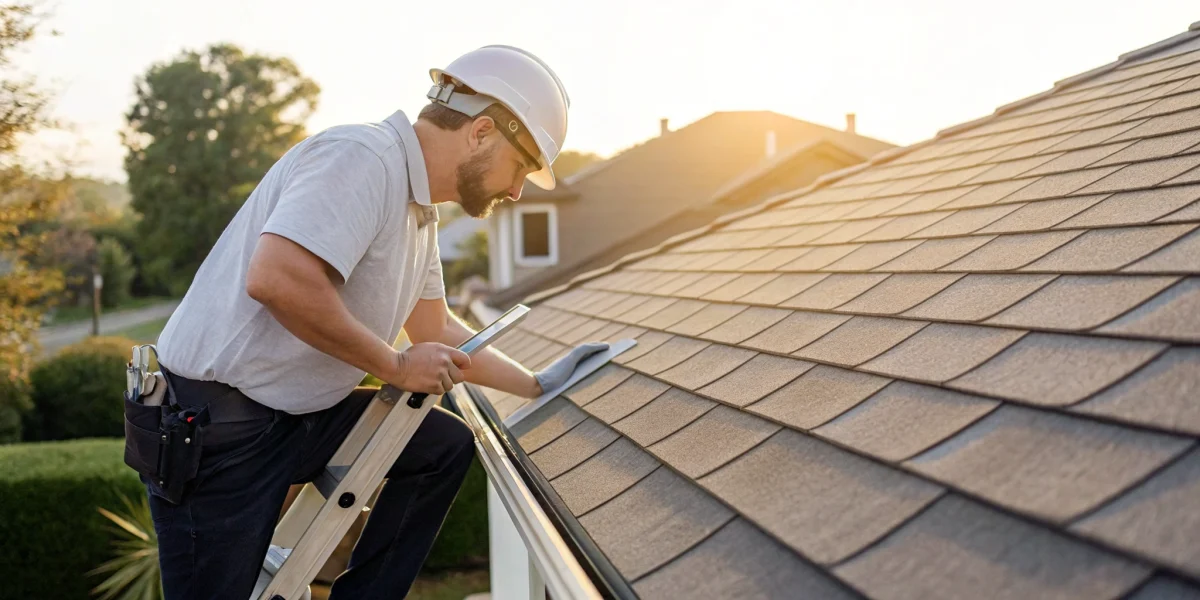
The exterior assessment is where the hands-on work begins. Your inspector will get up on the roof to examine the condition of your roofing materials up close. They’ll look for shingles that are cracked, curling, or missing, as these are entry points for water. A key focus is the flashing—the metal strips that seal the joints around chimneys, vents, and skylights. Damaged or improperly installed flashing is one of the most common causes of leaks. The inspection also covers the gutters and downspouts to ensure they are clear of debris and functioning correctly, as well as the condition of the soffit, fascia, and any visible roof vents.

The Interior Check-Up

A truly comprehensive inspection doesn’t stop on the outside. Your inspector will also need to access your attic or the space directly below the roof deck. This interior check-up is vital for catching problems that aren’t visible from the surface. Inside, they’ll look for signs of water intrusion, such as dark stains on the wood, mold, or mildew. They will also check for proper ventilation and insulation, as poor airflow can lead to moisture buildup and heat damage. Finally, they’ll examine the roof’s underlying structure for any sagging, rot, or damage that could compromise its integrity. This inside look provides a complete diagnostic of your roof’s health.

Understanding Your Final Report

After the physical inspection is done, you’ll receive a final report that details everything the inspector found. This isn’t just a simple pass/fail checklist. A quality report, often generated with specialized inspection software, will include a clear summary of your roof’s overall condition, supported by photos of any specific areas of concern. It will outline any recommended repairs or maintenance, explain why they are necessary, and give you a general idea of the roof’s remaining lifespan. The goal is to provide you with clear, actionable information so you can make informed decisions about protecting your home.

How Long the Inspection Takes

The time it takes to complete a roof inspection can vary quite a bit. For a smaller, straightforward roof on a single-story home, an inspector might be done in as little as 30 to 45 minutes. However, for a larger, more complex roof with multiple levels, a steep pitch, or difficult access, the process could take a few hours. The inspector needs enough time to be thorough and safely assess every component. If there are known issues or recent storm damage, they may also spend extra time documenting the extent of the problems. Your inspector can usually give you a time estimate before they begin.

Are “Free” Roof Inspections Really Free? A Reddit Deep Dive

The offer of a “free” roof inspection is a hot topic on Reddit, and for good reason. While it sounds like a great deal, the consensus is clear: you often get what you pay for. A free inspection from a roofing company is usually a sales tool, not a purely objective assessment. The goal is to find problems they can get paid to fix. This doesn’t mean every contractor is dishonest, but their primary motivation is to sell you a service, whether it’s a minor repair or a full roof replacement. Understanding this dynamic is the first step to figuring out if a free inspection is the right move for you.

The Hidden Costs of a Free Service

When a roofing company offers a free inspection, they’re making a calculated business decision. They invest time and resources with the expectation of winning a profitable job. If they find damage and you hire them for the repair, the “cost” of that initial inspection is simply absorbed into the final bill. You might not see it as a line item, but it’s factored into their pricing. This model can create a conflict of interest, as there’s a financial incentive to find problems—even minor ones—and recommend the most expensive solution. It’s less of a free service and more of a free estimate disguised as an inspection.

Sales Pressure vs. an Objective Opinion

The biggest difference between a free and a paid inspection is the motivation behind it. A contractor offering a free look is there to sell. A paid inspector is there to provide information. Their only product is their expert, unbiased report. This is why many property stakeholders—from homeowners to real estate agents—opt for a certified inspector who has no financial stake in any potential repairs. You pay for their time and expertise, and in return, you get a straightforward assessment of your roof’s condition without any sales pressure. This allows you to make decisions based on facts, not fear.

When a Paid Inspection Is the Smarter Choice

Investing in a paid inspection is almost always the smarter choice when the stakes are high. If you’re buying a home, filing an insurance claim, or getting a second opinion on a five-figure replacement quote, you need unbiased information. Paying a few hundred dollars for a detailed report from a certified professional can save you thousands in the long run by preventing unnecessary work or catching a major issue before it becomes a catastrophe. A thorough inspection is also the first step toward securing a LeakFREE® roof certification, which provides an actual warranty and peace of mind that a free estimate simply can’t offer.

Real Stories from Reddit Users

Scroll through any homeowner or roofing subreddit, and you’ll find countless stories that echo this sentiment. Users frequently share experiences of feeling pressured by contractors who turned a “free inspection” into an aggressive sales pitch for a full roof replacement. The most common advice shared by the community is to find an independent inspector or a roofing consultant who charges for their time. This ensures the advice you receive is impartial. Many Redditors recommend getting at least three quotes for any work but emphasize starting with a paid, independent inspection to get a reliable baseline of your roof’s actual condition.

How to Find a Great Inspector Without Overpaying

Finding a qualified roof inspector who won’t break the bank feels like a balancing act, but it’s completely achievable. The key is to do a little homework before you hire someone. It’s not about finding the cheapest option, but about finding the best value—an expert who will give you an honest, thorough assessment of your roof’s condition without any hidden agendas. This means looking beyond a simple price tag and considering an inspector’s experience, reputation, and the comprehensiveness of their service. A great inspector provides peace of mind, and that’s worth investing in.

By gathering recommendations from trusted sources, comparing a few different quotes, and knowing the right questions to ask, you can feel confident that you’re hiring a true professional. This process empowers you to make an informed decision rather than just picking a name from a list. A little preparation on your end can also go a long way in making the inspection process smoother and more cost-effective. Think of it as setting the stage for a successful inspection. Let’s walk through a few simple, actionable steps to help you find a great inspector and protect one of your home’s most important assets without overpaying.

Use Reddit for Local Recommendations

Online communities can be a goldmine for honest, unfiltered advice. Platforms like Reddit have local subreddits where homeowners share their real-world experiences with service professionals. You can find recommendations for independent inspectors who rely on their reputation rather than aggressive sales tactics. This community-driven approach helps you find trustworthy experts who are known for their quality work in your specific area. It’s a great way to get a feel for who your neighbors trust before you even start making calls, giving you a solid list of potential candidates to vet and research further.

Always Get More Than One Quote

Never settle for the first price you’re given. It’s smart practice to get at least two or three quotes from different inspectors or companies before making a decision. This allows you to compare not just the cost, but also the scope of the inspection being offered. One inspector might offer a more detailed report or use different technology, which could justify a higher price. If you find that most quotes are in a similar price range, you can feel confident that you’re being charged the standard market rate for your area. This simple step is one of the most effective ways to ensure you’re getting a fair deal and helps you understand the value of what you’re paying for.

Key Questions to Ask Before You Hire

Knowing what to ask can tell you a lot about an inspector’s professionalism and thoroughness. Before you commit, ask about their process. Will they physically get on the roof or just use binoculars from the ground? What specific things are they looking for? Also, inquire about their qualifications. Ask if they are a certified roof inspector, as this indicates they have specialized training and adhere to industry standards. Finally, ask what their final report looks like and if it includes photos. A detailed report with clear explanations is the sign of a true professional and gives you the documentation you need for insurance or real estate transactions.

How a Little Prep Can Lower Your Cost

A bit of proactive maintenance can make your formal inspection more efficient and potentially save you money. Before the inspector arrives, take care of any minor, obvious issues. This could mean cleaning out your gutters, trimming back overhanging tree branches, or securing a loose piece of flashing you’ve noticed. Addressing these small things shows you’re on top of your home’s upkeep. It can prevent minor issues from being flagged for more significant repairs, streamlining the inspection process and helping you avoid bigger problems down the road. It’s a simple way to present your roof in the best possible light.

When Is a Roof Inspection Absolutely Necessary?

It’s easy to think of a roof inspection as something you only do when there’s a problem, like a mysterious water stain appearing on your ceiling. But waiting for a disaster is a costly strategy. A professional roof inspection is one of the most powerful preventative tools a property owner has. Think of it as a strategic move to protect your investment, whether you’re buying a new home, maintaining the one you have, or recovering after a major storm. Getting ahead of potential issues can save you from major headaches and unexpected expenses. A small, fixable problem today can become a catastrophic failure tomorrow if left unchecked.

A certified inspector has the training to spot subtle signs of wear and tear that an untrained eye would miss, giving you a clear, unbiased picture of your roof’s health. This isn’t about a sales pitch for a new roof; it’s about getting objective data so you can make informed decisions. This information is invaluable in several key situations. From the high stakes of real estate transactions and the fine print of insurance requirements to the simple wisdom of routine upkeep, knowing when to schedule an inspection is just as important as finding the right person to do it. Let’s walk through the specific times when calling in a professional is absolutely necessary.

When You’re Buying or Selling a Home

A roof inspection is a non-negotiable part of any real estate transaction. For buyers, it’s a critical health check-up for what is arguably the most important part of the house. An inspection uncovers hidden issues that could lead to thousands in repairs, giving you leverage to negotiate or the peace of mind to close the deal. For sellers, a pre-listing inspection and a LeakFREE® roof certification can make your property more attractive, justify your asking price, and prevent last-minute surprises that could derail the sale. It shows you’ve been proactive and that the home is a solid investment.

For Insurance Purposes

Your home insurance company has a vested interest in the condition of your roof. After all, it’s the first line of defense against the elements. Insurers often require a roof inspection to assess risk before issuing or renewing a policy, especially for older roofs. The inspector’s report helps them understand the roof’s current condition and life expectancy, which directly impacts your coverage eligibility and premiums. A well-maintained roof can sometimes lead to better rates, while a neglected one could result in denied coverage. This is a standard practice for insurance companies to accurately underwrite their policies.

After Severe Weather Hits

Don’t wait for a drip in the ceiling to tell you there’s a problem. After a major storm with high winds, hail, or heavy snow, you should have your roof professionally inspected. Damage isn’t always visible from the ground. Hail can create subtle bruises that compromise your shingles, and strong winds can lift and loosen flashing around chimneys and vents, creating a pathway for water. A certified inspector can spot this kind of damage early, allowing you to file a timely insurance claim and make repairs before a small issue turns into a catastrophic leak and major interior damage.

For Routine Home Maintenance

Just like you go to the dentist for regular check-ups, your roof needs preventative care. Scheduling a routine inspection every few years is one of the smartest things a homeowner can do. A professional can identify and address minor issues—like cracked sealant, debris buildup in valleys, or deteriorating pipe boots—before they escalate into expensive problems. This proactive approach not only helps you avoid emergency repairs but also extends the lifespan of your roof, protecting your home’s value. Regular maintenance is a core part of keeping your home safe and secure for the long haul.

Common Roof Inspection Myths, Busted

When it comes to roof inspections, there’s a lot of misinformation out there. Believing these myths can lead to skipped maintenance, surprise repairs, and some serious headaches down the road. Let’s clear the air and tackle some of the most common misconceptions about roof inspections so you can make informed decisions for your property. Getting the facts straight not only protects your home but also your wallet.

Think of a roof inspection as a health check-up for your home’s most important shield against the elements. Just like you wouldn’t skip a doctor’s visit, you shouldn’t neglect your roof. Understanding the truth behind these myths is the first step toward proactive homeownership and ensuring your roof stays in top condition for years to come.

Myth: New Roofs Don’t Need an Inspection

It’s easy to assume that a brand-new roof is perfect, but that’s not always the case. Even the best contractors can make mistakes, or materials can have unseen defects. That’s why it’s a smart move to have your new roof inspected right after installation. An NRCIA certified inspector can verify that the installation was done correctly, the materials are sound, and everything is up to code. This simple step ensures your warranty remains valid and gives you peace of mind that your investment is truly protected. Think of it as quality control for one of your home’s biggest assets.

Myth: Inspections Are Only for Storm Damage

Waiting for a hurricane or a major hailstorm to think about your roof is a reactive approach that can lead to costly emergency repairs. Proactive roof inspections are about catching small issues before they become big, expensive problems. An inspector can spot things like deteriorating sealant, minor granule loss on shingles, or potential flashing issues that aren’t visible from the ground. Regular check-ups help extend the life of your roof and prevent leaks that can cause hidden water damage. This kind of preventative maintenance is crucial for both homeowners and property managers who want to protect their properties long-term.

Myth: Any Contractor Is a Qualified Inspector

While many roofing contractors are excellent at installations and repairs, that doesn’t automatically make them expert inspectors. A thorough roof inspection requires a different skill set and a keen eye for detail that comes from specialized training. Certified inspectors are trained to identify subtle signs of wear and tear, potential failure points, and code violations that a general contractor might overlook. They follow a standardized process to provide an unbiased, comprehensive assessment of your roof’s condition. Hiring a professional who specializes in inspections ensures you get a complete and accurate picture of your roof’s health.

Myth: All Professional Inspections Are Expensive

The idea that a professional roof inspection will cost a fortune is a common deterrent for many homeowners. In reality, the cost is a small investment compared to the price of major roof repairs or a full replacement. A paid inspection from an unbiased, certified professional provides incredible value by identifying issues early, saving you thousands in the long run. While some companies offer “free” inspections, these are often tied to a sales pitch for repairs. A paid inspection ensures you receive an objective report you can trust, giving you the power to make the best decision for your home without any pressure.

Related Articles

Contact Us Now

Frequently Asked Questions

Why is there such a big price range for roof inspections? The cost of a roof inspection isn’t a flat fee because every roof is different. Think of it as a custom service tailored to your specific property. A simple, low-pitched roof on a small home is much quicker and safer to assess than a large, steep roof with multiple dormers and skylights. The type of material also plays a big role; inspecting fragile slate or tile requires more specialized expertise than standard asphalt shingles. The final price reflects the inspector’s time, the complexity of the job, and the level of detail in the final report.

Is a free inspection from a roofing contractor ever a good idea? A free inspection can be useful in specific situations, like after a major hailstorm when you need a quick check for obvious damage. However, it’s important to remember that these are typically sales calls, not objective assessments. The contractor’s goal is to find work, so there can be pressure to approve repairs or a replacement. If you’re buying a home or need an unbiased report for insurance, investing in a paid inspection from a certified, independent professional is the smarter move. You’re paying for an honest evaluation, not a sales pitch.

My home inspector checked the roof. Do I still need a separate roof inspection? A general home inspector is like a family doctor—they have a broad knowledge of the entire house and can spot obvious red flags on the roof. However, a certified roof inspector is a specialist, like a cardiologist. They have in-depth training focused solely on roofing systems and can identify subtle issues a generalist might miss. If the home inspector recommends a further evaluation or if the roof is older, getting a specialist’s opinion is a wise investment for your protection and peace of mind.

How often should I actually get my roof inspected if there are no obvious problems? For routine maintenance, having your roof professionally inspected every two to three years is a great rule of thumb. This proactive approach helps you catch small issues like cracked sealant or minor flashing problems before they turn into major leaks. If you live in an area with severe weather or have an older roof (over 10 years), you might consider getting it checked more frequently. Regular check-ups are one of the best ways to extend the life of your roof and avoid expensive emergency repairs.

What should I do if the inspection report says my roof needs repairs? First, don’t panic. The great thing about having a report from an unbiased inspector is that you have a clear, factual document to work with. You can use this report as a guide when you contact roofing contractors for repair quotes. It allows you to show them exactly what needs to be addressed, ensuring you get accurate and comparable bids for the same scope of work. This puts you in control and helps you avoid paying for unnecessary repairs.

Why Use a Certified Roof Inspector for Insurance Claims?

A certified roof inspector for insurance claims provides expert documentation and unbiased reports, helping you secure fair coverage for roof repairs.

After a storm, many homeowners think any roofer can provide the assessment they need for an insurance claim. This is a common and costly misconception. There is a world of difference between a contractor providing a repair estimate and a certified roof inspector for insurance claims conducting an impartial evaluation. A certified inspector follows a strict set of standards to document damage, providing the unbiased evidence that insurance companies require. Their primary goal is accuracy, not selling you a new roof. This guide will clear up the confusion and explain why a certified professional is essential for a successful insurance claim.

Contact Us Now

Key Takeaways

  • A Certified Inspection Is Your Strongest Asset in an Insurance Claim: An unbiased report from a certified professional provides the clear, standardized evidence that insurers require. This documentation builds credibility and helps distinguish new damage from pre-existing issues, leading to a smoother approval process.
  • Schedule Inspections Strategically to Protect Your Investment: Don’t wait for a leak to appear. Getting an inspection after a major storm (but before filing a claim) and as part of routine maintenance provides a documented history of your roof’s health, which can prevent claim denials and save you money on major repairs.
  • Demand Proof of Certification to Ensure Quality: An inspector’s credentials are non-negotiable. Verifying their NRCIA certification is the surest way to know you’re working with a trained, ethical professional who can provide the detailed, accurate report you need, rather than a contractor looking for a sales opportunity.

What Is a Certified Roof Inspector?

A certified roof inspector is more than just someone who climbs a ladder and takes a look around. They are a trained professional who evaluates your roof’s condition against a specific set of standards. Think of them as a specialist for the most critical protective feature of your home. Their job is to identify current issues, spot potential problems, and provide a detailed, unbiased report on the roof’s overall health. This certification isn’t just a piece of paper; it’s a testament to their expertise, training, and commitment to a professional code of conduct.

When you’re dealing with something as important as an insurance claim, having a certified expert on your side provides the credibility and detailed documentation you need. Their findings are based on established industry criteria, which gives their report significant weight with insurance companies and real estate professionals. Unlike a general contractor who might be looking for repair work, a certified inspector’s primary role is to provide an objective assessment. This impartiality is key, as it ensures the report is a true and accurate reflection of the roof’s condition. They help homeowners keep their roofs safe and strong, offering peace of mind that your property is properly protected.

Qualifications and Training Requirements

To become a reliable roof inspector, a background in a related field like construction, architecture, or engineering is incredibly helpful. This foundational knowledge provides a strong understanding of how building systems work together. However, hands-on experience and specialized training are what truly shape an expert. While a state license isn’t always mandatory for roof inspection, earning a professional certification is what sets a true professional apart. Reputable programs provide inspectors with the specific skills needed to assess roof integrity, identify subtle signs of damage, and understand the complexities of different roofing materials and systems. This formal education ensures they are up-to-date on the latest industry standards and best practices.

The NRCIA Standard for Certification

At NRCIA, we hold our members to the industry’s highest standard. An NRCIA certification is a mark of excellence that shows an inspector is not only trained but also trustworthy and accountable. To become certified, every member must complete our comprehensive training portfolio, pass rigorous exams, and agree to adhere to a strict code of ethics. This isn’t a one-time event; our inspectors are required to renew their credentials annually, ensuring they remain at the forefront of the industry. This commitment means that when you hire an NRCIA-certified inspector, you are working with a professional dedicated to providing reliable, expert service to protect your home.

Certified vs. Non-Certified: Why It Matters

Hiring a certified inspector versus a non-certified one can make all the difference, especially when it comes to insurance claims or real estate transactions. A certification acts as a report card for your roof, providing an official, time-stamped assessment of its condition. This formal documentation is invaluable. For homeowners, an NRCIA certification offers concrete proof of your roof’s health, which can be critical when filing a claim after a storm. For roofing professionals, becoming certified gives you a major advantage in the market, signaling to clients that you are committed to the highest levels of quality and safety. It’s the clearest way to demonstrate your expertise and build trust with your customers.

How a Certified Inspection Impacts Your Insurance Claim

Filing an insurance claim for roof damage can feel like a complicated and stressful process. You need to prove the extent of the damage and convince your insurer to cover the repairs. This is where a certified roof inspection becomes your most valuable asset. An inspection report from a certified professional provides an unbiased, expert assessment that gives your claim the weight and clarity it needs. It transforms your claim from a simple request into a well-documented case, making the entire process smoother and more likely to end in your favor.

Earn Credibility with Insurers

When you submit an insurance claim, you want the adjuster to see you as a credible and responsible homeowner. A report from an NRCIA-certified inspector does exactly that. Because our inspectors are trained to a national standard, insurers trust their findings. A certified roof inspection helps insurance companies accurately assess the risk associated with your home, which can lead to the fair handling of your claim. This professional evaluation shows that you’ve done your due diligence, and it provides the insurer with the objective information they need to process your claim efficiently, building a foundation of trust from the start.

Get Accurate Damage Documentation

A successful insurance claim is built on solid evidence. During a certified roof inspection, the inspector uses specialized inspection software to take detailed photos and videos, creating a comprehensive record of your roof’s condition. This thorough documentation is invaluable when you need to file a claim. Instead of just describing the damage, you can present a clear, visual log that leaves no room for interpretation. This detailed proof makes it much easier for an insurance adjuster to understand the scope of the necessary repairs, strengthening your case and preventing disputes over the extent of the damage.

Distinguish New from Pre-Existing Damage

One of the most common reasons for a claim denial is the insurer’s belief that the damage was pre-existing. Certified inspections are crucial in establishing that any damage is new and not the result of old age or poor maintenance. An inspector can identify the specific characteristics of storm damage versus long-term wear and tear. This expert analysis provides a clear timeline, proving that the damage occurred during a specific event covered by your policy. This distinction is critical and can significantly affect the outcome of your insurance claim, ensuring you get coverage for recent incidents.

Improve Your Claim’s Approval and Payout

Ultimately, the goal of filing a claim is to get the funds you need to restore your roof. Having a certified roof inspection enhances the clarity of the damage presented to the insurance company, which increases the likelihood of receiving an adequate payout for repairs. A detailed, professional report makes the adjuster’s job easier, reducing the back-and-forth and speeding up the approval process. When the evidence is clear and comes from a trusted source, insurers are more likely to approve the claim and offer a fair settlement that covers the full cost of getting a secure, LeakFREE® roof back over your head.

What to Expect During a Certified Roof Inspection

A certified roof inspection is a straightforward process, but knowing what to expect can make it even smoother. From the moment you schedule the appointment to the day you receive your detailed report, our goal is to give you a clear and accurate picture of your roof’s health. This information is vital for your insurance claim, helping you secure the coverage you deserve. Let’s walk through the key stages of an NRCIA-certified inspection so you feel confident and prepared.

How to Prepare for Your Inspection

A little preparation goes a long way. Before your inspector arrives, take a moment to gather any relevant paperwork, such as previous repair invoices or your current insurance policy. If you suspect recent storm damage, it’s a great idea to safely take photos of any visible issues from the ground. This documentation can provide valuable context for the inspector and strengthen your insurance claim. Also, ensure there’s a clear and safe path for the inspector to access your roof and walk around your property. These simple steps help the inspection proceed efficiently and ensure all your concerns are addressed.

The Inspection Process, Step-by-Step

An NRCIA-certified inspector follows a meticulous process to evaluate every aspect of your roof. The inspection begins with a thorough visual check of the exterior, where the inspector will look for missing or damaged shingles, cracks, and any issues with gutters or flashing. They will also assess the roof’s structure for signs of sagging or weakness. The interior inspection is just as important, as the inspector checks the attic for proper ventilation, insulation, and any signs of leaks or water damage. This comprehensive approach ensures that our reports are trusted by a wide range of property stakeholders, from homeowners to insurance underwriters.

The Technology and Tools We Use

To provide the most accurate assessment possible, our certified inspectors use advanced technology. Drones are often used to capture high-resolution images of your entire roof, including steep slopes or hard-to-reach areas that are challenging to inspect on foot. This not only improves safety but also provides a detailed bird’s-eye view, ensuring no potential issue is overlooked. This modern approach, combined with our specialized inspection software, allows us to document findings with precision. By using the best tools available, we can deliver a report that is both comprehensive and easy to understand.

Your Inspection Timeline and Report

We know that when you’re dealing with an insurance claim, time is of the essence. That’s why NRCIA inspectors deliver a detailed report, complete with photos and clear explanations, within 24 to 48 hours of the inspection. This report outlines the roof’s current condition, identifies any necessary repairs, and provides the documentation you need to support your claim. If your roof qualifies, you’ll also receive information about our exclusive LeakFREE® Roof Certification, which is typically valid for two to five years. This quick turnaround and detailed reporting help you move forward with your claim without unnecessary delays.

How Much Does a Certified Roof Inspection Cost?

Let’s talk about one of the first questions on everyone’s mind: what’s this going to cost? When you’re dealing with potential roof damage and insurance claims, budgeting is key. While there’s no single flat rate for a certified roof inspection, you can generally expect to pay between $125 and $600. Most homeowners find their final cost lands somewhere between $150 and $400 for a standard inspection.

The price tag reflects more than just a walk-around on your roof. It covers the inspector’s expertise, specialized tools, detailed documentation, and the credibility that comes with a professional assessment. Think of it less as a cost and more as an investment in a smooth, successful insurance claim. A thorough inspection from a certified professional can uncover hidden issues and provide the proof you need, potentially saving you thousands in the long run. The final price depends on a few key variables, which we’ll explore next.

Understanding the Cost Factors

So, what makes one inspection cost more than another? Several factors influence the final price, starting with the roof itself. A large, complex roof with multiple levels, steep pitches, and hard-to-reach areas will require more time and effort to inspect thoroughly than a simple, low-slope roof on a single-story home. The type of roofing material also matters; materials like slate or tile may require more specialized knowledge and care during the inspection compared to standard asphalt shingles. Your geographic location can also play a role in pricing. Ultimately, the goal is a comprehensive assessment, and the cost reflects the work required to deliver that.

Weighing the Cost Against the Benefits

It’s easy to focus on the upfront cost, but the real value of a certified inspection becomes clear when you weigh it against the potential benefits. That few-hundred-dollar fee is minor compared to the cost of undetected damage or a denied insurance claim. An expert inspection provides the detailed evidence needed to validate your claim, distinguishing new storm damage from pre-existing wear. For a more complex situation, you might pay between $400 and $800 for a highly specialized inspector, but their expertise can be the deciding factor in getting your claim approved. Plus, an NRCIA inspection can lead to a LeakFREE® certification, which adds a layer of warranty protection and peace of mind.

How to Maximize Your Investment

You’ve decided to invest in a certified inspection—great choice. Now, how do you make sure you get the most value for your money? Start by hiring a truly qualified professional. Verifying an inspector’s credentials with the NRCIA ensures you’re working with someone who meets a high standard of training and ethics. Before the inspection, clear any debris from around your home’s foundation and ensure the inspector has easy access to the attic or crawl space. During the process, don’t be afraid to ask questions. A good inspector will be happy to walk you through their findings. Afterward, read the report carefully so you fully understand your roof’s condition and have all the documentation you need for your insurer.

Common Myths About Certified Roof Inspections

Let’s clear up some confusion. When it comes to roof inspections and insurance, there’s a lot of misinformation out there. Believing these myths can lead to denied claims, higher premiums, and unexpected out-of-pocket costs. Getting the facts straight helps you protect your property and make smarter decisions. Here are three of the most common myths we hear—and the truth behind them.

Myth: Inspections Are Only for Visible Damage

It’s easy to think, “If I don’t see a leak or missing shingles, my roof must be fine.” But some of the most serious roofing issues aren’t visible from the ground. Problems like poor flashing, hidden moisture, or subtle hail damage can go unnoticed for years, leading to major structural problems down the road. A proactive inspection is about more than just spotting obvious damage; it’s a crucial step for risk assessment. Insurance companies rely on these detailed reports to understand your home’s condition, which can directly influence your premiums and make the claims process smoother if something does happen. A certified inspector is trained to find what you can’t see.

Myth: Certifications and Warranties Are the Same Thing

This is a big one, and the confusion is understandable. Think of it this way: a roof certification is like a snapshot in time. It’s a professional opinion, based on a thorough inspection, that your roof is in good condition and should remain leak-free for a set period, typically two to five years. A warranty, on the other hand, is a long-term promise from a manufacturer or contractor to cover defects in materials or workmanship. Warranties can last for decades. Our LeakFREE® certification gives you peace of mind about your roof’s current health, which is exactly what an insurer wants to see. Knowing the difference helps you understand exactly what protection you have.

Myth: Roof Age Doesn’t Affect Insurance Claims

Many homeowners are surprised to learn that their roof’s age is a major factor for their insurance company. An older roof is simply seen as a higher risk for leaks, wind damage, and other failures. Because of this, insurers may charge higher premiums for homes with aging roofs or even limit coverage for roof-related damage. Conversely, a newer or well-maintained roof can be a major asset. Letting your insurer know you’ve had your roof inspected or replaced can sometimes lead to lower rates. Regular inspections provide the documentation you need to prove your roof is in great shape, regardless of its age, which can make a real difference when filing a claim or renewing your policy.

Red Flags to Watch For When Hiring an Inspector

When you’re dealing with a potential roof issue, the last thing you need is an inspector who creates more problems than they solve. Choosing the right professional is about more than just getting a report; it’s about finding a trustworthy partner who can provide an accurate, unbiased assessment, especially when an insurance claim is on the line. Unfortunately, not everyone who shows up at your door is qualified or has your best interests at heart.

Knowing what to look for can help you steer clear of unreliable inspectors and protect your property. A few common warning signs can signal that you’re dealing with someone who might lack the proper expertise, professionalism, or ethical standards. Paying attention to these red flags—from missing credentials and poor communication to high-pressure sales tactics—ensures you work with a professional who will help, not hinder, your insurance claim process. The right inspector provides peace of mind, while the wrong one can lead to denied claims, shoddy repairs, and future headaches.

Missing Credentials or Certifications

A reputable roof inspector will always have verifiable qualifications. If someone is hesitant to show you their license, insurance, or proof of certification, consider it a major red flag. True professionals are proud of their training and education and affiliations with organizations like the NRCIA. These credentials aren’t just pieces of paper; they represent a commitment to industry standards and ongoing learning. You should be able to easily verify their status. Don’t just take their word for it—ask for proof and check with the certifying body. An inspector without proper credentials may lack the technical knowledge to accurately assess damage, which can seriously jeopardize your insurance claim.

Unprofessional Behavior and Poor Communication

Pay close attention to how an inspector communicates with you from the very first interaction. Are they responsive, clear, and willing to answer your questions? If an inspector seems evasive, dismissive, or uses overly technical jargon without explaining it, proceed with caution. A professional should be able to walk you through their process and findings in a way you can understand. An inspector who goes silent when you ask for details or seems annoyed by your questions isn’t someone you want to work with. This lack of transparency can be a sign that they’re hiding something or simply don’t have the expertise to provide clear answers.

High-Pressure Tactics and Incomplete Paperwork

Be wary of any inspector who pressures you to make a quick decision or tries to sell you on immediate, expensive repairs. A common tactic is to create a sense of urgency, suggesting that your roof is on the verge of collapse to rush you into signing a contract. A professional inspection should be objective and informative, not a sales pitch. Similarly, the final report should be thorough, with detailed descriptions and clear photographs. Vague assessments or incomplete paperwork are unacceptable, as this documentation is critical for your insurance claim. A LeakFREE® certified inspection, for example, provides the comprehensive detail insurers need.

Why Insurance Companies Prefer Certified Inspectors

When you file a roof-related insurance claim, the last thing you want is a long, drawn-out process. Insurance companies feel the same way. They prefer working with certified roof inspectors because it introduces a level of predictability and reliability into the claims process. A certified professional provides a clear, unbiased assessment that both you and your insurer can trust. This shared confidence helps manage risk, prevent disputes, and ensure that claims are handled fairly and efficiently. Ultimately, using a certified inspector isn’t just about satisfying the insurance company; it’s about making the entire experience smoother and more successful for you.

Standardized Reports Build Trust

Insurance companies review thousands of claims, and they rely on clear, consistent information to make decisions. A certified inspector provides a standardized report that presents findings in a uniform format, making it easy for an adjuster to understand the condition of your roof. This isn’t just a simple checklist; it’s a detailed assessment that uses consistent terminology and evaluation criteria. This level of professionalism helps insurers accurately determine risk and process your claim effectively. For you, it means your report is taken seriously, building a foundation of trust right from the start.

Fewer Disputes Mean Faster Processing

After your roof sustains damage, a certified inspection offers an objective, expert evaluation of the situation. This clarity is crucial for preventing disagreements between you and your insurance provider. When an insurer receives a detailed report from a trusted, certified source, there’s less room for interpretation or dispute over the extent of the damage. This clear communication helps streamline the entire claims journey, leading to quicker approvals and ensuring you get the funds you need for repairs without frustrating delays. It’s a straightforward way to get everyone on the same page.

The Protection of Liability Coverage

An NRCIA certification is more than just a credential; it’s a guarantee of quality and expertise. Our inspectors complete a rigorous training portfolio and must adhere to a strict code of ethics. This commitment to a higher standard gives insurance companies confidence in the inspector’s findings. They know the assessment is based on deep industry knowledge and a proven methodology. This assurance protects both you and the insurer, as it confirms that the inspection was performed by a qualified, knowledgeable, and trustworthy professional who stands behind their work.

How to Find a Qualified Roof Inspector

Finding the right roof inspector can feel like a big task, but it doesn’t have to be. You’re looking for a professional you can trust to give you an honest, thorough assessment of your roof’s condition, especially when an insurance claim is on the line. A great inspector acts as your partner, providing the clear documentation you need to protect your property. By taking a few simple steps, you can confidently choose an expert who will get the job done right. The goal is to find someone with proven expertise, a professional approach, and a solid reputation. This process is about ensuring peace of mind, knowing that the person evaluating one of your most important assets is truly qualified for the job.

Verify Credentials with the NRCIA

Your first step should always be to confirm an inspector’s qualifications. The most reliable way to do this is to ensure they are certified by the National Roof Certification and Inspection Association (NRCIA). An NRCIA certification means the inspector has completed intensive training and is committed to the highest industry standards for every inspection. This isn’t just a piece of paper; it’s proof that they have the skills to accurately identify damage, understand complex roofing systems, and produce the detailed reports that insurance companies require. You can find a directory of certified professionals right on our website, giving you immediate access to qualified experts in your area who are held to a consistent, national standard.

Key Questions to Ask Before You Hire

Once you have a shortlist of certified inspectors, it’s time to ask a few questions to find the perfect fit. Think of it as a brief interview to ensure they meet your specific needs. A true professional will be happy to provide clear answers and will appreciate that you’re doing your due diligence.

Here are a few key questions to ask:

  • How many years of experience do you have with residential or commercial roofs like mine?
  • What does your inspection process involve from start to finish?
  • Are you familiar with the requirements for insurance claims?
  • How do you document your findings? Can I see a sample report?

Their answers will give you a great sense of their experience and professionalism. An inspector who has completed our comprehensive training will be able to explain their process with confidence.

Check Reviews and Ask for Referrals

Finally, do a little homework to see what past clients have to say. A quick search for online reviews on sites like Google or Yelp can offer valuable insight into an inspector’s reliability, communication, and quality of work. Pay attention to how they respond to feedback, both positive and negative. Don’t underestimate the power of personal referrals, either. Ask friends, family, neighbors, or your real estate agent if they have an inspector they trust. Hearing about a positive firsthand experience is often the best way to find a dependable professional who will take great care of your home and provide the service you expect.

When to Schedule an Inspection for Insurance

Knowing when to call for a professional roof inspection is just as important as knowing who to call. The timing can make a significant difference in the outcome of your insurance claim, your out-of-pocket costs, and the long-term health of your roof. While every situation is unique, there are three key moments when scheduling an inspection is a smart move. Acting at the right time helps you stay ahead of potential problems and gives you the documentation you need to work effectively with your insurance provider. Let’s walk through when you should pick up the phone and schedule a certified inspection.

After a Major Storm or Suspected Damage

The sky has cleared after a big storm, but the potential for roof damage might still be lingering. High winds, hail, and heavy rain can cause issues that aren’t always visible from the ground. Before you even think about calling your insurance company, your first step should be a thorough assessment. If you can safely do so, take photos of any visible problems like missing shingles or dented gutters. A certified roof inspector can then conduct a detailed evaluation, uncovering hidden damage to the underlayment or flashing that could lead to serious leaks down the road. This initial report provides crucial, time-stamped evidence of the storm’s impact.

Before You File Your Claim

It might seem logical to call your insurance agent immediately after spotting damage, but I recommend pausing and scheduling a professional inspection first. Filing a claim without a complete picture of the damage can be a gamble. An independent, certified inspection provides you with a comprehensive report detailing the full extent of the issues. This document serves as your baseline evidence, strengthening your position and helping your insurer understand exactly what needs to be repaired. It’s a crucial service we provide for the homeowners and property managers we work with, as it helps prevent the claims adjuster from overlooking critical damage, ensuring your settlement is fair and covers the entire scope of the work.

As Part of Your Regular Maintenance

The best time to find a roof problem is before it actually becomes a problem. That’s why scheduling inspections as part of your regular property maintenance is so important. Think of it like a routine check-up for your home. A certified inspector can identify minor issues—like cracked sealant or a few loose shingles—and recommend small repairs before they escalate into major leaks and costly structural damage, helping you maintain a LeakFREE® roof. This proactive approach not only extends the life of your roof but also creates a history of responsible ownership. If you ever need to file a claim, having a record of regular inspections demonstrates that the damage is new and not due to neglect.

What Your Certified Inspection Report Includes

After your certified roof inspector completes their work, you won’t just get a simple pass/fail grade. You’ll receive a comprehensive report that serves as a complete record of your roof’s health. Think of it as a detailed biography of your roof, written by an expert. This document is designed to be clear, easy to understand, and incredibly thorough, giving you the exact information you need to move forward with confidence.

This report is your most powerful tool when dealing with an insurance company. It translates the inspector’s findings into a standardized format that insurers recognize and trust. Instead of a confusing collection of notes and jargon, you get a professional document that clearly outlines the condition of your roof, identifies any specific damage, and provides the evidence needed to validate your claim. It’s built to eliminate ambiguity and provide a solid foundation for a smooth and fair claims process. Whether you’re a homeowner, a property manager, or a real estate professional, this report gives you the clarity and credibility you need.

A Detailed Report with Photos

A key part of your certified inspection report is the visual evidence. Your inspector will provide a detailed written assessment accompanied by high-resolution photographs of your entire roofing system. These images capture everything from the overall condition of the roof to close-up shots of any specific areas of concern, like damaged shingles, compromised flashing, or signs of water intrusion. This visual documentation is crucial; it allows you and your insurance adjuster to see exactly what the inspector saw, leaving no room for misinterpretation. Our inspectors use specialized inspection software to organize these findings into a clean, professional report that tells a clear story.

LeakFREE® Warranty Details

One of the most significant benefits of an NRCIA-certified inspection is the potential for a LeakFREE® roof certification. If your roof meets our rigorous standards, your report will include the details of this valuable protection. This isn’t just a piece of paper; it’s a warranty that protects you against leaks for the duration of the certification period. For an insurance company, a LeakFREE® certified roof represents a much lower risk. For you, it provides incredible peace of mind, knowing your roof is not only in good condition but is also backed by the industry’s only standardized roof warranty.

Documentation to Support Your Claim

Ultimately, your certified inspection report is a powerful piece of documentation designed to support your insurance claim. The combination of a detailed, standardized assessment, photographic evidence, and a potential LeakFREE® warranty creates an undeniable record of your roof’s condition at a specific point in time. This helps differentiate new storm damage from pre-existing wear and tear—a common point of dispute in insurance claims. By providing clear, credible evidence, the report streamlines the entire process, helping to ensure your claim is handled fairly and efficiently. It’s a vital resource for the various professionals we serve, from homeowners to insurance underwriters.

Related Articles

Contact Us Now

Frequently Asked Questions

What’s the difference between a certified inspector and a regular roofer? Think of a certified inspector as an objective consultant for your roof. Their primary job is to provide an unbiased, detailed assessment of its condition based on a strict set of standards. A roofer or contractor, on the other hand, is primarily in the business of selling and performing repairs or replacements. While many roofers are honest, an inspector’s sole focus is on evaluation, which is why insurance companies value their impartial reports.

Will a certified inspection guarantee my insurance claim gets approved? While a certified inspection significantly strengthens your case, it doesn’t automatically guarantee approval. An insurer’s decision depends on your specific policy, the cause of the damage, and other factors. What the inspection does provide is credible, third-party documentation that proves the extent of the damage and helps distinguish new issues from pre-existing wear. This professional evidence makes your claim much harder for an insurer to dispute or deny.

How long does a LeakFREE® certification last? Our LeakFREE® certifications are typically valid for two to five years. The exact duration depends on the current age and condition of your roof at the time of the inspection. The certification provides you with a warranty against leaks for that period, offering both peace of mind and a valuable record of your roof’s health that you can share with your insurance provider.

If the inspector finds damage, will they also do the repairs? No, and that separation is a key part of what makes the process trustworthy. An NRCIA-certified inspector’s role is strictly to assess and report on the roof’s condition. They do not perform repairs. This ensures their findings are completely impartial and not influenced by the potential to sell you on additional work. Their goal is to give you an accurate picture so you can then hire a qualified contractor for any necessary repairs.

Do I need an inspection even if my roof is relatively new? Yes, it’s still a great idea. A certified inspection on a newer roof establishes a baseline of its condition, which can be invaluable if you need to file a claim later. It provides time-stamped proof that your roof was in excellent shape before a storm or other event occurred. This proactive step can also catch minor installation issues before they become major problems, helping you protect your investment from the start.

How to Become a Roof Inspector: An 8-Step Guide

Learn how to become a roof inspector with this practical 8-step guide covering certification, training, essential skills, and tips for launching your career.

If you already have a background in roofing or construction, you’ve got a head start. You understand how building systems work and you’ve seen firsthand what can go wrong. Now, you might be looking for a way to leverage that experience into a more specialized, expert role. Becoming a roof inspector is a natural next step that allows you to trade in the heavy labor for a career built on your knowledge. But making that transition requires more than just field experience. This guide will show you how to become a roof inspector by adding formal certification and business skills to your practical expertise.

Contact Us Now

Key Takeaways

  • Master the Core Competencies: Success as a roof inspector goes beyond technical knowledge; it requires a sharp eye for detail, strong problem-solving abilities, and excellent communication skills to build client trust.
  • Prioritize Certification and Hands-On Experience: A reputable certification like the NRCIA’s is your starting point, but true expertise is built in the field through mentorships, practical training, and a deep commitment to safety protocols.
  • Develop a Clear Business Strategy: To turn your certification into a career, you need a solid plan that includes getting properly licensed and insured, building a professional network for referrals, and marketing your unique services to attract clients.

What Does a Roof Inspector Actually Do?

So, you’re picturing someone climbing a ladder, spotting a leak, and calling it a day, right? The reality is much more detailed and technical. A roof inspector is a detective for the most critical part of a building’s structure. They provide a professional, unbiased assessment of a roof’s condition, which is essential for property transactions, insurance claims, and routine maintenance. It’s a role that requires a sharp eye, a solid understanding of roofing systems, and a commitment to safety and accuracy.

A Look at the Day-to-Day

On any given day, a roof inspector’s job goes far beyond a simple search for leaks. They conduct a thorough evaluation of the entire roofing system. This means they check the whole roof, including its structure, materials, and overall condition. An inspector performs visual checks for damage like cracks, blisters, or missing shingles, examines the structural integrity, and verifies the quality of the materials used. They also ensure there are no safety hazards.

After finishing an inspection, the work isn’t over. Roof inspectors write detailed reports about what they found, often using specialized inspection software to document issues with photos and clear descriptions. This report becomes a vital document for the property owner, providing a clear roadmap for necessary repairs or maintenance.

The Different Types of Roof Inspections

Not all inspections are the same; the purpose often dictates the process. For example, regular roof inspections are key to maintaining the integrity of a property. These routine checks help catch small issues before they become major problems, saving the owner money and extending the life of the roof. These preventative inspections are a common service for both residential and commercial clients.

Other inspections are tied to specific events. For instance, inspections occur throughout the construction of a new roof to ensure it’s installed correctly and matches the building plans. They are also a standard part of real estate transactions, providing peace of mind for homeowners and real estate professionals. Some inspectors even offer specialized inspections to comply with local regulations, like those for elevated exterior elements in California.

Do You Have What It Takes to Be a Roof Inspector?

So, you’re thinking about becoming a roof inspector? That’s fantastic. It’s a career path that offers a great mix of autonomy, problem-solving, and hands-on work. But before you start ordering business cards, it’s important to ask yourself: do I really have what it takes? This isn’t about scaring you off—it’s about making sure you’re stepping into a role where you can truly thrive. A great roof inspector is more than just someone who can climb a ladder; they are a trusted advisor, a keen observer, and a safety-conscious professional all rolled into one. This role is incredibly rewarding. You’ll provide peace of mind for homeowners, play a crucial part in real estate transactions, and build a reputation as a go-to expert. That level of trust is earned through a unique combination of knowledge, practical skills, and physical readiness. It’s about being comfortable working independently while also having the communication skills to explain complex issues in simple terms. It’s about having the patience to conduct a thorough inspection and the confidence to stand by your findings. Let’s break down these core qualities to give you a clear picture of what this career demands day in and day out. Think of it as a friendly self-check to ensure you’re setting yourself up for success.

Your Background and Education

You don’t need a four-year degree to build a successful career as a roof inspector, but you do need a solid foundation of knowledge. A high school diploma or GED is the standard starting point. If you already have experience in construction or roofing, you’re coming in with a significant advantage. That hands-on background gives you a practical understanding of how roof systems are built and where they commonly fail. Regardless of your experience, you’ll need to get comfortable with local building codes, the properties of different roofing materials, and essential safety regulations. A comprehensive training program is the best way to fill in any knowledge gaps and ensure you’re fully prepared for the role.

The Skills You’ll Need to Succeed

A great roof inspector is part detective, part communicator. First and foremost, you need a sharp eye for detail. You’ll be looking for subtle signs of damage—like a single cracked shingle or a small gap in the flashing—that could easily be missed but might lead to major problems down the road. Strong problem-solving skills are also crucial, as you’ll often need to diagnose complex issues and recommend effective solutions. Finally, you can’t overlook communication. You must be able to clearly explain your findings to clients, whether they’re anxious homeowners or busy real estate professionals, in a way that is easy to understand. Building trust through clear, honest communication is the cornerstone of a long and successful career.

Physical Demands and Safety First

Let’s be direct: this is not a desk job. As a roof inspector, your office is often several stories off the ground, and you need to be completely comfortable with that. The role requires you to be physically fit enough to climb ladders repeatedly and walk confidently on various types of roofs, from steep slopes to flat commercial surfaces. You’ll also be working in all sorts of weather conditions. Above all, a deep and unwavering commitment to safety is non-negotiable. You must know which roof systems are safe to walk on and follow strict safety protocols at all times to protect yourself and the property. Your well-being always comes first.

How to Get Certified as a Roof Inspector

Earning a certification is more than just getting a piece of paper; it’s about building credibility and proving your expertise. Certification shows clients that you have the specialized knowledge to assess their roof accurately and professionally. It’s a critical step that separates seasoned experts from amateurs and opens the door to better opportunities. Think of it as the foundation of your new career.

The NRCIA Path to LeakFREE® Certification

If you’re aiming for the industry’s gold standard, the NRCIA is your destination. To become an NRCIA Certified Roof Inspector, you’ll complete a comprehensive online training program covering everything you need to know. The coursework is followed by a hands-on practice inspection and a final accreditation process to ensure you meet our high standards. This path equips you to offer our exclusive LeakFREE® roof certifications, a unique service that provides homeowners with a standardized warranty and unparalleled peace of mind. It’s a direct route to establishing yourself as a trusted, top-tier professional in the field.

Other Certifications in the Industry

While the NRCIA provides a specialized path, you can also strengthen your credentials with certifications from other respected organizations. For example, the International Association of Certified Home Inspectors (InterNACHI) offers various programs that can make you more marketable, especially if you plan to offer general home inspection services. Holding multiple certifications can broaden your skillset and appeal to a wider range of clients. Think of these as complementary credentials that build on the specialized expertise you gain through the NRCIA, making your professional profile even more robust and versatile.

Understanding State Licensing Rules

Before you get too far, you need to get familiar with your state’s specific licensing rules. These requirements can vary significantly from one state to another, so this isn’t a step you want to skip. You’ll likely need to study topics like regional building codes, common roofing materials and systems in your area, and proper report writing. A quick search for your state’s contractor or inspector licensing board is the best place to start. Getting this right ensures you’re operating legally and sets you up for a smooth, compliant business from day one.

Preparing for Your Certification Exams

Passing your certification exams is the final checkpoint, and solid preparation is key. The best training courses, including the NRCIA’s training portfolio, are designed to do more than just help you memorize facts. They provide practical, hands-on knowledge that builds your confidence for both the test and your future work. This preparation ensures you’re ready to handle the diverse and complex scenarios you’ll encounter in the field. When you walk into that exam, you won’t just have book smarts—you’ll have the practical understanding to back it up.

Gaining the Right Training and Experience

Certification is your ticket to the game, but training and hands-on experience are what will make you a pro. Think of it like learning to drive: you can read the manual all day, but you don’t really get it until you’re behind the wheel. The best inspectors combine solid technical knowledge with practical skills they’ve picked up in the field. This is where you’ll learn to spot the subtle signs of a problem, understand how different roofing systems behave in the real world, and build the confidence to make accurate assessments. It’s a crucial phase that turns your certification into a career. Let’s walk through how you can get the well-rounded experience you need to succeed.

What to Expect from NRCIA’s Training Program

When you decide to get certified with the NRCIA, you’re signing up for a program designed to get you field-ready. Our comprehensive training portfolio covers everything you need to know, from the fundamentals of different roofing systems to the specifics of conducting a LeakFREE® inspection. The process blends online learning you can do at your own pace with practical exercises that simulate real-world scenarios. This isn’t just about memorizing facts for a test; it’s about building the skills to perform thorough, reliable inspections. The final step is an accreditation process that confirms you have what it takes to represent the highest standard in the industry.

Finding Internships and Mentorships

One of the smartest moves you can make is to get hands-on experience before, during, or after your certification. Many top inspectors started their careers in related fields like roofing or general construction. Look for opportunities to work with a local roofing company, even in an entry-level role. An internship or a mentorship with an experienced contractor or inspector is invaluable. You’ll gain a firsthand understanding of how roofs are built and where they typically fail. Plus, you’ll start building a professional network that can lead to job opportunities down the road. Don’t be afraid to reach out to local professionals—many are happy to share their knowledge with someone eager to learn.

Learning Directly from Experienced Inspectors

There are some things you just can’t learn from a textbook. Shadowing a seasoned inspector is like getting a backstage pass to the profession. You’ll see how they interact with clients, how they manage their time on-site, and how they approach complex or unusual roofing issues. This is your chance to ask questions and absorb the nuances of the job that only come with years of experience. Pay attention to their process, from the initial walk-around to how they document their findings. This direct observation is one of the fastest ways to sharpen your own inspection techniques and build confidence in your abilities.

Putting Your Skills to the Test

Your training will cover a lot of ground, and it’s all essential. You’ll study different roofing systems and materials, get familiar with local building codes, and master standardized inspection procedures. A big piece of the puzzle is learning how to compile your findings into a clear, professional report that homeowners and real estate agents can actually understand. This foundational knowledge is what allows you to conduct a thorough inspection. As you learn, you’ll want to use tools that streamline the process, like professional inspection software, which helps you apply what you’ve learned in a structured and efficient way.

Common Hurdles in Training (and How to Clear Them)

Every rewarding career path has its challenges, and becoming a roof inspector is no different. While the training is thorough, you might hit a few bumps along the way. Think of these hurdles not as roadblocks, but as opportunities to sharpen your skills and deepen your expertise. The key is knowing what to expect and having a plan to tackle each challenge head-on. From getting a handle on complex roofing materials to preparing for your final exam, let’s walk through some of the common obstacles you might face and, more importantly, how to clear them with confidence. With the right preparation and mindset, you’ll be well-equipped to build a successful and lasting career.

Mastering Complex Roofing Systems

At first, the sheer variety of roofing systems, materials, and local building codes can feel overwhelming. You’re not just learning to spot a leak; you’re learning the science behind why a roof succeeds or fails. This involves understanding everything from asphalt shingles and metal panels to complex commercial roofing membranes.

The best way to manage this learning curve is through a structured program. A comprehensive training portfolio will break down these topics into manageable lessons. Instead of trying to learn everything at once, you’ll build your knowledge layer by layer, starting with the fundamentals and moving on to more advanced concepts. This systematic approach ensures you develop a solid foundation, making it much easier to absorb and apply new information as you progress.

Acing Your Certification Exams

The certification exam is your final gatekeeper to becoming a professional inspector, and it’s natural to feel some pressure. Passing this test is proof that you have the knowledge and competence to perform inspections accurately and ethically. These exams are designed to be rigorous, covering everything you’ve learned about inspection procedures, safety protocols, and report writing.

Preparation is everything. The most effective training programs are designed with the exam in mind, teaching you not just what to know, but how to apply that knowledge under pressure. Look for programs that offer practice questions and study guides. Forming a study group with fellow trainees can also be incredibly helpful. By consistently reviewing the material and simulating the exam experience, you’ll walk into test day feeling prepared and confident in your abilities.

Building Practical, Hands-On Experience

Learning from a textbook is one thing, but applying that knowledge on a real roof is another. The transition from theory to practice can be a significant hurdle. You need to develop a keen eye for detail, learn how to move safely on different roof types, and gain the confidence to make definitive assessments in the field. This kind of practical skill only comes with real-world experience.

Seek out every opportunity for hands-on learning. A great training program will include field work, allowing you to learn directly from seasoned professionals. Don’t be afraid to ask questions and get your hands dirty. Finding a mentor who can guide you through your first few inspections is invaluable. This practical experience is where the lessons truly sink in, transforming your academic knowledge into practical expertise and building the confidence you need to handle any inspection scenario.

Handling the Physical Demands of the Job

Roof inspection is an active job that requires a good level of physical fitness. You’ll be climbing ladders, carrying tools, and walking on sloped, uneven, and sometimes slippery surfaces in all kinds of weather. It’s essential to be prepared for the physical nature of the work and to always prioritize your safety above all else.

The first step is to be honest about your physical capabilities and work on your strength and balance. More importantly, your training should include extensive safety protocols. A crucial part of your job is knowing which roofs are not safe to walk on and when to use alternative methods, like drone inspections. Always using the proper safety equipment is non-negotiable. By respecting the risks and adhering to strict safety standards, you can manage the physical demands and ensure a long, injury-free career.

The Essential Tools of the Trade

Having the right equipment is just as important as having the right knowledge. Your tools don’t just help you do the job; they ensure you do it accurately, efficiently, and safely. From basic hand tools to sophisticated technology, a well-stocked toolkit allows you to deliver comprehensive and professional reports that clients can trust. Building your kit is a key step in building your career, and the right training program will show you how to use every piece of it effectively.

Your Everyday Inspection Toolkit

Before you even think about high-tech gadgets, you need to master the basics. Your everyday toolkit should include a sturdy, extendable ladder, a high-resolution camera (your smartphone works great), a tape measure, and chalk for marking areas of concern. Binoculars are also incredibly useful for getting a closer look from the ground or a safer spot on the roof. While these physical tools are essential, your most important asset is your knowledge of roofing systems, materials, and local building codes. A deep understanding of inspection procedures is what turns a simple look-around into a professional assessment.

High-Tech Gear: Drones and Infrared Cameras

To really set yourself apart, you can add advanced tools to your arsenal. Drones are a game-changer for inspecting steep, complex, or potentially unsafe roofs, providing a safe way to get detailed aerial views. Meanwhile, infrared cameras help you see what the naked eye can’t. By detecting temperature differences, these cameras can pinpoint moisture intrusion or heat loss that might otherwise go unnoticed. Utilizing this kind of technology can significantly enhance the efficiency and accuracy of your inspections, giving your clients a more complete picture of their roof’s condition.

Must-Have Safety Equipment

Let’s be clear: your safety is the top priority on any job. Some roof systems simply should not be walked on, and you need to be able to make that call. Every inspector must invest in and use appropriate personal protective equipment (PPE). This isn’t optional. Your core safety kit should include a well-fitting harness, ropes, a helmet, and high-traction, non-slip footwear. Always inspect your safety gear before each use and never take risks. A thorough inspection is important, but getting home safely at the end of the day is what truly matters.

Choosing the Right Inspection Software

Once the on-site work is done, your tools are still essential. Choosing the right inspection software is critical for streamlining your workflow and creating professional, easy-to-read reports. Good software allows you to seamlessly upload photos, add notes, and generate a comprehensive document that clearly communicates your findings to your client. This not only saves you time but also helps you present your work in a polished, credible way. Look for a platform designed specifically for roof inspections to ensure it has all the features you need for efficient documentation and reporting.

What’s the Career Path for a Roof Inspector?

Once you have your certification, what comes next? The great thing about a career in roof inspection is that it’s not a one-size-fits-all path. You have the flexibility to build a career that fits your goals, whether you crave the stability of a steady paycheck or the freedom of being your own boss. Your expertise will be valuable to a wide range of clients and industries, from homeowners needing peace of mind to real estate agents closing a deal. It’s a field with tangible opportunities for growth, specialization, and financial stability. Let’s break down what your professional journey could look like.

Where You Can Work

As a certified roof inspector, you have several options for putting your skills to work. Many inspectors start by working for established home inspection companies, roofing businesses, or even real estate firms that need in-house expertise. This route offers a steady stream of work and a great environment to learn the ropes from seasoned professionals. On the other hand, you can start your own inspection business. Going independent gives you complete control over your schedule and client list, plus a higher earning potential. Whichever path you choose, being part of a professional organization can provide the support and resources you need to succeed.

Your Earning Potential

A career as a roof inspector offers solid financial stability. On average, a roof inspector can expect to earn between $45,000 and $75,000 annually. Your exact income will depend on your location, level of experience, and the types of inspections you perform. If you decide to start your own business, your potential for income is even greater. Specializing with advanced credentials, like the NRCIA’s certification for LeakFREE® roofs, can also set you apart from the competition, allowing you to command higher fees for your specialized knowledge and the unique value you provide to clients.

Opportunities for Specialization and Growth

Roof inspection is a dynamic field where you’ll never stop learning. New roofing materials, updated building codes, and evolving inspection technologies require ongoing education to stay at the top of your game. This is where the real career growth happens. You can choose to specialize in specific areas, such as commercial roofing, historic properties, or complex materials like slate or tile. You might also focus on regional needs, like performing California SB 721 inspections. A comprehensive training portfolio will keep your skills sharp and open doors to more advanced and lucrative inspection work throughout your career.

Your Action Plan to Launch a Roof Inspector Career

Once you have the training and tools, it’s time to turn your skills into a business. Launching a career as a roof inspector isn’t just about knowing your way around a roof; it’s about building a reputation, finding clients, and establishing yourself as a trusted professional. Think of this as your business launchpad. The steps might seem big, but breaking them down makes the process manageable. It starts with a solid plan that covers your credentials, legal standing, professional connections, and marketing strategy.

Getting certified is your first major milestone, but what comes next is what truly builds a sustainable career. You’ll need to handle the administrative side of your business, like licensing and insurance, to operate legally and protect yourself. From there, your focus will shift to growth. Building a strong network with real estate agents, contractors, and property managers will create a steady stream of referrals. At the same time, you’ll need to market your services effectively to attract clients directly. Following this action plan will help you move from a newly certified inspector to a sought-after expert in your area.

Map Out Your Certification Journey

Your first step is to choose a certification program that aligns with your career goals. A quality program will give you a deep understanding of roofing systems, materials, inspection procedures, and local building codes. The goal isn’t just to pass an exam but to gain the practical knowledge you’ll use every day. The NRCIA offers a clear path with its training portfolio, which is designed to prepare you for real-world scenarios and our exclusive LeakFREE® certification. By mapping out your training, you create a clear timeline for studying, taking exams, and officially starting your career with a credential that clients trust.

Get Licensed and Insured

With your certification in hand, the next step is to make your business official. Getting the right licenses and insurance is essential for building credibility and protecting your business. Licensing requirements vary by state, so check with your local authorities to see what you need to operate legally. Just as important is securing insurance, including general liability and errors and omissions (E&O) coverage. This protects you from financial loss in case of an accident or a mistake. Taking care of these legal and financial safeguards shows clients that you’re a serious professional they can rely on.

Build Your Professional Network

You can’t build a business in a vacuum. Networking is key to generating referrals and finding new opportunities. Start connecting with professionals who regularly need roof inspections, like real estate agents, insurance agents, property managers, and roofing contractors. Many new inspectors gain valuable experience and contacts by working for an established inspection company before going out on their own. Joining an organization like the NRCIA also connects you with a national network of peers and potential partners. The more people who know and trust your work, the faster your client list will grow.

Market Yourself and Land Your First Clients

Now it’s time to get the word out. Start by creating a professional online presence with a simple website and social media profiles that highlight your services and certification. Your NRCIA LeakFREE® certification is a powerful marketing tool, so make sure to feature it prominently. Develop a clear brand that communicates your expertise and reliability. Simple marketing materials like business cards and flyers can also be effective when you’re meeting potential partners. Consistently marketing your business will help you attract your first clients and build the momentum you need for long-term success.

Related Articles

Contact Us Now

Frequently Asked Questions

How long does it take to become a certified roof inspector? The timeline really depends on your pace and background. Since the NRCIA’s training is self-guided, you can move through it as quickly as your schedule allows. If you already have some construction experience, you might complete the coursework in a few weeks. If you’re learning while working another job, it might take a few months. The goal is to truly master the material, not just race to the finish line.

Do I absolutely need a background in roofing or construction to start? While prior experience gives you a head start, it’s not a deal-breaker. A comprehensive training program is designed to teach you everything you need to know from the ground up. More important than your resume is your attention to detail, your ability to solve problems, and your commitment to becoming a true expert. Your dedication to learning the craft will take you further than any previous job title.

What’s the main advantage of getting the NRCIA LeakFREE® certification? The NRCIA certification allows you to offer something unique that other inspectors can’t: the LeakFREE® roof warranty. This transforms your service from a simple report into a tangible guarantee that gives homeowners and real estate agents incredible peace of mind. It’s a powerful tool that immediately sets you apart in the market and justifies a premium for your expertise.

What is the biggest challenge for new inspectors just starting out? The biggest hurdle is often building your client base and your confidence simultaneously. It takes time to establish a network of real estate agents, contractors, and property managers who send business your way. In the beginning, you have to be your own best advocate, consistently marketing your services and building your reputation one inspection at a time.

Can I really make a full-time living just inspecting roofs? Yes, you absolutely can. A career as a roof inspector offers a stable and reliable income, with demand coming from real estate transactions, insurance claims, and general property maintenance. As you build your experience and client list, your earning potential grows. Specializing with a trusted certification allows you to build a financially rewarding career on your own terms.

Why You Need a Certified Roof Inspection for Home Sale

A certified roof inspection for home sale gives buyers confidence, helps you avoid last-minute repairs, and can increase your home’s value and market appeal.

For a potential homebuyer, the roof is one of the biggest sources of anxiety. They see a massive, expensive component and worry about hidden leaks, future replacements, and costly surprises waiting for them after they move in. You can eliminate that fear from the very beginning. By providing a certified roof inspection for home sale upfront, you build immediate trust and confidence. It shows you’ve taken excellent care of the property and have nothing to hide. This simple act of transparency makes your home stand out as a secure, well-maintained choice, helping buyers feel comfortable and ready to make a strong offer without hesitation.

Contact Us Now

Key Takeaways

  • Inspect Before You List to Maintain Control: Getting a certified inspection before your home hits the market allows you to manage any necessary repairs on your own schedule and budget. This prevents last-minute surprises and keeps you in a strong negotiating position.
  • Justify Your Price and Sell Faster: A certified roof is a tangible asset that makes your home more attractive to buyers. It provides the proof needed to support your asking price and removes a common hurdle from the inspection process, leading to a quicker sale.
  • Provide a Transferable Warranty, Not Just a Report: The NRCIA’s LeakFREE® certification is unique because it includes a standardized, transferable warranty covering the entire roof. This gives the new owner lasting peace of mind and makes your home a more secure investment.

What Is a Certified Roof Inspection?

Think of a certified roof inspection as a top-to-bottom health check for your roof, performed by a trained and licensed professional. It’s far more than a quick glance from the curb. This detailed evaluation examines the condition of your roofing materials, the quality of the workmanship, and the life expectancy of the entire roof system. The goal is to confirm that the roof is in solid shape and free of issues that could lead to leaks.

The result isn’t just a simple report; it’s a formal certification. This document essentially guarantees that your roof will remain leak-free for a set period, typically between one and five years. For anyone selling a home, this certification is a powerful tool. It provides potential buyers with documented proof of the roof’s integrity, giving them the confidence and peace of mind they need to move forward with an offer. It’s an official stamp of approval that tells everyone the roof is ready for what comes next.

The Difference Between Standard and Certified Inspections

It’s easy to confuse a standard inspection with a certified one, but they serve very different purposes. A standard inspection is a general assessment—a professional gives their opinion on the roof’s overall condition at that moment. While helpful, it doesn’t come with a guarantee for future performance. It’s like a routine check-up.

A certified inspection, on the other hand, is the official report card. It’s a formal, in-depth process where the inspector follows strict standards to verify the roof’s condition. If the roof meets these standards, it earns a certification backed by a warranty. This distinction is crucial in a real estate transaction, where buyers and lenders need assurance, not just an opinion. A certification provides a tangible promise that the roof is sound.

A Look at NRCIA’s LeakFREE® Standards

At NRCIA, we take certification a step further with our exclusive LeakFREE® Roof Certification. Unlike other warranties that might only cover a small, repaired patch, our certification comes with a standardized warranty that guarantees the entire roof will stay leak-free for the full term. This is the only warranty of its kind in the industry, offering consistent and reliable protection.

For homeowners, this means you can present buyers with a nationally recognized certification that adds real value and credibility to your listing. It shows you’ve proactively invested in your home’s quality and gives the new owner a worry-free roof. Our certified inspectors are trained to ensure every roof meets these high standards, making the LeakFREE® certification a true mark of quality.

Why Get a Certified Roof Inspection Before You Sell?

Selling your home can feel like a marathon, and the last thing you want is a surprise hurdle right before the finish line. A certified roof inspection is one of the smartest, most proactive steps you can take to ensure a smooth and profitable sale. By addressing your roof’s condition before you even list the property, you put yourself in a position of strength, ready to handle negotiations with confidence and transparency. It’s about more than just checking a box; it’s a strategic move that protects your investment and streamlines the entire selling process for everyone involved. Instead of reacting to problems found by a buyer’s inspector, you get ahead of them, saving yourself time, money, and a lot of stress.

Build Buyer Confidence and Trust

For a potential buyer, the roof is one of the biggest and most intimidating parts of a home. They’re worried about hidden leaks, costly repairs, and future problems. Handing them a LeakFREE® roof certification immediately eases those fears. It shows that you’ve taken excellent care of the property and have nothing to hide. This level of transparency builds instant trust and helps buyers feel confident about making an offer. A certified inspection report from a trusted, neutral third party like an NRCIA inspector provides the credible proof they need to feel secure in their investment, making your home stand out as a well-maintained and reliable choice.

Avoid Last-Minute Negotiations and Repair Demands

Nothing stalls a home sale faster than an unexpected issue from the buyer’s inspection report. If their inspector finds a problem with the roof, you can expect urgent demands for repairs or significant price reductions right before closing. This puts you in a weak negotiating position. A pre-listing certified inspection flips the script. You uncover any potential issues on your own schedule and can address them with qualified contractors without the pressure of a closing date looming. This proactive approach prevents eleventh-hour surprises and keeps you in control of the costs and the conversation, ensuring the deal moves forward on your terms.

Speed Up Your Closing Process

A smooth transaction is a fast transaction. When you present a certified roof inspection upfront, you remove a major point of contention from the get-go. Buyers and their lenders see that the roof’s condition has already been verified by a professional, which can satisfy appraisal and insurance requirements much more quickly. This simple step reduces the back-and-forth between agents, inspectors, and attorneys. Showing that your roof has been certified not only makes your home more appealing but also helps it sell faster. By eliminating a common obstacle, you clear the path for a quicker, more efficient closing.

What to Expect During Your Certified Inspection

A certified roof inspection is a straightforward process designed to give you a complete and honest picture of your roof’s condition. Unlike a quick visual check from the ground, our inspectors get up close and personal with every part of your roof. We follow a standardized process to ensure nothing is missed, giving you the clarity you need to move forward with your home sale confidently.

The goal isn’t to find fault, but to identify any existing issues or potential weak spots that could cause problems down the line. Think of it as a health check-up for your roof. We look for anything that could stand in the way of issuing a LeakFREE® certification, which is the gold standard in roof protection. From the initial look to the final report, the entire experience is designed to be transparent and helpful, providing you with actionable steps if any repairs are needed.

From Structure to Shingles: A Full Assessment

An NRCIA-certified inspector conducts a thorough, hands-on evaluation of your entire roofing system. This means they will physically walk the roof to examine every component, from the shingles and flashing to the gutters and ventilation. They’re trained to spot subtle signs of wear, storm damage, or improper installation that might not be visible to an untrained eye.

In some cases, inspectors may use advanced tools like drones to get a clear view of hard-to-reach areas or complex rooflines. The objective is to assess the roof’s current condition against our strict standards. If any issues are found, we’ll identify exactly what needs to be done to bring it up to par for certification.

Clear Documentation and Reporting

After the physical inspection is complete, you won’t be left with a simple pass/fail grade. Instead, you’ll receive a detailed report within 24-48 hours that clearly outlines our findings. This report includes high-resolution photos of any problem areas, along with straightforward explanations of what we observed. We use specialized inspection software to generate consistent, professional reports that are easy for you, your real estate agent, and potential buyers to understand.

If repairs are necessary, the report will provide a clear scope of work. This documentation becomes an invaluable tool, giving you a precise roadmap for any required fixes and serving as proof of your roof’s excellent condition once the work is done.

Common Problems We Find (and Fix)

During an inspection, we often uncover issues that homeowners didn’t know existed. These can range from minor problems like cracked sealant around vents to more significant concerns like hidden moisture damage or installation errors from years ago. Finding these issues early is a major advantage, as it allows you to address them on your own terms.

Catching a small problem before you list your home can prevent it from becoming a major sticking point during buyer negotiations. A professional inspection protects your investment and ensures that small repairs don’t escalate into costly, deal-breaking disasters. Our certified inspectors are trained to identify these common vulnerabilities and provide clear solutions to secure your roof.

How a Certified Roof Can Affect Your Sale

When you’re selling your home, every detail matters. A certified roof isn’t just a line item on a features sheet; it’s a powerful tool that can directly influence your sale’s outcome. Think of it as a vote of confidence in your property’s integrity. For potential buyers, a roof is one of the biggest and most expensive unknowns. By providing a professional certification upfront, you remove that uncertainty and replace it with documented proof of quality and care. This simple step can change the entire dynamic of the sale, putting you in a much stronger position from the moment you list your home. It shows you’re a proactive seller who has invested in the property’s long-term health, making your home a more attractive and secure investment for the next owner.

Justify a Higher Asking Price

Let’s talk numbers. A certified roof can directly translate to a higher sale price, often adding thousands to your home’s value. When buyers see that your roof comes with a LeakFREE® certification, they see a home that has been well-maintained. This gives them the confidence to meet your asking price because they know they won’t be facing an unexpected, five-figure roof replacement shortly after moving in. Instead of seeing the roof as a potential bargaining chip, they see it as a valuable asset. This allows you to price your home competitively and stand firm during negotiations, knowing one of the most critical components of the house is already verified and protected.

Sell Your Home Faster

One of the biggest hurdles in any real estate transaction is the inspection period. It’s where deals can slow down or fall apart completely. A pre-sale roof certification helps you clear this hurdle before it even appears. Having a certified roof gives buyers peace of mind and helps sellers close deals faster by preventing expensive surprises. Buyers are more likely to make a quick, confident offer on a home when a major potential issue is already off the table. This assurance can significantly reduce your home’s time on the market, helping you move on to your next chapter without the stress of a lingering listing. It’s a proactive step that benefits everyone involved, especially the real estate professionals aiming for a smooth transaction.

Gain an Edge in a Competitive Market

In a crowded real estate market, you need something to make your property stand out. A certified roof is a clear differentiator that can capture a buyer’s attention. When a potential buyer is comparing two similar homes, the one with a professionally inspected and certified roof will almost always have the upper hand. It signals that you’ve gone the extra mile to ensure the home is in top condition. This added appeal can be the deciding factor for buyers weighing their options. Showing that a roof has been certified makes a home more appealing and valuable, turning a potential liability into a key selling point that sets your listing apart from the rest.

What If Your Roof Doesn’t Pass Inspection?

Finding out your roof didn’t pass its inspection can feel like a major setback, especially when you’re trying to sell your home. But it’s actually a common scenario and, more importantly, a fixable one. Instead of seeing it as a failure, think of it as a clear, actionable roadmap to getting your roof in prime condition. A failed inspection doesn’t mean you need a whole new roof; it simply identifies specific issues that need attention before it can be certified. By addressing these problems now, you prevent them from becoming bigger, more expensive headaches later or, worse, a deal-breaker at the negotiating table.

An inspection report gives you the power of knowledge. Instead of guessing what might be wrong or relying on a buyer’s inspector to find problems, you have a professional assessment detailing every necessary repair. This allows you to move forward with confidence, knowing exactly what needs to be done to protect your home’s value and ensure a smooth sale. With a solid plan, you can quickly turn this hurdle into a selling point. Imagine being able to tell potential buyers that not only has the roof been inspected, but all necessary repairs have been professionally completed to meet certification standards. That’s a powerful statement that builds trust and sets your home apart.

Get a Clear Plan for Necessary Repairs

Your inspection report is your best friend in this process. It won’t just say “your roof failed”—it will provide a detailed list of what needs to be fixed, from loose shingles to compromised flashing. This document is the foundation of your repair plan. Many common issues are surprisingly straightforward to address, with minor fixes often costing between $150 and $500. The goal is to bring your roof up to the standard required for a LeakFREE® certification, which is the benchmark for a truly reliable roof. Your NRCIA inspector will walk you through the findings, ensuring you understand the scope of the work. This clarity removes the guesswork and allows you to get accurate quotes from contractors.

Work with Qualified Contractors to Meet Standards

Once you have your repair list, the next step is finding the right person for the job. For your roof to be certified after repairs, the work must be completed by a qualified professional who understands the specific standards required. This isn’t the time for a general handyman; you need a licensed and insured roofing contractor. Working with an NRCIA-affiliated professional is the surest way to guarantee the repairs will meet certification requirements. Our network consists of vetted contractors who are familiar with our inspection process and standards. They have the expertise to perform the repairs correctly the first time, saving you time and money while ensuring your roof is ready for its follow-up inspection.

How to Prepare Your Roof for Success

The best way to handle a failed inspection is to avoid it in the first place. Regular, proactive roof maintenance is key. Just like you service your car to prevent a breakdown, you should have your roof inspected periodically to catch small issues before they escalate. A professional inspection can identify potential weak spots and allow you to make minor repairs on your own schedule, rather than under the pressure of a home sale. Investing in a routine inspection is a smart financial move that gives you peace of mind. It helps you avoid the stress of unexpected, costly repairs discovered during a pre-sale inspection and keeps one of your home’s most important assets in top shape.

When Is the Best Time for a Pre-Sale Inspection?

Timing is everything when you’re selling your home, and that includes your roof inspection. The ideal time to schedule a certified roof inspection is before you list your property. Think of it as a strategic first step in your selling process. Getting ahead of the inspection gives you control over the narrative, timing, and costs associated with your roof’s condition. Instead of reacting to a buyer’s inspection report, you’re proactively presenting a well-maintained home.

This approach allows you to identify and address potential issues on your own terms, without the pressure of a pending sale. It demonstrates transparency to potential buyers and shows that you’ve taken excellent care of your property. A pre-listing inspection helps everyone involved, from homeowners to real estate professionals, by creating a smoother, more predictable transaction. By handling this crucial step early, you can prevent surprises, streamline negotiations, and set your home up for a faster, more profitable sale.

Why You Should Inspect Before Listing

Walking into a sale with a pre-listing roof certification is one of the best ways to build immediate trust with potential buyers. It sends a clear message: this home is a solid investment, and there are no hidden surprises overhead. When buyers see an NRCIA certification, they feel confident about the roof’s condition, which can make your property far more attractive than others on the market.

Instead of waiting for a buyer to question the integrity of your roof, you’re providing the answer upfront. Having a LeakFREE® certification in hand before your first open house can set your listing apart. It shows you’re a responsible homeowner and gives you a powerful marketing tool that justifies your asking price and reassures buyers they are making a sound decision.

Fix Issues Before They Become Deal-Breakers

The last thing you want is for a buyer’s inspector to find a major roof issue when you’re already under contract. This discovery can derail a sale, leading to stressful last-minute negotiations, demands for costly repairs, or the buyer walking away entirely. Hidden damage, like slow leaks or structural weaknesses, can become major sticking points that jeopardize the entire deal.

A pre-sale inspection puts you in the driver’s seat. An NRCIA-certified inspector can identify these problems early, allowing you to manage repairs on your own schedule and budget. You can gather multiple quotes and ensure the work is done right, rather than rushing to meet a buyer’s deadline. Addressing issues beforehand turns a potential deal-breaker into a resolved problem and a key selling point.

Fit Your Inspection into Your Selling Timeline

Preparing a home for sale involves a long to-do list, from painting to staging. A certified roof inspection should be right at the top of that list. Scheduling it early in the process gives you plenty of time to handle any necessary repairs without feeling rushed. This prevents unexpected delays that could push back your listing date or complicate your closing.

By planning ahead, you can ensure your home is in optimal condition the moment it hits the market. Our inspectors are trained to work efficiently, providing a clear report that helps you create a realistic timeline for any needed work. Integrating the inspection into your initial prep work makes the entire selling process more organized and less stressful, helping you stick to your ideal schedule.

How to Choose the Right Certified Inspector

Finding the right person for the job is half the battle, and that’s especially true when it comes to your roof. Not all inspectors have the same level of training or adhere to the same standards, so choosing carefully is key to a successful home sale. A thorough, certified inspector acts as your trusted partner, providing the clear, credible documentation you need to build buyer confidence and sail through negotiations. They can spot potential issues before they become deal-breakers and give you a straightforward path to resolving them, turning your roof into a major selling point.

On the other hand, an unqualified inspector can create confusion, miss critical problems, or even recommend unnecessary, expensive work based on common myths. This can lead to last-minute surprises that jeopardize your sale and cost you time and money. To make sure you’re working with a true professional who has your best interests at heart, you need to know what to look for and what questions to ask. It’s about protecting your investment and ensuring a smooth, successful transaction from start to finish. Let’s walk through how to find an inspector you can count on.

Look for NRCIA Credentials and Qualifications

When you’re vetting inspectors, the first thing to check for is their credentials. An inspector certified by the National Roof Certification and Inspection Association (NRCIA) has completed specialized training to meet the industry’s highest standards. Our inspectors are equipped to identify everything from installation errors to material defects, and they know how to separate fact from fiction when it comes to common roofing myths. This expertise means you get an accurate, unbiased assessment of your roof’s condition. Choosing an NRCIA-certified professional ensures you’re working with someone who is committed to quality and integrity, giving you and your potential buyer peace of mind.

Verify Their Insurance and Avoid Red Flags

Before anyone gets on your roof, confirm they have proper insurance, including general liability and workers’ compensation. This protects you from any liability in case of an accident on your property. Beyond the paperwork, trust your gut. Be wary of any inspector who uses high-pressure tactics, demands a full payment upfront, or is vague about their process. A true professional will be transparent, patient, and focused on providing you with clear information. They should be able to explain their findings without causing alarm, helping you understand the path to achieving a LeakFREE® certified roof if repairs are needed.

Key Questions to Ask Before You Hire

To find the best fit, come prepared with a few key questions. This simple step can tell you a lot about an inspector’s professionalism and experience. Start by asking:

  • What does your inspection process include? A thorough answer should cover the structure, materials, flashing, and drainage systems.
  • Can you provide references or past inspection reports? Seeing their work helps you gauge their attention to detail.
  • Will I receive a detailed written report? A professional report with photos is non-negotiable. It’s the document you’ll use to prove your roof’s condition.

An inspector who has completed our comprehensive training will be able to answer these questions confidently and clearly.

What Your LeakFREE® Warranty Means for the Sale

A certified roof inspection is a powerful tool, but the LeakFREE® warranty that comes with it is what truly sets your property apart. This isn’t just a simple guarantee on a recent repair; it’s a comprehensive promise that your entire roof is sound and will remain leak-free for the duration of the certification. For a potential buyer, this is a massive vote of confidence. It removes one of the biggest and most expensive unknowns from the home-buying equation, letting them make an offer without worrying about a surprise roof replacement down the line.

Think of it as a marketing asset. Instead of just saying your roof is in “good condition,” you can provide official documentation and a warranty to back it up. This shifts the conversation from a potential problem area to a proven strength of the home. The warranty demonstrates that you’ve been a proactive and responsible homeowner, which builds trust and makes your home far more attractive to serious buyers. It’s a clear signal that your property is a secure, well-maintained investment, giving you a distinct advantage in any market. It tells the story of a home that has been cared for, which is exactly what buyers are looking for.

Coverage That Transfers to the New Owner

One of the most significant benefits of our certification is that the warranty is fully transferable to the new homeowner. This is a game-changer. The NRCIA’s LeakFREE® roof certification is the only one in the industry that comes with a standardized warranty, promising that the entire roof will stay leak-free for the certification period, not just repaired spots. When the new owners get the keys, they also get the peace of mind that comes with knowing their roof is protected. This feature makes your home stand out and gives buyers a compelling reason to choose your property over another.

Add Tangible Value to Your Home

A certified, warrantied roof is a tangible asset that can directly impact your home’s market value. Showing that a roof has been certified can make a home more appealing and valuable. It provides the proof needed to justify your asking price and protects you from last-minute negotiations where buyers try to knock down the price for “potential” roof issues. With a LeakFREE® warranty in hand, you have a documented, third-party validation of your roof’s condition. This allows you to confidently market a key feature of your home, turning a potential liability into a strong selling point.

Keep Your Certification with Simple Maintenance

Your LeakFREE® warranty provides incredible protection, and maintaining it is straightforward. Even with a warranty or certification, you need to take care of your roof to keep your coverage valid. This involves simple, routine tasks like cleaning your gutters, removing debris, and ensuring proper drainage. Think of it as a partnership. We certify that your roof is in excellent condition, and you help keep it that way with basic upkeep. This shared responsibility ensures the roof remains in great shape for years to come, protecting the investment for both you and the future owner.

The Cost vs. The Return on Investment

When you’re preparing to sell your home, every dollar counts. It’s natural to question whether another expense is truly necessary. But a certified roof inspection isn’t just another line item on a budget; it’s a strategic investment that can pay for itself multiple times over. By putting a relatively small amount of money down upfront, you’re setting yourself up for a smoother, more profitable sale. Let’s break down the numbers so you can see exactly how the value you gain far outweighs the initial cost.

Breaking Down Inspection and Repair Costs

So, what does a certified roof inspection actually cost? Generally, you can expect to pay between $75 and $600 for a roof certification, a fee that often covers the minor repairs needed to meet the standards. This proactive approach allows you to handle small issues before they become major negotiating points with a potential buyer. Think of it as taking control of the narrative around your roof’s condition. Instead of reacting to a buyer’s inspection report, you’re presenting a home with a roof that’s already been vetted and approved by a certified professional. This transparency not only saves you money on last-minute, high-pressure repairs but also builds immediate trust.

How the Benefits Outweigh the Expense

Now for the best part: the return. Investing a few hundred dollars in a roof certification can directly translate into thousands of dollars in your pocket. A home with a certified roof can see its value increase by $2,000 to $5,000. This certification gives you a powerful tool to justify your asking price and makes your property stand out in a crowded market. Beyond the financial gain, it often helps your home sell faster. Buyers are more likely to make a confident offer on a property when one of the biggest potential worries—the roof—is already taken care of. A LeakFREE® certification signals quality and care, making your home far more attractive.

The Long-Term Value for You and the Buyer

The value of a certified roof inspection extends well beyond closing day. For you, it provides a solid foundation for negotiations, preventing buyers from using potential roof issues to drive down the price. For the buyer, it offers incredible peace of mind. They can move into their new home knowing the roof is in solid condition, backed by a warranty that protects their investment. This confidence is contagious, making the entire transaction smoother for real estate agents, lenders, and everyone involved. It transforms the roof from a potential liability into a tangible asset, creating a win-win situation that fosters trust and ensures a successful sale for all parties involved.

Myths About Certified Roof Inspections, Busted

When it comes to selling a home, misinformation about roof inspections can cause unnecessary stress and confusion. Let’s clear the air and tackle some of the most common myths. Understanding the facts will help you make smarter decisions, protect your investment, and ensure a smoother sale.

Myth: A New Roof Doesn’t Need an Inspection

It’s easy to assume a brand-new roof is flawless, but that’s not always the case. Even the best contractors can make mistakes, and issues with materials or installation might not be visible from the ground. A post-installation inspection by a certified professional confirms the quality of the workmanship and ensures everything was installed correctly according to manufacturer specifications. Think of it as quality control for one of your home’s most important assets. Catching a small problem now can save you—or your home’s future owner—from dealing with major, costly repairs down the road.

Myth: Certification Means No Future Repairs

A roof certification is a powerful tool, but it isn’t a magic shield against future wear and tear. It certifies that your roof is in good condition and free of leaks at the time of inspection. While our LeakFREE® warranty provides fantastic protection against new leaks, it doesn’t eliminate the need for routine maintenance. Weather, falling debris, and time can still affect your roof. Regular check-ups are essential to address minor issues before they escalate and to keep your warranty in good standing. A certification gives you and your buyer peace of mind, not a pass on responsible homeownership.

Myth: Any Contractor Can Certify a Roof

This is a critical misunderstanding. A roof certification is a formal assessment that should only be performed by a qualified, licensed, and properly trained inspector. Not every roofer has the specific training required to conduct a thorough certification inspection that meets industry standards. When you work with an NRCIA-certified inspector, you’re partnering with a professional who has been trained to a national standard. This ensures the inspection is comprehensive, unbiased, and backed by a credible organization, which gives your certification real weight during the home sale process.

Related Articles

Contact Us Now

Frequently Asked Questions

My buyer will get their own inspection. Why should I pay for one beforehand? Think of it as being proactive instead of reactive. A buyer’s inspection is designed to find leverage for negotiations, often putting you on the defensive right before closing. A pre-listing certified inspection puts you in control. You discover any issues on your own timeline, handle repairs without pressure, and present your home with a clean bill of health, which removes a major bargaining chip from the buyer’s hands.

How long is a LeakFREE® certification valid? Our LeakFREE® certifications typically last between one and five years. The exact term depends on the current age and condition of your roof at the time of the inspection. The goal is to provide a guarantee that reflects the roof’s expected performance, giving both you and the new owner a realistic and reliable period of protection.

Can an older roof still qualify for a LeakFREE® certification? Absolutely. Age is just a number; condition is what truly matters. A well-maintained older roof can easily outperform a newer one that was poorly installed. Our inspectors evaluate the roof’s current integrity, materials, and workmanship. As long as it meets our high standards for being leak-free, it can be certified, regardless of its age.

If my roof needs repairs to pass, do I have to use a specific contractor? You have the freedom to choose any qualified, licensed, and insured roofing contractor to perform the necessary repairs. The most important thing is that the work is done correctly to meet the standards outlined in your inspection report. Once the repairs are complete, we can perform a follow-up inspection to confirm everything is up to par and issue the certification.

What exactly does the LeakFREE® warranty cover? The warranty guarantees that your entire roof will remain free from leaks for the full term of the certification. It covers issues that might arise from normal wear and tear on the components we inspected. It’s important to remember that this is not a homeowner’s insurance policy, so it doesn’t cover damage from specific events like severe storms, falling trees, or fire.

5 Best Roof Inspector Training Programs Reviewed

Find the best roof inspector training programs with this detailed review. Compare top options, costs, and features to choose the right certification for you.

A certification is more than just a piece of paper; it’s an investment in your future. When you’re deciding where to put your time and money, you need to think about the return. The right credential does more than teach you how to spot hail damage—it gives you the credibility to command higher fees, win bigger jobs, and build a trusted reputation. Some certifications even provide unique advantages, like the ability to offer an industry-leading warranty. To help you make the smartest investment, we’ve analyzed the best roof inspector training programs based on the real-world value they deliver to professionals like you.

Contact Us Now

Key Takeaways

  • Choose a Path, Not Just a Program: Decide if you want to serve homeowners, commercial clients, or insurance companies, and select a certification like NRCIA, HAAG, or CCPIA that directly aligns with that market and gives you a competitive advantage.
  • Prioritize Post-Training Business Tools: A certificate is just the start; the best programs provide ongoing value through specialized software, professional networks, and marketing support that help you turn your new skills into a profitable business.
  • Weigh the Full Investment Against the Return: Look beyond the initial tuition and consider the total cost, time commitment, and renewal requirements. A quality certification is an investment that pays for itself through higher earning potential and greater client trust.

What Makes a Great Roof Inspector Training Program?

Choosing a roof inspector training program is a big step for your career, and with so many options out there, it’s easy to feel overwhelmed. But the right training does more than just teach you the basics—it sets you up for long-term success. To help you sort through the noise, let’s break down the key ingredients that separate a truly great program from the rest. Think of this as your guide to finding a certification that really means something in the industry.

The Essential Training Checklist

A top-tier program is built on a foundation of comprehensive learning. It’s not just about watching a few videos and taking a quiz. Look for a complete training portfolio that covers everything from technical knowledge to practical application. A great program will always include a dedicated training course, a challenging exam to prove your skills, and a hands-on field experience requirement. The learning shouldn’t stop there, either. The roofing industry is always evolving, so a commitment to continuous education is a must-have for keeping your skills sharp and your certification valuable for years to come.

Why Industry Recognition Matters

A certificate is only as strong as the organization that issues it. When you’re investing your time and money, you want to be sure your certification will be respected by clients, real estate professionals, and insurance companies. That’s why industry recognition is so important. Look for programs backed by established authorities known for setting high standards. For example, the NRCIA is the recognized leader in LeakFREE® roof protection, which gives our certified inspectors immediate credibility. Choosing a well-regarded program ensures your credentials will open doors and build trust with your customers from day one.

Finding Post-Training Support and Career Tools

Your training shouldn’t end the moment you pass your final exam. The best programs provide ongoing support to help you build and grow your business. This could include mentorship opportunities, access to a professional network, or continuing education resources. It’s also a huge plus if the program offers practical career tools. For instance, having access to specialized inspection software can streamline your workflow and help you deliver professional reports. When you’re comparing options, ask what happens after you get certified. The right program will feel like a long-term partner in your success.

Explore NRCIA: The LeakFREE® Certification Standard

NRCIA offers more than just a training program—it’s a complete system for building a successful inspection business. At its core is the LeakFREE® certification, a standard that gives both inspectors and their clients peace of mind. The program combines in-depth training, powerful business tools, and a commitment to quality backed by the industry’s only standardized warranty. If you want a path that gives you both skills and a serious competitive edge, NRCIA is worth a closer look.

Get Hands-On Training and Specialized Software

NRCIA’s approach ensures you’re ready for anything on a roof. The training portfolio covers everything from roofing basics and safety to building codes and damage identification. As a member, you get access to specialized inspection software to create professional reports quickly. The path to certification is a clear, four-step process: complete the training, pass an exam, gain field experience, and commit to ongoing education. This structure keeps your skills sharp throughout your career.

The Industry’s Only Standardized Warranty

What really sets NRCIA apart is the LeakFREE® roof certification. It’s not just a report on a roof’s current condition; it’s a promise that it will stay leak-free. This is the only standardized warranty in the roofing industry, guaranteeing the entire roof for a specific period. A typical certification is a snapshot in time, but the LeakFREE® warranty is a commitment to fix future issues. Offering this gives clients incredible confidence and sets your services far above the competition.

Find Your Fit: Membership and Mentorship

Becoming an NRCIA Certified Roof Inspector is a direct path to growing your business. Offering the LeakFREE® certification helps you build trust and stand out, leading to more work and higher-paying jobs. The association supports a wide range of professionals, from independent inspectors to large contracting firms. With different membership levels, you can find the right fit for your career goals. All members are held to strict standards and rated on a 5-star system, ensuring the entire network is known for top-quality service.

A Look at InterNACHI’s Online Platform

InterNACHI, the International Association of Certified Home Inspectors, is a major player in the inspection industry. While their training is broad, they offer a solid pathway for professionals looking to add roof inspections to their services. Their platform is especially appealing if you prefer online, self-directed learning and want access to a large professional network. InterNACHI’s model is built around a membership that unlocks a vast library of resources, making it a popular all-in-one option for inspectors looking to expand their skills.

Flexible Courses for Self-Paced Learning

If a rigid class schedule doesn’t work for you, InterNACHI’s online model is a huge plus. Their platform is designed for self-paced learning, allowing you to complete modules whenever you have time. InterNACHI offers many online training courses and resources for roofing contractors who want to learn about roof inspections, and they are free for members. This means you can build your knowledge on your own terms, whether it’s in the evening or on a weekend. This flexibility makes it easier to add a new skill without disrupting your current work.

Networking and Continuing Education

Beyond the initial training, InterNACHI provides a strong foundation for your career. As a nationally recognized college, InterNACHI School adds credibility to your qualifications. Through their program, contractors can work toward becoming a “Certified Roof Inspector,” a title that helps build client trust. Being part of such a large organization also connects you with a massive network of fellow inspectors. This community is an invaluable resource for asking questions, sharing experiences, and finding mentorship, helping you stay current on industry trends long after you’ve completed your initial courses.

A Cost-Effective Path to Certification

For many professionals, budget is a major factor. This is where InterNACHI stands out. Instead of a high, one-time tuition fee, their model is based on a recurring membership. As their site notes, roofing contractors should consider joining InterNACHI to get free access to their training and certification programs. This approach can make getting certified much more accessible, especially if you’re just starting out. You get the full library of courses, marketing materials, and business tools included in your membership, which offers a lot of value and helps you manage your expenses more predictably.

Deep Dive into HAAG Certification for Commercial Roofs

If you want to be the go-to expert for complex roof damage cases, especially in the commercial sector, then HAAG certification is a name you need to know. Think of it as the forensic science of roofing. The HAAG Certified Inspector program is designed for seasoned professionals—inspectors, contractors, and insurance adjusters—who want to master the art of damage assessment. It’s less about basic inspection techniques and more about scientifically determining the cause, extent, and timeline of damage from hail, wind, and other forces.

This certification carries a lot of weight in the industry. When you’re HAAG-certified, it signals to clients, insurance companies, and even legal teams that your findings are based on rigorous, repeatable methods. It’s a credential that can open doors to more specialized and higher-paying work, particularly in storm-prone regions where damage assessment is a constant need. While programs like the NRCIA focus on creating a standardized inspection and certification process for leak prevention, HAAG drills down into the nitty-gritty of forensic analysis, making it a powerful addition to any inspector’s toolkit.

Specialize in Damage Assessment

The core of the HAAG program is its intense focus on damage assessment. This training teaches you to differentiate between damage caused by a specific weather event, manufacturing defects, installation errors, or normal wear and tear. You’ll learn to analyze various roofing materials and systems with a scientific eye, ensuring your reports are credible and defensible. This level of expertise is invaluable for insurance claims, as it helps provide clear, unbiased evidence to settle disputes. It shows you’re not just guessing—you’re applying proven methodologies to reach a conclusion, which builds immense trust with clients and stakeholders.

An Intensive, Hands-On Approach

Getting HAAG certified is a serious commitment. The program isn’t a simple online quiz; it’s an intensive, multi-day training course that requires your full attention. You’ll spend time in a classroom setting learning the science behind roof performance and failure, followed by hands-on exercises that simulate real-world inspection scenarios. To earn the certification, you have to pass a challenging final exam that tests your knowledge and analytical skills. This rigorous process ensures that everyone who holds the credential has truly mastered the material. It’s a demanding but rewarding experience that equips you with practical skills you can use immediately.

What to Expect from Annual Re-Exams

Unlike some certifications that are a one-and-done deal, HAAG requires you to maintain your expertise. To keep your certification active, you’ll need to pass a re-examination each year. While this might sound like a hassle, it’s one of the reasons the certification is so respected. The roofing industry is always evolving with new materials and building science discoveries. This annual requirement ensures that HAAG-certified inspectors are always up-to-date on the latest assessment techniques and industry knowledge. This commitment to continuing education demonstrates a high level of professionalism and dedication to your craft.

Other Top Roof Inspector Training Programs

While NRCIA, InterNACHI, and HAAG offer some of the most comprehensive training paths, they aren’t the only options available. Depending on your career goals, you might find that a more specialized program or manufacturer-led training is the perfect fit. Some programs focus entirely on commercial properties, while others are designed to get you up to speed on a specific brand’s roofing systems.

Exploring these alternatives can help you round out your expertise, especially if you plan to work in a niche market. For example, if you live in an area with a high concentration of commercial buildings, a certification focused on flat roofs could give you a significant edge. Likewise, training directly from a major manufacturer like GAF can add a powerful credential to your resume. Think of these programs as complementary tools that can sharpen your skills and open up new opportunities in the field.

CCPIA for Commercial Roofing

If you’re aiming to specialize in commercial properties, the Certified Commercial Property Inspectors Association (CCPIA) is a name you should know. The organization offers an online course specifically for inspecting low-slope, or flat, roofs. This is a critical skill set, as the materials, drainage systems, and common problems associated with commercial roofs are vastly different from those of residential sloped roofs.

The CCPIA training covers the various materials used in low-slope systems, how to identify common defects, and the safety protocols you need to follow on a commercial job site. This focused approach is ideal for inspectors who want to build a reputation as experts in the commercial sector, working with property managers, building owners, and investors.

GAF CARE Training

GAF is one of the largest roofing manufacturers in North America, and its GAF CARE (Center for the Advancement of Roofing Excellence) program provides training for professionals at every level. These courses are great for both residential and commercial roofers who want to deepen their product-specific knowledge. The classes range from fundamental installation techniques to advanced business strategies for growing a roofing company.

While this training is manufacturer-specific, it’s a valuable credential to have. Understanding a major brand’s products inside and out makes you a more effective inspector and contractor. It shows clients you have a thorough grasp of the materials used on their homes and can speak with authority on proper installation and maintenance. You can find a wide range of training opportunities to match your career stage.

State-Specific Certifications to Consider

Beyond national certifications, it’s essential to understand what your state requires. Some states have their own licensing boards and specific requirements for roof inspectors and contractors. Failing to meet these local standards can result in fines or prevent you from working legally, so this research should be a top priority. The process for getting certified often follows four key steps: completing a training program, passing an exam, getting field experience, and pursuing continuing education.

Before you enroll in any program, check with your state’s contractor licensing board to see what’s required. This will help you choose a training path that not only gives you the right skills but also satisfies all legal requirements in your area. This ultimate guide to construction inspection training can help you understand the general steps involved.

How Much Does Roof Inspector Training Cost?

Okay, let’s talk about the numbers. The cost of getting certified as a roof inspector is one of the biggest factors in choosing a program, and it’s more than just the sticker price. When you’re budgeting for your training, you’ll want to think about the initial course fees, any required tools or software, travel expenses for in-person training, and ongoing costs like membership dues and certification renewals. Each program structures its pricing differently, so it’s smart to break down the total investment before you commit. Think of it not just as an expense, but as the first major investment in your professional growth. A quality certification pays for itself through higher earning potential and greater client trust, so finding the right balance between cost and value is key.

Comparing Program Fees and Other Expenses

When you start comparing programs, you’ll see a wide range of costs. For example, a comprehensive program from the National Roofing Contractors Association (NRCA) might run between $800 and $1,500, while InterNACHI offers courses in the $500 to $1,200 range. For highly specialized training, like the intensive five-day HAAG certification, you could be looking at $2,000 to $3,000. These differences often reflect the program’s focus, duration, and the resources provided. Don’t forget to factor in renewal fees—some certifications require annual renewal, while others are every two or three years. It’s important to look at the complete financial picture to understand the long-term commitment of different membership levels.

Exploring Your Payment Options

As you explore your options, you’ll find that online courses can cost anywhere from around $100 to over $1,000. Before you sign up for the cheapest option, make sure you understand what’s included. Some programs have separate fees for the final exam, while others require an annual membership to maintain your certification and access resources. Ask about any required software or tools that aren’t included in the initial price. A great training program should be transparent about all its costs. Taking a look at a complete training portfolio can give you a good idea of what a well-rounded curriculum offers and help you gauge if the price feels right for the value you’re getting.

Calculating Your Return on Investment

The upfront cost of training is just one side of the equation. The real value comes from the return on your investment. Becoming a certified inspector immediately increases your credibility and can open the door to more lucrative projects. For example, with an NRCIA certification, you’re not just an inspector—you’re a specialist who can offer the industry’s only standardized warranty for LeakFREE® roofs. This distinction allows you to command higher fees and builds immense trust with homeowners, real estate agents, and property managers. If you’re a contractor, adding inspections to your services creates a new revenue stream. It’s an investment in your skills that pays dividends for years to come.

How Long Does It Take to Get Certified?

The time it takes to become a certified roof inspector can range from a few intense days to several months, depending on the program you choose and how you learn best. Your timeline is personal, so it’s important to find a program that fits your life and learning style.

Program Timelines and Learning Styles

Some programs, like HAAG, offer rigorous courses that you can complete in under a week, which is great if you thrive in a focused, bootcamp-style environment. Other programs, such as InterNACHI, typically take two to four months, giving you more time to absorb the material at a steady pace. Think about what works for you. Do you prefer to dive in and get it done quickly, or would you rather have a more methodical schedule that allows you to balance training with your other responsibilities? There’s no right answer—only what’s right for you.

Self-Paced vs. Structured Schedules

Many programs offer self-paced courses, giving you the freedom to study around your existing work and family commitments. You can move through the material at your own speed, taking quizzes and exams when you feel ready. This requires a lot of self-discipline but offers maximum flexibility. In contrast, structured programs have set schedules and deadlines, which can help keep you on track. NRCIA’s training portfolio provides a clear path forward, combining foundational knowledge with the essential hands-on field experience you need to feel confident and prepared for real-world inspections.

Keeping Up with Renewals and Education

Earning your certification is the first step—maintaining it is an ongoing commitment. Most certifications require renewal to ensure you’re staying current with industry standards and best practices. Some, like HAAG, require you to pass an exam every year, while others have a two or three-year cycle. This process of continuous education is crucial for your credibility and professional growth. It ensures your skills remain sharp and that you’re always providing the highest level of service to your clients, which is the foundation of a successful career in roof inspection.

Which Certification Is Right for Your Career?

Choosing a certification is a big step, and the right one depends entirely on your career goals. Think about the kind of work you want to do, the clients you want to serve, and the income you want to earn. Not all certifications are created equal, and aligning your training with your professional ambitions is the key to long-term success. By weighing your options carefully, you can invest in a program that not only teaches you the necessary skills but also opens the right doors for your business. Let’s break down the key factors to consider so you can make a confident decision.

Choose Your Path: Residential vs. Commercial

First, decide where you want to specialize. Residential and commercial roof inspections are two very different worlds. If you enjoy working directly with homeowners and dealing with common roofing systems like shingles and tiles, a residential focus might be a great fit. On the other hand, if you’re drawn to the complexity of larger structures, a commercial path is for you. This specialization often involves inspecting flat or low-slope roofs on buildings like warehouses and offices. Organizations like CCPIA offer a Commercial Roof Inspection Online Course to help you master these unique systems and build a career in this niche.

Understand Local Licensing Requirements

Before you enroll in any program, it’s essential to research your state and local licensing laws. Certification and licensing are not the same thing. While a certification proves your knowledge and skills, a license is a legal requirement to operate in certain areas. Requirements can vary dramatically from one state to another, so do your homework first. A quality certification program will prepare you with a solid foundation, often involving a four-step process of training, exams, field experience, and continuing education. This structure ensures you’re not just passing a test but are truly prepared for the job, as outlined in this construction inspection training guide.

Compare Your Earning and Growth Potential

Your choice of certification can directly impact your income. While the average roof inspector earns between $45,000 and $75,000 annually, your specialization and the credibility of your certification can push you toward the higher end of that scale—and beyond. A nationally recognized certification, especially one that comes with a unique benefit like the LeakFREE® warranty, makes your services more valuable to clients. Becoming an NRCIA Certified Roof Inspector can help you command higher fees, attract more discerning clients like real estate professionals and property managers, and secure bigger, more profitable jobs. It’s an investment in your skills that pays off in your bank account.

What Challenges Can You Expect in Training?

Getting your roof inspector certification is an exciting step, but it’s smart to go in with a clear picture of the road ahead. Like any new venture, the training process has its challenges. But knowing what to expect helps you prepare and choose a program that sets you up for success from day one. The main hurdles you’ll encounter fall into three categories: getting a handle on the technical skills, internalizing crucial safety rules, and figuring out how to build your business once you have that certificate in hand. Let’s break down what each of these involves.

Mastering Technical and Practical Skills

A great training program will push you. Certified roof inspectors need to understand a wide range of roofing systems, from asphalt shingles to metal and tile, and all the potential issues that come with them. This means your training will cover a lot of ground, blending theoretical knowledge with practical, hands-on experience. For anyone new to the industry, this can feel like a steep learning curve. The key is to find a program that offers comprehensive training to ensure you’re confident in your ability to identify everything from minor wear and tear to major structural problems before you ever step onto a client’s property.

Learning Critical Safety Protocols

Roofing consistently ranks as one of the most dangerous jobs, which is why safety is a non-negotiable part of your training. It’s not just about your own well-being—it’s about protecting homeowners and properties, too. A solid training program dedicates significant time to safety protocols, covering everything from ladder safety to properly navigating steep-slope roofs. It’s also vital that this training is clear and easy to understand for everyone, regardless of their background. When workers fully grasp critical safety protocols, they can effectively prevent accidents on the job site, building trust and a reputation for professionalism from the very start.

Building Your Client Base After Certification

Earning your certification is a huge accomplishment, but it’s just the beginning. The next challenge is turning that credential into a steady stream of clients. This is where business skills come into play. You’ll need to learn how to market your services, network with real estate agents and property managers, and build a strong professional reputation. This can be daunting when you’re just starting out. That’s why finding a program that offers post-training support is so important. Access to mentorship, marketing resources, and a community of fellow inspectors can make all the difference in successfully launching and growing your business.

How to Choose the Right Program for You

Picking the right roof inspector training program is a big decision that directly shapes your career path. The best choice depends entirely on your goals. Are you looking to build a foundation in residential inspections, specialize in commercial damage assessment, or offer a unique guarantee that sets you apart? Some programs offer flexible, self-paced online courses, while others provide intensive, hands-on training.

Think about where you want to be in five years. If your goal is to handle larger, more complex jobs and maximize your income, aligning with a respected organization is key. For example, becoming an NRCIA Certified Roof Inspector is a direct path toward building credibility and attracting higher-value clients. This section will walk you through creating a final checklist, preparing for your exam, and using your new credential to build the career you want.

Your Final Checklist for Comparing Programs

Before you commit to a program, it’s smart to compare your top choices side-by-side. Certification is typically a four-step process that includes dedicated training, passing an exam, getting hands-on field experience, and committing to ongoing education. Use these points as your guide. First, review the curriculum. Does it cover the specific types of roofing systems and materials common in your area? Next, consider the learning format—do you thrive in a structured classroom setting or prefer the flexibility of online learning? Also, look into any prerequisites. Some advanced courses recommend you first complete foundational training, like InterNACHI’s course on how to perform roof inspections. Finally, evaluate the post-training support, including career resources, software, and networking opportunities.

Tips for Preparing for Your Exam

Passing your certification exam is the final hurdle between you and your new credential. The key to success is consistent preparation. Start by breaking down the course material into manageable chunks and creating a study schedule you can stick to. Take advantage of any practice exams or review materials your program offers. Remember that some certifications require you to retake the exam annually to maintain your status, so it’s wise to build strong study habits from the start. As you finish each module or course, you’ll often receive a Certificate of Completion. Use these small wins to stay motivated and track your progress as you work toward the final exam.

Using Your Certification to Advance Your Career

Earning your certification is more than just a line on your resume—it’s a powerful tool for building your business. A respected credential immediately tells potential clients that you have a verified skill set and a commitment to professional standards. This builds trust and can be the deciding factor when a homeowner or property manager chooses you over a competitor. You can further differentiate your business by offering unique value. For instance, providing the LeakFREE® certification shows clients you stand behind your work with an industry-leading warranty. This not only helps you win more bids but also allows you to command higher fees for your premium services.

Related Articles

Contact Us Now

Frequently Asked Questions

Do I really need a certification if I already have roofing experience? That’s a fair question. Your hands-on experience is incredibly valuable, but a certification does something different—it standardizes your expertise. It shows clients, real estate agents, and insurance companies that your skills have been verified against a professional benchmark. Think of it as a tool that builds immediate trust and gives you access to proven inspection methods, professional report-writing software, and a network of peers, which are things that experience alone doesn’t always provide.

What’s the main difference between a certification like NRCIA’s and one like HAAG’s? The simplest way to think about it is their core purpose. An NRCIA certification is focused on proactive protection and quality assurance. It trains you to certify that a roof is, and will remain, leak-free, backing it with a warranty. It’s about giving a client peace of mind for the future. A HAAG certification, on the other hand, is more like forensic science for roofs. It trains you to become an expert in assessing damage after an event like a hailstorm, determining the exact cause and extent of the problem for insurance claims or legal cases.

Is a national certification enough, or do I need a state license too? This is a critical point: certification and licensing are two different things. A certification proves your knowledge, while a license is your legal permission to work in a specific state or city. Many areas require a contractor or inspector license to operate legally. A national certification is a powerful credential that builds your credibility everywhere, but it does not replace a local license. Always check with your state’s licensing board before you start working.

How does a certification actually help me get more clients? A certification is a powerful marketing tool that separates you from the competition. It immediately signals to potential clients that you are a serious professional who has invested in your skills. When you can offer something exclusive, like the NRCIA’s LeakFREE® warranty, you’re no longer just selling an inspection; you’re selling a guarantee. This unique value allows you to build trust faster, attract higher-quality leads from sources like real estate professionals, and confidently charge for the premium service you provide.

I’m just starting out. Which program is best for a total beginner? If you’re new to the field, you’ll want a program that provides a strong, comprehensive foundation. A platform like InterNACHI is a popular starting point because it offers a wide range of self-paced courses on general home inspection, including roofing. For those who want to build a business specifically around roofing, the NRCIA provides a complete system from the start, combining in-depth training with the software and business model you need to launch a successful career.

7 Best Roof Inspection Report Apps Reviewed

Find the best roof inspection report app for your business. Compare top features, pricing, and user reviews to choose the right tool for professional inspections.

Think of your ideal workday. It probably doesn’t involve deciphering rain-smudged notes or spending hours matching photos to the right sections of a report back at the office. A modern inspection app acts as your digital partner in the field, designed to eliminate that administrative headache. It streamlines your entire workflow by combining a camera, checklist, and reporting tool into a single, powerful device. This allows you to capture data accurately, follow a consistent process on every job, and generate a complete report before you even leave the property. Finding the best roof inspection report app for your needs means you can spend less time on paperwork and more time providing expert assessments.

Contact Us Now

Key Takeaways

  • Prioritize Features That Solve Real Problems: Look for non-negotiable tools like offline mode, customizable report templates, and easy photo management that save you time on the roof and in the office.
  • Match the Software to Your Business Model: Whether you’re a solo inspector or a large team, select an app that fits your scale, budget, and specific certification requirements, like those for LeakFREE® warranties.
  • Use Your App to Deliver a Better Client Experience: Modern apps help you create instant, professional reports and provide clear documentation, which builds trust and helps clients make informed decisions faster.

What to Look For in a Roof Inspection App

Choosing the right roof inspection app is about more than just going digital; it’s about investing in a tool that makes your job easier, your reports more professional, and your business more efficient. The market is full of options, but the best ones share a core set of features designed to handle the real-world challenges of a roof inspection. Think of the app as your partner in the field—it should be reliable, intuitive, and powerful enough to streamline your entire workflow, from the moment you step on the property to when you deliver the final report.

A great app saves you from juggling a camera, a notepad, and a measuring tape. Instead, it consolidates everything into one device. This not only simplifies the process but also standardizes it, ensuring every inspection your company performs is just as thorough as the last. As you evaluate your options, focus on features that directly address your biggest pain points, whether that’s creating reports faster, improving team collaboration, or providing clients with clearer, more detailed findings. The right software will help you build a stronger business by enhancing accuracy and professionalism.

Digital Tools and Checklists

The foundation of any solid inspection is a comprehensive checklist. Moving from a paper clipboard to a digital format is a game-changer for consistency and thoroughness. The best roof inspection apps provide detailed, pre-built checklists that guide you through every step of the process, ensuring no critical detail is overlooked. This standardization is key, especially for teams, as it guarantees every inspector adheres to the same high standards on every job. Look for software that offers checklists you can easily follow, helping you gather, analyze, and store information about roofs efficiently. This systematic approach not only prevents errors but also makes training new team members much simpler.

Photo and Video with GPS Tagging

A picture is worth a thousand words, especially when documenting roof damage. Your inspection app should make it effortless to capture high-resolution photos and videos directly within your report. This eliminates the tedious task of matching photos to notes later. A standout feature to look for is automatic GPS tagging and timestamping. This data provides undeniable proof of where and when each photo was taken, adding a crucial layer of credibility to your findings. This is especially important for insurance claims or real estate transactions where documentation needs to be airtight. It transforms a simple photo into a verifiable piece of evidence for your clients.

Customizable Forms and Templates

While standardization is important, flexibility is just as critical. Your business has a unique brand and workflow, and your reports should reflect that. A top-tier inspection app will offer customizable forms and templates. This allows you to tailor reports for different types of jobs or clients, whether it’s a simple residential inspection or a complex commercial assessment. You should be able to add your company logo, modify checklist items, and create report layouts that present information exactly how you want. This level of personalization ensures your final reports are not only professional and easy to read but also a true representation of your brand’s quality and attention to detail.

Offline Mode and Auto-Sync

Roofing professionals know that a reliable internet connection is never a guarantee on a job site. Whether you’re in a rural area or a new construction zone, you can’t let poor service stop your workflow. That’s why an offline mode is an absolute must-have feature. A quality roof inspection app allows you to complete your entire inspection without an internet connection. Once you’re back online, an auto-sync function will automatically upload all your data—notes, photos, and all—to the cloud. This seamless process prevents data loss and eliminates the frustration of having to wait for a signal to get your work done.

Cloud Storage and Easy Sharing

Say goodbye to misplaced files and cluttered hard drives. Modern inspection apps use cloud storage to keep all your reports and data safe, organized, and accessible from anywhere. This is a huge advantage for collaboration, as team members in the office can access inspection data in real-time as it’s being synced from the field. Once your report is complete, the app should make sharing it with clients simple and professional. Look for options to instantly generate a PDF and send it via email or a secure link directly from the app. This improves your turnaround time and provides a better customer experience.

AI-Powered Damage Detection

The future of roof inspections is here, and it’s powered by artificial intelligence. Some of the most advanced apps are now incorporating AI to help automate damage detection. By using sophisticated algorithms, these tools can analyze your photos and automatically identify potential issues like hail damage, cracked shingles, or rust spots with remarkable accuracy. This technology acts as a second set of expert eyes, helping you spot things you might have missed and increasing the overall precision of your assessments. While it doesn’t replace your professional judgment, AI-powered analysis can make your inspections faster and more objective.

The Top Roof Inspection Apps for Professionals

Choosing the right app for your roofing business can feel overwhelming, but it really comes down to your specific needs. Are you a solo inspector, part of a large contracting team, or focused on achieving a specific certification? Each app on this list offers a unique set of tools to help you work smarter, create professional reports, and communicate clearly with clients. Let’s walk through some of the top contenders so you can find the perfect fit for your workflow.

NRCIA Inspection Software

Designed specifically for roofing professionals who adhere to the highest industry standards, the NRCIA’s own inspection software is more than just a reporting tool—it’s a complete system. It integrates directly with our LeakFREE® certification process, ensuring every inspection you conduct is thorough, consistent, and compliant. The software guides you through our standardized inspection checklist, helping you document every detail with photos and notes. This is the ideal choice for inspectors and contractors who are part of the NRCIA network or are looking to provide clients with the peace of mind that comes with a nationally recognized certification.

iAuditor by SafetyCulture

If you’re looking for a highly versatile and customizable tool, iAuditor is a strong contender. It’s a powerful inspection app that allows you to build your own checklists or use pre-made templates for a wide range of jobs beyond just roofing. According to SafetyCulture, iAuditor helps professionals efficiently collect, analyze, and store data related to the condition of roofs. This makes it a great option for larger companies that handle various types of inspections or for those who want total control over their report templates and data collection processes.

HappyCo

HappyCo is widely used in the property management world, and for good reason. It excels at creating detailed inspection reports for residential and commercial properties, making it a solid choice for roof inspectors who work closely with property managers or multi-family housing clients. The platform is built for team collaboration, allowing multiple users to conduct inspections and sync data in real-time. If your business frequently handles large-scale projects or needs to provide consistent reports across a portfolio of properties, HappyCo’s streamlined interface and powerful data management features are worth a look.

Spectora

While Spectora is a favorite among general home inspectors, its robust features make it an excellent tool for roofing professionals, too. The app is known for helping inspectors create modern, web-based reports that are incredibly easy for clients to read and understand. You can embed videos, high-resolution photos, and comments directly into the report, providing a clear and comprehensive overview of the roof’s condition. For inspectors who want to deliver a premium, user-friendly experience to homeowners and real estate agents, Spectora is one of the best in the business.

HomeGauge

Similar to Spectora, HomeGauge is another powerhouse in the home inspection industry that works beautifully for specialized roof inspections. It offers a suite of tools that includes the inspection app, report writing software, and business management features like scheduling and payment processing. HomeGauge allows you to create template-driven reports with photos and videos, which you can deliver to clients through a secure, cloud-based portal. It’s a great all-in-one solution for roofing professionals who want to manage their entire business workflow from a single platform.

3D Inspection Systems

A long-standing player in the inspection software game, 3D Inspection Systems is known for its incredible depth and customizability. This software is a good fit for seasoned inspectors who want to fine-tune every aspect of their reports, from the layout to the specific language used. While it may have a steeper learning curve than some newer apps, its power is undeniable. If you need to produce highly detailed, technical reports for commercial properties, insurance claims, or specialized assessments like California SB 721 inspections, this software provides the control you need.

RoofSnap

As its name suggests, RoofSnap is built specifically for roofing contractors. Its standout feature is its powerful roof measurement tool, which allows you to draw or upload aerial imagery to generate precise measurements for estimates and material orders. This can save you a tremendous amount of time and reduce costly errors. Beyond measurements, the app also includes features for creating estimates and contracts. RoofSnap offers a free 7-day trial so you can test out its measurement and contracting tools before committing, making it a risk-free way to see if it fits your business.

How Can a Roof Inspection App Improve Your Workflow?

Switching from a clipboard to an app might seem like a small change, but it can completely transform your daily operations. A dedicated roof inspection app isn’t just about going digital; it’s about working smarter, not harder. By centralizing your tasks into one tool, you can reclaim hours of your day, reduce costly errors, and present a more polished, professional image to your clients. Think of it as having a highly efficient assistant right in your pocket, helping you manage everything from initial data collection to final report delivery. This shift allows you to focus on what you do best—providing expert roof assessments—while the technology handles the tedious administrative work.

Eliminate Manual Data Entry

Let’s be honest: pen-and-paper inspections can be messy. Illegible handwriting, misplaced notes, or simply forgetting a key detail can lead to inaccurate reports and estimates. Human error is a real risk when you’re juggling notes on a windy roof. A roof inspection app digitizes the entire process, replacing paper forms with clear, guided checklists on your phone or tablet. Every photo, note, and measurement is captured cleanly and stored securely in one place. This not only prevents data loss but also ensures every inspection is thorough and consistent. Using a tool like the NRCIA inspection software means your data is accurate from the moment you capture it, building a reliable foundation for every report you create.

Save Time with Automation

Time is your most valuable asset, and automation helps you make the most of it. Roof inspection apps come equipped with pre-built templates and checklists that guide you through the process step-by-step. Instead of writing the same notes over and over, you can select from dropdown menus and tap through standardized forms in just a few clicks. This significantly cuts down the time you spend on the roof and virtually eliminates the time spent back at the office deciphering notes and compiling information. With these automated workflows, you can complete inspections faster, allowing you to fit more jobs into your schedule without sacrificing quality or attention to detail.

Create Instant, Professional Reports

Your inspection report is a direct reflection of your professionalism. A handwritten or hastily typed document can undermine a client’s confidence, even if your inspection was top-notch. Modern apps allow you to generate comprehensive, professional-looking reports in PDF or other formats the moment you finish your assessment. You can easily embed high-resolution photos with annotations, add your company branding, and present your findings in a clean, easy-to-read layout. This ability to deliver a polished report on the spot not only impresses clients but also helps them make faster decisions, whether they’re a homeowner needing a LeakFREE® certified roof or a real estate agent closing a deal.

Better Client Communication

Clear and timely communication is the cornerstone of great customer service. Inspection apps make it simple to keep your clients informed every step of the way. You can take photos of problem areas, add notes explaining the issue, and even capture a client’s signature directly on your device. Once the report is complete, you can share it instantly via email or a secure link. This transparency builds trust and gives clients a clear understanding of your findings and recommendations. It eliminates confusion and back-and-forth questions, creating a smoother, more professional experience for everyone involved and documenting the entire process for your records.

Real-Time Team Collaboration

If you work with a team, a cloud-based inspection app is a game-changer for collaboration. All inspection data, from photos to final reports, can be synced to a central dashboard in real time. This means a project manager in the office can review an inspector’s findings as they’re being documented in the field. Team members can access shared templates and client information, ensuring everyone is working from the same playbook. This seamless flow of information reduces delays, prevents miscommunication, and ensures consistency across all your company’s inspections. It also supports better team development, as everyone can learn from a standardized process outlined in your inspector training.

How Much Do Roof Inspection Apps Cost?

Let’s talk about the price tag. When you’re looking for the right roof inspection app, the cost is obviously a huge factor. The good news is that there’s a wide range of pricing models out there, so you can likely find something that fits your budget, whether you’re a solo inspector just starting out or a well-established firm with a full team.

Most apps operate on a subscription basis, but how they structure those subscriptions can differ. You’ll see options for paying monthly or annually, pricing based on the number of users, and even some apps that offer a free basic version. Understanding these different models will help you compare your options accurately and avoid any surprises down the road. It’s all about finding the balance between the features you need and a price point that makes sense for your business. For a comprehensive solution designed for certified professionals, you might consider the NRCIA’s proprietary inspection software, which is built to streamline the entire inspection and certification process.

Monthly and Annual Subscriptions

The most common pricing structure you’ll encounter is the subscription model, which typically gives you the choice between a monthly or an annual plan. A monthly subscription offers the most flexibility—you can cancel anytime, which is great if you’re testing out a new app or if your workload fluctuates seasonally. However, you’ll usually pay a premium for that flexibility.

Annual subscriptions, on the other hand, require a larger upfront payment but almost always come with a significant discount, sometimes saving you the equivalent of two or three months’ fees. If you’ve found an app you love and plan to use it long-term, an annual plan is the most cost-effective choice and simplifies your bookkeeping with a single yearly transaction.

Per-User vs. Flat-Rate Pricing

Within the subscription model, you’ll often see two main approaches: per-user or flat-rate pricing. Per-user pricing is exactly what it sounds like—you pay a set fee for each person on your team who needs access to the app. This model is perfect for solo inspectors and small, growing teams because you only pay for what you need and can easily add more users as your business expands.

Flat-rate pricing involves a single, set fee for a certain number of users or even unlimited users, often tiered by feature sets. This can be a fantastic option for larger companies with multiple inspectors, as it provides a predictable, fixed cost that won’t creep up as you hire more staff. It simplifies budgeting and can be more economical for big teams.

Free Trials and Basic Versions

One of the best ways to find the right app is to try it before you buy it. Thankfully, many companies offer free trials, giving you full access to their software for a limited time, typically ranging from 7 to 30 days. This is your chance to run a few real-world inspections, create reports, and see if the app’s workflow feels intuitive to you. I always recommend taking full advantage of these trials to make an informed decision.

Some apps also offer a “freemium” model, which provides a basic version of the software for free, indefinitely. While these versions have limited features, they can be a great starting point for new inspectors or those with a very tight budget.

One-Time Purchase Options

While the subscription model dominates the market, you might still come across apps that offer a one-time purchase option. This “pay-once, own-forever” model can be appealing if you’re opposed to recurring fees. You make a single, larger upfront investment and the software is yours to use as long as you like.

However, it’s important to read the fine print. A one-time purchase might not include future updates, new features, or ongoing customer support. In a rapidly evolving tech landscape, a subscription often ensures you’re always using the most current, secure, and feature-rich version of the software, which is a critical consideration for a professional tool.

What Users Are Saying About These Apps

Marketing materials can tell you what an app is supposed to do, but user reviews reveal how it actually performs in the field. When you’re standing on a roof with a client waiting, you need technology that’s reliable and intuitive. We looked at feedback from roofing professionals across the industry to see what they value most in an inspection app—and where these tools sometimes fall short. From a smooth learning curve to robust customer support, here’s what real users are saying.

Ease of Use and Learning Curve

For most inspectors, the biggest win is simplicity. The last thing you want is to fumble with a complicated app while you’re on the job. Users consistently praise apps that allow them to get started quickly with minimal training. The best platforms let you fill out pre-made mobile forms with just a few taps and create professional reports right after the inspection is done. This shift from pen-and-paper to digital checklists not only saves time but also ensures that no critical details are missed. A clean interface and a straightforward workflow are often the deciding factors for inspectors who adopt this technology for the long haul.

Standout Features

Beyond basic checklists, certain features make a huge difference in an inspector’s daily work. Users rave about robust photo and video documentation, especially with GPS and timestamping, which provides clear, indisputable evidence of a roof’s condition. Another highly-valued feature is the ability to use customizable inspection templates. This allows companies to tailor reports to their specific services, whether for a homeowner, a real estate agent, or an insurance claim. Cloud-based storage is also a game-changer, giving teams easy access to historical data and reports from any device, anywhere. The right combination of these tools can significantly improve the quality and professionalism of your final report.

Common Issues and Limitations

No app is perfect, and users are quick to point out where some platforms miss the mark. While apps drastically reduce manual mistakes like illegible handwriting or lost notes, human error can still be a factor. Accidentally entering the wrong measurement or selecting the wrong option from a dropdown menu can still lead to an inaccurate report. Some users also find that certain apps are great for basic inspections but lack specialized features. For example, an inspector might need advanced sketching or space measurement tools for a complex commercial roof, which a more generic app might not offer. It’s important to match an app’s capabilities with the specific demands of your work.

Quality of Customer Support

When you’re in a bind, fast and effective customer support is non-negotiable. Users frequently highlight the quality of an app’s support team as a major reason for sticking with or leaving a service. Having access to a real person who can help you troubleshoot an issue or set up a new template is invaluable. Some companies even offer professional services and training to help your team get the most out of the software. Before committing to a platform, it’s a good idea to check their support options—whether it’s phone, email, or live chat—and see what other users say about their responsiveness.

Integration Capabilities

For businesses looking to streamline their entire operation, integration is key. Users with established workflows appreciate apps that can connect with their other business software, like a CRM or accounting program. The best platforms use APIs—a way for different software to communicate—to push and pull data automatically. This means an inspection report can trigger the creation of an invoice, or customer details from your CRM can pre-fill an inspection form. This level of automation eliminates redundant data entry and creates a seamless process from the initial inspection to the final payment, a feature that growing businesses find essential.

How AI is Transforming Roof Inspection Technology

Artificial intelligence (AI) is no longer just a buzzword; it’s a powerful tool that’s reshaping the roofing industry. For inspectors, this technology isn’t about replacement—it’s about enhancement. AI-powered tools are making inspections faster, safer, and more accurate than ever before. By handling complex data analysis and automating repetitive tasks, AI frees you up to focus on what you do best: applying your expertise to protect properties and advise clients. From identifying hidden damage to predicting future issues, AI is becoming an indispensable partner for roofing professionals who want to deliver top-tier service.

Automated Damage Detection

One of the most significant ways AI is changing the game is through automated damage detection. Think of it as giving you a set of superhuman eyes. Drones equipped with AI software can fly over a roof and quickly identify subtle abnormalities that might be missed during a manual inspection, like hairline cracks, hail damage, or early signs of water intrusion. This technology can assess a roof’s condition in incredible detail, flagging potential issues for you to investigate further. This not only speeds up the inspection process but also improves safety by reducing the amount of time you need to spend on a steep or unstable roof.

Predictive Maintenance

AI is helping the industry shift from a reactive to a proactive mindset. Instead of just finding existing damage, AI algorithms can analyze data to predict future problems. By detecting faint wear patterns, hidden moisture, or potential structural weaknesses, these systems can alert you to issues before they become critical failures. This is a huge value-add for your clients, as it allows them to address minor repairs before they turn into costly emergencies. This focus on prevention is at the heart of programs that offer LeakFREE® roof protection, extending the lifespan of a roof and giving property owners true peace of mind.

More Accurate Measurements and Reports

Gone are the days of relying solely on a tape measure and notepad. AI-powered tools can generate incredibly precise roof measurements using a combination of satellite imagery, drone photos, and 3D modeling. This eliminates guesswork and human error, ensuring your estimates for materials and labor are spot-on. The result is a more professional and trustworthy report for your client. When you can back up your findings with precise data and clear visuals, it builds confidence and helps homeowners, real estate agents, and insurance adjusters make informed decisions. This level of detail is a core feature of modern inspection software, streamlining the entire reporting process.

How to Choose the Right Roof Inspection App

With so many options on the market, picking the right roof inspection app can feel overwhelming. The best choice for your business depends on your specific needs, the size of your team, and your long-term goals. Instead of just picking the one with the most features, think about how you work and what would genuinely make your job easier. A solo inspector has very different needs than a large contracting firm, so it’s important to find a tool that fits your workflow, not the other way around.

To help you make a smart decision, let’s break down the key factors to consider. We’ll look at everything from team size and compliance requirements to device compatibility and future growth potential. This will help you narrow down the options and find an app that not only streamlines your inspections but also helps your business thrive.

Solo Inspector vs. Large Team

The ideal app for a one-person operation might be different from what a large, multi-inspector firm needs. If you’re a solo inspector, you might prioritize simplicity, affordability, and an all-in-one solution that handles everything from scheduling to invoicing. You need a tool that’s easy to manage on your own without a dedicated admin.

For larger teams, collaboration is key. Look for features like shared templates, team scheduling, and centralized report storage. The right app can ensure every inspector on your team follows the same process, creating consistent, professional reports for every client. Some platforms even offer tools that allow property managers or contractors to complete basic forms, which can help your business serve a wider range of clients.

Compliance and Certification Needs

Your work isn’t just about spotting damage; it’s about meeting industry standards and providing certified, reliable reports. A basic checklist app won’t cut it if you need to adhere to specific local codes or insurance requirements. Look for software that helps you gather, analyze, and save information in a structured way that aligns with professional standards.

Consider whether the app supports the types of certifications you offer. For example, if you provide warranty-backed inspections, you need software that can generate the necessary documentation. The best apps are built with compliance in mind, offering templates and workflows that guide you through specific inspection types, like the process for a LeakFREE® roof certification. This ensures your reports are always thorough, credible, and valuable to your clients.

Device and Mobile Compatibility

This might seem obvious, but it’s a critical checkpoint. Before you commit to an app, confirm it works seamlessly on the devices your team already uses. Some apps are exclusive to iOS, while others are available on both Apple and Android devices. Don’t forget to check for a desktop or web-based version, which can be incredibly helpful for office staff who manage scheduling and review reports.

Beyond the operating system, consider the app’s offline capabilities. You can’t always count on a strong internet connection at a job site. A good inspection app will let you work offline and then automatically sync your data once you’re back online. This prevents frustrating delays and ensures you never lose your work, allowing you to complete your inspection efficiently, no matter the location.

Scalability for Future Growth

The app you choose today should be able to grow with your business tomorrow. While a simple, free tool might work for now, think about your five-year plan. Do you plan to hire more inspectors? Expand your service area? Offer new types of inspections? A scalable solution will support this growth without forcing you to switch platforms and start all over again.

Look for software that offers a high degree of customization. The ability to create your own templates, checklists, and report layouts allows the app to adapt to your evolving business needs. An app with tiered plans or add-on features can also be a great choice, as it lets you start with the basics and add more advanced tools as you need them. Investing in a flexible inspection software from the start is a smart move for any ambitious professional.

Related Articles

Contact Us Now

Frequently Asked Questions

Is it difficult to switch from paper checklists to a digital app? That’s a common concern, but the transition is usually much smoother than you’d think. The best apps are designed to be intuitive, guiding you through an inspection just like a paper form would, but with helpful features like dropdown menus and photo integration. Most professionals find that after just one or two jobs, the app becomes second nature and saves them a significant amount of time by eliminating the need to organize notes and photos back at the office.

Will an app work if I don’t have an internet connection on the roof? Absolutely. This is a non-negotiable feature for any quality inspection app. They are built with an offline mode that allows you to complete the entire inspection—taking photos, making notes, and filling out checklists—without needing a cell signal or Wi-Fi. Once you get back to a location with an internet connection, the app will automatically sync all the data you collected to the cloud.

How does an app help if I work with a team of inspectors? For teams, these apps are a game-changer for consistency and collaboration. A good app allows you to create and share standardized templates, ensuring every inspector on your team follows the exact same process and collects the same critical information on every job. All reports are stored in a central, cloud-based location, so a manager in the office can review findings in real-time, which helps streamline communication and maintain quality control across the entire company.

With so many features, how do I decide which ones are most important for my business? Start by identifying your biggest pain point. If you spend too much time creating reports, focus on apps with excellent, customizable templates. If you manage a team, prioritize collaboration and scheduling tools. For those who provide warranty-backed services, look for software that supports specific compliance and certification needs, like the NRCIA’s platform. Don’t get distracted by flashy features you won’t use; choose the tool that solves your most pressing daily challenges.

Does using an app with AI mean I don’t need my own expertise anymore? Not at all. Think of AI as a powerful assistant, not a replacement for your professional judgment. It can analyze photos to flag potential hail damage or subtle wear patterns that you might want to examine more closely, acting as a second set of expert eyes. The technology makes your inspection more efficient and can improve accuracy, but your experience is still essential to interpret the findings, understand the context, and provide the right recommendations to your client.

Roof Inspection Report Template Free: A Pro Guide

Get a roof inspection report template free, plus expert tips on customizing your reports for clients. Make your roof assessments clear, detailed, and professional.

The physical work of a roof inspection is only half the job. The other half happens back at the office, turning field notes and photos into a coherent report for your client. This administrative work can be time-consuming and repetitive, taking you away from revenue-generating tasks. Streamlining this process is key to running a more efficient business. Instead of reinventing the wheel for every inspection, a structured template provides a ready-made format to quickly organize your findings. It ensures you cover all critical points without wasting time on formatting. A great roof inspection report template free download can be a game-changer, helping you produce professional reports faster and get back to what you do best.

Contact Us Now

Key Takeaways

  • Build Your Report on a Strong Foundation: A professional report is more than a checklist. Ensure yours includes client and property details, a thorough breakdown of the roof system, and high-quality photos to support every finding, establishing your credibility from the start.
  • Go Digital to Streamline Your Workflow: Ditch the clipboard and embrace digital tools or specialized software. This allows you to customize reports with your branding, complete inspections on-site, and instantly integrate photos, saving you time and delivering a more polished product to your clients.
  • Make Your Recommendations Clear and Actionable: The most valuable part of your report is the guidance you provide. Translate your technical findings into a clear, prioritized plan using a simple rating system and specific recommendations, empowering property owners to make confident decisions about maintenance and repairs.

What Is a Roof Inspection Report Template?

Think of a roof inspection report template as your professional playbook. It’s a standardized document that guides you through every step of a roof assessment, ensuring you cover all the critical checkpoints without missing a beat. This framework helps you document the roof’s condition in a clear, consistent, and professional way. Instead of starting from scratch every time, a template provides a structured format to record your findings, from the type of roofing material to the state of the flashing and gutters. Ultimately, it allows you to create a detailed, easy-to-understand report that helps your clients plan for necessary repairs and ongoing maintenance.

Why a Solid Report Matters

A well-crafted report does more than just list problems—it builds trust and showcases your expertise. Using a standardized template makes your business look more professional and ensures that every inspector on your team delivers consistently high-quality work. For the client, a clear report demystifies the condition of their roof. It translates your technical findings into something a homeowner or property manager can easily understand, empowering them to make informed decisions. This clarity is essential for everyone you work with, from real estate agents needing documentation for a sale to insurance adjusters assessing a claim. A solid report is your best tool for communication and credibility.

Who Needs a Roof Inspection Template?

Just about everyone involved with a property transaction or maintenance needs a reliable roof inspection report. For roofing professionals and inspectors, templates are essential for streamlining workflows and maintaining a high standard of service. Homeowners and potential buyers rely on these reports to understand the health of a major component of their investment and to budget for future expenses. Real estate agents use them to provide transparent information during property sales, helping transactions move forward smoothly. Insurance companies and mortgage underwriters also depend on these documents to accurately assess risk and validate claims, making a standardized template a vital tool across the industry.

What to Include in Your Roof Inspection Report

A great roof inspection report does more than just list facts; it tells a clear story about the roof’s condition. Think of it as your primary communication tool with your client. It builds trust, demonstrates your expertise, and gives property owners the concrete information they need to make smart decisions. A vague or incomplete report can lead to confusion and frustration, while a detailed, well-organized one establishes you as a true professional. Every section should be clear, concise, and easy for a non-expert to understand. Let’s walk through the essential components that make up a comprehensive and effective report.

Property & Client Details

Before you get into the technical findings, start with the basics. This section grounds the entire report by clearly identifying who and what it’s for. Include the client’s full name, contact information, and the complete address of the inspected property. It’s also helpful to note the type of property, whether it’s a single-family home, a multi-unit building, or a commercial facility. This foundational information ensures the report is properly documented and easy to reference later. Think of it as the cover page of your assessment—it sets a professional tone and makes sure the right information gets to the right person.

Inspector Info & Site Conditions

This is where you establish your credibility and provide context for the inspection. Always include your name, your company’s name, and your contact information. If you’re certified, this is the place to list your credentials, like your status as an NRCIA certified inspector. Just as important is documenting the site conditions on the day of the inspection. Note the date, time, and weather—was it sunny, raining, or was there snow on the ground? These details matter because environmental conditions can affect visibility and access, providing a more complete picture of the circumstances surrounding your assessment.

Roof System Details

Now it’s time to outline the specifics of the roof itself. This section gives your client a technical snapshot of their roofing system. Detail the roof type (e.g., gable, hip, flat) and the primary roofing material used (e.g., asphalt shingles, metal panels, clay tiles). You should also estimate the age of the roof and note any visible signs of past repairs. Be sure to document the condition of key components like flashing, gutters, downspouts, vents, and chimneys. Providing this level of detail helps the client understand the makeup of their roof and gives context to the findings you’ll present next.

Key Findings: Exterior & Interior

This is the heart of your report. Here, you’ll present a thorough summary of your findings from both the exterior and interior inspections. For the exterior, document any issues like missing or damaged shingles, granule loss, popped nails, or compromised flashing. On the interior, look for signs of leaks, such as water stains on the ceiling, as well as issues in the attic like poor ventilation or mold. Using a checklist format can help you stay organized and ensure you don’t miss anything. The goal is to provide a clear, objective assessment that helps a homeowner understand if their roof qualifies for a LeakFREE® certification.

Documenting Damage with Photos

Visuals are everything. High-quality photos are non-negotiable in a professional roof inspection report because they provide undeniable proof of your findings. Take clear pictures of every issue you identify, from cracked shingles to rusted flashing. It’s also a good practice to include overview shots of each roof plane for context. To make your report even clearer, annotate your photos with arrows or circles to highlight specific areas of concern. This visual evidence makes it easy for the client to see exactly what you’re describing, bridging the gap between technical jargon and tangible reality.

Actionable Recommendations & Priorities

A report that only points out problems is only half-helpful. The final, and arguably most important, section should offer clear, actionable solutions. For each issue you’ve identified, provide a recommendation for repair or replacement. It’s incredibly useful to categorize these recommendations by urgency: what needs immediate attention to prevent further damage, what should be addressed in the near future, and what can simply be monitored. This approach transforms your report from a list of problems into a practical roadmap, empowering the property owner to plan and budget for necessary maintenance with confidence.

Where to Find the Best Free Roof Inspection Templates

Finding a reliable template is the first step toward creating professional, consistent reports. The good news is you don’t have to start from scratch. There are plenty of high-quality, free templates available that you can adapt for your business. The key is knowing where to look and what to look for. Whether you’re an independent inspector or part of a larger firm, the right template can save you time and help you deliver clear, valuable information to your clients. Let’s explore some of the best places to find free templates and decide which format is right for you.

Your NRCIA Member Resources

As an NRCIA member, you have access to a curated set of tools designed to help you succeed. We vet and provide resources that meet the highest industry standards, ensuring you can perform your job with confidence and professionalism. Our goal is to equip you with everything you need to conduct thorough inspections and produce clear, authoritative reports. By leveraging your NRCIA membership, you can access a wealth of information, including best practices for reporting and connections to industry-leading tools. This is one of the simplest ways to ensure your reports are comprehensive and aligned with the quality clients expect from a certified professional.

Other Reputable Template Sources

Beyond your member resources, several other platforms offer excellent free templates. Companies that create software for field service professionals often provide free tools to help you streamline your work. For example, Jobber offers a user-friendly roof inspection report template that makes it easy to document roof conditions and help clients plan for repairs. Another solid option is the standard MRCA Residential Roof Inspection Form, which you can find on sites like pdfFiller. These templates are a great starting point and can be customized to fit your specific needs, helping you maintain a professional image while ensuring you cover all the essential details in your inspections.

Choosing Your Format: Digital vs. Printable

When you select a template, you’ll need to decide between a printable PDF and a digital format. While paper forms might feel familiar, digital tools offer major advantages in efficiency and client communication. A digital report allows you to easily incorporate photos, share findings with a client via email instantly, and store records securely in the cloud. This approach not only saves paper but also makes your entire workflow smoother. Using a dedicated inspection software takes this a step further, letting you build custom reports, integrate with other business tools, and provide a more polished, modern experience for your clients.

Key Features of a Great Inspection Template

Not all templates are created equal. A truly great roof inspection template does more than just list findings—it acts as a powerful communication tool that protects your client, showcases your expertise, and streamlines your workflow. Think of it as the foundation of your final report. The right structure helps you present information clearly, ensuring your clients understand the condition of their roof and the reasoning behind your recommendations.

When you’re evaluating templates, look for a few key characteristics. A good template is organized, professional, and adaptable to the way you work. It should save you time in the field and at your desk, not create more administrative headaches. Whether you’re a seasoned inspector or just starting out, choosing a template with the right features will make your job easier and your reports more effective. The goal is to find a tool that helps you create a detailed, easy-to-understand report that empowers clients to plan for repairs and upkeep.

Logical Layout with Space for Photos

A great report tells a clear story, and that starts with a logical layout. The template should guide you through the inspection process systematically, from the client’s information to the final recommendations. This ensures you don’t miss a single detail and makes the final report easy for homeowners or property managers to follow. More importantly, look for a template that integrates photos directly alongside your notes. Visual evidence is your most powerful tool. A picture of a cracked shingle or damaged flashing placed right next to your written description makes the issue undeniable and helps clients grasp the urgency of a repair.

Professional Look & Custom Branding

Your inspection report is a direct reflection of your business. A sloppy, generic document can undermine your credibility, while a polished, professional report builds trust. The best templates allow you to add your company’s name, logo, and colors, reinforcing your brand identity. This simple touch makes the report instantly recognizable and helps clients remember your business for future needs or referrals. Presenting a clean, branded document shows you care about the details, which suggests you bring the same level of care to your inspections. This professional image is a key part of growing your reputation and your business.

Mobile-Friendly & Easy to Integrate

In this line of work, you’re rarely tied to a desk. Your tools need to be as mobile as you are. A top-tier template should be part of a system that works seamlessly on a tablet or smartphone, allowing you to input findings, take photos, and build the report directly from the roof. This on-site documentation saves hours of administrative work and reduces the risk of forgetting crucial details. The most effective solutions, like the NRCIA’s proprietary inspection software, let you create custom checklists and reports that can be completed right in the app, making your entire process faster and more accurate.

Easy-to-Use Checklists & Rating Systems

Consistency is key to providing reliable inspections. A template with a comprehensive checklist ensures you assess every component of the roof system, from the decking to the chimney flashing, every single time. This standardized approach is crucial for accuracy and liability. To make your findings clear, the template should also include a simple rating system. Using straightforward codes like G (Good), F (Fair – needs watching), and P (Poor – needs immediate action) translates complex technical assessments into terms anyone can understand. This helps clients quickly identify priorities without getting bogged down in jargon.

How Digital Tools Improve Your Reporting

Switching from a paper-based system to digital tools is one of the best moves you can make for your inspection business. It’s not just about saving paper; it’s about creating a more efficient, professional, and accurate workflow from start to finish. Digital reporting helps you capture information on-site, organize your findings logically, and deliver a polished final product to your clients in a fraction of the time. Think of it as your command center for every job, keeping all your notes, photos, and client details in one secure place.

This shift allows you to spend less time on administrative tasks and more time on what you do best: conducting thorough inspections. With the right software, you can generate comprehensive reports with just a few clicks, complete with your branding and high-resolution images. This level of professionalism builds client trust and sets you apart from competitors still relying on handwritten notes and clunky spreadsheets. By embracing technology, you’re not just improving a report; you’re refining your entire business process.

Streamline Your Work with NRCIA Software

Generic templates can only get you so far. Software designed specifically for roof inspectors understands your unique challenges and is built to solve them. The right tools make your work easier by automating repetitive tasks and guiding you through a logical inspection flow. Instead of juggling a clipboard, camera, and notepad, you can manage everything from a single device. NRCIA provides specialized inspection software that helps you create consistent, detailed, and professional reports every time. This ensures you cover all the necessary points for a thorough assessment, from material identification to documenting specific damage, all within a streamlined system.

Leverage Mobile Apps & Cloud Storage

The real freedom of digital reporting comes from its mobility. Using a mobile app on a tablet or smartphone lets you complete your inspection report right on the roof. You can fill out checklists, type notes, and capture data in real-time, which drastically reduces the risk of forgetting crucial details by the time you get back to the office. All your information is then saved securely to the cloud, meaning you can access it from anywhere. No more worrying about losing paperwork or transferring files between devices. This accessibility ensures your reports are safe, organized, and ready whenever you or your client needs them.

Connect with Your Business Software

An inspection report is just one piece of the puzzle. The most effective digital tools integrate with your other business software to create a central hub for all your job information. When your reporting tool connects with your Customer Relationship Management (CRM) system, every client detail, job history, and communication log is stored in one place. This makes it incredibly easy for anyone on your team to access important data, whether they’re in the office or out in the field. This level of integration is a key benefit of our membership levels, which provide access to a connected ecosystem of professional resources.

Add Photos & Media in Real-Time

A picture is worth a thousand words, especially in a roof inspection report. Digital tools make it simple to add photos and other media directly into your report as you work. When you spot an issue like a cracked shingle or damaged flashing, you can snap a photo with your device and instantly embed it in the relevant section with your notes. This provides clear, undeniable visual evidence to support your findings and recommendations. For homeowners, seeing the problem firsthand builds trust and helps them understand the urgency of repairs, which is essential for delivering LeakFREE® certified roofs.

How to Customize Your Template for Better Results

A free template is a fantastic starting point, but the real magic happens when you make it your own. A generic report can feel impersonal and might not cover all the specific details your clients need. Customizing your template shows a higher level of professionalism and attention to detail, helping you stand out from the competition. A tailored report not only serves your clients better but also streamlines your workflow by ensuring you have the right fields for every job. Think of it as sharpening your most important tool.

A few thoughtful adjustments can transform a basic form into a powerful asset for your business, ensuring every report you deliver is clear, comprehensive, and a reflection of your quality work. This process allows you to pre-populate information that’s standard for your business, saving you time on every inspection. It also lets you structure the report in a way that makes sense for your process, guiding you through the inspection logically so you don’t miss a thing. Ultimately, a customized report is more than just a document; it’s a communication tool that builds confidence and clarifies complex information for your clients, making your recommendations easier to understand and act upon.

Add Your Company Branding

Your report is a direct representation of your business, so it should look the part. Adding your company name, logo, and brand colors is a simple step that makes a huge impact. It instantly makes the document look more official and helps clients remember who they hired. This consistent branding reinforces your professional identity and builds trust. When a real estate agent or homeowner receives a polished, branded report, it communicates that you are an established and credible expert. This small detail can be the difference between a one-time job and a long-term professional relationship built on recognized credentials and quality service.

Adapt the Template for Different Roofs

One size rarely fits all, especially when it comes to roofs. While the core elements of an inspection are similar, a sprawling commercial roof has different needs than a residential gable roof. Your template should be flexible enough to adapt. For example, commercial roofs are often larger and may have complex HVAC systems, drainage, and materials that require a more detailed form. You might create different versions of your template for residential, commercial, and specialized inspections, like those for multi-family properties. This ensures you’re always collecting the right information and providing the most accurate assessment for the specific type of property you’re inspecting.

Incorporate Local Building Codes

Following local rules and regulations isn’t just good practice—it’s essential for ensuring your inspections are compliant and credible. Building codes can vary significantly from one city or county to the next. Take the time to research your local requirements for roof inspections and integrate them directly into your template. This might include specific checklist items, required disclosures, or terminology. Having these codes built into your report demonstrates your expertise and commitment to safety. It also protects you and your client by ensuring everything is up to standard. Continuous professional training is a great way to stay current on these codes.

Establish a Consistent Rating System

Clarity is key when communicating your findings. A client needs to understand the condition of their roof at a glance, without getting lost in technical jargon. Implementing a simple, consistent rating system is the best way to achieve this. For example, using codes like “G” for Good, “F” for Fair (needs monitoring), and “P” for Poor (needs immediate action) makes your assessment easy to digest. Whatever system you choose, use it consistently across all your reports. This helps clients, especially repeat ones like property managers, quickly identify priorities. Using a dedicated inspection software can help you standardize this system effortlessly.

Common Reporting Mistakes to Avoid

Even the best template can’t save you from a few common reporting pitfalls. A polished, professional report builds trust and shows clients you’re an expert they can rely on. On the flip side, a report filled with vague descriptions, missing information, or generic advice can undermine your credibility and leave your client confused. Think of your report as the final, tangible product of your hard work on-site. It’s your chance to clearly communicate the roof’s condition and provide real value that helps clients make informed decisions about maintenance and repairs.

A great report is more than just a list of findings; it’s a roadmap for the property owner. It helps them understand the current state of their roof and plan for the future. When you take the time to create a thorough and clear document, you position yourself as a trusted advisor, not just an inspector. Avoiding a few key mistakes will ensure your reports are always clear, helpful, and professional. Let’s walk through the most common errors and how you can steer clear of them to deliver a report that stands out.

Forgetting to Tailor the Report

A template is your starting point, not the final word. One of the biggest mistakes is treating it like a one-size-fits-all document. Every roof and every client is different. A report for a first-time homebuyer will need a different tone and level of detail than one for an experienced commercial property manager. Your goal is to create a report that speaks directly to your client’s needs and concerns. Before you start writing, think about who you serve and what they need to know. Use the template to structure your findings, but fill it with custom details, specific observations, and language your client will understand. A personalized report shows you’ve paid attention and are providing a service tailored just for them.

Skipping Photos & Clear Recommendations

A picture is worth a thousand words, especially in a roof inspection report. Vaguely describing an issue like “damaged flashing” doesn’t have the same impact as a clear, high-resolution photo showing exactly what you mean. Always include photos to document any damage, areas of concern, or even parts of the roof that are in great shape. Visuals make your findings undeniable and help the client see what you see. Just as important, don’t just point out problems—offer solutions. A report that’s only a list of issues can feel overwhelming. Provide clear, actionable recommendations for how and when issues should be addressed. Prioritizing repairs helps clients create a plan and a budget, turning your report into a truly valuable tool for maintaining their LeakFREE® roof.

Missing Signatures and Dates

This might seem like a small detail, but it’s a critical one. An unsigned and undated report looks unprofessional and can even be considered incomplete. Your signature and the date of the inspection validate the document, making it official. This is especially important for reports used in real estate transactions, insurance claims, or for warranty purposes, as it establishes a clear record of the roof’s condition at a specific point in time. Make it a final checklist item before sending any report: confirm it’s signed and dated. This simple step adds a layer of authority and protects both you and your client. Using dedicated inspection software can help streamline this, as many platforms automatically add dates and allow for easy digital signatures, ensuring you never miss this crucial step.

For Homeowners: How to Get a Report You Can Trust

When it comes to your home, your roof is the first line of defense against the elements. So, when you need an inspection, you want to be absolutely sure the report you receive is accurate, thorough, and easy to understand. A vague or incomplete report can leave you with more questions than answers and potentially lead to costly surprises down the road. The goal isn’t just to get a piece of paper; it’s to get a clear roadmap that helps you make informed decisions about maintenance, repairs, or even the purchase of a new home.

Getting a report you can rely on comes down to a few key steps. It starts with choosing the right professional, continues with your involvement during the process, and ends with knowing what a high-quality report should contain. By taking an active role, you can ensure you have a complete picture of your roof’s health. This empowers you to plan for the future and protect your investment, giving you true peace of mind. We work with homeowners every day to provide this clarity and confidence.

Hire a Certified Inspector

The single most important step you can take is to hire a certified inspector. Anyone can climb a ladder and look at your roof, but a certification means the inspector has undergone specific training and adheres to a professional standard. A good roof inspection report helps you understand your roof’s condition and plan for any necessary maintenance or repairs, and a certified professional is trained to deliver exactly that. When you work with an NRCIA-certified inspector, you’re partnering with someone who has been trained to a national standard, ensuring a consistent and thorough evaluation every time. Don’t be afraid to ask for credentials before you hire—a true professional will be happy to provide them.

Be Present for the Inspection

While you should let the inspector do their work without interruption, being present during the appointment is a great idea. You don’t need to follow them onto the roof, but being available on the ground allows you to ask questions and get immediate feedback. Inspectors look for things like cracks, sagging, missing shingles, standing water, and damage from weather or foot traffic. Seeing a potential issue with your own eyes while the inspector explains its significance can be much more impactful than just reading about it later. This is your chance to learn about your roof from an expert and gain a deeper understanding of the final report.

Ask for a Detailed, Photo-Rich Report

A trustworthy report is built on evidence. Vague statements like “some shingles are worn” aren’t helpful. Instead, your report should be detailed and filled with high-resolution photos. You should always ask for photos to show any damage or specific parts of the roof the inspector is talking about. A comprehensive report will include sections for your information, the roof’s details, exterior and interior findings, a clear damage assessment, and actionable recommendations. The best inspectors use modern inspection software to generate these professional, photo-rich reports, making it easy for you to see exactly what they see and understand what needs to be done next.

Related Articles

Contact Us Now

Frequently Asked Questions

Why should I use a template instead of just creating my own report from scratch for each job? Think of a template as your quality control system. Starting from scratch every time opens the door for inconsistencies and forgotten details, especially on busy days. A template ensures you follow the same thorough process for every inspection, which protects you from liability and guarantees your client receives a comprehensive assessment. It also saves you a significant amount of administrative time, allowing you to focus on the inspection itself rather than on formatting a document.

My clients aren’t roofers. How can I make my technical findings easy for them to understand? This is where a great report truly shines. The key is to translate your technical assessment into a clear, practical story. Use high-quality photos with annotations to show exactly what you’re talking about—visuals are a universal language. Also, implement a simple rating system, like categorizing issues by urgency (e.g., “Immediate Action,” “Monitor,” “Good Condition”). This helps clients quickly grasp the priorities without getting bogged down in industry jargon.

Is a digital report really that much better than a printed one? Absolutely. While a printed report can get the job done, a digital one streamlines your entire process and delivers a more professional experience. With a digital tool, you can embed high-resolution photos directly into the report on-site, generate the final document instantly, and email it to your client before you even leave their driveway. It also creates a secure, easily accessible record of all your jobs, which is invaluable for your business and your clients.

If I use a template, how do I keep my reports from looking generic and the same as my competitors’? A template is your foundation, not the finished product. The best practice is to customize it to reflect your business. Adding your company logo, name, and brand colors is the first step. More importantly, you should tailor the content to the specific job and client. A report for a commercial property manager will have a different focus than one for a first-time homebuyer. This personalization shows you’re not just checking boxes but providing a thoughtful, expert service.

As a homeowner, what’s the biggest red flag I should look for in an inspection report? The biggest red flag is a lack of specific evidence. If a report makes claims about damage without providing clear photos to back them up, you should be skeptical. Another warning sign is vague language or a report that only lists problems without offering clear, prioritized recommendations for solutions. A trustworthy report should be a helpful roadmap that empowers you to act, not a confusing list of problems that leaves you with more questions than answers.

Free Roof Inspection Report Template & Pro Tips

Get a free roof inspection report template plus expert tips for clear, professional reports that help you impress clients and grow your roofing business.

After you leave a property, your report is what stays behind to do the talking for you. Its primary job is to communicate the roof’s condition in a way that empowers the owner to make smart, informed decisions. A simple list of issues without context or priority is overwhelming and unhelpful. A structured roof inspection report template provides the framework you need to tell a complete story. It guides you to document everything from the roof’s materials to specific areas of damage, complete with photo evidence and clear recommendations. This transforms your report from a technical summary into a valuable, actionable plan for your client.

Contact Us Now

Key Takeaways

  • Think of Your Report as Your Best Salesperson: A polished, professional report does the selling for you. It builds immediate trust and shows clients why you’re the right choice for the job before you even send a quote.
  • Make It Easy for Clients to Understand: Ditch the technical jargon. Use clear photos and prioritize your recommendations so property owners can easily grasp the situation and feel confident in your advice.
  • Standardize Your Workflow to Save Time: Using a consistent template or specialized software is the fastest way to create thorough, professional reports every time. This simple change protects your business and frees you up to focus on what you do best.

What Is a Roof Inspection Report Template?

Think of a roof inspection report template as your professional playbook. It’s a structured document that guides you through a systematic assessment of a roof, ensuring you don’t miss a single detail. The template provides dedicated sections to record everything from the roof’s age and materials to visible damage, wear and tear, and potential problem areas. Using a template means every inspection is thorough and consistent, which is the foundation of a trustworthy report.

This structured approach is essential for translating your findings into a clear, understandable format for your client. Instead of a jumble of notes, you present a polished, professional document that clearly outlines the roof’s current condition. It helps homeowners, property managers, and real estate agents grasp the situation quickly and make informed decisions. For professionals looking to standardize this process, using dedicated inspection software can take the guesswork out of creating and managing these reports, ensuring every client receives the same high level of detail and care.

Why Roof Reports Matter for Your Business

A detailed roof inspection report is one of the most powerful tools you have for building client trust. When you hand over a thorough, easy-to-read document, you’re not just telling a customer what’s wrong; you’re showing them your expertise and commitment to quality. These reports provide the clarity clients need to understand whether a simple repair will suffice or if a full replacement is on the horizon. By clearly documenting your findings, you empower them to make confident decisions about their property. This level of professionalism strengthens your reputation and sets your business apart from the competition, leading to more referrals and repeat business.

Who Benefits from a Standardized Template?

Frankly, everyone involved benefits from a standardized template. For you, the inspector or contractor, it creates a consistent workflow that guarantees a comprehensive evaluation every time. You can move through the inspection efficiently, knowing you’ve covered all your bases. For homeowners and property buyers, a standardized report provides a clear, reliable record of the roof’s health, making it easy to understand any necessary actions. This transparency is crucial, especially when a LeakFREE® roof certification is involved. Ultimately, your entire company gains a more professional image and a streamlined reporting process, making communication with all parties simple and effective.

What to Include in Your Roof Inspection Report

A thorough roof inspection report does more than just list problems—it tells a complete story about the roof’s condition, helping your client make informed decisions. Think of it as your most powerful communication tool. When you hand over a report that is clear, detailed, and professional, you build immediate trust and set yourself apart from the competition. A great report covers all the essential bases, leaving no room for confusion or doubt. It should be organized logically, making it easy for anyone, from a homeowner to a property manager, to understand the findings and the recommended next steps. Let’s break down the key components that every comprehensive roof inspection report should have.

Client and Property Information

Start with the basics to set a professional tone. This section grounds the entire report and serves as a clear record for both you and your client. Be sure to include the client’s full name and contact information, the complete address of the inspected property, and your own name and certification details. It’s also standard practice to note the date and time of the inspection. Adding a quick note about the weather conditions on that day—like “sunny and dry” or “overcast with light rain”—provides important context for your findings, especially when assessing moisture-related issues.

Roof System Details and Materials

Next, provide a detailed overview of the roof itself. This section gives your client a snapshot of what they’re working with. Include the type of building (e.g., single-family home, commercial building), the roof’s approximate age, and its expected remaining lifespan. You’ll want to specify the roofing materials used, such as asphalt shingles, metal panels, or tile. Documenting the roof’s structural components, like the pitch and underlying deck material, is also crucial. This information helps you create a baseline for the roof’s condition and is essential for recommending appropriate repairs or maintenance, ensuring everything aligns with the standards for LeakFREE® roofs.

Inspection Findings and Photo Evidence

This is the heart of your report. Clearly document everything you observed during the inspection, both good and bad. Note the condition of flashing, gutters, vents, and chimneys. Detail any signs of damage, such as cracked shingles, water stains, or granule loss. The single most effective way to communicate these findings is with high-resolution photos. Include pictures of any problem areas, using arrows or circles to pinpoint the exact issue. Visual evidence makes your findings undeniable and helps clients fully grasp the situation. Using a dedicated inspection software can make embedding and annotating photos a seamless part of your workflow.

Safety Notes and Accessibility

Your report should briefly mention how you accessed the roof, whether it was via a ladder, roof hatch, or another method. This detail is important for transparency and for planning any future work. More importantly, document any safety hazards you observed. This could include unstable structural elements, improper installations, or other issues that could pose a risk to anyone on the roof. Noting these concerns not only protects your client but also covers your own liability. This is especially critical for specialized jobs like California SB 721 inspections, where documenting the condition of elevated exterior elements is the primary focus.

Clear Recommendations and Priorities

Simply listing problems isn’t enough; a great report provides clear solutions. Conclude your findings with a section dedicated to actionable recommendations. For each issue you identified, suggest a specific course of action. To make it even more helpful, prioritize these recommendations. You can categorize them as “Urgent,” “Recommended,” or “Future Maintenance.” This helps the property owner understand what needs immediate attention and what can be budgeted for later. Providing this clear guidance positions you as a trusted advisor, not just an inspector. Honing this skill is a key part of professional development, which is why it’s a focus in our inspector training portfolio.

Why Use a Standardized Roof Inspection Template?

Switching from handwritten notes to a standardized template is one of the most effective changes you can make for your roofing business. It’s not just about looking organized; it’s about creating a system that saves you time, builds client trust, and protects your company. A consistent format ensures every inspection is just as thorough as the last, creating a reliable foundation for your reports. This simple shift can transform how you communicate with clients and manage your workflow, ultimately helping you secure more jobs and build a stronger reputation in the industry. By adopting a template, you’re investing in professionalism, clarity, and efficiency—three pillars of a successful business.

Look More Professional and Credible

First impressions are everything. When you present a client with a clean, well-organized, and consistently branded report, it immediately communicates your professionalism. It shows you have an established process and value thorough, detailed work. This isn’t just about appearances; it’s about building confidence from the very first interaction. A standardized format ensures you cover all the necessary checkpoints every single time, leaving no room for error or oversight. As one industry expert notes, “Good reports build trust with customers and show you are a professional.” This credibility is the bedrock of strong client relationships and can lead to more referrals, helping you stand out in a competitive market. It’s a key part of what it means to be a certified roof inspector.

Improve Client Communication and Trust

Most of your clients aren’t roofing experts. A report filled with technical jargon and disorganized notes will likely leave them feeling confused and uncertain. A standardized template helps you translate your expert findings into a clear, digestible format. When you “make it easy for homeowners to understand,” you empower them to make confident decisions about their property. A well-structured report “helps clients understand their roof’s condition and plan for any needed repairs or upkeep.” This transparency is fundamental to building trust. When clients feel you are a partner in protecting their investment, they are far more likely to approve your recommendations and hire you for future work. This is true for all the different clients you serve, from homeowners to property managers.

Streamline Your Workflow and Save Time

If you’re building each report from the ground up, you’re losing valuable time that could be spent inspecting more roofs or focusing on business growth. A template establishes a repeatable, efficient process. You’ll know exactly what information to gather on-site and where it fits into the final document. “Using technology and templates can save you time and make your reports look more professional.” Modern digital templates take this a step further, allowing you to quickly input findings, upload photos, and generate a polished report from a tablet or phone. With tools like NRCIA’s specialized inspection software, you can use custom forms with checkboxes and dropdowns to make the entire process faster and more accurate.

Ensure Legal Protection with Thorough Documentation

A detailed inspection report is more than a client deliverable—it’s a crucial business record. It acts as “a written assessment of the roof’s condition, supported by photographs and simple recommendations.” This documentation creates a clear, time-stamped record of the roof’s state, which can be invaluable in the event of a future dispute. It protects both you and your client by managing expectations and outlining pre-existing conditions. For commercial clients, thorough reports also help them “plan big repair jobs better… making sure roofs are fixed or replaced at the right time.” This level of detail provides accountability and helps you meet specific legal standards, such as those required for California SB 721 inspections.

How to Choose the Right Roof Inspection Template

With so many templates available, picking the right one can feel like a chore. But the template you choose is more than just a document—it’s a tool that shapes your workflow, client communication, and overall professionalism. A great template saves you time, protects you legally, and helps you present your findings clearly and effectively. To find the best fit for your business, focus on three key areas: customization, compliance, and integration. These elements will ensure your reports are not only thorough but also a powerful asset for winning jobs and building trust with your clients.

Look for Key Customization Features

Every roof is different, so your inspection template should be flexible enough to adapt. A rigid, one-size-fits-all checklist can force you to skip important details or add messy notes in the margins. Look for templates that allow you to create custom forms and checklists. This lets you tailor your inspection to specific roof types, materials, or client concerns. For example, you might need different fields for a commercial flat roof versus a residential shingle roof. This flexibility ensures your reports are always relevant and comprehensive, giving your clients the detailed information they need.

Check for Industry Compliance

Your report is a reflection of your professional standards. Using a template that aligns with industry best practices shows clients that you’re knowledgeable and credible. A good template will often use a simple, clear coding system—like rating conditions as Good, Fair, or Poor—to ensure consistency across all your inspections. This standardized approach makes your findings easy for homeowners and real estate agents to understand. Following established guidelines also helps ensure your inspections are thorough and meet the expectations of organizations like the NRCIA, reinforcing your commitment to quality and LeakFREE® roof protection.

Consider Integration with Your Current Software

To work as efficiently as possible, your inspection template should fit seamlessly into your existing workflow. The best templates integrate with the other software you use every day, like your CRM or invoicing system. Imagine creating a custom inspection form on your tablet, emailing the finished report to your client along with their invoice, and automatically saving a copy to their file—all from one platform. This level of integration eliminates redundant data entry and streamlines communication. When choosing a template, consider how it connects with your other tools or if a dedicated inspection software solution might be a better fit.

Common Mistakes in Roof Inspection Reporting

A great roof inspection can be completely undermined by a poor report. Even the most thorough inspector can lose a client’s trust with a report that’s confusing, unprofessional, or incomplete. The goal is to present your findings in a way that empowers the property owner to make informed decisions, not leave them with more questions than answers.

Avoiding a few common pitfalls can make a world of difference. When your report is clear, professional, and actionable, it becomes your best sales tool, demonstrating your expertise and building a strong foundation of trust with your client. Let’s walk through the most frequent missteps in roof inspection reporting and how you can steer clear of them to protect your reputation and grow your business.

Using Unclear Technical Jargon

You might know what “efflorescence” or “delamination” means, but your client probably doesn’t. Using overly technical terms without explanation is one of the fastest ways to confuse and alienate a homeowner or real estate agent. Your report should be a tool for clear communication, not a test of their roofing vocabulary. The best approach is to use simple, direct language whenever possible. If a technical term is necessary, take a moment to define it in plain English. Remember, you’re writing the report for your client, and making it easy for them to understand shows that you respect their time and value their business.

Including Price Estimates in the Report

Your inspection report should be an objective, factual assessment of the roof’s condition—nothing more. Including repair costs or sales estimates directly in the report can make clients feel pressured and may even call your objectivity into question. It blurs the line between inspection and sales pitch. A better practice is to present your findings first. Once the client has had a chance to review the condition of their roof, you can provide a separate quote or proposal for the recommended repairs. This two-step process feels more professional and gives the client space to make a decision without feeling rushed.

Lacking Sufficient Photo Documentation

A picture is truly worth a thousand words, especially in a roof inspection report. Failing to include enough clear, high-quality photos is a major mistake. Visual evidence validates your findings and helps the property owner see exactly what you’re talking about, from cracked shingles to damaged flashing. Each issue you identify should be accompanied by a photo. This proves you’ve done a thorough job and aren’t just using generic descriptions. Using modern inspection software can help you easily embed and annotate photos, drawing arrows or circles to highlight specific problem areas for maximum clarity.

Failing to Classify the Urgency of Repairs

A long list of recommended repairs can be overwhelming for any property owner. Without context, they have no way of knowing what needs immediate attention and what can wait. A great report helps them prioritize by classifying the urgency of each issue. You can use a simple system, such as labeling items as “Urgent,” “Recommended,” or “Monitor.” This turns a daunting list into an actionable plan. It helps the client understand the immediate risks and allows them to budget for future maintenance, positioning you as a helpful advisor and setting the stage for a long-term relationship.

How to Write Reports That Win More Jobs

A roof inspection report is more than just a summary of findings; it’s one of your most powerful sales and communication tools. When a potential client reads your report, they aren’t just learning about their roof—they’re deciding if they can trust you with the job. A clear, professional, and helpful report builds that trust instantly, positioning you as an expert who is there to solve their problems, not just point them out. It separates you from competitors who provide vague, jargon-filled documents that leave clients confused and uncertain.

By treating your report as a key part of the customer experience, you can turn a simple inspection into a signed contract. The goal is to give the property owner a clear path forward, making it easy for them to say “yes” to your recommendations. Implementing a few key strategies can transform your reports from simple documents into job-winning assets. Using tools like NRCIA’s specialized inspection software can help you consistently produce high-quality reports that reflect the quality of your work and build a reputation for excellence.

Use Clear, Client-Friendly Language

Your client is likely a homeowner or property manager, not a roofing expert. Avoid industry jargon and technical terms whenever possible. Instead of writing “fascia delamination,” try “the board along the roofline is peeling apart.” Your goal is to make the information accessible and easy to understand. If you must use a technical term, provide a simple explanation. A report that empowers the client with clear information builds confidence and shows that you’re on their side. Keep sentences short and to the point, focusing on what the client needs to know to make an informed decision.

Give Specific, Actionable Recommendations

Identifying a problem is only the first step. The real value for your client comes from your professional recommendations on how to fix it. Don’t just list the issues; offer clear, actionable solutions for each one. Every finding should be paired with high-quality photos that visually explain the problem. Seeing a cracked shingle or damaged flashing is far more impactful than reading about it. When you present a problem alongside a clear solution, like working toward a LeakFREE® roof certification, you guide the client toward a decision instead of leaving them to figure it out on their own.

Organize Findings by Priority

A long list of roof issues can be overwhelming for a client and may cause them to delay taking any action at all. To prevent this, organize your findings by urgency. Create categories like “Immediate Action Required” for critical issues like active leaks, “Recommended Repairs” for problems that could worsen over time, and “Items to Monitor” for minor concerns. This structure helps the client understand the risks and prioritize their budget effectively. By showing them what needs to be addressed now versus what can wait, you demonstrate that you respect their financial situation and are providing practical, honest advice.

Maintain Consistent, Professional Branding

Your report is a direct reflection of your business. A professionally branded document reinforces your credibility and helps clients remember you. Use your company’s logo, colors, and fonts to create a consistent look that aligns with your website and other marketing materials. A polished, branded report looks more authoritative than a generic checklist and shows that you pay attention to detail in every aspect of your work. This small touch makes a big difference in how clients perceive your company and can be a deciding factor when they choose a contractor. Displaying your NRCIA membership credentials on your report is another excellent way to build immediate trust.

Digital Tools to Streamline Your Reporting

Putting down the clipboard and picking up a tablet can completely change your reporting process. Digital tools don’t just save you time; they help you create consistent, detailed, and professional reports that build client trust and win more jobs. Think about it: instead of juggling a camera, a notepad, and your safety gear on a steep slope, you can capture everything you need on a single device. This shift makes your workflow much smoother, reduces the chance of errors, and produces a polished final document that reflects the quality of your work. From mobile apps for on-site data collection to comprehensive software that manages your entire workflow, the right technology can make a huge difference in your business. Let’s walk through a few options that can streamline your reporting.

Mobile Inspection Apps

This is where efficiency begins—right on the roof. Mobile inspection apps transform your smartphone or tablet into a powerful data collection tool. As you walk the property, you can fill out your checklist, make notes, and take photos that automatically sync to the correct section of your report. Many apps allow you to build flexible inspection checklists that you can customize for different roof types or specific job requirements. This means you can stop trying to decipher messy handwriting back at the office or matching stray photos to your notes. Everything is captured and organized in one place, making your on-site work faster and more accurate.

Cloud-Based Reporting Software

After you’ve completed the on-site work, cloud-based software helps you pull it all together into a clean, professional report. With all your inspection data stored securely in the cloud, you and your team can access the information from anywhere, whether you’re in the office or on the way to another job. This is a game-changer for collaboration. Many platforms also let you create custom digital inspection forms and email the final report directly to your client. This keeps all your client documents organized and creates a seamless, professional experience from start to finish.

NRCIA’s Specialized Inspection Software

For a truly professional edge, nothing beats software designed specifically for roofing inspectors. While generic apps can be useful, tools built for the roofing industry understand the specific details and standards required for a thorough inspection. Using technology with industry-specific templates saves you time and makes your reports look more professional. Our NRCIA inspection software is designed to meet the highest industry standards, guiding you through a comprehensive process that ensures you cover every critical detail. This level of precision and consistency helps you build credibility and shows clients you’re committed to quality.

Where to Find Professional Roof Inspection Templates

Once you know what to include in your report, the next step is finding a template that works for you. A great template saves you from reinventing the wheel and ensures you don’t miss any critical details. The good news is you have options, ranging from industry-certified templates to free downloadable files. The right choice depends on your business needs, your clients, and how you want to present your brand. Let’s look at a few of the best places to find high-quality templates that will help you create clear, professional, and effective roof inspection reports.

NRCIA Certified Templates

For roofing professionals who want to deliver the highest standard of service, starting with an NRCIA certified template is the way to go. These templates are designed to help you create comprehensive reports that build immediate trust with your customers. They guide you through a thorough process, ensuring every detail is documented correctly. Using our specialized inspection software, you can access templates that not only help homeowners make informed decisions about repairs but also highlight your professionalism. When a client sees a report built on an industry-leading framework, it reinforces that they hired a true expert.

Free Downloadable Options

If you’re just starting out or need a straightforward solution quickly, there are plenty of free templates available online. Many companies offer fillable PDFs or printable documents that cover all the basic components of a roof inspection. These are fantastic for streamlining your process and making sure you capture all the necessary information on-site. For example, you can find a great free roofing inspection report template that you can download and use right away. While they may not have the advanced features of specialized software, these free options are an excellent resource for getting organized without any initial investment.

Templates from Professional Associations

Beyond NRCIA, other professional associations in the roofing industry also provide valuable resources for their members and the public. These organizations often develop detailed forms and templates based on extensive industry knowledge and best practices. For instance, the Midwest Roofing Contractors Association (MRCA) offers a residential roof inspection form designed to help you track a roof’s condition and maintenance history over time. Using a template from a respected professional association can add another layer of credibility to your reports, showing clients that your work is aligned with established industry standards.

How Quality Reporting Builds Lasting Client Relationships

A roof inspection report is much more than a simple summary of findings; it’s one of the most powerful tools you have for building client relationships. When you deliver a clear, detailed, and professional report, you’re not just handing over a document. You’re demonstrating your expertise, building trust, and showing clients that you’re a reliable partner in protecting their property. This commitment to quality communication is what turns a one-time job into a long-term relationship with a client who will call you first for future needs and recommend you to their network.

Create Transparency with Detailed Findings

A thorough report is the foundation of a trusting relationship. When you provide detailed findings, complete with high-quality photos and specific notes, you show the client that you’ve done your due diligence. This transparency proves you have nothing to hide and that your recommendations are based on solid evidence. Good reports build trust with customers and show you are a professional. Instead of just telling a client their flashing is damaged, show them a clear picture with an annotation pointing to the exact spot. This level of detail removes ambiguity and helps clients feel confident in your assessment, making them more comfortable with your proposed solutions and your role as their go-to expert.

Educate Clients on Their Roof’s Condition

For most property owners, the roof is a bit of a mystery. Your report is your chance to be their guide. A well-written report translates technical jargon into understandable terms, helping clients grasp the current state of their roof and what it needs. The goal is to help clients understand their roof’s condition so they can plan for any needed repairs or upkeep. By clearly identifying defects, explaining the potential risks, and outlining cost-effective repair options, you empower them to make informed decisions. This educational approach positions you as a valuable advisor, not just a contractor, fostering a sense of partnership that clients truly appreciate.

Establish Trust Through a Professional Process

Every detail of your report contributes to the client’s overall impression of your business. A polished, consistently branded document makes your company look professional and organized. Using a standardized template or specialized inspection software ensures that every report you produce is clean, easy to read, and reflects the quality of your work. This professional process does more than just look good; it builds a deep sense of trust. When clients see that you’re organized and meticulous with your paperwork, they’ll feel assured that you’ll bring that same level of care and attention to the actual roofing work.

Related Articles

Contact Us Now

Frequently Asked Questions

Should I include my repair prices directly in the inspection report? It’s best to keep your inspection report and your sales quote separate. The report’s main purpose is to provide an objective, factual assessment of the roof’s condition. When you include pricing in the same document, it can feel like a sales pitch and may cause the client to question your findings. Deliver the report first to establish trust, then follow up with a separate, detailed proposal for the recommended work. This two-step process feels more professional and gives the client space to make a clear decision.

What’s the single most important thing to include in my report to build client trust? Clear, high-quality photo evidence is non-negotiable. While every section of the report is important, nothing builds trust faster than showing a client exactly what you saw. A picture of a cracked shingle or damaged flashing is far more convincing than a written description alone. When you visually document every issue, you remove all doubt and demonstrate that your recommendations are based on concrete findings, making it easier for clients to approve your proposed solutions.

Is a free, downloadable template good enough for my business? Free templates can be a great starting point, especially if you’re looking to bring more structure to your reporting process without an initial investment. They help ensure you cover the basics on every job. However, as your business grows, you may find that a dedicated inspection software or a certified template from an organization like NRCIA offers a more professional and efficient solution. These tools often provide better customization, branding options, and integration that can save you significant time in the long run.

My clients often get overwhelmed by a long list of issues. How can I present my findings without scaring them off? The key is to provide a clear sense of priority. Instead of just listing every single issue, organize your recommendations into categories like “Urgent,” “Recommended,” and “Future Maintenance.” This simple structure transforms a daunting list into a manageable action plan. It helps the property owner understand what needs immediate attention to prevent further damage and what can be budgeted for down the road, positioning you as a helpful advisor rather than just a bearer of bad news.

How can I make my reports look more professional without spending a ton of time on design? Using a standardized template is the easiest way to achieve a professional look every single time. A consistent format with your company logo and contact information immediately signals that you are an established and organized business. Digital tools and specialized software make this even simpler by allowing you to create polished, branded reports in just a few clicks. The consistency itself builds credibility and shows clients you pay attention to every detail.

Roof Inspection Report for Insurance: Free PDF Template

Get a roof inspection report for insurance PDF, plus expert tips on what to include for claims, insurance approval, and peace of mind for your property.

A roof inspection might seem like just another expense, but it’s one of the smartest financial moves a homeowner can make. Think of it as an investment in your property’s long-term health and your financial security. Insurance companies reward proactive homeowners. When you can prove your roof is in excellent condition, you demonstrate that your home is a lower risk, which can lead to better premiums. This simple step can save you money year after year. When it’s time to file a claim, having a detailed roof inspection report for insurance pdf ready can prevent costly delays and ensure you get the full coverage you deserve.

Contact Us Now

Key Takeaways

  • A Professional Report is Your Strongest Proof: Use a detailed inspection report to provide your insurer with the unbiased evidence they need for smoother policy approvals and stronger, faster claims.
  • Certification is Non-Negotiable: Ensure your report holds weight by hiring a certified inspector. An NRCIA professional provides the credible, standardized documentation that insurance companies trust.
  • Proactive Inspections Protect Your Wallet: Don’t wait for damage to happen. A timely inspection can uncover minor issues before they become major expenses and may even qualify you for lower insurance premiums.

Why Your Insurance Company Wants a Roof Inspection Report

Think of your roof as the first line of defense for your entire home. That’s exactly how your insurance company sees it. For them, a roof inspection report is all about understanding risk. A strong, well-maintained roof is less likely to fail during a storm, which means you’re less likely to file a costly claim. When an insurer sees a professional report detailing the good condition of your roof, they see a lower risk. This can translate into a smoother policy approval process and sometimes even better premiums. It’s a clear signal that you’re a responsible property owner.

A detailed report from a certified inspector gives the insurance company a clear, unbiased assessment of your roof’s health. It documents everything from the age and type of materials to the condition of flashing, gutters, and shingles. This isn’t just about finding problems; it’s also about proving the absence of them. By providing this documentation, you’re showing that you’re a proactive homeowner who takes care of their property. This simple step helps build trust and can make all the difference when you need your coverage the most. The report serves multiple stakeholders in the property industry, from homeowners to the insurance underwriters themselves.

When Do You Need an Inspection Report for Insurance?

You’ll likely need a roof inspection report in a few key situations. The most common is after a major weather event, like a hailstorm or high winds. An inspector can accurately document the scope of the damage, which is critical for filing a successful claim and ensuring you get the coverage you deserve. Another frequent trigger is when you’re buying or renewing a home insurance policy, especially for an older home. Insurers want to verify the roof’s condition before they agree to cover it. Finally, proactive inspections are a smart move for routine maintenance, as they can catch small issues like loose shingles or minor leaks before they become major, claim-worthy disasters.

Common Myths About Roof Inspections

Let’s clear up a few common misconceptions about roof inspections for insurance. One of the biggest myths is that your first call after spotting damage should be to your insurance agent. It’s often better to first get an independent assessment from a certified inspector. This gives you a complete picture of the damage so you can have a more informed conversation with your insurer. Another myth is that any quick look from a roofer is enough. Insurance companies value detailed, credible reports, which is why using a certified and trained professional is so important. Their findings carry more weight and can help prevent disputes down the line.

What’s Inside a Solid Roof Inspection Report?

Think of a roof inspection report as the official story of your roof’s health. It’s not just a simple pass/fail document; a truly solid report provides a detailed, easy-to-understand breakdown of your roof’s current condition. It gives you, your real estate agent, and your insurance company a clear picture of what’s going on up there. A professional report is organized, thorough, and backed by evidence, leaving no room for confusion. It should clearly outline any issues and provide actionable next steps, making it an essential tool for maintenance, sales, and insurance claims.

Key Property Details and Documentation

Every good report starts with the basics. This section lays the groundwork, providing all the essential context for the inspection. It should clearly list the client’s and inspector’s names and contact information, the property address, and the date of the inspection. It will also note important details like the roof’s age, the type of materials used (like asphalt shingles, tile, or metal), and its expected remaining lifespan. Details about the weather on inspection day are also included, as conditions can affect what an inspector can see. This foundational data ensures everyone reading the report is on the same page from the start.

Damage Assessment and Repair Plan

This is the heart of the report. Here, the inspector provides a detailed written assessment of the roof’s condition, identifying any defects, risks, or areas of concern. This isn’t just a list of problems; it’s an analysis. The report will explain the severity of any damage, from cracked shingles to signs of water intrusion. Most importantly, a quality report from a certified professional will outline the most effective and sensible repair options. This section gives you a clear roadmap for action, helping you understand what needs to be done to maintain a LeakFREE® roof and protect your property.

Clear Photographic Evidence

A picture really is worth a thousand words, especially when it comes to your roof. A reliable inspection report will always include clear, high-resolution photos to back up its findings. These images serve as visual proof of any damage or areas of concern mentioned in the assessment. For an insurance adjuster who can’t get on the roof themselves, this photographic evidence is invaluable. It documents the exact condition of the roof at the time of the inspection, highlighting everything from granule loss on shingles to damaged flashing around vents. This visual record makes the report more credible and easier for everyone to understand.

Inspection Method and Weather Notes

Transparency is key, and this section explains exactly how the inspector conducted their assessment. It will briefly describe the methods used to access and examine the roof, whether it was via a ladder, a roof hatch, or another means. It also details the scope of the physical examination, covering the roof surface, edges, drains, and waterproofing systems. Noting the weather conditions is also standard practice. An inspection on a clear, sunny day might reveal different issues than one conducted after a heavy rain. This information adds another layer of credibility and helps create a complete, accurate picture of the roof’s condition.

How to Get a Professional Roof Inspection Report

Getting a roof inspection report isn’t just about having someone walk around on your roof. It’s about getting a professional, detailed document that can stand up to the scrutiny of an insurance company. The process is straightforward when you know what to look for and who to trust. It starts with finding a certified professional who can provide a comprehensive assessment and ends with you holding a clear, actionable report that serves your needs, whether you’re filing a claim, buying a home, or just doing your due diligence.

Why a Certified Inspector Matters (Hint: NRCIA & LeakFREE®)

Not all inspectors are created equal, and your insurance company knows it. They need to see a report from a credible source to assess risk and process claims. This is where certification becomes non-negotiable. A certified inspector has proven their expertise against industry standards, ensuring their findings are accurate and trustworthy. The NRCIA takes this a step further with its LeakFREE® roof certifications, which offer the only standardized roof warranty in the industry. Choosing an NRCIA-certified inspector means you’re getting someone trained to the highest level, which gives your report instant credibility and provides you with unparalleled peace of mind.

Finding a Qualified Inspector Near You

Your search for an inspector should start with professional organizations that vet their members. The NRCIA is the perfect place to find a qualified professional who understands the specific requirements for insurance reports. When you’re evaluating potential inspectors, ask about their experience with insurance claims. A great inspector knows exactly what adjusters look for and how to document damage in a way that prevents disputes. They can help you understand how a thorough roof inspection for home insurance can protect your investment and even help lower your premiums by identifying and addressing risks before they become major problems.

Getting Your Report as a PDF

Once the inspection is complete, you’ll receive a detailed report. This document is your most important tool. A professional report should include a thorough damage assessment, clear photos, and an estimated repair plan. Insist on receiving this report as a PDF. This digital format is easy to save for your records and, more importantly, simple to forward to your insurance agent or adjuster. Many certified professionals use specialized inspection software to generate these reports, ensuring all the necessary details are included in a clean, standardized format that insurance companies prefer.

How an Inspection Report Can Help Your Insurance Claim

Filing an insurance claim for roof damage can feel overwhelming, but a professional inspection report is your best ally in the process. Think of it as more than just paperwork; it’s a detailed, factual account that speaks the language of insurance adjusters. Having this document in hand can dramatically streamline your claim, helping you secure the coverage you need without unnecessary delays or disputes. It transforms a stressful situation into a manageable one by providing clarity, evidence, and a clear path forward for repairs.

Strengthen Your Claim with Solid Proof

When you file a claim, your insurance provider needs concrete proof of the damage. A comprehensive inspection report provides exactly that. It serves as an unbiased, expert assessment that documents the full extent of the issue, from obvious storm damage to less visible problems. A certified inspector will detail the scope of the damage, which is critical for ensuring you receive the right coverage for a complete repair. Instead of relying on guesswork, you’re presenting a factual case supported by professional analysis and clear evidence, making it much harder for your claim to be undervalued.

Avoid Claim Denials and Disputes

Insurance claims can sometimes be denied due to reasons like suspected pre-existing damage or lack of maintenance. A thorough inspection report helps you get ahead of these issues. By documenting the roof’s condition, the report can clearly attribute the damage to a specific event, like a recent hailstorm, leaving little room for dispute. This documentation is also your best defense against a denial based on wear and tear. For ultimate peace of mind, a LeakFREE® roof certification provides an ironclad baseline of your roof’s condition, protecting your investment and simplifying any future claims.

Uncover Potential Insurance Discounts

A roof inspection report isn’t just for when things go wrong—it can also save you money. Many insurance carriers offer lower premiums for homes with roofs that are in excellent condition because a well-maintained roof poses a lower risk. Submitting a favorable inspection report to your provider can demonstrate that your home is a safe bet, potentially qualifying you for a discount. This proactive approach not only helps you save on monthly costs but also catches minor issues before they become major, expensive problems, which is a win-win for both you and your insurer.

How Much Does a Roof Inspection Cost (and Is It Worth It?)

Thinking about the cost of a roof inspection is a lot like thinking about an oil change for your car. It’s a small, proactive expense that helps you avoid much bigger, more stressful problems down the road. While the exact price tag can vary, the real question isn’t just about the upfront cost, but the long-term value it provides. A professional inspection gives you a clear picture of your roof’s health, which is essential for maintenance, insurance purposes, and your own peace of mind. When you weigh the minor cost against the major expenses it can prevent—like hidden leaks or structural damage—a regular roof inspection is one of the smartest investments you can make for your property.

It’s about shifting from a reactive mindset, where you wait for a problem to appear, to a proactive one, where you’re in control of your home’s biggest asset. This detailed assessment arms you with the information you need to make informed decisions, whether that’s planning for future repairs, negotiating a home sale, or simply ensuring your insurance coverage is adequate. The report you receive is more than just a piece of paper; it’s a tool for protecting your investment and securing your family’s safety. Ultimately, the cost is minimal compared to the security and potential savings it delivers.

What Influences the Price?

The cost of a roof inspection isn’t one-size-fits-all. Several factors play a role, including the size of your roof, its slope and complexity, the type of roofing material, and your geographic location. You might see offers for free inspections, but these are often basic visual checks tied to a sales pitch for repairs. For insurance purposes, you need something more substantial. A comprehensive assessment from a certified inspector provides the detailed documentation your insurer requires. This type of in-depth inspection has a fee, but it reflects the expertise and thoroughness needed to produce a report that holds up under scrutiny.

Weighing the Cost vs. Insurance Savings

Paying for a roof inspection can actually save you money in the long run. Insurance companies love proactive homeowners because a well-maintained roof is less likely to result in a claim. When you provide a professional inspection report, you’re showing your insurer that your property is a lower risk, which can translate directly into lower monthly premiums. Think of the inspection fee as a small investment that can yield continuous returns through reduced insurance costs. It’s a simple way to demonstrate responsible ownership and keep more money in your pocket over time, all while ensuring your coverage remains valid and active when you need it most.

The Value of Long-Term Protection

Beyond immediate insurance savings, a quality inspection offers invaluable long-term protection. The core benefit is catching small issues before they become catastrophic failures. An inspector can spot minor damage or wear and tear that, if left unaddressed, could lead to extensive water damage and thousands of dollars in repairs. This early detection is key. Furthermore, if you ever need to file a claim after a storm, a detailed inspection report serves as critical evidence. It documents the scope of the damage, supports your claim, and helps ensure you receive the full coverage you’re entitled to. This is the foundation of securing a LeakFREE® roof and protecting your property for years to come.

Common Mistakes to Avoid When Getting Your Roof Inspected

A roof inspection report is a powerful tool for your insurance claim, but a few missteps can weaken its impact. Getting ahead of these common mistakes will save you time, stress, and money, ensuring your claim process goes as smoothly as possible. Let’s walk through what to watch out for.

Don’t Hire an Uncertified Inspector

It might be tempting to call a general contractor or a standard home inspector, but when it comes to your roof, expertise matters. A generalist might miss subtle signs of damage that a specialist is trained to spot. For an insurance claim, you need an inspector who is certified specifically in roof systems. A certified roof inspector provides a detailed, credible assessment that insurance adjusters take seriously. They understand the specific documentation and evidence required to validate a claim, ensuring nothing gets overlooked. Hiring an uncertified inspector can lead to an incomplete report, which can delay or even derail your entire claim.

Poor Timing and Lack of Prep

When you suspect roof damage, especially after a major storm, time is not on your side. Waiting weeks or months to schedule an inspection is a critical error. Minor issues like a few missing shingles can quickly escalate into major leaks and structural problems, and your insurance policy may not cover damage that results from neglect. Acting quickly shows your insurer you’re proactive about protecting your property. Before the inspector arrives, do a little prep work: ensure there’s safe access to the roof and gather any notes you have about when you first noticed the damage. This helps the inspector work efficiently and build a more accurate timeline for your report.

Forgetting Key Documentation

A successful insurance claim is built on solid evidence, and it’s not just the inspector’s job to provide it. Before your inspection, pull together all your relevant documents. This includes a copy of your homeowner’s insurance policy, any warranties for your roof, and receipts from previous repairs. If you took photos or videos of the damage right after it happened, have those ready, too. Providing this information to your inspector gives them valuable context about your roof’s history and condition. It also helps you understand your policy and what to expect from the claims process, putting you in a much stronger position.

What Happens After You Submit the Report?

You’ve done your part: you hired a certified inspector, got a comprehensive report, and sent it off to your insurance company. Now, the ball is in their court. This part of the process can feel a bit like a waiting game, but understanding what’s happening behind the scenes can make it much more manageable. Let’s walk through what the insurance company does with your report and what you can expect as you wait for a decision.

The Insurance Review Process

Once your report is submitted, an insurance adjuster or underwriter will review it carefully. Their primary goal is to assess the condition of your roof and determine the level of risk associated with your property. They’ll look at the inspector’s findings on the roof’s age, materials, and overall structural integrity. If you’re filing a claim, they will use the report to evaluate the extent of the damage and verify that it’s covered under your policy. A detailed, professional report is crucial here, as it provides the clear, objective evidence they need to make a sound decision. For the insurance companies we work with, a standardized report from a certified inspector makes this process faster and more straightforward.

What to Expect: Timelines and Outcomes

The review timeline can vary, typically taking anywhere from a few days to several weeks. The complexity of your claim and the insurance company’s current workload are the biggest factors. After the review is complete, you will receive a formal decision. Generally, there are three possible outcomes: your claim is approved, the insurer requests additional information, or your claim is denied. If it’s denied, the report’s findings will usually be cited as the reason. Knowing these potential outcomes helps you prepare for the next steps, whether that’s scheduling repairs or preparing to appeal a decision. A solid report gives you the documentation you need to move forward confidently, ensuring you have proof of your roof’s condition and a path toward long-term LeakFREE® roof protection.

Get Your Free Roof Inspection Report Template (PDF)

A solid roof inspection report is your best tool for communicating with an insurance company. It translates a roofer’s findings into a clear, documented format that adjusters can easily understand. While a template is a fantastic starting point, remember that the real value comes from the expertise of the person filling it out. For insurance purposes, a report completed by a certified inspector carries the most weight.

Think of this template as your roadmap for a thorough roof check. It ensures no detail is missed and provides a professional, standardized way to present your findings. Whether you’re a homeowner preparing for a claim or a contractor performing the inspection, using a structured template helps everyone stay on the same page.

What’s Included in the Template

A good template is more than just a simple checklist; it’s a comprehensive record of the roof’s condition. Your report should always start with the basics: customer and property details, inspector information, and the weather conditions on the day of the inspection. From there, it should detail the roof type and materials before moving into the core assessment.

This includes sections for both exterior and interior checks, a dedicated area for documenting specific damage, and clear recommendations for repairs or maintenance. The most crucial part is the visual evidence—a section for photos is non-negotiable. Finally, space for additional notes and a customer sign-off makes the report complete, ensuring total transparency and agreement on the findings.

How to Use the Template for Your Insurance Claim

When you’re filing an insurance claim, this report becomes your primary piece of evidence. First, use it to meticulously document the roof’s condition and its estimated lifespan. Insurance companies need this baseline information to process your claim accurately. A detailed report leaves no room for ambiguity about the state of your roof before and after the damage occurred.

This documentation is what substantiates your claim. Instead of just saying the roof is damaged, you’re providing a point-by-point analysis with photographic proof. This professional approach can help you avoid unnecessary back-and-forth with your insurer. Using a template for regular inspections can also demonstrate a history of proactive maintenance, which can be a positive factor in your claim and your relationship with your insurance provider.

Related Articles

Contact Us Now

Frequently Asked Questions

Why is a certified inspector so important? Can’t my usual roofer just write up a report? Think of it this way: your insurance company needs an unbiased, expert opinion to make a decision. While your local roofer might be great at repairs, a certified inspector is specifically trained to document conditions according to industry standards that insurers recognize and trust. Their report is a credible, third-party assessment, not a sales quote for repairs, which gives it the authority needed to support your insurance policy or claim.

Should I only get a roof inspection after a storm or when I see a problem? While you should absolutely get an inspection after a major weather event, proactive inspections are one of the smartest things you can do as a homeowner. A regular check-up establishes a documented history of your roof’s condition. This helps you catch small issues before they become disasters and can even lead to lower insurance premiums. Plus, if you ever need to file a claim, that history makes it much easier to prove the damage is new and not from pre-existing wear.

What’s the real difference between a free “inspection” and a paid report for my insurance company? A free inspection is typically a sales tool. A contractor will take a quick look to see if you need repairs and then provide you with an estimate. A paid inspection report, on the other hand, is a comprehensive diagnostic document. You are paying for the inspector’s time, expertise, and the creation of a detailed file with written analysis and photographic evidence that is designed to be reviewed by an insurance adjuster.

How often should I have my roof inspected to keep my insurance company happy? There’s no single answer, but a good general guideline is to have your roof professionally inspected every two to three years, and always after a severe storm with high winds or hail. If your roof is older, you might consider an annual inspection. This regular cadence demonstrates to your insurer that you are actively maintaining your property, which reduces their risk and keeps you in good standing.

Does getting a professional report guarantee my insurance claim will be approved? While no report can offer an absolute guarantee, it dramatically improves your chances of a smooth and successful claim. A professional report provides the clear, undeniable evidence that adjusters need to validate the damage. It minimizes the back-and-forth and removes ambiguity, making it much more difficult for your claim to be unfairly denied or undervalued. It puts you in the strongest possible position for approval.