Wind can come in the form of hurricanes, tornadoes, cyclones, microbursts or downdrafts. There are high winds and gusts in some instances that last just a few minutes, and there are sustaining winds that may last for days. While wind can be a powerful asset, it can also pose a significant danger at times. On an individual basis, it can be valuable to understand the impact of high winds and how we can best protect our homes and personal property from wind damage. There are many ways to reinforce a home against wind damage — some are simple enough to DIY while others may require professional assistance.
In this guide, we hope to help increase understanding of how wind can put stress on a home. It is our goal to help improve the appreciation of this powerful force and provide advice in best protecting a property on almost every level to help minimize damage from large storms.
Doors
When considering the role doors play in protecting homes from high winds, it is natural to think about our exterior doors first. They are the doors that provide the first line of defense from high winds and blowing debris. While certainly wind-resistant doors and break-resistant glass play a significant part in fighting winds, interior doors are important as well. In hurricane winds or when a tornado may be imminent, all doors and windows, including every interior door should be closed. This can prevent pressure build up inside of a home which can lead to losing a room. Closing interior doors will also help to compartmentalize damage from wind or rain should there a breach in the exterior of a home.
Benefits of Impact Resistant Doors
Many areas of the country have been designated Wind-Borne Debris Regions (WBDR) and High-Velocity Hurricane Zones (HVHZ). These are mainly located in coastal areas that frequently experience high winds. Stricter building codes exist in many of these areas requiring new structures to be constructed using impact resistant doors. These doors are not only constructed using materials with greater strength and impact resistant glass, but are also installed using techniques to withstand higher winds, rain, and debris.
While it wasn’t that long ago impact-resistant doors were unsightly, design and material improvements have made them more aesthetically appealing and virtually indistinguishable from standard doors. They have become so appealing in fact, even owners of older homes are choosing them when it comes time to replace current doors.
There are multiple benefits to these impact-resistant doors. They provide better security for a home, even when high winds aren’t present. They offer better sound and temperature insulation than standard products. Impact-resistant doors will help prevent a doorway breach in high winds, keeping occupants and personal possessions safer.
Another benefit of impact-resistant doors is that they could lead to a discount to homeowners insurance premiums, especially for those who live in high wind-prone areas. Many of these homeowners are making proactive improvements to better safeguard their properties including the installation of impact-resistant doors.
How to Reinforce Doors
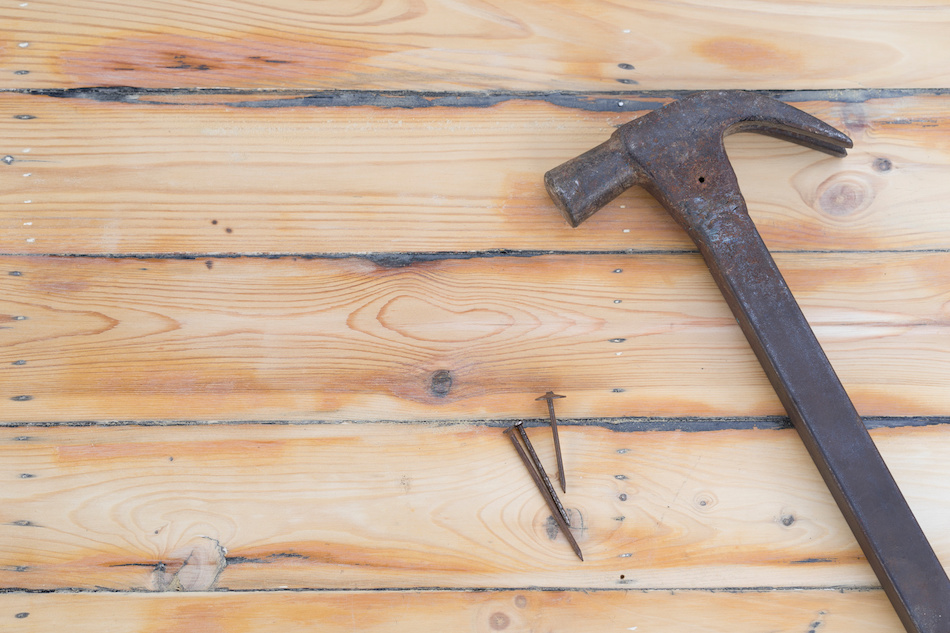
There are ways in which standard doors can be reinforced to better resist damage from high winds. Most are simple, do-it-yourself projects.
- Inspect doors of any cracks or missing or damaged hardware. Make sure there are no air leaks around the door.
- Replace standard hinge screws with longer, stronger screws that will reach into the wall frame.
- Make sure the threshold seals the door bottom and is screwed deeply into the floor.
- Add a deadbolt to exterior doors that extend a minium of one-inch.
- If you have French-style double doors, make sure they are refitted with bolts that extend at least an inch into the floor.
It is a common practice to reinforce doors (and windows) with sheets of plywood when a hurricane approaches. This can be cost-effective and should be planned in advance. When covering doors with plywood, use at least ½ inch thick plywood sheets that extend beyond the door frame and secured with heavy-duty screws or expansion bolts. Pre-drilling holes and marking the location for each sheet of plywood can help save valuable time in an approaching storm. Keep in mind that plywood quickly becomes in high demand as a hurricane approaches, so being prepared ahead of time will ensure you have the materials needed and on hand.
Other than covering traditional, standard sliding glass doors with shutters or plywood the only way to defend against glass breakage is by replacing the doors with those using impact-resistant glass. Even with impact-resistant glass, many homeowners appreciate the added protection a layer of plywood can provide.
Windows
A quick look around any yard will reveal a number of items that can quickly turn into projectiles during high winds. There are natural materials like sticks, limbs, dirt and stones. Then there are man-made items like lawn furniture, trampolines, grills, umbrellas, yard tools, and toys. These items make a home’s windows particularly vulnerable during high winds, especially when standard glass is used. They can also damage siding, scrape roofing and damage neighboring property.
Even a small branch or piece of flying debris can start a landslide of damage once a window is cracked. That crack can weaken a window, eventually turning into a break. As winds continue to put force on the broken window, the break can become larger and even cause the complete failure of the window. This can result in dangerous shards of glass being splintered through a room. Winds and rain now have even greater access to the home’s interior, likely creating further damage. Once winds enter a space, the entire structure, including the roof, is at greater risk.
A home’s security during high winds is only as strong as its weakest link and, in most cases, that is a window. There are two main options when it comes to providing better window protection. One is to cover or reinforce windows and the other is to upgrade windows to high impact glass.
Benefits of High Impact Glass
High impact glass is manufactured to resist the impact from wind-borne materials during strong winds. Not only is the glass generally thicker, it is reinforced with a clear film to help maintain its integrity. Impact resistant glass is more flexible in high winds and even if cracked, will not shatter into dangerous sharp pieces of flying glass.
Beyond improving the safety of a home in a wind event, there are multiple other benefits to high impact glass that even homeowners in non-coastal areas can benefit from.
- Sound Insulation: High impact glass has sound insulating qualities that can create a quieter environment in a home. This can be very beneficial in a noisy city environment or even in the suburbs where weekend lawn mowing and trimming may take place earlier than appreciated. It will also help insulate a home from the sounds of neighboring barking dogs, traffic noise and construction.
- Security: Not only can high impact glass protect from flying debris but it can also discourage intruders. While high impact glass is not impenetrable, it will certainly slow down someone intending to break into a home through windows. This just may be enough to discourage them.
- Reduction of UV Rays: High impact glass uses laminate material that reduces up to 99% of UV rays from entering a home. These rays can cause long-term damage and fading of curtains, upholstery and other furnishings.
- Lower Energy Costs: Choosing impact glass has the built-in benefit of reducing energy cost. How much will depend on the type of windows chosen. This is particularly valuable in coastal areas that frequently experience high temperatures like Florida, the Southeast Coast, and Gulf Coast states.
- Lower Insurance Costs: Many insurance companies offer discounts to homeowners who improve their homes using wind resistant upgrades like windows. These discounts along with energy savings can contribute to paying for high impact windows.
- Increased Value: High impact windows add to the value of a home. They can also be a significant selling point when putting a home up for sale in a high wind-prone region.
Like any replacement window, high impact windows are available in three common framing materials including wood, aluminum, and vinyl. Modern high impact glass windows are every bit as attractive, and in many cases more so, than traditional window options.
How to Reinforce Windows
When upgrading to high impact glass is not the only option, there are less expensive, and even do-it-yourself alternatives.
- Plywood: Plywood is an inexpensive and effective way to protect your windows in a high wind event. The key is to be prepared and pre-measure and drill plywood sheets to cover windows ahead of time. Use plywood that is at least 1/2″ thick with sheets cut to extend 6-8″ beyond the window opening. Mark and pre-drill holes where heavy duty screws will anchor the plywood sheets in place. Mark the location of each plywood sheet using a marker, for example, “Kitchen window-Upper Right”. This will help you more quickly mount your plywood in an approaching storm.
- Hurricane Film: Hurricane film is a clear laminate that can be applied directly to the glass in a window. It is popular because it is relatively inexpensive, easy to apply and can help prevent UV rays for entering a home. Hurricane film is designed to keep the glass from shattering into tiny, sharp projectiles upon an impact. If windows are older or frames are weak, however, it could cause the entire window to fail in high winds or in a significant impact.
- Shutters: Shutters are still a popular choice for window protection especially along the coasts and for condominium owners. There are plenty of design and material options in modern shutters including roll-up and accordion style. These are pre-installed and ready for deployment during a wind event. Materials include aluminum, fiberglass and reinforced fabric. There are even opaque materials that will let more light into a home. Remote controlled powered shutters add even more convenience.
It is important to note that taping windows/placing a giant “X” using tape on a window is virtually useless in either adding strength or in keeping a window from shattering. The other methods in this section will be much more helpful.
Roofing
The roof is one of the largest parts of a home. Rather than thinking of it as a single element, however, it is helpful to think of it as a combination of materials that protect your home from rain, snow, animals and helps keep warmth and cool air in. A roof consists of the outside layer (most frequently – but not always – asphalt shingles), a tarpaper moisture barrier, underlayment, and trusses. It also includes materials like flashing, eaves, soffits and more.
Although large, the roof is susceptible to damage in high winds for a variety of reasons. As a roof ages, shingles can become brittle and lose adhesion to the structure. Older roofs aren’t reinforced as well as more modern structures and are more easily damaged. While a roof is both large and heavy, it can be no match for high winds as elements get peeled away or the entire roof structure may even be lifted away.
Of course, once the roof has been compromised, wind and water can enter the interior of the home and the entire building will be at risk.
The lifespan of roofs will depend primarily on the roofing materials used. Standard vinyl shingles may last from 15-25 years, while steel or tile roofing can last 60-80 years or more. These materials, of course, will vary widely in costs.
Like most elements of a home, the lifespan of a roof can be extended through regular inspections and maintenance.
Regularly Inspect the Roof
Roof inspections should be conducted at least once a year. While many roof issues can be detected with the naked eye, a closer look may reveal more hidden problems. Here is a list of some areas of focus when conducting an annual roof inspection.
- Missing or partial shingles.
- Shingles that are cracking or buckling.
- Worn or cracked rubber boots around roof pipes and vents.
- Rust on metal flashing
- Cracking or chipping caulk on flashing
- Damaged or missing chimney capabilities
- Shingles that are scraped or otherwise damaged from limbs that may have fallen.
- Any moss that is growing on the shingles.
Furthermore, homeowners should check the area around their roof and keep any tree limbs trimmed back and away from the roof. These limbs can serve as traffic lanes for insects and varmints who can do roof damage. In addition, you’ll want to make sure your gutter system is clean, clear and draining properly. Backed up water or frozen water can cause significant problems to a roof’s structure. Particular attention should be paid to the edges of a roof where weakened material can be more easily lifted by high winds.
Optimal Roof Design
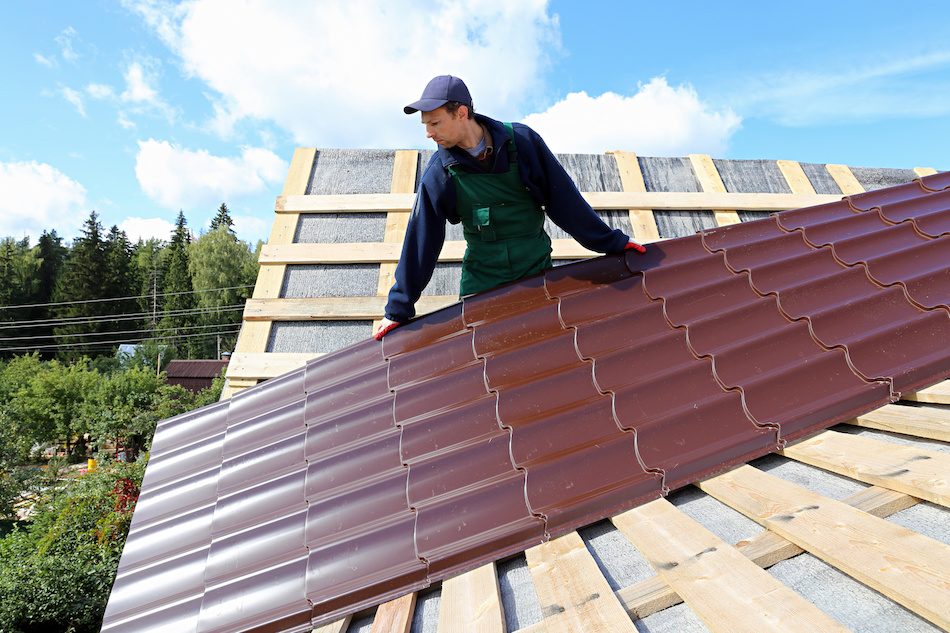
Housing design has a major impact on the amount of wind damage that may be done to a home. A low profile roof, for example, is much less likely to experience damage than a high profile one. This means that a roof on a single story home is less likely to incur damage that the roof of a two-story house.
A hip roof is less likely to be damaged than a gable roof. The more roof penetrations there are, the more likely it is that damage occurs. Wider overhangs are also prone to more damage. Roof integrity in high winds is frequently determined during construction and in the design and materials used.
For example, in construction, nails should be used as opposed to staples. Plywood is a more durable, wind resistant choice than particle board for underlayment. While certainly more expensive, metal roofing has proven to withstand high winds far better than asphalt shingles. Metal roofing has far fewer seams than asphalt shingles and fewer areas where the wind can get underneath. Metal roof sections lock together creating a better bond and overall stronger structure. Roofs designed with smaller overhangs also have less opportunity for uplift.
While a homeowner may feel there is little they can do about an existing roof, there are actually a number of roofing upgrades, aftermarket products, and steps that can be taken to upgrade a current roofing system to make it more wind resistant.
Securing Roof/Shingles
Even if you are just replacing a current aging roof, there are steps one can take to make a roofing system more wind resistant. Start by using plywood as the underlayment instead of composite wood. Metal roofs are extremely wind resistant as are clay, slate, and concrete tiles. Heavier clay or slate materials may require additional strengthening of your underlying roof system. There are asphalt shingles that are rated higher for wind resistance and they should be installed using nails as opposed to staples. You can also request six nails be used in attaching each shingle instead of the normal four. These steps alone will help provide a more substantial, wind resistant roof. There is more however, that can be done.
In excessive winds, pressure is applied to various sides of a home and potentially can lift the entire roof system off of a house. When this occurs, there is no lateral stability to hold the walls up. This results in the walls generally falling outward, making it appear the home has exploded. There are several steps than can be taken to mitigate this problem including better securing the roofing system to the load-bearing walls and foundation. There are braces which can be added to a roof system including trusses to maintain its integrity. Hurricane straps and can be installed to secure the roof to load bearing sidewalls.
These systems will likely need to be upgraded/installed by a licensed contractor familiar with roofing codes in your particular area.
Garage Door
A garage door is typically the largest moving part of an entire home. This creates some unique challenges in high wind situations. Generally speaking, garage doors are designed to move upward and downward, providing security and shelter for vehicles and other items stored in the area. Like most materials used in construction, under daily stress, garage doors may perform admirably and even enhance the appearance of a home. Under the stress of high winds, however, they can and do fail. This can cause a chain reaction of destruction and damage to a home, once wind and moisture are introduced to the area.
When a detached garage is involved, a garage door plays a major role in keeping the wind from getting into the garage and lifting off the roof. In an attached garage, it could lead to damage to the roof structure of the entire home.
Inspecting the Condition of the Garage Door
Ensuring a garage door is ready for high winds starts with a visual inspection. Unless a garage door contains windows, there should be little if any daylight seen around the panels when the door is closed. Wheels should fit securely in the roller tracks and there should be minimal “wiggle-room” when the door is in place. The garage door should be able to manually lock into both the right and left sides of the track.
When replacing a garage door, consider a “storm ready” reinforced door. These doors are constructed of heavier materials and reinforced both horizontally and vertically. Impact resistant hurricane-ready garage doors also include heavier hardware and more durable wheel and track systems. Securing this type of door simply involves closing it and locking it into place.
Best Garage Doors Materials
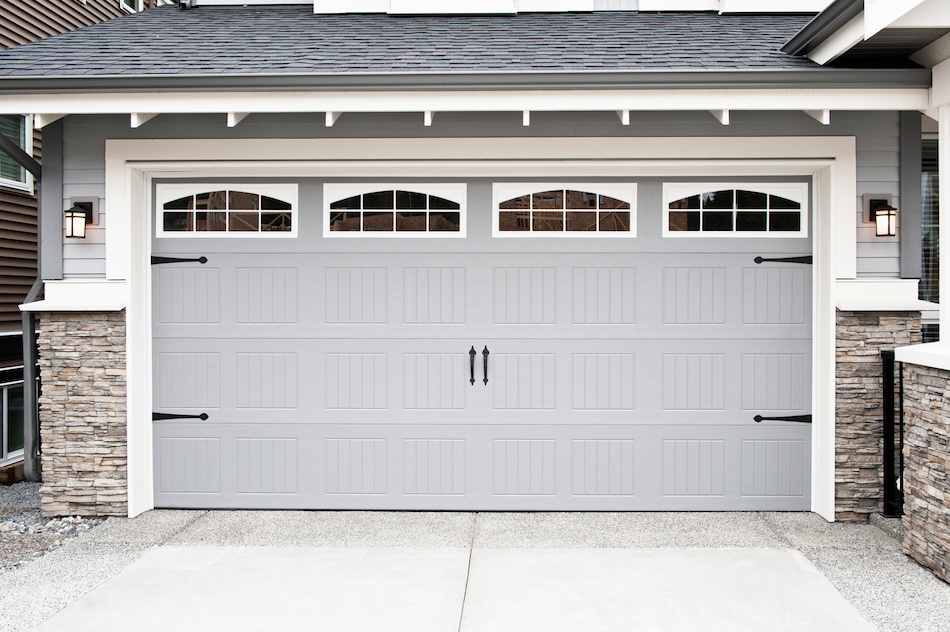
Steel is a popular impact resistant material that can be used for a garage door. Many impact resistant doors will include at least one layer of steel and may include layers containing wood, polycarbonate materials, insulation or aluminum. The strongest wind and impact resistant doors use several layers in their construction.
Keep in mind, a garage door must not only withstand the strength of 100+ mph winds but must also be able to absorb the punishment that flying debris may inflict on the door. Thin aluminum or aging wood may not stand a chance of survival in such winds and swirling debris. Most have seen images of a 2×4 piercing a tree, car window or other material as a result of high winds. It doesn’t take much of an imagination to visualize the damage that could do to a standard garage door.
How to Reinforce a Garage Door
There are two main forms of aftermarket options to reinforce garage doors to increase wind resistance. The first is a bracing system that must be manually put into place as high winds approach, and be manually removed following the storm. These bracing systems installed inside of the garage door help to provide additional support. Long metal posts are placed into the floor and into ceiling beams. Some bracing systems also include horizontal braces.
There are also hurricane panels available, most frequently made of steel, aluminum or polycarbonate materials. Like storm shutters or plywood that can be used to protect doors and windows, these panels install on the outside of the garage door, provide additional protection from wind and debris. These also need to be manually removed when the wind threat has passed.
Reinforcing garage doors with these aftermarket systems can offer better protection for a home, but they will not generally qualify homeowners for discounts on their insurance policy.
Home Siding/Exterior
Another area of a home that should be of concern in high winds is the siding. Like the roof, windows, and doors, keeping a home’s siding inspected and properly maintained will go a long way in maintaining its integrity in a windstorm. Like those other areas, the key is preventing the wind from getting a foothold behind the siding, giving it an opportunity to tear it off of the structure.
Siding Condition Inspection
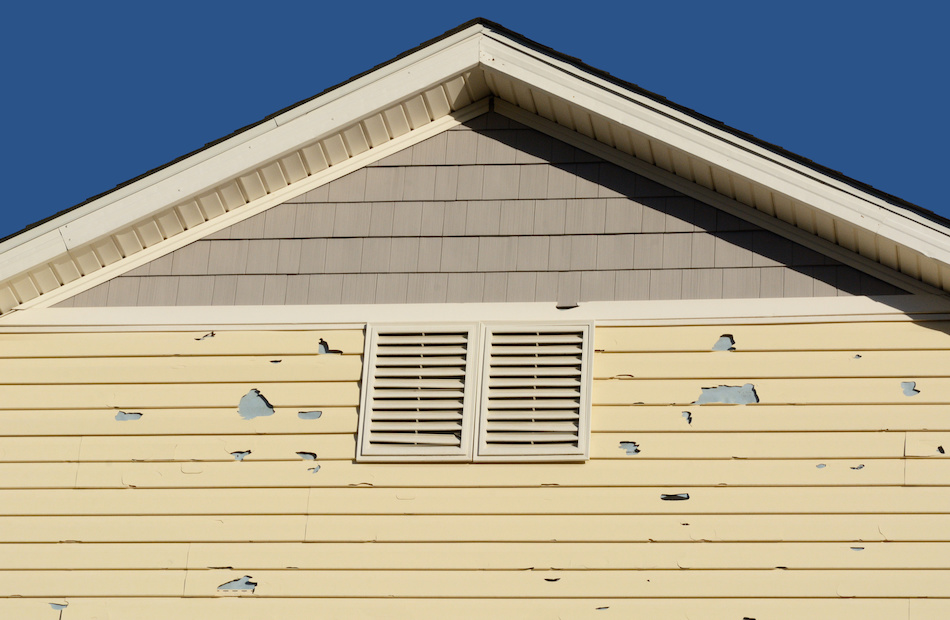
A large factor in the integrity of your siding in high winds is its age, condition, and the materials of which it is made. Like other aspects of your home, the place to start is with a thorough inspection of your siding.
You are looking for cracks and openings and where the siding may have deteriorated. While much of this inspection can be visual, be prepared to apply pressure on the siding to test its strength and to verify it is firmly attached. If wood siding appears to be soft, those pieces should be replaced. Where it is loose, it should be reinforced. Make sure to check corner pieces as well.
Other areas of concern should be around doors and windows. If siding has pulled away from window or door frames it should be resealed. The same is true for any areas where the siding has been breached for a dryer vent, exterior faucets, the main water line, and natural gas entry points and any HVAC vents or pipes. You’ll also want to inspect areas where the cable company may have created an entry point. Wind-driven moisture into these areas can cause long-term damage from rotting wood and even mold.
An annual thorough siding inspection can help you spot trouble before it magnifies and will help ensure your siding is better prepared for any unexpected wind event.
Sealing Gaps
One of the easiest and best ways to prevent winds from getting behind siding is to make sure the siding is sealed properly. Over the course of years, siding is heated and cooled, potentially creating gaps, cracks and even pulling away from the foundation. Wood siding can be compromised by moisture or insects. Older vinyl siding can bow and crack.
These gaps can be eliminated in a variety of ways including caulk, spray foam insulation. If the damage is significant enough, replacement of some of the siding may be prudent. Keep in mind, during gale force winds, it is not just the weakened siding that is in jeopardy.
Proper Siding Installation for High Winds
Special steps need to be taken when installing new or replacing siding in wind prone areas. Of course, attention needs to be paid to any local building codes and manufacturer’s instructions for the materials used. Prior to installation, a moisture barrier or house wrap should be put in place to serve as an additional defense against wind-driven moisture. Pay close attention that the materials purchased are suitable for the location of your home. For example, if a home is located close to a coastline, stainless steel fasteners may be suggested or even required. It is typically advised to never use dissimilar metals together.
When siding is being installed, very careful attention must be paid to the proper installation of the lowest deck of materials. If this layer is improperly or carelessly installed it can have a negative effect on the entire project. This is due, in part, because damage to siding frequently occurs from the bottom up.
Other installation tips will depend on the type of material used.
Installing Vinyl Siding
Vinyl siding is resilient in high winds as long as it is properly rated and is installed correctly. The International Building Code says vinyl siding should be rated up to 110 mph up to 30 feet high. This is sufficient for one and two story homes. For taller structures, or for those who wish to achieve higher than a 110 mph rating, more structurally sound siding and installation methods should be used.
It is important to remember that higher wind ratings are achieved through a combination of the materials and the installation methods so manufacturer instructions for installation should be strictly adhered to.
Vinyl siding rated for higher winds will generally be made of thicker, stiffer vinyl and include an enhanced nailing hem. Nails should be placed in the center of the nail slot and should not be hammered fully into place. Leave enough room for the siding to be able to slightly expand and contract in temperature swings. This will prevent the siding from buckling. Do not caulk or seal vinyl siding pieces together to allow for this slight movement.
Only use the manufacturer’s suggested starter strip when installing siding. This will help ensure a solid start to the project. Make sure each section is properly locked with previously installed sections and has an appropriate overlap. Special care should be taken around window and door frames to maintain the integrity of the vinyl siding.
Installing Wood Siding
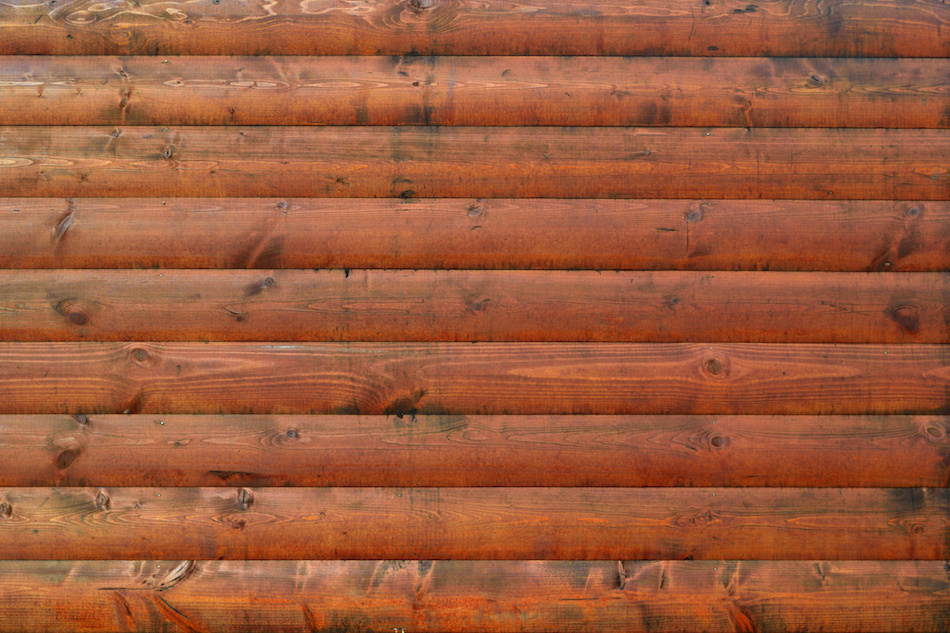
Wood siding is both attractive and functional in areas where high winds occur. Here are some tips to keep in mind when installing wood siding in these wind prone areas.
- Be sure to use a water barrier or house wrap under the wood siding, but make sure to include a rain screen. A rain screen is a small gap between the back of the wood siding and the water barrier that allows moisture to escape or “rain” down the barrier. This can be accomplished by using vertical furring strips to allow for the spacing. Check manufacturer recommendations, however, to suit your specific materials.
- Choose decay-resistant wood. Redwood, cedar, or cypress are good choices.
- Prime the wood siding before installation for best coverage.
- Follow specific manufacturer instructions for attaching wood siding, especially when attempting to achieve high wind ratings.
- Blind nailing should be done at least ¾ of an inch below the top edge. Surface nailing, however, may provide better adhesion in high winds. Check with both local building codes and the manufacturer’s instructions before making a final decision.
- Be sure to trim off the bottom of the first course, not allowing for an extension of siding beyond the underlying material. This can minimize wind grab.
Wood siding can require more maintenance than some other choices, but it can pay dividends in beauty and in the versatility to paint it to change colors.
Installing Fiber Cement Siding
Fiber cement siding is durable, versatile and extremely wind resistant when properly installed. While installation is similar to that of wood siding, fiber cement siding will require special precautions and tools outside of your typical homeowner toolset, especially when cutting material on-site. Eye protection and breathing filters are strongly encouraged.
The following suggestions should be kept in mind when installing fiber cement siding.
- Field-cut ends should be sealed based on manufacturer instructions.
- All intersections should be properly gapped and sealed.
- Pay strict attention for local codes and manufacturer instructions when choosing appropriate fasteners for the wind ratings you desire to achieve.
- Blind nails should be at least 3/4″ from the top edge. To achieve 100 mph+ wind ratings, face nailing is recommended.
- Make sure the first course is trimmed and doesn’t extend beyond the underlying material.
Fiber cement siding provides exceptional protection from wind, and although it may be outside of the realm of a DIY project for many, it may be worth exploring as a high wind resistant option.
Insulated Concrete Forms (ICF’s) are an increasingly popular choice in new construction for those living in areas prone to natural disasters, including hurricanes and tornados.
ICF’s are concrete walls that are cast in place on-site, between two layers of insulation. The insulating material is bound together by steel rods. Not only does this type of construction provide exceptional soundproofing and insulation benefits, it can withstand winds up to 250 mph. That should get the attention of anyone considering building a home in a tornado or hurricane prone area.
While ICF construction is said to add about 5-10% to a home’s build price, that cost can be made up in energy savings and potential savings on homeowner’s insurance. Some project actual energy savings of from 30-70% with an ICF constructed home. An ICF constructed home is said to allow less allergens into a home and is more fire resistant than other construction materials. It also can provide peace of mind in even the most severe weather and wind conditions.
Landscaping and Outbuildings
An important component of protecting a home and property in high winds is minimizing the potential projectiles that can become airborne in a tornado or hurricane. These projectiles can result from trees and limbs and from an assortment of yard furniture and outdoor tools and toys we may use on a daily basis. Depending on how much warning you have prior to a wind event, items can be safely secured in a garage or outbuilding (which should also be secured and/or reinforced). Items like empty trash containers can even be filled with water to keep them in place. Larger items like a backyard trampoline should be disassembled, stored, or at the very least turned upside down and secured to the ground.
Homeowners should consider every item not secured in their outdoor living spaces as a potential projectile including potted outdoor plants, decorative items, and umbrellas. Even piles of brush can scatter and cause damage to property in severe winds.
It can pay to make an inspection of your property and secure loose items before an approaching storm.
Trees
Very few news stories about wind damage don’t include images of large downed trees. Trees serve as a sail in the wind and, in spite of deep or extensive root systems, will topple in high winds. The potential increases when storms occur during or after heavy rains when the ground has become saturated. The saturated ground provides less resistance to the wind pummeling a tree. Eventually, a tree may simply become knocked over, large root ball and all. In other cases, large sections of a tree may split in the wind or large limbs taken down. This is more frequently seen in an area that hasn’t seen a heavy wind storm in several years. In this case, trees that have become overgrown or aged are “pruned” by Mother Nature. Interesting enough, in areas that see more frequent windstorms, significant tree damage is less likely as nature keeps up with the pruning process. Whatever the scenario, homeowners should keep an eye on trees around their homes to better protect their homes from potential damage.
Inspecting and Pruning Tree Branches
Proper tree maintenance on a property starts with regularly inspecting trees. While you may not feel comfortable in your knowledge of trees, there are some simple things to look for in a tree inspection.
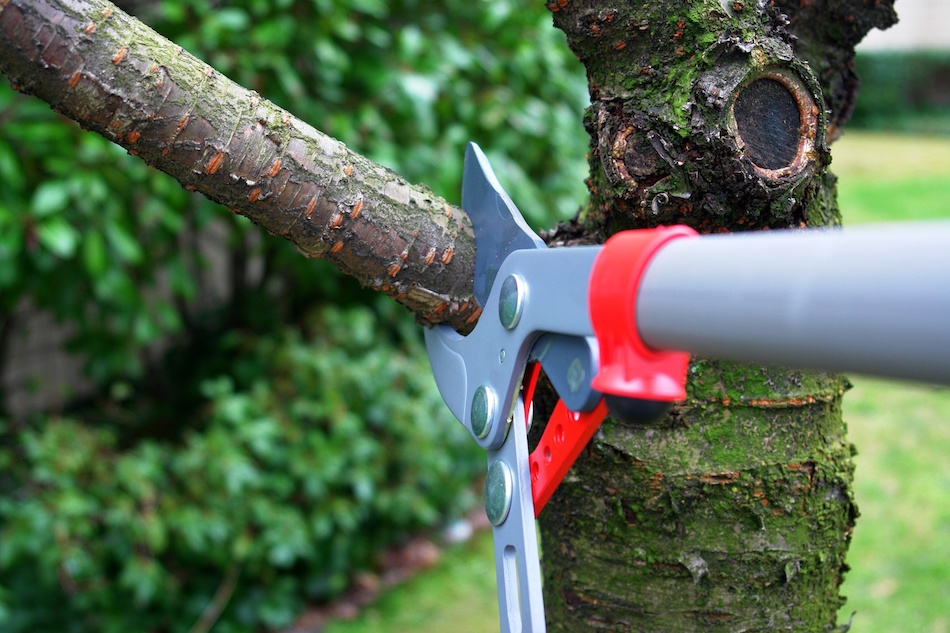
You should be able to “see” through the leaves of a tree. This better allows air flow through its branches and minimizes the drag high winds put on the leaves. If the tree is small enough, you may be able to remove or prune some of these interior branches to allow for winds to better pass through.
Generally speaking, small growth branches that extend upward should be left to grown. Downward-growing branches or those that are beginning to grow across others can cause potential issues. Those can and should be trimmed.
Branches that touch a house or overhang a house should also be trimmed. Winds can cause a limb that is touching a structure to scratch rub against siding or roofing causing damage. It also provides an opportunity for window breakage. Of course, limbs that hang above a property are always cause for concern. If tree trimming is done immediately prior to an anticipated hurricane, be sure trimmed limbs are properly disposed of and not left in a pile in the yard.
Tree Removal
If wind damage is your top priority, no tree should be closer to your home that its height, and should be removed. However, in most instances, this is neither practical nor desired. Trees provide shade and add beauty to homes. The reality is, however, an old tree that is showing its age may need to be removed. This will require the services of a professional, usually, with fees based on the size of the tree and how challenging a position it is located in to be safely removed.
Removing an heirloom tree can be a difficult decision. They are often replaced by planting a new tree that will offer less maintenance and potential danger.
Make sure any tree removal service used is bonded and insured. Inquire if stump removal is included in the price and if all limbs and material will be removed from the property. When a home has a fireplace, the homeowner may decide to keep many larger pieces of the removed tree for future firewood. Some trees may also have wood that is valuable. The wood can be sold either to the tree removal service or another individual.
It is important any limbs and debris be removed from a yard prior to any high wind event. This is a reason a homeowner shouldn’t wait for an impending wind storm to perform needed tree removal.
Outbuildings and Other Potential Projectiles
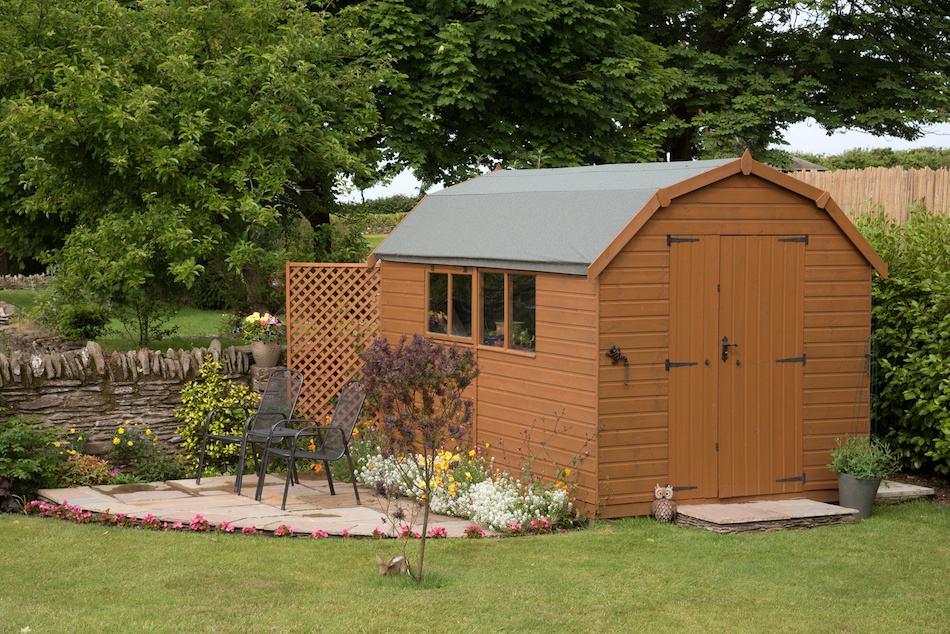
Many homes make use of outbuildings and storage sheds to store items ranging from lawn equipment to tools and bicycles. If the outbuilding is not secured to a cement pad or otherwise properly anchored, it can cause problems on several levels. First, smaller, lighter wood or plastic buildings (or tiny homes that are not built on a foundation) can easily be moved or toppled in high winds. They can break apart and sail into the wind. This also can create the secondary problem of turning the contents of the outbuilding into projectiles. Watching this take place from the interior of a home while the winds are raging can be frustrating, frightening and concerning. There will be little that can be done after the fact. Outbuildings need to be prepared for high winds ahead of time.
Securing any such outbuildings or sheds is critical in areas that experience high winds. Anchor systems are available that can be attached to the base of a shed-like structure and be secured to the ground. There are also strapping systems that extend from one side of a small building over to the other side — both sides are anchored into the ground. The number of straps required will depend on the length of the building.
If outdoor items like barbecue grills or furniture can’t be stored inside of a secured area, make sure they are anchored with a metal cable or chain to a solid structure like a deck or post that is cemented into the ground.
If you are considering purchasing a storage shed or DIY outbuilding and live in an area that experiences high wind storms, be sure to ask about options that may be available for that particular structure to secure it properly.
Taking Shelter Indoors
Taking shelter indoors may be your only option in fast-moving storms like tornadoes. In hurricanes, where residents generally at least have a few days of warning, departing to a safer area may be the best option. In either case, the safest place in the home during a high wind event is generally the same; an interior room on the lowest level of a structure, away from windows and exterior doors. In some cases, this may be a basement or a first-floor interior closet or bathroom.
Be sure to take a battery operated radio or weather radio with you along with a flashlight. Blankets may offer additional protection and in severe cases, mattresses can be used to provide cover. If an interior bathroom is used, the tub can provide additional protection.
Understanding When It’s Best to Evacuate
Pacific hurricane season is from May 15 through the end of November while the Atlantic Hurricane season spans from June 1 through November 30th. Coastal areas suffer the highest impact, but hurricane force winds can still occur a hundred or more miles inland.
Residents who may be impacted by a hurricane generally have days or more to get ready. This is when plans and preparations should be made to secure your property, notify family and friends as to your intentions, and secure gasoline, cash, and needed foodstuff to make it through the storm and for at least three days beyond. If you are not in the immediate impact area for the most damaging winds, you may decide to “ride it out”. But when should you decide to evacuate?
Simply put, if you are told to leave or are in a mandatory evacuation zone you should leave. You should become familiar with planned evacuation routes for your area and depart within at least a day prior to the storms impact. Keep in mind hotel rooms will likely be at a premium, so leaving earlier will allow you to travel further from the storm’s impact area and may offer more options for accommodations.
Before leaving, do what you can to prevent damage to your home. Install shutters or plywood over windows and doors. Secure loose items in your yard. Make plans for the care of pets. Perhaps most importantly, let loved ones know of your plans and destination.
Leaving a property behind can be a difficult decision. But staying behind may be a frightening, life-threatening situation you should avoid.
Creating a Safe Room
People have varying definitions of a “Safe Room.” Some view it as a place to go in your home when there is an emergency. Others view it as something that should be constructed in the interior a home to serve as a refuge in a variety of calamities. For the purposes of this guide, we are assuming there is a specific area in your home that can serve as the safest place to be in a hurricane or tornado. This will likely be in an interior room on the lowest level of a home, away from windows.
Once you have determined where this space is, there are some preparations you can take to improve the safety of the space.
Ideally, the space should be at least as large as a walk-in closet. It should have a locking door that can be secured with a deadbolt and perhaps, reinforced with longer hinge screws. The room should have a battery operated flashlight or attached LED lighting, a battery operated weather radio, bottled water, and blankets. For our purposes, the safe room need only help you survive the peak winds of an approaching.
There is a newer product on the market that can also help you create a more impenetrable safe room. It is concrete cloth.
Concrete “Cloth”
Concrete cloth is a material that has already been proven effective in lining construction ditches to protect workers, as an easy to deploy fabric in building quick shelters for the military and in fortifying existing construction. Concrete cloth is fabric that is impregnated with cement. When wet, the material can be manipulated into a variety of shapes for up to two hours. It will completely harden in 24 hours, even if it is over-hydrated.
For purposes of a safe room, sheets of the concrete cloth could be attached to the wood studs of walls or the ceiling to be reinforced using common nails or screws. Once it begins to dry in just two hours, you have a concrete reinforced wall. Even a single layer of concrete cloth is said to be able to withstand winds in excess of 130 mph. At about $6 per square foot, concrete cloth would cost about $600 to cover a 10’x10′ walk-in closet.
Finding a Contractor
While some projects to make your home more wind and impact resistant can be handled on a do-it-yourself basis, there are some projects where you will need to secure the services of a professional. What should you consider when choosing a contactor? Here are some tips.
- Make sure any contractor you use is licensed, bonded and insured. This protects you if the contractor damages your property or otherwise fails in his obligations.
- Ask family and friends for referrals. This is particularly important if they have used the services of a contractor.
- Get payment terms upfront, understand all details of what is included in the bid and never pay 100% of a contractor’s fee before work is completed.
- Get a firm completion date from your contractor. There should be ramifications if that date is not met unless it is due to unforeseen circumstances like bad weather or a material supply issue.
- Review online rating services. A quick internet search may reveal both negative and positive aspects of a contractor.
- Ask for references from the contractor for similar projects he has completed.
- Simply ask the contractor why you should choose his or her services.
- Ask about any warranties and guarantees, including labor.
In some instances, manufacturer’s may recommend certain contractors as “certified” to install their products. Ask specifically what that means for the product and service you are looking for. Perform due diligence before securing a contractor and minimize problems after you’ve selected one.
Why Prepare
Why should you prepare for high winds, hurricanes, and tornados? The simple reason is to better protect you and your household and the investment you have made in your home.
This perhaps can best be driven home by statistics.
- All but one of the ten costliest hurricanes have occurred since 2004.
- 2012’s Hurricane Sandy severely impacted 16 different states.
- Since the mid-1800s, 34 states have been impacted directly by a tropical storm or hurricane.
- The United States records over 1,000 tornadoes each year.
- Altogether, the costs of the 16 separate weather events in the U.S. in 2017 that exceeded $1 billion each added up to over $306 billion.
- Hurricane force winds can impact an area for 12 to 18 hours but a slow-moving storm could leave hurricane force winds in place for 24 hours or more.
- Hurricanes are ranked on the Saffir-Simpson Scale which places them in five categories. Category 1 is from 74-95 mph, Category 2 from 96-110 mph, Category 3 from 111-120 and Category 4 from 130-156. The most devastating Category 5 hurricanes range from 157 mph and above.
- Tornadoes are rated on the Fajita Scale which determines an EF0 tornado to be “light” at 65 to 85 mph. An EF1 tornado is designated as one with winds from 86 mph to 110 and is “moderate”. A “considerable” tornado is an EF2 with winds ranging from 111 mp to 135 mph. An EF3 spans from 136 mph to 165 mph and is considered “severe”. At 166 mph to 200 mph an EF4 is referred to as “devastating” and an EF5 at 201 mph+ is determined to be “incredible”.
Tornadoes and hurricanes are a reality that should be accounted for. There are steps, however, that we can take to mitigate damage.
In many areas, the odds are pretty high that – at some point – a home will be subject to high winds. The winds may be from a hurricane, tornado or even a straight line or mountain wind. Some areas experience blizzard scale winds. Protecting a home starts with inspecting weak points and areas subject to damage like roofs, windows, doors and garage doors. Inspect siding more frequently and take care of our trees, trimming them when needed and removing them as necessary. Make sure your home is safe and have plans in place for severe weather events.