Metal roofs have quickly become one of the most popular roofing choices for homeowners across the country. Known for their durability, energy efficiency, and design flexibility, they can last decades longer than traditional asphalt shingles. But with several different types of metal roof systems available, how do you know which one is best for your home?
Below, we’ll walk you through the most common options, highlight the pros and cons of each, and share our recommendation for coastal climates.
Standing Seam Metal Roof
What it is: Long vertical panels with raised seams that lock together. Fasteners are hidden, creating a clean and modern look.
Pros: Long lifespan (40–70+ years), sleek appearance, low maintenance, performs well in high winds and snow.
Cons: Higher cost, professional installation required, can be noisier during rain without proper insulation.
Best for homeowners who want a premium roof that will last and look sharp for decades.
Metal Shingles & Tiles
What it is: Steel or aluminum shaped to mimic traditional shingles, wood shakes, or even slate.
Pros: Traditional curb appeal, lighter weight than slate or tile, long lifespan (40–60 years).
Cons: May have more exposed fasteners, installation can be more labor-intensive.
Best for homeowners who want the look of a classic roof with the benefits of metal.
Corrugated Metal Panels
What it is: Wavy or ribbed panels often used on barns and farmhouses. Typically installed with exposed fasteners.
Pros: Affordable, lightweight, easy to install, very strong.
Cons: Exposed fasteners may loosen over time, less polished look, shorter lifespan (20–40 years).
Best for budget-friendly projects or homes with a rustic/industrial style.
Stone-Coated Steel
What it is: Steel panels coated with stone granules to mimic shingles or tile.
Pros: Traditional appearance, very durable, quiet in rain/hail, lifespan of 40–70 years.
Cons: Higher cost than asphalt, coating may fade over time, heavier than other metal options.
Best for homeowners who want the strength of metal with the look of traditional roofing.
Specialty Metals: Aluminum & Copper
Aluminum: Highly resistant to corrosion, making it ideal for coastal climates where salty air can cause steel to rust. Lightweight and durable, though generally more expensive.
Copper: A luxury option with unmatched beauty and longevity (80–100+ years). It develops a distinctive green patina over time, but comes with a premium price tag.
Important Notes on Metal Roofs
1. Don’t Mix Unlike Metals
Pairing dissimilar metals (e.g., copper with steel) can trigger a galvanic reaction, causing premature corrosion. Always work with a trusted professional who understands material compatibility.
2. Underlayment Life Expectancy
Even though metal panels may last 40–70+ years, the underlayment beneath them often has a shorter life. Depending on the material, underlayment may need replacement after 20–30 years, which means your roof system still requires professional oversight.
3. Maintenance & Inspections
No roof is truly “maintenance free.” Fasteners, flashings, sealants, and coatings can degrade over time. Routine roof inspections and preventative maintenance help catch small issues before they become costly repairs and keep warranties valid.
Choosing the Right Contractor
Many roofing companies may offer metal roofing installation because of homeowner demand. However, metal roofing is a highly specialized trade that requires precise workmanship, specialized tools, and experience. A poor installation can cut decades off your roof’s life expectancy.
Tips for Homeowners
Ask for photos of prior metal roof projects. Look for completed jobs similar in style and size to your home.
Request client reviews or references. Speaking directly with past clients can reveal how the contractor handled scheduling, communication, and workmanship.
Verify certifications and training. Ensure your contractor is trained in metal roofing systems and not just asphalt shingles.
Check licensing and insurance. Always confirm the contractor holds proper state licensing and carries liability and worker’s comp insurance.
Schedule a professional inspection after installation. An independent NRCIA-certified inspector can confirm the system was installed correctly and help protect your investment.
HOAs, CC&Rs, and Community Aesthetics
With the rising popularity of metal roofs, many Homeowners Associations (HOAs) are revising their CC&Rs (Covenants, Conditions, and Restrictions) to allow or regulate metal roof products. While this creates more flexibility for homeowners, it also raises important considerations:
Wide variety of materials. Some metal systems mimic high-end slate or tile, while others are more cost-effective, industrial-looking panels.
Community aesthetics. A luxury home installing the lowest-cost corrugated panels may diminish the visual harmony of the neighborhood and even affect property values.
Why CC&Rs exist. These guidelines are intended to balance homeowner freedom with protecting the community’s overall curb appeal and property values.
Before committing to a metal roof, homeowners should review their HOA’s CC&Rs and, if necessary, submit proposed plans for approval.
Our Recommendation for Coastal Homes
If your home is near the ocean, aluminum is the most practical choice. Unlike steel, it will not rust in salty air, and it still provides decades of protection. For homeowners seeking a showpiece roof and willing to invest, copper is also an excellent option in coastal environments.
Final Thoughts
Metal roofing can be one of the best investments you make for your home. Whether you’re looking for sleek modern style, traditional charm, or maximum durability against the elements, there’s a system designed for your needs.
Before you choose, we recommend a professional roof inspection to ensure your home’s structure is ready and to help match you with the system that will provide the most value. An inspection after installation is equally important to verify correct installation, and ongoing routine inspections are key to protecting your investment over the long term.
Many property owners, homeowner associations, and 55+ communities are asking whether roof rejuvenation products are a smart alternative to full replacement. With commercials and marketing promising years of added roof life, it’s natural to wonder if this option could save money.
At the National Roof Certification and Inspection Association (NRCIA), our role is to provide unbiased guidance. NRCIA does not test or endorse rejuvenation products. Instead, we rely on the collective expertise of our certified inspectors and more than 30 years of case studies.
What Roof Rejuvenation Products Do
These treatments are designed to restore pliability in asphalt shingles, helping them resist brittleness as they age. In select cases, they may help a roof continue functioning until its expected lifespan is met.
Key Considerations Before Using Rejuvenation
Shingle Type and Life Expectancy
3-Tab: ~15 -20 years
Dimensional: ~25–30 years
High-Definition/Luxury: ~30–35 years
Warranties Are Limited Rejuvenation warranties usually last 5 years and focus only on shingle flexibility—not on preventing roof leaks.
Cost vs. Value NRCIA field data shows that, in many cases, the money spent on rejuvenation can instead be invested in repairs and a LeakFREE® Roof Certification, which actually protects against leaks.
The NRCIA Approach: Inspect, Repair & Certify™
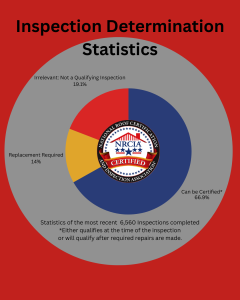
Our recommendation is always to start with a professional inspection. Out of most recent 6,460 roof inspections conducted nationwide, over 66% of roofs either qualify or can be repaired to qualify for a LeakFREE® Roof Certification. This certification provides assurance against leaks—something rejuvenation products generally do not offer. This data is slightly skewed as more than 19% of the remaining portion did not have a qualifying inspection performed, basically meaning that the 19.1% of inspections can be disregarded as these inspections were performed to see if the roof was in serviceable condition to receive solar, were installed according to manufacture specifications and local building codes or to determine the proximate cause of loss as it relates to an insurance claim to name a few.
Bottom Line
Roof rejuvenation may be an option in limited circumstances, but it should not replace proper inspection, repair, and certification. Deferring a replacement for too long often increases long-term costs.
If you’re considering this option for your community, schedule a certified NRCIA inspection first to establish the true condition of your roof system. Find a certified inspector near you through our Member Directory.
Switching to solar energy is one of the best decisions you can make for your home. Solar panels can lower your energy bills, reduce your carbon footprint, and even increase the value of your property. But before you can enjoy those benefits, there’s one important step you can’t overlook: making sure your roof is ready for solar panel installation.
Many homeowners don’t realize that the condition of their roof is just as important as the solar panels themselves. A strong, well-maintained roof helps protect your home; while also making sure your solar investment lasts for decades. That’s why working with a certified NRCIA inspector for both a pre- and post-installation inspection is key.
In this guide, we’ll walk through the steps you should take to prepare your roof, the role of inspections, and why attention to detail, even down to tasks like roof drilling, matters for your project’s success.
Why Your Roof Matters in Solar Installation
Think of your roof as the foundation for your solar system. If the roof isn’t solid, safe, or properly maintained, you may face costly problems later. Solar panels are designed to last 25–30 years. If your roof needs major repairs five years from now, you’ll need to remove the panels, fix the roof, and reinstall them, a process that can be expensive and time-consuming. That’s why it’s best to get everything right the first time. Preparing your roof before solar panels are installed will save you money, stress, and headaches in the long run.
Step 1: Schedule a Pre-Installation Inspection with an NRCIA Member
The first and most important step is to hire a certified NRCIA inspector for a pre-installation roofing inspection. NRCIA inspectors specialize in protecting property owners by providing unbiased, thorough roof assessments.
During a pre-installation inspection, the inspector will:
● Check for leaks, weak spots, or water damage.
● Look at the overall health of your shingles, tiles, or other roofing materials.
● Cursory review the structural support to ensure visible damage is not present. A further evaluation by a structural engineer is always recommended.
● Identify any areas where drilling or mounting hardware might cause problems if not handled correctly.
This detailed inspection ensures your roof can safely support solar panels and alerts you to repairs you should make before installation begins.
Step 2: Repair and Reinforce When Needed
If the inspection reveals issues, it’s best to fix them before moving forward. Common repairs include replacing worn shingles, fixing leaks, or reinforcing weak decking. Think of this step as setting the stage for your solar system. Just like a construction project requires solid ground for drilling and building, your solar panels require a strong, secure roof. Even small issues can grow into major problems if ignored.
Step 3: Plan for Mounting and Drilling
Solar panels are attached to your roof using specialized racking systems. These systems often require careful drilling into the roof to secure brackets and mounts. While this may sound risky, a professional installer knows how to protect your roof from leaks or damage during the process.
Here’s what happens during this stage:
● Installers carefully drill into rafters or trusses to attach mounting brackets.
● Flashing (a type of protective seal) is installed around each drilled area to prevent moisture infiltration.
● The racking system is placed and secured, ready to hold your solar panels.
This is another reason why a pre-inspection matters. Your NRCIA inspector can point out weak spots where drilling may cause issues, helping installers avoid costly mistakes.
Step 4: Post-Installation Inspection
Once your solar panels are installed, it’s wise to schedule a post-installation inspection with an NRCIA inspector. This step ensures the job was done correctly and that your roof is still in great shape without further damage.
During this inspection, the inspector will:
● Check all visible penetrations to confirm they have been integrated properly and remain watertight.
● Ensure the roof hasn’t been damaged by the installation process.
Think of this as a final seal of approval. It gives you peace of mind knowing both your roof and your solar panels are set up for long-term success.
Step 5: Plan for the Future
Your roof and solar panels should last for decades if cared for properly. Here are some tips for long-term success:
● Schedule yearly roofing inspections, especially after storms.
● Keep an eye on flashing and mounting points where drilling was done.
● Clean your solar panels when needed, but avoid harsh chemicals that could damage your roof.
● Work only with licensed contractors and NRCIA-certified inspectors for inspections, repairs, or adjustments.
By taking these steps, you’ll protect both your roof and your solar investment.
Common Questions About Solar Prep
Do I always need a roof inspection before solar panels?
Yes. Even if your roof looks fine from the ground, there may be hidden issues. An NRCIA-certified inspector can uncover problems that aren’t visible to the untrained eye.
What if my roof is too old for solar?
If your roof is nearing the end of its life, it’s best to replace it before solar panels are installed. Many homeowners choose to re-roof and then install solar at the same time.
Can solar panels damage my roof?
Not if they’re installed correctly. With proper flashing and careful drilling, your roof will remain watertight and strong. That’s why inspections and professional installers are so important.
Why Choose NRCIA for Roofing Inspections?
NRCIA inspectors follow a proven system that ensures property owners get the highest level of protection. Their inspections aren’t just quick looks—they’re detailed evaluations designed to give you full confidence in your roof’s condition.
By choosing NRCIA, you’re getting:
● Certified professionals trained in the latest inspection standards.
● Unbiased reports you can trust before making big decisions.
● Peace of mind that both your roof and solar panels are protected.
When it comes to long-term investments like solar energy, cutting corners on roof preparations is never worth it. NRCIA helps homeowners avoid the risks and enjoy all the benefits of renewable energy.
Final Thoughts
Solar energy is a smart, sustainable choice for your home—but it starts with your roof. Preparing your roof for solar panels isn’t just about installing equipment; it’s about protecting your home, your investment, and your future.
By working with NRCIA inspectors for both pre- and post-installation inspections, repairing weak spots, and paying attention to details like safe drilling and mounting, you’ll ensure your solar system is set up for decades of success. Your roof is more than just a surface for panels—it’s the foundation of your clean energy journey. Start strong, stay protected, and enjoy the power of the sun with confidence.
Northern New Jersey – June 17, 2025 — Golden Dragon Roofing, a trusted name in both residential and commercial roofing across Northern New Jersey, proudly announces its official Forensic ROOF® Inspector Certification and Membership with the National Roof Certification and Inspection Association (NRCIA). With this milestone, the company reinforces its ongoing commitment to excellence, quality, and continuous improvement in roofing services and inspections.
Golden Dragon Roofing brings over 30 years of hands-on experience to the table, offering top-tier roofing repairs, servicing, and installations using only the highest quality materials. Known for its exceptional customer service and competitive pricing, the company has long set the benchmark for roofing in New Jersey.
Chris, the founder and lead inspector, began his roofing journey in the late 1980s and has since dedicated his career to advancing industry standards. “Forensic inspections aren’t just about identifying problems — they’re about understanding the ‘why’ behind roof failures,” Chris said. “This certification helps me uncover root causes, not just surface issues.”
With the NRCIA certification in Forensic ROOF®Inspection, Golden Dragon Roofing now offers a higher level of diagnostic precision. These services aren’t just reactive — they’re proactive, helping property owners prevent costly damage by addressing potential issues at their source. “Even small issues, if missed or misunderstood, can turn into major problems,” Chris added. “That’s why we pursued NRCIA certification — to deliver peace of mind through reliable, quality inspections and transparent reporting.”
Golden Dragon Roofing serves both residential homeowners and commercial property managers, ensuring that every client receives the same dedication to safety, integrity, and craftsmanship.
To learn more about Golden Dragon Roofing or to schedule a certified roof inspection, visit goldendragonroofing.com.
California’s governor Just Moved the Chains, But Don’t Fumble Your Inspection Responsibilities
Football season is in full swing, and just like a clutch first down in the fourth quarter, property owners and managers got a lucky break. The governor just moved the chains for SB 721 compliance by extending the deadline to January 1, 2026. That’s right, you’ve got some extra time to get those mandatory inspections scheduled. But here’s the thing—just like in football, delaying your play can cost you big time.
SB 721 is the law that requires inspections of your property’s exterior elevated elements (think balconies, decks, and stairways, etc.) to ensure they’re safe. The aim is simple: avoid dangerous structural failures and protect tenants and investments alike. And while you might be tempted to take a victory lap with that deadline extension, here’s why now is the perfect time to huddle up and get your inspections done.
New Rules, New Opportunities: The SB 721 Amendments You Need to Know
The rules have changed since SB 721 was executed in 2018, and they’re good news for you as a property owner or manager:
Inspectors can now perform restorative repairs after completing inspections. Inspectors are no longer prohibited from offering restorative repairs after completing the inspection. While not every inspector will have the resources to perform these repairs, this amendment opens up the possibility of working with a single professional to both assess and address any issues—making the process more streamlined when feasible.
The deadline has been extended: The deadline for compliance has been extended to January 1, 2026. This gives property owners and managers more time to get inspections completed without the pressure of an immediate deadline.
So, what does this mean for you? It might feel like you’ve just gained a few extra yards and can now take it easy, but let’s not forget—the clock is still running. Here’s a word of caution: Don’t wait until the two-minute warning, again.
Why Waiting Isn’t a Winning Strategy
Even though the deadline has been pushed, procrastination is not your friend. Like any smart coach, you should plan ahead. Here’s why:
Prices are only going up. Demand for these inspections is increasing, and with so few certified inspectors, prices are bound to rise. The longer you wait, the more you might end up paying.
Not enough players in the game. There currently aren’t enough service providers to inspect every building before the new deadline hits. Imagine trying to score a last-minute touchdown with half your team missing. You don’t want to be the one left scrambling to find an available inspector when everyone else has already locked theirs in.
Avoid the last-minute rush for repairs. If you wait too long to schedule your inspection, you risk running into a backlog of property owners all trying to meet the SB 721 deadline. The longer you delay, the busier restorative contractors will be, making it harder to secure one when you need repairs. Getting your inspection done now gives you a head start and ensures better availability for any necessary work.
Don’t Get Caught in the Blitz:
While the deadline extension might feel like extra time on the clock, remember—the longer you wait, the tougher the game gets. Just like in football, waiting until the last minute to make your move is a risky play.
Not all inspectors will offer repairs post-inspection, so it’s important to understand that this is a case-by-case offering. Your best bet is to schedule the inspection, have a clear understanding of your property’s needs, and then decide how to handle any required work based on available resources.
Your Playbook for SB 721 Compliance
Now that we’re in the fourth quarter of 2024, this is the perfect opportunity to get your inspection game plan in place while others are taking a water break. The extra time is a bonus, but the smartest property managers and owners are making their moves early.
To get started, check out NRCIA’s member directory to find a certified SB 721 inspector in your area. Whether you’re responsible for a single building or an entire portfolio, early action will save you from the stress of last-minute compliance headaches.
Remember, in football—and in property management—it’s the teams that plan ahead who walk off the field victorious. Don’t wait until the two-minute warning. Schedule your SB 721 inspection today, Get SB 721 Compliant TM, and stay ahead of the game.
Paul is the president of the NRCIA, an association committed to setting the highest standards for property inspections across both roofing and decking industries. With a strong background in investigative work and years of experience leading top inspection professionals, Paul is dedicated to helping property managers and owners navigate compliance regulations, including SB 721. Through NRCIA’s rigorous training programs and innovative tools, Paul ensures that NRCIA-certified inspectors provide transparent, thorough evaluations to protect properties and occupants alike.
kms pico activator download ✓ Activate Windows 7, 10, and Office 2016 easily ➤ Safe, trusted tool with USB mode, auto renewal ★ Download now for full access and real features
Download KMS Pico Activator for Windows and Office Activation
If you are looking for a reliable way to perform Windows activation or Office activation, the KMSPico tool is a popular choice. This software activation method is designed to help users activate Microsoft products without the need for a product key. The KMS activator works by emulating a Key Management Service (KMS) server, allowing your system to recognize the activation as genuine.
Many users search for KMSPico download sites to find a safe and trustworthy source. One of the well-known options is KMSpico free download for Windows 10 64 bit SOFTONIC, which offers a secure way to get the tool. Using the KMSPico tool can simplify the activation process for various Microsoft products, including different versions of Windows and Office suites.
When you use the KMS activator, it ensures that your software activation is done quickly and efficiently. This method is especially useful for those who want to avoid the hassle of purchasing multiple licenses. However, it is important to download the tool from reputable KMSPico download sites to avoid any security risks.
How to Download and Install KMS Pico Activator for Windows and Office
Downloading and installing the kms pico activator download is a straightforward process that helps users activate Windows and Office products without a product key. To begin, you need to find reliable KMSPico download sites that offer the tool safely. After downloading, the KMSPico installation involves running the setup file and following the activation process prompts.
The activation process is designed to be user-friendly, allowing KMSPico usage even for beginners. This tool supports various Microsoft products, including Windows and Office versions, making it a versatile choice for software activation. For Office users, the KMS activator Office 2016 free download option is often sought after to activate the suite quickly.
Before starting the installation, ensure your system meets the requirements for KMSPico compatibility. This helps avoid any issues during the activation process. Once installed, the tool will automatically detect the Microsoft products on your device and activate them accordingly.
Step-by-Step Guide to Install KMS Pico on Windows 10 and 11 (Including Version 24H2)
To perform Windows 10 activation or Windows activation on version 24H2, follow these steps carefully:
Download the kms pico activator download from a trusted source.
Disable antivirus software temporarily to prevent interference with the KMSPico installation.
Extract the downloaded file if it is in a compressed format.
Run the KMSPico installation file as an administrator.
Follow the on-screen instructions to complete the setup.
Launch the KMSPico tool and start the activation process.
Wait for the tool to finish activating Windows and Office products.
Restart your computer to apply changes.
This activation process ensures that your Windows 10 or 11 system is fully activated and genuine. The KMSPico compatibility with different Windows versions makes it a reliable option for many users. Remember, proper KMSPico usage includes following these steps carefully to avoid errors.
KMSPico Passwords and Access Codes for Activation
Some versions of the kms pico activator download require a KMSPico password or access code to unlock full features. Commonly used passwords include the KMSpico 10.2 0 password, which is often requested during installation or activation.
If you encounter prompts asking for a KMSPico password, enter the correct code to proceed. These passwords help secure the tool and prevent unauthorized use. For users trying to Get into my PC KMSPico, having the right password is essential for successful activation.
Always keep your KMSPico password confidential to maintain security. Using the correct password ensures smooth activation without interruptions.
Safe KMSpico Download Sources Including Softonic and Alternatives
Finding trustworthy KMSPico download sites is crucial for maintaining KMSPico safety and security. One popular option is KMSpico download Softonic, which offers a verified source for the tool. However, users should also consider KMSPico alternatives that provide similar activation features with added security.
When choosing a download site, look for those with positive reviews and secure download options. This helps protect your device from malware or corrupted files. KMSPico security depends heavily on downloading the tool from reliable sources.
Here is a quick comparison table of common download options:
Source Type
Safety Level
Notes
KMSpico download Softonic
High
Verified and frequently updated
Other KMSPico download sites
Varies
Check user reviews carefully
KMSPico alternatives
Moderate to High
May offer better security
Always prioritize safety when downloading activation tools to keep your system protected.
Features, Compatibility, and Benefits of KMS Pico Activator
KMSPico is a popular tool used for software activation, especially for Microsoft products. It offers several useful KMSPico features that make activating Windows and Office easy and fast. One of the main advantages is its wide KMSPico compatibility with many versions of Microsoft software. This means users can activate their software without needing a license key, which simplifies the process.
The KMSPico benefits include gaining full software access after activation. This allows users to use all features of their Microsoft products without restrictions. The tool works by emulating a KMS server, which tricks the software into thinking it is properly licensed. This method of software activation is helpful for those who want to avoid buying multiple licenses.
Using KMSPico also saves time because the activation process is automatic and requires little user input. It supports many Microsoft products, making it a versatile choice for users who need to activate different software versions on their computers.
Full Compatibility List: Windows 7, Windows 10, Office 2016, and More
KMSPico compatibility covers a broad range of Microsoft products. Here are some of the main supported activations:
Windows 7 activation
Windows 10 activation
Office 2016 activation
This KMS activator works well with these versions, ensuring users can activate their software without trouble. The tool is designed to handle different editions and updates, making it a reliable choice for many users.
Note: Always check the specific KMSPico compatibility for your software version before activation to avoid errors.
Key Features and Benefits of Using KMSPico for Software Activation
KMSPico features include a simple interface and automatic detection of installed Microsoft products. This makes software activation quick and easy. Some key benefits are:
Full software access after activation
No need for a license key
Fast and automatic activation process
Supports multiple Microsoft products
The tool uses advanced KMS technology to activate software, which helps users bypass the usual license key requirements. This technology ensures that the activation is recognized as genuine by the system.
Understanding KMS Technology and How It Enables Activation
KMS technology is the core method behind KMSPico’s software activation. It works by emulating a Key Management Service server, which Microsoft products use to verify licenses. This allows the KMS activator to perform a license key bypass, activating the software without a real key.
This method is effective for many Microsoft products, including Windows and Office suites. By using KMS technology, KMSPico can activate software quickly and keep it active for a set period, after which it can renew the activation automatically.
How KMS Technology Works:
Emulates a KMS server on your computer
Sends activation requests from Microsoft products to this server
Tricks the software into thinking it is properly licensed
KMSPico Versions and Updates: What You Need to Know
There are several KMSPico versions available, each improving on previous releases. These updates often include bug fixes, enhanced KMSPico features, and better KMSPico compatibility with newer Microsoft products.
KMSPico Versions
Key Improvements
Compatibility Updates
Version 10.x
Improved activation speed
Added support for latest Windows and Office versions
Version 11.x
Bug fixes and stability
Enhanced compatibility with Windows 10 updates
Latest Updates
Security patches and UI updates
Broader Microsoft product support
Keeping KMSPico updated ensures smooth software activation and reduces the risk of errors. Always use the latest version to benefit from the newest features and compatibility improvements.
Frequently Asked Questions About KMS Pico Activator
Many users have questions about KMSPico, especially regarding its safety, legality, and how it works. Below are some common inquiries and clear answers to help you understand this tool better.
Is KMSPico Safe to Use for Windows and Office Activation?
KMSPico safety is a major concern for many users. While the tool is designed to activate Microsoft products without a license key, it does come with certain risks. The security of your system can be affected if you download KMSPico from unreliable sources, which may contain malware or viruses.
KMSPico security depends largely on where and how you obtain the software. Using trusted sources reduces the chance of harmful software. However, even with safe downloads, there are inherent risks because KMSPico modifies system files during activation.
Regarding KMSPico legality, it is important to note that using this tool violates Microsoft’s terms of service. This means that while it may work for activation, it is not legal to use KMSPico for activating Windows or Office products.
How Does KMSPico Bypass License Key Requirements?
KMSPico uses advanced KMS technology to perform a license key bypass. Normally, Microsoft products require a valid license key for software activation. The KMS activator works by emulating a Key Management Service server on your computer.
This emulated server tricks the software into thinking it has been activated legitimately. When you run KMSPico, it sends activation requests to this fake KMS server, allowing the software to activate without entering a real license key.
This process simplifies software activation for users who do not have a valid key, but it is important to remember that this bypass is not authorized by Microsoft.
What Are the Risks and Legal Considerations of Using KMSPico?
Using KMSPico involves several risks. The main KMSPico risks include potential exposure to malware, system instability, and loss of data if the tool is not used correctly. Since KMSPico modifies system files during activation, improper use can cause software errors or crashes.
From a legal perspective, KMSPico legality is questionable because it violates software licensing agreements. Microsoft considers this type of software activation unauthorized, which can lead to penalties or loss of support.
KMSPico security is also a concern since unauthorized tools can open vulnerabilities in your system. Users should weigh these risks carefully before deciding to use KMSPico for software activation.
Summary of Risks and Legal Issues:
Potential malware infection
System instability or errors
Violation of Microsoft’s licensing terms
Possible legal consequences
Troubleshooting Common Issues with KMSPico Activation
If you encounter problems during the activation process, KMSPico troubleshooting can help resolve many common issues. Some frequent problems include failed activation, error messages, or the tool not detecting installed Microsoft products.
Here are some tips for effective KMSPico usage and troubleshooting:
Ensure you have the latest KMSPico updates installed to fix bugs and improve compatibility.
Disable antivirus software temporarily during activation, as it may block KMSPico functions.
Run the tool as an administrator to allow full access to system files.
Follow the activation process carefully, step by step, to avoid mistakes.
Restart your computer after activation to apply changes properly.
If problems persist, checking online forums or guides can provide additional solutions for KMSPico troubleshooting.
Alternatives to KMSPico for Microsoft Product Activation
If you are looking for other options besides KMSPico, there are several KMSPico alternatives available for software activation. These alternatives also use KMS activator technology but may offer different features or improved security.
Some popular choices for activating Microsoft products include:
Official Microsoft activation methods using valid license keys
Other third-party KMS activators with updated security measures
Volume Licensing Service Center (VLSC) for business users
Alternative Type
Description
Security Level
Official Microsoft Activation
Uses genuine license keys
High
Third-Party KMS Activators
Similar to KMSPico, varying safety
Moderate to Low
Volume Licensing Solutions
For organizations and enterprises
High
Choosing a safe and legal activation method is important to protect your system and comply with software laws. Always consider the security and legality of any tool before use.
In our modern world, where rising energy costs are a burgeoning concern for many, embracing energy-efficient solutions becomes paramount. In this endeavor, it is critical to recognize the significant role played by one crucial component of any structure – the roof. A carefully made roofing decision can have a far-reaching impact on energy consumption. It is fundamental to recognize the importance of energy-efficient roofing practices, as they can translate into meaningful financial savings and environmental benefits over time. By making smart choices about your roofing materials and design, you can reduce heat loss in the winter, minimize heat gain in the summer, and ultimately lower your energy bills.
The Importance of Insulation and Ventilation
Your roof plays a crucial role in regulating the temperature inside your home. Proper insulation prevents heat from escaping during the colder months and blocks heat from entering during the warmer months. Additionally, adequate ventilation ensures that excess heat and moisture are released from your attic, preventing damage to your roof structure and improving air quality.
When adding insulation to the roof, it is important to guarantee that the roofing substrate is strong enough to support the additional weight of insulation. As such, it is a good idea to consider applying metal b-decking to the roof substrate, which provides shear support and increases the load bearing capacity of the roof.
Roofing Materials for Energy Efficiency
There is a wide range of roofing materials on the market, each with its own set of energy efficiency properties. Some of the most prevalent roofing options today include:
Asphalt shingles: Asphalt shingles are a popular and affordable roofing option. Dark-colored shingles absorb more heat from the sun, which can be beneficial in colder climates. However, it’s important to choose shingles with a high solar reflectance index (SRI) to minimize heat gain in warmer climates.
Metal roofing: Metal roofing, such as aluminum or steel, is highly reflective and durable. It effectively reflects sunlight, reducing heat absorption and keeping your home cooler. Its durable fabrication makes it unlikely that a metal roof will need any repairs or maintenance for at least 50 years, greatly reducing the lifetime cost of ownership.
Tile roofing: Clay or concrete tiles are excellent insulators and provide a natural cooling effect due to their thermal mass. They absorb heat during the day and release it slowly at night, keeping your home comfortable.
Slate roofing: Slate is a natural stone that offers superior insulation and durability. Its high thermal resistance prevents heat transfer, reducing energy consumption in both cold and warm climates.
Composite roofing: Fabricated from a combination of fiberglass, recycled paper products, and asphalt, composite tiles are a highly durable product that will not break down in the face of inclement weather. This helps prevent leaks and air transfer that could cause structural damage and HVAC overload.
When choosing a roofing option, it is essential to consider your local climate to arrive at the material that best maximizes energy efficiency for your region.
Roof Design and Energy Efficiency
Apart from materials, the design of your roof also plays a significant role in energy efficiency:
Roof slope: A steeper roof slope allows for better water drainage and reduces heat absorption. In warmer climates, a steeper slope can help reflect sunlight more effectively.
Roof color: As mentioned earlier, darker roof colors absorb more heat, while lighter colors reflect it. Choosing a lighter roof color can significantly reduce heat gain in warmer climates.
Overhangs and eaves: Overhangs and eaves provide shade for your home’s exterior walls, reducing heat absorption and keeping your home cooler in the summer. To guarantee proper attic ventilation, be sure to explore aluminum soffit colors to prevent unwanted moisture damage in these overhang areas.
On top of these design components, don’t neglect the gutters. Clogged and inefficient gutters can lead to damage that results in poor roof efficiency.
Other Energy-Saving Roofing Components
In addition to roofing materials and design, consider incorporating the following components into your roofing system for enhanced energy efficiency:
Radiant barriers: Radiant barriers are reflective materials installed under your roof deck. They reflect radiant heat from the sun, preventing it from entering your attic and home.
Solar shingles: Solar shingles incorporate photovoltaic cells that convert sunlight into electricity, reducing your reliance on the grid and saving you money on energy costs.
Green roofs: Green roofs involve planting vegetation on your roof, creating a natural insulation layer and reducing heat absorption. They also help improve air quality and reduce rainwater runoff.
Reflective coatings: Reflective coatings are a highly effective way to improve the energy efficiency of your roof. They are designed to reflect sunlight away from the roof’s surface, thus reducing heat absorption. In addition to lower HVAC consumption, they also increase the lifespan of your roof by reducing wear and tear caused by intense sunlight. Reflective coatings can be directly applied to existing roof surfaces, making them a cost-effective solution for enhancing energy efficiency without requiring a complete roof replacement.
Finally, do not overlook the importance of routine cleanings and regular roof inspections for ensuring the ongoing efficiency of your roof.
Benefits of an Energy-Efficient Roof
Investing in an energy-efficient roofing system offers numerous benefits, including:
Reduced energy bills: By reducing heat loss and gain, an energy-efficient roof can significantly lower your heating and cooling costs.
Increased home value: Energy-efficient homes are in high demand, and a new, energy-efficient roof can enhance your home’s value.
Improved comfort: An energy-efficient roof helps maintain a more comfortable indoor temperature year-round, improving your living experience.
Environmental benefits: By reducing energy consumption, you contribute to a cleaner environment and lower greenhouse gas emissions.
All in all, while adding energy efficient features will require an upfront investment, its benefits will pay you back many times over in the long run.
Save Money and Improve Performance With an Energy Efficient Roof
Your roofing system plays a vital role in your home’s energy efficiency. By making informed choices about roofing materials, design, and components, you can reduce heat loss, minimize heat gain during warm summer months, and ultimately save money on your energy bills. Investing in an energy-efficient roof not only lowers your expenses but also increases your home’s value, improves comfort, and contributes to a cleaner environment. Consult with roofing professionals today and explore the options at National Roof Certification & Inspection Association to maximize your home’s energy efficiency and create a more sustainable and cost-effective living space.
Roger Marx is a freelance writer that loves sharing his knowledge and expertise on the latest trending building and design products. He lives in Minneapolis, Minnesota where he enjoys spending time with his wife and working on backyard projects in his spare time. Roger’s work as a freelance writer can be found on Building Product Advisor, a construction industry resource site.
A Comprehensive Guide for Property Managers and Owners By Paul J. Watrous, President, National Roof Certification and Inspection Association
The revolutionary lyrics of Sam Cooke, “It’s been a long time coming but I know a change is gonna come,” preceded the reforming Civil Rights Act in 1964. Just a few short decades ago, life looked different. Travelers didn’t have to pass through TSA to board a plane, we didn’t have to wear seatbelts, and children didn’t have car seats. Homes are no longer built utilizing lead and asbestos-based products.
Reforming laws are typically passed due to unfortunate and tragic incidents and are in place to better serve the community, promote the safety of its citizens, and protect their most basic inalienable right, life. These things have now become part of everyday life. Many may not think twice about it because we understand and support the greater objective. Sam Cooke’s lyrics still ring true today however, the change is here, and the time is now.
Now, you might be asking what this has to do with California’s Senate Bill 721 (SB 721). In the ever-evolving world, staying informed about the latest legislative developments is essential, especially in the real estate industry. California’s SB 721, commonly known as the Balcony and Deck Inspection
Law, has significantly changed the landscape of multi-family investments, property maintenance, and safety. The 2015 tragic incident in Berkeley, California, served as a catalyst for SB 721, and three years later, the bill was enacted in 2018, aiming to take preventative measures to prevent such incidents from happening again.
People have the right to life. By ensuring property owners regularly assess and maintain their buildings to promote a safe living environment for their tenants and the public, all Exterior Elevated Elements (EEE) must be periodically inspected and maintained. Initially, changes can sometimes be
abrasive and difficult to navigate. But let’s approach this law with the positive mindset that everyone should have the right to life, a safe one at that, without worrying about history repeating itself. This law has far-reaching implications that will only continue to develop over time.
Naturally, being headquartered in Southern California, this inspection law caught the teams attention at The National Roof Certification and Inspection Association (NRCIA). Since 1995, the NRCIA has been known for trailblazing the roof inspection industry with best practices and processes.
Through research, crafting educational and training courses, and developing tools and resources that target the inspection industry, the NRCIA is committed to promoting safety, transparency, and excellence within the real estate community. Recognizing the importance of SB 721 compliance, California stakeholders have been inquiring about this training which commenced the development of NRCIA’s newest educational content. “Mastering SB 721: The Comprehensive Guide to California’s Balcony and Deck Safety Law” is designed to assist service providers, property managers, and owners navigate the intricacies of this new law.
After countless hours of combing through the legislation and talking with the parties involved, from building owners to city officials, the NRCIA was able to compile a three-hour course covering the history of SB 721 to understand the law and processes on a deeper level fully. The course comprises modules covering the inspection terminology, requirements, timelines, compliance, procedures, and proper documentation. Upon completion of this course, students will gain insight and shareable knowledge and be equipped to confidently navigate the SB 721 process, adding value to the services they offer. Additional field resources are provided, keeping the course details and the law at your fingertips.
SB 721 represents a significant step forward in ensuring the structural integrity and safety of exterior elevated elements in multifamily buildings throughout California. Property managers and owners must be well-informed and prepared to comply with this law. NRCIA’s course, “Mastering SB 721,” is a valuable resource for staying ahead in this evolving landscape. By prioritizing safety and compliance, property managers and owners can protect their real estate investments and the well-being of both their tenants and the public. Berlin, in South Orange County, points out the stereotypical landlord mindset: “if it ain’t broke, don’t fix it.” Breaking long-time habits or strategies can be challenging, especially when it consumes more time, expertise, professional services, and financial resources. After the initial inspection cycles, this law will subsequently edify the property owner’s mindset, shifting from reactive repairs to preventative maintenance, ultimately creating a better life for their tenants.
As with most changes, friction can occur, and SB 721 is no different. Beyond the initial frustration of another landlord requirement, locating a qualified industry professional to perform these inspections is the first challenge. Only firms who are licensed in California as an architect, engineer, or contractor (“A,” “B,” or “C-5,” who has at least five years’ experience in constructing multistory buildings) or a building inspector affiliated with a recognized association are allowed to perform these inspections. Due to the additional expectations on inspectors, only a limited number of qualified individuals will offer the inspection service. As we get closer to the January 1, 2025, deadline, these certified inspectors will be overwhelmed with the large number of inspection requests, and finding an available inspector will be a challenge. Most qualified individuals we questioned choose to forego offering the inspections and only perform the more lucrative restorative work.
Bridging the gap from the inspector to the contractor lies another speed bump that could cause delays, which is the financial component. With the typical mindset of “if it aint broke, don’t fit it,”routine preventative maintenance repairs often get deferred, resulting in more extensive and
expensive resolutions. Once the initial SB 721 inspection report is delivered, the required restorative repairs need to be determined by a licensed contractor to become SB 721 compliant. Depending on the condition of the Exterior Elevated Elements (EEE), the extent of the scope of work
may put unexpected financial stress on the building owner. After receiving the report, the law permits 120 days to obtain proposals and to pull a building permit; then the restorative work must be completed within 120 days from permit issuance. Scheduling inspections early and utilizing the timeframes properly will allow landlords to budget their time and gather funds for these required repairs before the January 1, 2025, deadline. With anything required by law, there are consequences for non-compliance. There are a lot of intricacies to this law, and it is important that building owners or their designated agent consults a trained and certified inspector to perform these mandated inspections to get SB 721 compliant before 1/1/2025. Fines can range from $100-$500 per day until the repairs are completed. In addition, a building safety lien can be filed on the property with associated costs incurred. Complying with SB 721 law may assist in preventing personal injuries and potential lawsuits.
Ultimately the implementation of the CA SB 721 law and knowing how to navigate the process efficiently will elevate the demand for professional property management and inspection services. For more information about NRCIA’s “Mastering SB 721” course and how it can benefit your property
management efforts, visit GoSB721.com/pmo. Stay ahead, stay safe, and stay SB 721 compliant for a brighter future in California’s multifamily housing sector.
In addition to being a primary driver of curb appeal, the roof is the home’s first line of defense against the elements. As such, any small problems with the roof can spiral into major issues along multiple fronts.
Unfortunately, many homeowners choose to take an “out-of-sight, out-of-mind” approach to roof maintenance, letting minor problems today turn into expensive headaches tomorrow.
To avoid this pitfall, the following article will delve into some of the most common roofing problems to look for and how to proactively address them.
Inadequate Insulation
Inadequate insulation is a common problem that can lead to several roofing issues. When your roof is not adequately insulated, heat can escape during the winter and enter your home during the summer, leading to higher energy bills. Inadequate insulation can also cause ice dams on your roof, leading to water damage and leaks.
There are several ways to address inadequate insulation. One option is to simply add more insulation to your attic or roof substrate. When taking this approach, just ensure that the roof’s structural support can handle the additional weight.
Another option is to install a radiant barrier, which reflects heat away from your roof. You can also install a solar-powered attic fan, which helps to circulate air and keep your attic cool.
When choosing an insulation material, it is vital to consider the R-value, which measures the material’s resistance to heat flow. The higher the R-value, the better the insulation. You should also consider the material’s sustainability. Some sustainable insulation options include hemp, denim, and spray foam.
Incorrect Application
Incorrect application of roofing materials is another common problem that can lead to roofing issues. This can include using the wrong type of material for the job, using the wrong amount of material, or not following the manufacturer’s instructions.
Poor application can lead to several problems, such as leaks, premature aging, and even structural damage. If you’re unsure how to apply roofing materials correctly, it’s best to hire a professional contractor with experience in this area.
One of the most common mistakes people make when applying roofing materials is using the wrong fastener. For example, using nails instead of screws can lead to problems down the road. Nails are more likely to loosen over time, which can lead to leaks. The best metal roofing screws, on the other hand, provide a more secure hold and are less likely to cause problems.
When choosing fasteners for your roofing project, use the type and size recommended by the manufacturer. It’s also essential to use the correct number of fasteners. Using too few fasteners can lead to leaks while using too many can damage the roofing material.
Damaged Shingles
Damaged shingles are an all-too-common roofing problem that can often lead to more significant issues if left unaddressed. Shingles can be damaged by various external factors, including high winds, hail, and falling tree branches.
Here are some of the most common shingle roofing problems to watch out for:
– Cracked or broken shingles: Cracked or broken shingles are common on older roofs and can be caused by a variety of factors, such as age, extreme weather conditions, and improper installation. Cracked or broken shingles can allow water to seep into the roof, leading to leaks and other problems.
– Missing shingles: Missing shingles are another common roofing problem caused by high winds, hail, or even animals. Missing shingles can expose the roof to the elements, leading to water damage and other issues.
– Buckling or curling shingles: Buckling or curling shingles are a sign that the shingles are not correctly adhered to the roof. Several factors, including improper installation, age, and extreme weather conditions can cause this. Buckling or curling shingles can allow water to seep into the roof, leading to leaks and other issues.
If you notice any damaged shingles on your roof, it’s essential to address them as soon as possible. You can sometimes fix damaged shingles yourself, but if the damage is extensive, you may need to call a professional.
Standing Water
Standing water is another common issue that can lead to significant roofing problems. To prolong your roof’s life, removing standing water as quickly as possible is important.
Homeowners should be very wary of standing water if they have a flat roof, as they are far more likely to accumulate standing water, especially if there is a blockage in a gutter downspout. If you have a flat roof, it is essential to have it inspected for any areas where water can pool.
If you find standing water on your roof, the first step is to remove it as quickly as possible. If the water has pooled due to debris in your gutters, you’ll want to clear all debris from your gutters and downspouts. Also, ensure that your gutters are pitched correctly and that no kinks or bends could cause water to pool.
If properly maintained gutters are not preventing water from pooling on your roof, the problem may be more serious. If the slope of your roof is even slightly off, water may pool in certain areas of your roof, which can lead to premature roof failure. Consult a qualified roofing contractor to troubleshoot the issue and restore your roof to proper working condition.
Ventilation Issues
Ventilation is an integral part of a roofing system. When a roof is adequately ventilated, it allows air to circulate and helps to keep the attic cool and dry. This helps to prevent moisture from building up in the attic, which can lead to mold, mildew, and rot. If a roof is not adequately ventilated, it can also cause the shingles to deteriorate prematurely, which leads to costly repairs.
There are several ways to address ventilation issues. One is to install a ridge vent, which is a type of vent that runs along the peak of the roof. Another option is to install soffit vents, which are vents that are located on the underside of the roof.
Identifying and Addressing Common Roofing Problems
Properly identifying and addressing common roofing problems is a key component of establishing curb appeal and ensuring the structural integrity of all aspects of your home. For further insight on how to address common roofing problems, explore the resources at the National Roof Certification & Inspection Association for the latest in the roofing industry!
In the world of roofing, staying up to date with the latest regulations and laws is crucial for business success. One such regulation that has recently come into effect is California Senate Bill No. 721. This bill mandates periodic inspections of decks, balconies, and stairways in multi-family buildings. As a roofing company owner and a member of the National Roofing Certification and Inspection Association (NRCIA), understanding the significance of this law is essential. In this article, we will delve into the details of SB 721 and explore how it benefits roofing company owners who are members of the NRCIA.
The Importance of California Senate Bill No. 721
1. Ensuring Safety and Preventing Accidents
SB 721 was introduced with the primary goal of enhancing safety in multi-family buildings. Decks, balconies, and stairways are common areas that can deteriorate over time, posing potential risks to residents and visitors. By enforcing regular inspections, the bill aims to identify and address structural issues before they escalate into accidents. As a roofing company owner, adhering to this law demonstrates your commitment to safety and protects the welfare of those who reside in the buildings you serve.
2. Compliance with Legal Obligations
Complying with SB 721 is not only a matter of safety but also a legal obligation. Failure to adhere to this regulation can result in penalties and legal consequences for both property owners and roofing companies. By staying informed about the requirements outlined in the bill, NRCIA members can ensure they are meeting all the necessary standards and avoiding potential legal issues.
3. Expanding Service Offerings and Business Opportunities
The implementation of SB 721 presents an excellent opportunity for roofing company owners to expand their service offerings. By obtaining the necessary expertise and accreditation, NRCIA members can position themselves as industry leaders in SB 721 inspections. This new service line can attract more clients, generate additional revenue streams, and contribute to the overall growth of their roofing businesses.
NRCIA Membership Features
Joining the NRCIA offers numerous benefits to roofing company owners, particularly in the context of SB 721 inspections. Let’s explore some of the features that NRCIA members can leverage:
1- Industry Leader in SB 721 Inspections
By becoming an NRCIA member, roofing company owners gain access to specialized training and resources that make them industry leaders in SB 721 inspections. The association provides comprehensive guidance and up-to-date information on the best practices and requirements related to the bill.
2- Additional Expertise Training
NRCIA membership offers roofing professionals the opportunity to expand their knowledge and expertise through additional training programs. These programs cover various aspects of the roofing industry, including SB 721 compliance, ensuring that members are well-equipped to handle inspections and provide top-notch services to their clients.
3 -Additional Accreditation
Being an NRCIA member adds credibility and trustworthiness to your roofing company. The association provides additional accreditation for members who demonstrate their commitment to maintaining high standards of professionalism and compliance with industry regulations, such as SB 721.
4- Listing in the Directory for SB 721 Inspections
NRCIA members specializing in SB 721 inspections are listed in the association’s directory. This directory serves as a valuable resource for property owners and managers seeking certified and reliable roofing companies to conduct the mandated inspections. Being listed increases visibility and creates lead-generation opportunities for your business.
5- Lead Generation Opportunities
NRCIA membership opens doors to lead generation opportunities, particularly in the context of SB 721 inspections. The association actively promotes its members to property owners and managers who are seeking professional roofing services. This exposure increases the likelihood of securing new clients and projects, thereby driving business growth and profitability. NRCIA members can leverage these lead generation opportunities to expand their customer base and establish long-term relationships with property owners in need of SB 721 inspections.
It’s clear that California Senate Bill No. 721 plays a vital role in ensuring the safety of multi-family buildings by mandating regular inspections of decks, balconies, and stairways. As a roofing company owner and member of the National Roofing Certification and Inspection Association (NRCIA), it is crucial to understand the importance of complying with this law. Adhering to SB 721 not only promotes safety but also helps roofing companies avoid legal consequences and penalties.
Furthermore, NRCIA membership provides additional benefits for roofing company owners, including industry-leading expertise in SB 721 inspections, specialized training, and accreditation. By becoming an NRCIA member, you gain access to valuable resources, increased visibility through the association’s directory, and lead generation opportunities.
Embracing SB 721 and leveraging NRCIA membership features will position your roofing company as a trusted industry leader and enable you to expand your service offerings while maintaining compliance with regulations. Stay informed, stay safe, and take advantage of the opportunities presented by California Senate Bill No. 721 to elevate your roofing business to new heights.
FAQs
1- What is California Senate Bill No. 721?
California Senate Bill No. 721 is a law that mandates periodic inspections of decks, balconies, and stairways in multi-family buildings to ensure safety and prevent accidents.
2- Who needs to comply with SB 721?
Property owners of multi-family buildings, as well as roofing companies responsible for conducting the inspections, need to comply with SB 721.
3- What are the consequences of non-compliance with SB 721?
Failure to comply with SB 721 can result in penalties and legal consequences for both property owners and roofing companies.
4- How can NRCIA membership benefit roofing company owners?
NRCIA membership offers additional expertise training, accreditation, listing in the SB 721 inspections directory, and lead generation opportunities for roofing company owners.
5- How does NRCIA support its members in SB 721 inspections?
NRCIA provides specialized training, resources, and up-to-date information on best practices and requirements related to SB 721 inspections, positioning its members as industry leaders.
6- Can SB 721 inspections be a new revenue stream for roofing companies?
Yes, by offering SB 721 inspections, roofing companies can expand their service offerings and generate additional revenue streams.
7- How does being listed in the NRCIA directory benefit roofing companies?
Being listed in the NRCIA directory enhances visibility and increases the chances of securing new clients and projects for SB 721 inspections.
8- What are the advantages of additional accreditation from NRCIA?
Additional accreditation from NRCIA demonstrates a roofing company’s commitment to maintaining high standards of professionalism and compliance with industry regulations.
9- Can NRCIA membership help roofing companies establish long-term relationships with property owners?
Yes, NRCIA membership provides lead generation opportunities, allowing roofing companies to establish long-term relationships with property owners in need of SB 721 inspections.
10 -How can roofing companies benefit from the marketing strategies and digital assets provided by NRCIA?
NRCIA offers marketing strategies and digital assets that roofing companies can use to promote their SB 721 inspection services and attract new clients.