
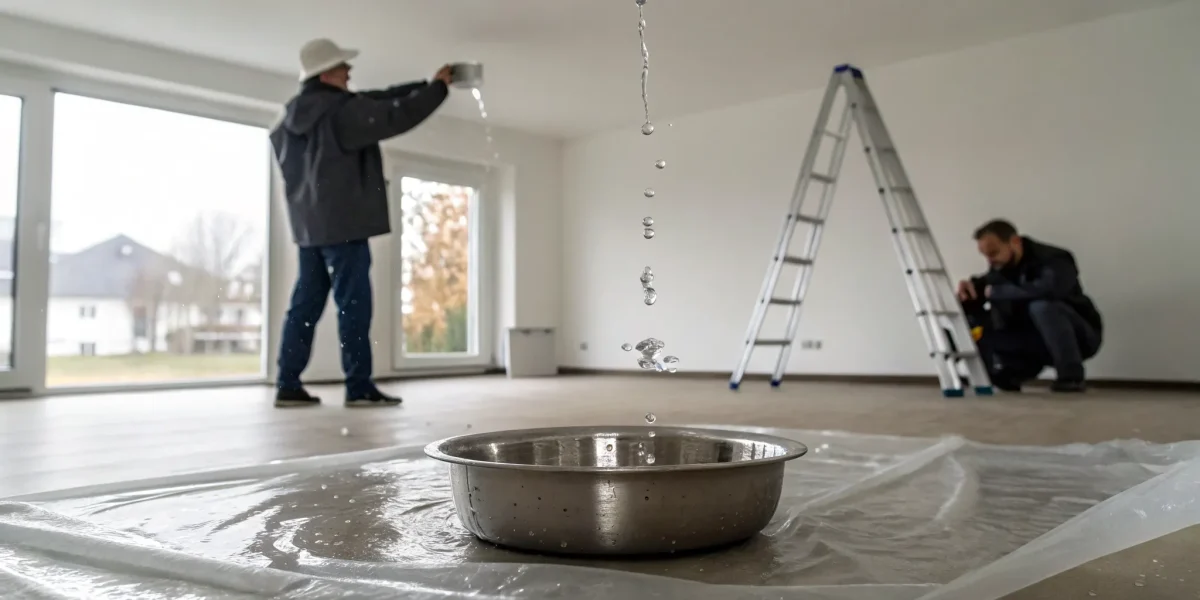
When you discover a leak, the first question you’ll ask is, “Is this covered?” The answer is almost always, “It depends.” Roof warranties aren’t a simple, all-encompassing safety net. They come in different forms, and the source of the leak determines which warranty, if any, applies. So, does a roof warranty cover leaks? Yes, but only specific kinds. Generally, leaks are caused by either a problem with the roofing materials or a mistake made during installation. Understanding this distinction is the first step to getting your leak fixed and paid for, ensuring you know who to call and what to expect.
Key Takeaways
- Know Who Covers What: Your roof warranty and homeowners insurance serve different purposes. A warranty handles defects in materials or installation, while insurance covers accidental damage from events like storms. You need both for full financial protection.
- Read the Fine Print on Exclusions: Standard warranties almost never cover interior water damage, normal wear and tear, or problems caused by a lack of maintenance. Understanding these limitations ahead of time helps you avoid surprise repair bills.
- Use Inspections to Protect Your Coverage: Regular professional inspections are key to keeping your warranty valid, as they provide proof of proper maintenance. For more complete protection, an NRCIA LeakFREE® Certification offers a standardized warranty that covers leaks regardless of their cause.
My Roof is Leaking! Is It Covered by the Warranty?
That sinking feeling when you spot a water stain on your ceiling is something no homeowner wants to experience. Your first thought might be, “Thank goodness I have a roof warranty!” But before you assume you’re covered, it’s important to understand what most roof warranties actually include. The answer to whether your leak is covered isn’t a simple yes or no; it depends entirely on the type of warranty you have and, most importantly, what caused the leak in the first place.
Generally, roof leaks stem from one of two issues: a defect in the roofing materials themselves or an error made during installation. A standard manufacturer’s warranty might cover the first problem, while a contractor’s workmanship warranty should cover the second. However, these warranties often have significant gaps and exclusions that can leave you with a hefty repair bill. Understanding these differences is the first step to knowing where you stand and how to get the protection you really need for your home.
Defects in Roofing Materials
When you buy new shingles, the manufacturer provides a warranty that guarantees the product will hold up for a certain number of years. This warranty covers failures due to manufacturing defects. For example, if your shingles start to crack, blister, or lose their protective granules way ahead of schedule, the manufacturer may agree to provide replacement materials. However, this is often where their responsibility ends. Most roof warranty types only cover the cost of the defective materials, leaving you to pay for the labor to tear off the old roof and install the new one. This can be a major unexpected expense for homeowners who thought they were fully protected.
Errors During Installation
More often than not, a brand-new roof leaks because of mistakes made during installation, not because the materials were faulty. Improperly nailed shingles, poorly sealed flashing around chimneys and vents, or incorrect layering of materials can all create pathways for water to get in. These issues are supposed to be covered by your contractor’s workmanship warranty. The problem is that these warranties vary wildly in length and coverage, and they are only as reliable as the company that backs them. Many warranties specifically exclude leaks caused by installation errors, creating a major gap in protection for homeowners.
The Added Protection of a LeakFREE® Certification
This is where a standardized warranty makes all the difference. An NRCIA LeakFREE® Roof Certification provides an extra layer of security that goes beyond typical manufacturer and contractor warranties. Instead of trying to figure out whether the material or the installation was at fault, a LeakFREE® warranty covers the repair of the leak, period. This certification is issued after a thorough inspection by a trained professional, ensuring your roof is in solid condition from the start. It eliminates the finger-pointing between manufacturers and contractors, giving you a single, reliable point of contact and the peace of mind that your home is protected.
What Leaks Do Roof Warranties Actually Cover?
When you discover a leak, your first thought might be, “Is this covered by my warranty?” The answer is usually, “It depends.” Roof warranties aren’t a simple, all-encompassing safety net. They come in different forms, and the source of the leak determines which warranty, if any, applies. Generally, leaks are caused by one of two things: a problem with the roofing materials themselves or a mistake made during installation. Understanding the difference is the first step to getting your leak fixed and paid for.
Defects in Roofing Materials
Most new roofs come with a manufacturer’s warranty. This warranty protects you if the roofing materials, like the shingles or tiles, are defective. For example, if a batch of shingles was made improperly and starts to curl and crack years before it should, leading to a leak, this warranty would cover the cost of the replacement materials. Almost all roofing manufacturers provide this kind of coverage. While having a warranty for defective materials is excellent, it only covers one piece of the puzzle. It won’t help you if the materials were perfectly fine but were installed incorrectly.
Errors During Installation
The most common cause of a leaky roof isn’t faulty materials; it’s poor installation. A workmanship warranty, provided by your roofing contractor, is designed to cover these mistakes. This could be anything from improperly installed flashing around a chimney to nails driven in the wrong spot. A manufacturer’s warranty won’t cover these issues because the product itself didn’t fail. This is why choosing a qualified professional is so important. You need to be sure your roofer stands by their work with a solid workmanship warranty, giving you a clear path to resolution if their work causes a leak. The NRCIA helps connect property owners with certified professionals who meet high standards for quality and reliability.
The Added Protection of a LeakFREE® Certification
A LeakFREE® roof certification from the NRCIA offers a powerful layer of protection that goes beyond standard warranties. It acts as a standardized, third-party guarantee on the quality of your roof. When a roof is certified, it has passed a rigorous inspection process performed by a trained NRCIA inspector. This certification comes with its own warranty, ensuring that if any leaks occur during the warranty period, they will be repaired. This gives you incredible peace of mind, knowing your roof is protected by the only standardized roof warranty in the industry, not just the promise of a single contractor.
What Isn’t Covered by a Standard Roof Warranty?
A roof warranty can feel like a safety net, but it’s important to know that it has some pretty specific limitations. Thinking your warranty covers every possible issue is a common mistake, and it can lead to some frustrating and expensive surprises down the road. Most standard warranties are designed to protect you from two main things: defects in the roofing materials themselves and errors made during installation. They are a promise from the manufacturer or contractor that their product or work will hold up under normal conditions for a set period, not an all-purpose shield against anything that could possibly go wrong.
Understanding what isn’t covered is just as important as knowing what is. The fine print often includes exclusions for things that fall outside of defects and workmanship. This includes the natural process of aging, damage from major storms, and any issues that arise inside your home because of a leak. Warranties also come with the expectation that you’ll perform regular upkeep. Ignoring your responsibilities can void your coverage when you need it most. Knowing these boundaries helps you plan for proper maintenance and ensures you have the right insurance coverage in place for everything else. Let’s walk through these common exclusions so you can be better prepared.
Normal Aging and Wear
Just like a car or a favorite pair of shoes, your roof ages over time. Exposure to sun, rain, and changing temperatures causes materials to naturally break down. This gradual deterioration is considered normal wear and tear, and it’s not covered by your warranty. A warranty protects against premature failure due to a defect, not the expected end of a roof’s lifespan. Think of it this way: the warranty covers a shingle that fails in year five, but not the general thinning and granule loss you’d expect to see after 20 years of service. Regular maintenance helps maximize your roof’s life, but it can’t stop the clock entirely.
Storms and Weather Damage
Your warranty is there to cover defects in the product or workmanship, not damage from major weather events. Things like hail, tornadoes, hurricanes, or severe winds are often called “acts of God,” and they fall outside the scope of a standard roof warranty. If a tree branch falls on your roof during a storm or high winds rip shingles off, your warranty won’t cover the repairs. This is where your homeowners insurance policy is meant to step in. It’s designed to protect your property from sudden, accidental damage, including most types of storm damage that your warranty simply doesn’t cover.
Damage Inside Your Home
This is a big one that often catches homeowners by surprise. If a leak from a warrantied defect causes damage inside your house, the roof warranty will typically only cover the cost of fixing the roof itself. The resulting water stains on your ceiling, ruined drywall, or damaged furniture are known as “consequential damages,” and they are almost always excluded. Your warranty is for the roofing system, not your home’s interior. To cover these internal repairs, you will need to file a claim with your homeowners insurance provider. It’s a frustrating distinction, but a crucial one to understand.
Neglected Maintenance or Pre-Existing Issues
A roof warranty isn’t a free pass to ignore your roof for the next 20 years. In fact, most warranties require you to perform routine maintenance to keep them valid. If a leak occurs because you let debris pile up or failed to clean your gutters, causing water to back up, your claim will likely be denied. The warranty covers material defects, not problems caused by neglect. This is why a LeakFREE® certification is so valuable; it starts with a thorough inspection to ensure there are no pre-existing issues and sets a standard for proper care, giving you a much stronger foundation for protection.
Roof Warranty vs. Homeowners Insurance: What’s the Difference?
It’s easy to think that a roof warranty and your homeowners insurance policy do the same thing, but they actually cover very different situations. A warranty is a promise from the manufacturer or contractor about the quality of their product or work. Homeowners insurance, on the other hand, protects you from unexpected accidents and disasters. Understanding how they work together is the key to making sure you’re fully protected from leaks and other roof problems. Think of them as two different players on the same team, each with a specific job to do to keep your home safe and dry.
What Your Warranty Covers (and What It Doesn’t)
A roof warranty is your protection against problems with the roofing materials themselves. For example, if your shingles are found to be defective and fail prematurely, the manufacturer’s warranty should cover the cost of new materials. Some contractors also offer a workmanship warranty, which covers errors made during installation.
However, it’s crucial to know what a typical warranty doesn’t cover. Most will not pay for any damage inside your home caused by a leak. That means soggy carpets, water-stained ceilings, and ruined furniture won’t be covered. The warranty is strictly focused on the roof itself. This is why a comprehensive LeakFREE® roof certification is so valuable, as it provides a higher standard of protection against leaks in the first place.
When Your Homeowners Insurance Kicks In
Your homeowners insurance policy is designed to cover sudden and accidental damage. If a tree branch falls on your roof during a storm or high winds tear off shingles, your insurance is what you’ll turn to. In these cases, your policy will likely cover not only the roof repairs but also the interior damage caused by the resulting leak.
What it generally won’t cover are issues that arise from old age or a lack of maintenance. If your roof is leaking simply because it’s old and worn out, your insurance provider will likely deny the claim, considering it a maintenance issue. Insurance is there for unexpected events, not for problems that could have been prevented through regular upkeep.
Why You Need Both for Full Protection
Having both a roof warranty and a homeowners insurance policy is the only way to ensure you’re covered from all angles. The warranty protects you from faulty products and installation, while insurance protects you from storms and accidents. Relying on just one leaves you with serious financial gaps. A manufacturer’s warranty won’t help you after a hailstorm, and your insurance won’t cover a leak caused by defective shingles.
This is where a professional inspection and a standardized warranty become so important. They confirm your roof is in good condition and that the installation was done correctly, which helps you get the most out of both your warranty and your insurance. By having both in place, you create a complete safety net for one of your home’s most important assets.
What to Do When You Find a Leak
Discovering a water stain on your ceiling is a sinking feeling, but don’t panic. Acting quickly and methodically can prevent further damage and make the repair process much smoother. Having a clear plan helps you stay in control and ensures you take the right steps to get your leak fixed and covered. Follow this simple, four-step guide to handle a roof leak effectively, from the moment you spot it to filing your claim.
Step 1: Document Everything
Before you do anything else, grab your phone and start documenting. Be sure to document the damage as soon as you notice it, such as after a storm or when the leak suddenly appears. Take clear photos and videos of the leak inside your home and any visible damage to the ceiling, walls, or your belongings. If it’s safe to do so, also take pictures of your roof’s exterior. Note the date and time you first discovered the leak. This evidence is crucial when you file a claim with your warranty provider or insurance company, as it creates a clear record of the incident.
Step 2: Call Your Contractor
Your next call should be to your roofing contractor. If a roofer recently installed or repaired your roof, they likely offer their own workmanship warranty, which typically lasts a couple of years. If you have a problem within this period, you should contact the original roofing contractor first. They can determine if the leak is due to an installation error, which their warranty should cover. Even if the roof is older, a trusted professional can perform an emergency patch to prevent more water from getting in while you figure out your next steps for a permanent fix.
Step 3: Review Your Warranty’s Fine Print
Now it’s time to pull out your warranty documents. It’s important to understand exactly what your coverage includes and, more importantly, what it excludes. Most roof warranties don’t cover damage inside your home that happens because of a leak. This means things like damaged drywall, carpets, or furniture usually aren’t included. Your warranty is designed to cover the roof itself, not the consequential damage. This is where a LeakFREE® roof certification can offer clarity, providing a standardized warranty with clear terms for homeowners.
Step 4: File Your Claim the Right Way
Knowing who to file a claim with can be confusing. Home warranties and homeowners insurance both play a role, but they cover different things. It’s important to know when to use your home warranty for a roof leak and when to use your homeowners insurance instead. Generally, the roof warranty covers the cost of repairing the physical roof due to defects or faulty installation. Your homeowners insurance is what typically covers the interior water damage. Contact both your warranty provider and your insurance agent to start the claims process and ensure you’re getting the full coverage you’re entitled to.
How to Read Your Roof Warranty Documents
Your roof warranty can feel like a dense legal document, but it’s your primary line of defense when something goes wrong. Taking the time to understand it before you spot a leak will save you a lot of stress and confusion later. Think of it as the rulebook for protecting your investment. Knowing what’s covered, for how long, and what your responsibilities are as a homeowner is key to making sure your warranty actually works for you when you need it most. Let’s walk through the essential sections you need to check.
Know the Different Warranty Types
First, it’s important to know that you likely have two different warranties: one from the manufacturer and one from your roofing contractor. A manufacturer’s warranty covers the physical roofing materials against defects. So, if your shingles start to curl or fail prematurely, this is the warranty that would apply. On the other hand, a contractor’s workmanship warranty covers the installation itself. Since many roofing issues stem from improper installation rather than faulty materials, this warranty is incredibly important. Make sure you have a copy of both and understand what each one covers.
Check the Warranty’s Length and Transferability
Roof warranties aren’t all created equal when it comes to their lifespan. Some might last for five years, while others can extend for 30 years or even a lifetime. Pay close attention to whether the coverage is prorated, meaning the payout value decreases over time. Another crucial detail is transferability. If you plan to sell your home, a transferable warranty can be a great selling point. Some warranties can be transferred to the next owner for a small fee, while others become void upon sale. Always read this section carefully to understand the long-term value of your warranty.
Find the Specifics on Leak Coverage
This is where you need to read the fine print. While a warranty might cover the cost of repairing the roof to stop a leak, most standard warranties do not cover damage inside your home. As one industry expert notes, “Most roof warranties do not cover any consequential or interior damages caused by roof leaks or defects such as carpets, walls, ceilings, equipment.” This means if a leak from a faulty shingle ruins your ceiling drywall, the warranty will likely only cover the shingle repair. This is why a separate LeakFREE® roof certification is so valuable, as it provides protection specifically against leaks.
Understand Your Maintenance Responsibilities
A roof warranty is a two-way street. While the manufacturer and contractor have their obligations, you have yours too. Most warranties require you to perform regular maintenance to keep them valid. This can include keeping your roof and gutters free of debris, trimming overhanging tree branches, and addressing minor issues before they become major problems. Neglecting these duties can give the provider a reason to deny your claim. Your warranty typically only covers material defects, not leaks caused by poor maintenance. Scheduling regular professional inspections is the best way to stay on top of maintenance and protect your coverage.
How a Professional Inspection Protects Your Warranty
Think of your roof warranty as a partnership. The manufacturer agrees to stand by their product, and you agree to take care of your roof. A professional inspection is the best way to hold up your end of the deal and ensure your warranty remains a reliable safety net. Inspections aren’t just about finding problems; they’re about preventing them and documenting the health of your roof over time. This documentation is your proof that you’ve been a responsible homeowner, which can be invaluable if you ever need to file a claim.
A certified inspector acts as your expert advocate. They can spot subtle issues that might become major headaches later and ensure that any work done on your roof meets the manufacturer’s strict standards. Whether you’re putting on a new roof, buying a new home, or just keeping up with maintenance, scheduling regular inspections is one of the smartest moves you can make. It’s a small investment that protects a much larger one: the roof over your head and the warranty that comes with it. By working with a certified roof inspector, you get a clear, unbiased assessment that helps you keep your warranty in good standing.
Catching Issues Before Installation
Putting a new roof on a damaged structure is like building a house on a shaky foundation. It just doesn’t work. Before any new shingles are laid, a thorough inspection can identify underlying problems like hidden leaks, damaged decking, or poor ventilation. Addressing these issues before the new roof goes on is critical. Many warranties can be voided from day one if the roof is installed over pre-existing damage. An inspector can find things like cracked tiles or signs of ice damming that need to be fixed first. This ensures your new roof starts with a clean slate and your warranty is valid from the moment the job is finished.
Staying Ahead with Regular Maintenance Checks
Once your roof is installed, your warranty requires you to maintain it. But what does that really mean? Regular maintenance inspections are the answer. An inspector can spot small issues, like failing sealant around a vent or a few loose shingles, before they turn into major leaks. Remember, most warranties won’t cover damage to your home’s interior, such as ruined drywall or carpets. By catching potential leaks early, you not only keep your warranty intact but also avoid those expensive and frustrating secondary repairs. These routine checks provide a record of upkeep, proving you’ve done your part to care for the roof.
The Peace of Mind of a Standardized Warranty
Most manufacturer warranties only cover defects in the roofing materials themselves, leaving you unprotected from installation errors or other common causes of leaks. This is where a professional inspection truly shines. It verifies that the installation was done correctly, meeting the warranty’s requirements. For even greater protection, an NRCIA inspection can qualify your roof for a LeakFREE® Certification. This type of standardized warranty goes beyond what manufacturers offer, covering leaks no matter the cause. It provides genuine peace of mind, knowing you are protected by a consistent, reliable standard, not just hoping your specific problem is covered in the fine print.
Related Articles
- LeakFREE® Roof Certifications for Lasting Protection | NRCIA
- What happens when a LeakFREE® Certified Roof has a leak?
- What does a LeakFREE® Roof Certification cover?
- How Insurance Companies Reduce Roof Claims
- What Does a Roof Certification Warranty Cover?
Frequently Asked Questions
If my roof leaks, does the warranty cover the damage to my ceiling and walls? This is a common point of confusion, and unfortunately, the answer is almost always no. A standard roof warranty is designed to cover the roof system itself, meaning it pays to repair the source of the leak on your roof. The resulting damage inside your home, like water stains on the ceiling or ruined drywall, is considered “consequential damage” and is typically excluded. For that type of damage, you would need to file a claim with your homeowners insurance provider.
What’s the difference between my roofer’s warranty and an NRCIA LeakFREE® Certification? Your roofer’s warranty covers their installation work and is only as reliable as their company. If they go out of business, your warranty often disappears with them. An NRCIA LeakFREE® Certification, however, is a standardized, third-party guarantee on the condition of your entire roof. It’s issued after a comprehensive inspection by a certified professional and provides protection against leaks, giving you a single point of contact and a consistent standard of coverage backed by a national association.
A storm damaged my roof. Should I file a warranty claim or an insurance claim? You should file an insurance claim. Roof warranties cover failures related to defective materials or faulty installation, not damage from weather events like hail, high winds, or falling tree branches. Those situations are considered “acts of God” and are precisely what your homeowners insurance policy is for. Your insurance is designed to protect you from sudden and accidental damage.
Can I accidentally void my own roof warranty? Yes, you absolutely can. The most common way homeowners void their warranty is by neglecting routine maintenance. Most warranties require you to keep your roof clean and your gutters clear. If a leak is caused by debris buildup or a problem you failed to address, your claim will likely be denied. Performing DIY repairs or hiring an uncertified contractor to work on the roof can also invalidate your coverage.
My roof is brand new. Do I still need an inspection? An inspection on a new roof is a smart move. Many leaks on new roofs are caused by installation errors, not faulty materials. A third-party inspection verifies that the job was done correctly according to the manufacturer’s specifications, which protects your warranty from day one. It also creates a baseline report on your roof’s condition, which can be incredibly helpful for documenting its health over time.
