
Your roof is your home’s first line of defense, but it’s also a source of major anxiety. Every storm or mysterious water stain can bring a wave of worry about hidden leaks and expensive, unexpected repairs. A standard inspection might tell you what’s wrong today, but what about tomorrow? This is where a guaranteed roof certification changes everything. It’s not just an assessment of your roof’s current condition; it’s a promise of its future performance, backed by a real, transferable warranty. This guide will walk you through what this certification entails, how it provides true peace of mind, and why it’s one of the smartest investments you can make.
Key Takeaways
- Think Beyond a Simple Inspection: A standard inspection is just a report card for today, but a guaranteed certification is a promise for tomorrow. It comes with a LeakFREE® warranty that provides real financial protection against future problems.
- Protect Your Wallet and Your Peace of Mind: A certification is a smart financial move that helps you catch small issues before they become costly disasters. It also adds tangible value to your property, making it a powerful asset in real estate deals.
- Insist on an NRCIA-Certified Inspector: The value of a certification comes from the expert behind it. Only an NRCIA-certified professional can offer the industry’s only standardized LeakFREE® warranty, ensuring you get a trustworthy and thorough assessment.
What Is a Guaranteed Roof Certification?
Think of a roof certification as your roof’s official report card. It’s a formal document, issued by a qualified professional, that confirms your roof is in good condition and estimates its remaining lifespan. This goes far beyond the quick glance a general home inspector might give during a property sale. A guaranteed certification takes this a step further by adding a warranty to the assessment, giving you a promise that the roof will perform as expected for a set period.
The gold standard in this area is the LeakFREE® roof certification from the NRCIA. It’s not just a piece of paper; it’s a backed guarantee that your roof will remain free of leaks. This type of certification is invaluable whether you’re a homeowner wanting to protect your investment, a seller looking to add value to your property, or a buyer seeking confidence in your new home. It transforms the abstract idea of a “good roof” into a tangible, warrantied asset, providing clear documentation and peace of mind for everyone involved.
How the Certification Process Works
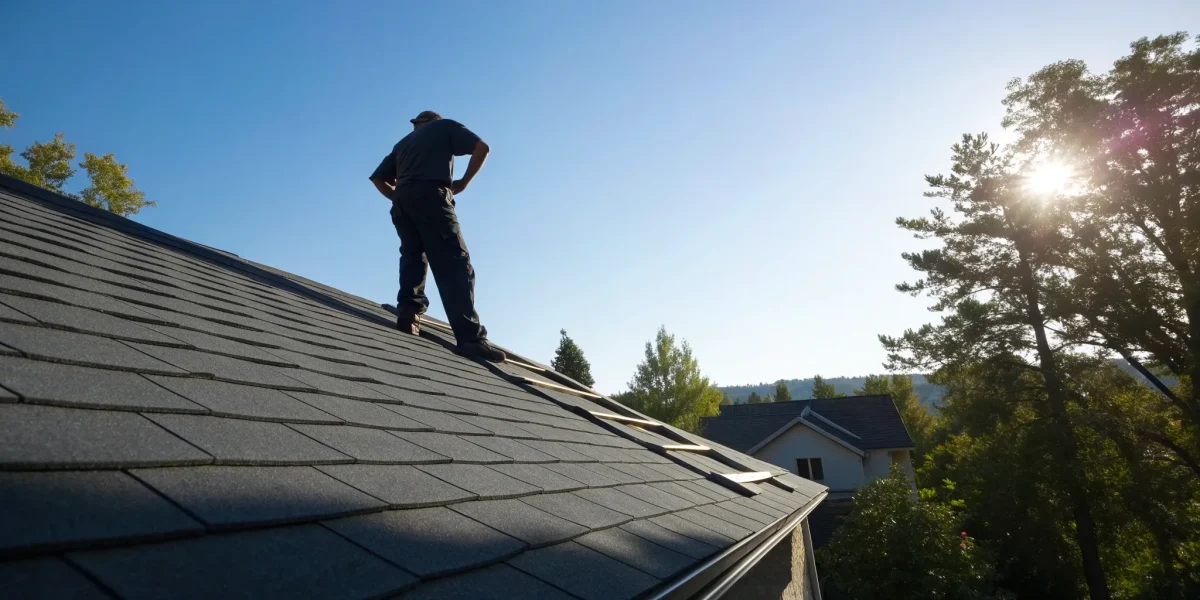
The journey to certification begins with a meticulous inspection by an NRCIA-certified professional. This isn’t a quick walk-around. The inspector conducts a thorough examination of every part of your roof system, both outside and inside. They’ll check for damaged shingles, failing flashing around chimneys and vents, and any signs of water intrusion in the attic. Every finding is carefully documented, often with photos, to create a complete picture of your roof’s health. This detailed process ensures that the final certification is based on a comprehensive and accurate assessment of your roof’s current condition.
Understanding the Guarantee
What truly sets an NRCIA certification apart is the guarantee that comes with it. The LeakFREE® roof certification is the only standardized warranty of its kind in the industry, which means you get consistent, reliable protection no matter where you are. The promise is simple but powerful: your entire roof is guaranteed to stay leak-free for the full term of the certification. This isn’t a limited warranty that only covers the spot that was repaired. It’s a comprehensive guarantee that provides a safety net for your whole roof, protecting you from unexpected and costly water damage.
Warranty Coverage: What’s Included and For How Long?
A guaranteed roof certification is typically valid for a period of two to five years, reflecting a snapshot of your roof’s health at the time of inspection. The NRCIA’s LeakFREE® certifications offer flexible terms, usually from one to five years for an existing roof, and can even extend up to 10 years for new roofs. One of the biggest advantages is that the certification is transferable to new owners. If you sell your home, the warranty can pass to the buyer for a small fee, adding significant value and trust to the transaction. This makes it a powerful tool for both buyers and sellers in the real estate market.
Why a Guaranteed Roof Certification Is a Smart Move for Property Owners
A guaranteed roof certification is more than just a document; it’s a proactive strategy for protecting one of your most significant assets. Whether you’re a homeowner, a real estate professional, or a property manager, understanding the benefits of a certified roof can save you time, money, and a lot of headaches. Think of it as a comprehensive health check for your roof that comes with a promise of performance.
This certification provides a clear, expert-verified assessment of your roof’s condition and its expected lifespan, backed by a warranty. It’s a powerful tool that offers financial protection, enhances property value, and provides invaluable peace of mind. For anyone involved with a property, from homeowners to insurance underwriters, a guaranteed certification simplifies decision-making and reduces risk. Let’s look at the specific ways this smart move pays off.
Protect Your Property’s Value
Your roof is one of the most critical components of your property’s structure and overall value. A guaranteed roof certification is tangible proof that you’ve invested in proper maintenance. It signals to potential buyers and appraisers that the roof is in solid condition, which can directly support or even increase the property’s market price. A certified roof shows you take good care of your property, which helps keep its value high. It can also be a key factor in keeping your roof’s manufacturer warranty valid, ensuring you remain covered for the long haul. This documentation makes your property more attractive and can speed up the sales process by removing doubts about the roof’s integrity.
Lower Your Insurance Premiums
Insurance companies assess risk, and a deteriorating roof is a major liability. Many insurers may ask for a roof inspection or certification, especially for older roofs, before issuing or renewing a policy. Presenting them with a LeakFREE® certification demonstrates that the roof has been professionally inspected and is less likely to fail. This can lead to more favorable insurance premiums and make the process of filing future claims much smoother. By proactively certifying your roof, you’re not just protecting it from the elements—you’re also managing your long-term cost of ownership and maintaining a positive relationship with your insurance provider.
Gain Peace of Mind by Catching Problems Early
Some of the most expensive property damage starts with a small, unseen roof issue. A certified inspector is trained to spot subtle signs of trouble—like cracked sealant, loose shingles, or minor flashing issues—before they escalate into major problems like water damage, structural rot, or mold growth. This preventative approach is at the heart of the certification process. Catching these issues early saves you from the stress and expense of emergency repairs. Knowing that an expert has thoroughly examined your roof and that it’s backed by a guarantee provides a sense of security that you can’t get from a simple visual check.
Save Money in the Long Run
While a guaranteed roof certification has an upfront cost, it’s an investment that can save you thousands of dollars over time. By identifying and addressing minor issues before they become catastrophic failures, you avoid the high price tag of major repairs or a full roof replacement. Think about the cost of repairing extensive water damage versus the cost of resealing a few flashing points. The certification essentially pays for itself by preventing these larger, more expensive problems. It’s a financially sound decision that protects your budget from the shock of unexpected, high-cost roof work, ensuring your property remains safe and secure without draining your savings.
Guaranteed Certification vs. Standard Inspection: What’s the Difference?
Many people use the terms “roof inspection” and “roof certification” interchangeably, but they represent two very different levels of assurance. Think of a standard inspection as a snapshot in time—it tells you the roof’s condition on the day the inspector shows up. It’s helpful for identifying obvious, existing problems, but it offers no guarantees for tomorrow. A guaranteed certification, however, is a promise about your roof’s future performance, backed by a solid warranty. It’s a forward-looking commitment to keeping your property protected from leaks. While both start with a professional examining your roof, a certification goes much further. It involves a more rigorous inspection process designed to find not just current damage but potential future weak spots. It also results in more detailed documentation and, most importantly, provides a tangible guarantee that a standard inspection simply can’t offer. This distinction is crucial whether you’re buying a new home, selling your current one, or simply want to ensure your biggest asset is secure. Let’s break down exactly what sets a guaranteed certification apart from a standard inspection.
Comparing Warranty Coverage
This is the single biggest distinction. A standard roof inspection almost never comes with a warranty. The inspector gives you their professional opinion, but if a new leak appears a month later, the cost of repairs is entirely on you. A guaranteed certification flips that script completely. The NRCIA LeakFREE® roof certification is the only standardized warranty of its kind in the industry. It’s a straightforward promise that your entire roof will stay free of leaks for the full term of the certification. This isn’t just a piece of paper; it’s a guarantee that provides real financial protection and lasting peace of mind.
The Scope and Depth of the Inspection
A certification inspection is significantly more thorough than a standard one. A general home inspector might perform a quick visual check from a ladder or even the ground as part of a larger property assessment. To issue a guarantee, an NRCIA-certified inspector conducts a comprehensive, multi-point evaluation. They get on the roof to meticulously examine every detail, from the condition of the roofing materials and flashing to the integrity of the seals and drainage systems. This deep dive is designed to uncover not just existing issues but also any weak spots that could cause problems down the road, ensuring the roof is truly sound.
How Documentation and Reporting Differ
The final report you receive also varies greatly. After a standard inspection, you might get a simple checklist or a brief paragraph buried in a lengthy home inspection report. With a guaranteed certification, the documentation is far more robust. You’ll receive a detailed report that includes photos, a clear summary of your roof’s current condition, and a specific list of any repairs needed to qualify for the certification. Once your roof meets the standards, you get an official certification document. This professional paperwork is highly valued by real estate professionals, lenders, and insurance carriers as proof of your roof’s integrity.
The Advantage of a Transferable Warranty
A standard inspection report is created for the person who ordered it, and its usefulness ends there. It holds no value for a future property owner. Here again, a guaranteed certification stands apart. The NRCIA’s LeakFREE® warranty is transferable to the next owner, which is a powerful asset when you’re selling your property. For a small fee, the new buyer inherits the same leak-free protection, giving them confidence in their purchase. This feature adds tangible value to your home, making it a more attractive and trustworthy option on the market.
A Step-by-Step Look at the Certification Process
Getting a roof certified might sound complicated, but the process is actually very straightforward and transparent. It’s designed to give you a complete and honest picture of your roof’s health, so you know exactly what you’re working with. Think of it less as a test with a pass-or-fail grade and more as a comprehensive check-up for one of your property’s most important assets. From the initial look to the final paperwork, every step is handled by a trained professional who knows precisely what to look for.
This systematic approach ensures that nothing gets missed. Whether you’re a homeowner wanting peace of mind, a real estate agent closing a deal, or a property manager maintaining a portfolio, the certification process provides clear, actionable information. It moves beyond guesswork and gives you a reliable assessment based on a thorough, hands-on inspection. The goal isn’t just to hand you a certificate; it’s to confirm that the roof is sound, identify any potential issues before they become major headaches, and provide a clear path to getting it into top shape. Let’s walk through exactly what you can expect at each stage.
Step 1: The Initial Assessment
The process begins with an initial assessment scheduled with a certified inspector. This first meeting is more than just a quick glance from the driveway. It’s a professional evaluation where the inspector gets an overview of your roof’s age, materials, and general condition. They’ll assess the big picture to understand the scope of the inspection and determine if the roof is a candidate for certification. This step is foundational, setting the stage for the detailed examination that follows. It’s the start of a transparent process that ensures you’re informed from the very beginning.
Step 2: The Detailed Inspection
This is where the inspector gets down to the details. An NRCIA professional performs a comprehensive, multi-point inspection of the entire roofing system. They will physically get on the roof to examine shingles, flashing, seals around vents and chimneys, and drainage systems. The inspection doesn’t stop at the surface; it also includes an interior check of the attic to look for signs of leaks, inadequate ventilation, or structural damage. Throughout this process, the inspector takes detailed notes and photographs to document their findings, creating a complete record of the roof’s condition. This level of detail is possible because every certified roof inspector has specialized training.
Common Issues That Can Prevent Certification
It’s fairly common for a roof to have a few issues that need to be addressed before it can be certified. These are often minor problems that can be easily fixed once they’re identified. Some of the most frequent red flags include cracked, curling, or missing shingles, which can leave the underlying structure exposed. Other common problems are deteriorated flashing around chimneys or vents, clogged gutters that cause water to pool, and soft spots on the roof deck that may indicate rot. An inspector will also look for signs of moisture or mold in the attic, which often points to a hidden leak or ventilation issue.
Step 3: Making Necessary Repairs
If the inspection report identifies any problems, the next step is to have them repaired by a qualified roofing contractor. Your inspector will provide a clear list of the required fixes needed to bring the roof up to certification standards. This step is one of the most valuable parts of the process because it allows you to address small issues proactively before they turn into costly emergencies. Taking care of a cracked sealant or a few loose shingles now can save you from extensive water damage later. Once the repairs are complete, the inspector will verify the work to ensure it meets the necessary quality standards.
Step 4: Receiving Your Final Certification
After any required repairs have been completed and the roof passes its final inspection, you will receive your official certification document. This is your proof that the roof is in solid condition. The certificate provides a detailed description of the roof, its materials, and its projected lifespan. It’s a valuable asset that confirms the quality and durability of your roof, giving you confidence and peace of mind. This final document is also what qualifies your property for a LeakFREE® roof warranty, which offers guaranteed protection against leaks for the entire certification period.
What Factors Influence the Cost of Certification?
The price of a roof certification isn’t a single, flat rate. It’s a custom quote based on several key factors specific to your property. Understanding these components gives you a clear idea of what to expect and why the investment is worthwhile. Here’s a breakdown of what influences the final cost.
Your Property’s Size and Complexity
It stands to reason that a larger roof takes more time to inspect, which is reflected in the cost. But it’s not just about square footage—complexity is a major factor. A roof with steep pitches, multiple levels, dormers, or skylights requires a more intricate inspection. Each of these features is a potential point for leaks, so your inspector will pay extra attention to them to ensure everything is secure and watertight before issuing a certification.
The Age and Condition of Your Roof
An older roof often requires a more detailed evaluation. A roof nearing the end of its expected lifespan or showing visible wear needs a thorough look to identify potential problems. The type of material also matters, as some degrade differently over time. The goal is to provide a LeakFREE® roof certification, so the inspector must be confident in its condition. If the inspection uncovers issues, those repairs are a separate cost required before the certification can be issued.
Your Location and Local Codes
Where your property is located directly impacts the price. Labor costs and market rates vary by region, so inspectors adjust their pricing to their local area. Beyond economics, local building codes and climate are key. A home in a hurricane-prone area has different roofing requirements than one in a dry climate. Specialized requirements, like the California SB 721 inspections for elevated exterior elements, also influence the scope and cost of the work, as they demand specific expertise.
The Length of Your Certification
A roof certification is a guarantee for a specific period, typically between two and five years. The length of the certification you choose influences the upfront cost. A longer-term certification often costs more because the inspector is guaranteeing the roof’s performance for an extended time. This usually means the inspection itself is even more rigorous. Think of it as investing in longer-term peace of mind. You can choose the term that best fits your needs, whether you’re selling a home or staying put.
How to Find the Right Certified Roof Inspector
Finding a qualified professional to inspect and certify your roof is one of the most important steps in protecting your property. But with so many options out there, how do you choose the right one? It’s about more than just finding someone who can climb a ladder; you need an expert who can provide a thorough assessment and back it up with a real guarantee.
A great roof inspector combines technical skill with a commitment to quality and transparency. They should be able to clearly explain their findings and offer a certification that gives you genuine confidence. The search doesn’t have to be complicated. By focusing on a few key areas—their certifications, their professional background, the warranty they offer, and the answers they give to critical questions—you can easily identify a true professional. Let’s walk through exactly what you should look for to find an inspector you can trust.
Look for NRCIA Certification
When you’re looking for a guaranteed roof certification, your search should start and end with one credential: NRCIA certification. This isn’t just another industry badge; it’s the mark of a highly trained specialist. In fact, only NRCIA members can provide you with a LeakFREE® roof certification. Our members are held to incredibly high standards, undergoing rigorous training and annual licensing to ensure their skills are sharp and their knowledge is current. Choosing an NRCIA-certified inspector means you’re working with a professional who is dedicated to providing the most reliable and comprehensive roof assessment available. It’s the simplest way to ensure you’re getting the best in the business.
Verify Their Experience and Credentials
Once you’ve confirmed an inspector has the right certification, it’s always a good idea to check their overall professional background. You’ll want to choose an inspector who is formally trained and certified by a trusted organization like the NRCIA. Ask how long they’ve been inspecting roofs in your area and if they can provide references or point you to online reviews. It’s also smart to confirm they carry liability insurance, which protects you in case of any accidents on your property. This diligence ensures you’re hiring a seasoned and responsible professional who has a solid track record of quality work and customer satisfaction.
Review the Warranty Terms and Coverage
A guaranteed certification is only as good as the warranty that comes with it. This is what truly separates a certified assessment from a standard inspection report. The NRCIA LeakFREE® certification is unique because it includes a warranty, combining an expert assessment with a promise of future protection. Before you commit, ask for a copy of the warranty and read it carefully. Make sure you understand what’s covered, the duration of the coverage, and if the warranty is transferable to a new owner should you sell the property. A transparent inspector will be happy to walk you through the terms so you know exactly what you’re getting.
Key Questions to Ask Your Inspector
Before hiring an inspector, a short conversation can tell you everything you need to know. Being prepared with the right questions will help you gauge their professionalism and ensure they’re a good fit for your needs.
Here are a few key questions to ask:
- What does your inspection process include?
- Can you provide proof of your NRCIA certification and insurance?
- Will I receive a detailed written report with photos?
- Do you offer a warranty like the LeakFREE® certification, and can you explain the terms?
An experienced professional will have clear, confident answers. This simple step helps you make an informed decision and find an inspector who serves a wide range of property stakeholders with integrity.
Common Myths About Guaranteed Roof Certifications, Busted
When it comes to roof certifications, a few common misunderstandings can cause confusion. Let’s clear the air and separate fact from fiction so you can make the best decisions for your property.
Myth: You’ll Never Need Another Inspection
It’s easy to think a guaranteed certification is a one-and-done deal, but that’s not quite right. Think of your certification as a detailed snapshot of your roof’s health at a specific moment. It confirms the roof is in good condition and free of leaks now, but it doesn’t make it invincible. Weather, falling debris, and normal wear can still cause issues. Hidden damage that goes unnoticed for too long could even affect your coverage. That’s why regular professional inspections are still essential to protect your investment and keep your LeakFREE® roof in top shape for years to come.
Myth: All Certifications Are the Same
This is one of the biggest misconceptions out there. Not all roof certifications offer the same level of protection or credibility. The NRCIA LeakFREE® roof certification is the only standardized warranty of its kind in the industry, which means you get consistent, reliable coverage no matter where you are. Only NRCIA members who have completed rigorous training and education can issue this certification. These professionals follow strict inspection protocols and are licensed annually, ensuring you receive a thorough and trustworthy assessment that other, more generic certifications simply can’t match.
Myth: The Certification Lasts Forever
A roof certification provides peace of mind, but it does have an expiration date. Typically, a certification is valid for a period of two to five years. The exact length of your guarantee depends on several factors, including the age of your roof, the type of materials used, and the climate in your region. An older roof in an area with harsh weather might have a shorter certification period than a newer roof in a mild climate. The goal is to provide a realistic guarantee based on the roof’s current condition and expected performance, not an empty promise of lifetime protection.
The Truth About Maintenance and Renewals
The best way to keep your roof protected is through proactive care. Regular maintenance is key to upholding your certification and preventing small issues from becoming costly problems. We recommend having your roof inspected every one to two years, or more frequently if you live in an area with severe weather like heavy snow or hurricanes. Staying on top of inspections helps you understand how your roofing system is aging and allows you to make smart, timely decisions. This approach not only preserves your roof’s integrity but also ensures you can easily renew your certification when the time comes.
When Is the Best Time to Get Your Roof Certified?
Knowing the right time to get a roof certification can save you from major headaches and unexpected costs. While there’s never a bad time to understand the condition of your roof, certain moments make a certification especially valuable. Think of it less as a reaction to a problem and more as a proactive step to protect your investment. Whether you’re preparing for a sale, managing routine maintenance, or getting ready for a change in seasons, timing your certification strategically ensures you get the most out of the process.
A guaranteed roof certification provides a clear, expert assessment of your roof’s health and its expected lifespan, backed by a warranty. This isn’t just a quick look from a general inspector; it’s a detailed analysis performed by a specialist. Getting one at a key moment can provide leverage in a real estate deal, prevent small issues from becoming costly disasters, and give you complete confidence in the shelter over your head. By planning ahead, you can address potential problems on your own terms and timeline, rather than in an emergency.
When You’re Buying or Selling a Property
If you’re involved in a real estate transaction, a roof certification is one of the smartest moves you can make. For sellers, it’s a powerful tool that builds immediate trust with potential buyers. A LeakFREE® roof certification shows buyers that the roof is in good condition, which can help you sell your home faster and for a better price. It removes a major point of uncertainty and negotiation, demonstrating that you’ve maintained the property with care.
For buyers, a certification offers peace of mind that a standard home inspection can’t match. It provides a detailed report on the roof’s current state and a warranty against future leaks, protecting you from immediate, costly repairs after you move in. It’s an invaluable piece of information that helps you make a confident and informed purchase.
For New and Existing Roofs
You don’t have to be buying or selling to benefit from a roof certification. For any homeowner, it’s a key part of responsible property maintenance. A roof certification is an official document that proves your roof is in good shape and shows how long it’s expected to last. It’s much more detailed than a quick check by a regular home inspector, giving you a true understanding of its condition.
For a brand-new roof, a certification establishes a baseline of quality, confirming that the installation meets industry standards. For an existing roof, it acts as a regular health check-up, catching minor issues like loose shingles or failing sealant before they lead to significant water damage. This proactive approach is essential for extending your roof’s life and protecting your entire home.
Planning Around the Seasons
Timing your roof certification with the seasons is a practical way to stay ahead of weather-related damage. It’s recommended to get your roof inspected every one to two years in mild climates, or at least once a year in areas with harsh weather. The best approach is to schedule your inspection before the most severe season arrives in your region—whether that’s heavy snow in the winter or hurricane season in the summer.
This gives you a window to perform any necessary repairs in milder weather, when roofing professionals are often less busy. An inspection after a major storm or harsh season is also a good idea to assess for any new damage. By working with the seasons, you can ensure your roof is always prepared for whatever nature throws its way and keep your certification in good standing.
Related Articles
- Roof Certifications – NRCIA
- What happens when a LeakFREE® Certified Roof has a leak?
- Is a Roof Certification a Warranty? A Clear Guide
- What Is a Roof Certification? A Homeowner’s Guide
- What does a LeakFREE® Roof Certification cover?
Frequently Asked Questions
My home inspector already checked the roof. Why do I need a separate certification? A general home inspection provides a broad overview of the entire property, and the roof check is just one small part of that. A guaranteed certification is a specialized, deep-dive assessment performed by a trained roof expert. The biggest difference is that a certification comes with a warranty that promises your roof will remain leak-free for a set period, offering a level of protection and financial assurance that a standard home inspection simply doesn’t provide.
What happens if my roof needs repairs to qualify for the certification? This is actually one of the most valuable parts of the process. If the inspector finds issues, they will provide you with a clear, detailed list of what needs to be fixed. This gives you the chance to address small problems before they turn into major, costly emergencies. Once you have a qualified contractor complete the repairs, the inspector will verify the work, and then your roof will be eligible for the full certification and its guarantee.
What does the “guarantee” actually cover if a leak occurs? The NRCIA’s LeakFREE® guarantee is a straightforward promise that your entire roof will stay free of leaks for the full term of the certification. This isn’t a limited warranty that only covers a specific repair spot. If a new leak appears anywhere on your roof during the covered period, the warranty ensures that the issue will be addressed, protecting you from the unexpected costs and stress of water damage.
Can any roofer provide a guaranteed certification? No, and this is an important distinction. The LeakFREE® certification, which is the only standardized roof warranty in the industry, can only be issued by an inspector who is certified through the NRCIA. These professionals have completed rigorous training and are held to strict annual licensing standards, which ensures you receive a credible, high-quality assessment that you can truly rely on.
Is the certification still valuable if I’m not planning to sell my home? Absolutely. While a certification is a fantastic asset in real estate transactions, its primary benefit is for you, the property owner. It serves as a proactive health check for your roof, helping you catch and fix minor issues before they escalate. This preventative approach can save you thousands of dollars in the long run, extend the life of your roof, and provide invaluable peace of mind knowing your home is properly protected.
