
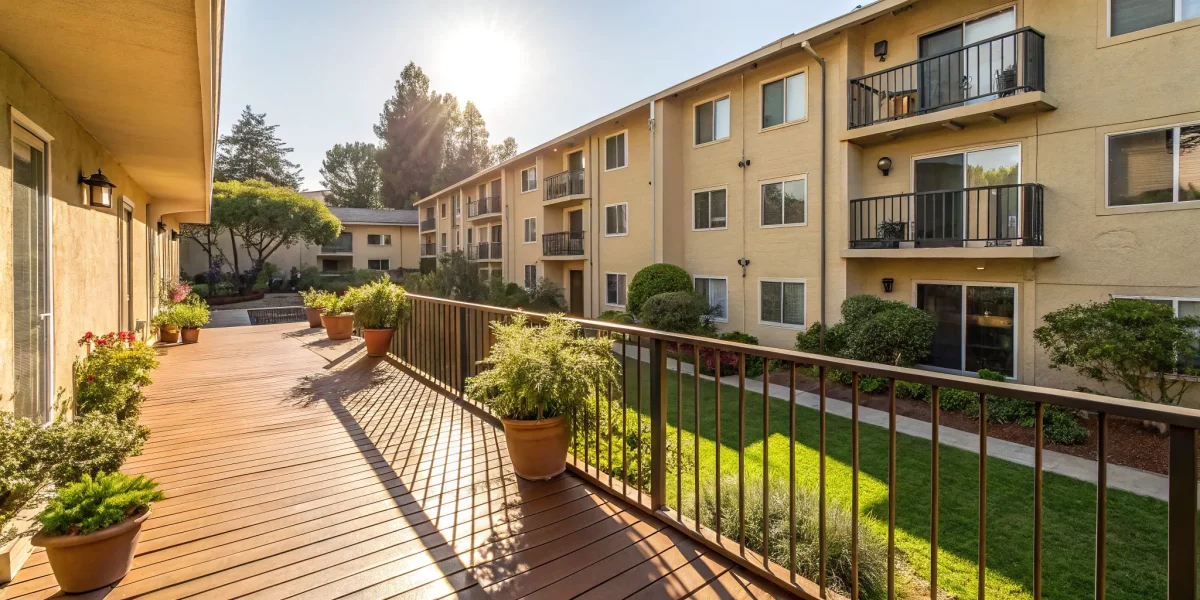
A deck can look perfectly stable from a distance, but its true condition is often hidden from view. Water damage can silently weaken the ledger board connecting it to the building, while rust can corrode the fasteners that hold everything together. These are the kinds of slow-moving problems that an untrained eye will almost always miss—until it’s too late. This is why a simple visual check isn’t enough. You need an expert who knows exactly where to look for signs of trouble. A comprehensive deck inspection for apartments goes beyond the surface to assess the core structural integrity, uncovering hidden risks before they can lead to a disaster.
Key Takeaways
- Know the Law to Protect Your Property: Deck inspection requirements, like California’s SB 721, are legal mandates, not just recommendations. It’s your responsibility to understand and follow the specific local regulations for inspection frequency and professional qualifications to avoid fines and liability.
- A Proactive Plan Prevents Costly Disasters: Treat deck inspections as a crucial part of your budget and schedule. A consistent maintenance plan helps you catch small issues like rot or loose fasteners before they become dangerous structural failures and expensive emergency repairs.
- Rely on Certified Experts for True Safety: For legally required assessments, a visual check from your maintenance staff isn’t enough. You must hire a licensed professional, like an architect or engineer, who has the training to identify hidden structural risks and ensure your property is truly safe and compliant.
What Are the Legal Requirements for Apartment Deck Inspections?
When you manage or own an apartment building, keeping up with deck maintenance isn’t just a good practice—it’s often the law. These regulations are in place for a critical reason: to prevent accidents and ensure the safety of residents. While the specific rules can change depending on where your property is located, the core principle is the same. Property owners are responsible for making sure their structures are sound.
Understanding your legal obligations is the first step in creating a solid maintenance plan. Some regions have very detailed requirements, while others follow broader building codes. Ignoring these duties can lead to serious consequences, including hefty fines, legal action, and the potential for a structural failure that puts lives at risk. Let’s walk through what you need to know to stay compliant and keep your tenants safe.
A Look at California’s SB 721
If you own or manage property in California, you’re likely familiar with Senate Bill 721. This law was passed following a tragic balcony collapse and created strict safety standards for multi-family properties. It mandates that apartment buildings with three or more units have their exterior elevated elements—like decks, balconies, stairways, and walkways—inspected every six years. The goal is to identify and address any water damage, dry rot, or structural compromises before they become catastrophic failures.
Meeting these requirements involves a thorough inspection process performed by a qualified professional. If you’re managing a property that falls under this law, it’s essential to schedule your California SB 721 inspections on time to remain compliant and protect your residents.
State and Local Regulations to Know
While California’s SB 721 is a prominent example, it’s not the only law of its kind. Many states, counties, and cities have their own building codes and ordinances that dictate inspection frequency and standards for decks and balconies. These local rules are just as important and legally binding. As a property owner or manager, it’s your responsibility to research and understand the specific regulations that apply to your buildings.
A great starting point is your local building department or code enforcement office. They can provide the exact requirements for your area. Staying on top of these rules helps you avoid legal trouble, but more importantly, it’s a fundamental part of responsible property management that ensures your building remains a safe place to live.
What Makes an Inspector Qualified?
When it comes to legally required inspections, not just any professional will do. Laws like SB 721 are very specific about who is authorized to perform the assessment. In that case, you must hire a licensed structural engineer or architect. A report from a general contractor or handyman simply won’t meet the legal standard for compliance. These regulations require an expert with specialized knowledge of structural integrity.
Choosing a certified professional ensures the inspection is thorough and accurate. These experts have the specialized training to identify subtle signs of decay or structural weakness that others might miss. By working with a qualified inspector, you’re not just checking a box for legal compliance; you’re making a crucial investment in the long-term safety and stability of your property.
Why Regular Deck Inspections Are Non-Negotiable
Think of a deck inspection as a health checkup for your property. It’s not just about ticking a box on a maintenance list; it’s a critical practice that protects residents, preserves your investment, and keeps you on the right side of the law. Decks are constantly exposed to the elements, which means wear and tear is inevitable. Regular inspections allow you to catch small issues before they spiral into dangerous and expensive problems. By being proactive, you ensure the safety and longevity of one of your property’s most important features.
Prevent Structural Failures and Collapses
A deck might look fine from a distance, but hidden issues like wood rot, corroded fasteners, or loose connections can compromise its integrity. Neglecting deck inspections can lead to dangerous collapses, putting residents and guests at serious risk. A professional inspector knows exactly where to look for signs of trouble, from the ledger board connecting the deck to the building to the support posts and railings. Identifying and addressing these vulnerabilities early is the most effective way to prevent a catastrophic failure and ensure everyone’s safety.
Protect Your Property Value
For any apartment complex, outdoor spaces like decks and balconies are a major draw for tenants. A safe, well-maintained deck is a valuable asset that enhances curb appeal and justifies rental rates. On the other hand, a deck that’s visibly in poor condition can be a significant liability, deterring prospective renters and diminishing the property’s overall worth. Regular checks on decks are essential to ensure safety, longevity, and to maintain the value of your property. Catching problems like splintering wood or wobbly railings early keeps repair costs down and preserves the deck as a desirable feature.
Reduce Liability and Legal Risks
As a property owner or manager, you have a legal responsibility to provide a safe environment. Failing to maintain common areas like decks can expose you to significant legal and financial risks. In some areas, these inspections are mandated by law. For example, California’s SB 721 requires regular professional inspections for elevated exterior elements in multi-family buildings. An injury resulting from a poorly maintained deck can lead to costly lawsuits, increased insurance premiums, and serious damage to your reputation. Sticking to a consistent inspection schedule with a certified professional is your best defense against liability.
Your Comprehensive Deck Inspection Checklist
A thorough deck inspection is more than just a quick walk-through. It’s a systematic process that examines every component to ensure it’s safe, sound, and up to code. For property managers and owners, having a reliable checklist is the first step toward protecting residents and your investment. Think of it as a top-to-bottom physical for your building’s outdoor spaces. A great inspection starts from the ground up, focusing on the structure that holds everything together before moving on to the surface and safety features.
This checklist will guide you through the essential areas to examine. While it’s a fantastic tool for routine maintenance checks, remember that it doesn’t replace the trained eye of a certified professional, especially when dealing with complex structures or legal mandates like California SB 721 inspections. Use these steps to stay ahead of potential problems and keep your decks in prime condition.
Key Structural Components to Check
Start your inspection from underneath the deck, as the support system is the most critical element. First, examine the ledger board—the piece of lumber that attaches the deck to the building. It should be securely fastened with bolts, not just nails, and show no signs of water damage or rot. Next, check the support posts. They should be plumb, anchored properly to concrete footings, and free from decay. Look at the joists and beams for any cracks, splits, or sagging. Finally, walk the deck surface, feeling for any soft spots or boards that give too much underfoot. A solid structure is the foundation of a safe deck.
Inspecting Safety Features and Railings
Railings and stairs are the most common points of failure on a deck, so they deserve your full attention. Grab the guardrails and give them a firm shake. They should feel solid with very little give. A good rule of thumb is that a railing should be able to withstand significant force without wobbling. Check that all balusters or spindles are securely attached and spaced correctly to prevent falls. For stairs, ensure the treads are level and the handrails are firmly attached and easy to grip. Any looseness in these safety features is a major red flag that requires immediate repair to protect the property managers and residents who rely on them.
Spotting Common Signs of Damage
Keep an eye out for the tell-tale signs of deterioration. Look for mold, mildew, and any areas where wood appears discolored or splintered. Pay close attention to metal connectors, screws, and nails, checking for rust or corrosion, as this can weaken the structure over time. To check for wood rot, bring a screwdriver with you and gently poke any suspicious-looking spots. If the wood feels soft, spongy, or breaks apart in chunks, you’re likely dealing with rot. Also, look for small holes or sawdust, which could indicate an insect infestation. Catching these issues early is key to preventing more extensive and costly repairs down the line.
How Often Should You Inspect Apartment Decks?
Knowing when to inspect your apartment decks is just as critical as knowing what to look for. The right frequency is a blend of following legal requirements and implementing a smart, proactive maintenance schedule. Sticking to a consistent timeline helps you stay compliant, ensure tenant safety, and protect the long-term value of your property. It’s not just about checking a box; it’s about creating a safe environment and preventing small issues from becoming dangerous and expensive problems.
Following Legal Timelines
For property managers, the inspection schedule isn’t always just a suggestion—in many places, it’s the law. California, for example, has specific regulations to prevent structural failures. Apartment buildings with three or more units are subject to SB 721, which requires professional inspections of decks and other elevated elements every six years. These specialized California SB 721 inspections are designed to identify and address structural risks. Similarly, condominium buildings fall under SB 326, which mandates inspections every nine years. While these are California-specific, many states and municipalities have their own codes, so it’s essential to know the local requirements for your properties.
Best Practices for Your Maintenance Schedule
While legal deadlines provide a minimum standard, a truly effective maintenance plan is more proactive. Best practice suggests a thorough deck inspection at least once a year. A great time to do this is in the spring, right before the warmer months when decks see the most use. For older structures, you should consider increasing the frequency. If a deck is more than ten years old, more frequent checks can help you catch age-related wear and tear like rot or corrosion before it compromises the deck’s integrity. This hands-on approach keeps you ahead of potential issues and shows a commitment to resident safety.
Why Seasonal Inspections Matter
Regular, seasonal inspections are your first line of defense against disaster. Small problems like a loose board, a wobbly railing, or minor water damage can escalate quickly if left unaddressed. A yearly check-up allows you to spot these issues early, turning a potentially massive repair bill into a simple, affordable fix. More importantly, consistent inspections are fundamental to preventing injuries and ensuring the deck is safe for use. By prioritizing this routine maintenance, you not only protect your residents but also preserve your property’s condition and value for years to come.
Who Should Perform Your Deck Inspections?
When it comes to inspecting the decks and balconies on your property, the question isn’t just if you should do it, but who is qualified for the job. While a quick visual check can be part of a regular maintenance routine, a thorough structural inspection requires a trained eye. For multi-family properties like apartments and condos, relying on a certified professional isn’t just a best practice—it’s often a legal requirement. Choosing the right person ensures the safety of your residents and protects your investment from significant liability. Let’s break down the roles and responsibilities of everyone involved, from certified experts to on-site property managers.
Why Certified Professionals Are Essential
For apartment buildings and other multi-family housing units, especially in states like California, the law is very clear. Regulations like SB 721 mandate that inspections of elevated exterior elements must be performed by a licensed architect, structural engineer, or a similarly qualified professional. This isn’t a suggestion; it’s a strict requirement designed to prevent catastrophic failures. A certified inspector has the technical knowledge to assess critical structural components, identify hidden decay, and understand complex building codes. Their expertise ensures that the inspection is thorough, compliant, and accurately documented, giving you a reliable assessment of your property’s safety and integrity.
A Property Manager’s Responsibilities
While property managers aren’t expected to perform structural engineering assessments, they play a vital role in the inspection process. Your responsibility is to facilitate the inspection and maintain open communication with residents. This includes providing tenants with adequate notice—usually 24 to 48 hours—before an inspector needs to access their unit or balcony. Property managers are also the first line of defense, conducting routine visual checks for obvious issues like loose railings, visible cracks, or signs of water damage. By staying organized and proactive, you ensure the formal inspection process runs smoothly and that any immediate concerns are addressed promptly.
Knowing When to Call in an Expert
Regular visual walkthroughs are a great habit, but it’s crucial to know their limitations. If your maintenance team or a property manager spots anything that looks questionable—like wobbly posts, signs of rot near the ledger board where the deck attaches to the building, or cracks in the support footings—it’s time to stop guessing and call a professional immediately. These are not DIY fixes. A certified inspector can determine the severity of the problem and recommend the correct course of action. Investing in professional training and certification is what separates a qualified expert from an amateur, giving them the skills to catch issues that an untrained eye would miss.
The High Cost of Neglecting Deck Inspections
It’s easy to put deck inspections on the back burner, especially when everything looks fine on the surface. But this is one area where an “out of sight, out of mind” approach can lead to serious trouble. The true cost of skipping regular checks isn’t just about money; it’s about safety, financial stability, and legal responsibility. An issue that seems small today can quickly become a massive, expensive, and dangerous problem tomorrow. Let’s break down exactly what’s at stake when you neglect your property’s elevated exterior elements.
Serious Safety Hazards and Collapse Risks
A deck collapse is a property manager’s worst nightmare, and it’s often entirely preventable. Regular inspections are your first line of defense against this kind of tragedy. A qualified inspector doesn’t just glance at the surface; they assess the deck’s core strength, its connection to the building, the stability of support posts, and the integrity of railings and surfaces. Even a deck that appears solid can hide dangerous flaws from weather damage, pests, or improper construction. Identifying these hidden risks through a professional inspection is crucial for ensuring the safety of your tenants and their guests, providing peace of mind that your property is a secure place to live.
The Financial Drain of Emergency Repairs
Think of a deck inspection as a small, predictable expense that helps you avoid a huge, unexpected one. Catching a little rot or a loose fastener early is a simple, low-cost fix. Letting it go until it causes a major structural problem means you’re facing emergency repairs, which are always more expensive. You’ll pay a premium for urgent work and may have to cover the cost of relocating tenants. For property managers, proactive maintenance is key to protecting your budget and the property’s value. A consistent inspection schedule turns potential catastrophes into manageable tasks on your to-do list.
Understanding Your Insurance and Legal Exposure
In many places, deck inspections aren’t just a good idea—they’re the law. California, for example, has specific regulations that mandate professional inspections for apartment buildings to prevent tragedies. Failing to comply with these laws can result in steep fines and significant legal liability if an accident occurs. Beyond fines, negligence can lead to lawsuits and may even cause your insurance provider to deny a claim. Using a certified professional for your California SB 721 inspections ensures you meet legal standards and have the proper documentation to protect your investment and your business from devastating legal and financial consequences.
How to Build an Effective Deck Maintenance Plan
A well-maintained deck is a safe deck. Instead of reacting to problems as they appear, a proactive maintenance plan helps you stay ahead of repairs, manage your budget, and protect your residents. Creating a structured plan takes the guesswork out of deck safety and ensures you’re always prepared. It’s about shifting from a mindset of fixing what’s broken to one of preventing breaks in the first place. This approach not only saves money but also provides invaluable peace of mind. Here’s how you can build a maintenance plan that works for your property.
Master Your Documentation and Record-Keeping
Think of your documentation as the official health record for each deck on your property. Every inspection, repair, and routine check-in should be logged in detail. A thorough inspection report will cover the deck’s structural integrity, its connection to the building, support posts, surface condition, and railing safety. Your records should include the date of the inspection, detailed notes on the findings (with photos!), a list of repairs performed, and who completed the work. This paper trail is essential for tracking the deck’s condition over time and demonstrating due diligence. Using dedicated inspection software can streamline this process, keeping all your records organized and accessible in one place.
Tips for Scheduling and Budgeting
Regular inspections are the foundation of any good maintenance plan because they catch small issues before they become expensive, dangerous problems. Schedule a professional inspection for all your decks at least once a year, ideally in the spring before peak outdoor season. If your property is in California, you’ll also need to follow specific timelines for SB 721 inspections to remain compliant. When budgeting, set aside funds for both routine upkeep and potential larger repairs. By planning for these costs, you avoid the financial strain of an unexpected structural failure and can address issues promptly, keeping your property safe and your budget on track.
Develop a Preventive Maintenance Strategy
A preventive strategy is all about the small, consistent actions that extend the life of your decks. While annual professional inspections are critical, your on-site team can perform regular visual checks. Create a simple checklist for your staff to follow quarterly. This should include looking for loose railings, popped nails or screws, water pooling, and debris buildup that can trap moisture and cause rot. Teach your team to spot the early signs of wood rot, where wood feels soft or spongy to the touch. Addressing these minor issues right away—like tightening a bolt or clearing away wet leaves—is a simple, low-cost way to prevent major structural damage down the line.
Related Articles
- SB 721 (Deck/Balcony) Inspections – NRCIA
- NRCIA Balcony and Deck Inspections SB721 :: NRCIA California
- Latest Homeowner Articles Archives – NRCIA
- Latest Member Articles Archives – NRCIA
- Certified Roof Inspection Services | NRCIA
Frequently Asked Questions
What’s the difference between my own visual check and a professional inspection? Think of your own visual check as a great first line of defense. It’s perfect for catching obvious issues like loose railings, popped screws, or debris buildup. A professional inspection, however, is a deep structural assessment. A certified expert is trained to identify hidden problems like water intrusion in the ledger board, subtle signs of wood rot, and whether the deck’s construction meets complex building codes. Both are important, but only a professional can provide the comprehensive analysis needed for legal compliance and true peace of mind.
How do I know if my state has laws similar to California’s SB 721? While California’s laws are prominent, many other states, counties, and cities have their own specific requirements for deck and balcony safety. The most direct way to find out what applies to your properties is to contact your local building department or code enforcement office. They are the definitive source for your area’s regulations, inspection timelines, and the qualifications required for inspectors.
What are the next steps if an inspector finds a serious issue with a deck? If an inspection report identifies a critical safety issue, your first priority is to restrict access to that area immediately to ensure no one gets hurt. The report will detail the specific problems and their severity. Your next step is to engage a qualified contractor or structural engineer to make the necessary repairs. Always keep detailed records of the inspection findings and all the repair work that was completed.
Can I be held liable if a deck collapse happens even if I’ve had inspections done? Consistent inspections by a certified professional are your best tool for reducing liability. The key is not just getting the inspection done, but also acting on the findings. If you have clear documentation showing you hired qualified experts, followed legal requirements, and promptly completed all recommended repairs, you can demonstrate that you fulfilled your duty of care as a property owner. Neglecting to fix a known problem, even if it was found during an inspection, can still leave you exposed.
How should I budget for deck inspections and maintenance? When planning your budget, it’s wise to treat inspections as a fixed annual operating cost. You can get quotes from several certified professionals in your area to get a clear idea of the price. Beyond the inspection itself, you should also maintain a reserve fund for potential repairs. Setting aside a small percentage of your property’s maintenance budget specifically for exterior structures ensures you have the funds ready to address any issues before they become emergencies.
