

International Roof Certification and Inspection Association
In 1995, the International Roof Certification and Inspection Association (IRCIA) was born out of the evolution of the home inspection industry and its eventual standard to refer and defer any roof damage to a certified roofer. Today, the NRCIA has become THE authority in LeakFREE® roof protection by leading the industry in roof inspections and certifications.

Our Focus

NRCIA Members
NRCIA members are professionally accredited to inspect and certify your roof. Members must pass training, adhere to strict NRCIA standards and code of ethics, and are licensed annually to perform roof inspections – so that you know exactly who is serving you. They are rated on a 5-star system and must provide top-quality service to maintain their membership status. Working with an NRCIA member is the most assured way for roof protection and peace of mind. Find a qualified roof inspector in your area today!
Learn More
Roof Certifications
The NRCIA is the only national authority to standardize and regulate the roof certification, and only NRCIA members can provide the LeakFREE® roof certification guarantee. Our LeakFREE® roof certification is designed specifically to serve and protect the public, ensuring that the entire roof — not just the repair site — will remain leak-free for the full duration of the certification period. Find out more about what makes our certification so special and why you should only hire an NRCIA member to prepare your roof certification.
Learn More
Roof Inspections
The NRCIA is the industry leader in offering quality roof inspections to determine if the roof meets NRCIA certification criteria. Your NRCIA inspector will arrive at your appointment on time and will happily wear booties to protect your home. They will conduct a thorough five-zone inspection of the property’s interior, attic, perimeter, attached garage, and rooftop, and take numerous photographs of any evidence of roof damage or leaks. The inspector will then create a detailed report with complete photographs within 24-48 hours.
Learn More
NRCIA Featured in Redfin: What Homeowners Should Ask Before Buying a Home Warranty
NRCIA Featured in Redfin: What Homeowners Should Ask Before Buying a Home Warranty
The National Roof Certification and Inspection Association (NRCIA) is proud to have been featured in a recent Redfin article discussing one of the most important topics for homeowners: what questions to ask before purchasing a home warranty.
The article, “What to Ask When Buying a Home Warranty,” brings together advice from housing and home service professionals across the country to help consumers make informed decisions about protecting their homes and avoiding costly surprises.
As a nationally recognized authority on roof inspections and roof certifications, NRCIA contributed expert guidance regarding one of the most commonly misunderstood areas of home warranty coverage: roof leaks and water intrusion.
Homeowners, homebuyers, real estate professionals, and property investors can read the complete article on Redfin to learn about the key questions experts recommend asking before selecting a home warranty provider.
The article covers topics including:
- Coverage limitations and exclusions
- Repair and replacement caps
- Maintenance requirements
- Claims processes
- Contractor qualifications
- Roof leak coverage and water damage concerns
NRCIA’s Expert Contribution: Don’t Assume Roof Leaks Are Covered
One of the biggest misconceptions among homeowners is that a home warranty automatically covers roof leaks.
In reality, roof-related coverage varies dramatically between providers. Some home warranty companies offer limited roof leak protection, while others exclude roofing issues entirely or place significant restrictions on what qualifies for coverage.
For this reason, NRCIA President Paul Watrous emphasized the importance of understanding exactly what protections a policy provides before purchasing coverage.
“Before selecting a home warranty, homeowners should ask exactly what systems and components are covered, what exclusions or maintenance requirements apply, and whether roof leaks or water intrusion are included.”
— Paul Watrous, President, NRCIA
This advice reflects what NRCIA-certified inspectors see every day: homeowners frequently discover coverage gaps only after a leak occurs and damage has already spread throughout the property.
Why Roof Coverage Matters More Than Many Homeowners Realize
A roof leak is rarely just a roofing problem.
Even a small leak can result in:
- Damaged drywall
- Wet insulation
- Mold growth
- Electrical hazards
- Wood rot
- Structural deterioration
- Interior finish damage
When evaluating a home warranty, homeowners should carefully review all language relating to roof leak protection, maintenance requirements, and claim exclusions.
Understanding these details in advance can help avoid costly surprises later.
How NRCIA Helps Homeowners Reduce Risk
While home warranties can provide valuable protection, they should never be viewed as a substitute for preventative maintenance and professional inspections.
NRCIA-certified roof inspections help homeowners identify potential issues before they become expensive repairs.
Through the NRCIA LeakFREE® Roof Certification program, homeowners can obtain an independent assessment of their roof’s condition and document that the roof is functioning as intended at the time of inspection.
Benefits include:
- Early identification of roof deficiencies
- Reduced risk of unexpected leaks
- Professional documentation of roof condition
- Improved real estate transaction confidence
- Support for long-term maintenance planning
Proactive inspections often cost significantly less than emergency repairs resulting from undetected roof failures.
Third-Party Recognition of NRCIA Expertise
NRCIA’s inclusion in Redfin’s expert roundup reflects the growing recognition of the organization’s leadership in roof inspections, roof certifications, and leak prevention education.
Media outlets, real estate professionals, insurance specialists, and homeowners increasingly rely on NRCIA-certified inspectors to provide objective information regarding roof performance and property protection.
As the housing industry continues to emphasize preventative maintenance and informed purchasing decisions, NRCIA remains committed to helping property owners understand the critical role roofs play in protecting homes and preserving property value.
Final Thoughts
We are honored to have contributed to Redfin’s article and encourage homeowners to review the full piece before purchasing a home warranty.
As NRCIA’s contribution highlights, understanding whether roof leaks, water intrusion, and related damages are covered may be one of the most important questions a homeowner can ask.
A home warranty can be a useful tool, but informed decisions, preventative maintenance, and professional roof inspections remain essential components of a comprehensive property protection strategy.
About NRCIA
The National Roof Certification and Inspection Association (NRCIA) is the nation’s leading authority on roof inspections, roof certifications, and leak prevention. NRCIA certified inspectors provide professional, standardized roof evaluations that help homeowners, real estate professionals, insurance professionals, and property managers make informed decisions about roof condition and performance.
Learn More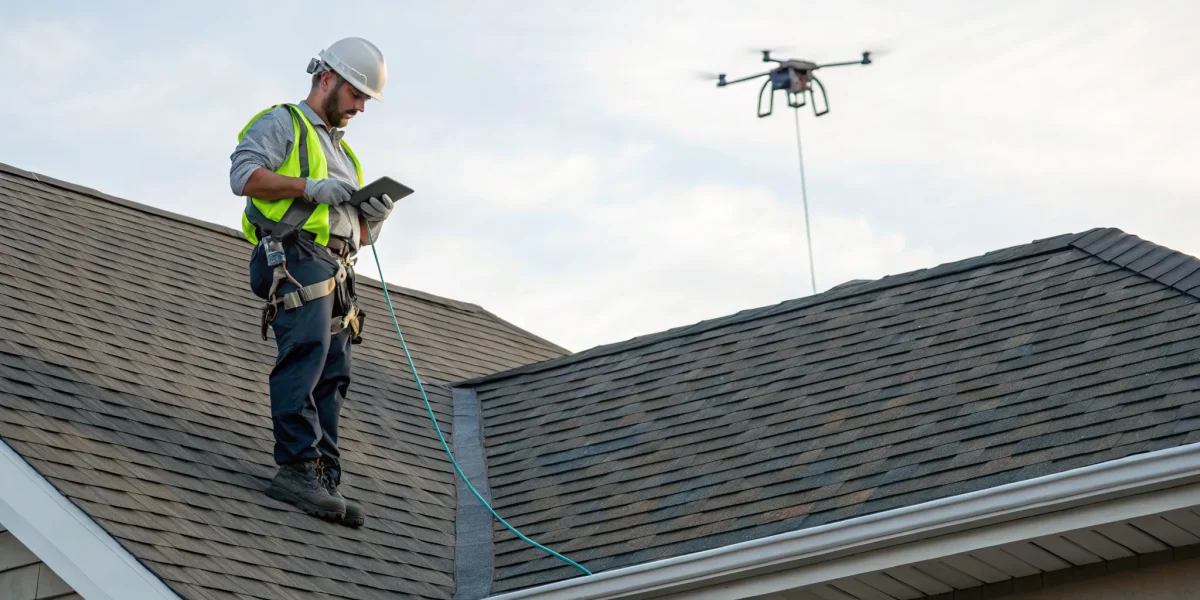
Roof Inspector Certification: A Step-by-Step Guide
What really separates a quick glance at a roof from a professional assessment? The answer lies in accountability and standardized expertise. Anyone can climb a ladder and point out a few cracked shingles, but that’s not an inspection. A true inspection is a methodical process conducted by a trained professional who knows exactly what to look for. This is why a roof inspector certification is so important. It signifies that the inspector has been trained to follow a comprehensive set of standards, ensuring no detail is missed. It’s your guarantee that the report you receive is based on facts and expertise, not guesswork.
Key Takeaways
- Hire for an Unbiased Assessment: A certified inspector’s primary role is to provide a clear, factual report on your roof’s condition, not to sell you a replacement. This expert evaluation protects your investment by helping you make informed decisions based on facts.
- Specialized Training Sets You Apart: For professionals, choosing a certification program focused solely on roofing provides the deep expertise needed to offer premium, warrantied services. This specialization helps you build a reputation as a trusted expert in the field.
- Always Verify Before You Hire: Protect your property by doing your homework. Confirm an inspector’s certification and insurance, ask specific questions about their process, and watch for red flags like an immediate push for a full replacement.
What is a Certified Roof Inspector (and Why Should You Care)?
When you think about your roof, the term “roofer” or “contractor” probably comes to mind. But a certified roof inspector is a different kind of professional altogether. While a contractor’s main job is to install or repair, a certified inspector’s role is to provide an expert, unbiased assessment of your roof’s condition. Think of them as a detective for your roof. They have specialized training and follow a strict set of standards to give you the complete picture, protecting what is often your biggest investment. This certification isn’t just a piece of paper; it’s your assurance of quality, expertise, and accountability.
What a Certified Inspector Actually Does
A certified roof inspector conducts a thorough examination to make sure a roof is secure, structurally sound, and free of defects. They climb onto the roof and look closely at every component, from the shingles and flashing to the gutters and ventilation systems. Their goal is to identify not only existing problems but also potential issues that could lead to costly damage down the road. After the inspection, they provide a detailed report that helps property owners make informed decisions about maintenance and repairs. This expert evaluation is crucial for a wide range of people we serve, including homeowners, real estate professionals, and property managers who need a clear and accurate assessment.
How Certification Protects Property Owners
A roof certification gives you something incredibly valuable: peace of mind. It’s an official document from a qualified expert that outlines your roof’s current condition and estimates its remaining useful life. This is much more than a simple opinion. For homeowners, it provides confidence in the integrity of their roof. For home buyers, it removes the guesswork during a real estate transaction. The NRCIA takes this protection a step further by offering the nation’s only standardized LeakFREE® roof certification. This unique certification comes with a warranty, providing a tangible guarantee against leaks and ensuring your property remains protected.
Upholding Industry Standards and Accountability
Anyone can look at a roof, but a certified inspector is held to a higher standard. Certification means the inspector has completed rigorous training and is committed to a professional code of ethics. They follow specific, standardized procedures for every inspection, ensuring nothing is overlooked. This level of accountability is what sets them apart. An NRCIA-certified inspector, for example, has access to ongoing education and training to stay current on the latest materials and techniques. They are equipped to provide objective, fact-based reports, helping you avoid unnecessary repairs and make decisions based on reliable information, not just a sales pitch.
Busting Common Myths About Roof Certification
There are a few common misunderstandings about roof inspections that can leave property owners vulnerable. One major myth is that a new roof doesn’t need an inspection. However, improper installation is a leading cause of premature roof failure, and a certified inspector can spot these errors early. Another misconception is that you only need an inspection after a major storm. In reality, regular check-ups can catch small issues like cracked seals or minor damage before they turn into major leaks. Finally, many people believe their roof warranty is a substitute for inspections, but most warranties require proof of regular maintenance to remain valid. A certified inspection provides the documentation you need.
How to Become a Certified Roof Inspector
Becoming a certified roof inspector is a fantastic career move that opens up new opportunities and establishes you as a trusted expert in the field. It’s a path that combines technical knowledge with hands-on work, and it’s more accessible than you might think. The process isn’t just about getting a piece of paper; it’s about building a deep understanding of roofing systems, safety protocols, and the standards that protect property owners. By following a clear path of education, training, and practical experience, you can build a rewarding career and become the go-to professional for reliable roof assessments. Let’s walk through the steps to get you there.
Your Starting Point: Education and Experience
Every journey has a starting point, and for a roof inspector, it begins with a solid educational foundation. A high school diploma or GED is the standard requirement to get started. If you already have a background in construction or roofing, you’re ahead of the game. That hands-on experience gives you a practical understanding of how roofs are built and what can go wrong, which is invaluable knowledge for an inspector. Think of it as the framework upon which you’ll build your specialized expertise. This prior experience isn’t mandatory, but it will certainly make your training smoother and more intuitive.
Finding the Right Training and Coursework
Next, you’ll need to find a training program that fits your goals. To become certified, you must complete coursework that covers the essentials: different roofing systems, proper inspection techniques, and critical safety protocols. This is where you learn the technical side of the job. At NRCIA, we offer a full training portfolio designed to give you the skills and confidence you need to perform thorough inspections. Many of our specialized courses are included at no extra cost with an NRCIA membership, making it simple to get the high-quality education you need to succeed.
Getting Hands-On with Inspections and Mentorship
Theory is important, but nothing beats real-world practice. The best certification programs include a hands-on component where you can apply what you’ve learned. This is where you move from the classroom to the rooftop. Our onboarding process is designed to bridge that gap effectively. After completing your initial training, you’ll conduct a practice inspection and meet with an instructor who can provide direct feedback and guidance. This mentorship is crucial for refining your skills and ensuring you’re ready to handle inspections professionally. The entire process typically takes about two to four weeks.
Staying Sharp with Continuing Education
Once you’re certified, the learning doesn’t stop. The roofing industry is always changing, with new materials, technologies, and building codes emerging all the time. Committing to continuing education is what separates a good inspector from a great one. Staying current with the latest industry developments ensures you can provide the most accurate and valuable inspections for your clients. It shows a commitment to your craft and helps you maintain your status as a trusted expert. This ongoing learning is a core part of being a professional in any field, and roof inspection is no exception.
How Do Certification Programs Compare?
When you start looking into roof inspector certifications, you’ll find a few different paths you can take. Each program has its own focus, standards, and benefits. Understanding these differences is the key to choosing the program that aligns with your career goals and the level of expertise you want to offer your clients. Some programs offer a general overview as part of a broader home inspection curriculum, while others, like the NRCIA, provide a specialized, in-depth education focused entirely on roof systems and their long-term performance.
The NRCIA Difference: Our LeakFREE® Specialization
At the NRCIA, our entire focus is on the roof. We train inspectors to go beyond a simple pass or fail assessment. Our inspectors learn how to identify potential issues and provide solutions to ensure a roof is not just functional, but completely watertight. This specialized approach is what allows us to offer our exclusive LeakFREE® roof certifications, which provide a warranty against leaks for the certification period. This gives property owners true peace of mind and offers our certified inspectors a powerful service that sets them apart in the market. Our goal is to create experts who can confidently stand behind their work and offer a guaranteed result.
Comparing NRCIA to Other Programs
Other organizations, like InterNACHI, offer roof inspection certifications as part of their broader home inspector training. These programs typically require you to become a member, complete a general home inspector certification, and then take an online course on roof inspections. While these courses provide a good foundation, they are often designed as an add-on to a home inspector’s existing skill set. The NRCIA, on the other hand, is built for specialists. Our different membership levels are designed for professionals who want to make roof inspections and certifications a core part of their business, not just another line item on a report.
Key Differences in Training and Standards
The real distinction between programs often comes down to the training methodology and inspection standards. Many general courses cover the basics of identifying common roof problems. The NRCIA’s training is far more comprehensive. We teach a proprietary “five-zone inspection” process that requires a detailed examination of the rooftop, the roof’s edge, the attic, the interior ceilings, and the garage. This thorough method ensures that nothing is overlooked. You can explore our training portfolio to see how our courses are structured to build this deep expertise, which is essential for certifying a roof as LeakFREE®.
How to Choose the Right Program for You
Choosing the right certification depends on what you want to achieve. If you plan to be a general home inspector and want to add a basic roof inspection to your services, a broader program might fit your needs. However, if you want to become a recognized expert in roof integrity, build a business around a premium service, and offer a unique, warrantied certification, then a specialized program is the clear choice. Consider the professionals we serve; if you see yourself among them, specializing with the NRCIA will provide the tools, training, and credentials to build a thriving business focused on protecting properties from the top down.
How to Hire a Certified Roof Inspector
Finding the right professional to assess your roof is a big deal. Your roof is the first line of defense for your property, and you need someone you can trust to give you the straight facts. Hiring a certified inspector means you’re bringing in an expert who has proven their knowledge and is committed to a high standard of practice. It’s about getting a clear, unbiased picture of your roof’s condition so you can make smart, informed decisions. Let’s walk through the steps to find and hire a qualified inspector who will give you the confidence you need.
Verify These Credentials Before You Hire
Before you let anyone on your roof, a little homework goes a long way. The most important thing to check is their certification. Look for inspectors with credentials from a reputable organization like the NRCIA. An active NRCIA membership shows that an inspector is not only trained but also dedicated to staying current with industry best practices. Ask to see their certification credentials and verify them. You should also confirm that they carry both general liability insurance and workers’ compensation. This protects you from any liability in case of an accident on your property. A true professional will have this documentation ready and will be happy to share it.
Red Flags to Watch Out For
Knowing what to avoid is just as important as knowing what to look for. Be cautious of any inspector who is also a contractor and immediately pushes for a full roof replacement. A certified inspector’s primary role is to provide an unbiased assessment, not to sell you a new roof. Another red flag is a vague or rushed inspection process. A thorough inspection takes time. Also, don’t fall into the trap of thinking a manufacturer’s warranty is a substitute for regular inspections. As experts point out, many homeowners mistakenly believe that roof warranties eliminate the need for regular professional inspections. A warranty won’t cover issues caused by neglect, so routine checks are essential.
Key Questions to Ask Your Inspector
To find the right fit, you need to ask the right questions. Think of it as a mini-interview. Start by asking about their experience with your specific type of roof, whether it’s for a home, commercial building, or multi-family property. A great question is, “What does your inspection report include?” You want a detailed document with photos and clear explanations, not a one-page checklist. It’s also wise to ask if they are affiliated with any roofing companies to ensure their assessment is impartial. Remember, a certified roof inspector offers an unbiased, expert assessment of your roof’s health. They give you the straightforward facts you need to make informed decisions.
Understanding the Cost and Long-Term Value
It’s easy to focus on the upfront cost of an inspection, but it’s more helpful to see it as an investment in your property. A small fee today can save you from huge repair bills down the road. Certified inspections give owners confidence that leaks, uplift, hail bruising, and flashing failures will be identified early, before they turn into major problems. For homeowners, a LeakFREE® roof certification can increase property value and make the selling process smoother. For property managers, it’s about protecting the asset and the budget. The price of an inspection is minimal compared to the cost of unexpected, catastrophic roof failure. You’re paying for peace of mind.
Related Articles
- Protect Your Warranty: Find a Certified Roof Inspector
- Commercial Roof Inspector Training: Your 2026 Guide
- A Guide to Roof Certification for Homeowners Insurance
- What Is a Roof Certification? A Homeowner’s Guide
- Become a Certified Commercial Roof Inspector in 5 Steps
Frequently Asked Questions
What’s the real difference between a roofer and a certified inspector? Think of it this way: a roofer’s job is to fix or build, while a certified inspector’s job is to assess and report. An inspector provides an unbiased, expert evaluation of your roof’s condition without trying to sell you on a specific repair or replacement. They are your advocate, giving you the objective information you need to make a sound decision for your property.
How long does a LeakFREE® roof certification last? The length of a LeakFREE® certification typically ranges from one to five years. The exact term depends on several factors, including the age, material, and overall condition of your roof at the time of the inspection. An older roof might receive a shorter certification, while a newer, well-maintained roof could qualify for a longer term.
Do I really need an inspection if my roof is brand new? Yes, it’s a very smart move. A surprising number of new roofs fail early because of mistakes made during installation. A certified inspector can spot these subtle but critical errors, like improper nailing or flashing issues, right away. Catching these problems early saves you from major headaches and expenses later on and ensures you got the quality installation you paid for.
Can I become a certified inspector if I don’t have a roofing background? Absolutely. While hands-on experience in roofing or construction gives you a head start, it is not a requirement. A comprehensive training program is designed to teach you everything you need to know, from identifying different roofing systems to performing a thorough, standardized inspection. A commitment to learning the material is what truly matters.
Why should I specifically look for an NRCIA-certified inspector? Hiring an NRCIA-certified inspector gives you a unique advantage: the assurance of our LeakFREE® warranty. Our inspectors undergo specialized training focused entirely on roof performance and integrity. This means their certification isn’t just a piece of paper stating your roof passed an inspection; it’s a guarantee against leaks for the entire certification period, offering you tangible protection.
Learn More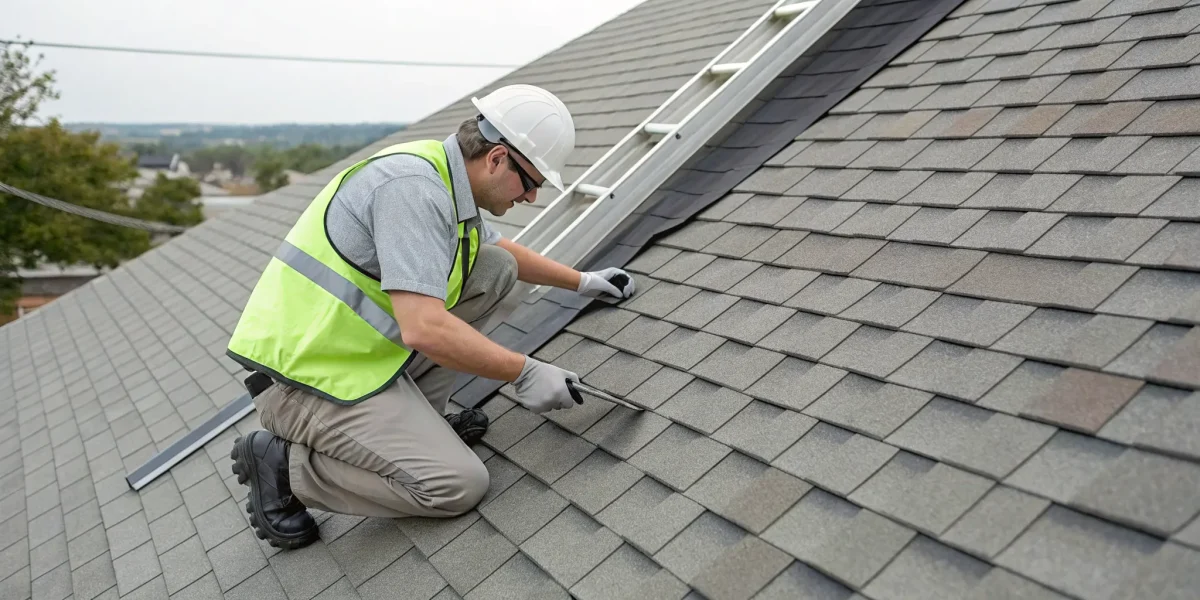
Roof Certification for Insurance: A Complete Guide
Your homeowner’s insurance is up for renewal, but this time, there’s a catch: the provider is asking for a document you may have never heard of before. Getting a request for a roof certification for insurance can feel like frustrating red tape, but it’s actually a standard practice designed to assess the health of your home’s most critical shield. This isn’t just about checking a box for your insurer. It’s an opportunity to get a professional, in-depth look at your roof’s condition, catching small issues before they become costly disasters. This guide will walk you through exactly what a certification is and why it benefits you just as much as your insurance company.
Key Takeaways
- It’s a risk assessment for your insurer: A roof certification is a detailed report card that tells insurance companies your roof is in good condition, which helps them accurately assess their risk and can make getting or renewing your policy much smoother.
- Think of it as preventative care: The certification process uncovers minor issues that can be fixed affordably now, saving you from major repair bills and protecting your property’s value in the long run.
- Not all certifications are equal: A standard certification is just an opinion, while an NRCIA LeakFREE® certification includes a warranty. This provides a true guarantee against leaks, offering a level of security that other certifications simply can’t match.
What is a Roof Certification?
Think of a roof certification as a professional report card for your roof. It’s an official document issued by a certified inspector confirming that your roof is in good condition, free of major issues, and is expected to remain leak-free for a specific period. Unlike a standard home inspection, which just notes the roof’s current state, a certification provides a more in-depth assessment of its health and longevity. It’s a statement of confidence from an expert.
Insurance companies, mortgage lenders, and potential homebuyers often request a roof certification to verify that the roof is structurally sound and won’t require expensive, immediate repairs. It serves as proof that you’ve done your due diligence in maintaining the property. For example, the NRCIA’s LeakFREE® roof protection goes a step further by not only certifying the roof’s condition but also providing a warranty against leaks. This gives everyone involved, from the homeowner to the insurer, peace of mind. Essentially, the certification translates a complex roof assessment into a simple, trustworthy document that confirms the roof is ready to do its job.
What Happens During the Inspection?
During the certification inspection, a qualified professional conducts a thorough examination of your entire roofing system. They don’t just do a quick walk-around. The inspector will get on the roof to check the condition of the materials, whether they are shingles, tiles, or metal. They’ll look for signs of wear like cracks, missing pieces, and water damage. Key areas like flashing, gutters, and drainage systems are also carefully examined to ensure they are functioning correctly. The inspection isn’t limited to the exterior; the inspector will also check interior spaces like the attic for any evidence of leaks or water stains that might indicate a hidden problem. This comprehensive process ensures every critical component is evaluated.
Understanding Your Certification Report
Once the inspection is complete and the roof meets all necessary standards, you’ll receive your official certification report. This document is your proof of the roof’s good health. It will clearly state the roof’s current condition, detail any repairs that were made to bring it up to standard, and provide an expert estimate of its remaining useful life. Most importantly, the report specifies how long the certification is valid, which is typically between two and five years. This report is what you’ll provide to your insurance company or include in real estate transaction documents. It’s a straightforward summary that gives all property stakeholders the clear, verified information they need.
Why Do Insurance Companies Require Roof Certifications?
When you apply for or renew a homeowner’s insurance policy, your provider might ask for a roof certification. It can feel like just another piece of paperwork, but for an insurance company, it’s a critical tool for understanding their risk. Your roof is your home’s primary shield against the elements, and its condition directly impacts the likelihood of future claims. A leaky or damaged roof can lead to thousands of dollars in water damage, mold remediation, and structural repairs, all of which the insurer might have to cover.
A roof certification provides a clear, unbiased assessment from a qualified professional. It tells the insurance company that your roof has been thoroughly inspected and is in good functional condition. This isn’t just about checking a box; it’s about giving the insurer the confidence they need to cover your property. For homeowners, this process can lead to smoother policy approvals, better coverage options, and sometimes even lower premiums. It’s a straightforward way to demonstrate that your home is a sound, low-risk investment for everyone involved.
To Assess Risk and Liability
At its core, insurance is a business of managing risk. Before an insurance company agrees to cover your home, it needs to evaluate how likely you are to file a claim. A well-maintained roof significantly lowers that risk. A professional roof certification serves as proof that your roof is structurally sound and free of defects that could lead to leaks or other damage. When an NRCIA-certified inspector provides a report, it gives the insurer a reliable, third-party assessment of the roof’s condition. This detailed information helps them accurately calculate your policy’s premium. A roof in great shape means less liability for them and a more secure home for you.
To Verify Your Roof’s Age and Condition
Insurance companies pay close attention to a roof’s age, especially if it’s over 15 or 20 years old. Different materials have different lifespans, and an older roof is statistically more likely to fail. However, age alone doesn’t tell the whole story. A 15-year-old roof that has been meticulously maintained might be in better shape than a 7-year-old roof that was poorly installed or neglected. A roof certification provides a current, detailed snapshot of the roof’s actual condition. The inspector evaluates everything from the state of the shingles to the integrity of the flashing, giving the insurer a much clearer picture than a simple date on a permit.
To Prevent Future Claims
Insurance companies would much rather prevent a claim than pay for one. A roof certification is a proactive measure that helps identify potential issues before they become expensive problems. If an inspection reveals minor issues like loose shingles or cracked flashing, the insurer will likely require you to complete the repairs before they finalize your policy. This step protects you from a sudden leak during the next storm and saves the insurance company from a costly water damage claim. Think of it as a bit of preventative care for your home. By confirming your roof is in good working order, the certification helps ensure your home remains protected and your coverage stays intact.
What Does a Roof Certification Inspection Cover?
When an inspector arrives to perform a roof certification, they’re doing much more than a quick visual scan. This is a comprehensive evaluation of your entire roofing system, designed to assess its current condition and estimate its remaining functional life. The inspector follows a meticulous checklist to examine every component, from the main structure down to the smallest details. Their goal is to determine if the roof is free of existing problems and can reasonably be expected to remain leak-free for the duration of the certification period. This isn’t just about passing or failing; it’s about getting a complete health report for one of your home’s most critical assets.
An NRCIA-certified inspector uses a standardized process to ensure every roof is evaluated against the same high criteria. This consistency is what makes a LeakFREE® roof certification so valuable to homeowners, buyers, and insurance companies alike. It means that a certification in one state holds the same weight and meaning as one in another. The inspection covers three primary areas: the roof’s structure and materials, signs of weather damage and wear, and the effectiveness of its drainage systems. Each part of the inspection gives a clearer picture of the roof’s overall health and helps identify any issues that need attention before a certification can be issued.
Checking the Structure and Materials
First, the inspector will evaluate the roof’s structural integrity. They look for any signs of sagging, uneven roof planes, or deterioration in the underlying decking. This foundational check ensures the roof is stable and properly supported. Next, they move on to the surface materials. Whether you have shingles, tiles, or metal roofing, the inspector will check for damage like cracks, curls, or missing pieces. They’ll also look for organic growth like moss or algae, which can trap moisture and accelerate wear. This detailed material inspection is crucial for confirming that the primary layer of defense against the elements is in good shape for all the different clients we serve.
Looking for Weather Damage and Wear
A roof is constantly exposed to the elements, and an inspector is trained to spot the specific damage that sun, wind, rain, and hail can cause. They will look for granule loss on asphalt shingles from UV exposure, lifted or creased shingles from high winds, and dents or cracks from hail impact. This part of the inspection also involves assessing the natural wear and tear that occurs over time. By evaluating how the roof has aged, the inspector can make an informed judgment about its durability and how much longer it can be expected to perform effectively. Our inspectors receive extensive training to identify these subtle but significant signs of degradation.
Inspecting Flashing, Gutters, and Drainage
Some of the most common sources of roof leaks are found where the roof meets another surface, like a chimney, vent, or wall. These transition points are sealed with metal strips called flashing. An inspector will carefully check all flashing to ensure it’s secure, free of rust, and properly installed to prevent water intrusion. They will also examine the gutters and downspouts to confirm they are clear of debris and effectively channel water away from the building’s foundation. Proper drainage is essential for a healthy roof, so the inspector will also look for any areas where water might be pooling, a sign of an underlying issue.
How to Get a Roof Certification for Insurance
Getting a roof certification for your insurance provider might sound complicated, but it’s a pretty straightforward process. When you break it down, it’s all about getting a professional assessment of your roof’s health and lifespan. This gives your insurance company the confidence it needs to provide coverage and gives you valuable insight into the condition of your property. Think of it as a check-up for one of your home’s most important assets.
The process involves three key steps: finding the right professional, getting your roof ready for its close-up, and then completing the inspection to get your official report. By following these steps, you can smoothly get the documentation you need. Whether you’re a homeowner, real estate agent, or property manager, a roof certification is a smart move for protecting your investment and securing fair insurance terms. Let’s walk through exactly what you need to do.
Find a Qualified NRCIA Inspector
First things first, you need to find the right person for the job. This isn’t a task for a general contractor or a handyman. You need a certified inspector who specializes in roofing systems and understands what insurance companies are looking for. An NRCIA-certified inspector is your best bet, as they have undergone specific training and follow a standardized inspection process. These professionals have the expertise to accurately assess your roof’s condition, identify potential issues, and determine its remaining lifespan. Choosing an NRCIA inspector ensures you get a credible, thorough evaluation that insurance carriers trust.
Prepare Your Roof for Inspection
Once you’ve scheduled your inspection, a little prep work can go a long way. Your goal is to make sure the inspector has clear and safe access to the entire roof surface. Start by removing any loose debris like leaves, branches, or dirt that may have accumulated. This allows for a clear view of the shingles, tiles, and flashing. You should also ensure there’s a safe path for the inspector to access the roof, whether it’s through a hatch or with a ladder. A clean and accessible roof helps the inspection process go smoothly and ensures the final report is as accurate as possible.
Schedule and Complete the Process
After the inspector completes their thorough examination, you’ll receive an official certification report. If your roof is in good shape and meets all the necessary standards, this document will serve as your proof for the insurance company. The report details the roof’s current condition, the materials used, its estimated remaining life, and the duration of the certification, which is typically two to five years. This certification not only satisfies insurance requirements but also becomes a valuable asset if you decide to sell your property, proving that your home is protected by a LeakFREE® roof.
How Much Does a Roof Certification Cost?
When you’re thinking about getting a roof certification, the cost is a practical concern. The good news is that it’s an affordable investment, especially when you consider the protection it offers. The total cost breaks down into a few key parts: the initial inspection fee, any necessary repairs, and the long-term value you get back. Think of it less as a cost and more as an investment in your property’s health. A certification helps you prove to your insurance company that your roof is in great shape, which can smooth out the process of getting or renewing your policy. Let’s walk through what you can expect to pay.
Understanding Inspection Fees
The initial inspection fee for a roof certification is generally quite reasonable. While prices vary based on your location and the roof’s size and complexity, you can typically expect the inspection to cost between $75 and $400. A larger or steeper roof might be on the higher end of that range, while a simple roof on a smaller home will likely be on the lower end. This fee covers the time and expertise of a certified professional who will conduct a thorough assessment of your entire roofing system, checking for any signs of damage or potential issues.
Factoring in Potential Repair Costs
During the inspection, the inspector might find minor issues that need to be addressed before a certification can be issued. This is a normal part of the process. The report will outline any required repairs, like sealing some flashing or replacing a few damaged shingles. These fixes are usually minor and are essential for bringing your roof up to standard. Addressing these small problems right away prevents them from turning into bigger, more expensive headaches later. It ensures your roof is truly sound and ready to qualify for a LeakFREE® certification, which is the ultimate goal.
How Certification Can Save You Money
This is where your initial investment really pays off. A certified roof is a clear signal to insurance companies that your property is a lower risk. Because of this, having a certification might help you secure a better rate on your homeowner’s insurance, especially if you live in an area prone to harsh weather. Insurers appreciate when homeowners take proactive steps to maintain their property. Beyond potential insurance discounts, a certification helps you catch and fix small issues before they escalate. This proactive maintenance saves you from the massive expense of major roof repairs, giving you both financial savings and peace of mind.
How Long Does a Roof Certification Last?
Think of a roof certification as a snapshot in time. It tells you the roof’s condition on the day of the inspection, but since your roof is constantly exposed to the elements, that certification won’t last forever. Understanding its typical lifespan is key for staying ahead of maintenance, keeping your insurance policy active, and protecting your property. While the exact duration can vary based on several factors, there are some general timelines you can expect.
The Standard Lifespan of a Certification
A roof certification is usually good for two to five years. This window reflects the period a roof in good condition is expected to perform without significant issues under normal circumstances. The specific length of your certification often depends on the inspector’s assessment of factors like the roof’s age, the quality of its materials, and the overall workmanship. For instance, a newer roof might earn a five-year certification, while an older one may only be certified for two years. Some programs, like the NRCIA’s LeakFREE® roof certifications, offer protection for a clearly defined term, giving you a reliable timeline for your coverage.
What Can Shorten Your Certification’s Validity?
While a certification provides peace of mind, it isn’t a shield against everything. A severe weather event, like a major hailstorm or hurricane, can cause new damage that effectively makes the original inspection report obsolete. Neglecting routine upkeep can also shorten its relevance. Regular inspections are so important because they can find small problems early, before they become big, costly repairs. If your roof is already old or has existing damage, an insurance company may require you to make repairs before issuing a policy, even with a recent certification in hand. Professionals who want to master identifying these critical issues can find valuable resources in our training portfolio.
What Happens if Your Roof Fails the Inspection?
Finding out your roof didn’t pass its inspection can feel like a major setback, but it’s actually a positive step forward. Think of it this way: you now have a clear, professional assessment of exactly what your roof needs to be in top condition. A failed inspection isn’t a final verdict; it’s a detailed roadmap for making necessary improvements. The inspector’s report is your guide, highlighting specific issues that compromise your roof’s integrity and prevent it from being certified.
This process is designed to protect your property. By identifying potential problems now, you can address them before they turn into costly emergencies like major leaks or structural damage. The goal of a LeakFREE® roof certification is to confirm your roof is sound and ready to protect your home for a set period. If it fails, it just means there are a few things to take care of first. Once those repairs are handled, you can move forward with getting the certification your insurance company requires and gain valuable peace of mind.
Common Reasons a Roof Might Fail
An inspector has a trained eye for details that most of us would easily miss. A roof might fail certification for several reasons, ranging from minor to significant. Common culprits include damaged or missing shingles, tiles, or shakes, which leave the underlying structure exposed to the elements. The inspector will also carefully check the flashing, which are the metal strips around chimneys, vents, and skylights. If the flashing is cracked, loose, or improperly installed, it’s a prime spot for leaks. Other red flags include clogged gutters preventing proper water drainage, signs of water stains on ceilings, and general deterioration due to age.
Your Next Steps: Repairs and Improvements
Once you have the inspection report in hand, your path forward is clear. The report will list every issue that needs attention, from replacing a few damaged tiles to sealing the flashing. Your next step is to hire a qualified roofing contractor to complete these repairs. It’s important to work with a professional who understands the requirements for certification. They can use the report as a checklist to ensure every problem is fixed correctly. Addressing these items not only helps you secure your certification but also extends the life of your roof and protects your entire home from potential water damage.
Getting Your Roof Re-Inspected
After all the required repairs have been completed by your contractor, it’s time to schedule a re-inspection. The original inspector will return to your property to verify that all the issues noted in the initial report have been properly addressed. They will review the contractor’s work to ensure it meets the necessary standards for certification. Once the inspector confirms that the roof is in sound condition, they will issue your official roof certification. This document confirms your roof is free of problems and is expected to remain leak-free for the duration of the certification period, which is exactly what your insurance provider needs to see.
Debunking Common Roof Certification Myths
Roof certifications can feel like a mysterious part of homeownership and real estate deals. Because they aren’t always required, a lot of misinformation floats around, leaving people unsure about what they are and why they matter. It’s easy to get tangled up in assumptions about what a certification does, what it costs, and whether you even need one. These myths can cause significant headaches, leading to unexpected repair bills, complicated insurance claims, or even deals falling through at the last minute.
Let’s clear the air and tackle some of the most common myths head-on. Understanding the truth behind these misconceptions will help you make smarter decisions about protecting your property, whether you’re buying, selling, or securing insurance. For example, believing that any certification will do can leave you with a worthless piece of paper, while assuming you don’t need one could put you at a major disadvantage. By separating fact from fiction, you can see the real value a proper certification brings to the table and learn how to find one that offers genuine protection and peace of mind. We’ll break down what a certification truly guarantees, whether it’s a legal necessity, and why not all certifications are created equal.
Myth: A Certification is a Guarantee Against Leaks
This is one of the biggest misunderstandings. A standard roof certification is a professional inspector’s expert opinion, not an ironclad guarantee. It states that, based on their inspection, the roof is in good condition and isn’t likely to leak for a specific period, usually two to five years. However, it doesn’t mean a leak is impossible. That’s why our LeakFREE® roof certifications are different. We go beyond a simple assessment by including a warranty with our certification. This provides an extra layer of protection, ensuring that if a leak does occur within the covered period, you have a clear path to getting it fixed without unexpected costs.
Myth: A Certification is a Legal Requirement
While it might feel like a requirement, a roof certification is not mandated by law for property transactions or insurance policies. Instead, it’s a requirement often set by other parties involved, like mortgage lenders or insurance carriers. They request a certification to manage their financial risk, especially when dealing with an older roof. For them, it’s proof that the roof has been professionally evaluated and is in sound condition. So, while you won’t get in legal trouble for not having one, you may find that it’s a necessary step to secure a loan or get the insurance coverage you need, particularly for real estate professionals closing a deal.
Myth: All Roof Certifications Are the Same
It’s easy to assume that one roof certification is just like any other, but that couldn’t be further from the truth. The quality and value of a certification depend entirely on who issues it. The length of the certification, the depth of the inspection, and the inspector’s qualifications can vary widely. This inconsistency is a major problem in the industry. At NRCIA, we solve this by offering the only standardized roof warranty available. Every one of our certified inspectors follows the same rigorous process and standards, so you know you’re getting the same high level of protection and service no matter where you are. It’s consistency you can count on.
More Than Just Insurance: Extra Benefits of Certification
While satisfying an insurance company might be the reason you first look into roof certification, its value goes much further. Think of it less as a requirement and more as a powerful tool for protecting your investment. For the diverse group of property stakeholders we work with, from homeowners to real estate professionals and property managers, a certification provides tangible advantages that can save money, streamline transactions, and offer incredible peace of mind. It’s an official statement from a qualified professional that your roof is in solid condition and ready to do its job.
This simple document can make a world of difference, whether you’re planning to sell your property, secure better insurance rates, or simply want to be a proactive and responsible owner. It shifts the conversation from uncertainty to confidence. Instead of wondering about the state of your roof, you have a clear, expert-backed assessment. This clarity is invaluable in real estate negotiations, maintenance planning, and even in discussions with your insurance provider. By understanding all the benefits, you can see why a certification is one of the smartest decisions you can make for your property’s long-term health and your own financial well-being.
Protect Your Property Value
When you’re selling a property, the roof is one of the biggest points of concern for potential buyers. A roof certification cuts through the uncertainty and acts as a major selling point. It’s an official document from a certified inspector confirming the roof is in good shape and isn’t expected to leak. This gives buyers the confidence they need to move forward, making your property more attractive and potentially helping it sell faster. Instead of a point of contention during negotiations, the roof becomes a proven asset, helping you protect your asking price and ensure a smoother transaction for everyone involved.
Catch Problems Early
One of the most practical benefits of a roof certification is the inspection itself. A trained inspector can spot subtle signs of wear and tear that an untrained eye would easily miss. Identifying these small issues, like minor flashing damage or a few loose shingles, allows you to address them before they escalate into major, expensive problems like widespread leaks or structural damage. This proactive approach to maintenance is key to extending the life of your roof and avoiding costly emergency repairs down the road. It’s a simple step that helps ensure your property has LeakFREE® roof protection for years to come.
Gain Peace of Mind and Marketability
Beyond the financial and logistical perks, a roof certification offers something invaluable: peace of mind. Knowing that your roof has been thoroughly vetted by a professional provides a sense of security that your home and family are protected from the elements. This confidence extends to the market, too. A certified roof is a highly marketable feature that can set your property apart. It demonstrates responsible ownership and can even lead to lower insurance premiums, especially in areas prone to severe weather. It’s official proof that your roof is strong, sound, and ready to perform, which is a reassuring message for you, future buyers, and your insurer.
Related Articles
- Roof Certification Archives – NRCIA
- Protect Your Warranty: Find a Certified Roof Inspector
- Roof Certifications – NRCIA
- What Is a Roof Certification? A Homeowner’s Guide
- Roof Inspections – NRCIA
Frequently Asked Questions
Is a roof certification different from the roof inspection I got when I bought my house? Yes, they are quite different. A standard home inspection gives you a general overview of the roof’s condition at that moment, noting visible issues like missing shingles. A roof certification, however, is a much more detailed assessment performed by a specialized inspector. It not only evaluates the current condition but also provides a professional opinion on the roof’s remaining lifespan and certifies that it should remain leak-free for a specific period, usually two to five years.
My roof is over 15 years old. Can it still pass a certification inspection? Absolutely. While age is a factor insurance companies consider, it doesn’t automatically disqualify a roof from certification. An older roof that has been well-maintained can often be in better shape than a newer, neglected one. The inspector focuses on the roof’s actual condition, not just its age. They will check for things like material integrity, proper flashing, and signs of wear. If the roof is structurally sound, it can certainly earn a certification.
What’s the real difference between a standard certification and an NRCIA LeakFREE® certification? A standard certification is an inspector’s professional opinion that your roof is in good condition. An NRCIA LeakFREE® certification takes this a significant step further by including a warranty. This means that if a leak occurs during the certification period, you have protection. Our process is also standardized across the country, so you get the same high level of inspection and assurance no matter where you live. It’s the difference between an expert opinion and an expert guarantee.
If my roof fails the inspection, am I required to use a specific contractor for the repairs? No, you are not obligated to use a particular contractor. After a failed inspection, you will receive a detailed report outlining exactly what needs to be fixed. You can then choose any qualified roofing professional to complete the necessary repairs. Once the work is done, you can schedule a re-inspection to confirm that the issues have been resolved and your roof is ready for certification.
How can I find a qualified inspector I can trust? The best way to ensure you’re getting a credible and thorough evaluation is to work with an inspector who is certified by a reputable organization. An NRCIA-certified inspector, for example, has completed specialized training and follows a strict, standardized process. This ensures they have the expertise to accurately assess your roof’s condition and provide a certification that insurance companies and real estate professionals trust.
Learn More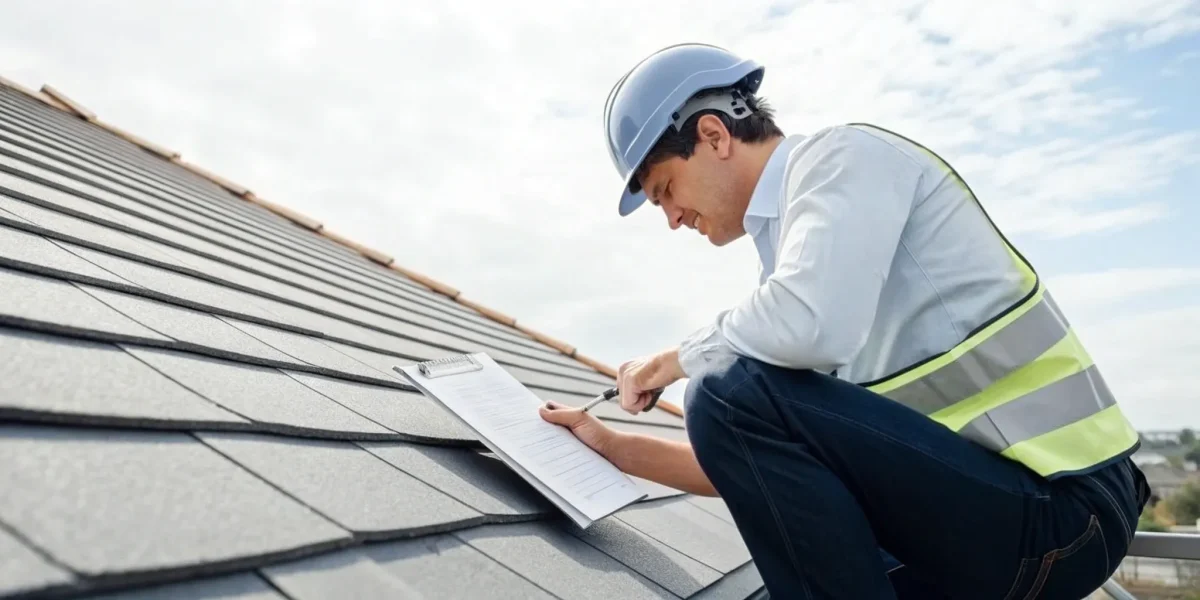
How to Get a Transferable Roof Certification
Thinking about your roof’s health shouldn’t only happen when you see a leak or plan to sell. Proactive maintenance is the best way to protect your home, which is likely your biggest investment. A roof certification is like a comprehensive health check-up for this critical part of your house. It gives you a clear picture of its current condition and expected lifespan, allowing you to catch small issues before they become major problems. When you eventually decide to sell, you’ll already be a step ahead. This guide will walk you through how to get a transferable roof certification and why it’s a smart move for any homeowner.
Key Takeaways
- Build Buyer Confidence and Increase Home Value: A transferable roof certification addresses one of a buyer’s biggest fears—a costly roof replacement—by providing a professional guarantee of the roof’s condition, making your home more attractive and valuable.
- Certification Requires a Thorough Inspection: To get certified, a qualified inspector must verify your roof’s structural integrity, materials, and drainage systems. Any necessary repairs must be completed first, ensuring the roof meets a high standard of quality.
- Don’t Miss the Transfer Window: The warranty transfer isn’t automatic. You must formally complete the process, which often has a strict 30 to 60-day deadline after the sale, to ensure the new homeowner is protected.
What Is a Transferable Roof Certification?
Think of a transferable roof certification as a professional seal of approval for your roof. It’s a formal document from a certified inspector that confirms your roof is in good shape and has a specific amount of life left in it—typically between two and five years. This isn’t just a quick glance from the curb; it’s the result of a thorough, hands-on evaluation. The “transferable” part is what makes it so valuable in a real estate deal: the guarantee can be passed from you to the new owner, giving them the same confidence you have.
This certification serves as a powerful form of assurance for everyone involved in a transaction, from homeowners and buyers to real estate professionals. For sellers, it’s a proactive step to address one of a buyer’s biggest potential worries. For buyers, it provides peace of mind that they won’t be facing an expensive roof replacement right after moving in. An NRCIA LeakFREE® certification goes a step further by providing a warranty against leaks, making it a tangible asset that can significantly strengthen your position when you put your home on the market. It’s a clear statement that your roof’s condition has been verified by a trusted third party.
Why It Matters When Selling Your Home
When you’re selling your home, a transferable roof certification can be one of your strongest marketing tools. It immediately builds trust and sets your property apart from others. Potential buyers often see the roof as a major unknown expense. By providing a certification, you remove that uncertainty and show that you’ve diligently maintained your home. This confidence can directly translate into a faster sale and even a stronger offer. Buyers are often more comfortable, and may even be willing to pay more, for a home that comes with a guaranteed, well-maintained roof. It’s a clear signal that your home is a sound investment.
Certification vs. Standard Inspection: What’s the Difference?
It’s easy to confuse a roof certification with a standard roof inspection, but they serve very different purposes. A standard inspection, especially for a new roof, often just confirms that the installation meets local building codes. It’s more of a pass/fail check on the workmanship at that moment. A roof certification, on the other hand, is a comprehensive evaluation of an existing roof’s condition and its expected future performance. The inspector assesses wear and tear, the quality of materials, and any potential issues to determine how much longer the roof will last. It’s a forward-looking assessment that comes with a guarantee, not just a snapshot of its current state.
The Benefits of a Transferable Roof Certification
When you’re selling your home, a transferable roof certification is one of the most valuable assets you can have. It’s more than just a document; it’s a promise of quality and a powerful tool that simplifies the sales process for everyone involved. For sellers, it provides a distinct competitive edge, and for buyers, it offers the confidence needed to make a major investment.
This certification tells potential buyers that the roof has been thoroughly inspected by a professional and meets a high standard of quality. It often comes with a warranty, like the NRCIA’s LeakFREE® certification, which can be passed on to the new owner. This simple step can transform a major point of anxiety into a strong selling feature, making your property more attractive and streamlining the path to a successful sale. Let’s look at exactly how it benefits you.
Increase Your Home’s Value and Appeal
A transferable roof certification is a significant selling point that can directly impact your home’s market value. Think of it from a buyer’s perspective: a roof is one of the most expensive components of a house to replace. Knowing that the roof is in excellent condition and backed by a warranty removes a huge financial risk. This peace of mind is something buyers are often willing to pay more for. A certified roof signals that your home has been well-maintained, which can lead to a higher selling price and make your property stand out from others on the market.
Attract Confident Buyers and Sell Faster
In a competitive real estate market, anything that builds buyer confidence can help you sell your home more quickly. A transferable warranty acts as a safeguard against costly, unexpected roof repairs right after they move in. This assurance makes your home far more appealing, as it secures their investment and reduces the perceived risk of buying an older property. For the diverse group of people we serve, from real estate agents to new homeowners, this certification provides a clear advantage. It helps attract serious, confident buyers who are ready to make an offer without hesitation.
Prevent Future Disputes with Clear Documentation
A smooth real estate transaction depends on clear communication and transparent documentation. A formal roof certification provides exactly that. The process involves a detailed inspection report and clear warranty terms, leaving no room for ambiguity about the roof’s condition. By reviewing the original warranty documents, both you and the buyer will understand the terms of transferability, including any deadlines or fees. This clarity helps prevent misunderstandings and ensures a seamless transition of the warranty, protecting both parties from potential disputes long after the sale is complete.
How to Get a Transferable Roof Certification
Getting a transferable roof certification is a proactive step that adds significant value and peace of mind, especially when you’re planning to sell your home. The process is more straightforward than you might think and breaks down into a few key phases: finding the right professional, understanding the inspection itself, and preparing your property. By following these steps, you can ensure the certification process goes smoothly, giving you a valuable asset that assures potential buyers of your home’s quality and integrity. This certification isn’t just a piece of paper; it’s a testament to your roof’s condition, backed by a professional evaluation.
Find a Qualified Roof Inspector
Your first and most important step is to find a certified roof inspector. This isn’t a job for a general contractor or a handyman. You need a specialist who is trained to identify subtle signs of wear, potential leak sources, and structural issues according to industry standards. A qualified inspector has the expertise to perform a thorough assessment and provide the documentation needed for a credible certification. When you work with an NRCIA-certified inspector, you can be confident they have the right training and tools to evaluate your roof accurately, ensuring the certification holds up under scrutiny.
The Inspection Process: A Step-by-Step Look
Once you’ve scheduled the inspection, the inspector will conduct a detailed examination of your roof. They’ll check everything from the condition of the shingles and flashing to the state of the underlying structure and drainage systems. If they find any issues that prevent certification, they will provide a report detailing the necessary repairs. You’ll need to have these items addressed by a qualified roofer. After the repairs are complete, the inspector will verify the work and, if everything meets the required standards, issue the LeakFREE® roof certification. This document outlines the roof’s condition and its expected lifespan, giving you and the future owner a clear understanding of its health.
How to Prepare Your Home for Inspection
A little preparation can make the inspection process much smoother. Start by ensuring there is clear and safe access to the roof and any attic or crawl spaces. Trim back overhanging tree branches that might obstruct the view or make it difficult for the inspector to move around. It’s also helpful to gather any existing documents you have about your roof, such as its age, previous repairs, or warranty information. If you’re aware of any minor issues, addressing them beforehand can speed things up. Being prepared shows you’re a proactive homeowner and helps the inspector complete their job efficiently.
What Inspectors Look for During Certification
A roof certification inspection goes far beyond a quick visual check. It’s a comprehensive evaluation of your entire roofing system, designed to assess its current condition and predict its future performance. An NRCIA-certified inspector follows a meticulous, standardized process to ensure nothing is overlooked. They aren’t just looking for obvious problems; they’re identifying potential vulnerabilities that could lead to future issues.
This detailed approach is what gives a certification its value. It provides a complete picture of the roof’s health, from the structural supports to the final layer of shingles. The goal is to confirm that the roof is in good condition and can be expected to remain functional for the duration of the certification period. This thoroughness gives both sellers and buyers confidence that the roof is sound and free from the risk of unexpected, costly leaks.
Your Roof’s Structure and Materials
First, the inspector will evaluate the foundational elements of your roof. They start by examining the overall structure, looking for any signs of sagging or unevenness in the roof planes. A sagging roof can indicate serious underlying issues with the rafters or decking, which are critical to the home’s stability. Next, they conduct a detailed assessment of the roofing materials themselves. Whether you have shingles, tiles, or metal roofing, the inspector will check for signs of wear and tear. This includes looking for cracked, curling, or missing shingles, as well as significant granule loss on asphalt shingles, which protects them from UV damage. This part of the inspection ensures the roof’s primary line of defense is strong and intact.
Spotting Leaks and Water Damage
A key focus of any certification inspection is finding evidence of leaks and water intrusion. Inspectors are trained to be detectives, searching for both active leaks and the subtle signs of past water damage that could point to a recurring problem. They will thoroughly check the interior of your home, looking for water stains on ceilings and walls, especially in the attic. Inside the attic, they’ll inspect the underside of the roof decking for discoloration, damp insulation, or mold growth. This meticulous search is essential because even a small, undiscovered leak can lead to significant structural damage over time. The entire process is designed to catch problems before they escalate, which is the core promise of our LeakFREE® certification.
Assessing Drainage and Ventilation
A healthy roof relies on more than just good materials; it needs functional support systems to manage water and air. That’s why inspectors pay close attention to your roof’s drainage and ventilation. They will examine your gutters and downspouts to ensure they are clear of debris, securely attached, and properly directing water away from your home’s foundation. They’ll also inspect the flashing around chimneys, vents, and skylights, as these are common areas for leaks to develop. Proper attic ventilation is just as important, as it helps regulate temperature and moisture, preventing heat damage in the summer and ice dams in the winter. An inspector will verify that your vents are unobstructed and providing adequate airflow, which is crucial for extending the life of your roof.
How Much Does a Transferable Roof Certification Cost?
When you’re thinking about selling your home, the cost of a roof certification is a smart investment that can pay for itself. It provides peace of mind for both you and the buyer, potentially speeding up the sale and even increasing your home’s value. While the final price tag can vary, it’s generally an affordable step in the home-selling process. The total cost is a combination of the initial inspection fee, the certification itself, and a small fee to transfer it to the new owner. Think of it as a small price to pay for the confidence that comes with a LeakFREE® certified roof.
Breaking Down Inspection and Certification Fees
So, what can you expect to pay upfront? Generally, a roof certification costs between $75 and $400. This fee covers the certified inspector’s time to perform a thorough evaluation of your entire roofing system, from the materials and structure to the drainage and flashing. If your roof meets the required standards, this fee also includes the official certification document. It’s a straightforward cost that bundles the expert assessment and the valuable paperwork you’ll need for the real estate transaction. This single document can prevent last-minute negotiations and show potential buyers that your home has been well-maintained and is ready for its new owner.
Factoring in Transfer and Maintenance Costs
Once your roof is certified, the next step is transferring it to the new homeowner. This is a simple but crucial part of the process. The cost to transfer ownership of an NRCIA certification is typically around $50 and is handled through escrow during the home’s closing. This ensures the new owner is officially covered under the warranty. It’s important to know that after this first transfer, the roof will need a new inspection for any future transfers to subsequent owners. This policy ensures the roof’s condition is consistently monitored and upheld, maintaining the integrity of the certification for years to come.
What Influences the Final Price?
Several factors can influence the final cost of your roof inspection and certification. The price isn’t one-size-fits-all because every roof is different. Key variables include your geographic location, as market rates vary across the country. The size, pitch, and complexity of your roof also play a big role—a larger or steeper roof simply takes more time and effort to inspect thoroughly. The type of roofing material and the age of the roof can also affect the price. Because NRCIA inspectors set their own pricing based on their local market, it’s always a good idea to get a direct quote from a certified professional in your area.
Understanding Your Roof Warranty
A roof warranty is more than just a piece of paper; it’s a promise that your roof will perform as expected. When you’re selling your home, this promise can be a powerful selling point, but only if the new owner can inherit it. Understanding the type of coverage you have is the first step. Not all warranties are created equal, and some are much easier to pass on than others.
Think of it this way: a transferable warranty tells a potential buyer that the roof has been well-maintained and is backed by a professional guarantee. This can ease their concerns and make your home stand out. Before you can highlight this benefit, you need to get clear on what your warranty covers, who issued it, and what the process is for handing it over. Let’s break down the key types of roof coverage you might encounter.
The NRCIA LeakFREE® Certification Explained
The NRCIA offers a unique type of protection called the LeakFREE® Certification. Unlike standard warranties that might only cover specific materials or the roofer’s labor, this certification guarantees the entire roof system against leaks. It’s a comprehensive plan that covers issues with both the materials and the installation, giving you and the future homeowner complete peace of mind.
What really sets it apart is its transferability. The LeakFREE® Certification is tied to the property itself, not to you as the owner. This design makes the transfer process incredibly simple when you sell your home. There’s no complicated paperwork or hoops for the new owner to jump through, making it a straightforward and valuable asset during a real estate transaction.
Manufacturer vs. Workmanship Warranties
Most roofing protection falls into two main categories: manufacturer and workmanship warranties. A manufacturer warranty comes directly from the company that produced your roofing materials, like the shingles or tiles. It covers defects in the materials themselves. These warranties are generally easier to transfer to a new owner, though you’ll still need to follow the manufacturer’s specific process.
A workmanship warranty, on the other hand, is provided by the roofing contractor who installed your roof. This covers errors made during the installation process. These can be trickier to transfer, and if the roofing company goes out of business, the warranty often becomes void. Understanding which type of warranty you have helps you set clear expectations for potential buyers and ensures you’re representing your home’s value accurately.
How to Transfer Your Warranty to the New Owner
If you have a traditional manufacturer or workmanship warranty, transferring it requires a few proactive steps. First, dig out your original warranty documents and read the fine print. Look for any clauses about transferability, fees, and deadlines. Most warranties have a strict time limit for the new owner to complete the transfer, often just 30 to 60 days after the sale closes. Missing this window can void the warranty completely.
Once you know the rules, you’ll need to formally notify both the roofing company and the material manufacturer of the change in ownership. This usually involves filling out a form and sometimes paying a small administrative fee. By handling this process promptly, you ensure the new homeowner receives the full benefit of the warranty you invested in.
How Long Does the Certification Last?
A roof certification isn’t a “one and done” deal—it has a lifespan. Understanding how long your certification is valid and what happens when you sell your home is key to getting the most out of it. The length of a certification can vary, but most are designed to provide peace of mind for a set period, often between one to five years, depending on the provider and the condition of the roof. This validity period ensures that the roof’s condition is regularly assessed and remains up to standard. For homeowners looking to sell, however, the real focus should be on the transfer process. A LeakFREE® roof certification not only assures potential buyers of the roof’s quality but also comes with a warranty that can be passed on, adding significant value to your property. This is a powerful tool in a competitive real estate market. But this transfer isn’t automatic. There are specific timelines and paperwork involved to ensure the new owner is covered, and missing these steps can unfortunately void the protection you worked to secure. Think of it as part of the final handover of your home. Just as you’d leave the new owners the keys and garage door opener, you also need to properly hand over the roof’s documentation. Let’s walk through what you need to know to keep that valuable certification active for the next homeowner.
Understanding Validity Periods and Transfer Windows
Think of a transferable warranty like a relay race—you have to pass the baton correctly for the next runner to keep going. Most roof warranties have a specific transfer window, which is a short period after the home sale (often 30 to 60 days) for the new owner to complete the transfer. If you miss this deadline, the warranty can become void, leaving the new owner without coverage. This is why communication during the home-selling process is so important. A transferable roof warranty is a huge selling point, giving buyers confidence and helping your home stand out. Making sure they understand the timeline and what’s required of them ensures that this valuable feature doesn’t get lost in the shuffle of closing.
Essential Paperwork for the New Homeowner
To make the warranty transfer smooth, organization is your best friend. Before you even list your home, gather all the important documents in one place. This includes the original warranty certificate, the installation invoice from the roofer, and your home closing documents. The new homeowner will need these to prove ownership and initiate the transfer. It’s also a good idea to notify both your roofing company and the material manufacturer about the change in ownership. A quick phone call or email can get the ball rolling and prevent any confusion. By preparing this paperwork ahead of time, you provide a seamless experience for all the people involved in the sale and ensure the new owner can easily maintain the roof’s protection.
How to Keep Your Certification Valid
Getting your roof certified is a fantastic step, but it’s not a one-and-done task. To ensure your certification stays valid—especially when you’re preparing to sell your home—you’ll need to perform some simple, routine upkeep. Think of it like regular maintenance for your car; a little attention goes a long way in preserving its value and performance.
Maintaining your certification protects your investment and ensures the peace of mind that comes with it can be passed on to the next homeowner. It involves staying on top of inspections, addressing repairs promptly, and keeping your paperwork organized. Following these steps will make the transfer process seamless and keep your roof in top condition.
Your Annual Maintenance Checklist
Think of your roof certification as a professional’s promise that your roof is in great shape and expected to last for a specific period, usually between two and five years. To uphold that promise, an annual inspection is your best friend. This yearly check-up is the key to catching small issues before they become major headaches. You can perform a visual inspection from the ground, looking for obvious signs of damage like missing shingles or clogged gutters. Creating a simple checklist to run through each year helps you stay consistent and ensures nothing gets overlooked. This proactive approach is fundamental to maintaining a LeakFREE® certified roof and keeping your warranty intact.
When to Call a Professional for Upkeep
If your annual check-up reveals anything concerning—a loose shingle, signs of a leak in the attic, or debris buildup—it’s time to call in a professional. Don’t wait. Addressing issues right away is crucial for keeping your certification valid. Prompt repairs not only satisfy the terms of your warranty but also prevent minor damage from escalating into a costly, complex problem. A certified inspector can assess the situation and recommend the right course of action. The NRCIA serves a wide range of property stakeholders, connecting them with qualified experts who can handle these necessary repairs, ensuring your roof remains protected and your certification secure.
Keeping Your Records in Order
Good record-keeping is essential, especially when it’s time to sell your home and transfer the certification. Gather all your important roof-related documents and keep them in a safe, accessible place. This includes the original warranty certificate, the installation invoice, and any repair records. When you sell your home, you’ll need to notify your roofing company and the material manufacturer about the change in ownership. This formal step ensures the warranty is properly transferred to the new owner. Having these documents organized makes the process smooth and demonstrates to buyers that the roof has been well-maintained.
Common Roadblocks to Certification Approval
Getting a roof certification is a straightforward process, but it’s not a guaranteed pass. The whole point of the inspection is to verify that the roof is in solid condition and can reliably protect the home. If an inspector finds issues, they’ll need to be addressed before the certification can be issued. Think of it less as a roadblock and more as a necessary pit stop. Catching these problems early not only helps you secure the certification but also prevents minor issues from turning into costly, catastrophic failures down the road.
An inspector’s job is to be thorough. They’re looking at the roof from every angle to ensure it meets the high standards required for a LeakFREE® certification. This protects you, the future homeowner, and everyone involved in the transaction. Understanding the most common reasons a roof might not pass the first time can help you prepare. Most of the time, these are fixable issues that, once resolved, will clear the path for your certification and give you peace of mind that your roof is in excellent shape.
Structural Problems and Material Defects
First and foremost, an inspector will assess the roof’s structural integrity. This means looking for any signs of sagging, which could indicate a problem with the underlying framework. They’ll also examine the condition of the roofing materials themselves. This includes checking for cracked or missing shingles, broken tiles, or significant wear and tear that compromises the roof’s ability to shed water. These aren’t just cosmetic flaws; they are weak points that can lead to leaks and further damage. If the inspector finds any of these structural or material defects, they will need to be repaired before a certification can be approved.
Poor Drainage and Ventilation Issues
A roof is more than just shingles; it’s a complete system. Proper drainage and ventilation are critical components of that system. The inspector will check your gutters and downspouts to ensure they are clear of debris and effectively channeling water away from the house. Clogged or damaged gutters can cause water to back up under the shingles, leading to rot and water damage. Similarly, they’ll assess the roof’s ventilation. A poorly ventilated attic can trap heat and moisture, which can bake shingles from below in the summer and cause ice dams in the winter, drastically shortening your roof’s lifespan.
Repairs You Might Need to Make First
If your inspection report comes back with a list of required repairs, don’t panic. This is actually a good thing—it gives you a clear, actionable plan to get your roof into certifiable condition. The report will detail exactly what needs to be fixed, from replacing a few shingles to clearing out the gutters. Addressing these items promptly is key. Not only does it get you closer to your certification, but it also protects your home’s value and prevents small problems from escalating. Once the repairs are completed by a qualified professional, the inspector can return to verify the work and issue the certification.
Get Ready for Your Certification
Once you’ve decided to get a transferable roof certification, the process is pretty straightforward. It’s all about being prepared, understanding your paperwork, and acting promptly. By taking a few key steps, you can ensure the entire experience is smooth for you, your inspector, and the future owner of your home. Think of it as setting the stage for a successful and stress-free home sale where everyone feels confident and protected.
What to Expect: Timeline and Prep Steps
Getting your roof certified starts with one crucial step: hiring a qualified professional. You’ll want to find a licensed inspector who specializes in roof systems and understands exactly what to look for. An NRCIA-certified inspector, for example, has completed a comprehensive training portfolio and is equipped to perform a detailed evaluation. During the inspection, they will examine every component of your roof, from the shingles and flashing to the underlayment and structural integrity. The timeline is usually quick, often just a few hours for the inspection itself, with a report delivered shortly after. To prepare, simply ensure the inspector has safe and clear access to the roof and any attic spaces.
Know the Terms of Your Warranty
A common mistake is assuming a roof warranty automatically transfers to a new owner. In most cases, you have to take specific steps to make it happen. Before you do anything else, pull out your original warranty paperwork and read it carefully. Look for a clause on transferability. The document should tell you if it’s possible, what the rules are, and if there are any associated fees or deadlines. This is where a standardized certification shines. For instance, the NRCIA’s LeakFREE® certification is designed with clear terms, removing the guesswork for both sellers and buyers and ensuring everyone understands the protection being provided.
Why Acting Quickly Matters for a Smooth Transfer
When it comes to transferring a roof warranty, the clock is ticking. Most manufacturers and roofing companies give you a very short window—often just 30 to 60 days after the home sale—to complete the transfer process. If you miss this deadline, the warranty could become void, leaving the new owner without the protection they were expecting. To avoid this, be proactive. As soon as you have a closing date, notify both your original roofing company and the material manufacturer about the change in ownership. Providing them with the new owner’s information promptly ensures a seamless handover and keeps the warranty intact for years to come.
Related Articles
- LeakFREE® Roof Certifications for Lasting Protection | NRCIA
- LeakFREE® Roofs – NRCIA
- LeakFREE® Roof Certifications
- Certified Roof Leaks: What if a Leak Occurs? | NRCIA
Frequently Asked Questions
What’s the main difference between a roof certification and a standard home inspection? Think of a standard home inspection as a general check-up for the entire house, where the roof is just one of many items on a long list. A roof certification, however, is a specialized deep dive performed by a dedicated roof inspector. It goes beyond a simple visual check to provide a professional guarantee on the roof’s condition and expected lifespan, often including a warranty against leaks.
Do I have to get my roof certified to sell my home? No, it’s not a legal requirement. However, choosing to get a transferable certification is a smart strategic move. It removes a major point of worry for potential buyers, which can help your home sell faster and for a better price. It shows you’ve been a proactive homeowner and gives buyers the confidence they need to make a strong offer without hesitating over the roof’s condition.
What happens if my roof doesn’t pass the inspection on the first try? This is actually quite common and nothing to worry about. If the inspector finds issues that prevent certification, they will provide you with a detailed report outlining exactly what needs to be fixed. This gives you a clear action plan. Once you have a qualified roofer complete the necessary repairs, the inspector will return to verify the work and then issue the certification.
How long does the certification process usually take from start to finish? The inspection itself is fairly quick, usually taking just a few hours. If your roof is in great shape and passes immediately, you can have the certification in hand very quickly. If repairs are needed, the total timeline will depend on how long it takes to schedule and complete that work. The key is to start the process early so you have plenty of time before you list your home.
Is the certification fee the only cost I should expect? The initial fee typically covers both the inspection and the certification document itself. However, you should also budget for two other potential costs. The first is the cost of any repairs that might be required to bring your roof up to standard. The second is a small administrative fee, usually handled during closing, to officially transfer the certification to the new homeowner.
Learn More
Why You Need a Certified Roof Inspector for Warranty Transfer
A roof warranty looks great on paper, but its real value depends entirely on the condition of the roof it covers. If the previous owner made unapproved repairs or if the initial installation was flawed, that warranty might already be worthless. Simply inheriting the paperwork doesn’t mean you’ve inherited the protection. To make sure the coverage is valid and will transfer to you properly, you need a professional assessment. This isn’t a job for a generalist; it requires a specialist who understands roofing systems inside and out. A certified roof inspector for warranty transfer provides the objective, detailed evaluation needed to confirm the roof meets the manufacturer’s strict standards, ensuring your investment is secure from day one.
Key Takeaways
- Warranty transfers aren’t automatic: Don’t assume a roof warranty simply carries over with the sale. You must actively manage the process by submitting specific paperwork, paying any required fees, and meeting strict deadlines—usually within 30-60 days of closing—to keep the coverage valid.
- A certified inspection is your key to approval: Most manufacturers mandate a professional inspection to confirm the roof is still in good condition. This assessment is crucial for identifying hidden installation flaws, unauthorized repairs, or damage that could otherwise void the warranty and leave you unprotected.
- Know what voids your coverage: Simple neglect, like failing to clean gutters, or making unapproved modifications, such as installing a satellite dish, can invalidate your warranty. A professional inspection helps identify these issues before the transfer, ensuring the roof meets the manufacturer’s standards for continued protection.
Why You Need a Certified Inspector for a Roof Warranty Transfer
Buying a home with a roof warranty feels like a major win, but that coverage isn’t automatically yours. To make sure the warranty transfers properly, most manufacturers and contractors require a professional inspection. This isn’t just a formality; it’s a critical step to confirm the roof is still in warrantable condition. A certified inspector acts as your expert verifier, ensuring the roof you’re inheriting is as solid as the paper the warranty is printed on. Let’s break down why this professional assessment is so important.
What is a certified roof inspector?
So, what makes an inspector “certified”? A certified roof inspector isn’t just someone with a ladder and a good eye. They have completed specialized training and education to gain a deep understanding of all types of roofing systems, materials, and installation standards. Think of them as a specialist for the most important part of your home’s structure. Their job is to provide a completely objective and accurate assessment of the roof’s condition. This professional evaluation results in a roof certification, which is a formal document confirming that the roof has been thoroughly inspected and meets the strict standards required for warranty eligibility.
How inspections protect your warranty’s validity
A professional inspection is your best defense for keeping a roof warranty intact during a transfer. The inspector’s main job is to verify that the roof meets all the original warranty requirements. They check for proper installation, quality materials, and any damage or unauthorized repairs that could void the coverage. This process protects you, the new owner, from inheriting a warranty that’s already invalid. The final inspection report and certification are often mandatory pieces of documentation you’ll need to submit to the manufacturer. By getting a LeakFREE® certified inspection, you get peace of mind knowing your investment is truly protected and the warranty transfer will go smoothly.
The Warranty Transfer Inspection: A Step-by-Step Look
A warranty transfer inspection isn’t just a quick look from the curb. It’s a detailed, methodical process that ensures the roof is in solid condition and meets the manufacturer’s or contractor’s standards. A certified inspector follows a clear set of steps to give you a complete picture of the roof’s health, protecting both the new homeowner and the integrity of the warranty. Think of it as a full physical for your roof, where every detail matters. Let’s walk through what you can expect from a professional inspection.
Step 1: Reviewing the paperwork
Before an inspector ever sets foot on a ladder, they start with the paperwork. This initial review is crucial because it sets the standard for the entire inspection. The inspector will go over the existing roof warranty documents to understand the specific terms, conditions, and coverage details. They’ll also look at any past inspection reports, maintenance records, and receipts for repairs. This step helps them know exactly what to look for during the physical assessment. A LeakFREE® certification, for example, comes with its own set of standards and documentation that provides a clear history of the roof’s condition and upkeep.
Step 2: Evaluating the entire roof system
Next comes the hands-on evaluation of the roof itself. This is where a certified inspector’s expertise is essential. They don’t just check for a few loose shingles; they assess the entire roofing system. This includes examining the condition of the roofing material (shingles, tiles, metal), the flashing around chimneys and vents, the state of the underlayment, and the functionality of the gutters and drainage. An inspector with specialized training knows how to spot subtle signs of wear, hidden moisture damage, and potential structural problems that an untrained eye would easily miss, giving you an accurate assessment of the roof’s true condition.
Step 3: Verifying materials and installation quality
A roof warranty is only valid if the right materials were used and installed correctly. During this step, the inspector verifies that the materials on the roof match what’s documented in the warranty paperwork. More importantly, they scrutinize the quality of the original installation. Many warranty claims are denied because of installation errors, like improper nailing, inadequate shingle overlap, or poorly sealed flashing. The inspector checks these critical details to ensure the roof was built to last and complies with the manufacturer’s specifications, which is a key requirement for a successful warranty transfer.
Step 4: Delivering the final report and certification
After the physical inspection is complete, the inspector compiles all their findings into a comprehensive report. This isn’t just a simple pass/fail checklist. A professional report, often generated with specialized inspection software, includes detailed descriptions, photographs of any problem areas, and clear recommendations for necessary repairs. If the roof meets all the required standards, the inspector will issue a professional certification. This document confirms the roof is in good condition and is the final piece of evidence you need to officially transfer the warranty to the new owner, providing peace of mind for years to come.
What’s Required to Transfer a Roof Warranty?
Transferring a roof warranty to a new homeowner isn’t automatic—it’s a process with specific steps you need to follow to keep the coverage active. Think of it as officially passing the torch of protection from one owner to the next. Getting it right involves meeting deadlines, gathering the right paperwork, and ensuring the roof is in good shape. Let’s walk through exactly what you’ll need to make sure the transfer goes smoothly and the warranty remains valid for years to come.
Key deadlines you can’t miss
Time is of the essence when it comes to transferring a roof warranty. Most manufacturers and contractors give you a very specific, and often short, window to complete the process after a property sale closes. Typically, you’ll have between 30 and 60 days to submit all the required information. If you miss this deadline, the warranty could become void, leaving the new owner without coverage. It’s one of the first things you should look into after closing. Mark the date on your calendar and treat it as a non-negotiable task. Acting quickly ensures you don’t accidentally lose out on valuable protection.
The essential documentation you’ll need
Before you can do anything else, you need to gather your paperwork. The most important document is the original warranty itself. This paper holds all the answers: it will tell you if the warranty is transferable, what the specific requirements are, and who you need to contact. Along with the warranty, you’ll likely need to provide proof of the property transfer, such as a copy of the deed or closing documents. Some companies may also ask for the original installation contract or proof of purchase. Having all these documents organized and ready to go will make the submission process much easier and prevent unnecessary delays.
Why a certified inspection is mandatory
Many warranty providers require a professional roof inspection as a condition of the transfer. This isn’t just a formality; it’s a crucial step to verify that the roof has been properly maintained and is still in good condition. A manufacturer needs to know that the system they’re warranting hasn’t been damaged or altered in a way that would compromise its integrity. Using an inspector who has undergone specialized training ensures an accurate assessment. This inspection protects the new owner from inheriting hidden problems and assures the warranty provider that the roof meets their standards, making something like a LeakFREE® certification possible.
The Risks of Skipping a Certified Inspection
It can be tempting to cut corners during a real estate transaction, especially when the finish line is in sight. But skipping a certified roof inspection is a gamble you don’t want to take. A roof warranty might look like a solid safety net on paper, but its protection is only as good as the conditions it comes with. Without a professional eye to verify the roof’s condition and the warranty’s validity, you could be inheriting a massive liability instead of a protected asset. Many buyers and even real estate agents underestimate what’s at stake. They see a recent roof and assume everything is fine, but hidden issues like improper installation or minor, unaddressed damage can turn into major financial headaches later. Think of it this way: a certified inspection isn’t just another item on a checklist; it’s the crucial step that confirms your new roof is sound and your warranty is ready to protect you from day one. The small investment in an inspection provides invaluable peace of mind and can save you from tens of thousands of dollars in unexpected repairs. Overlooking this can lead to some serious financial and logistical nightmares down the road.
How you could accidentally void your warranty
A roof warranty isn’t a blank check. It comes with specific terms and conditions that must be met to keep it active, and many homeowners void their coverage without even realizing it. For instance, if the original installation was done incorrectly, the manufacturer may not honor the warranty. The same goes for unapproved repairs or modifications—that quick fix from a local handyman could end up costing you your entire warranty. Even something as simple as neglecting regular maintenance, like cleaning out the gutters, can be grounds for a voided claim. A certified roof inspector knows exactly what to look for, ensuring the roof meets the manufacturer’s standards and that you understand your maintenance obligations.
Facing unexpected repair costs
The whole point of a warranty is to protect you from costly, unforeseen repairs. But if you skip the inspection and the warranty transfer isn’t handled correctly, you lose that protection. Imagine discovering a slow leak or structural issue a few months after moving in, only to find out your warranty isn’t valid. Suddenly, you’re on the hook for thousands of dollars in repairs that should have been covered. A certified inspection acts as your financial safeguard. It identifies potential problems with materials or past installation work before you finalize the deal, giving you a clear picture of the roof’s health and preventing you from inheriting expensive issues.
Complications with future insurance claims
When a storm hits and you need to file a claim, the last thing you want is a dispute over your roof’s warranty. Many people assume the warranty just carries over from the previous owner, but the transfer process is rarely automatic. It often involves specific paperwork and deadlines that are easy to miss. If you can’t prove the warranty was properly transferred, your insurance company might deny or complicate your claim, leaving you in a tough spot. A certified inspection provides the official documentation needed to prove the roof’s condition at the time of sale, smoothing out both the warranty transfer and any future insurance claims.
How to Choose the Right Certified Roof Inspector
Finding the right inspector for your roof warranty transfer feels like a big deal, because it is. This isn’t just about getting a piece of paper; it’s about trusting a professional to accurately assess one of the most critical parts of your property. The inspector you choose can mean the difference between a seamless warranty transfer and a voided one, leaving you on the hook for thousands in unexpected repairs.
But don’t worry—finding a qualified expert isn’t complicated when you know what to look for. A great inspector does more than just climb a ladder; they provide the detailed analysis and documentation needed to protect your investment for years to come. By focusing on a few key qualifications, you can confidently select an inspector who will get the job done right and ensure your warranty remains intact. It all comes down to checking for the right credentials, a solid track record, and proper professional coverage.
Look for NRCIA certification and credentials
The first thing you should look for on an inspector’s resume is an NRCIA certification. This isn’t just another industry badge; it’s a mark of excellence that proves they have met the highest national standards. An inspector with an NRCIA certification has completed a rigorous training portfolio and has a deep understanding of complex roofing systems. They know exactly what to look for to ensure a roof meets warranty requirements.
When you hire an NRCIA-certified inspector, you’re not just hiring an individual—you’re gaining access to a standardized process designed to protect you. This certification ensures the inspection is thorough, consistent, and focused on maintaining the integrity of your roof and its warranty.
Check their experience and track record
Once you’ve confirmed an inspector is certified, the next step is to look at their experience. How long have they been inspecting roofs, and more specifically, have they handled warranty transfers for your type of roofing material before? An inspector who primarily works with asphalt shingles might not be the best fit if you have a slate or metal roof. Don’t be shy about asking for references or looking up online reviews from past clients.
A seasoned inspector will have a clear process and be able to walk you through what they’ll be looking for. They should also be familiar with the specific requirements of different manufacturers’ warranties. A great question to ask is, “Have you worked with this manufacturer’s warranty transfer process before?” Their answer will tell you a lot about their expertise.
Verify their insurance and professional license
Finally, never work with an inspector who can’t provide proof of insurance and a professional license. These documents are your safety net. A license confirms they are legally permitted to work in your area, while insurance protects you from liability if an accident happens on your property. Ask to see a certificate of both general liability and professional liability (also known as errors and omissions) insurance.
This step is non-negotiable. A true professional understands the importance of being properly insured and will gladly provide their documentation. This protects not only their business but also you as the property owner. Choosing a fully licensed and insured inspector is a fundamental part of ensuring your LeakFREE® roof stays protected.
Common Issues That Can Derail a Warranty Transfer
When you’re handling a property transaction, the roof warranty can feel like a golden ticket—a promise of security and protection against future problems. But that ticket is only valid if the roof is in good shape. Several common, often hidden, issues can pop up during an inspection and put the entire warranty transfer at risk. These aren’t just minor cosmetic flaws; they’re red flags that can signal bigger problems and give a manufacturer reason to void the coverage.
From shoddy installation work that was never caught to years of neglected maintenance, these problems can lurk just out of sight. An untrained eye might miss them completely, leaving the new owner with a worthless piece of paper and a ticking time bomb of potential repair costs. This is precisely why a certified inspection is so critical. A trained professional knows exactly what to look for, identifying the deal-breakers that could invalidate your warranty and leave you unprotected. Let’s walk through the most common culprits that can derail a smooth warranty transfer.
Installation mistakes and shortcuts
A roof warranty is only as good as the initial installation. If the contractor who put the roof on cut corners, used the wrong materials, or failed to follow the manufacturer’s exact specifications, the warranty could be void from the start. These mistakes aren’t always obvious and can include improper nailing, inadequate flashing around chimneys, or poor ventilation. A certified inspector has undergone specialized training and has a deep understanding of roofing systems. They can provide you with an accurate assessment of the installation quality, ensuring the roof was built to last—and to the manufacturer’s standards.
Hidden structural damage or signs of leaks
What you can’t see can definitely hurt you. Small, slow leaks can go undetected for years, causing rot, mold, and structural damage to the roof deck and the home’s frame. A standard home inspection might not catch these issues, but a specialized roof inspection will. A roof certification inspection provides a professional, written assessment of your roof’s current condition and its expected lifespan. An inspector will check the attic for signs of water intrusion, examine the decking for soft spots, and identify any potential vulnerabilities. This detailed evaluation gives you a clear picture of the roof’s health and the assurance that no hidden problems will surface after the papers are signed.
Neglected maintenance and debris buildup
Just like a car, a roof needs regular upkeep to perform its best. Unfortunately, many homeowners forget about their roof until there’s a problem. You can accidentally void a warranty by not doing regular maintenance. Simple tasks like cleaning gutters, removing debris, and trimming overhanging branches are often required by the manufacturer. When gutters clog and leaves pile up, they trap moisture against the roof surface, which can accelerate wear and tear on the shingles and even lead to rot. A certified inspector will document the roof’s current condition, noting any signs of neglect that could jeopardize the warranty transfer.
Unauthorized repairs or modifications
Making changes to your roof without the manufacturer’s approval is one of the fastest ways to void a warranty. Be aware of actions that can cancel your coverage, such as improper repairs, adding hardware like satellite dishes or solar panels, or pressure washing the shingles. If a previous owner hired an uncertified handyman to patch a leak or installed a skylight without following proper procedures, the warranty is likely invalid. A certified inspector can identify these unauthorized modifications and determine if they have compromised the integrity of the roofing system, protecting you from inheriting someone else’s mistake.
Know Your Warranty: A Guide to Transfer Policies
When you’re dealing with a roof warranty, the details are everything. A warranty is more than just a piece of paper; it’s a contract that outlines who is responsible for what if something goes wrong. But not all warranties are created equal, and understanding the fine print is essential, especially when a property changes hands. Knowing the type of coverage you have and its transfer policy can save you from major headaches and unexpected costs down the road. It’s the key to ensuring that a valuable asset—your roof’s protection—doesn’t get lost in the shuffle of a real estate transaction.
Manufacturer vs. contractor warranties
First things first, let’s clear up who your warranty is actually with. You typically have two types: one from the manufacturer and one from the contractor. The manufacturer’s warranty covers the physical materials—the shingles, underlayment, and other components. It’s a promise that their products will hold up for a certain period. The contractor’s warranty, on the other hand, covers the workmanship. It’s the installer’s guarantee that they did the job correctly and followed the manufacturer’s specifications. This distinction is critical because each type has its own set of rules, conditions, and, most importantly, transfer procedures.
Is your coverage transferable?
Many homeowners assume their roof warranty automatically passes to the new owner when they sell their house, but that’s rarely the case. Most manufacturers allow for a one-time transfer, but it isn’t automatic. The process is often buried in the fine print and usually involves specific steps, fees, and strict deadlines that must be met shortly after the property sale. If you miss a step or a deadline, the warranty could become void. Before you assume you’re covered, you need to read the original warranty documents carefully to understand exactly what’s required to keep the coverage active.
The advantage of a LeakFREE® certification
If navigating a traditional warranty transfer sounds complicated, that’s because it often is. This is where a third-party certification offers a much simpler path. An NRCIA LeakFREE® roof certification comes with a standardized warranty that is designed from the start to be easily transferable. Unlike manufacturer warranties that are tied to the original owner, our certification is tied to the property itself. This provides a clear, straightforward guarantee for both the seller and the buyer, ensuring the roof’s protection continues without any confusing paperwork or hidden deadlines. It’s peace of mind that stays with the home.
Don’t Fall for These Warranty Transfer Myths
When you’re buying a home, the roof warranty can feel like a safety net. But there’s a lot of confusion about how these warranties actually work, especially when a property changes hands. Let’s clear up some of the most common myths so you can protect your investment and avoid any unwelcome surprises.
Myth: The warranty transfers automatically
Many homeowners assume a roof warranty just carries over with the house keys, but that’s rarely the case. The transfer process is often filled with specific requirements and deadlines set by the manufacturer or contractor. Simply assuming you’re covered because the previous owner was is a risky move. Most warranties require the new owner to formally request the transfer, pay a fee, and submit documentation within a specific timeframe after the sale closes. Failing to follow these steps can leave you without any coverage. This is why a standardized warranty, like the one included with a LeakFREE® certification, is so valuable—it removes the guesswork.
Myth: Inspections are only for old roofs
It’s easy to think a newer roof is in perfect condition and doesn’t need a professional look-over. However, one of the most common roofing myths is that a new roof doesn’t need an inspection. Even recently installed roofs can have hidden issues from improper installation, subpar materials, or storm damage that isn’t visible from the ground. Many manufacturers actually require a certified inspection to verify the roof is in good condition before they will approve a warranty transfer. An inspector ensures the roof was installed to the manufacturer’s specifications, a critical step in keeping the warranty valid for its full term. This protects everyone involved, from homeowners to real estate professionals.
Myth: The paperwork isn’t a big deal
Don’t underestimate the importance of the fine print. To transfer a roof warranty effectively, you need to carefully read the terms, notify the right people, and provide all the necessary documentation. This isn’t just a formality; it’s a contractual process. Missing a single form or deadline could void the transfer entirely. The paperwork often includes the original proof of purchase, installation details, and a formal transfer request. A certified inspector who has completed extensive training and education can be a huge help here. They understand what manufacturers look for and can help you gather the correct documents to ensure a smooth and successful transfer process.
How Much Does a Warranty Transfer Inspection Cost?
When you’re buying a home or managing a property, budgeting is everything. So, it’s natural to wonder what a warranty transfer inspection will add to your list of expenses. Think of this cost not as just another fee, but as an investment in securing a valuable, long-term asset: your roof’s warranty. The price for this service isn’t one-size-fits-all, as it depends on the specifics of your roof and the professional you hire.
A certified inspection is a critical step in the warranty transfer process, ensuring the roof is in good condition and meets the manufacturer’s standards. While the fee might seem like an extra step, it’s a small price to pay for the peace of mind that comes with a protected roof. Let’s break down what you can expect to pay and the factors that shape the final price tag.
Typical price ranges for inspections
So, what’s the bottom line? While prices vary by location and the scope of the inspection, you can generally expect a standard roof inspection to cost between $125 and $600. Some reports show that the average cost lands around $250, but this can shift based on your specific needs. A warranty transfer inspection requires a detailed look at the roof system to verify its condition, so it’s important to hire someone who knows exactly what to look for.
This fee covers a professional inspector’s time, tools, and expertise. They are trained to identify subtle signs of damage, improper installation, or wear and tear that could void your warranty if left unaddressed. Paying for a quality inspection up front ensures you get an accurate assessment, which is essential for keeping your warranty coverage intact for years to come.
Factors that influence the final cost
The price range for an inspection is broad because every roof is different. Several key factors will influence the final quote you receive from a certified roof inspector. The size and pitch of your roof are major considerations; a larger, steeper roof requires more time and safety precautions, which increases the labor cost. The roofing material also plays a role, as materials like slate or tile demand more specialized knowledge to inspect without causing damage.
Your geographic location matters, too. Labor rates differ from city to city, and the local climate can impact the type of wear and tear an inspector needs to look for. Finally, the inspector’s credentials and experience are a factor. While it might be tempting to go with the lowest bidder, a thorough inspection from a highly qualified professional is essential for a successful warranty transfer. Their expertise ensures nothing is missed, protecting you from future headaches and unexpected costs.
Your Guide to a Smooth Inspection Process
The idea of a roof inspection can feel a bit daunting, but it doesn’t have to be. With a little preparation, you can make the entire process straightforward and stress-free. Think of it as a team effort between you and your inspector to ensure your roof is in top shape for the warranty transfer. A smooth inspection gives everyone involved—from homeowners and buyers to real estate agents and insurers—the confidence that the property is well-protected. The key is knowing what to expect and how to act on the information you receive. This guide will walk you through preparing for the visit, understanding the final report, and turning recommendations into action.
How to prepare for the inspection
To get the most out of your inspection, a little prep work goes a long way. Start by ensuring the inspector has clear and safe access to the roof and any interior spaces like attics or crawl spaces. It’s also helpful to gather any documents you have related to the roof, such as the original warranty or invoices from past repairs. If you’re aware of any leaks or specific problem areas, make a quick list to share. A certified inspector has completed specialized training and has a deep understanding of roofing systems, so providing them with this information helps them give you the most accurate assessment possible.
How to read your inspection report
Once the inspection is complete, you’ll receive a detailed report. Don’t be intimidated by it; this document is your guide to the roof’s current health. It will typically include photos, a description of the roofing materials, an outline of the roof’s overall condition, and a list of any identified issues. A roof certification is a professional report stating that a roof is in good condition and should last for a specific period. Think of it as the official record that supports a LeakFREE® certification, giving you a clear picture of its integrity and what, if anything, needs attention.
What to do with the inspector’s recommendations
The recommendations section of your report is your action plan. It outlines the exact steps needed to get the roof in shape for the warranty transfer and ensure its long-term performance. It’s essential to address any required repairs promptly using a qualified contractor. Following through on these recommendations isn’t just about fixing minor issues; it’s a critical step in protecting your warranty’s validity. By working with a certified roof inspector and completing the suggested work, you demonstrate a commitment to proper maintenance, which is exactly what warranty providers want to see. This proactive approach keeps your coverage intact and prevents small problems from becoming costly headaches later.
Related Articles
- Is Your Roof Warranty Transferable to a New Owner?
- How Does a Roof Warranty Transfer? A Simple Guide
- Is a Roof Warranty Transferable? A Complete Guide
Frequently Asked Questions
Why can’t I just rely on my general home inspector for this? While a general home inspector provides a great overview of the entire property, they are generalists by trade. A certified roof inspector is a specialist who has completed extensive training focused solely on roofing systems. They understand the specific installation techniques, material requirements, and maintenance standards that manufacturers demand, which is crucial for a warranty transfer. Think of it like seeing a cardiologist for a heart issue instead of your family doctor—you want the expert who lives and breathes that specific field.
What happens if the inspection uncovers problems with the roof? Finding issues doesn’t automatically mean the warranty transfer is off the table. In fact, it’s one of the most valuable outcomes of an inspection. The inspector’s report will give you a clear, actionable list of necessary repairs. Addressing these items with a qualified contractor often brings the roof back up to the required standard. This process ensures the new owner inherits a sound roof and allows the warranty transfer to proceed, protecting you from future surprises.
I’m selling my home. Is it my responsibility to arrange the inspection, or the buyer’s? This can often be a point of negotiation in a real estate transaction. However, as the seller, arranging for a pre-listing inspection and certification can be a powerful move. It shows transparency and gives potential buyers confidence that the roof is in excellent condition. Providing a LeakFREE® certification upfront can make your property more attractive and help streamline the closing process by removing a potential hurdle before it even comes up.
How is an NRCIA LeakFREE® certification different from a standard manufacturer’s warranty? A manufacturer’s warranty typically covers defects in the roofing materials, while a contractor’s warranty covers workmanship. An NRCIA LeakFREE® certification is a separate, standardized warranty that guarantees the roof will not leak for the duration of the certification period. It’s tied to the property, not the owner, which makes it easily transferable without the complicated paperwork and deadlines common with manufacturer warranties. It acts as an added layer of protection that complements the original warranties.
My roof is only a few years old. Is an inspection for the warranty transfer still necessary? Yes, it absolutely is. Age isn’t the only factor that determines a roof’s condition. Improper installation is a leading cause of premature roof failure and can void a warranty from day one, even on a brand-new roof. A certified inspection verifies that the installation was done correctly and that no hidden damage has occurred from storms or other events. It’s a necessary step to confirm the roof meets the manufacturer’s standards, regardless of how new it is.
Learn More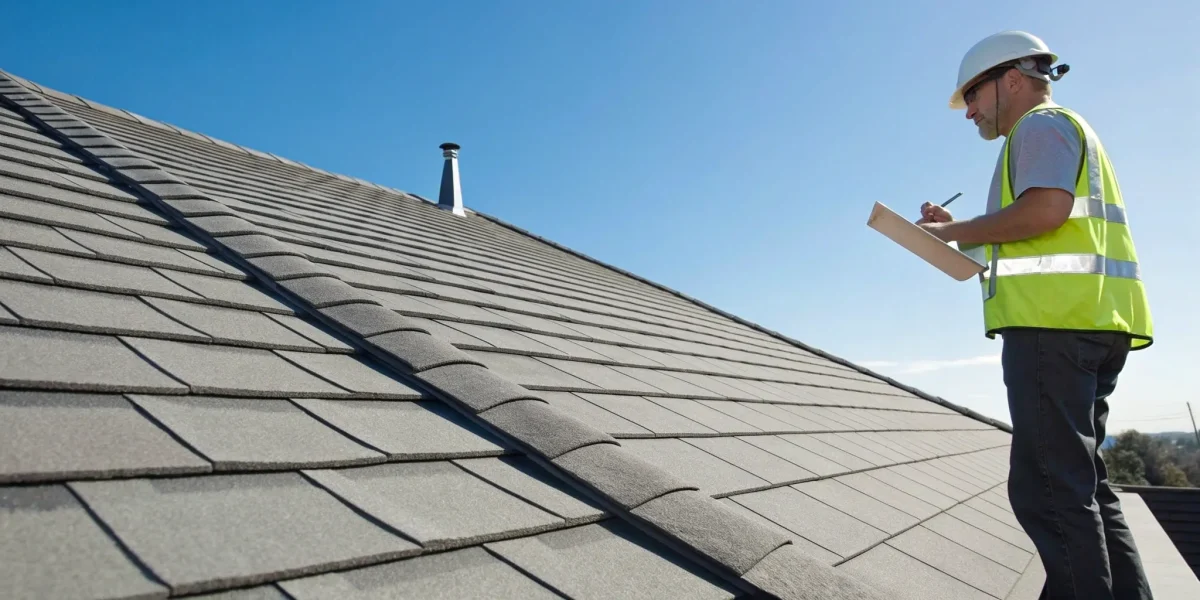
What Does a Roof Certification Warranty Cover? A Clear Guide
Roof warranties are surrounded by myths and misunderstandings. Many people believe a warranty is a catch-all insurance policy that covers any problem, from storm damage to simple aging. This misconception can lead to major disappointment and unexpected expenses when a claim is denied. A warranty is a specific contract with clear terms, not a blanket protection plan. To get the real value from your coverage, you have to separate fact from fiction. The first step is asking the right question: what does a roof certification warranty cover, and just as importantly, what does it exclude? In this article, we’ll bust the most common myths and give you a clear, straightforward look at what your warranty actually provides.
Key Takeaways
- Know the Difference: A Certification Reports, a Warranty Protects: A roof certification is an expert’s assessment of your roof’s current health, while a warranty is a promise to cover specific future failures. The strongest protection comes from a certification that includes a warranty, giving you both a clear report and a safety net.
- Your Warranty is a Partnership: Your warranty isn’t a set-it-and-forget-it document. To keep it valid, you must actively maintain your roof by scheduling regular inspections, keeping it clear of debris, and documenting all repairs and maintenance.
- Read the Fine Print to Understand Exclusions: A warranty is not an all-purpose insurance policy and has specific limitations. It typically won’t cover damage from natural disasters, unauthorized repairs, or issues stemming from poor maintenance. Knowing these exclusions helps you avoid surprises when you need to file a claim.
What Is a Roof Certification Warranty?
Think of a roof certification as an official report card for your roof. It’s a detailed assessment performed by a professional inspector that verifies your roof’s current condition and confirms it meets specific quality standards. This isn’t just a quick glance from the ground; it’s a thorough examination of the entire roofing system. When a roof passes this inspection, it can be issued a certification.
This certification often comes with a warranty, which acts as a promise. It’s a guarantee that the roof will remain free from leaks for a set period. If a problem covered by the warranty arises, the certifying company agrees to handle the repairs. This combination of a detailed inspection and a protective warranty provides a clear picture of the roof’s health and a safety net for the future. The goal is to ensure the roof is sound, and the NRCIA’s LeakFREE® roof protection is the industry standard for this type of assurance, offering a standardized warranty that you can depend on.
Certification vs. Warranty: What’s the Difference?
It’s easy to mix up these two terms, but they serve very different functions. A roof certification is an expert’s opinion on the roof’s condition right now. It states that, based on a professional inspection, the roof is in good shape and is expected to perform well for a certain amount of time. It’s a snapshot of the present.
A roof warranty, on the other hand, is a promise about the future. It’s a contract that outlines who is responsible for fixing specific problems if they occur down the road. While a manufacturer’s warranty might cover defective materials and a contractor’s warranty might cover installation errors, a certification warranty covers the overall performance of the roof after it has passed a rigorous inspection. This distinction is important for homeowners, real estate agents, and property managers who need a reliable assessment of a roof’s condition and a guarantee against future leaks.
Why a Professional Inspector Is Key
The value of a roof certification and its accompanying warranty depends entirely on the person performing the inspection. A qualified inspector doesn’t just look for obvious damage. They conduct a comprehensive review of the entire system, checking the roofing materials, flashing around chimneys and vents, gutters, and even the attic space for hidden signs of water intrusion. Their expertise is what gives the certification meaning.
Choosing an inspector with proper training and certification ensures you get an unbiased and accurate assessment. A certified professional follows a standardized process, which means they know exactly what to look for and how to identify potential issues that an untrained eye would miss. This thoroughness is crucial because it confirms the roof is truly in good condition, making the warranty a reliable promise rather than just a piece of paper. Without a professional, you risk getting a certification that overlooks critical flaws, leaving you exposed to unexpected and costly repairs.
What Does a Roof Certification Warranty Cover?
Think of a roof certification warranty as a safety net for one of your property’s most important assets. It’s a formal agreement that confirms your roof has been thoroughly inspected by a professional and is expected to perform well for a specific period. Unlike a simple handshake deal, this warranty provides a clear, written promise that protects you from certain types of failures. It’s designed to give you peace of mind, whether you’re a homeowner who wants to avoid unexpected repair bills or a real estate agent looking to assure a potential buyer.
The core purpose of this warranty is to cover the essentials: performance and quality. It’s a declaration that the roof is free from existing leaks and that the materials and installation meet professional standards. If an issue covered by the warranty pops up during the specified term, the provider is responsible for addressing it. This is especially important because many roofing problems, like slow leaks or installation mistakes, aren’t immediately obvious. A solid warranty ensures you won’t be left on your own to fix problems that should have been prevented. It’s a crucial layer of protection for homeowners, property managers, and real estate professionals alike.
Protection from Leaks and Water Damage
The most immediate benefit of a roof certification warranty is protection against leaks. A certified roof has been professionally inspected and verified to be watertight at the time of the check. The warranty backs this up with a promise: if a leak develops within the covered period due to normal wear and tear, the repairs are covered. This isn’t just about patching a hole; it’s about preventing the extensive and costly water damage that can spread to your ceilings, walls, and foundation. With a LeakFREE® roof certification, you have documented assurance that your roof is ready to protect your property from the elements, giving you confidence in its condition.
Coverage for Material and Installation Flaws
A comprehensive roof warranty typically covers two critical areas: the materials and the installation. A material warranty protects you if the roofing products themselves fail. For example, if shingles crack or degrade long before their expected lifespan due to a manufacturing defect, this coverage kicks in. Equally important is the workmanship warranty, which covers errors made during installation. Even the best materials will fail if they aren’t installed correctly. This part of the warranty ensures that issues like improperly fastened shingles or poorly sealed flashing are taken care of. Proper inspector and contractor training is the first step in preventing these flaws from happening in the first place.
Issues with Structural Integrity
Beyond immediate leaks and obvious flaws, a roof certification warranty can also address deeper issues related to the roof’s structural integrity. This covers problems that might develop over time due to aging materials or subtle installation concerns that weren’t apparent right away. For instance, if the roof decking begins to sag or fasteners start to pull away under normal conditions, the warranty would cover the necessary repairs to maintain the roof’s structural soundness. Regular warranty inspections are often part of the agreement, helping to identify and resolve these long-term issues before they become major failures, ensuring the roof remains a stable and secure part of your property.
What Isn’t Covered? Key Exclusions to Know
A roof certification warranty offers fantastic peace of mind, but it’s not a catch-all policy. Understanding what isn’t covered is just as important as knowing what is. This helps you avoid surprises down the road and ensures you know exactly where to turn when a problem arises. Think of it as reading the map before you start the trip. Most warranties have a few key exclusions that are standard across the industry, and they usually fall into three main categories: major weather events, issues caused by neglect, and the natural aging process of your roof. Knowing these limitations helps you partner your warranty with the right home insurance and maintenance plan for complete protection.
Damage from Natural Disasters and Severe Weather
Your roof certification warranty is designed to protect you from leaks and failures related to materials or workmanship, but it doesn’t cover damage from major “acts of God.” Think tornadoes, hurricanes, severe hail, or other extreme weather events. This type of catastrophic damage falls under the umbrella of your homeowner’s insurance policy. So, if a storm rolls through and causes significant harm, your first call should be to your insurance agent. They’ll guide you through the claims process for storm-related damage, which is separate from the protections offered by your roofing warranty.
Problems from Neglect or Unauthorized Repairs
A warranty is a two-way street; it requires you to keep up with basic maintenance. If damage occurs because gutters are clogged with leaves or debris has been left to sit on the roof for months, your claim might be denied. Similarly, hiring an uncertified handyman to perform a “quick fix” can instantly void your coverage. Manufacturers and certification providers have specific guidelines for both installation and repairs. Following these maintenance requirements is essential to keeping your warranty intact. It’s always best to work with a certified professional for any repairs to ensure the work meets the necessary standards.
Pre-Existing Conditions and Normal Wear and Tear
Your roof works hard, and over the years, it will show signs of aging. Things like gradual granule loss on shingles or slight fading from the sun are considered normal wear and tear and aren’t covered by your warranty. A warranty is there to protect against premature failure, not the natural lifecycle of the roofing materials. Additionally, any problems that existed before the inspection and certification were completed are typically excluded. This is why a thorough, professional inspection is so critical from the start—it identifies those pre-existing issues so they can be addressed upfront, ensuring your certification begins on a solid foundation.
How Long Does Your Warranty Last?
One of the most common questions about roof warranties is how long they actually last, and the answer can vary quite a bit. It’s not a one-size-fits-all situation. You’ll find that most manufacturer warranties for roofing materials cover you for anywhere from 10 to 30 years. Some premium products even come with 50-year or “lifetime” coverage, but what that really means is always spelled out in the fine print. It’s crucial to understand that a manufacturer’s warranty on materials is different from a contractor’s warranty on workmanship, and both are different from a certification warranty.
A certification warranty, like our LeakFREE® certification, has its own specific term, which is designed to give you peace of mind for a set period after a thorough inspection. The key is to know exactly what kind of coverage you have and what its timeline is from day one. This clarity helps you plan for future maintenance, budget accordingly, and protects you from any surprises down the road. Knowing the duration of your protection is the first step in making sure your roof—and your investment—is secure for years to come. Think of it as setting a clear expectation for how long your roof is guaranteed to perform as it should under specific conditions.
Understanding Warranty Timelines
The length of a roof warranty isn’t random; it’s based on several important factors. The type of material on your roof plays a huge role—think asphalt shingles versus metal or tile. Your local climate and the quality of the initial installation also have a major impact on how long a warranty will last. A roof in a mild, dry area will likely have a different lifespan than one that endures heavy snow or intense sun. That’s why it’s so important to carefully read and understand the terms and conditions of your specific warranty. Pay close attention to the duration of the coverage and what’s required of you to keep it active.
Can You Transfer the Warranty to a New Owner?
If you’re planning to sell your home, a transferable roof warranty can be a fantastic selling point. The good news is that many warranties can be passed on to the next owner, but it’s rarely an automatic process. Often, there are specific rules you need to follow, like notifying the warranty provider within a certain timeframe or paying a small transfer fee. Before you list your property, check your warranty documents to see what the transfer process involves. Not all warranties are the same, and some may not be transferable at all. Understanding whether your roof certification is a warranty that can be passed on helps you set clear expectations for potential buyers and adds real value to your home.
Common Roof Warranty Myths, Busted
Roof warranties can feel like they’re written in a different language, full of fine print and exceptions. It’s easy to make assumptions about what’s covered, which can lead to costly surprises down the road. Many property owners believe their warranty is a catch-all insurance policy, only to find out too late that a simple misunderstanding has left them with a hefty repair bill. To protect your investment, you need to know what your warranty truly provides.
Let’s clear up some of the biggest myths so you know exactly what to expect from your warranty. Understanding these common points of confusion will help you maintain your coverage and make informed decisions about your property. We’ll look at the difference between a certification and a warranty, what’s typically excluded from coverage, and how your own actions can impact the validity of your warranty.
Confusing a Certification with a Warranty
One of the most common mix-ups is thinking a roof certification and a roof warranty are the same thing. They are related but serve different purposes. A roof certification is like a report card for your roof right now. It’s a professional inspector’s opinion, based on a thorough evaluation, that your roof is in good condition and is expected to remain functional for a specific period.
A roof warranty, on the other hand, is a promise to fix certain problems that might happen in the future. While a basic certification just states the roof’s current condition, a top-tier program like the NRCIA’s LeakFREE® Roof Certification actually includes a warranty, giving you both the expert assessment and the future protection.
Expecting More Coverage Than You Have
It’s easy to assume a warranty covers any and all roof problems, but that’s rarely the case. A warranty is not the same as a homeowner’s insurance policy. Most warranties are designed to cover defects in materials or installation errors—not damage from external events. For example, your warranty won’t cover damage from natural disasters like hurricanes, hail, or falling trees.
It also won’t cover issues caused by unauthorized repairs or alterations, like installing a satellite dish incorrectly. Understanding these exclusions is vital for all property stakeholders, from homeowners to property managers. Always read the fine print to know exactly what is and isn’t protected, so you can plan accordingly for other types of coverage.
Forgetting Maintenance Can Void Your Warranty
Think of your roof warranty as a partnership. The provider promises to cover specific issues, and in return, you promise to take care of your roof. Most warranties require you to perform regular maintenance, and if you neglect this responsibility, your coverage could be voided. This means simple tasks like cleaning gutters, removing debris, and trimming overhanging branches are your responsibility.
Failure to address these environmental factors can lead to problems like water pooling or organic growth, which can cause damage that isn’t covered. If an inspector finds that neglect contributed to a roof failure, the manufacturer or contractor can deny your claim. Following a basic maintenance schedule is a small price to pay to keep your valuable warranty intact.
How to Keep Your Roof Warranty Valid
Think of your roof warranty as a partnership. The provider agrees to cover specific issues, and in return, you agree to take care of your roof. Simply having the warranty paper filed away isn’t enough; you have to be an active participant in your roof’s upkeep. If you neglect your responsibilities, you could accidentally void your coverage when you need it most.
Staying on top of a few key practices is all it takes to keep your warranty in good standing. By being proactive, you not only protect your warranty but also extend the life of your roof and safeguard your property from potential damage. It’s about creating a maintenance routine that becomes second nature and ensures you get the full value of your investment.
Schedule Regular Inspections
One of the most common requirements for keeping a roof warranty valid is scheduling routine professional check-ups. Regular care is essential because it allows a trained inspector to spot and address minor issues before they escalate into major problems that could compromise your coverage. Think of it like a regular health screening for your roof. A certified professional can identify subtle signs of wear, potential leak spots, or installation flaws that you might miss. These inspections provide a clear, documented history of your roof’s condition, proving you’ve been diligent about its care. This proactive approach is your first line of defense in maintaining your LeakFREE® roof protection.
Follow Proper Maintenance Practices
Most warranties come with the expectation that you’ll perform regular maintenance, and neglecting this duty is a quick way to have a claim denied. Manufacturers often include specific maintenance requirements in their warranty terms, so it’s important to read the fine print. This usually involves simple tasks like keeping gutters clean, removing debris like leaves and branches, and ensuring proper drainage. Environmental factors, if left unaddressed, can cause damage that won’t be covered, even if the roofing materials are technically sound. Following these guidelines demonstrates that you’re upholding your end of the warranty agreement and actively working to prevent avoidable damage.
Keep Good Records
Documentation is your best friend when it comes to your roof warranty. If you ever need to file a claim, you’ll need to prove that you’ve met all the requirements. Start a file and keep everything related to your roof in one place. This includes the original contract, the warranty certificate itself, and detailed records of every inspection, repair, or maintenance task performed. It’s also a great idea to take photos before and after any work is done. Having all your paperwork organized makes the claims process much smoother and shows the warranty provider that you’ve been a responsible property owner. This level of detail is a core part of our comprehensive inspection process.
Inspection Red Flags That Affect Your Warranty
A roof warranty offers peace of mind, but it’s not a set-it-and-forget-it deal. Certain issues, often hidden from an untrained eye, can render your warranty void just when you need it most. A professional inspection is your first line of defense, identifying red flags before they become costly problems. An inspector knows exactly what to look for, from the quality of the initial installation to the impact of later additions. Here are three major red flags that a certified inspector will look for to ensure your warranty remains intact.
Finding Improper Installation
Even the highest-quality roofing materials will fail if they aren’t installed correctly. Unfortunately, common roofing warranty claims often stem from improper installation. This can include anything from incorrectly spaced or overdriven nails to poorly installed flashing around chimneys and vents. These mistakes create weak points where water can seep in, leading to damage that the manufacturer won’t cover. A certified inspector has the training and expertise to spot these subtle but critical errors, giving you the chance to address them before they cause a leak and a denied claim.
Spotting Environmental Damage and Debris
It’s easy to overlook the slow accumulation of leaves, branches, and moss on your roof, but manufacturers see it as neglect. Most warranties include specific maintenance requirements, and failing to keep your roof clear can void your coverage. Debris traps moisture against the roof surface, accelerating wear and promoting rot, while clogged gutters can cause water to back up under your shingles. An inspector will document any buildup or environmental damage, providing a clear action plan to keep your roof in good condition and your warranty valid for its full term.
Discovering Unauthorized Additions
Adding solar panels, a satellite dish, or a new skylight can be a great upgrade for your property, but these modifications can immediately void your roofing warranty if not handled correctly. Drilling into the roof structure to mount equipment creates potential entry points for water. Most manufacturers require that any additions are installed by certified professionals and in accordance with their specific guidelines. During an inspection, a professional will check for any rooftop additions and verify they were installed properly, ensuring your investment remains protected and your warranty stays in force.
The NRCIA LeakFREE® Advantage
When you’re dealing with something as critical as your roof, you want more than just a piece of paper saying it was looked at. You want genuine peace of mind. A standard inspection report is useful, but it’s just a snapshot in time—a summary of the roof’s condition on one particular day. It doesn’t offer any protection for what might happen tomorrow. That’s where our LeakFREE® roof certification changes the game. We believe a certification should be more than an observation; it should be a promise.
What makes the NRCIA approach so different is that our LeakFREE® roof certification isn’t just an assessment—it includes a warranty. This unique combination means you get a thorough, expert evaluation of your roof’s health, backed by a tangible commitment to its performance. Think of it as an expert seal of approval that comes with a safety net. It’s a proactive way to protect your property, ensuring that you’re covered against future leaks and the costly, stressful damage they can cause. This integrated approach provides a level of security that a simple inspection or a standalone warranty can’t match, giving you real confidence in the roof over your head.
The Industry’s Only Standardized Warranty
Let’s talk about one of the biggest headaches with typical roof warranties: the fine print, especially when it comes to selling your home. Many warranties are not automatically transferable to a new owner, often requiring complicated paperwork or extra fees just when you’re trying to simplify things. We do things differently. The NRCIA offers the industry’s only standardized warranty, which means you get consistent, reliable coverage that holds its value. Our warranty is designed to be straightforward and transferable, adding a significant selling point to your property. This standardization ensures that no matter who you are—a homeowner, real estate professional, or property manager—you know exactly what protection you’re getting.
Our Comprehensive Inspection Process
A warranty is only as good as the inspection that comes before it. That’s why our process is so incredibly thorough. An NRCIA-certified inspector conducts a detailed, multi-point check of the entire roofing system. We don’t just glance at the shingles from the ground; we examine the flashing around chimneys and vents, check the condition of your gutters, and even head into the attic to look for hidden signs of leaks or water damage. This meticulous approach ensures we catch potential issues before they become major problems. To keep your roof in top shape and your warranty valid, we recommend scheduling professional inspections annually and renewing your full certification every three to five years. This regular maintenance is the key to long-term protection.
When Do You Need a Roof Certification?
A roof certification isn’t just a piece of paper; it’s a practical tool that provides clarity and confidence in some of life’s biggest transactions. While you might not think about your roof every day, there are specific moments when having its condition professionally documented becomes incredibly important. Think of it as a health check-up for one of your property’s most critical assets. It’s a proactive step that can save you from future headaches, unexpected costs, and complicated disputes.
Whether you’re preparing to sell your home, securing insurance, or simply want to be a responsible property owner, a roof certification offers a clear, expert opinion on the state of your roof. It moves the conversation from guesswork to facts, backed by a thorough inspection. For real estate professionals, it can streamline negotiations and build trust with clients. For homeowners, it provides a baseline for maintenance and a shield against unforeseen issues. Let’s break down the key situations where a roof certification is not just helpful, but essential.
Buying or Selling a Property
When a property is on the market, the roof is one of the biggest points of negotiation. For sellers, presenting a roof certification is a powerful move. It shows potential buyers that your roof is in solid condition, which can help your home sell faster and for a better price. It removes a major point of uncertainty and demonstrates that you’ve maintained the property well. For buyers, a certification provides invaluable peace of mind. It assures you that you won’t be facing a massive roof repair bill right after you get the keys, allowing you to move in with confidence knowing the roof over your head is secure.
Meeting Insurance Requirements
Insurance companies are all about managing risk, and an old or undocumented roof is a significant one. Many insurers require a roof inspection or certification to issue or renew a policy, especially for older homes or properties in areas prone to storms. A formal certification proves your roof was in good condition at a specific point in time. This documentation can be crucial if you ever need to file a claim after a storm, as it helps validate that the damage was caused by the event and not by pre-existing neglect. It can also sometimes lead to better policy terms, as it shows you’re a proactive homeowner.
Protecting Your Property Investment
Your roof is one of the most expensive components of your home, and protecting that investment is just smart financial planning. A roof certification gives you a clear and official assessment of its current condition, confirming that it meets established quality and safety standards. This isn’t just for buying or selling—it’s for effective long-term management. Knowing the exact state of your roof helps you budget for future maintenance and plan for an eventual replacement. It turns a potential liability into a well-managed asset, helping you preserve your property’s value and structural integrity for years to come.
How to Choose the Right Certification Provider
Finding the right company for your roof certification is about more than just getting a piece of paper. The provider you choose determines the quality of your inspection and the real-world value of your warranty. A certification is only as reliable as the inspector who performs it and the company that backs it. When you’re comparing options, you’re essentially looking for a partner who can give you genuine peace of mind that your property is protected. Think of it this way: you wouldn’t hire just anyone to fix your car’s brakes, so why would you settle for less when it comes to the roof over your head?
Making a smart choice comes down to two key areas: the inspector’s qualifications and the warranty’s fine print. A great inspector has the training and experience to spot issues others might miss, while a strong warranty provides clear, dependable coverage without confusing loopholes. Taking the time to vet your provider ensures you get a certification that truly protects your investment, whether you’re buying, selling, or simply maintaining your property. It’s a critical step that separates a meaningful guarantee from an empty promise. This isn’t a place to cut corners, as a weak certification can leave you exposed to costly repairs down the line.
Check an Inspector’s Credentials
Before you hire anyone, it’s time to do a little homework. Verifying that an inspector is fully licensed and insured is the absolute first step. This isn’t just about checking a box; it confirms they are operating legally and protects you from liability. Conducting this due diligence ensures that the inspector is properly credentialed to perform the job competently. Beyond the basics, look for proof of specialized training. General contractors are great, but a certified roof inspector has dedicated expertise in roofing systems, materials, and common points of failure. A true professional will be transparent about their qualifications and proud to share them with you.
Review the Warranty Terms and Coverage
The warranty is where the real value of a roof certification lies, so it’s essential to understand exactly what you’re getting. Don’t just skim the document—read the terms and conditions carefully. Pay close attention to the duration of the coverage, what specific types of damage are included, and, just as importantly, what is excluded. Some warranties are filled with vague language or clauses that can be easily voided. For example, using a non-approved contractor for a minor repair could invalidate your entire coverage. Look for a provider that offers a clear, standardized warranty so you know precisely what to expect. This transparency is the hallmark of a company that stands confidently behind its inspections.
Related Articles
- Is a Roof Certification a Warranty? A Clear Guide
- Roof Certifications – NRCIA
- NRCIA Certified Roof Inspection & Certification Experts
- What Is a Roofing Contractor Certification?
Frequently Asked Questions
So, is a roof certification warranty the same as my homeowner’s insurance? That’s a great question, and it’s a really important distinction to make. Think of them as two different players on the same team. Your homeowner’s insurance is there for big, sudden events, like damage from a hurricane, a major hailstorm, or a tree falling on your house. A roof certification warranty, on the other hand, covers issues related to the roof’s performance under normal conditions, like a leak caused by material failure or an installation error. They work together to give you complete protection, but one doesn’t replace the other.
What do I have to do to keep my warranty active? Keeping your warranty valid is mostly about being a proactive property owner. The two biggest things are scheduling regular professional inspections as recommended and performing basic upkeep. This means simple tasks like keeping your gutters clear of leaves and making sure debris doesn’t pile up on the roof surface. These small steps prevent minor issues from becoming big problems and show the warranty provider that you’re holding up your end of the partnership.
If I sell my house, can the new owner keep the warranty? Yes, and this is one of the biggest advantages of a standardized warranty like the NRCIA’s LeakFREE® certification. Many warranties are difficult or impossible to transfer, but ours is designed to pass seamlessly to the new owner. This provides incredible value and peace of mind during a real estate transaction, as it assures the buyer that the roof’s protection continues without any complicated hoops to jump through.
Why can’t I just have a regular roofer look at my roof instead of getting a formal certification? While a roofer can give you an estimate for repairs, a certified inspector provides something entirely different: an unbiased and thorough assessment based on a strict, standardized process. A certified inspector isn’t trying to sell you a new roof; their job is to give you an accurate report on its current condition. The formal certification that follows is backed by a warranty, which turns their professional opinion into a tangible promise of performance.
What happens if a leak or another problem is found during the certification inspection? Finding a potential issue during the inspection is actually a good outcome because it means you’ve caught it before it could cause serious damage. The inspector will document the problem and outline the necessary repairs. Once those specific repairs are completed by a qualified professional and verified, the roof can then be certified. This process ensures your certification starts on the right foot, with a roof that is confirmed to be in excellent, leak-free condition.
Learn More
What Is a Certified Roof Inspection Report?
After a major storm passes, the real stress begins when you have to deal with your insurance company. Proving the extent of the damage can feel like an uphill battle, especially when you’re relying on estimates from roofing contractors who have a vested interest in the repair work. You need objective, credible evidence to support your claim. This is precisely why you need to know what is a certified roof inspection report. It’s a formal document prepared by an unbiased, third-party expert who meticulously assesses and documents every detail of the storm damage according to national standards. This report serves as your most powerful tool, providing the clear, factual proof needed to streamline your claim and ensure you get the coverage you deserve.
Key Takeaways
- A Certified Report Is a Specialist’s Assessment: This isn’t the quick glance you get from a general home inspector. A certified inspection is a detailed analysis from a trained, unbiased professional that provides the objective proof needed for insurance claims and real estate transactions.
- Schedule Inspections Strategically to Prevent Disasters: Think of inspections as preventative care. An annual check-up is your baseline for catching small issues, while a post-storm inspection is essential for identifying hidden damage and protecting your investment.
- Demand a Clear and Actionable Report: A quality report from a verified professional will include photographic evidence and straightforward recommendations. This document is your roadmap for making informed decisions about repairs and maintenance.
What Is a Certified Roof Inspection Report?
Think of a certified roof inspection report as a complete health physical for your roof. It’s a detailed document prepared by a trained and certified professional who evaluates your roof’s condition against a strict set of standards. This isn’t just a quick glance from the ground; it’s a thorough, unbiased assessment designed to give you a clear and accurate picture of your roof’s health.
This report is an essential tool for a wide range of property stakeholders, from homeowners wanting to stay ahead of repairs to real estate agents ensuring a smooth transaction. It moves beyond guesswork, providing you with concrete facts about your roof’s integrity, identifying potential issues before they turn into costly emergencies, and outlining what’s needed to keep your home protected. The goal is to provide a reliable, expert opinion you can use to make informed decisions about maintenance, repairs, or even the purchase of a new home.
What the Report Covers
A certified roof inspection report gives you much more than a simple pass-or-fail grade. It’s a comprehensive breakdown of your roof’s condition, component by component. You can expect to see detailed photographs of any areas of concern, such as cracked shingles, hail damage, or failing seals around vents and chimneys.
Crucially, each photo is paired with a clear explanation of what the issue is and why it matters to your roof’s overall health. The report also includes a professional estimate of the roof’s remaining lifespan, giving you a realistic timeline for future planning and budgeting. It’s designed to leave you with no questions, just a solid understanding of your roof’s current state and a clear path forward.
How It’s Different From a Standard Inspection
It’s easy to confuse a certified roof inspection with the roof check-up included in a general home inspection, but they are worlds apart. A standard inspection often provides a general, surface-level overview. A certified inspection, on the other hand, is a specialized deep dive performed by an expert with specific training in roof systems.
A certified inspector follows a rigorous, standardized process to assess every detail. The resulting report is an official document that not only evaluates the roof’s condition but also estimates its longevity. This level of detail is what makes it possible to obtain a LeakFREE® roof certification, which provides an extra layer of protection and peace of mind that a standard inspection simply can’t offer.
Who Conducts a Certified Roof Inspection?
When you need a detailed, reliable assessment of your roof, you can’t just call any roofer. A certified roof inspection is a specialized service performed by a professional who has undergone specific training to evaluate your roof against a set of national standards. Unlike a contractor who might be looking for repair work, a certified inspector’s main goal is to provide a completely objective and thorough analysis of your roof’s condition.
Think of it this way: you wouldn’t ask a general contractor to inspect the foundation of a commercial building; you’d hire a structural engineer. The same principle applies here. A certified inspector brings a higher level of expertise and a standardized process to the table, ensuring you get a report that is both accurate and credible. This distinction is crucial, especially when the report is needed for an insurance claim, a real estate transaction, or simply for your own peace of mind.
Qualifications and Training Requirements
A certified roof inspector is much more than a roofer with a clipboard. These professionals are required to complete rigorous training programs that cover everything from identifying subtle signs of damage to understanding the complexities of various roofing systems. They learn to follow a standardized inspection process, which guarantees that every part of the roof is examined consistently and thoroughly, no matter who performs the inspection.
This specialized training portfolio ensures they are experts in their field, capable of providing an unbiased and comprehensive check of your roof. They are trained to spot issues that a general contractor might miss and to document their findings with the precision needed for official purposes.
The NRCIA Standard of Excellence
When you choose an inspector certified by the National Roof Certification and Inspection Association (NRCIA), you’re choosing someone held to the industry’s highest standards. Our inspectors are equipped with deep knowledge of all types of roofing materials and systems, from asphalt shingles to commercial flat roofs. They are committed to a code of ethics that prioritizes accuracy and objectivity above all else.
An NRCIA certification is a mark of credibility. It tells you that the inspector has not only passed extensive training but is also part of a national network of professionals dedicated to excellence. These are the experts that homeowners and real estate professionals trust to deliver a clear, honest, and detailed assessment of a roof’s health.
Why an Unbiased Assessment Matters
One of the biggest advantages of hiring a certified inspector is getting an unbiased opinion. A roofing contractor’s primary business is selling and installing roofs, which can create a conflict of interest. Their assessment might be influenced by the potential for a big repair job. In contrast, a certified inspector’s job is simply to report the facts.
This impartiality is essential. It provides you with expert proof of your roof’s condition that you can confidently use for insurance claims, real estate negotiations, or proactive maintenance planning. An unbiased report helps prevent small issues from turning into costly disasters by giving you a clear, trustworthy roadmap for any necessary repairs, ensuring you only pay for work that truly needs to be done.
What Happens During a Certified Roof Inspection?
A certified roof inspection is far more than a quick look from the ground. It’s a detailed, systematic process designed to give you a complete picture of your roof’s health, from the inside out. An NRCIA-certified inspector follows a meticulous checklist to ensure nothing is missed, providing you with the clarity needed to make informed decisions about your property. Here’s a step-by-step look at what you can expect during the process.
The Interior Examination
A thorough roof inspection often starts inside your home, usually in the attic. Your inspector is looking for the subtle, tell-tale signs of a roof problem that can only be seen from within. They’ll search for issues like ceiling stains, cracks, wet insulation, or mold, as these are often the first indicators of a leak. Catching these early signs helps the inspector pinpoint potential problem areas on the exterior. This inside-out approach ensures that even hidden vulnerabilities are brought to light, forming the foundation of a truly comprehensive assessment.
The Exterior Assessment
Next, the inspector moves outside for a detailed physical examination of the entire roofing system. This is where they assess the roof’s overall condition and estimate its remaining functional lifespan. The inspector will check for proper drainage, examine gutters and downspouts, and look for structural issues like sagging or uneven roof planes. They’ll also inspect penetrations like vents, chimneys, and skylights, as these are common spots for leaks to develop. This part of the process gives a high-level view of the roof’s current performance and long-term durability.
Inspecting Different Roof Materials
Every roofing material has unique vulnerabilities, and a certified inspector knows exactly what to look for. For an asphalt shingle roof, they’ll check for curling, cracking, or significant granule loss. On a metal roof, the focus shifts to finding rust spots, corrosion, or loose fasteners. This specialized knowledge is a key part of the NRCIA training portfolio, ensuring your inspector can accurately evaluate your specific roof type and identify issues that a generalist might miss. This attention to detail is crucial for an accurate assessment.
Documentation and Reporting
The final step is the report itself. After the inspection, you’ll receive a detailed, written document that gives you a factual, unbiased look at your roof’s condition. This isn’t just a simple checklist; the report includes clear photographic evidence of any damage or areas of concern, from cracked shingles to failing seals. It outlines the inspector’s findings and provides actionable recommendations for any necessary repairs to achieve a LeakFREE® certification. This document becomes your roadmap for maintaining a healthy roof.
Why You Need a Certified Roof Inspection Report
A certified roof inspection report is much more than a simple checklist. It’s a comprehensive, unbiased assessment of your roof’s condition, prepared by a trained professional. Think of it as a vital tool that provides clarity and protection in several key situations, whether you’re dealing with an insurance company, navigating a real estate transaction, or simply staying on top of home maintenance. This detailed document gives you the facts you need to make informed decisions and protect one of your biggest investments.
For Insurance Claims
When your roof is damaged by a storm, filing an insurance claim can feel overwhelming. A certified roof inspection report provides the objective, third-party documentation you need to support your claim. Unlike an estimate from a roofing contractor who might have a vested interest in the outcome, a certified inspector’s job is to deliver an honest, factual assessment of the damage. This detailed report, created by a trained expert following strict guidelines, gives your insurance provider a clear and credible picture of the roof’s condition, which can make all the difference in getting your claim approved without unnecessary delays.
For Buying or Selling a Property
In any real estate transaction, the roof is a major point of negotiation. If you’re selling your home, a recent LeakFREE® roof certification can be a powerful selling point, giving potential buyers confidence and setting your property apart. For buyers, a certified inspection is essential for due diligence. It uncovers any existing issues and provides a professional opinion on the roof’s remaining lifespan, helping you avoid surprise repairs after you move in. This transparency allows both parties to address any necessary fixes before the sale is finalized, ensuring a smoother transaction for everyone involved.
To Catch Problems Early
The best way to deal with major roof problems is to prevent them from happening in the first place. A certified roof inspection helps you do just that. An inspector can spot subtle signs of wear and tear—like cracked seals, loose flashing, or minor granule loss—that could turn into significant leaks and costly water damage down the road. By identifying and addressing these issues early, you can extend the life of your roof and maintain your home’s value. Proactive maintenance is always more affordable than emergency repairs, and a regular inspection is the first step.
For Peace of Mind and Protection
Your roof is your home’s first line of defense against the elements. Knowing it’s structurally sound and in good condition provides invaluable peace of mind for you and your family. A certified inspection from an NRCIA professional confirms that your roof is ready to handle whatever the weather brings. It’s a straightforward way to ensure your home and everything in it stays protected. This assurance allows you to rest easy, knowing that the shield over your head is secure, functional, and well-maintained.
Breaking Down Your Certified Inspection Report
Receiving your certified inspection report can feel a bit like getting test results back—you know it’s important, but you might not be sure what to look for. Think of this report not as a simple pass/fail grade, but as a detailed health chart for your roof. It’s designed to be a clear, comprehensive guide that gives you a complete picture of your roof’s condition and a roadmap for any necessary next steps. An NRCIA-certified inspector uses specialized inspection software to generate a standardized, easy-to-understand document, ensuring you have all the information you need right at your fingertips. Let’s walk through the key components you’ll find inside.
A Detailed Condition Assessment
The core of your report is a thorough assessment of your roof’s overall health. This isn’t a quick glance from the curb. A certified inspector, who operates independently from any roofing sales company, conducts a meticulous review of every component. They follow a strict set of standards to examine the roof’s structure, materials, and workmanship, both inside and out. This unbiased approach ensures the findings are based purely on the roof’s actual condition. The goal is to provide a factual, in-depth analysis that gives you a true understanding of its current state and potential lifespan.
Clear Photographic Evidence
They say a picture is worth a thousand words, and that’s especially true in a roof inspection report. Instead of just describing a problem, your report will include high-resolution photos documenting any areas of concern. You’ll see clear images of issues like cracked or missing shingles, hail damage, deteriorating seals around vents, or signs of water intrusion. This visual evidence makes it easy for you to see exactly what the inspector is referring to. It removes the guesswork and provides concrete proof of the roof’s condition, which is invaluable for insurance claims or real estate negotiations.
Common Issues Found During Inspections
During an inspection, professionals are looking for a wide range of potential problems that can compromise your roof. Their extensive training prepares them to spot everything from major structural issues to subtle signs of wear and tear. Common findings include poor workmanship from previous repairs, signs of interior leaks in the attic, the condition of the roofing materials themselves, and the overall structural strength. They’ll also check for proper ventilation and the integrity of flashing, gutters, and downspouts, ensuring every aspect of the system is functioning correctly.
Actionable Repair Recommendations
A great report doesn’t just identify problems—it offers solutions. Alongside the photos and descriptions of any issues, you’ll find clear, actionable recommendations for repairs. The inspector will explain what needs to be fixed, why it’s important, and the potential consequences of delaying the work. This helps you prioritize repairs and plan for the future, whether you’re a homeowner budgeting for maintenance or a real estate professional advising a client. These recommendations are key to achieving a LeakFREE® roof certification, giving you a clear path to a secure and protected property.
How Often Should You Get a Certified Roof Inspection?
Think of a roof inspection like a regular health check-up for your home. Proactively scheduling one can save you from major headaches and costly repairs down the road. But how often is “regular”? The answer isn’t one-size-fits-all. The right frequency depends on your roof’s age, the climate you live in, and any recent severe weather. By understanding these factors, you can create a smart maintenance schedule that keeps your roof in top condition and protects your investment.
General Inspection Frequency
As a general rule of thumb, we recommend getting your roof professionally inspected once a year. An annual check-in allows a certified inspector to spot subtle signs of wear and tear before they become serious problems, like a leak that damages your attic or interior walls. This simple preventative step can save your roof, your time, and your money. A LeakFREE® roof certification confirms your roof is in good shape and is typically valid for a set period, so an annual inspection is the best way to maintain that protected status and ensure everything remains secure year after year.
When to Inspect After a Storm
After a major storm rolls through, your first priority should be a certified roof inspection, even if you don’t see any obvious damage from the ground. High winds can lift shingles, hail can create hidden cracks, and heavy rain can expose vulnerabilities you never knew you had. An independent, certified report provides a clear, unbiased assessment of any storm-related damage, which is incredibly valuable when filing an insurance claim. This professional documentation helps streamline the claims process and ensures you have the evidence needed to get the coverage you deserve for repairs.
Factoring in Your Roof’s Age and Climate
Where you live plays a huge role in how often you should schedule an inspection. If your home is in an area with a mild climate, an inspection every one to two years is usually sufficient. However, for those in regions prone to harsh weather—like hurricanes, heavy snow, or extreme heat—it’s wise to have your roof inspected twice a year. An older roof also requires more frequent attention, as materials naturally degrade over time. A certified inspector has the expertise to evaluate these specific factors and recommend a schedule that provides the best protection for your property.
Common Myths About Certified Roof Inspections
There’s a lot of chatter out there about certified roof inspections, and not all of it is accurate. These misconceptions can lead to costly mistakes or missed opportunities to protect your property. Let’s clear the air and tackle some of the most common myths so you can make confident, informed decisions about your roof.
Myth: It’s the Same as a Home Inspection
Many people assume that the roof check included in a standard home inspection is all they need. However, a certified roof inspection is a much more detailed and specialized assessment. A general home inspector typically gives the roof a quick visual scan from the ground or a ladder. A certified roof inspector, on the other hand, performs a hands-on examination of the entire roofing system. They have undergone specific training and education to identify subtle signs of damage, material degradation, and improper installation that a generalist might miss. Think of it as seeing a specialist versus a general practitioner—both are valuable, but one provides a deeper level of expertise for a specific area.
Myth: Certification Is a Lifetime Warranty
A roof certification is a professional’s seal of approval on the condition of your roof at a specific point in time, but it isn’t a lifelong guarantee against future issues. While a certification confirms your roof is in good shape, it doesn’t mean it will never leak or have problems during the certified period. Instead, it attests that the roof is currently functional and likely to remain so for a set term, usually between one to five years. The NRCIA’s LeakFREE® roof certification is unique because it does come with a warranty, offering you an extra layer of protection. This warranty provides coverage for repairs if a leak occurs during the certification period, giving you tangible assurance that isn’t just a piece of paper.
Myth: It’s Too Expensive to Be Worthwhile
It’s easy to see an inspection as just another expense, but it’s more accurate to view it as an investment in protecting your property. The cost for a roof certification can range from around $75 to over $600, depending on the roof’s size and complexity. When you compare that to the thousands of dollars you could spend on unexpected repairs for a major leak or structural damage, the value becomes clear. A certified inspection report can also be a powerful tool when buying or selling a home, providing leverage in negotiations. For the various professionals and homeowners we serve, catching one small problem early can save far more than the initial cost of the inspection.
How to Find the Right Certified Roof Inspector
Finding the right inspector is about more than just a quick online search; it’s about ensuring you’re working with a true professional who can give you an accurate, unbiased assessment of your roof. A certified roof inspection isn’t something just any roofer can perform. It requires specific expertise from someone who has gone through extensive training to understand national standards and provide a thorough, objective evaluation. Your goal is to find an inspector who is not only qualified but also transparent and trustworthy. This person will be your partner in protecting one of your biggest investments, so it’s worth taking the time to choose wisely. By asking the right questions and knowing what to look for, you can feel confident you’re getting the best person for the job.
How to Verify Credentials
First things first, always verify an inspector’s credentials. A legitimate certified inspector will have no problem providing proof of their qualifications. Don’t be shy about asking to see their certification documents or an ID number that you can verify. NRCIA Certified Inspectors, for example, are experts who have completed a rigorous training portfolio to ensure they meet national standards. This isn’t just a piece of paper; it represents a commitment to a higher standard of practice and ethics. You can often check an organization’s website for a directory of certified professionals. Taking this simple step ensures the person examining your roof has the specialized knowledge needed to give you an accurate and unbiased report.
Key Questions to Ask Your Inspector
Once you’ve confirmed their credentials, it’s time to ask a few key questions to make sure they’re the right fit. Think of it as a mini-interview. Start by asking them to walk you through their inspection process from start to finish. What exactly do they look for? What tools or technology, like specialized inspection software, do they use? You should also ask what their final report includes—will there be detailed notes and clear photos? It’s also helpful to ask about their experience with your specific type of roofing material. Finally, inquire about the kind of repair advice they provide and if they offer a LeakFREE® roof certification, which can provide an extra layer of protection.
Red Flags to Watch Out For
Just as important as knowing what to look for is knowing what to avoid. A major red flag is any inspector who is hesitant to show you their certification or seems vague about their process. Transparency is key. Be cautious of anyone who uses high-pressure tactics or tries to push you into expensive, unnecessary repairs on the spot. An inspector’s job is to assess and report, not to make a hard sell. Another warning sign is a quote that is dramatically lower than everyone else’s, as this could indicate a lack of experience or a corner-cutting approach. Ultimately, trust your gut. If something feels off, it’s better to find another inspector who makes you feel comfortable and confident.
Related Articles
- What Is a Roof Certification? A Homeowner’s Guide
- Protect Your Warranty: Find a Certified Roof Inspector
- What Is a Certified Roof Damage Inspection Report?
- A Guide to Roof Certification for Homeowners Insurance
- Roof Certification Archives – NRCIA
Frequently Asked Questions
What’s the difference between a certified inspection and a free estimate from a roofer? A free estimate from a roofing contractor is primarily a sales tool. Its main purpose is to give you a price for a specific job, like a repair or a full replacement. A certified roof inspection, on the other hand, is a comprehensive diagnostic service. You are paying for an expert’s unbiased, professional opinion on the overall health of your roof, complete with detailed documentation and photos, not a quote to sell you on new work.
If my inspection report recommends repairs, am I required to hire a specific contractor? Absolutely not. One of the greatest benefits of using an independent, certified inspector is that their assessment is completely impartial. Their job is to provide you with a factual report on your roof’s condition and a clear list of any necessary repairs. You are then free to take that report and shop around for a qualified contractor of your choice to perform the work.
How long does the inspection process usually take? The time it takes to complete a thorough inspection can vary, but you can generally expect the inspector to be at your property for one to three hours. The exact duration depends on several factors, including the size, pitch, and complexity of your roof. A larger home with multiple levels and features like skylights and chimneys will naturally require more time than a simple, single-story roof.
What happens if my roof doesn’t pass the inspection for a LeakFREE® certification? Think of the report not as a final grade, but as a clear roadmap to a healthier roof. If the inspection reveals issues that prevent your roof from qualifying for a LeakFREE® certification, the report will detail exactly what needs to be fixed. It provides you with a precise, actionable list of repairs that, once completed, will bring your roof up to the required standard for certification.
Is a certified inspection only useful when I’m buying or selling a home? While a certified inspection is an invaluable tool in real estate, its benefits extend to all homeowners. For ongoing maintenance, it helps you catch small problems before they become expensive disasters. After a severe storm, it provides the unbiased, third-party documentation you need for an insurance claim. It’s a proactive way to protect your investment and gain peace of mind at any time.
Learn More
Roof Inspector Course Cost: A Complete Guide
Let’s get straight to the point: is the investment in a roof inspector certification worth the financial return? When you see a high roof inspector course cost, it’s natural to wonder how long it will take to make that money back. Your earning potential is directly tied to your credentials. A respected certification proves your expertise, giving homeowners, real estate agents, and insurance companies the confidence to hire you. It’s the key that opens the door to higher-paying jobs and a stable career. We’ll explore the typical salaries for certified inspectors and show you how the right training pays for itself.
Key Takeaways
- Evaluate the entire package, not just the price tag: A certification’s true value comes from its industry recognition, included business tools like software, and ongoing support. A higher initial cost for a comprehensive program often provides a better long-term return on your investment.
- Plan for the total cost of being a professional: Your budget should extend beyond the initial course fee to include annual membership dues, continuing education, and essential equipment. These ongoing costs are necessary to maintain your credentials and professional standing.
- Your certification level directly influences your income: While basic training can get you started, a premium certification is what allows you to offer specialized services, attract higher-paying clients, and build a more profitable career.
Comparing Roof Inspector Certification Programs
Choosing a roof inspector certification program is a big step, and it’s smart to weigh your options. The right program for you depends on your career goals, your budget, and how deep you want to go. Some courses offer a quick entry into the field, while others provide comprehensive training, business tools, and a nationally recognized credential. Think of it as choosing a path—each one leads to a different destination. Let’s walk through some of the most well-known programs so you can see how they stack up and find the one that aligns with your ambitions.
NRCIA Certification
If you’re looking to build a serious, professional inspection business, the NRCIA is the gold standard. Our program is designed to give you everything you need to succeed, from in-depth technical training to business support. Full membership costs $2,999 per year and includes access to our proprietary inspection software and the ability to offer the industry’s only standardized LeakFREE® Roof Certification. This isn’t just a course; it’s a complete business system. We also offer affiliate membership levels starting at $799 per year, making it accessible for inspectors looking to grow with a trusted national brand.
InterNACHI Certification
For those just starting or home inspectors wanting to add a roofing credential, the International Association of Certified Home Inspectors (InterNACHI) offers a very accessible route. To become a certified roof inspector through their program, you first need to join InterNACHI as a member. Once you’re in, you can take their “How to Perform Roof Inspections” course online for free. This path is a great way to get your feet wet without a significant financial commitment, giving you a foundational understanding of roof inspection principles before you decide to pursue more specialized training.
NRCA Certification
The National Roofing Contractors Association (NRCA) provides a certification that is well-respected within the contracting community. With costs ranging from $800 to $1,500, this program is a solid mid-range option for roofing professionals who want to formalize their expertise and add a credible certification to their resume. It’s a valuable credential that demonstrates a commitment to industry standards and can help you stand out to clients who recognize the NRCA name. This is a great choice for experienced contractors looking to validate their skills.
HAAG Engineering Certification
When you hear “HAAG,” think “forensics.” The HAAG Engineering certification is an intensive, high-level program known for its rigorous, science-based approach to damage assessment. The five-day course typically costs between $2,000 and $3,000 and is the top choice for inspectors who plan to work with insurance adjusters or specialize in storm damage claims. Earning a HAAG certification signals that you have an expert-level ability to accurately identify and assess roof damage, making it a powerful credential in the insurance and legal fields.
FORTIFIED Training Programs
The FORTIFIED program is a bit different—it’s less about general inspection and more about building stronger, more resilient roofs. For a very low cost of around $150, you can get trained and certified in its specific methods for protecting homes against severe weather like hurricanes and high winds. This is an excellent, budget-friendly credential to add to your skill set, especially if you work in a coastal or storm-prone region. It shows homeowners and builders that you have specialized knowledge in making their roofs safer and more durable.
State-Specific Programs
Don’t forget to check your local requirements. Some states have their own licensing or certification programs for roof inspectors, and costs can range from $300 to $800. These programs vary quite a bit in terms of what they cover and what’s required to pass. Before you invest in any national certification, do a little research to see what your state mandates. Fulfilling local requirements is a critical first step, and a state-specific program might be a necessary part of your overall training portfolio.
How Much Does Roof Inspector Training Cost?
When you decide to become a roof inspector, one of the first questions you’ll ask is, “What’s the investment?” The truth is, there’s no single price tag. The cost of roof inspector training varies widely, depending on the depth of the curriculum, the reputation of the certifying body, and the career level you’re aiming for. Think of it like any other professional education—you can start with the essentials to get your foot in the door or go for an advanced program that establishes you as an expert from day one.
The price can range from a few hundred dollars for a basic, state-level course to several thousand for a comprehensive certification that includes software, ongoing support, and a nationally recognized credential. It’s helpful to break down the costs into tiers: entry-level, mid-range, and premium. Each level offers a different set of skills and opens up different opportunities. Understanding what you get at each price point will help you choose the right path for your career goals and budget, ensuring you make a smart investment in your future.
Entry-Level Courses: What to Expect
If you’re just starting, foundational courses are the perfect place to begin. These programs are designed to give you the core knowledge you need to perform basic inspections. You can find courses from organizations like the International Association of Certified Home Inspectors (InterNACHI) that typically cost between $500 and $1,200.
Similarly, the National Roofing Contractors Association (NRCA) offers programs that range from $800 to $1,500. Many states also have their own specific programs, which are often the most affordable option, usually falling between $300 and $800. These courses cover the fundamentals and are a great way to enter the industry without a massive upfront investment.
Mid-Range Programs: Stepping Up Your Skills
Once you have some experience or if you’re ready to build a more serious business, mid-range programs offer the tools to grow. These certifications provide more than just basic knowledge; they often include business resources, marketing support, and a stronger professional network. For example, our NRCIA membership gives you access to comprehensive training, inspection software, and the credibility of the LeakFREE® Certification.
An affiliate membership starts at $799 per year, while the full membership is $2,999 per year. This level of training is an investment in your professional reputation, helping you stand out from the competition and offer more value to your clients.
Premium Certifications: Investing in Your Career
For inspectors who want to be at the top of their field, premium certifications are the way to go. These intensive programs are for professionals who handle complex projects, like assessing major storm damage or working with insurance companies. The HAAG Certified Inspector program is a well-known example, with courses costing between $2,000 and $3,000.
This investment gives you highly specialized skills that are in demand across the country. Earning a premium certification signals to clients and employers that you have an expert-level understanding of roofing systems, which can lead to higher-paying opportunities and a reputation as a go-to authority in the industry.
Planning for Annual Fees and Ongoing Costs
The initial course fee is just the beginning. Most certifications require you to pay annual dues and complete continuing education credits to keep your credentials active. This is actually a good thing—it ensures you stay current with the latest roofing materials, installation techniques, and industry standards.
These ongoing costs are a normal part of being a licensed professional, whether you’re an accountant or a roofer. When you’re budgeting for your training, be sure to account for these recurring fees. Staying on top of your education is key to maintaining your credibility and providing the best possible service to your clients throughout your career.
What Determines the Price of a Roof Inspector Course?
When you start looking at roof inspector courses, you’ll notice the prices can vary quite a bit. It’s not just random—several key factors influence the cost of certification. Understanding what goes into the pricing helps you see beyond the sticker price and evaluate the true value of a program. Think of it less as a cost and more as an investment in your career. A higher price might mean you’re getting access to better tools, a more respected credential, or more comprehensive training that pays for itself down the road. Let’s break down the main elements that determine the price of a roof inspector course so you can find the right fit for your goals and budget.
Program Reputation and Recognition
The reputation of the organization offering the certification is a major factor in its cost. A credential from a nationally recognized industry leader simply carries more weight. Programs from well-established associations often have higher price points because their certifications are trusted and respected by clients, from homeowners to real estate professionals. When you earn a certification from a reputable source, you’re buying more than just a piece of paper; you’re gaining credibility. This recognition can open doors to more opportunities and allow you to command higher fees for your inspection services, making it a worthwhile investment in your professional standing.
Online vs. In-Person Training
How you learn also plays a big role in the overall cost. Online training is typically the more affordable option. It cuts out expenses like travel, lodging, and time away from work, offering the flexibility to learn at your own pace from anywhere. On the other hand, in-person classes provide hands-on experience and direct interaction with instructors, but these benefits usually come with a higher price tag. When choosing, consider your learning style and budget. Many professionals find that modern online training programs offer a great balance of in-depth instruction and practical convenience without the added costs of travel.
Included Materials, Software, and Tools
When you compare course prices, be sure to look at what’s included. A lower-cost program might only cover the basic educational content, leaving you to purchase books, tools, and software separately. More comprehensive, premium programs often bundle everything you need to get started. This can include training manuals, exam fees, marketing materials, and even proprietary inspection software designed to streamline your workflow. A program that includes these resources might have a higher upfront cost, but it can save you money and time in the long run by equipping you with essential tools from day one.
How Your Location Affects Pricing
Where you live and work can influence both training costs and your potential income. For in-person courses, pricing can differ from city to city based on local operating costs. More importantly, the demand for certified inspectors in your area affects the value of your certification. In regions with frequent storms, a booming real estate market, or specific state requirements like California’s SB 721, a top-tier certification can be especially valuable. Understanding your local market helps you decide how much to invest in a certification, as a respected credential can give you a significant competitive edge.
Budgeting for Costs Beyond the Course Fee
When you’re mapping out your budget for becoming a certified roof inspector, the course fee is just the starting point. To get a complete picture of your investment, you need to look at the other costs that come with building a professional career. Think of it like buying a car—the sticker price is one thing, but you also have to account for insurance, gas, and maintenance to actually get on the road.
Similarly, your training program is the vehicle, but you’ll also need to budget for exams, professional memberships, ongoing education, and the right gear. These additional costs aren’t just “extras”; they are essential components that establish your credibility, keep your skills sharp, and equip you to do the job safely and effectively. Planning for these expenses from the beginning will help you avoid surprises and set you up for long-term success in the field. Let’s break down what you should expect to pay for beyond the initial training.
Exam and Testing Fees
Once you complete your training course, the next step is usually a final exam to earn your certification. Many programs roll this into the course price, but some require a separate fee for testing. It’s also important to consider the costs associated with the certifications you’ll offer your clients. For example, the cost to provide a one-year LeakFREE® roof certification to a homeowner is $250. While this is a business expense for you, it’s a powerful service that adds immense value for your clients and helps you stand out in the market. Think of these fees less as a cost and more as an investment in your professional authority.
Membership and Renewal Dues
Joining a professional organization is one of the best ways to build your network and stay connected to the industry. These organizations typically require annual membership dues, which are a crucial part of your budget. For instance, a full NRCIA membership costs $2,999 per year, while an affiliate membership starts at $799. These fees grant you access to a wealth of resources, ongoing support, and a community of fellow professionals. Maintaining your membership ensures you remain in good standing and can continue to leverage the association’s reputation to grow your business.
The Cost of Continuing Education
The roofing industry doesn’t stand still. New materials, building codes, and inspection technologies emerge all the time. Because of this, most reputable certification bodies require you to complete continuing education to maintain your credentials. This means you’ll need to budget for annual dues and additional courses to stay current. This commitment to ongoing learning is what separates the pros from the amateurs. Investing in your training portfolio ensures you’re always providing the most accurate and reliable inspections for your clients, which protects your reputation and theirs.
Investing in Your Gear and Software
You can’t perform a thorough inspection without the right tools. Your initial equipment costs will include essentials like a sturdy ladder, a safety harness, a good camera, and other measurement tools, which can run anywhere from $500 to $1,500. Beyond the physical gear, professional inspection software is a game-changer. It helps you streamline your workflow, create detailed reports, and manage your client data efficiently. Investing in high-quality equipment and software not only makes your job easier but also demonstrates your professionalism and commitment to delivering top-notch work. Don’t cut corners here—your safety and the quality of your reports depend on it.
Finding Free or Low-Cost Training Options
Becoming a certified roof inspector is a smart career move, but the cost of training can feel like a hurdle. The good news is that you don’t need a huge budget to get the credentials you need. With a little resourcefulness, you can find high-quality training that’s either free or very affordable. Think of it as your first test as an inspector: finding the best value and the smartest path forward. From free online courses offered by industry leaders to state-funded programs and employer sponsorships, there are plenty of ways to get certified without breaking the bank. These options allow you to gain the skills and credentials that make you stand out to clients and employers. Let’s walk through some of the most effective ways to find training that fits your budget.
Exploring Free Courses from InterNACHI
A great place to start your search is with the International Association of Certified Home Inspectors (InterNACHI). They offer a fantastic, free online course called “How to Perform Roof Inspections” that covers all the fundamentals you need to know. Completing this course gives you a solid foundation and, just as importantly, allows you to use the official Roof Inspector logo on your marketing materials. This is a huge advantage when you’re building your brand, as it immediately signals a level of professionalism and training to potential clients. It’s a no-cost way to add a credible credential to your name and show that you’re serious about your craft.
Finding Low-Cost FORTIFIED Training
If you have a small budget to work with, the FORTIFIED program is an excellent choice. For around $150, you can get a comprehensive training package that includes the final exam. This program is specifically designed to teach you how to inspect roofs to a higher standard of resilience against severe weather like hurricanes and high winds. Earning a FORTIFIED certification not only equips you with specialized skills but also makes you more valuable to homeowners and insurers in disaster-prone areas. It’s a small investment that provides a deep well of knowledge and a credential that carries significant weight in the industry, demonstrating your expertise in building stronger, safer roofs.
Checking for State-Sponsored Programs
Don’t overlook resources in your own backyard. Many states have programs designed to help professionals get the training they need at a reduced cost, with expenses often falling between $300 and $800. These state-sponsored programs can be a fantastic way to access high-quality education and certification without paying the full price. A quick search for roofing or contractor training grants in your state can point you in the right direction. These initiatives are put in place to build a more skilled local workforce, so taking advantage of them is a win-win for both you and your community. It’s worth spending some time researching what your state has to offer.
Getting Your Employer to Fund Your Training
If you’re already working for a roofing company, you may have a powerful resource right in front of you: your employer. Many companies are willing to invest in their employees’ professional development because it directly benefits the business. A certified inspector on staff enhances the company’s reputation, expands its service offerings, and ensures a higher quality of work. Frame your request as an investment, not an expense. Explain how your new skills will contribute to the company’s success. You can start by discussing training funding with your manager and presenting a clear plan that outlines the costs and the return on investment for the business.
How Much Can a Certified Roof Inspector Earn?
One of the biggest questions you probably have is about the money. Is investing in a roof inspector course actually worth it? The short answer is yes. Becoming a certified roof inspector opens up a stable and rewarding career path with significant earning potential. Your income will depend on several factors, including your experience level, where you live, and whether you work for a company or run your own business. But one thing is certain: certification is the key to maximizing your earnings.
Think of it this way: clients, from homeowners to real estate professionals, want to work with inspectors they can trust. A roof is one of the most critical and expensive components of a building, and nobody wants to take a chance on an unqualified opinion. A certification proves you have the skills and knowledge to do the job right. It gives you instant credibility and allows you to command higher fees for your services. In this field, your expertise is your greatest asset, and a certification is the best way to showcase it. We’ll break down what you can expect to earn as you start your career, how your income can grow over time, and how to think about the return on your initial investment in training.
Starting Salaries for New Inspectors
When you’re just starting out with a new certification, you can expect to make a solid living. In the U.S., new certified roof inspectors earn an average of around $54,939 per year, which breaks down to about $26.41 an hour. This is a strong starting point that provides a stable foundation to build upon.
Of course, this figure can vary depending on your local market and the company you work for. But it shows that you can step into this career and immediately begin earning a good income. This initial salary is just the beginning, offering a launchpad for a career with plenty of room for financial growth as you gain hands-on experience and build your reputation in the industry.
Earning Potential for Experienced Pros
As you gain experience, your earning potential grows significantly. Seasoned roof inspectors can expect to earn an average of $68,903 annually, and top professionals in the field often make between $45,000 and $95,000 or more. This jump in income comes from building a solid track record, developing specialized skills, and establishing a strong network of clients.
Experienced inspectors can also offer premium services that command higher fees. For example, providing a LeakFREE® roof certification not only adds immense value for homeowners but also sets you apart from the competition. The more expertise you accumulate, the more you can charge for your time and knowledge, creating a clear path for long-term career growth and financial success.
Contractor vs. Employee: What’s the Pay Difference?
Your career path—whether you work as an employee or an independent contractor—will also shape your income. As an employee of a roofing or inspection company, you’ll have a steady paycheck, benefits, and less administrative overhead. It’s a secure route with a predictable income stream.
On the other hand, starting your own inspection business as a contractor offers unlimited earning potential. You set your own rates, manage your own schedule, and keep all the profits. However, you’re also responsible for marketing, insurance, and other business expenses. Many inspectors find that joining a professional organization can provide the support they need to succeed on their own. Exploring different membership levels can give you access to tools and a network to help you thrive as an independent contractor.
Calculating Your Return on Investment (ROI)
It’s smart to think of your certification not as a cost, but as an investment in your future. The initial expense for training and exams can feel like a lot, but the financial benefits you gain throughout your career will quickly outweigh it. While certification isn’t always a legal requirement, it’s a powerful signal of your professionalism and expertise.
Many insurance companies and real estate professionals prefer—or even require—working with certified inspectors because it reduces their risk. This preference gives you a major competitive advantage and access to more job opportunities. By completing a quality training portfolio, you’re not just learning a skill; you’re investing in a credential that pays for itself through higher earning potential and greater career stability.
Common Myths About Roof Inspector Course Costs
When you’re researching roof inspector courses, the price tags can feel all over the map. It’s easy to get caught up in some common misconceptions about what you’re actually paying for. Let’s clear the air on a few myths so you can make a smart decision for your career. Thinking about these costs in the right way is the first step toward building a successful business as a certified inspector.
Myth #1: It’s Just an Expense, Not an Investment
It’s tempting to view a course fee as just another bill to pay, but that’s a shortsighted approach. Quality training is a direct investment in your professional future. Think about it: you’re not just buying a certificate; you’re acquiring specialized skills, credibility, and the credentials that clients and employers look for. The right program gives you the tools to build a reputation and grow your business.
A comprehensive training portfolio does more than teach you how to spot damage. It equips you to perform detailed inspections, write professional reports, and confidently stand behind your work. This level of expertise allows you to command higher fees and attract better clients, meaning your initial investment can pay for itself many times over.
Myth #2: The Cheapest Course Is Good Enough
While saving money is always appealing, choosing a roof inspector course based on price alone is a mistake. In this industry, credentials matter, and not all certifications are created equal. A rock-bottom price might mean you’re getting a program with little industry recognition, outdated materials, or no practical support. If real estate agents and homeowners don’t recognize your certification, it won’t help you win jobs.
Instead of focusing on the cheapest option, look for the best value. A quality program provides respected credentials and useful business tools that will serve you long after the course ends. For example, access to professional-grade inspection software can streamline your workflow and set you apart from the competition. Investing a bit more upfront for a reputable certification will pay off in the long run.
Myth #3: You Only Pay Once
Getting certified is a major milestone, but it’s not the final step. The roofing industry is constantly changing with new materials, installation techniques, and building codes. To remain a trusted expert, you have to keep learning. Most reputable certification bodies require ongoing education and annual dues to maintain your credentials in good standing.
These recurring fees aren’t just for show. They typically fund your access to updated training materials, industry news, and a network of fellow professionals. Your membership level might also include continued access to software, marketing resources, and other benefits that help your business thrive. When you’re budgeting for your training, be sure to account for these annual costs so you can stay current and keep your certification active.
How Certification Requirements Differ Between Programs
Not all roof inspector certifications are created equal. Before you commit to a program, it’s smart to look at the fine print. The path to getting certified—and staying certified—can vary quite a bit depending on the organization. Key differences often show up in who can apply, what it takes to pass the final exam, and what you need to do to keep your credentials active year after year. Understanding these requirements upfront will help you choose a program that aligns with your career goals and sets you up for long-term success.
Who Is Eligible? (Prerequisites)
The good news is that you don’t need a specific college degree to become a roof inspector. Most programs are accessible to anyone with a high school diploma. However, having a background in construction, engineering, or roofing will give you a solid foundation to build upon. Think of it as a head start—you’ll already be familiar with the terminology, materials, and basic principles. This practical experience helps you grasp the training material more quickly and apply it effectively in the field. The NRCIA serves a wide range of professionals, from seasoned contractors to those just starting in the industry.
What Does It Take to Pass?
Certification programs are designed to teach you everything from local building codes and safety protocols to the art of writing a clear, comprehensive inspection report. The curriculum typically covers common roofing materials, identifying defects, and understanding industry standards. To earn your certification, you’ll need to pass a final exam. The format varies, but many consist of multiple-choice questions designed to test your knowledge. For example, some exams might have around 100 questions with a time limit. The goal is to ensure you have the technical expertise to perform reliable inspections. You can explore a detailed training portfolio to see what a comprehensive course covers.
Keeping Your Skills Sharp (and Certified)
Earning your certification is a huge accomplishment, but it’s not the final step. The roofing industry is constantly changing, with new materials, technologies, and standards emerging all the time. Because of this, most reputable certification bodies require ongoing education to keep your credentials active. This isn’t just about checking a box; it’s about maintaining your expertise and ensuring you’re providing the most current and accurate information to your clients. Continuing education demonstrates your commitment to professional excellence and keeps you at the top of your game, which is essential for building trust and a strong reputation in the field.
How to Maintain Your Certification
To keep your certification in good standing, you’ll typically need to complete a certain number of continuing education credits and pay an annual renewal fee. It’s important to budget for these recurring costs from the beginning so there are no surprises down the road. Think of it as an ongoing investment in your career. Some organizations offer different membership levels that can provide discounts on training and other valuable resources, making it easier and more affordable to stay current. By planning for these annual requirements, you can ensure your certification remains a valuable asset throughout your career.
Choose the Right Roof Inspector Course for Your Budget
When you’re looking at the price tags on different roof inspector courses, it’s easy to focus on finding the cheapest option. But the best choice for your career isn’t always the one with the lowest upfront cost. Think of your certification as an investment in your business. A slightly more expensive program that provides respected credentials, powerful business tools, and a strong professional network will pay for itself many times over. The goal is to find a course that fits your budget while giving you the best possible foundation for success.
Understand the Cost Spectrum
Roof inspector training costs can vary quite a bit, so it helps to know what to expect. Entry-level or state-specific programs might run anywhere from $300 to $800. More established national certifications, like those from InterNACHI or the NRCA, typically fall in the $500 to $1,500 range. At the higher end, you’ll find intensive, specialized programs like HAAG, which can cost $2,000 or more. These prices often reflect the depth of the curriculum, the reputation of the organization, and the resources included with the course.
Weigh Online vs. In-Person Training
One of the biggest factors affecting cost is the training format. Online courses are almost always more affordable because they cut out the expenses associated with a physical classroom, like travel and accommodation. They also offer the flexibility to learn at your own pace, which is a huge plus if you’re already working. In-person classes provide valuable hands-on experience and direct interaction with instructors, but they come with a higher price tag and a more rigid schedule. Consider which learning style works best for you and how each option fits into your budget.
Look for All-Inclusive Value
Don’t just compare tuition fees; look at what you get for your money. Some programs seem cheap upfront but require you to purchase software, report templates, and marketing materials separately. A comprehensive program might have a higher initial cost but includes everything you need to get started. For example, the NRCIA’s training portfolio includes access to specialized inspection software and a network of professionals. Investing in a course that equips you with business tools from day one can save you significant time and money down the road.
Find Ways to Save on Training
If you have a specific program in mind but the cost is a concern, there are a few ways you might be able to save. Many organizations offer discounts on training when you become a member. Check the membership levels to see if the combined cost of a membership and the discounted course is less than the standalone training price. You might also find bundled deals if you sign up for multiple courses at once. Finally, if you’re currently employed, it’s worth asking if your company would be willing to sponsor your training as part of your professional development.
Related Articles
- Commercial Roof Inspector Training: Your 2026 Guide
- 5 Best Online Roof Inspector Training Programs
- 5 Best Roof Inspector Training Programs of 2025
- NRCIA | The Authority in Roof Inspections & Certifications
Frequently Asked Questions
How do I choose the right certification program for my career goals? The best way to decide is to think about what you want to achieve. If you’re a home inspector looking to add a new skill, a foundational course like the one from InterNACHI might be a perfect fit. If your goal is to specialize in storm damage and work with insurance companies, a forensic program like HAAG is the industry standard. However, if you plan to build a dedicated inspection business from the ground up, you should look for a comprehensive program that provides not just training, but also business tools, software, and a nationally recognized brand.
Is a more expensive certification program really worth the investment? A higher price tag often reflects greater value beyond the initial training. More expensive programs typically come from highly respected organizations, and that name recognition can directly help you win clients. They also tend to bundle in essential business tools, like professional inspection software or marketing support, which you would otherwise have to purchase separately. Think of it as buying a business-in-a-box versus just buying a textbook. The initial investment can lead to a much faster and higher return.
Do I need a background in roofing before I can get certified? While having experience in roofing or construction is certainly helpful, it’s not a requirement for most certification programs. A quality training course is designed to teach you everything you need to know, starting with the fundamentals. The curriculum will cover roofing materials, safety protocols, and how to identify defects, giving you the technical knowledge to perform inspections with confidence, regardless of your background.
How long does it typically take to complete a roof inspector certification program? The timeline really depends on the program’s format. Self-paced online courses offer the most flexibility, allowing you to finish in a matter of weeks while working around your own schedule. More intensive, in-person programs, like those for specialized damage assessment, might be completed in a single, focused week. Before enrolling, check the course structure to make sure the time commitment works for you.
What kind of support can I expect after I complete my certification? This is a crucial question to ask, as the support you receive after the exam can make a huge difference in your success. The best certification bodies don’t just end the relationship once you pass the test. They provide ongoing value through professional networks, continuing education opportunities, and access to resources like software and marketing materials. This continued support helps you stay current in the industry and gives you the tools to grow your business effectively.
Learn More
Your Guide to Roof Inspector Certification Requirements
A roof is the single most important protector of a family’s largest investment. When you’re asked to inspect one, you’re being entrusted with a huge responsibility. Earning a professional certification is how you prove you’re worthy of that trust. It demonstrates that you have not only the technical skills but also a commitment to ethical standards and continuous learning. This credential is your promise of quality to every client you serve. In this post, we’ll explore how certification builds that essential credibility. We will look into the various programs available and explain the roof inspector certification requirements that ensure you are performing at the highest professional level.
Key Takeaways
- Certification is your professional benchmark: It’s the clearest way to demonstrate your expertise, build immediate trust with clients and partners, and establish yourself as a serious professional in the market.
- Choose your certification program with intention: The best credential for you aligns with your specific career goals. Consider whether you want to serve real estate transactions, specialize in storm damage, or offer a unique value proposition like the NRCIA’s LeakFREE® warranty.
- View certification as an ongoing commitment: Earning your credential is the starting point, not the finish line. Maintaining your expertise through continuous education on new technologies and standards is essential for long-term success and client trust.
What is a Roof Inspector Certification?
Think of a roof inspector as a detective for the top of a building. Their job is to meticulously examine roofs on homes and commercial properties to identify existing issues and spot potential problems before they turn into costly disasters. It’s a role that blends technical know-how with a genuine desire to help people protect their most significant investments. A roof inspector certification is the formal credential that proves you have the training and expertise to do this job effectively. It’s a professional benchmark, showing clients that you’ve met rigorous industry standards for knowledge, skills, and ethics.
This isn’t just about getting a piece of paper. A certification validates your ability to assess roof conditions, understand different roofing systems, and accurately report your findings. It tells homeowners, real estate agents, and insurance adjusters that you are a qualified professional they can trust. Whether you’re just starting out or have years of experience on the job, a certification formalizes your expertise and gives you a clear advantage in the market. It’s the foundation for building a career that serves a wide range of property stakeholders who depend on your professional judgment.
Why Getting Certified Matters
While a license to inspect roofs isn’t required in every state, getting certified is a non-negotiable step for any serious professional. Certification is your clearest signal to the market that you are committed to your craft and possess a verified skill set. Many insurance companies and mortgage lenders prefer, and sometimes even require, inspections to be completed by a certified professional. It reduces their risk and gives them confidence in the assessment. For you, it means more opportunities and less friction when working on real estate transactions or insurance claims.
Ultimately, a certification sets you apart from the competition. It’s a powerful tool for building trust with clients who are often making huge financial decisions based on your report. When a homeowner or property manager sees that you’re certified, they know you’ve invested in your education and are accountable to a professional standard. It’s a must-have credential that demonstrates your credibility and opens doors to higher-quality work and stronger professional standing.
An Overview of Certification Types
Not all roof inspector certifications are created equal. Several organizations offer programs, each with its own focus, requirements, and industry recognition. For example, InterNACHI (International Association of Certified Home Inspectors) offers a broad home inspection certification that includes roofing, while HAAG Engineering is known for its intense, science-based programs focused on damage assessment, particularly for insurance claims. These programs can range from a few months to an intensive few days of training, with costs varying from several hundred to a few thousand dollars.
When you start exploring your options, you’ll want to consider the program’s curriculum, industry reputation, and whether it aligns with your career goals. Some certifications are more general, while others, like the NRCIA’s LeakFREE® Certification, offer a specialized path focused on a specific inspection methodology and warranty program. Taking the time to review each training portfolio will help you choose the certification that best fits your professional aspirations and the needs of your local market.
Exploring Roof Inspector Certification Programs
Once you decide to get certified, the next step is figuring out which program is the right fit for you. There isn’t a one-size-fits-all answer, as different certifications focus on different skills and career paths. Some programs are designed for general home inspectors who want to add roofing to their skillset, while others offer deep dives into specialized areas like storm damage assessment. Think about the kind of work you want to do long-term. Are you aiming to serve real estate agents who need quick, reliable inspections for transactions? Or do you see yourself working with insurance companies on complex claims? Your answer will point you toward the right credential.
Understanding the focus of each program will help you invest your time and money wisely. Choosing a certification is a big step that shapes your professional identity, so it’s worth exploring the top players in the industry. Each one offers a unique curriculum, set of tools, and professional network that can open different doors for your career. Whether you’re looking to build a business around guaranteed, leak-free roofs or become the go-to expert for assessing hail damage, there’s a program designed to help you get there. Let’s look at some of the most recognized certifications available to see how they compare.
The NRCIA LeakFREE® Certification
The National Roof Certification and Inspection Association (NRCIA) offers a certification that is truly in a class of its own. Established in 1995, the NRCIA specializes in a meticulous inspection process that backs its findings with a powerful guarantee. What really sets this program apart is its focus on providing the industry’s only standardized LeakFREE® roof warranty. This gives homeowners and property managers incredible peace of mind. For inspectors, this certification provides a clear business advantage, equipping you with the standards and practices to confidently certify a roof against leaks for a set period. It’s an ideal choice for professionals who want to build a reputation based on quality and reliability.
InterNACHI Roof Inspection Certification
The International Association of Certified Home Inspectors (InterNACHI) offers a roof inspection certification as part of its broader educational platform for home inspectors. This program is a great entry point or add-on for professionals who conduct whole-house inspections. To get certified, you first need to become an InterNACHI member and then complete their “How to Perform Roof Inspections” course. The curriculum covers the essential knowledge needed to evaluate various roof types and identify common issues. It’s a well-rounded program that provides a solid foundation in standard roof evaluation techniques and is widely recognized within the real estate community.
HAAG Engineering Certification
If your work involves a lot of storm damage claims or detailed forensic analysis, the HAAG Engineering Certification is a name that carries a lot of weight. Offered by the renowned Haag Engineering firm, this program is less about general inspection and more about expert damage assessment. It trains you to differentiate between damage caused by storms, manufacturing defects, and normal wear and tear with scientific precision. Earning a HAAG certification signals to insurance companies and clients that you have a high level of expertise in identifying and evaluating complex roof damage, making it a valuable credential for contractors and adjusters.
State-Specific Certifications
Beyond the national programs, it’s crucial to remember that some states have their own licensing or certification requirements for roof inspectors. These regulations can vary significantly from one state to the next, with different rules on everything from required training hours to exam content and fees. Before you commit to a national program, it’s smart to do a little homework on your state’s specific rules. A quick search for your state’s roofing contractor or inspector licensing board is the best place to start. Ensuring you meet local requirements is a fundamental step to operating legally and building a credible business in your area.
What Each Certification Program Requires
Every certification program has its own path and set of expectations. Understanding what each one asks of you—in terms of time, money, and prior experience—is the first step toward choosing the right fit for your career goals. Let’s break down the requirements for some of the industry’s leading programs so you can see how they compare.
NRCIA Certification Requirements
Becoming an NRCIA-certified inspector means joining an organization that has set the industry standard since 1995. The process involves rigorous training designed to make you an expert in LeakFREE® roof protection. Inspectors must adhere to strict guidelines and renew their licenses every year to stay current. More than just a credential, the NRCIA provides a supportive network and a full training portfolio to help you build your skills. This certification is designed for professionals who want to expand their business, offer premium services, and become recognized authorities in their local market.
InterNACHI Membership and Coursework
To get certified with the International Association of Certified Home Inspectors (InterNACHI), your first step is to become a member. Once you’ve joined, you’ll need to complete the Home Inspector Certification Requirements and pass their free online course, “How to Perform Roof Inspections.” After successfully finishing the course, you earn the right to use the official Roof Inspector logo in your marketing materials. This path is structured to integrate roof inspection skills into a broader home inspection career, offering a straightforward way to add a specialization to your existing services.
HAAG Training Prerequisites
The HAAG certification is known for its intensive, hands-on approach. This program involves a 5-day training course that costs between $2,000 and $3,000. It’s a significant investment of both time and money, geared toward professionals who want deep expertise in assessing roof damage, particularly from a forensic perspective. Like other top-tier certifications, HAAG requires you to renew your credentials annually. This ensures you remain up-to-date on the latest techniques and industry standards, making it a respected credential among insurance adjusters and roofing professionals focused on damage assessment.
General Education and Experience Standards
You don’t need a college degree to become a successful roof inspector, but a background in construction or engineering can certainly give you a head start. People from many different professional fields can find success with the right training. If you already have some construction experience, you can typically get certified in about three to six months. For those new to the industry, it might take closer to six to twelve months to build the foundational knowledge and hands-on experience needed to confidently inspect a roof and pass your certification exam.
The Cost and Time Commitment of Certification
Becoming a certified roof inspector is a significant step in your career, and like any professional development, it requires an investment of time and money. The good news is that there are several paths you can take, each with different costs and timelines, so you can find one that fits your budget and schedule. Think of it less as an expense and more as a down payment on your future credibility and earning potential. By understanding the full picture—from program fees and study time to the tools you’ll need—you can create a clear plan to reach your goal. Let’s break down what you can expect to invest on your way to becoming a certified professional.
Breaking Down Program Fees
Program fees can vary quite a bit depending on the organization. For example, InterNACHI programs often range from $500 to $1,200 and require renewal every two years. More intensive options, like the HAAG certification, can cost between $2,000 and $3,000 for a multi-day course with annual renewals. It’s important to look at what each program includes for the price, such as training materials, exam fees, and ongoing support. At NRCIA, we offer different membership levels that bundle training and certification, giving you a clear and comprehensive path forward.
How Long Each Program Takes
The time it takes to get certified really depends on your starting point. If you already have a background in construction or roofing, you might complete a program in as little as three to six months. If you’re new to the industry, it’s wise to plan for six to twelve months to absorb the material and get comfortable with hands-on practices. The key is to choose a program that provides comprehensive instruction. Our training portfolio is designed to equip you with the practical knowledge you need to feel confident and succeed, no matter your experience level.
Factoring in Additional Costs
Your investment doesn’t stop with the course fees. You’ll also need to budget for the essential tools of the trade. This includes basics like a sturdy ladder, safety gear (like a harness and proper footwear), and a good camera for documenting your findings. These initial equipment costs can add another $500 to $1,500 to your startup expenses. You should also consider the software you’ll use for reports. Having professional inspection software not only makes your job easier but also adds a layer of credibility to your services.
The Benefits of Becoming a Certified Roof Inspector
Getting certified as a roof inspector is more than just adding a line to your resume—it’s a powerful investment in your professional future. This credential can open doors, build trust with clients, and give you the tools you need to build a successful business. It signals to homeowners, real estate agents, and insurance companies that you have a verified skill set and a commitment to industry standards. Let’s break down the key advantages that come with earning your certification.
Gain Credibility and Recognition
Think of your certification as a seal of approval that instantly builds trust. When you’re certified, you’re not just telling potential clients you’re an expert; you’re showing them. This credential proves you’ve met rigorous standards and have the knowledge to perform a thorough, accurate inspection. Many insurance companies and real estate professionals prefer, or even require, working with certified inspectors because it gives them confidence in your findings. This recognition helps you stand out in a competitive market and establishes you as a go-to professional for the diverse clients who we serve.
Advance Your Career and Earning Potential
Certification is a direct path to growing your career and your income. With a credential in hand, you can command higher inspection fees and qualify for more complex, higher-paying projects. The average roof inspector earns between $45,000 and $75,000 annually, and certification puts you in a stronger position to reach the higher end of that range. It also creates opportunities for advancement, whether you’re looking to join a top firm or build your own business. Professional organizations often offer different membership levels that provide a clear roadmap for continued growth and success in the field.
Get Access to Pro Tools and Software
The best certification programs don’t just give you knowledge—they give you tools. When you become a member of an organization like the NRCIA, you gain access to a wealth of professional resources designed to make your job easier and your business more efficient. This includes specialized inspection software that helps you create detailed, professional reports that clients love. Having access to these tools from the start helps you streamline your workflow, maintain consistent quality in your inspections, and present yourself as a polished, serious professional, even if you’re just starting out.
Better Insurance and Liability Protection
Roof inspecting comes with its share of risks, and protecting yourself is essential. Being certified can often lead to better rates on your errors and omissions (E&O) insurance because insurers view certified professionals as a lower risk. Following a standardized inspection process, which is a core part of certification training, minimizes the chance of overlooking critical issues. This not only protects you from liability but also gives your clients peace of mind. When you can offer a service backed by a warranty, like the LeakFREE® roof certification, you add an incredible layer of value and protection for everyone involved.
Common Myths About Roof Inspector Certification
When it comes to roof inspections, a lot of misinformation floats around. These myths can be confusing for homeowners and even for professionals looking to get certified. Believing them can lead to costly mistakes, missed opportunities, and a false sense of security. Let’s clear the air and tackle some of the most common misconceptions about roof inspector certification and the inspection process itself.
Understanding the truth behind these myths is crucial for everyone involved. For roofing professionals, it reinforces the value of your expertise and helps you educate your clients. For homeowners, real estate agents, and property managers, it highlights why a certified inspection is a non-negotiable part of responsible property ownership. A thorough, professional assessment protects what is often the biggest investment someone will make. The goal of a certified inspection isn’t just to find problems; it’s to provide a clear, accurate picture of the roof’s condition, empowering you to make informed decisions. By debunking these myths, we can better appreciate the role a certified inspector plays in safeguarding properties and providing peace of mind for all stakeholders.
Myth: New Roofs Don’t Need a Certified Inspector
It’s easy to assume a brand-new roof is flawless, but that isn’t always the case. Even the best roofing materials can be installed incorrectly, and manufacturing defects or damage during shipping can create vulnerabilities from day one. A certified inspector can spot subtle installation errors, like improperly nailed shingles or poorly sealed flashing, that an untrained eye would miss.
Catching these issues early is critical. It allows you to address them with the builder or contractor while the work is still under warranty, preventing minor mistakes from turning into major leaks down the road. A professional inspection on a new roof validates the quality of the work and ensures your investment is truly protected. It’s a final quality-control check that provides confidence in your new roof’s long-term performance.
Myth: Visible Damage Is the Only Thing That Matters
If you don’t see missing shingles or a water stain on your ceiling, your roof must be fine, right? Unfortunately, this is a dangerous assumption. Some of the most serious roofing problems are completely hidden from view. Issues with the underlayment, inadequate attic ventilation, or deteriorating flashing around chimneys and vents can cause significant damage long before you notice any obvious signs.
A certified inspector is trained to look beyond the surface. They know how to assess the entire roofing system, from the decking and underlayment to the ventilation and insulation. This comprehensive approach is what makes a professional inspection so valuable. It identifies the hidden risks that can compromise your roof’s integrity, allowing you to make proactive repairs instead of waiting for a disaster to strike.
Myth: Insurance Will Cover Any Inspection Issues
Many property owners believe their homeowner’s insurance will cover any and all roof damage, making regular inspections seem unnecessary. However, most insurance policies are designed to cover damage from specific, sudden events like hail, wind, or fire—not problems resulting from old age, wear and tear, or lack of maintenance. If an issue is deemed a pre-existing condition, your claim will likely be denied.
A certified inspection report serves as crucial documentation of your roof’s condition. If a storm does hit, this report can prove the damage was new and not a result of neglect, strengthening your insurance claim. In fact, many insurance companies now require a roof inspection to issue or renew a policy, especially for older homes.
Myth: Certification Guarantees a Problem-Free Roof
A roof certification provides an expert, in-depth assessment of the roof’s condition at a specific point in time. It identifies current issues and highlights potential vulnerabilities based on the inspector’s findings. However, it’s not a crystal ball that can predict future damage from a severe storm or a falling tree branch.
The real value of a certification, like the NRCIA’s LeakFREE® Roof Certification, is that it gives you a reliable baseline of your roof’s health. It confirms that the roof has been professionally inspected and meets a certain standard of quality. This provides assurance and a clear path forward for maintenance, but it doesn’t make the roof invincible. Regular upkeep and prompt repairs are still essential for extending its life.
How to Choose the Right Certification Program
With several certification options available, picking the right one can feel like a big decision. The best program for you depends entirely on your background, career ambitions, and the type of work you want to do. Think of a certification as an investment in your professional future—you want to choose one that offers the best return. Some programs are geared toward general home inspection, while others offer deep specialization in roofing systems, which is crucial for building a reputation as an expert. This distinction is important because a generalist might miss subtle issues that a specialist is trained to find.
Before you commit, take the time to evaluate what each program offers. Look at the curriculum, the reputation of the certifying body, the tools and resources provided, and the opportunities for hands-on learning. Does the program provide you with software to streamline your work? Does it connect you with a network of other professionals? A quality certification does more than just give you a piece of paper; it equips you with the practical skills and industry credibility needed to build a successful business and serve your clients effectively. Making a thoughtful choice now will set the foundation for your entire career as a roof inspector.
Align a Program with Your Career Goals
First, think about where you want to take your career. Are you hoping to work primarily with homeowners and real estate agents during property transactions? Or is your goal to specialize in commercial properties or handle claims for insurance companies? Your long-term goals should direct your choice. For instance, many insurance companies prefer or even require inspectors with specific credentials. A certification that is recognized and respected by the professionals you plan to serve will open more doors. If you want to offer guaranteed protection, a program like the NRCIA’s LeakFREE® certification provides a unique selling point that aligns with serving risk-averse clients.
Check for Accreditation and Industry Standing
Not all certifications carry the same weight. A program’s reputation is one of your most valuable assets. Look for certifications from authoritative, nationally recognized organizations that set a high bar for quality and ethics. A credential from an industry leader like the National Roof Certification and Inspection Association (NRCIA) shows clients and partners that you adhere to rigorous professional standards. This credibility is essential for building trust and securing business. Before enrolling, do your research. Check reviews, ask for opinions in professional forums, and see which certifications are most requested by real estate and insurance professionals in your area.
Look for Hands-On Training Opportunities
Reading textbooks and watching videos can only teach you so much. Roof inspection is a hands-on job, and the best certification programs recognize this. Seek out programs that include practical training components, mentorship opportunities, or a clear path for those transitioning from adjacent fields like roofing or construction. Real-world experience is what separates a good inspector from a great one. The ability to identify subtle signs of damage or potential failure comes from practice. A comprehensive training portfolio that combines classroom knowledge with practical application will prepare you for the complex scenarios you’ll encounter on the job.
Consider Your Local Market Demand
The needs of your local market should also influence your decision. What are homeowners, property managers, and real estate agents looking for in your city or state? Some regions have specific challenges, like frequent hail, hurricanes, or heavy snowfall, which might make specialized training more valuable. In some cases, local regulations may dictate inspection requirements, such as the California SB 721 inspections for elevated exterior elements. Talk to professionals in your area to find out which certifications they trust and recommend. Aligning your credentials with local demand ensures your services will be relevant and sought-after from day one.
How to Ace Your Certification Exam
Passing your certification exam is a major milestone, and with the right approach, it’s completely within your reach. It’s not about memorizing every single fact but about understanding the core principles of roof inspection and knowing how to apply them. Think of it as a final check to ensure you have the foundational knowledge to perform your job with confidence and integrity. The key is to prepare strategically. By focusing on a few key areas—from finding the right study guides to getting your hands dirty with real-world experience—you can walk into your exam feeling prepared and ready to succeed. Let’s break down the actionable steps you can take to get there.
Find the Best Study Materials
Your preparation starts with solid study materials. Don’t just grab the first textbook you find; look for resources that are comprehensive and up-to-date. Many certification bodies offer their own study guides, which are your best bet since they’re tailored to the exam content. Beyond that, high-quality online courses and training programs can be incredibly helpful, as they often break down complex topics into manageable lessons. Consider forming a study group with other aspiring inspectors. Explaining concepts to others is a fantastic way to solidify your own understanding. The goal is to find a mix of materials that fits your learning style and covers all the required knowledge areas, from roofing systems to safety protocols.
Get the Right Hands-On Experience
There’s simply no substitute for real-world experience. While textbooks teach you the “what,” hands-on work teaches you the “why” and “how.” If you’re new to the industry, seek out opportunities to shadow or work alongside experienced inspectors. Many successful inspectors started their careers as roofing contractors or in other construction roles, which gave them an invaluable foundation. This practical experience helps you connect theory to reality, making it easier to recall information during your exam. It also builds the kind of intuitive understanding that separates a good inspector from a great one. Being part of a professional network through an NRCIA membership can open doors to these kinds of mentorship opportunities.
Master Local Building Codes
Every inspector needs to be fluent in the language of local building codes. These regulations can vary significantly from one city or state to another, and they are constantly being updated. Your certification exam will almost certainly test your knowledge of these codes, as they are fundamental to ensuring a roof is safe and compliant. Make it a priority to get a copy of the current building codes for your area and study them carefully. Pay close attention to requirements for materials, installation techniques, and structural standards. This knowledge isn’t just for the exam; it’s something you’ll use every single day on the job to protect your clients and your business.
Use Practice Tests to Prepare
Think of practice tests as your exam-day dress rehearsal. Taking them under timed conditions helps you get comfortable with the format, pacing, and types of questions you’ll face. More importantly, practice exams are one of the best ways to identify any gaps in your knowledge. When you get a question wrong, you know exactly what topic you need to go back and review. This targeted approach is much more efficient than just re-reading your notes. Many training programs include practice tests as part of their curriculum. Consistently using them in the weeks leading up to your exam will build your confidence and help you perform your best when it really counts.
Common Hurdles on the Path to Certification
Getting certified is a major step forward in your career, but let’s be real—it’s not always a straight path. Like any worthwhile goal, it comes with a few challenges. The good news is that these hurdles are completely manageable with a bit of planning and the right resources. Knowing what to expect can help you prepare, stay motivated, and successfully earn that credential. Let’s walk through some of the common obstacles you might encounter and how you can clear them.
Bridging Knowledge and Experience Gaps
Many of the best inspectors get their start as roofing contractors or in construction. This hands-on background is incredibly valuable, giving you a practical understanding of how roofing systems work. However, inspection requires a different lens. It’s less about installation and more about diagnostics, identifying potential failure points, and understanding the science behind material degradation. A formal certification program is designed to fill in these specific knowledge gaps. It teaches you how to translate your practical experience into the systematic, detail-oriented approach of an inspector. The NRCIA’s training portfolio provides the structured education needed to round out your skills and ensure you’re inspecting to a national standard.
Overcoming the Financial Investment
Pursuing a certification requires an investment of both time and money. Program fees can range from several hundred to over a thousand dollars, and that doesn’t include potential costs for study materials, travel, or exam retakes. It’s easy to see that number and feel a little hesitant. Instead of viewing it as a cost, think of it as an investment in your professional future. Certification opens doors to higher-paying jobs, greater client trust, and more business opportunities. When you’re weighing your options, look closely at what each program offers for the price. Some membership levels include access to software, marketing materials, and ongoing support, which can provide a significant return on your initial investment.
Keeping Up with New Tech and Trends
The roofing industry doesn’t stand still. New materials are developed, building codes are updated, and inspection technology is constantly evolving. Staying current is essential for providing accurate and reliable inspections. This means your education doesn’t stop once you pass the exam; it’s an ongoing commitment throughout your career. Embrace this as an opportunity to be a leader in your field. Dedicate time to continuous learning, whether it’s through webinars, industry publications, or advanced workshops. Using modern inspection software not only makes your job easier but also demonstrates to clients that you’re using the latest tools to deliver a thorough assessment. A great certification body will provide resources to help you stay on top of these changes.
Building Your Professional Network
When you’re just starting out, it can feel like you’re on your own. Building a reputation and a client base takes time. Many new inspectors find their footing by working for an established home inspection company or roofing contractor first. This allows you to gain experience under the guidance of seasoned professionals and start making connections. Joining a professional organization is one of the best ways to build your network. It connects you with a community of peers, mentors, and potential partners. Being part of a recognized association like the NRCIA shows that you’re a serious professional and gives you access to a network that includes everyone from fellow inspectors to the real estate and insurance professionals who hire them.
You’re Certified! Here’s How to Maintain It
Earning your roof inspector certification is a huge accomplishment—congratulations! It signals to clients and colleagues that you have proven expertise. But getting certified is just the start. Maintaining that credential is what solidifies your reputation as a trusted professional for the long haul. The roofing industry is constantly evolving, with new materials, updated building codes, and better inspection technologies emerging all the time. Think of your certification not as a finish line, but as your entry into a community of dedicated experts. To keep your skills sharp and your certification active, you’ll need to focus on continuing education, understand your program’s renewal process, and actively seek out opportunities for professional growth.
Meet Continuing Education Requirements
Your initial training gave you a strong foundation, but the learning doesn’t stop. Most certifying bodies require you to complete continuing education units (CEUs) to keep your status. This isn’t just busywork; it’s how you stay relevant. New roofing materials, updated building codes, and evolving inspection technologies demand ongoing education. The NRCIA offers a comprehensive training portfolio to help you meet these requirements and stay ahead of the curve. By committing to lifelong learning, you ensure every inspection you perform is based on the most current knowledge and best practices available.
Understand the Renewal Process
Don’t let your hard-earned certification lapse over a missed deadline. Every program has its own renewal cycle, typically every one to three years, so be sure you know the requirements for your specific credential. Usually, this involves submitting proof of your completed continuing education and paying a renewal fee. It’s a good idea to set a calendar reminder well in advance of your expiration date. Keeping your certification active is key to continuing to maintain your membership benefits, like access to proprietary software and a professional network. Treat it as a routine part of managing your business.
Seize Professional Development Opportunities
Meeting minimum CEU requirements is great, but successful inspectors look for ways to go above and beyond. Professional development is about actively guiding your career. This could mean attending industry conferences, taking webinars on new drone inspection techniques, or pursuing specialized training in areas like commercial roofing. These extra steps not only make you a more knowledgeable inspector but also open up new income streams and market opportunities. By continuously adding to your skillset, you position yourself as the go-to expert in your region and can often command higher fees for your specialized knowledge.
Stay Current with Industry Standards
Building codes and insurance policies are not static. Staying current with these standards is non-negotiable for a certified inspector. Your clients rely on you to provide inspections that are accurate, compliant, and hold up to scrutiny. Many insurance companies prefer certified inspectors because they trust you’re up-to-date on their specific requirements. Adhering to the highest industry benchmarks, like the LeakFREE® standards, protects your clients’ investments and safeguards your business from liability. Consistently delivering work that meets these high standards is what builds a lasting, trustworthy reputation in the field.
Related Articles
- Protect Your Warranty: Find a Certified Roof Inspector
- Roof Inspections – NRCIA
- How to Hire a Roof Inspector for a Damage Report
Frequently Asked Questions
Do I need a roofing background to become a certified inspector? While having experience as a roofer or in construction is definitely a plus, it’s not a requirement. Many successful inspectors come from different professional backgrounds. What matters most is your commitment to learning the trade through a high-quality training program. A great certification course will teach you everything you need to know, from identifying different roofing materials to understanding the science behind common failures.
What’s the real difference between being licensed and being certified? This is a great question because the terms are often used interchangeably, but they mean very different things. A license is a legal requirement issued by a state or local government that grants you permission to work. Certification, on the other hand, is a voluntary credential from a professional organization that proves you’ve met a specific standard of knowledge and skill. Think of it this way: a license means you’re allowed to do the job, while a certification means you know how to do the job well.
Is the investment in a certification program really worth it? Absolutely. Think of it less as a cost and more as a direct investment in your career and earning potential. Certification immediately establishes your credibility with clients, real estate agents, and insurance companies, allowing you to command higher fees. It also gives you access to professional tools, a supportive network, and the confidence that comes from knowing you’re providing a top-tier service. The initial investment pays for itself through the professional opportunities it creates.
Which certification program is the best one for me? The “best” program really depends on your career goals. If you plan to work mostly on real estate transactions, a widely recognized certification like InterNACHI might be a good fit. If you want to specialize in storm damage for insurance claims, HAAG is the industry standard. And if your goal is to build a business around providing guaranteed, high-quality inspections with a warranty, then a specialized program like the NRCIA’s LeakFREE® certification is designed for exactly that. The right choice is the one that aligns with the type of work you want to do.
Once I’m certified, how do I find clients and start getting work? Getting certified is the first step, and building your client base is the next. The best way to start is by networking. Connect with local real estate agents, property managers, and insurance adjusters who regularly need inspectors. Joining a professional organization like the NRCIA is also a huge advantage, as it connects you with a built-in network and provides marketing resources. From there, focus on delivering exceptional, detailed reports to build a strong reputation through word-of-mouth referrals.
Learn More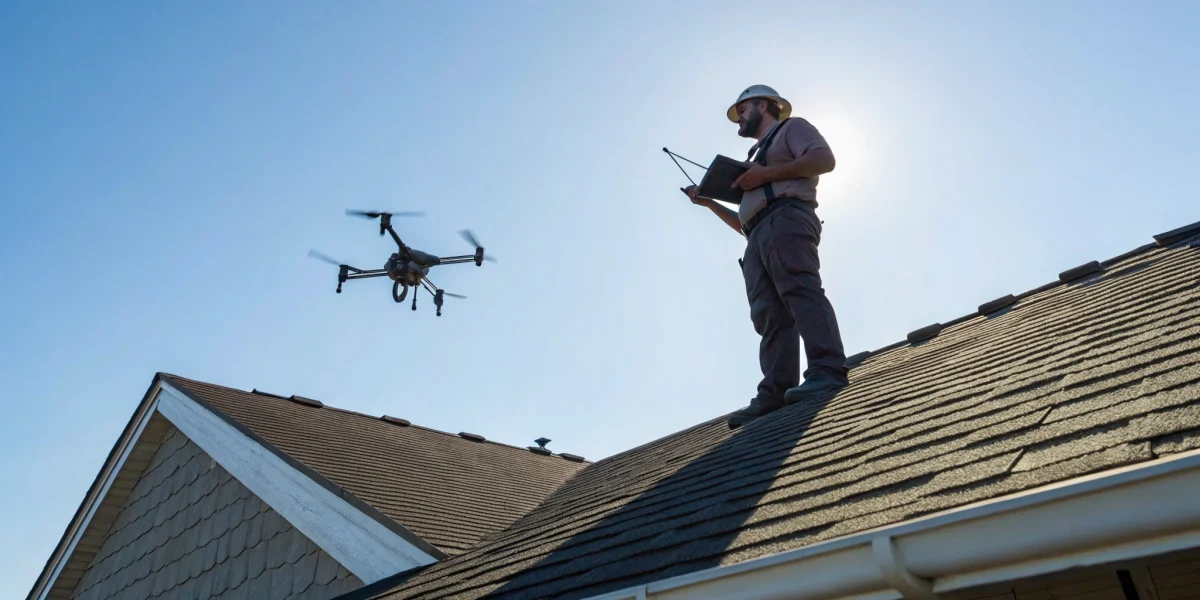
Top Roof Inspection Certification Programs Compared
A roof is one of the most critical components of any property, yet for most people, it’s a total mystery. When a problem arises or a sale is on the line, homeowners and real estate agents need an expert they can rely on for an honest, accurate assessment. That feeling of confidence doesn’t come from a business card; it comes from credibility. A certified inspector provides that peace of mind, showing they have been trained and tested to meet rigorous industry standards. This article will break down what goes into the top roof inspection certification programs and explain why hiring a certified professional is one of the smartest decisions a property owner can make.
Key Takeaways
- Build instant credibility with the right credential: A certification acts as a professional seal of approval, showing clients you have the verified skills and knowledge to provide a trustworthy assessment of their property.
- Match the program to your professional goals: Not all certifications carry the same weight or focus. Compare curriculum, industry standing, and specializations—like the ability to offer a LeakFREE® warranty—to find the program that will best support the business you want to build.
- Use your certification as a launchpad, not a finish line: The most successful inspectors use their credential to access ongoing training, specialized software, and a professional network. This continuous learning is key to staying relevant and growing your business long after you pass the exam.
What Is a Roof Inspection Certification?
Think of a roof inspection certification as a professional seal of approval. It’s a credential awarded to an inspector who has proven they have the knowledge and skills to thoroughly assess a roof’s condition according to industry standards. It shows clients that you’re not just someone with a ladder and a flashlight, but a trained expert who knows exactly what to look for.
A certified roof inspector examines every aspect of a roof to make sure it’s safe, structurally sound, and free of issues. This involves checking for damage like leaks or missing shingles, evaluating the underlying structure, and confirming that all materials were installed correctly. It’s a detailed process that requires a sharp eye and a deep understanding of roofing systems. For professionals, earning a certification is a clear way to demonstrate your commitment to quality and expertise. For homeowners and real estate agents, hiring a certified inspector provides confidence that you’re getting an accurate and reliable assessment of a major component of your property.
Why Certification Matters for Your Career
For an inspector, certification is a powerful tool for building trust and growing your business. It immediately tells potential clients that you’ve met a high standard of excellence, which can set you apart from the competition and justify your rates. But the benefits don’t stop once you have the certificate. Leading organizations provide ongoing education and resources to help you stay on top of new materials, techniques, and challenges in the field. This continuous learning ensures you remain an expert throughout your career.
For property owners, a report from a certified inspector is invaluable. A LeakFREE® roof certification can help you sell a home faster and for a better price by removing a huge point of worry for potential buyers. It’s tangible proof that the property is well-cared for and a sound investment.
Who Should Get Certified?
Roof inspection certification is a smart move for a wide range of professionals. If you’re a home inspector, specializing in roofs can make your services more valuable. For roofing contractors, adding certified inspections to your offerings can create a new revenue stream and position you as a comprehensive roof expert. It’s also an excellent career path for anyone looking to enter a stable, in-demand field. As more people recognize the importance of roof maintenance, the need for qualified inspectors continues to grow.
Before diving in, it can be helpful to have some foundational knowledge. Courses like InterNACHI’s “How to Perform Roof Inspections” can provide a great starting point. From there, you can pursue a specialized certification program that aligns with your career goals and offers the training and support you need to succeed.
Exploring the Top Roof Inspection Certification Programs
Once you decide to get certified, the next step is finding the right program for your goals. Several organizations offer training and certification, each with a slightly different focus. Some are geared toward general home inspection, while others offer deep dives into commercial properties or specific types of damage assessment. Looking at the curriculum, industry reputation, and member resources for each will help you find the perfect fit for your career path. Let’s walk through some of the most recognized programs available.
National Roof Certification and Inspection Association (NRCIA)
The NRCIA offers a comprehensive certification program designed to give you the skills for precise roof condition assessments. What sets this program apart is the ongoing support you receive even after you’re certified. Members get unlimited access to continuing education resources, ensuring you’re always current with the latest industry practices and ready to tackle new challenges with confidence. This focus on long-term professional development means you’re not just earning a certificate; you’re joining a network dedicated to excellence. If you’re looking for a program that provides a strong foundation and continuous growth, the NRCIA’s path to becoming a certified inspector is a solid choice.
International Association of Certified Home Inspectors (InterNACHI)
InterNACHI is a well-known name in the home inspection industry, and its roof inspection certification is a popular choice for professionals looking to expand their skills. The organization provides a robust program that includes a free online course covering various roofing systems and maintenance needs. This certification is especially useful for home inspectors who want to add a roofing specialty to their services. By completing their training, you can confidently show clients you have the specific knowledge needed to evaluate a roof’s condition as part of a larger home inspection, making your reports more valuable and comprehensive.
American Society of Home Inspectors (ASHI)
The American Society of Home Inspectors (ASHI) is another major player in the home inspection field, known for its high professional standards and commitment to member development. While they are a leading authority for home inspectors, their specific offerings for a standalone roof inspection certification may be integrated within their broader home inspection training. Professionals associated with ASHI are recognized for their thoroughness and adherence to a strict code of ethics, which builds significant trust with clients. If you are already in or considering a career in general home inspection, exploring ASHI’s resources and training modules is a worthwhile step.
International Code Council (ICC)
For inspectors who want to master the technical side of roofing, the International Code Council (ICC) offers specialized training focused on building codes and standards. This is critical knowledge for ensuring every inspection is accurate and compliant. The ICC’s commercial roof inspection course is recognized for Continuing Education Units (CEUs), making it a great option for maintaining existing licenses while gaining new skills. This program is ideal for inspectors who work on commercial properties or in areas with strict code enforcement, as it provides practical insights into the official requirements you’ll encounter on the job.
Haag Engineering Certification
The Haag Engineering certification is highly respected in the industry, particularly within insurance and storm damage assessment. This program goes deep into the science of how roofs are constructed and why they fail. A Haag-certified inspector is trained to accurately identify and assess roof damage, from hail and wind to manufacturing defects. This technical expertise makes them a go-to resource for complex cases where a scientific, evidence-based report is required. Earning a Haag certification signals to clients and employers that you have an advanced, engineering-based understanding of roofing systems.
What Do You Need to Get Certified?
So, you’re ready to take the next step in your career and get certified. That’s fantastic! While every certification program has its own unique path, most share a common set of requirements to ensure you have the right foundation. Think of it as a three-part journey: having the right background, getting the proper training, and proving your knowledge. It’s less about checking boxes and more about building the expertise you need to be a trusted, professional inspector. Let’s walk through what you can generally expect on your path to certification.
Education and Experience
First things first, let’s talk about the baseline requirements. Most programs will ask that you have at least a high school diploma or a GED. While a college degree isn’t typically necessary, any prior experience in construction or roofing will give you a significant head start. You already speak the language of pitches, flashing, and underlayment, which is a huge plus. Beyond formal education, successful inspectors share a few key traits. You need a sharp eye for detail, strong problem-solving skills, and the ability to communicate your findings clearly. After all, you’ll be working with a wide range of property stakeholders, from anxious homeowners to seasoned real estate agents.
Training and Hands-On Practice
Certification is much more than just reading a textbook. It’s about translating that knowledge into real-world skills, and this is where hands-on training comes in. Most programs require you to complete specific courses that cover everything from identifying different roofing materials to understanding building codes and safety protocols. After you’ve got the theory down, you’ll need to practice. This might mean finding an internship, shadowing a veteran inspector, or taking advantage of advanced workshops. You’ll learn how to properly use essential tools like moisture meters and drones. The best programs also provide ongoing support and a full training portfolio to help you stay current with new materials and techniques long after you’re certified.
Passing the Exam
The final step in the process is proving what you’ve learned by passing a certification exam. This is the gatekeeper that ensures you have the comprehensive knowledge needed to perform inspections accurately and safely. The format and content will vary, but you can expect questions on roofing systems, defect recognition, safety standards, and report writing. To even sit for the exam, you’ll likely need to become a member of the certifying organization and complete their required coursework. Once you pass, you’ll need to maintain your certification, which usually involves completing continuing education credits to keep your skills sharp and your expertise relevant in the field.
How Much Does Roof Inspection Certification Cost?
Investing in your career through certification is a smart move, but it’s important to go in with a clear picture of the financial commitment. The costs aren’t just a one-time fee; they typically break down into initial training, membership dues, and ongoing renewals to keep your credentials current. Think of it less as an expense and more as a strategic investment in your professional growth and earning potential. Each component plays a role in getting you certified and helping you maintain that expert status.
Understanding these costs helps you plan your budget and choose a program that aligns with your financial and career goals. Some programs might have a lower upfront fee but higher recurring costs, while others bundle everything into a larger initial payment. It’s also worth considering the return on investment. A reputable certification can lead to higher-paying jobs, more client trust, and access to exclusive tools and resources that can streamline your work. As we break down the costs, think about how each element contributes to building a more profitable and sustainable business. Let’s walk through what you can expect to budget for as you start this process.
Upfront Training and Certification Fees
Your initial investment will be the upfront cost for training and certification. Generally, you can expect this to range from $75 to $400. The exact amount often depends on the depth of the program and where you’re located. This fee covers the foundational knowledge you’ll need to perform inspections accurately and professionally. When you’re evaluating programs, consider what’s included in this initial cost. A comprehensive training portfolio that provides in-depth instruction and resources offers more value and sets you up for long-term success, making it a worthwhile part of your initial investment.
Exam and Membership Dues
After your initial training, you’ll likely encounter fees for exams and ongoing membership. These dues are what keep the certifying organization running, providing you with valuable resources, support, and industry recognition. While some organizations have rigid fee structures, the NRCIA empowers its members by encouraging them to set their own prices for inspection services based on their local market. This flexibility is a huge advantage, allowing you to tailor your business to your community. Your annual dues grant you access to a network of professionals and tools that help you grow your business, making the different membership levels a key part of your business toolkit.
Ongoing Costs for Recertification
Certification isn’t a one-and-done deal. To maintain your credentials and stay on top of industry standards, you’ll need to recertify periodically. The costs for this can vary. For example, with the NRCIA, residential recertification fees are tiered based on the length of the certification period you offer your clients. A one-year certification costs $250, while a five-year plan is $850. This structure gives you the flexibility to offer different warranty options to homeowners, which can be a major selling point for your services. It ensures that the LeakFREE® roof protection you provide remains a trusted and valuable asset for your clients.
How to Compare Certification Programs
Choosing a roof inspection certification is a big step for your career, and it’s important to know that not all programs are built the same. Think of it like choosing a tool for your toolbelt—you want the one that’s reliable, respected, and right for the jobs you want to do. When you’re weighing your options, you’ll want to look past the price tag and dig into what each program truly offers. Some programs might look good on the surface, but they lack the depth, industry respect, or ongoing support you need to really thrive.
The best certification for you will depend on your specific career goals, but there are a few key areas everyone should examine closely. You’ll want to assess the quality of the training itself, the program’s reputation in the industry, the kind of support you’ll get after you’re certified, and any unique specializations that can help you stand out. Let’s walk through what to look for in each of these areas so you can make a choice that helps you build a successful and trusted business.
Quality of Training and Curriculum
A great certification program does more than just teach you how to pass a test; it prepares you for the complex situations you’ll face on the job. Look for a curriculum that is both comprehensive and practical. Does it cover a wide range of roofing materials, common points of failure, and local building codes? More importantly, does it offer hands-on training or real-world case studies? Some programs provide a mix of online courses and in-person workshops, giving you the flexibility to learn at your own pace while still gaining practical skills. A solid training portfolio is a sign that an organization is invested in creating truly competent inspectors, not just certified ones.
Industry Recognition and Credibility
The name on your certificate matters. A certification from a well-respected organization acts as an immediate signal of trust and expertise to homeowners, real estate agents, and insurance companies. When comparing programs, research their history and standing in the industry. How long have they been around? Are they recognized as an authority in the field? A program with a long-standing reputation for excellence gives your certification more weight and can open doors to better opportunities. You want to align yourself with an organization that serves a wide range of professionals and is known for its high standards, as this credibility will become a cornerstone of your professional brand.
Member Support and Resources
Your journey doesn’t end once you pass the exam. The roofing industry is constantly evolving with new materials, techniques, and regulations, so ongoing education is key. A top-tier certification program will provide continuous support to its members. Look for access to resources like continuing education courses, technical support for tough inspections, and a network of fellow professionals you can turn to for advice. This kind of long-term support is invaluable for staying sharp and confident in your work. Having a robust resource library at your fingertips means you’ll always have a place to turn when you encounter a new challenge on the job.
Specializations and Warranty Programs
To truly set yourself apart in a competitive market, consider programs that offer unique specializations. While a general roof inspection certification is a great foundation, a specialty can make you the go-to expert in a specific niche. For example, some organizations offer certifications for inspecting specific types of commercial roofs or understanding complex building codes like California’s SB 721. Even better are programs that allow you to offer tangible value to your clients, like a warranty. The ability to provide a LeakFREE® roof certification gives homeowners peace of mind and makes your inspection services far more valuable than a simple report. This kind of offering can become a powerful selling point for your business.
What Are the Perks of Certification?
Getting certified is a significant step, and it pays off in more ways than one. It’s not just about adding a new line to your resume; it’s about investing in your business, building client trust, and gaining access to resources that set you apart. Let’s look at the tangible benefits you can expect when you become a certified roof inspector.
Build Credibility and Advance Your Career
Think of certification as your professional seal of approval. It immediately tells clients that you have met rigorous standards and possess a verified skill set. This credential validates your expertise and shows you’re serious about your craft and committed to high industry standards. For your clients, especially in real estate, a certified roof can be a major selling point. It removes a huge worry for potential buyers and can help a home sell faster, making you an invaluable partner for real estate professionals. This level of trust not only helps you win more jobs but also allows you to command higher fees for your specialized knowledge.
Gain Access to Specialized Tools and Software
Beyond the title, certification often comes with a toolkit designed to make your job easier and your reports more professional. Imagine having access to standardized inspection checklists, cost-estimation calculators, and other digital resources right at your fingertips. These tools streamline your workflow, improve your accuracy, and ensure consistency across every inspection. The best programs also provide ongoing education to keep you sharp. NRCIA, for example, gives members access to a library of inspection software and continuing education materials, ensuring you’re always up-to-date with the latest industry practices and technologies.
Get Warranty and Liability Protection
Perhaps one of the most powerful perks of certification is the ability to offer warranties and protect yourself from liability. This is where the NRCIA truly stands out. We offer the nation’s only LeakFREE® Roof Certification, a true roof leak warranty. This gives your clients incredible peace of mind and sets a clear standard for your work, which in turn protects you. By certifying that a roof is free of leaks and that any necessary repairs have been made, you provide a guaranteed service that few others can match. It’s a game-changer that distinguishes your business and builds a reputation for quality and reliability.
Common Myths About Roof Inspection Certification
When you’re considering a new career path or looking to add a skill to your toolkit, it’s easy to get tangled up in misinformation. Roof inspection certification is no different. There are plenty of myths floating around that can create confusion and lead you down the wrong path. Let’s clear the air and tackle some of the most common misconceptions head-on. Understanding the reality of certification will help you set realistic expectations and make smarter decisions for your career.
Getting certified is a significant investment of your time and money, so it’s crucial to know exactly what you’re getting into. By debunking these myths, you can better understand the true value of a quality certification and how it fits into the bigger picture of a successful career in roofing.
Myth: Certification Guarantees a Job
Let’s get this one out of the way first: a certification is a powerful asset, but it isn’t a golden ticket to a job. While becoming a certified inspector will absolutely make you a more attractive candidate, it doesn’t guarantee employment on its own. The roofing industry is competitive, and employers are looking for the whole package—a solid mix of hands-on experience, practical skills, and professional credentials.
Think of your certification as a key that opens doors, but you still have to walk through them. It proves you have a foundational knowledge and are serious about your profession. However, you’ll still need to build your experience and network to land the best opportunities. Many common roofing myths can trip people up, and this is a big one for newcomers.
Myth: All Certifications Are Created Equal
It’s easy to assume that any certificate with “roof inspector” on it carries the same weight, but that couldn’t be further from the truth. The credibility and industry recognition of certification programs vary widely. A weekend course that hands out a certificate to anyone who pays is not the same as a rigorous program from an established, respected organization like the NRCIA.
Before you enroll, do your homework. Research the organization’s reputation, the depth of its curriculum, and what its membership levels entail. A quality certification is backed by a strong code of ethics, continuing education requirements, and a supportive professional network. The value of your credential is tied directly to the standards of the body that issues it.
Myth: One Certification Fits All Roof Types
Believing a single certification prepares you for every roof you’ll encounter is a critical mistake. Roofing systems are incredibly diverse, from standard asphalt shingles to slate, tile, metal, and complex low-slope commercial roofs. Each material and system has its own unique properties, common failure points, and specific inspection protocols. A general certification provides a great foundation, but true expertise requires specialized knowledge.
To be a competent and reliable inspector, you need training that aligns with the types of roofs you plan to work on. Pursuing specialized credentials shows a commitment to excellence and ensures you can provide the most accurate assessment for your clients. A comprehensive training portfolio will offer courses that cover a wide range of roofing systems, allowing you to build the specific expertise your market demands.
Overcoming Common Certification Hurdles
Getting certified is a major step, but like any worthwhile goal, it comes with a few challenges. The good news is that these hurdles are completely manageable with a bit of planning. Whether you’re concerned about getting enough real-world practice, figuring out the costs, or getting up to speed on complex roofing systems, there are clear paths forward. Let’s break down some of the most common obstacles and how you can confidently move past them on your way to becoming a certified roof inspector.
Gaining Hands-On Experience
Passing the exam is a huge accomplishment, but the real learning happens in the field. Your certification is your license to learn, not the end of your education. The best way to build confidence and expertise is to work alongside seasoned inspectors. This mentorship allows you to see how theoretical knowledge applies to real-world situations and helps you get comfortable with essential tools like drones and moisture meters. Look for opportunities to shadow or assist on inspections. Many certification bodies, including the NRCIA, offer a training portfolio that provides structured pathways to gain this crucial hands-on practice.
Managing the Time and Cost
Let’s talk about the investment. Becoming a certified inspector requires both time and money, but it’s a cost that pays dividends in your career. While initial certification fees can vary, the real value comes from the business you can build. Once certified, you can start earning. For example, a standard roof inspection and certification might cost a client between $75 and $400, not including any necessary repairs. As an NRCIA member, you have the flexibility to set your own prices based on your local market. This allows you to build a sustainable business model that reflects your expertise. You can explore different membership levels to find a plan that fits your budget and business goals.
Mastering Complex Roofing Systems and Codes
Roofs aren’t one-size-fits-all, and your expertise shouldn’t be either. From steep-slope residential roofs to complex low-slope commercial systems, a top-tier inspector needs to understand them all. This means getting familiar with various materials, designs, and the building codes that govern them. Specialized training is key to accurately identifying damage and understanding the nuances of roof construction. For instance, inspecting multi-family housing or commercial buildings requires specific knowledge, like the standards for California SB 721 inspections. Pursuing advanced education ensures you can confidently assess any roof and provide your clients with the highest level of service.
How to Choose the Right Certification Program for You
Picking the right certification program is a major step in building your career as a roof inspector. It’s not just about adding a credential to your name; it’s about investing in the right knowledge, tools, and network to help you succeed. With several excellent options available, the best choice for you will depend on your professional goals, where you work, and the kind of reputation you want to build.
Think of this decision as laying the foundation for your business. A solid certification gives you the expertise to perform thorough inspections and the credibility to win clients’ trust. To find the program that fits you perfectly, you’ll want to look at a few key factors. Consider the program’s standing in the industry, how it aligns with your long-term career plans, and whether it addresses the specific requirements of your local market. Breaking it down this way makes it much easier to compare your options and choose with confidence.
Check for Credibility and Industry Acceptance
When you’re evaluating programs, start with credibility. You want a certification that homeowners, real estate agents, and insurance companies recognize and respect. A credential from a well-established organization shows that you’ve met high standards of training and professionalism. Look for programs with a long history and a strong reputation in the industry.
For instance, the NRCIA has been a leader in the field since 1995 and is widely known as the authority in LeakFREE® roof protection. On the other hand, organizations like InterNACHI allow you to use an official Certified Roof Inspector logo, which immediately signals your qualifications to potential clients. A certification from a trusted name acts as a powerful endorsement of your skills and can make all the difference when building your client base.
Align the Program with Your Career Goals
Think about what you want to achieve in your career. Are you looking to become a go-to expert in a specific niche, or would you prefer to offer a broad range of inspection services? Your goals should guide your choice of certification. Some programs provide a wide-ranging education, while others offer deep dives into specialized areas.
If you aim to be a versatile inspector, a program like InterNACHI might be a great fit, as membership can give you access to more than 60 other types of inspector certifications. If you want to specialize in damage assessment, a Haag certification will signal a higher level of expertise. And if your goal is to offer a unique, value-added service, the NRCIA’s LeakFREE® certification allows you to provide warranty-backed inspections, setting you apart from the competition.
Consider Local and Regional Requirements
A roof in Arizona faces very different challenges than one in Minnesota. The best certification programs will equip you with knowledge that’s relevant to your specific service area. This includes understanding local building codes, common roofing materials used in your region, and typical weather-related issues. A program that doesn’t account for these regional differences won’t fully prepare you for the job.
Look for a program that acknowledges these variations. For example, the NRCIA provides pricing guidelines but encourages members to set their prices based on their local market. Some organizations also offer specialized training for state-specific regulations, which is essential for compliance and providing the best service to your clients. Choosing a program with a curriculum that addresses your local conditions ensures you’ll be ready for whatever you encounter in the field.
Ready to Get Certified? Here Are Your Next Steps
Deciding to get certified is a huge step for your career. Once you’ve chosen the right program, the path ahead becomes much clearer. It’s all about taking it one step at a time, from initial training to building a thriving business. Think of it as a straightforward roadmap to becoming a trusted expert in your field. With the right preparation and support, you’ll be well on your way to achieving your professional goals. Let’s walk through what you can expect as you get started.
Your First Steps in the Certification Process
Getting started on your certification journey involves a few key milestones. First, you’ll join a professional organization that aligns with your career goals, as most programs require membership to access training materials and exams. From there, you’ll complete the required coursework, which often includes a mix of online classes and hands-on training to build a solid foundation of technical knowledge. The final step is passing the certification exam to prove your expertise. Exploring different membership levels can help you find the right fit for your specific needs and budget.
How to Prepare for Success
The best certification programs don’t just hand you a textbook and wish you luck; they provide resources to help you succeed. As you prepare for your exam, look for programs that offer comprehensive study guides, practice tests, and reference materials. Access to a robust training portfolio makes a world of difference in feeling confident and prepared. Beyond the exam, ongoing education is crucial. The roofing industry is always evolving, so continuous learning ensures you stay current on the latest materials and codes. A great program will offer continuing education to help you maintain your certification and sharpen your skills.
Building a Successful Career Post-Certification
Earning your certification is just the beginning—the real value comes from how you use it to build your career. A strong certifying body provides ongoing support to turn your new credential into a successful business. This can include access to specialized tools like inspection software, marketing materials to attract clients, and a network of fellow professionals for advice. This long-term partnership helps you handle new challenges and continue your professional growth long after you’ve passed the exam. It’s about more than a certificate; it’s about joining a community dedicated to your success.
Related Articles
- Roof Inspections – NRCIA
- Protect Your Warranty: Find a Certified Roof Inspector
- Forensic Roof Inspection for Leaks: A Complete Guide
- Your Guide to an Independent Roof Inspection for Insurance
- Services – NRCIA
Frequently Asked Questions
How long does it typically take to become a certified roof inspector? The timeline really depends on the program you choose and your own background. Some self-paced online courses can be completed in a matter of weeks if you have prior roofing experience and can dedicate time to them. More comprehensive programs that include hands-on training might take a few months. The key is to focus on finding a program that provides thorough training rather than just rushing to the finish line.
I don’t have any roofing experience. Can I still pursue certification? Absolutely. While having a background in construction or roofing gives you a head start, it’s not a requirement for most programs. A quality certification course is designed to teach you everything you need to know from the ground up, covering different roofing systems, materials, and inspection techniques. Your commitment to learning and a sharp eye for detail are far more important than your previous job title.
What’s the main difference between a certification for residential versus commercial roofs? The core difference comes down to complexity and scale. Residential certification typically focuses on steep-slope roofs with common materials like asphalt shingles, tile, or metal. Commercial certification dives into more complex systems, such as low-slope or flat roofs, and involves different materials, drainage systems, and building codes. Many inspectors start with a residential certification and then pursue specialized training for commercial properties as they grow their business.
Is certification a one-time process, or is there ongoing work to maintain it? Certification is an ongoing commitment to your profession, not a one-and-done achievement. Most reputable organizations require you to complete continuing education credits to maintain your credentials. This ensures you stay current with new materials, evolving industry standards, and safety protocols. Think of it as a way to keep your skills sharp and consistently provide the best service to your clients.
Besides finding more clients, what’s the biggest advantage of getting certified through a major organization? One of the biggest perks is the ongoing support and resources you gain. Beyond the initial training, you become part of a professional network and get access to specialized tools, like inspection software, that can make your work more efficient and accurate. Some organizations, like the NRCIA, also allow you to offer exclusive services, such as a LeakFREE® warranty, which provides incredible value to your clients and sets your business apart.
Learn More
Opportunities for Roof Professionals
With the amount of real estate turnover, current owner roof maintenance, and insurance claims, our membership program has conceived literally millions of roof inspection and certification opportunities across the country. Join the nationally recognized National Roof Certification and Inspection Association to expand your roofing services in this untapped industry.
Learn MoreNRCIA Testimonials

I would like to thank the NRCIA for all the valuable information they provide to contractors who join. Since joining the NRCIA a few weeks ago we have increased our customer potential and income potential. We have already received a lead from the NRCIA on a commercial property that will bring in an additional 285K to our company. Thank you for everything!

Eric W. (NRCIA Member)

I would highly recommend the NRCIA for any one purchasing a new home and protecting their investment. They came to our house, gave us a thorough inspection of our roof, took photos, and presented us with a prepared booklet of all the problem areas. We hired them to replace broken tiles on the roof and re-seal several areas. Any questions or concerns I have are quickly and accurately addressed. The professionals at the NRCIA are all knowledgeable professionals and the only ones we trust with our home.
Susan Y. (Homeowner)

I have had the opportunity to enroll in and complete a number of certification programs by various trade organizations in both the inspection and construction industries. Without a doubt the certification program for NRCIA is among the most comprehensive and thorough certification program I have ever experienced. The program does a great job of educating in an easily understood yet very technical manner. I have inspected over a thousand roofs in my career but I have no doubt that now after becoming a certified NRCIA inspector it will only sharpen my inspection skills that will benefit my valued clients.
OC Premier Home Inspections (NRCIA Member)

Since joining the NRCIA, we have greatly benefited from its professional credentials, trademarks, training, inspection reporting and estimating software, and CRM to keep our small business on track for growth and success. Not only did it create additional revenue streams through inspections and certifications, but we also gained a significant competitive advantage through their recognizable “seal” as well as their thorough and professional inspection reports. Every report and proposal that goes out is generated through their simple yet effective online system, and the finished report has undeniably increased my conversion rate on jobs. In my experience, customers prefer a roofer who is NRCIA-certified over one who is not. I even use it to justify our premium pricing and reduce company liability in an honest, clear, and transparent way to all of our customers. I’m so grateful that NRCIA’s membership has taken me to a level of great success at such an early age, and I know I will be a member for life.
Cert-A-Roof (NRCIA Member)

I have been using the NRCIA inspection software for over 10 years. The inspection software affords me a very professional and efficient guide for performing inspections, estimating re-roofs and repairs and creating reports that conform to industry standards. Add to that being able, through the NRCIA process, to offer and issue LeakFree Certifications that add revenue to my bottom line by expanding my market. I am extremely satisfied with the entire process and happy that it keeps getting better.
William L. Hogue & Associates (NRCIA Member)

Please accept this letter as an unequivocal recommendation for NRCIA. It has been my extreme pleasure to know them for five years. I initially became acquainted with them by enrolling in, and completing the National Roof Certification and Inspection Association online courses… Following the course completion and introductory phone call, I flew down to Southern California to meet them in person. After completing a roof inspection together, they took the time to engage me on a personal level to explain the development of the business and his vision for success in the future. They were very patient with me over the next few months as they guided me through the online inspection program and its attendant possibilities for business growth. Over the past five years, I have never experienced a time when I could not easily access them personally and receive the assistance I needed to provide their product to my customer. I have recommended, and will continue to recommend fellow contractors to become part of the NRCIA team. My confidence in doing so is directly related to the solid business model and fair dealings I receive from NRCIA.
Roof Inspect Pro (NRCIA Member)

I would like to take the time to give my appreciation to the National Roof Certification and Inspection Association (NRCIA). Since completing the Roof Inspection and Forensic Roof inspection courses, my inspection service work load has doubled. The NRCIA training and inspection protocol is one of the best that I have encountered and I feel it has provided my home inspections a level of professionalism that has set me apart in the industry. Your protocol and certification provided me the missing piece to my ‘one stop shop’ concept for home inspections. Its emphasis on attention to detail and the layered procedure for inspecting roofs is fundamental in providing my clients with a solid understanding of the state of their roof before purchase. I appreciate the simplistic yet exhaustive results I obtain using your protocol. Time management is a huge deal when you are self-employed; your Visual Inspection methodology’s efficiency reduces my onsite time yet produces superior results. As they say ‘Time is Money.’ But more importantly, in home inspections, accuracy is money. I have had great success in definitively identifying the current state of my clients’ roofs, with no call backs or missed items. Lastly, having the NRCIA logo is a great enhancement to any report and marketing. The logo provides a level of legitimacy that I enjoy and sets my inspections above my peers who are required to defer any roof damage to a ‘certified roofer.’ The logo on my marketing and reporting instantly let’s my potential clients know that I am certified in roof inspections through a national training association and that they are getting a better inspection!