
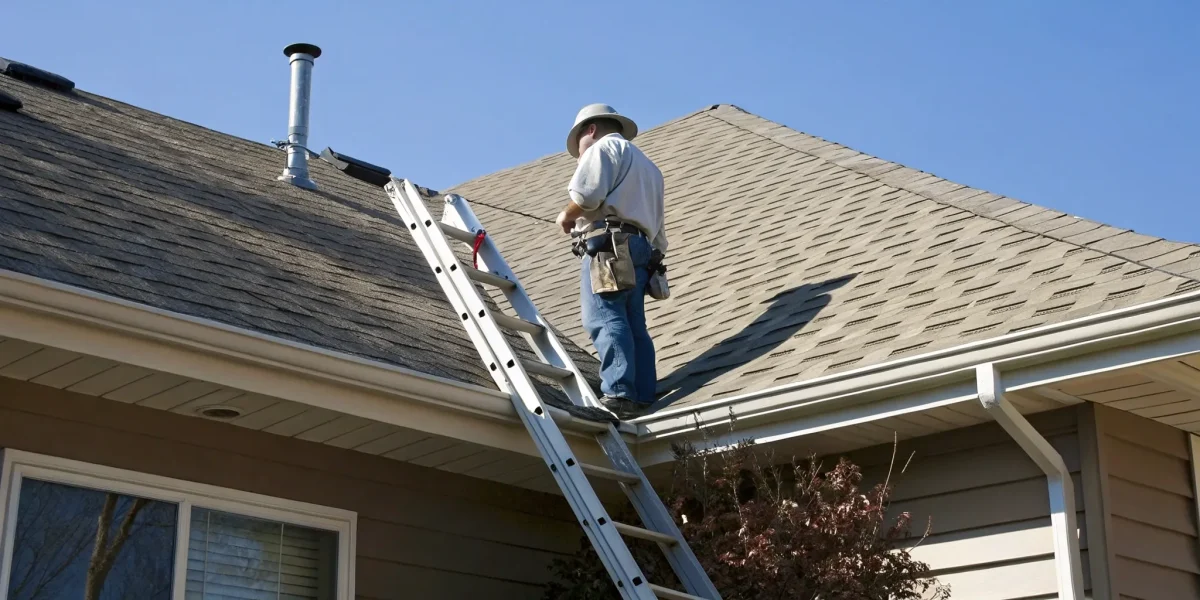
For roofing professionals, adding certifications to your service offerings is a powerful way to build trust and stand out. Homeowners and real estate agents are looking for more than just a quote for repairs; they want credible, unbiased assessments of a roof’s condition. This is where understanding what is a roof certification becomes a business asset. By becoming a certified inspector through an organization like the NRCIA, you can provide the official documentation that streamlines real estate transactions and satisfies insurance requirements. It positions you as a trusted expert, not just a contractor, and opens up a new revenue stream while delivering incredible value and assurance to your clients.
Key Takeaways
- A Certification is More Than an Inspection; It’s Proof: This official document verifies your roof’s condition and expected lifespan, giving you a powerful advantage in real estate deals, insurance matters, and proactive home maintenance.
- A Small Fee Prevents Major Headaches: For a modest cost, typically under $200, a certified inspector conducts a detailed interior and exterior assessment. This small upfront investment helps you identify and fix minor issues before they escalate into costly, large-scale repairs.
- Hire a Certified Pro and Stick to a Schedule: Your certification is only as reliable as the inspector who issues it, so prioritize professionals with recognized credentials and local expertise. Since certifications are valid for a set period, usually two to five years, scheduling regular inspections is key to protecting your property and extending your roof’s life.
What Is a Roof Certification, Really?
So, what exactly is a roof certification? You’ve probably heard the term thrown around, especially if you’re buying or selling a home, but it’s often misunderstood. A roof certification isn’t just a quick glance from the curb; it’s a thorough, professional assessment that provides a detailed snapshot of your roof’s health and its expected lifespan. It’s the difference between hoping your roof is okay and knowing it is. This official documentation can be a game-changer for real estate transactions, insurance requirements, and your own peace of mind as a property owner. It provides tangible proof that the roof is sound, which can help satisfy lenders, insurers, and buyers alike. Unlike a simple inspection report that just lists potential issues, a certification is a statement of confidence in the roof’s future performance. It’s a proactive step that says, “This roof has been professionally vetted and is ready to do its job.” In this section, we’ll break down what it involves, how it differs from a standard inspection, and who is actually qualified to give your roof a passing grade.
Its purpose and the official paperwork involved
A roof certification is essentially a professional’s stamp of approval for your roof. It’s an official document issued by a qualified inspector confirming that your roof is in good shape, free of defects, and has a solid life expectancy for a specific period—typically between one to five years. Think of it as a health report for the most critical part of your home’s structure. This paperwork is more than just an opinion; it’s a formal statement on the roof’s condition after a thorough inspection. At the NRCIA, our LeakFREE® roof certifications also come with a warranty, giving you an extra layer of protection and peace of mind against future leaks.
Roof certification vs. a standard inspection: What’s the difference?
It’s easy to mix up a roof certification with the roof check that happens during a standard home inspection, but they are worlds apart. A general home inspector typically gives the roof a quick look from the ground or a ladder, but they aren’t specialists. A roof certification, on the other hand, involves a detailed examination by a trained and certified roof inspector. The inspection is the action of evaluating the roof’s condition, while the certification is the official document you receive afterward. It confirms the roof has passed this rigorous assessment and is expected to perform well for a set amount of time, which is something a standard home inspection report just doesn’t provide.
Who is qualified to issue a roof certification?
Not just anyone can or should issue a roof certification. While a general contractor might offer an opinion, a credible certification comes from a specialist. You should always look for an inspector who has been certified by a reputable, independent organization. This ensures they follow a strict set of standards and have the right expertise. Organizations like the NRCIA provide the comprehensive training to become a certified roof inspector, covering everything from materials and installation to identifying subtle signs of wear. Choosing an inspector with a recognized certification means you’re getting an unbiased, expert assessment of your roof’s health, not just a sales pitch for a new one.
A Look Inside the Roof Certification Process
A roof certification isn’t just a quick glance from the curb. It’s a detailed, multi-point examination that covers your roof from top to bottom, inside and out. A certified inspector follows a standardized process to ensure nothing is missed, giving you a complete picture of your roof’s health. This process is designed to be thorough and transparent, so you know exactly what’s going on above your head.
The goal is to identify any existing issues and assess the roof’s potential lifespan. Think of it as a comprehensive health check-up for one of your home’s most critical components. Let’s walk through what an inspector will look for during each stage of the evaluation.
Assessing the exterior of your roof
The inspection begins with a thorough evaluation of the roof’s exterior. Your inspector will get up on the roof to examine its surface, structure, and all its components up close. They’ll look for signs of wear and tear, like cracked, curling, or missing shingles, and check for any damage from weather or debris. The inspector will also pay close attention to the flashing around chimneys, vents, and skylights, as these are common spots for leaks to start. They’ll document everything with photos, giving you a clear visual record of your roof’s condition. If everything looks good, you’re one step closer to certification.
Checking the interior and attic spaces
After the exterior check, the inspector moves inside to look for evidence of leaks that might not be visible from the outside. This usually involves a trip to the attic or any crawl spaces beneath the roof. Here, they’re searching for tell-tale signs of water damage, such as damp insulation, water stains on the ceiling or rafters, and the presence of mold or mildew. These interior clues can reveal hidden problems that need to be addressed. An inspector with the right training and education knows exactly where to look to spot even the most subtle signs of trouble, ensuring a comprehensive assessment.
Common issues that can prevent certification
Several common problems can stand in the way of your roof getting a clean bill of health. These often include deteriorated materials like old, brittle shingles, damaged or improperly installed flashing, and blocked vents that can lead to moisture buildup. The inspector will also check the overall structural integrity, looking for sagging or soft spots. If any repairs are needed, the inspector will outline them clearly. NRCIA inspectors use specialized inspection software to create a detailed, easy-to-understand list of required fixes, so you know exactly what needs to be done to qualify for a certification.
Understanding the documentation and final report
Once the inspection is complete, you’ll receive a detailed report. This document is more than just a pass-or-fail grade; it’s a comprehensive summary of your roof’s condition. The report will include photos and descriptions of any issues found, an assessment of the roof’s remaining lifespan, and a clear recommendation. If the roof meets the necessary standards, you’ll receive your certification. If repairs are needed, the report will serve as a precise roadmap for your contractor. This final document is a valuable tool for homeowners, real estate agents, and anyone who needs a clear, professional opinion on a roof’s health.
The Payoffs: Why a Roof Certification Is Worth It
Getting a roof certification might feel like just another item on your property maintenance checklist, but it’s one of the smartest investments you can make. Think of it as a health report for one of your home’s most critical components. This official document provides a clear, professional assessment of your roof’s condition and its expected lifespan, offering peace of mind that goes far beyond a simple visual check.
For homeowners, a certification is a tool for proactive maintenance, helping you catch small issues before they spiral into expensive emergencies. If you’re selling your property, it becomes a powerful asset that can streamline the entire process and build trust with potential buyers. For real estate professionals and property managers, it’s a way to protect investments and prevent unexpected liabilities. A certification from a trusted organization like the NRCIA provides a standardized, reliable evaluation, ensuring that everyone involved has a clear understanding of the roof’s integrity. It’s not just a piece of paper; it’s an assurance of quality and durability.
Smooth out real estate transactions
When you’re selling a home, the last thing you want is a last-minute surprise during the buyer’s inspection. A pre-listing roof certification removes the roof from the list of potential worries. It gives prospective buyers concrete proof that the roof is in good shape, which can make your property more attractive and justify your asking price. This assurance tells buyers they likely won’t face a major roof repair bill shortly after moving in.
For real estate agents, presenting a home with a LeakFREE® roof certification can prevent negotiations from getting stuck on the roof’s condition. It builds confidence, reduces the back-and-forth, and helps close the deal faster. It’s a simple step that adds significant value and makes for a much smoother transaction for everyone.
Simplify insurance claims and meet requirements
Navigating the world of homeowner’s insurance can be tricky, and your roof’s condition plays a huge role. Many insurance companies require a professional inspection or certification before they will issue or renew a policy, especially for roofs over a certain age. A formal roof certification demonstrates that your roof meets their standards for coverage, helping you secure the policy you need without any hassle.
Should you ever need to file a claim for storm damage, having a recent certification is incredibly helpful. The report serves as a documented baseline of your roof’s condition before the event, which can make the claims process faster and more straightforward. It provides clear evidence to your insurer, leaving less room for dispute and helping you get the compensation you’re entitled to.
Protect your property’s value
Your roof is one of the most important factors in your property’s overall value and structural integrity. A well-maintained and certified roof is a significant asset. A certification not only confirms the roof’s current condition but also helps you uphold any existing manufacturer warranties, as some require proof of regular inspections to remain valid. This documentation shows you’re taking responsible steps to care for your property.
By investing in a certification, you’re not just getting a report—you’re actively protecting your investment. It provides a clear maintenance roadmap and helps ensure the longevity of your roof. For homeowners and commercial property owners alike, this proactive approach is key to preserving the building’s value and avoiding the kind of degradation that can lead to much larger financial losses down the road.
Catch small problems before they become costly disasters
It’s easy to forget about your roof until a leak appears overhead, but by then, the damage is already done. A roof certification inspection is designed to catch minor issues before they escalate. A trained inspector, backed by a comprehensive training portfolio, can spot subtle signs of wear and tear that an untrained eye would miss—things like cracked sealant, a few loose shingles, or compromised flashing around vents.
Addressing these small problems early is far less expensive and disruptive than dealing with major water damage, mold remediation, or structural repairs later on. Think of a certification as a preventative health screening for your roof. It’s a proactive measure that saves you money, time, and a lot of future headaches.
Breaking Down the Cost of a Roof Certification
When you’re thinking about getting a roof certification, one of the first questions that comes to mind is, “What’s this going to cost me?” It’s a fair question, and the answer is often more reasonable than people expect. The price isn’t just for a piece of paper; it’s an investment in your property’s health and your own peace of mind. This cost covers the inspector’s time, their detailed assessment of every component of your roof system, and the official report that can be a game-changer in real estate deals or insurance claims.
Think of it less as an expense and more as a proactive step toward protecting your home or building. This small upfront cost gives you a clear, professional picture of your roof’s condition and helps you catch minor issues before they spiral into expensive, emergency repairs. The final price tag can vary based on a few key details about your property, but it’s consistently a fraction of what you might pay for unexpected roof work down the line. It’s about understanding the true state of your roof from an unbiased expert, which is valuable information for any property owner.
The typical price range to expect
So, let’s talk numbers. A roof certification typically costs between $75 and $200. This fee covers the comprehensive inspection process and the formal certificate that verifies your roof’s condition. For homeowners, real estate agents, and property managers, this document is invaluable. It provides the assurance that a qualified professional has thoroughly examined the roof and found it to be in good working order for a specific period. The price reflects the expertise required to perform a detailed inspection that goes beyond a quick visual check from the ground. It’s a professional service that delivers a tangible, useful result.
Factors that influence the final cost
While the $75 to $200 range is a solid benchmark, several factors can cause the price to shift. The size and complexity of your roof are major contributors; a large, steep roof with multiple dormers and skylights will naturally take more time to inspect than a simple, flat roof on a smaller home. Your geographic location also plays a role, as inspection costs can vary to reflect the local cost of living and regional weather challenges. Finally, the time of year can affect pricing, as demand for inspections often rises during peak real estate seasons. An inspector’s training and qualifications also factor into the value you receive.
How the cost compares to potential repair bills
Here’s where the value of a roof certification really shines. That modest inspection fee is a tiny fraction of what you could spend on future repairs. Regular roof inspections can prevent small issues from becoming costly repairs. A small, unnoticed leak can lead to thousands of dollars in water damage, mold remediation, and structural issues. The certification process is designed to spot those hidden problems early. By investing a small amount now, you’re essentially buying insurance against major headaches later, ensuring you have a LeakFREE® roof protecting your property. It’s a classic case of an ounce of prevention being worth a pound of cure.
How Long Is a Roof Certification Good For?
A roof certification is a fantastic tool for verifying the condition of your roof, but it’s important to remember that it isn’t a lifetime pass. Think of it as a snapshot of your roof’s health at a specific moment. Because roofs are constantly exposed to weather and wear, that snapshot has an expiration date. Understanding the validity period of your certification helps you plan for future inspections and maintain your property’s protection.
The standard validity period
Generally, a roof certification is valid for two to five years. The exact duration depends on several details, including the inspector’s assessment, the age of the roof, and the type of materials used. An inspector will evaluate the roof’s current condition and estimate its remaining life expectancy to determine the certification period. For example, a newer roof in excellent shape will likely receive a longer certification than an older one showing signs of aging. At NRCIA, our LeakFREE® roof certifications come with a clear warranty period, giving you a precise timeline for your roof’s coverage and peace of mind.
What affects your certification’s lifespan?
Several key factors can influence how long your roof certification remains valid. The roof’s age and the quality of its materials are primary considerations. Beyond that, your local climate plays a huge role; a roof in an area with frequent hurricanes or heavy snowfall will face more stress than one in a milder climate. Another critical factor is the manufacturer’s warranty. Some warranties require that the roof be installed or regularly inspected by a certified professional to remain active. Maintaining your roof certification can be essential for ensuring your manufacturer’s warranty isn’t voided, a crucial detail for the homeowners and real estate professionals we work with every day.
When to schedule your next inspection
Staying proactive with roof inspections is the best way to protect your property and extend the life of your roof. For homes in areas with mild weather, a professional inspection every one to two years is a good rule of thumb. However, if you live in a region prone to harsh weather like strong winds, hail, or heavy snow, you should schedule an inspection at least once a year, or even twice. Regular check-ups allow you to catch minor issues before they become major, costly problems. This commitment to consistent, high-quality inspections is a core principle we instill through our inspector training programs.
How to Choose the Right Roof Inspector
Finding the right professional for your roof inspection is just as important as the inspection itself. You’re placing a lot of trust in this person’s expertise to give you an honest, thorough assessment of a critical part of your property. A great inspector provides more than just a report; they offer peace of mind. To ensure you’re working with a true professional, focus on their qualifications, local experience, and transparency.
Essential qualifications to look for
When you start your search, prioritize inspectors with proven credentials. You want someone who has been formally trained and tested on the latest industry standards. Look for professionals who hold certifications from a reputable, nationwide organization. Becoming a certified roof inspector means they’ve committed to a higher standard of practice and a strict code of ethics. This isn’t just a piece of paper—it’s your assurance that the inspector has the knowledge to accurately identify potential issues, from subtle signs of water intrusion to significant structural concerns. An experienced, certified inspector will provide a much more reliable and detailed evaluation of your roof’s condition.
Why local experience matters
A roofer who understands your local environment brings a significant advantage. Every region has its own unique challenges, from specific building codes to common weather-related issues like hurricane-force winds, heavy snowfall, or intense sun exposure. An inspector with local experience is familiar with how these factors affect roofing materials and structures in your area. They know what to look for and can provide insights that a non-local inspector might miss. This specialized knowledge ensures your inspection is not just thorough but also relevant to the specific threats your roof faces year-round, leading to a more accurate and useful assessment.
Key questions to ask before you hire
Before you commit, take a few minutes to ask some direct questions. This simple step can tell you a lot about their professionalism and the quality of service you can expect. A confident, qualified inspector will have no problem providing clear answers.
Start with these questions:
- What does your inspection process cover, both inside and out?
- Are you certified, and can you share your credentials?
- Will I receive a detailed written report with photographs?
- Do you offer a warranty on your inspection, like a LeakFREE® roof certification?
Their answers will help you gauge their expertise and commitment to transparency, ensuring you find someone you can trust with your property.
Red flags to avoid
Just as you look for positive signs, it’s crucial to recognize the red flags. Be cautious of any inspector who offers a price that seems too good to be true. An unusually low fee could indicate a rushed or incomplete inspection that misses critical issues. Another major warning sign is an unwillingness to provide a comprehensive written report. A verbal “everything looks good” isn’t enough; you need detailed documentation for your records, especially for insurance or real estate purposes. Finally, be wary of high-pressure tactics urging you to commit to expensive repairs on the spot. A professional inspector’s job is to assess and report, not to push immediate sales.
Getting Ready for Your Roof Inspection
A roof inspection doesn’t have to be a stressful event. With a little bit of know-how, you can make the entire process smooth and efficient, from the first phone call to reading the final report. Knowing what to expect and how to prepare will help your inspector do their best work and give you the clear answers you need about the condition of your roof. Think of it as a team effort—a few simple steps on your part can make a world of difference.
What to expect from the scheduling process
When you’re ready to book an inspection, your first step is finding the right professional. You’ll want to consider their qualifications, experience, and reputation. Look for certifications from a trusted organization like the National Roof Certification and Inspection Association (NRCIA) to ensure the inspector follows high professional and ethical standards. Once you’ve chosen an inspector, they’ll likely ask for some basic information, such as your property address, the approximate age of your roof, and details about any specific leaks or concerns you have. Be ready to share this information so they can come prepared for the job.
How to prepare your property for the inspector
To help your inspector work safely and efficiently, take a few minutes to prepare your property. Clear any items like patio furniture, grills, or toys away from the base of your home to create a clear path around the perimeter. You’ll also want to ensure there’s easy access to any interior spaces they need to see, like the attic or crawl spaces. If you have pets, it’s a good idea to secure them indoors so they don’t get in the way. A properly conducted roof certification and inspection helps ensure all parts of the structure are in good condition, which is often a key step in meeting requirements for insurance coverage.
Understanding your final report and warranty
After the inspection is complete, you’ll receive a detailed report. This document typically includes photos, a description of your roof’s current condition, and a list of any recommended or required repairs. Don’t be afraid to ask your inspector to walk you through the findings. A roof certification can also influence your roof’s warranty. In fact, some manufacturer warranties require that the roof be installed by a certified contractor to be valid. Having a certification from an approved inspector can help ensure your warranty remains intact, giving you an extra layer of protection and peace of mind.
Related Articles
- What Is a Roofing Contractor Certification?
- Roof Certifications – NRCIA
- TPO Roofing Certification Classes: A 2025 Guide
- Roof Certification Archives – NRCIA
Frequently Asked Questions
My home inspector said the roof looks okay. Why do I need a separate roof certification? A general home inspector gives a broad overview of the entire property, but they aren’t a roofing specialist. A certified roof inspector performs a much more detailed, specialized examination of the roof system. Think of it as the difference between seeing a general practitioner for a check-up and seeing a cardiologist for a specific heart concern. The certification provides an official, in-depth statement about the roof’s health and expected lifespan, which is a level of assurance a standard home inspection report simply can’t offer.
What happens if the inspector finds problems with my roof? If the inspection uncovers issues, it doesn’t mean you’ve automatically failed. Instead, you’ll receive a detailed report that clearly outlines exactly what needs to be fixed to bring the roof up to standard. This report acts as a clear to-do list for a qualified contractor. Once the necessary repairs are completed and verified, the roof can then be certified. The process is designed to help you get your roof into certifiable condition, not just to give it a pass or fail grade.
Is a roof certification the same thing as a roof warranty? They aren’t the same, but they are closely related and can work together. A roof certification is the official document stating that your roof has passed a thorough inspection and is in good condition. A warranty is a promise to cover certain repairs if a problem, like a leak, occurs during a specific period. Some certifications, like the NRCIA’s LeakFREE® certification, include a warranty, giving you both the professional assessment and a layer of financial protection.
Why does a roof certification have an expiration date? A roof is constantly exposed to the elements—sun, rain, wind, and snow—which causes it to age and wear down over time. A certification is a snapshot of the roof’s condition at the time of the inspection. The expiration date reflects the professional’s estimate of how long the roof can be expected to perform without developing new issues. It encourages proactive maintenance and ensures that any assessment of the roof’s health is current and reliable.
Can any roofer or contractor issue a roof certification? While any contractor can give you their opinion, a credible and official roof certification should only come from an inspector who has been trained and certified by an independent, reputable organization. This ensures the inspector is unbiased, follows a strict set of professional standards, and has the specialized knowledge to conduct a truly thorough evaluation. It separates a simple opinion from a professional, documented assessment you can rely on.
