
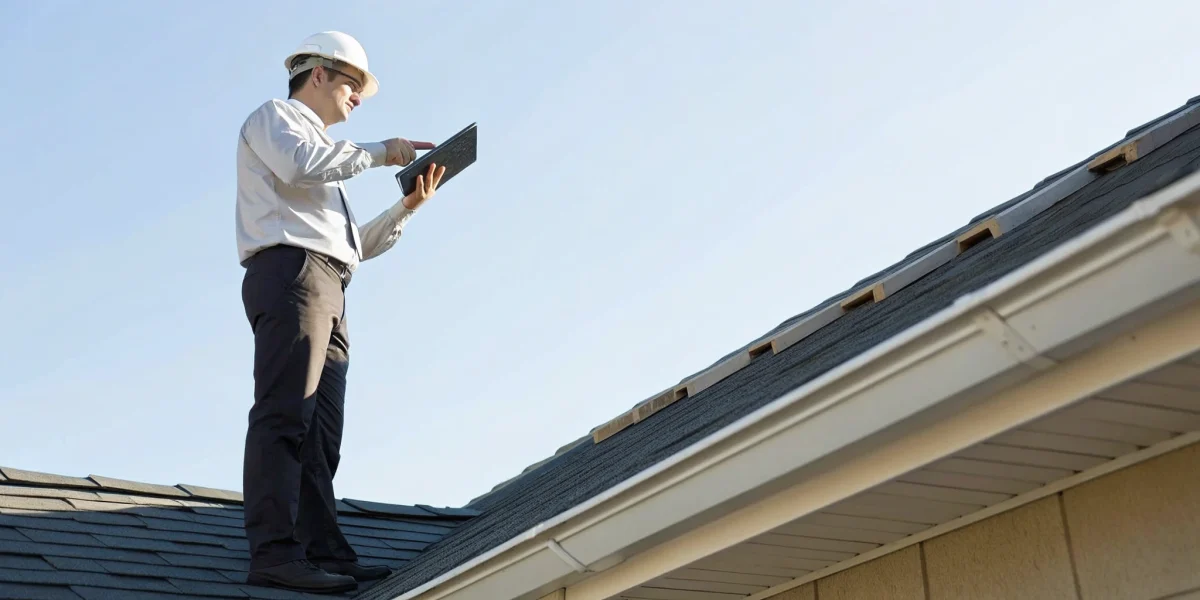
For roofing contractors and construction professionals, your hands-on experience is an incredible asset. You already understand how buildings work and what can go wrong. Shifting your focus to inspections is a natural way to leverage that expertise into a new, profitable career path or an additional service for your existing business. Instead of just fixing problems, you can become the trusted authority who identifies them first. Making that transition successfully means formalizing your skills and gaining the credentials that clients recognize and trust. This is where a professional roof inspector training course comes in, providing the structured knowledge and certification needed to build your credibility. This article will show you how to make that pivot and build on the skills you already have.
Key Takeaways
- The Role is More Than Just Climbing Ladders: A successful roof inspector provides expert, unbiased assessments that protect property owners. This requires a unique combination of physical capability, a sharp eye for detail, and a deep understanding of roofing systems, materials, and safety standards.
- Your Training Program Defines Your Credibility: Becoming a certified inspector is an accessible career path, but the quality of your training matters. Choose a flexible, accredited program from a recognized authority that provides a clear path to a certification that clients and real estate professionals trust.
- Certification is the Start, Not the Finish Line: Building a successful career depends on what you do after training. Focus on smart business practices like professional networking, securing the right insurance, and committing to continuous education to establish your reputation and grow your client base.
What Does a Roof Inspector Actually Do?
Think of a roof inspector as a detective for the home. Your job is to get up on the roof and uncover the story it’s telling—from subtle clues about its age to clear evidence of damage. You’re the expert who assesses the roof’s overall condition, identifies potential problems, and provides a clear, unbiased report that people can rely on. This work is essential for so many people, from homeowners wanting peace of mind to real estate agents trying to close a deal.
Your findings help prevent small issues, like a few loose shingles, from turning into massive, expensive problems like major leaks and structural damage. You’re not just looking at the surface; you’re evaluating the entire roofing system to ensure it’s safe, functional, and ready to protect the property underneath. It’s a role that requires a sharp eye, a solid understanding of construction, and the ability to communicate what you find clearly and effectively. This is where professional training becomes so important, as it equips you with the skills to see what others miss and provide true value to your clients.
A Look at Your Primary Responsibilities
As a roof inspector, your main goal is to conduct a thorough visual and physical evaluation of a roof. You’ll be looking for any signs of wear and tear, defects, or damage from storms and aging. This includes checking for poor attic ventilation that can lead to moisture buildup, identifying cracked or missing shingles, and spotting signs of water intrusion that aren’t obvious from the ground. You are the go-to professional for the various property stakeholders who depend on an accurate assessment. After your inspection, you’ll compile your findings into a detailed report, often with photos, to give your client a complete picture of the roof’s health and recommend any necessary repairs or maintenance.
Understanding the Different Types of Roof Inspections
Not all roofs are created equal, and your inspection techniques will need to adapt to different materials and systems. An asphalt shingle roof has different weak points than a metal or tile roof, and a key part of your job is knowing what to look for in each specific case. For instance, on a metal roof, you’ll check for corrosion and loose seams, while on a tile roof, you’ll be on the lookout for cracked or broken tiles. A comprehensive inspection ensures that every component is working together to create one of the LeakFREE® roofs that homeowners and buyers can trust. This specialized knowledge is what sets a professional inspector apart and makes your service so valuable.
Are You a Good Fit for Roof Inspector Training?
Thinking about a career as a roof inspector? It’s a fantastic path for detail-oriented people who enjoy fieldwork and problem-solving. But is it the right fit for you? Let’s walk through what it takes to succeed, from your educational background to the physical aspects of the job.
What’s the Educational Bar?
You don’t need a four-year degree to get started as a roof inspector. The baseline requirement is typically a high school diploma or an equivalent. While a formal background in construction or engineering can give you a head start, it’s not a must-have. What matters most is your willingness to learn the technical details of roofing systems. Our comprehensive training portfolio is designed to teach you everything you need to know, regardless of your academic background. We focus on giving you the practical knowledge to become a confident and competent inspector.
Helpful Backgrounds That Give You an Edge
If you’ve spent time in the roofing or construction industries, you’re already a step ahead. Many of the best inspectors start as roofing contractors or builders because they bring a hands-on understanding of how buildings work. This experience is invaluable for identifying issues others might miss. Professionals in related fields like real estate, insurance adjusting, or property management also make excellent inspectors. Your background gives you a unique perspective, and our different membership levels are designed to support professionals from all corners of the industry as they grow their expertise.
The Physical Demands of the Job
This is not a desk job. As a roof inspector, your office is often several stories high. You’ll need to be comfortable with heights and physically capable of climbing ladders and safely walking on various roof surfaces, which can be steep or uneven. The job requires good balance, physical stamina, and the ability to work in different weather conditions. If you enjoy being active and working outdoors, you’ll likely find the physical side of the job rewarding. It’s this hands-on work that ensures every roof can meet the high standards required for a LeakFREE® roof certification.
What Will You Learn in a Roof Inspector Course?
A comprehensive roof inspector course is designed to turn you into a trusted expert. It’s not just about spotting a missing shingle; it’s about understanding the entire roofing ecosystem, from the materials and construction to the subtle signs of wear and tear. You’ll learn how to conduct thorough, systematic inspections that protect homeowners and add value to your business. The curriculum covers everything from safety protocols and building codes to the art of writing a clear, professional report. Think of it as building a complete toolkit that allows you to assess any roof with confidence and precision, ensuring you can deliver reliable, actionable insights to your clients every single time.
Mastering Roofing Materials and Systems
A huge part of your training will focus on the different types of roofing materials you’ll encounter in the field. You’ll get a good working knowledge of everything from common asphalt shingles to tile, metal, and flat roofing systems. The goal is to learn how to identify each type, understand its unique performance characteristics, and recognize how it ages over time. This includes spotting common defects, assessing storm damage from wind and hail, and knowing what constitutes a minor repair versus a major problem. This foundational knowledge is what allows you to make accurate assessments and give clients advice they can trust.
Perfecting Inspection Techniques and Damage Assessment
Once you know your materials, you’ll learn the right way to inspect them. This goes far beyond a quick walk-around. Training teaches you a methodical process for examining every part of a roof, ensuring nothing gets missed. You’ll learn how to identify underlying issues that aren’t always obvious, like poor installation, inadequate ventilation, or hidden moisture intrusion. This training will sharpen your inspection expertise, helping you spot everything from subtle signs of wear to critical structural damage. The result is the ability to deliver professional and reliable reports that accurately reflect the roof’s condition and give your clients a clear path forward.
Following Safety Protocols and OSHA Rules
Working on roofs comes with inherent risks, which is why safety is a cornerstone of any quality training program. You’ll learn how to protect yourself and others by following established safety protocols and OSHA guidelines. This includes understanding the requirements for fall protection, ladder safety, and how to assess a roof for potential hazards before you even step on it. Proper training ensures you can perform your job safely and professionally, minimizing risks and maintaining a secure work environment. Adhering to these standards isn’t just about compliance; it’s about building a sustainable career and a reputation for professionalism.
Creating Professional Reports and Documentation
The final product of your inspection is the report, and its quality reflects directly on you. A good training course will teach you how to compile your findings into a clear, detailed, and easy-to-understand document. You’ll learn what information to include, how to use photos effectively, and how to articulate your assessment in a professional tone. Using specialized inspection software can streamline this process, helping you generate consistent and thorough reports every time. This documentation is what your clients rely on to make major financial decisions, so learning to do it well is a critical skill for any successful inspector.
Understanding Building Codes and Industry Standards
Roofing work doesn’t happen in a bubble—it’s governed by a complex set of local building codes and industry standards. Your training will give you a solid understanding of these regulations and why they matter. Compliance is essential for ensuring a roof is not only safe and effective but also legal. Knowing the codes helps you identify work that wasn’t done correctly and advise clients on what’s needed to bring their property up to standard. This knowledge protects building owners from expensive mistakes and positions you as a true expert who can guide them through complex roofing projects.
A Look Inside NRCIA’s Specialized Training
At NRCIA, our training is built to give you a competitive edge. We offer a variety of online courses and resources designed for roofing professionals who want to master the art of inspection. Our curriculum goes beyond the basics, with a special focus on our industry-leading LeakFREE® Certifications. You’ll learn the specific standards and techniques required to certify a roof as LeakFREE®, a unique credential that provides immense value to homeowners and real estate professionals. Our training portfolio is designed to be accessible and practical, giving you the specialized knowledge you need to stand out in the market and build a more profitable business.
Common Hurdles in Roof Inspector Training (and How to Clear Them)
Starting any new training program can feel like a big step, and roof inspection is no different. You’re learning a new skill set that requires a sharp eye, technical knowledge, and a commitment to quality. While the path is straightforward, you might encounter a few common challenges along the way. But don’t worry—these are less like roadblocks and more like stepping stones. The key is knowing what to expect and having a plan to handle them.
Most aspiring inspectors find themselves working through four main areas: learning the industry’s technical language, getting practical field experience, balancing training with a busy schedule, and finding truly reliable educational resources. It might sound like a lot, but every successful inspector has cleared these same hurdles. With the right mindset and a structured program, you can move through them efficiently and confidently. A great training portfolio will give you the tools and support you need to turn these challenges into strengths, setting you up for a successful career from day one.
Getting a Grip on Technical Terms
When you first start, the world of roofing can sound like it has its own language. You’ll hear terms like “flashing,” “underlayment,” “soffit,” and “fascia,” and you’ll need to understand what they mean and how they function together. You’ll also learn to identify specific issues, from granule loss on shingles to the effects of poor attic ventilation. It can feel a bit overwhelming at first, but a solid training course is designed to build your vocabulary systematically. Instead of just memorizing definitions, a quality program will teach you the why behind each component, helping you understand how a roof system works and, more importantly, how it fails.
Finding Opportunities for Hands-On Experience
You can learn a lot in a classroom or online module, but nothing replaces real-world experience. One of the biggest questions new inspectors have is how to get their hands dirty—safely and effectively. The best approach is to seek out chances to see roofing systems up close. You could shadow a seasoned inspector for a day, connect with local roofing contractors, or draw on a background in construction. This practical application is where the theory clicks into place. Joining a professional organization like the NRCIA is a great way to build your network and find mentors who can provide these invaluable learning opportunities.
Juggling Training with Your Other Responsibilities
Life is busy. Very few people can drop everything to attend a full-time training program. Whether you have a current job, family commitments, or other obligations, flexibility is essential. This is where online, self-paced training really shines. It allows you to study when it works for you—whether that’s early in the morning, late at night, or on the weekends. You can progress through the material at a speed that fits your life without the pressure of rigid deadlines. This approach makes a career in roof inspection accessible to anyone with the drive to learn, regardless of their current schedule.
How to Access Quality Training Resources
The internet is filled with information, but not all of it is accurate or comprehensive. When you’re building a professional career, you need resources you can trust. While some organizations offer free introductory materials, investing in a specialized, in-depth program provides a much clearer path to success. A top-tier training provider offers a structured curriculum, expert instructors, and industry-recognized credentials. For example, NRCIA members not only receive training but also gain access to proprietary inspection software and a community dedicated to the highest standards in the industry, ensuring you’re learning from the best.
How to Choose the Right Roof Inspector Training Program
Picking a training program is a big step, and it’s worth taking the time to find the one that aligns with your career goals. With so many options out there, it’s easy to feel overwhelmed. The key is to look past the marketing and focus on what a program truly offers: the quality of its curriculum, the credibility of its certification, the flexibility of its format, and the support it provides after you’ve completed the course. Think of this as an investment in your future business. The right training won’t just teach you how to inspect a roof; it will give you the tools, credentials, and network to build a successful and trusted career.
When you’re comparing programs, ask yourself what you want to achieve. Are you looking to start your own inspection business, add a new service to your existing contracting company, or specialize in a niche like commercial properties? Your answer will help you zero in on a curriculum that matches your ambitions. A solid program should offer a clear path from learning the fundamentals to earning a certification that clients and real estate professionals respect. Let’s break down the most important factors to consider so you can make a choice that feels right for you.
The Benefits of Training with NRCIA
When you’re looking for a program that covers all the bases, NRCIA is a great place to start. We offer a comprehensive training program that covers essential aspects of roof inspections, blending both theoretical knowledge with practical, hands-on skills. Our courses are designed to give you the tools you need to succeed in the field from day one. Beyond the fundamentals, our training prepares you for our exclusive LeakFREE® Certification, the only standardized roof warranty in the industry. This isn’t just another certificate; it’s a powerful selling point that gives your clients unmatched peace of mind and sets your business apart from the competition.
Why Accreditation and Industry Recognition Matter
In an industry where trust is everything, your credentials matter. Accreditation is crucial because it establishes a standard of quality and professionalism that clients can rely on. It’s a clear signal that you’ve been trained to a high standard and are committed to excellence. Choosing a program from a nationally recognized organization like NRCIA gives you instant credibility. This recognition helps homeowners, real estate agents, and insurance companies identify qualified inspectors and builds the trust you need to grow your business. When your certification is backed by a respected authority, you’re not just selling a service—you’re providing confidence.
Finding a Course Format That Fits Your Life
Let’s be real: you have a life and a job, and you need a training program that works with your schedule, not against it. Flexibility is key. Many organizations offer online education, which is a fantastic option for balancing work and study. Whether you prefer a self-paced course that you can tackle on weekends or a more structured virtual classroom, look for a format that suits your learning style. The goal is to absorb the material without burning out. Our training portfolio is designed with busy professionals in mind, offering accessible options so you can gain new skills on your own terms.
What to Look for in Instructors and Support Systems
A course is only as good as the people who teach it. When you’re evaluating a program, consider the experience and qualifications of the instructors. Are they seasoned professionals with real-world field experience? Great teachers don’t just recite facts; they share insights that you can’t find in a textbook. Beyond the classroom, look for programs that offer mentorship or support systems to help you through your early career. At NRCIA, we believe training is just the beginning. Our different membership levels provide ongoing support, a network of fellow professionals, and access to tools like our inspection software to help you succeed long after you’re certified.
Your Path to Certification After Training
Completing a roof inspector training course is a huge accomplishment, but it’s really just the beginning. The next step is turning that knowledge into a credential that clients and employers trust. Certification is what validates your expertise and sets you apart in the industry. Think of it as the official seal of approval on your skills, showing that you’ve met a high standard of competence and professionalism. Many insurance companies also prefer or require certified inspectors for insurance-related roof inspections, making it a practical necessity for growing your business.
This is where you move from learning the theory to applying it in a way that builds your career and reputation. The right certification not only opens doors to more opportunities but also gives your clients peace of mind, knowing they’re working with a true professional. At NRCIA, we’ve designed a clear path to help you achieve a certification that carries weight and offers tangible benefits for your business. Our process ensures you’re not just trained but also fully equipped to provide top-tier, reliable inspections that protect property owners and add value to every transaction.
The NRCIA LeakFREE® Certification Process
The NRCIA LeakFREE® Certification is our hallmark credential, representing the industry’s highest standard for roof protection. After completing your training, you can become certified to inspect and certify roofs under this program. This isn’t just a piece of paper; it’s your entry into providing the only standardized roof warranty in the business. When you certify a roof as LeakFREE®, you’re offering your clients a tangible promise of quality and protection against leaks. This unique offering helps you build trust and gives you a significant competitive edge. Many homeowners and real estate professionals specifically seek out NRCIA-certified inspectors because they know our certification guarantees a thorough, high-quality inspection.
Navigating State Licensing Requirements
Once you’re trained, you’ll need to get familiar with your state’s specific licensing requirements. These rules can vary quite a bit from one state to another, and staying compliant is crucial for running a legitimate business. It’s not just about following the law—it’s about protecting both yourself and your clients. Understanding these regulations ensures that your work meets local standards and that you’re operating on solid legal ground. As an NRCIA member, you gain access to a network and resources that help you understand the requirements in your area, so you can focus on performing quality inspections without worrying about compliance issues.
Exploring Registered Roof Observer (RRO) Certification
As you grow in your career, you might consider other credentials like the Registered Roof Observer (RRO) certification from IIBEC. An RRO plays a key role during roof installations, acting as an on-site quality assurance professional to ensure the project follows all specifications and industry standards. While the NRCIA’s LeakFREE® Certification focuses on the inspection and warranty of existing roofs, the RRO credential is centered on overseeing new construction and roof replacement projects. For some inspectors, adding an RRO certification can be a great way to diversify their services and take on different types of work within the roofing industry.
Why Continuing Education is Key
The roofing industry is always changing. New materials hit the market, building codes get updated, and inspection technologies become more advanced. That’s why your education doesn’t stop once you get certified. Committing to ongoing learning is essential for staying relevant and providing the best possible service to your clients. Continuing education keeps your skills sharp and ensures you’re always up-to-date on the latest best practices. We provide an extensive training portfolio to help our members stay ahead, because we believe the best inspectors are the ones who never stop learning.
Breaking Down the Cost of Roof Inspector Training
Investing in your career is one of the smartest moves you can make, and becoming a certified roof inspector is no exception. Before you commit, it’s wise to get a clear picture of the total financial investment. The cost isn’t just about the price of a course; it’s a combination of training fees, certification expenses, tools, and insurance. Thinking about these costs upfront helps you create a realistic budget and a solid business plan from day one.
Think of it less as an expense and more as the foundation for a rewarding career. The initial investment can feel significant, but it’s what sets you up for long-term success, higher earning potential, and professional credibility. We’ll walk through the primary costs you can expect, from membership and training fees to the other essentials you’ll need to get started. We’ll also look at how you can calculate your potential return, so you can see how this investment pays off down the road.
NRCIA Membership and Training Fees
Training costs can vary quite a bit across the industry. While some organizations offer free introductory courses, a comprehensive certification program that gives you a true professional edge involves a direct investment. With NRCIA, your training is integrated into your membership, which provides a complete ecosystem for your business. Instead of just paying for a single course, you gain access to our entire training portfolio, specialized inspection software, and a community of professionals.
The exact cost depends on the membership level you choose, with each tier designed to support you at different stages of your career. This structure ensures you get everything you need to not only learn the trade but also to build and operate a successful inspection business right from the start.
Planning for Additional Certification Costs
Your initial training and membership are just the first step. To operate as a professional, you’ll need to budget for a few other key items. Depending on your state, you may have licensing fees to consider. You’ll also need general liability and errors and omissions (E&O) insurance to protect yourself and your business. Many clients, especially insurance companies and real estate professionals, will require you to be insured.
Don’t forget about the tools of the trade. At a minimum, you’ll need a quality ladder, a camera for documentation, and basic safety gear. As you grow, you might invest in more advanced equipment like moisture meters or drones. These additional costs are essential for establishing your credibility and delivering the high-quality service clients expect.
Calculating Your Potential Return on Investment
Now for the important part: how does this investment pay off? A career as a certified roof inspector offers significant financial stability, with average annual earnings falling between $45,000 and $75,000. Your certification is what allows you to tap into this potential. It signals to clients that you have a verified skill set, which justifies higher inspection fees and opens doors to more consistent work with real estate agents, property managers, and insurance carriers.
By becoming an NRCIA member, you can also offer exclusive services like the LeakFREE® roof certification, a unique selling point that sets you apart from the competition. When you weigh the upfront costs against the potential for a stable, well-paying career, the return on your investment becomes clear.
What Career Paths Can a Certified Roof Inspector Take?
Earning your roof inspector certification isn’t just about adding a line to your resume—it’s about opening doors to a variety of rewarding career paths. With specialized knowledge and a credible credential, you can shape a career that fits your goals, whether you dream of being your own boss or becoming an indispensable expert for established companies. Your skills will be in demand across several industries, giving you the flexibility to find the role that’s right for you. Let’s look at some of the most common and promising avenues you can pursue once you’re certified.
Launching Your Own Consulting and Inspection Service
If you have an entrepreneurial spirit, starting your own inspection business is a fantastic way to take control of your career. Many of the best inspectors come from roofing or construction backgrounds, using their hands-on experience as a solid foundation for understanding complex roofing systems. As an independent inspector, you set your own schedule, build your own client base, and become the go-to expert in your community. This path offers the ultimate autonomy, allowing you to build a business that reflects your standards and expertise. You can explore different NRCIA membership levels to find the support and resources that match your business ambitions.
Working with Roofing Contractors and Insurance Companies
Certified inspectors are highly valued by roofing contractors and insurance companies for their objective, expert assessments. Contractors often hire inspectors to provide third-party verification of their work, adding a layer of quality assurance that builds client trust. Meanwhile, insurance companies rely on certified professionals for accurate damage assessments for claims. Many insurers prefer or even require reports from certified inspectors, creating a steady demand for those who can provide detailed, unbiased evaluations. In this role, you become a trusted partner, ensuring fairness and accuracy for everyone involved.
Finding Your Niche in Real Estate and Property Management
The real estate market is another area where certified roof inspectors are essential. Your expertise provides peace of mind during property transactions, assuring buyers, sellers, and agents of a roof’s condition, safety, and expected service life. A LeakFREE® roof certification can be a major selling point, helping to close deals faster and with more confidence. Property management firms also depend on regular inspections to maintain their portfolios and prevent costly future repairs. You can even specialize in local requirements, such as performing inspections for California’s SB 721 to assess elevated exterior elements.
A Look at Your Earning Potential and the Job Market
A career as a certified roof inspector offers both financial stability and opportunities for growth. On average, roof inspectors can earn between $45,000 and $75,000 annually, with experienced, independent inspectors often earning more. The demand for qualified professionals is on the rise as more property owners and businesses understand the importance of proactive roof maintenance and assessment. By investing in a quality training portfolio, you position yourself to meet this growing demand and build a secure, long-term career. Your certification is the key to demonstrating your value and commanding a professional salary.
How Long Does It Take to Become Certified?
This is a great question, and the answer depends on your background and the path you choose. The good news is that becoming a certified roof inspector is a very achievable goal. It’s not about spending years in a classroom; it’s about combining focused training with practical, hands-on learning. Think of it as two parallel tracks: completing a formal training program and building real-world experience. Some people move through the process in a few weeks, while others take a few months to fit training around their existing work schedule. The key is to find a program that works for you and to stay committed to learning both the theory and the practice of roof inspection.
Your Training and Certification Timeline
The formal training portion of your certification can be surprisingly fast. With self-paced online courses, you can work through the material on your own schedule. Many aspiring inspectors complete their initial coursework in just a few weeks. The timeline really comes down to how much time you can dedicate each day. It’s important to choose a recognized certification, as many insurance companies and real estate professionals require it for their inspections. The NRCIA’s training portfolio is designed to be comprehensive and flexible, giving you a clear path from learning the fundamentals to earning your certification without unnecessary delays.
Completing the Certification Process
Once you finish your training course, the next step is the certification exam. This is where you demonstrate your understanding of roofing systems, defect recognition, and safety protocols. Successfully passing the exam is what officially earns you your credential. For example, after completing an online video course, you should be able to confidently perform a residential roof inspection. The process is designed to confirm you have the core knowledge to do the job right. Achieving certification opens up new professional opportunities and access to different membership levels that provide ongoing support, tools, and resources to help you build your business.
The Importance of Building Practical Experience
Your certification is your license to learn, but true expertise is built in the field. Textbooks and videos can’t replace the value of seeing different roofing scenarios up close. That’s why it’s so important to seek opportunities to work alongside experienced inspectors. Many of the best inspectors started out as roofing contractors or in other construction roles, giving them a solid foundation before they ever stepped into an inspector role. This hands-on experience is what will set you apart and build your confidence, allowing you to accurately assess any roof you encounter and serve your clients effectively.
How to Succeed After You’re Certified
Earning your roof inspector certification is a huge accomplishment, but it’s really the starting line for your career, not the finish line. The real work begins now: building a business, establishing your reputation, and creating a steady stream of clients. Success doesn’t happen by accident. It’s the result of a deliberate strategy that combines your technical skills with smart business practices.
Think of your certification as your license to drive; now you have to learn the roads. This means building a strong professional network, finding mentors who can offer guidance, committing to lifelong learning, and getting your business operations in order. By focusing on these key areas right from the start, you can build a career that’s not just successful, but also sustainable and respected within the industry. It’s about turning your new credential into a thriving professional practice that clients trust and recommend.
Building Your Professional Network
Your technical skills will get you in the door, but your network will keep you there. Building relationships with other professionals is one of the most effective ways to grow your business. Many new inspectors start by working for established home inspection companies or roofing contractors to gain experience and build their reputation. This is a great way to make initial connections. You should also connect with real estate agents, property managers, and insurance adjusters—the very people who will be looking for your services. Joining an organization like the NRCIA instantly connects you with a community of peers and potential partners who understand the industry and the clients we serve.
Finding Mentorship and Guidance
There’s no substitute for experience, but learning from someone else’s is the next best thing. A good mentor can help you sidestep common pitfalls and accelerate your growth. Seek opportunities to work alongside seasoned inspectors, even if it’s just shadowing them for a few jobs. This hands-on observation is invaluable. Don’t be afraid to reach out to established professionals in your area whose work you admire. Being part of a professional association provides a natural way to meet experienced inspectors who are often willing to share their knowledge. The connections you make through your NRCIA membership can be a fantastic source for mentorship.
Tapping into Continuing Education Resources
Roofing technology, materials, and building codes are constantly evolving, and your expertise needs to keep pace. Your initial training gives you a solid foundation, but continuing education is what keeps you at the top of your field. Committing to ongoing learning shows clients and partners that you are a dedicated professional. Look for workshops, webinars, and advanced courses that expand your skillset. The NRCIA’s training portfolio offers specialized education to help you stay current and deepen your knowledge, ensuring you can confidently inspect any roof, no matter the material or system.
Handling Insurance and Liability
As a roof inspector, you’re taking on significant responsibility, and you need to protect yourself and your business. Securing the right insurance, like Errors and Omissions (E&O) and General Liability, is non-negotiable. This coverage protects you if a client claims you made a mistake during an inspection. Beyond protection, being properly insured builds trust. In fact, many insurance companies and real estate professionals prefer or require certified inspectors for their transactions. Following a standardized inspection process and offering a warranty, like the LeakFREE® roof certification, can also help manage your liability while providing incredible value to your clients.
Related Articles
- LeakFREE® Roofs – NRCIA
- What is a LeakFREE® Roof Certification? | NRCIA
- Certified Roof Leaks: What if a Leak Occurs? | NRCIA
- LeakFREE® Roof Certifications
- What does a LeakFREE® Roof Certification cover? – NRCIA
Frequently Asked Questions
Do I need to be a roofer before I can become an inspector? Not at all. While a background in roofing or construction gives you a great head start, it’s definitely not a requirement. The most important qualities are being detail-oriented and willing to learn the technical side of how roof systems work. A comprehensive training program is designed to teach you everything from the ground up, giving you the knowledge to assess a roof confidently, regardless of your previous career.
What makes the NRCIA LeakFREE® certification different from other credentials? The main difference is the value it provides to your clients. Most certifications simply state that you’ve passed a course. The NRCIA LeakFREE® certification is unique because it allows you to offer the industry’s only standardized roof warranty. This means you’re not just delivering a report; you’re providing a tangible promise of protection against leaks, which is a powerful tool for building trust and setting your business apart.
How quickly can I start earning money after getting certified? You can start your business as soon as you’re certified and have your insurance in place. Your initial income will depend on how effectively you build your network. Many new inspectors find their first clients by connecting with local real estate agents, property managers, and roofing contractors. The demand is steady, so by actively marketing your services, you can begin generating income relatively quickly.
Is this a physically demanding job? What are the real-world challenges? Yes, you should be prepared for the physical side of the work. You’ll need to be comfortable with heights, capable of carrying and climbing ladders, and confident walking on sloped or uneven surfaces. The job also means working outdoors in various weather conditions, from summer heat to chilly mornings. It’s an active role that requires good balance and stamina, but it’s also very rewarding if you enjoy being out in the field instead of behind a desk.
Besides the training, what’s the biggest factor for success in this field? Your ability to build relationships is just as important as your technical skill. Your expertise gets you the job, but your professionalism and network will create a steady stream of work. Focus on making strong connections with real estate agents, insurance adjusters, and contractors. When they trust you to provide reliable, clear, and unbiased reports, they will call you again and again. Your reputation is your most valuable asset.
