
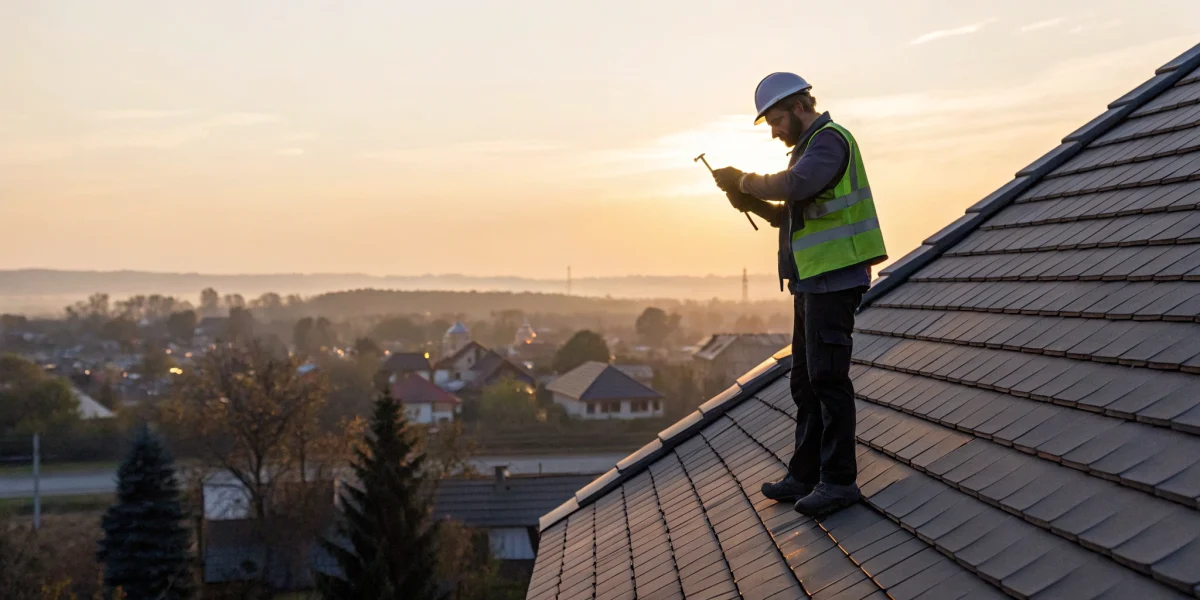
Let’s get straight to the point: is the investment in a roof inspector certification worth the financial return? When you see a high roof inspector course cost, it’s natural to wonder how long it will take to make that money back. Your earning potential is directly tied to your credentials. A respected certification proves your expertise, giving homeowners, real estate agents, and insurance companies the confidence to hire you. It’s the key that opens the door to higher-paying jobs and a stable career. We’ll explore the typical salaries for certified inspectors and show you how the right training pays for itself.
Key Takeaways
- Evaluate the entire package, not just the price tag: A certification’s true value comes from its industry recognition, included business tools like software, and ongoing support. A higher initial cost for a comprehensive program often provides a better long-term return on your investment.
- Plan for the total cost of being a professional: Your budget should extend beyond the initial course fee to include annual membership dues, continuing education, and essential equipment. These ongoing costs are necessary to maintain your credentials and professional standing.
- Your certification level directly influences your income: While basic training can get you started, a premium certification is what allows you to offer specialized services, attract higher-paying clients, and build a more profitable career.
Comparing Roof Inspector Certification Programs
Choosing a roof inspector certification program is a big step, and it’s smart to weigh your options. The right program for you depends on your career goals, your budget, and how deep you want to go. Some courses offer a quick entry into the field, while others provide comprehensive training, business tools, and a nationally recognized credential. Think of it as choosing a path—each one leads to a different destination. Let’s walk through some of the most well-known programs so you can see how they stack up and find the one that aligns with your ambitions.
NRCIA Certification
If you’re looking to build a serious, professional inspection business, the NRCIA is the gold standard. Our program is designed to give you everything you need to succeed, from in-depth technical training to business support. Full membership costs $2,999 per year and includes access to our proprietary inspection software and the ability to offer the industry’s only standardized LeakFREE® Roof Certification. This isn’t just a course; it’s a complete business system. We also offer affiliate membership levels starting at $799 per year, making it accessible for inspectors looking to grow with a trusted national brand.
InterNACHI Certification
For those just starting or home inspectors wanting to add a roofing credential, the International Association of Certified Home Inspectors (InterNACHI) offers a very accessible route. To become a certified roof inspector through their program, you first need to join InterNACHI as a member. Once you’re in, you can take their “How to Perform Roof Inspections” course online for free. This path is a great way to get your feet wet without a significant financial commitment, giving you a foundational understanding of roof inspection principles before you decide to pursue more specialized training.
NRCA Certification
The National Roofing Contractors Association (NRCA) provides a certification that is well-respected within the contracting community. With costs ranging from $800 to $1,500, this program is a solid mid-range option for roofing professionals who want to formalize their expertise and add a credible certification to their resume. It’s a valuable credential that demonstrates a commitment to industry standards and can help you stand out to clients who recognize the NRCA name. This is a great choice for experienced contractors looking to validate their skills.
HAAG Engineering Certification
When you hear “HAAG,” think “forensics.” The HAAG Engineering certification is an intensive, high-level program known for its rigorous, science-based approach to damage assessment. The five-day course typically costs between $2,000 and $3,000 and is the top choice for inspectors who plan to work with insurance adjusters or specialize in storm damage claims. Earning a HAAG certification signals that you have an expert-level ability to accurately identify and assess roof damage, making it a powerful credential in the insurance and legal fields.
FORTIFIED Training Programs
The FORTIFIED program is a bit different—it’s less about general inspection and more about building stronger, more resilient roofs. For a very low cost of around $150, you can get trained and certified in its specific methods for protecting homes against severe weather like hurricanes and high winds. This is an excellent, budget-friendly credential to add to your skill set, especially if you work in a coastal or storm-prone region. It shows homeowners and builders that you have specialized knowledge in making their roofs safer and more durable.
State-Specific Programs
Don’t forget to check your local requirements. Some states have their own licensing or certification programs for roof inspectors, and costs can range from $300 to $800. These programs vary quite a bit in terms of what they cover and what’s required to pass. Before you invest in any national certification, do a little research to see what your state mandates. Fulfilling local requirements is a critical first step, and a state-specific program might be a necessary part of your overall training portfolio.
How Much Does Roof Inspector Training Cost?
When you decide to become a roof inspector, one of the first questions you’ll ask is, “What’s the investment?” The truth is, there’s no single price tag. The cost of roof inspector training varies widely, depending on the depth of the curriculum, the reputation of the certifying body, and the career level you’re aiming for. Think of it like any other professional education—you can start with the essentials to get your foot in the door or go for an advanced program that establishes you as an expert from day one.
The price can range from a few hundred dollars for a basic, state-level course to several thousand for a comprehensive certification that includes software, ongoing support, and a nationally recognized credential. It’s helpful to break down the costs into tiers: entry-level, mid-range, and premium. Each level offers a different set of skills and opens up different opportunities. Understanding what you get at each price point will help you choose the right path for your career goals and budget, ensuring you make a smart investment in your future.
Entry-Level Courses: What to Expect
If you’re just starting, foundational courses are the perfect place to begin. These programs are designed to give you the core knowledge you need to perform basic inspections. You can find courses from organizations like the International Association of Certified Home Inspectors (InterNACHI) that typically cost between $500 and $1,200.
Similarly, the National Roofing Contractors Association (NRCA) offers programs that range from $800 to $1,500. Many states also have their own specific programs, which are often the most affordable option, usually falling between $300 and $800. These courses cover the fundamentals and are a great way to enter the industry without a massive upfront investment.
Mid-Range Programs: Stepping Up Your Skills
Once you have some experience or if you’re ready to build a more serious business, mid-range programs offer the tools to grow. These certifications provide more than just basic knowledge; they often include business resources, marketing support, and a stronger professional network. For example, our NRCIA membership gives you access to comprehensive training, inspection software, and the credibility of the LeakFREE® Certification.
An affiliate membership starts at $799 per year, while the full membership is $2,999 per year. This level of training is an investment in your professional reputation, helping you stand out from the competition and offer more value to your clients.
Premium Certifications: Investing in Your Career
For inspectors who want to be at the top of their field, premium certifications are the way to go. These intensive programs are for professionals who handle complex projects, like assessing major storm damage or working with insurance companies. The HAAG Certified Inspector program is a well-known example, with courses costing between $2,000 and $3,000.
This investment gives you highly specialized skills that are in demand across the country. Earning a premium certification signals to clients and employers that you have an expert-level understanding of roofing systems, which can lead to higher-paying opportunities and a reputation as a go-to authority in the industry.
Planning for Annual Fees and Ongoing Costs
The initial course fee is just the beginning. Most certifications require you to pay annual dues and complete continuing education credits to keep your credentials active. This is actually a good thing—it ensures you stay current with the latest roofing materials, installation techniques, and industry standards.
These ongoing costs are a normal part of being a licensed professional, whether you’re an accountant or a roofer. When you’re budgeting for your training, be sure to account for these recurring fees. Staying on top of your education is key to maintaining your credibility and providing the best possible service to your clients throughout your career.
What Determines the Price of a Roof Inspector Course?
When you start looking at roof inspector courses, you’ll notice the prices can vary quite a bit. It’s not just random—several key factors influence the cost of certification. Understanding what goes into the pricing helps you see beyond the sticker price and evaluate the true value of a program. Think of it less as a cost and more as an investment in your career. A higher price might mean you’re getting access to better tools, a more respected credential, or more comprehensive training that pays for itself down the road. Let’s break down the main elements that determine the price of a roof inspector course so you can find the right fit for your goals and budget.
Program Reputation and Recognition
The reputation of the organization offering the certification is a major factor in its cost. A credential from a nationally recognized industry leader simply carries more weight. Programs from well-established associations often have higher price points because their certifications are trusted and respected by clients, from homeowners to real estate professionals. When you earn a certification from a reputable source, you’re buying more than just a piece of paper; you’re gaining credibility. This recognition can open doors to more opportunities and allow you to command higher fees for your inspection services, making it a worthwhile investment in your professional standing.
Online vs. In-Person Training
How you learn also plays a big role in the overall cost. Online training is typically the more affordable option. It cuts out expenses like travel, lodging, and time away from work, offering the flexibility to learn at your own pace from anywhere. On the other hand, in-person classes provide hands-on experience and direct interaction with instructors, but these benefits usually come with a higher price tag. When choosing, consider your learning style and budget. Many professionals find that modern online training programs offer a great balance of in-depth instruction and practical convenience without the added costs of travel.
Included Materials, Software, and Tools
When you compare course prices, be sure to look at what’s included. A lower-cost program might only cover the basic educational content, leaving you to purchase books, tools, and software separately. More comprehensive, premium programs often bundle everything you need to get started. This can include training manuals, exam fees, marketing materials, and even proprietary inspection software designed to streamline your workflow. A program that includes these resources might have a higher upfront cost, but it can save you money and time in the long run by equipping you with essential tools from day one.
How Your Location Affects Pricing
Where you live and work can influence both training costs and your potential income. For in-person courses, pricing can differ from city to city based on local operating costs. More importantly, the demand for certified inspectors in your area affects the value of your certification. In regions with frequent storms, a booming real estate market, or specific state requirements like California’s SB 721, a top-tier certification can be especially valuable. Understanding your local market helps you decide how much to invest in a certification, as a respected credential can give you a significant competitive edge.
Budgeting for Costs Beyond the Course Fee
When you’re mapping out your budget for becoming a certified roof inspector, the course fee is just the starting point. To get a complete picture of your investment, you need to look at the other costs that come with building a professional career. Think of it like buying a car—the sticker price is one thing, but you also have to account for insurance, gas, and maintenance to actually get on the road.
Similarly, your training program is the vehicle, but you’ll also need to budget for exams, professional memberships, ongoing education, and the right gear. These additional costs aren’t just “extras”; they are essential components that establish your credibility, keep your skills sharp, and equip you to do the job safely and effectively. Planning for these expenses from the beginning will help you avoid surprises and set you up for long-term success in the field. Let’s break down what you should expect to pay for beyond the initial training.
Exam and Testing Fees
Once you complete your training course, the next step is usually a final exam to earn your certification. Many programs roll this into the course price, but some require a separate fee for testing. It’s also important to consider the costs associated with the certifications you’ll offer your clients. For example, the cost to provide a one-year LeakFREE® roof certification to a homeowner is $250. While this is a business expense for you, it’s a powerful service that adds immense value for your clients and helps you stand out in the market. Think of these fees less as a cost and more as an investment in your professional authority.
Membership and Renewal Dues
Joining a professional organization is one of the best ways to build your network and stay connected to the industry. These organizations typically require annual membership dues, which are a crucial part of your budget. For instance, a full NRCIA membership costs $2,999 per year, while an affiliate membership starts at $799. These fees grant you access to a wealth of resources, ongoing support, and a community of fellow professionals. Maintaining your membership ensures you remain in good standing and can continue to leverage the association’s reputation to grow your business.
The Cost of Continuing Education
The roofing industry doesn’t stand still. New materials, building codes, and inspection technologies emerge all the time. Because of this, most reputable certification bodies require you to complete continuing education to maintain your credentials. This means you’ll need to budget for annual dues and additional courses to stay current. This commitment to ongoing learning is what separates the pros from the amateurs. Investing in your training portfolio ensures you’re always providing the most accurate and reliable inspections for your clients, which protects your reputation and theirs.
Investing in Your Gear and Software
You can’t perform a thorough inspection without the right tools. Your initial equipment costs will include essentials like a sturdy ladder, a safety harness, a good camera, and other measurement tools, which can run anywhere from $500 to $1,500. Beyond the physical gear, professional inspection software is a game-changer. It helps you streamline your workflow, create detailed reports, and manage your client data efficiently. Investing in high-quality equipment and software not only makes your job easier but also demonstrates your professionalism and commitment to delivering top-notch work. Don’t cut corners here—your safety and the quality of your reports depend on it.
Finding Free or Low-Cost Training Options
Becoming a certified roof inspector is a smart career move, but the cost of training can feel like a hurdle. The good news is that you don’t need a huge budget to get the credentials you need. With a little resourcefulness, you can find high-quality training that’s either free or very affordable. Think of it as your first test as an inspector: finding the best value and the smartest path forward. From free online courses offered by industry leaders to state-funded programs and employer sponsorships, there are plenty of ways to get certified without breaking the bank. These options allow you to gain the skills and credentials that make you stand out to clients and employers. Let’s walk through some of the most effective ways to find training that fits your budget.
Exploring Free Courses from InterNACHI
A great place to start your search is with the International Association of Certified Home Inspectors (InterNACHI). They offer a fantastic, free online course called “How to Perform Roof Inspections” that covers all the fundamentals you need to know. Completing this course gives you a solid foundation and, just as importantly, allows you to use the official Roof Inspector logo on your marketing materials. This is a huge advantage when you’re building your brand, as it immediately signals a level of professionalism and training to potential clients. It’s a no-cost way to add a credible credential to your name and show that you’re serious about your craft.
Finding Low-Cost FORTIFIED Training
If you have a small budget to work with, the FORTIFIED program is an excellent choice. For around $150, you can get a comprehensive training package that includes the final exam. This program is specifically designed to teach you how to inspect roofs to a higher standard of resilience against severe weather like hurricanes and high winds. Earning a FORTIFIED certification not only equips you with specialized skills but also makes you more valuable to homeowners and insurers in disaster-prone areas. It’s a small investment that provides a deep well of knowledge and a credential that carries significant weight in the industry, demonstrating your expertise in building stronger, safer roofs.
Checking for State-Sponsored Programs
Don’t overlook resources in your own backyard. Many states have programs designed to help professionals get the training they need at a reduced cost, with expenses often falling between $300 and $800. These state-sponsored programs can be a fantastic way to access high-quality education and certification without paying the full price. A quick search for roofing or contractor training grants in your state can point you in the right direction. These initiatives are put in place to build a more skilled local workforce, so taking advantage of them is a win-win for both you and your community. It’s worth spending some time researching what your state has to offer.
Getting Your Employer to Fund Your Training
If you’re already working for a roofing company, you may have a powerful resource right in front of you: your employer. Many companies are willing to invest in their employees’ professional development because it directly benefits the business. A certified inspector on staff enhances the company’s reputation, expands its service offerings, and ensures a higher quality of work. Frame your request as an investment, not an expense. Explain how your new skills will contribute to the company’s success. You can start by discussing training funding with your manager and presenting a clear plan that outlines the costs and the return on investment for the business.
How Much Can a Certified Roof Inspector Earn?
One of the biggest questions you probably have is about the money. Is investing in a roof inspector course actually worth it? The short answer is yes. Becoming a certified roof inspector opens up a stable and rewarding career path with significant earning potential. Your income will depend on several factors, including your experience level, where you live, and whether you work for a company or run your own business. But one thing is certain: certification is the key to maximizing your earnings.
Think of it this way: clients, from homeowners to real estate professionals, want to work with inspectors they can trust. A roof is one of the most critical and expensive components of a building, and nobody wants to take a chance on an unqualified opinion. A certification proves you have the skills and knowledge to do the job right. It gives you instant credibility and allows you to command higher fees for your services. In this field, your expertise is your greatest asset, and a certification is the best way to showcase it. We’ll break down what you can expect to earn as you start your career, how your income can grow over time, and how to think about the return on your initial investment in training.
Starting Salaries for New Inspectors
When you’re just starting out with a new certification, you can expect to make a solid living. In the U.S., new certified roof inspectors earn an average of around $54,939 per year, which breaks down to about $26.41 an hour. This is a strong starting point that provides a stable foundation to build upon.
Of course, this figure can vary depending on your local market and the company you work for. But it shows that you can step into this career and immediately begin earning a good income. This initial salary is just the beginning, offering a launchpad for a career with plenty of room for financial growth as you gain hands-on experience and build your reputation in the industry.
Earning Potential for Experienced Pros
As you gain experience, your earning potential grows significantly. Seasoned roof inspectors can expect to earn an average of $68,903 annually, and top professionals in the field often make between $45,000 and $95,000 or more. This jump in income comes from building a solid track record, developing specialized skills, and establishing a strong network of clients.
Experienced inspectors can also offer premium services that command higher fees. For example, providing a LeakFREE® roof certification not only adds immense value for homeowners but also sets you apart from the competition. The more expertise you accumulate, the more you can charge for your time and knowledge, creating a clear path for long-term career growth and financial success.
Contractor vs. Employee: What’s the Pay Difference?
Your career path—whether you work as an employee or an independent contractor—will also shape your income. As an employee of a roofing or inspection company, you’ll have a steady paycheck, benefits, and less administrative overhead. It’s a secure route with a predictable income stream.
On the other hand, starting your own inspection business as a contractor offers unlimited earning potential. You set your own rates, manage your own schedule, and keep all the profits. However, you’re also responsible for marketing, insurance, and other business expenses. Many inspectors find that joining a professional organization can provide the support they need to succeed on their own. Exploring different membership levels can give you access to tools and a network to help you thrive as an independent contractor.
Calculating Your Return on Investment (ROI)
It’s smart to think of your certification not as a cost, but as an investment in your future. The initial expense for training and exams can feel like a lot, but the financial benefits you gain throughout your career will quickly outweigh it. While certification isn’t always a legal requirement, it’s a powerful signal of your professionalism and expertise.
Many insurance companies and real estate professionals prefer—or even require—working with certified inspectors because it reduces their risk. This preference gives you a major competitive advantage and access to more job opportunities. By completing a quality training portfolio, you’re not just learning a skill; you’re investing in a credential that pays for itself through higher earning potential and greater career stability.
Common Myths About Roof Inspector Course Costs
When you’re researching roof inspector courses, the price tags can feel all over the map. It’s easy to get caught up in some common misconceptions about what you’re actually paying for. Let’s clear the air on a few myths so you can make a smart decision for your career. Thinking about these costs in the right way is the first step toward building a successful business as a certified inspector.
Myth #1: It’s Just an Expense, Not an Investment
It’s tempting to view a course fee as just another bill to pay, but that’s a shortsighted approach. Quality training is a direct investment in your professional future. Think about it: you’re not just buying a certificate; you’re acquiring specialized skills, credibility, and the credentials that clients and employers look for. The right program gives you the tools to build a reputation and grow your business.
A comprehensive training portfolio does more than teach you how to spot damage. It equips you to perform detailed inspections, write professional reports, and confidently stand behind your work. This level of expertise allows you to command higher fees and attract better clients, meaning your initial investment can pay for itself many times over.
Myth #2: The Cheapest Course Is Good Enough
While saving money is always appealing, choosing a roof inspector course based on price alone is a mistake. In this industry, credentials matter, and not all certifications are created equal. A rock-bottom price might mean you’re getting a program with little industry recognition, outdated materials, or no practical support. If real estate agents and homeowners don’t recognize your certification, it won’t help you win jobs.
Instead of focusing on the cheapest option, look for the best value. A quality program provides respected credentials and useful business tools that will serve you long after the course ends. For example, access to professional-grade inspection software can streamline your workflow and set you apart from the competition. Investing a bit more upfront for a reputable certification will pay off in the long run.
Myth #3: You Only Pay Once
Getting certified is a major milestone, but it’s not the final step. The roofing industry is constantly changing with new materials, installation techniques, and building codes. To remain a trusted expert, you have to keep learning. Most reputable certification bodies require ongoing education and annual dues to maintain your credentials in good standing.
These recurring fees aren’t just for show. They typically fund your access to updated training materials, industry news, and a network of fellow professionals. Your membership level might also include continued access to software, marketing resources, and other benefits that help your business thrive. When you’re budgeting for your training, be sure to account for these annual costs so you can stay current and keep your certification active.
How Certification Requirements Differ Between Programs
Not all roof inspector certifications are created equal. Before you commit to a program, it’s smart to look at the fine print. The path to getting certified—and staying certified—can vary quite a bit depending on the organization. Key differences often show up in who can apply, what it takes to pass the final exam, and what you need to do to keep your credentials active year after year. Understanding these requirements upfront will help you choose a program that aligns with your career goals and sets you up for long-term success.
Who Is Eligible? (Prerequisites)
The good news is that you don’t need a specific college degree to become a roof inspector. Most programs are accessible to anyone with a high school diploma. However, having a background in construction, engineering, or roofing will give you a solid foundation to build upon. Think of it as a head start—you’ll already be familiar with the terminology, materials, and basic principles. This practical experience helps you grasp the training material more quickly and apply it effectively in the field. The NRCIA serves a wide range of professionals, from seasoned contractors to those just starting in the industry.
What Does It Take to Pass?
Certification programs are designed to teach you everything from local building codes and safety protocols to the art of writing a clear, comprehensive inspection report. The curriculum typically covers common roofing materials, identifying defects, and understanding industry standards. To earn your certification, you’ll need to pass a final exam. The format varies, but many consist of multiple-choice questions designed to test your knowledge. For example, some exams might have around 100 questions with a time limit. The goal is to ensure you have the technical expertise to perform reliable inspections. You can explore a detailed training portfolio to see what a comprehensive course covers.
Keeping Your Skills Sharp (and Certified)
Earning your certification is a huge accomplishment, but it’s not the final step. The roofing industry is constantly changing, with new materials, technologies, and standards emerging all the time. Because of this, most reputable certification bodies require ongoing education to keep your credentials active. This isn’t just about checking a box; it’s about maintaining your expertise and ensuring you’re providing the most current and accurate information to your clients. Continuing education demonstrates your commitment to professional excellence and keeps you at the top of your game, which is essential for building trust and a strong reputation in the field.
How to Maintain Your Certification
To keep your certification in good standing, you’ll typically need to complete a certain number of continuing education credits and pay an annual renewal fee. It’s important to budget for these recurring costs from the beginning so there are no surprises down the road. Think of it as an ongoing investment in your career. Some organizations offer different membership levels that can provide discounts on training and other valuable resources, making it easier and more affordable to stay current. By planning for these annual requirements, you can ensure your certification remains a valuable asset throughout your career.
Choose the Right Roof Inspector Course for Your Budget
When you’re looking at the price tags on different roof inspector courses, it’s easy to focus on finding the cheapest option. But the best choice for your career isn’t always the one with the lowest upfront cost. Think of your certification as an investment in your business. A slightly more expensive program that provides respected credentials, powerful business tools, and a strong professional network will pay for itself many times over. The goal is to find a course that fits your budget while giving you the best possible foundation for success.
Understand the Cost Spectrum
Roof inspector training costs can vary quite a bit, so it helps to know what to expect. Entry-level or state-specific programs might run anywhere from $300 to $800. More established national certifications, like those from InterNACHI or the NRCA, typically fall in the $500 to $1,500 range. At the higher end, you’ll find intensive, specialized programs like HAAG, which can cost $2,000 or more. These prices often reflect the depth of the curriculum, the reputation of the organization, and the resources included with the course.
Weigh Online vs. In-Person Training
One of the biggest factors affecting cost is the training format. Online courses are almost always more affordable because they cut out the expenses associated with a physical classroom, like travel and accommodation. They also offer the flexibility to learn at your own pace, which is a huge plus if you’re already working. In-person classes provide valuable hands-on experience and direct interaction with instructors, but they come with a higher price tag and a more rigid schedule. Consider which learning style works best for you and how each option fits into your budget.
Look for All-Inclusive Value
Don’t just compare tuition fees; look at what you get for your money. Some programs seem cheap upfront but require you to purchase software, report templates, and marketing materials separately. A comprehensive program might have a higher initial cost but includes everything you need to get started. For example, the NRCIA’s training portfolio includes access to specialized inspection software and a network of professionals. Investing in a course that equips you with business tools from day one can save you significant time and money down the road.
Find Ways to Save on Training
If you have a specific program in mind but the cost is a concern, there are a few ways you might be able to save. Many organizations offer discounts on training when you become a member. Check the membership levels to see if the combined cost of a membership and the discounted course is less than the standalone training price. You might also find bundled deals if you sign up for multiple courses at once. Finally, if you’re currently employed, it’s worth asking if your company would be willing to sponsor your training as part of your professional development.
Related Articles
- Commercial Roof Inspector Training: Your 2026 Guide
- 5 Best Online Roof Inspector Training Programs
- 5 Best Roof Inspector Training Programs of 2025
- NRCIA | The Authority in Roof Inspections & Certifications
Frequently Asked Questions
How do I choose the right certification program for my career goals? The best way to decide is to think about what you want to achieve. If you’re a home inspector looking to add a new skill, a foundational course like the one from InterNACHI might be a perfect fit. If your goal is to specialize in storm damage and work with insurance companies, a forensic program like HAAG is the industry standard. However, if you plan to build a dedicated inspection business from the ground up, you should look for a comprehensive program that provides not just training, but also business tools, software, and a nationally recognized brand.
Is a more expensive certification program really worth the investment? A higher price tag often reflects greater value beyond the initial training. More expensive programs typically come from highly respected organizations, and that name recognition can directly help you win clients. They also tend to bundle in essential business tools, like professional inspection software or marketing support, which you would otherwise have to purchase separately. Think of it as buying a business-in-a-box versus just buying a textbook. The initial investment can lead to a much faster and higher return.
Do I need a background in roofing before I can get certified? While having experience in roofing or construction is certainly helpful, it’s not a requirement for most certification programs. A quality training course is designed to teach you everything you need to know, starting with the fundamentals. The curriculum will cover roofing materials, safety protocols, and how to identify defects, giving you the technical knowledge to perform inspections with confidence, regardless of your background.
How long does it typically take to complete a roof inspector certification program? The timeline really depends on the program’s format. Self-paced online courses offer the most flexibility, allowing you to finish in a matter of weeks while working around your own schedule. More intensive, in-person programs, like those for specialized damage assessment, might be completed in a single, focused week. Before enrolling, check the course structure to make sure the time commitment works for you.
What kind of support can I expect after I complete my certification? This is a crucial question to ask, as the support you receive after the exam can make a huge difference in your success. The best certification bodies don’t just end the relationship once you pass the test. They provide ongoing value through professional networks, continuing education opportunities, and access to resources like software and marketing materials. This continued support helps you stay current in the industry and gives you the tools to grow your business effectively.
