
What really separates a quick glance at a roof from a professional assessment? The answer lies in accountability and standardized expertise. Anyone can climb a ladder and point out a few cracked shingles, but that’s not an inspection. A true inspection is a methodical process conducted by a trained professional who knows exactly what to look for. This is why a roof inspector certification is so important. It signifies that the inspector has been trained to follow a comprehensive set of standards, ensuring no detail is missed. It’s your guarantee that the report you receive is based on facts and expertise, not guesswork.
Key Takeaways
- Hire for an Unbiased Assessment: A certified inspector’s primary role is to provide a clear, factual report on your roof’s condition, not to sell you a replacement. This expert evaluation protects your investment by helping you make informed decisions based on facts.
- Specialized Training Sets You Apart: For professionals, choosing a certification program focused solely on roofing provides the deep expertise needed to offer premium, warrantied services. This specialization helps you build a reputation as a trusted expert in the field.
- Always Verify Before You Hire: Protect your property by doing your homework. Confirm an inspector’s certification and insurance, ask specific questions about their process, and watch for red flags like an immediate push for a full replacement.
What is a Certified Roof Inspector (and Why Should You Care)?
When you think about your roof, the term “roofer” or “contractor” probably comes to mind. But a certified roof inspector is a different kind of professional altogether. While a contractor’s main job is to install or repair, a certified inspector’s role is to provide an expert, unbiased assessment of your roof’s condition. Think of them as a detective for your roof. They have specialized training and follow a strict set of standards to give you the complete picture, protecting what is often your biggest investment. This certification isn’t just a piece of paper; it’s your assurance of quality, expertise, and accountability.
What a Certified Inspector Actually Does
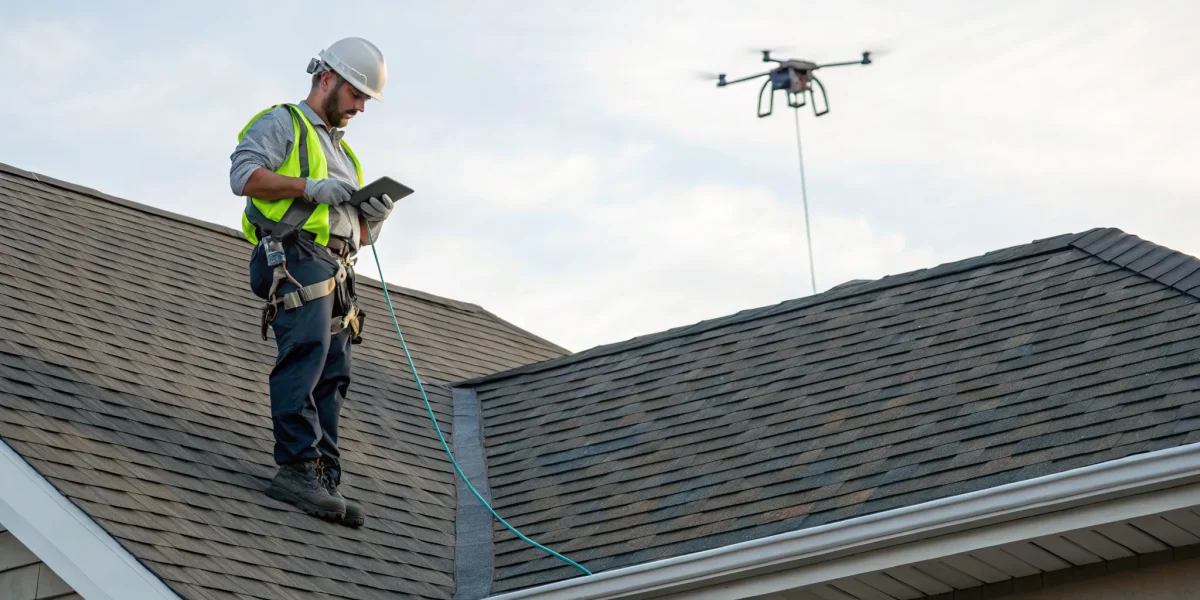
A certified roof inspector conducts a thorough examination to make sure a roof is secure, structurally sound, and free of defects. They climb onto the roof and look closely at every component, from the shingles and flashing to the gutters and ventilation systems. Their goal is to identify not only existing problems but also potential issues that could lead to costly damage down the road. After the inspection, they provide a detailed report that helps property owners make informed decisions about maintenance and repairs. This expert evaluation is crucial for a wide range of people we serve, including homeowners, real estate professionals, and property managers who need a clear and accurate assessment.
How Certification Protects Property Owners
A roof certification gives you something incredibly valuable: peace of mind. It’s an official document from a qualified expert that outlines your roof’s current condition and estimates its remaining useful life. This is much more than a simple opinion. For homeowners, it provides confidence in the integrity of their roof. For home buyers, it removes the guesswork during a real estate transaction. The NRCIA takes this protection a step further by offering the nation’s only standardized LeakFREE® roof certification. This unique certification comes with a warranty, providing a tangible guarantee against leaks and ensuring your property remains protected.
Upholding Industry Standards and Accountability
Anyone can look at a roof, but a certified inspector is held to a higher standard. Certification means the inspector has completed rigorous training and is committed to a professional code of ethics. They follow specific, standardized procedures for every inspection, ensuring nothing is overlooked. This level of accountability is what sets them apart. An NRCIA-certified inspector, for example, has access to ongoing education and training to stay current on the latest materials and techniques. They are equipped to provide objective, fact-based reports, helping you avoid unnecessary repairs and make decisions based on reliable information, not just a sales pitch.
Busting Common Myths About Roof Certification
There are a few common misunderstandings about roof inspections that can leave property owners vulnerable. One major myth is that a new roof doesn’t need an inspection. However, improper installation is a leading cause of premature roof failure, and a certified inspector can spot these errors early. Another misconception is that you only need an inspection after a major storm. In reality, regular check-ups can catch small issues like cracked seals or minor damage before they turn into major leaks. Finally, many people believe their roof warranty is a substitute for inspections, but most warranties require proof of regular maintenance to remain valid. A certified inspection provides the documentation you need.
How to Become a Certified Roof Inspector
Becoming a certified roof inspector is a fantastic career move that opens up new opportunities and establishes you as a trusted expert in the field. It’s a path that combines technical knowledge with hands-on work, and it’s more accessible than you might think. The process isn’t just about getting a piece of paper; it’s about building a deep understanding of roofing systems, safety protocols, and the standards that protect property owners. By following a clear path of education, training, and practical experience, you can build a rewarding career and become the go-to professional for reliable roof assessments. Let’s walk through the steps to get you there.
Your Starting Point: Education and Experience
Every journey has a starting point, and for a roof inspector, it begins with a solid educational foundation. A high school diploma or GED is the standard requirement to get started. If you already have a background in construction or roofing, you’re ahead of the game. That hands-on experience gives you a practical understanding of how roofs are built and what can go wrong, which is invaluable knowledge for an inspector. Think of it as the framework upon which you’ll build your specialized expertise. This prior experience isn’t mandatory, but it will certainly make your training smoother and more intuitive.
Finding the Right Training and Coursework
Next, you’ll need to find a training program that fits your goals. To become certified, you must complete coursework that covers the essentials: different roofing systems, proper inspection techniques, and critical safety protocols. This is where you learn the technical side of the job. At NRCIA, we offer a full training portfolio designed to give you the skills and confidence you need to perform thorough inspections. Many of our specialized courses are included at no extra cost with an NRCIA membership, making it simple to get the high-quality education you need to succeed.
Getting Hands-On with Inspections and Mentorship
Theory is important, but nothing beats real-world practice. The best certification programs include a hands-on component where you can apply what you’ve learned. This is where you move from the classroom to the rooftop. Our onboarding process is designed to bridge that gap effectively. After completing your initial training, you’ll conduct a practice inspection and meet with an instructor who can provide direct feedback and guidance. This mentorship is crucial for refining your skills and ensuring you’re ready to handle inspections professionally. The entire process typically takes about two to four weeks.
Staying Sharp with Continuing Education
Once you’re certified, the learning doesn’t stop. The roofing industry is always changing, with new materials, technologies, and building codes emerging all the time. Committing to continuing education is what separates a good inspector from a great one. Staying current with the latest industry developments ensures you can provide the most accurate and valuable inspections for your clients. It shows a commitment to your craft and helps you maintain your status as a trusted expert. This ongoing learning is a core part of being a professional in any field, and roof inspection is no exception.
How Do Certification Programs Compare?
When you start looking into roof inspector certifications, you’ll find a few different paths you can take. Each program has its own focus, standards, and benefits. Understanding these differences is the key to choosing the program that aligns with your career goals and the level of expertise you want to offer your clients. Some programs offer a general overview as part of a broader home inspection curriculum, while others, like the NRCIA, provide a specialized, in-depth education focused entirely on roof systems and their long-term performance.
The NRCIA Difference: Our LeakFREE® Specialization
At the NRCIA, our entire focus is on the roof. We train inspectors to go beyond a simple pass or fail assessment. Our inspectors learn how to identify potential issues and provide solutions to ensure a roof is not just functional, but completely watertight. This specialized approach is what allows us to offer our exclusive LeakFREE® roof certifications, which provide a warranty against leaks for the certification period. This gives property owners true peace of mind and offers our certified inspectors a powerful service that sets them apart in the market. Our goal is to create experts who can confidently stand behind their work and offer a guaranteed result.
Comparing NRCIA to Other Programs
Other organizations, like InterNACHI, offer roof inspection certifications as part of their broader home inspector training. These programs typically require you to become a member, complete a general home inspector certification, and then take an online course on roof inspections. While these courses provide a good foundation, they are often designed as an add-on to a home inspector’s existing skill set. The NRCIA, on the other hand, is built for specialists. Our different membership levels are designed for professionals who want to make roof inspections and certifications a core part of their business, not just another line item on a report.
Key Differences in Training and Standards
The real distinction between programs often comes down to the training methodology and inspection standards. Many general courses cover the basics of identifying common roof problems. The NRCIA’s training is far more comprehensive. We teach a proprietary “five-zone inspection” process that requires a detailed examination of the rooftop, the roof’s edge, the attic, the interior ceilings, and the garage. This thorough method ensures that nothing is overlooked. You can explore our training portfolio to see how our courses are structured to build this deep expertise, which is essential for certifying a roof as LeakFREE®.
How to Choose the Right Program for You
Choosing the right certification depends on what you want to achieve. If you plan to be a general home inspector and want to add a basic roof inspection to your services, a broader program might fit your needs. However, if you want to become a recognized expert in roof integrity, build a business around a premium service, and offer a unique, warrantied certification, then a specialized program is the clear choice. Consider the professionals we serve; if you see yourself among them, specializing with the NRCIA will provide the tools, training, and credentials to build a thriving business focused on protecting properties from the top down.
How to Hire a Certified Roof Inspector
Finding the right professional to assess your roof is a big deal. Your roof is the first line of defense for your property, and you need someone you can trust to give you the straight facts. Hiring a certified inspector means you’re bringing in an expert who has proven their knowledge and is committed to a high standard of practice. It’s about getting a clear, unbiased picture of your roof’s condition so you can make smart, informed decisions. Let’s walk through the steps to find and hire a qualified inspector who will give you the confidence you need.
Verify These Credentials Before You Hire
Before you let anyone on your roof, a little homework goes a long way. The most important thing to check is their certification. Look for inspectors with credentials from a reputable organization like the NRCIA. An active NRCIA membership shows that an inspector is not only trained but also dedicated to staying current with industry best practices. Ask to see their certification credentials and verify them. You should also confirm that they carry both general liability insurance and workers’ compensation. This protects you from any liability in case of an accident on your property. A true professional will have this documentation ready and will be happy to share it.
Red Flags to Watch Out For
Knowing what to avoid is just as important as knowing what to look for. Be cautious of any inspector who is also a contractor and immediately pushes for a full roof replacement. A certified inspector’s primary role is to provide an unbiased assessment, not to sell you a new roof. Another red flag is a vague or rushed inspection process. A thorough inspection takes time. Also, don’t fall into the trap of thinking a manufacturer’s warranty is a substitute for regular inspections. As experts point out, many homeowners mistakenly believe that roof warranties eliminate the need for regular professional inspections. A warranty won’t cover issues caused by neglect, so routine checks are essential.
Key Questions to Ask Your Inspector
To find the right fit, you need to ask the right questions. Think of it as a mini-interview. Start by asking about their experience with your specific type of roof, whether it’s for a home, commercial building, or multi-family property. A great question is, “What does your inspection report include?” You want a detailed document with photos and clear explanations, not a one-page checklist. It’s also wise to ask if they are affiliated with any roofing companies to ensure their assessment is impartial. Remember, a certified roof inspector offers an unbiased, expert assessment of your roof’s health. They give you the straightforward facts you need to make informed decisions.
Understanding the Cost and Long-Term Value
It’s easy to focus on the upfront cost of an inspection, but it’s more helpful to see it as an investment in your property. A small fee today can save you from huge repair bills down the road. Certified inspections give owners confidence that leaks, uplift, hail bruising, and flashing failures will be identified early, before they turn into major problems. For homeowners, a LeakFREE® roof certification can increase property value and make the selling process smoother. For property managers, it’s about protecting the asset and the budget. The price of an inspection is minimal compared to the cost of unexpected, catastrophic roof failure. You’re paying for peace of mind.
Related Articles
- Protect Your Warranty: Find a Certified Roof Inspector
- Commercial Roof Inspector Training: Your 2026 Guide
- A Guide to Roof Certification for Homeowners Insurance
- What Is a Roof Certification? A Homeowner’s Guide
- Become a Certified Commercial Roof Inspector in 5 Steps
Frequently Asked Questions
What’s the real difference between a roofer and a certified inspector? Think of it this way: a roofer’s job is to fix or build, while a certified inspector’s job is to assess and report. An inspector provides an unbiased, expert evaluation of your roof’s condition without trying to sell you on a specific repair or replacement. They are your advocate, giving you the objective information you need to make a sound decision for your property.
How long does a LeakFREE® roof certification last? The length of a LeakFREE® certification typically ranges from one to five years. The exact term depends on several factors, including the age, material, and overall condition of your roof at the time of the inspection. An older roof might receive a shorter certification, while a newer, well-maintained roof could qualify for a longer term.
Do I really need an inspection if my roof is brand new? Yes, it’s a very smart move. A surprising number of new roofs fail early because of mistakes made during installation. A certified inspector can spot these subtle but critical errors, like improper nailing or flashing issues, right away. Catching these problems early saves you from major headaches and expenses later on and ensures you got the quality installation you paid for.
Can I become a certified inspector if I don’t have a roofing background? Absolutely. While hands-on experience in roofing or construction gives you a head start, it is not a requirement. A comprehensive training program is designed to teach you everything you need to know, from identifying different roofing systems to performing a thorough, standardized inspection. A commitment to learning the material is what truly matters.
Why should I specifically look for an NRCIA-certified inspector? Hiring an NRCIA-certified inspector gives you a unique advantage: the assurance of our LeakFREE® warranty. Our inspectors undergo specialized training focused entirely on roof performance and integrity. This means their certification isn’t just a piece of paper stating your roof passed an inspection; it’s a guarantee against leaks for the entire certification period, offering you tangible protection.
