
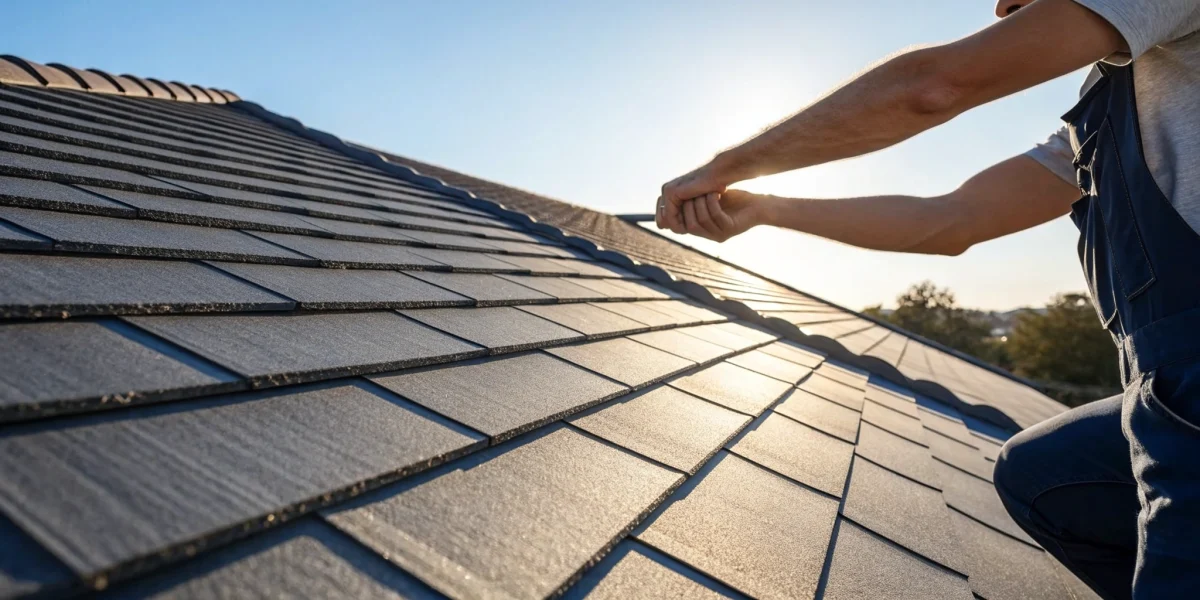
Many property owners believe their roof is fully protected by a standard warranty, but that’s a common and costly misconception. Most warranties only cover faulty materials, leaving you exposed to issues caused by workmanship, normal wear and tear, or storm damage. A roof certification warranty fills this crucial gap. It’s not a promise about the shingles themselves, but a guarantee of the roof’s current condition and its ability to perform. A certified inspector conducts a detailed assessment and, if the roof passes, issues a certification that guarantees it will remain leak-free. This article will debunk the myths and show you what true roof protection looks like.
Key Takeaways
- Know What Your Warranty Actually Covers: A roof certification guarantees your roof’s current performance against leaks from normal wear, while a standard manufacturer’s warranty is limited to covering faulty materials or installation errors.
- Treat Certification as a Financial Asset: A transferable roof certification makes your property more attractive to buyers and can increase its sale price, while also potentially lowering your homeowners insurance costs.
- Stay Proactive to Keep Your Warranty Valid: Your coverage depends on consistent upkeep, which includes scheduling annual maintenance inspections with a certified professional and keeping detailed records of all repairs.
What Is a Roof Certification Warranty?
When you’re dealing with property, whether buying, selling, or just maintaining your home, the roof is a huge factor. A roof certification warranty acts as a professional seal of approval for your roof’s condition. Think of it as an official report card. A licensed inspector provides this document to verify the roof’s health and give a solid estimate of its remaining lifespan. It’s a statement that says, “Yes, this roof is in good shape right now, and here’s how long we expect it to last.” This document brings clarity and confidence to real estate transactions, giving buyers, sellers, and lenders a clear picture of what they’re working with.
How a Roof Certification Works
Getting a roof certification isn’t just a quick look from the curb. It involves a thorough inspection of your entire roofing system. A certified professional will get up on the roof to check for signs of wear, damage, and potential leaks. They’ll examine the materials, flashing, and overall structure. The inspection also goes deeper, often including a look at the interior attic space to spot any hidden issues like water intrusion or poor ventilation. This process is much more detailed than a standard home inspection, focusing specifically on the roof’s integrity to ensure it meets specific quality and safety standards before any certification is issued.
How It Differs from a Standard Roof Warranty
It’s easy to mix up a roof certification with a standard roof warranty, but they serve very different purposes. A standard warranty, whether from a manufacturer or a contractor, protects you against defects in the roofing materials or faulty installation. It’s a promise that the product or the work will hold up for a certain period. A roof certification, however, is a snapshot of the roof’s current condition. It doesn’t cover future material defects but instead confirms the roof is functional and leak-free at the time of inspection. Standard warranties also have many exclusions, often not covering damage from storms, falling debris, or a lack of proper maintenance.
Common Misconceptions Debunked
One of the biggest myths about roof warranties is that they are an all-encompassing insurance policy for your roof. Many homeowners believe a warranty will cover any and all damage, but that’s rarely the case. Your warranty is specifically designed to protect you from faulty materials or workmanship, not from external events like a hailstorm or damage caused by neglect. Another common mistake is thinking a warranty eliminates the need for regular upkeep. In fact, most warranties require you to perform routine maintenance to keep them valid. Neglecting your roof can actually void your coverage, leaving you responsible for the full cost of repairs.
Why Get a Roof Certification Warranty?
Think of a roof certification warranty as more than just a document—it’s a strategic investment in your property. Whether you’re a homeowner who plans to stay for years, a seller looking to stand out in a competitive market, or a buyer wanting assurance, this warranty offers tangible benefits. It provides a clear, professional assessment of your roof’s condition, backed by a promise of performance. This proactive approach helps you manage one of your biggest assets, turning uncertainty into confidence and protecting you from unexpected costs down the road. It’s a formal declaration from a certified professional that your roof has been inspected and meets specific standards for its remaining lifespan. This isn’t just about fixing leaks; it’s about preventing them. For anyone involved in a property transaction—from real estate professionals to mortgage underwriters—this certification simplifies the process and adds a layer of security. It essentially says, “This roof has been checked, it’s in good shape, and here’s a warranty to prove it.” This level of verification is invaluable, especially when dealing with older homes or properties in areas with harsh weather.
Increase Your Property’s Value and Appeal
When you’re selling your home, a certified roof can be a game-changer. It immediately answers one of the biggest questions potential buyers have: “How old is the roof, and will I need to replace it soon?” By providing a LeakFREE® roof certification, you offer proof that the roof is sound, removing a major point of hesitation and negotiation. This simple step can make your property more attractive and even increase its final sale price. For buyers, it provides the confidence to make an offer, knowing they are protected from a costly, immediate repair. It’s a clear signal that the home has been well-maintained, setting it apart from the competition.
Save on Insurance Premiums
Insurance companies base their premiums on risk. A roof that is old or in poor condition presents a high risk of leaks, water damage, and expensive claims. When you have a roof certification, you present your insurer with third-party verification that your roof is in solid shape. This documentation demonstrates that you’ve taken steps to mitigate potential issues, which can classify your home as a lower risk. Many insurance providers recognize this and may offer lower premiums as a result. It’s always a good idea to contact your agent after getting your roof certified to see if you qualify for a discount.
Gain Peace of Mind and Financial Security
Your roof is your home’s primary shield against the elements. Worrying about its condition every time a storm rolls in can be incredibly stressful. A roof certification warranty helps you feel secure about your roof’s integrity and can save you a significant amount of money over time. Instead of facing a sudden, five-figure bill for an unexpected failure, you have a reliable warranty to fall back on. This financial safety net allows you to budget effectively and protects you from the financial shock of a major repair. It’s about enjoying your home without the constant concern of what’s happening overhead.
Transfer Protection to the Next Homeowner
One of the most powerful features of a roof certification warranty is its transferability. Unlike some warranties that become void when a property is sold, you can pass the certification on to the new owners. This feature makes your property significantly more valuable and appealing on the market. For a buyer, inheriting a warranty is a huge perk that provides immediate protection and value. It shows that your investment in the roof’s health benefits the property long-term, making it a standout feature that can help you close a sale faster and for a better price.
What Types of Roof Certification Warranties Are There?
Not all roof warranties are created equal, and understanding the differences can save you a lot of headaches down the road. A warranty might come from the shingle manufacturer, the roofing contractor, or a third-party inspector. Each type offers a different level of protection, covers different issues, and lasts for a different amount of time. Let’s break down the main types so you can figure out what kind of coverage you have—or what kind you need.
NRCIA LeakFREE® Roof Certifications
The gold standard in roof protection is the LeakFREE® Roof Certification. Unlike a typical warranty that might only cover a small repair area or specific materials, this certification guarantees that your entire roof will remain free of leaks. It covers issues from normal wear and tear as well as problems caused by the roofer’s workmanship during any necessary repairs. If a leak does happen while your roof is certified, the NRCIA professional who issued the certification will come back and fix it at no cost to you. It’s a comprehensive promise that your roof is sound.
Manufacturer Warranty vs. Inspector Certification
It’s easy to confuse a manufacturer’s warranty with an inspector’s certification, but they serve very different purposes. A manufacturer’s warranty covers defects in the roofing materials themselves, like shingles that fail prematurely. An inspector’s certification, on the other hand, is a professional opinion on the overall condition of your roof. A certified inspector examines your roof, confirms it has no existing problems (or oversees repairs), and certifies that it has a certain number of years of life left. This certification is what gives you access to a warranty that covers performance, not just materials.
What’s Covered (and What’s Not)
Knowing your warranty’s exclusions is just as important as knowing what it covers. Most standard warranties won’t cover damage from events like severe storms, hail, or falling trees. They also typically exclude issues caused by poor maintenance, foot traffic, or unapproved alterations, like installing a satellite dish. A certification warranty, especially a robust one, often covers workmanship and leaks from normal aging that a manufacturer’s warranty won’t touch. Always read the fine print to understand exactly what you’re protected against.
Warranty Length and Transfer Options
The length of a roof certification warranty is based on a thorough, hands-on inspection—not a sales gimmick. Depending on the roof’s age and condition, a certification can last for a period of one to five years and can often be renewed. One of the biggest advantages is that the certification is usually transferable to a new owner. If you decide to sell your home, a transferable roof certification is a powerful selling point that gives potential buyers confidence and can increase your property’s value.
How to Maintain Your Roof Certification Warranty
A roof certification warranty is a powerful tool for protecting your property, but it’s not a “set it and forget it” agreement. Think of it as a partnership: the certifier provides the guarantee, and you provide the proactive care. Maintaining your warranty is straightforward and ensures your coverage remains active when you need it most. By following a few simple steps, you can uphold your end of the deal and keep your roof protected for the full term of the warranty.
This proactive approach does more than just keep your warranty valid. It helps you catch minor issues before they escalate into expensive, disruptive problems. Regular maintenance is the single best way to extend the life of your roof and preserve the value of your property. It’s a small investment of time that pays off with significant peace of mind and financial security. Here’s how to make sure your roof certification warranty stays in good standing.
Schedule Regular Inspections and Maintenance
The most important step in maintaining your warranty is scheduling regular professional check-ups. Most certification providers, including the NRCIA, require an annual maintenance inspection to keep your coverage active. During this inspection, a certified professional will identify any new areas of concern, from cracked sealant to loose shingles, and recommend necessary repairs.
To keep your LeakFREE® roof certification valid, you must complete these recommended repairs promptly. This preventative care is designed to address small issues before they can cause a leak or more significant damage, ensuring your roof remains in certifiable condition year after year.
Keep Good Records
Documentation is your best friend when it comes to warranty maintenance. Keeping a detailed file of all roof-related activities provides clear proof that you’ve been properly caring for your property. Your records should include copies of all inspection reports, invoices for any repairs or maintenance performed, and photos of the roof’s condition before and after any work.
It’s also wise to follow the manufacturer’s guidelines for roof care and keep a log of when you perform tasks like cleaning gutters or removing debris. A simple digital folder or physical binder is all you need to stay organized and have everything ready in case you ever need to file a claim.
Know Your Coverage Exclusions
Every warranty has limitations, and understanding what isn’t covered is just as important as knowing what is. Take the time to read your warranty documents carefully to learn the specific exclusions. Generally, roof certification warranties do not cover damage from events outside of normal wear and tear.
Common exclusions include damage from severe weather events like hurricanes or tornadoes, falling trees, fires, or other “acts of God.” The warranty also won’t cover issues caused by neglect, unauthorized alterations, or repairs performed by uncertified individuals. Knowing these boundaries helps you manage expectations and avoid accidentally voiding your coverage.
Follow Professional Guidelines
To protect your warranty, all inspections and repairs must be performed by a qualified professional. Using an uncertified contractor or attempting DIY repairs can immediately void your coverage. Certified inspectors have the specific knowledge and skills required to work on a certified roof without compromising its integrity. They follow industry-best practices and adhere to the standards set by the certifying body.
Working with professionals who have completed a comprehensive training portfolio ensures the job is done right and your warranty remains intact. By sticking to a consistent schedule of professional inspections and maintenance, you create a clear history of responsible ownership that supports your warranty.
How to File a Warranty Claim
Discovering a problem with your roof can be stressful, but your warranty is there to provide a clear path forward. Filing a claim doesn’t have to be complicated. When you approach it with a plan, you can move through the process smoothly and get the resolution you need. Think of it as a simple, four-step process that puts you in control. By following these guidelines, you can confidently manage your claim and ensure your property remains protected. Let’s walk through exactly what you need to do to get started.
Review Your Warranty Terms
Before you do anything else, pull out your warranty documents and read them carefully. This is the most important step because it sets the stage for your entire claim. You need to know exactly what your warranty covers, how long the coverage lasts, and—just as importantly—what it doesn’t cover. Pay close attention to the fine print, including any conditions that could void your protection, like unapproved repairs or lack of maintenance. Understanding these details upfront will save you time and prevent surprises, ensuring your issue falls within the LeakFREE® protection guidelines.
Document All Damage and Issues
Your best friend in a warranty claim is solid documentation. Start by taking clear photos and videos of the damage from multiple angles, both inside and outside your property. If you have “before” photos of your roof’s condition, even better. Create a dedicated file—digital or physical—to store everything related to your roof. This includes the original contract, all receipts for inspections or repairs, and any correspondence with your contractor. The more detailed your records are, the stronger your claim will be. This evidence provides a clear, undeniable timeline of events for the warranty provider to review.
Follow the Claims Process Step-by-Step
Every warranty has a specific procedure for filing a claim, and you’ll need to follow it exactly. Your warranty documents should outline these steps, including who to contact first and what information to provide. Typically, you’ll need to submit a formal claim in writing with your documentation. If you’ve had recent work done, make sure you have the roofing certificate of completion, as this confirms the project was finished to industry standards. Don’t skip any steps or assume a verbal conversation is enough. Following the official process ensures your claim is handled efficiently and correctly by all parties involved.
Work with a Certified Professional
Working with a certified professional can make a world of difference. A qualified inspector or contractor who is familiar with the claims process can help you accurately assess the damage and ensure your claim is thorough. They can also perform any necessary repairs according to warranty specifications. When choosing a professional, look for someone who is licensed, insured, and has a great reputation. An NRCIA-certified inspector has the specialized training to provide the detailed assessments and documentation needed to support your claim, making the entire experience much smoother.
How to Choose the Right Roof Certification Warranty
Picking the right roof certification warranty feels like a big decision, because it is. It’s about protecting one of your most significant assets. The best choice for your property depends on several factors, from your roof’s current condition to your long-term goals. Think of it less like a simple purchase and more like a strategic investment. To make a confident choice, you’ll want to look at your specific needs, compare what different warranties offer, and understand who is standing behind the promise of protection. Let’s walk through the key steps to find a warranty that gives you genuine peace of mind.
Assess Your Property’s Needs
First, consider why you need a certification. Are you preparing to sell your home? A roof certification is an official document that verifies the condition and estimated lifespan of a roof, which can be a powerful tool in real estate transactions. Or maybe you’re a long-term homeowner who wants to prevent costly surprises down the road. The age of your roof, its material, and the climate you live in all play a role in determining the level of protection you need. Understanding your primary goal will help you filter through the options and focus on the warranties that provide the most relevant benefits for your situation, whether you’re a homeowner, buyer, or real estate professional.
Compare Coverage Options and Costs
Once you know what you need, it’s time to look at the details. While cost is always a factor, the cheapest option isn’t always the best value. A solid warranty should clearly outline what is and isn’t covered. Most warranties won’t cover damage from severe weather events, falling trees, or repairs done by an unapproved contractor. Dig into the fine print to understand these exclusions. Compare the coverage limits, deductibles, and service fees. A comprehensive plan like the NRCIA’s LeakFREE® certification is designed to provide clear, standardized protection, so you know exactly what to expect when you need it most.
Choose a Qualified Inspector and Contractor
A warranty is only as reliable as the people who issue it. The quality of the initial inspection is everything—it sets the foundation for your certification. That’s why it’s so important to work with a properly trained and certified professional. The NRCIA is the only national organization that sets a standard for roof certifications, and only our trained members can perform an inspection for a LeakFREE® roof certification. When you choose an NRCIA-certified inspector, you’re choosing someone who has completed rigorous training and is committed to a high standard of excellence. This ensures your roof assessment is thorough, accurate, and trustworthy from the start.
Check Renewal Rules and Validity Periods
Finally, look at the long-term requirements of the warranty. A roof certification isn’t a one-time event; it’s an ongoing commitment to maintaining your roof’s health. Find out how long the warranty is valid—is it for one year, five years, or longer? What do you need to do to keep it active? For example, to maintain an NRCIA certification, you’ll need to schedule a yearly maintenance inspection and take care of any issues that are found. Also, check if the warranty is transferable to a new owner if you sell your property. Understanding these renewal and validity rules upfront ensures your protection remains uninterrupted for the entire term.
Related Articles
- Is a Roof Certification a Warranty? A Clear Guide
- Roof Certifications – NRCIA
- NRCIA | The Authority in Roof Inspections & Certifications
- NRCIA Certified Roof Inspection & Certification Experts
Frequently Asked Questions
Is a roof certification the same as my roofer’s warranty? It’s a common point of confusion, but they are two very different things. Your roofer’s warranty, or a manufacturer’s warranty, typically covers defects in the materials or mistakes made during installation. A roof certification, on the other hand, is a professional assessment of your roof’s current condition. It verifies that the roof is in good shape and estimates its remaining lifespan, providing a warranty against leaks from normal wear and tear for a set period.
My roof is brand new. Do I still need a certification? While a new roof comes with a manufacturer’s warranty for the materials, a roof certification serves a different purpose. It acts as a third-party verification of the roof’s overall health and proper installation, which is incredibly valuable during a real estate transaction. It gives potential buyers documented proof that the roof system is sound, which can make your property more attractive and simplify negotiations.
Will a roof certification warranty cover storm damage? Generally, no. A roof certification warranty is designed to protect you from leaks that occur due to normal aging and wear. Damage from specific events like hailstorms, falling trees, or hurricanes is typically excluded and would fall under your homeowner’s insurance policy. Always read your warranty documents to understand the specific exclusions.
What happens if a leak occurs while my roof is certified? This is where the certification really shows its value. If a leak develops during your warranty period, you simply contact the NRCIA professional who issued your certification. They are responsible for coming out to perform the necessary repairs to stop the leak at no additional cost to you. It’s a straightforward process designed to give you a direct solution without the hassle.
Do I have to use a specific professional for repairs to keep my warranty valid? Yes, and this is a critical point. To keep your certification warranty in good standing, all inspections and repairs must be handled by a certified professional, usually the one who issued the warranty. Attempting a DIY fix or hiring an uncertified contractor can void your coverage instantly. This requirement ensures that all work is done to the proper standard, maintaining the integrity of your roof and your warranty.
