
When you buy a car, you get a title that proves its current status and a warranty that promises to fix future problems. Your roof isn’t so different. It has documents that assess its present condition and others that cover potential failures down the road. The problem is, most homeowners don’t know which is which. This leads to the essential question: is a roof certification a warranty? Believing they are the same thing is a costly mistake. A certification is a snapshot in time, an expert opinion on the roof’s health today. A warranty is a long-term promise. We’ll explain the distinct roles they play, what each one covers, and how to choose the right protection for your home.
Key Takeaways
- Certifications prove present condition; warranties protect future performance: A certification is a point-in-time assessment ideal for real estate deals, while a warranty is a long-term contract covering specific material or installation failures.
- Use a certification to streamline real estate and insurance processes: This document builds buyer confidence for a smoother sale and provides insurers with a clear record of your roof’s prior condition, which is invaluable when filing a claim.
- Your protection isn’t permanent, so stay proactive: A certification is a temporary assessment, typically lasting two to five years, while a warranty can be voided by neglect or unapproved alterations. Consistent maintenance is key to keeping your coverage valid.
What Is a Roof Certification?
Think of a roof certification as an official report card for your roof. It’s a formal document issued by a professional inspector that states your roof’s current condition is sound. This isn’t just a casual thumbs-up; it’s a professional assessment confirming that your roof has been thoroughly checked, is free from defects, and is expected to remain functional for a specific period—typically between one and five years. The certification essentially proves that your roof meets established quality and safety standards at the time of the inspection. It’s a snapshot in time that gives you a clear picture of its health.
This document is incredibly valuable in many situations, especially during real estate transactions. A buyer, seller, or lender often requires it for assurance that the roof won’t need immediate, costly repairs. It can also be a requirement for some insurance policies. The goal is to provide transparency and confidence for everyone involved. At NRCIA, we take this a step further with our exclusive LeakFREE® roof certifications. This isn’t just any certification; it’s backed by a standardized inspection process and a warranty, offering a level of protection and quality assurance that you can depend on. It’s about creating a clear, reliable standard for what a healthy, protected roof looks like.
What the Inspection Process Looks Like
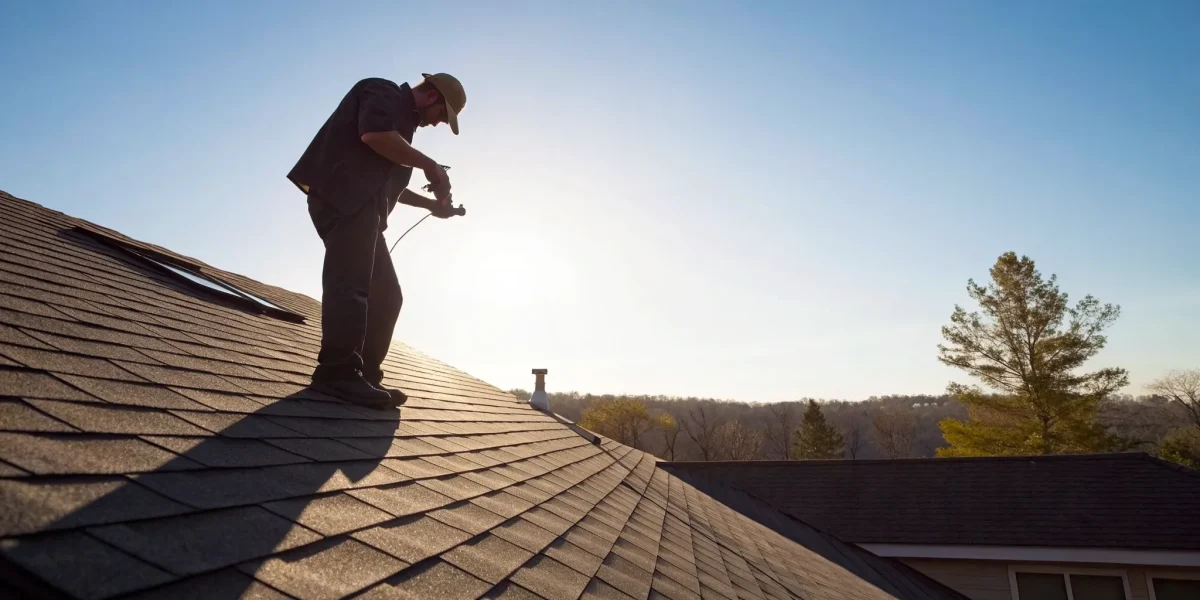
The process is straightforward. First, you’ll have a qualified inspector visit the property to conduct a thorough visual examination of the entire roofing system. They’ll get up on the roof, walk around, and may also inspect the interior spaces, like the attic, for any signs of leaks or damage. If the roof meets all the necessary criteria and is in good shape, the inspector will issue the certification document. If they find any issues that need attention, they’ll provide a report detailing the required repairs. The certification is only issued once those repairs are completed and the roof passes a follow-up inspection.
Who Is Qualified to Certify a Roof?
Not just anyone can sign off on a roof certification. This job is reserved for qualified and often licensed roofing professionals. The credibility of the certification hinges entirely on the expertise of the person performing the inspection. An experienced inspector knows exactly what to look for, from subtle signs of water damage to potential structural issues that an untrained eye would miss. This is why organizations like the NRCIA exist—to ensure inspectors have the right knowledge and skills. Through our comprehensive training portfolio, we equip professionals with the expertise needed to perform detailed, accurate assessments and issue certifications that homeowners and real estate agents can trust.
What Inspectors Check For
A proper roof inspection is incredibly detailed. The inspector isn’t just glancing at your shingles; they’re evaluating the entire roofing system from top to bottom. They will carefully check for any missing, loose, or damaged shingles, tiles, or other roofing materials. They’ll also examine the condition of the flashing around chimneys, vents, and skylights, as these are common spots for leaks. The inspection includes looking for signs of poor installation, checking the integrity of gutters and downspouts, and assessing the overall structural stability. Inside, they’ll look for water stains in the attic or on ceilings, which are tell-tale signs of an existing leak. They use a systematic approach, often guided by specialized inspection software, to ensure nothing is overlooked.
Roof Certification vs. Warranty: What’s the Real Difference?
It’s easy to see why people mix up roof certifications and roof warranties—both offer a form of protection and peace of mind. However, they serve very different purposes. Think of it like this: a roof certification is a professional assessment of the roof’s health right now, while a warranty is a promise to fix certain problems that might pop up in the future.
A certification is the result of a detailed inspection by a qualified professional who evaluates the roof’s current condition, notes any necessary repairs, and estimates its remaining lifespan. It’s a statement of fact about the roof on the day of the inspection. A warranty, on the other hand, is a contract, usually from a manufacturer or contractor, that guarantees they will cover the costs of specific failures for a set period. Understanding which one you need—or if you need both—is key to protecting your property investment, whether you’re buying, selling, or just maintaining your home.
Common Types of Roof Warranties
When you get a new roof, it typically comes with one or two kinds of warranties. The first is a manufacturer’s warranty, which covers defects in the roofing materials themselves. For example, if the shingles were faulty from the factory, this warranty would cover their replacement. What it won’t cover are problems caused by incorrect installation.
That’s where the second type, a workmanship warranty, comes in. This warranty is provided by your roofing contractor and covers any issues related to the quality of their installation. If a leak appears because a flashing was installed improperly, this is the warranty you’d turn to. These are usually for a shorter term than manufacturer warranties but are just as important for ensuring a quality job.
How Coverage and Protection Differ
The core difference in coverage comes down to a snapshot versus a promise. A roof certification gives you a snapshot of the roof’s current condition. It tells you, based on a professional’s inspection, that the roof is in good shape and is expected to remain leak-free for a certain period. It’s an expert opinion, not a guarantee of future performance.
A warranty is a promise to act if something goes wrong later. It doesn’t assess the roof’s current state but instead outlines what problems the manufacturer or contractor will fix. Interestingly, the two can work together. Some manufacturer warranties are only valid if the roof is installed by a certified professional. Our LeakFREE® roof protection goes a step further by providing a warranty on the certification itself, bridging the gap between assessment and guarantee.
Comparing Timelines: How Long Each Lasts
The lifespan of a certification and a warranty are worlds apart. A roof certification is a short-term document, typically valid for two to five years. This timeframe reflects that it’s an assessment of the roof’s condition at a specific moment. It provides immediate confidence, which is why it’s so valuable during real estate transactions.
Warranties, however, are designed for the long haul. A manufacturer’s warranty on materials like asphalt shingles often lasts 25 to 30 years, with some “lifetime” warranties extending up to 50 years. A contractor’s workmanship warranty is shorter, but it still covers the installation for several years. This long-term coverage protects your initial investment, while a certification protects you from immediate, unforeseen issues.
What Does a Roof Certification Actually Cover?
A roof certification gives you a clear, professional assessment of your roof’s health. Think of it as a report card that tells you whether the roof is doing its job correctly right now. It’s a formal document issued by a qualified inspector after a detailed examination. This process confirms the roof has been checked, any necessary repairs have been made, and it’s expected to remain functional for a specific period. But what does that inspection really look at, and what does the certification promise? Let’s break it down.
A Snapshot in Time, Not a Future Guarantee
It’s important to understand that a roof certification reflects the roof’s condition on the day of the inspection. It’s an expert’s statement that, at that moment, the roof is free of defects and has a reasonable life expectancy. However, it isn’t a crystal ball that predicts future performance or covers unexpected damage from a storm or falling tree limb. That’s where a warranty differs. A certification provides peace of mind about the present, which is crucial for real estate deals. For ongoing protection against future issues, you might consider something more robust, like the NRCIA’s LeakFREE® roof protection, which bridges the gap between a simple inspection and a full-blown warranty.
What’s Included in the Assessment?
During a certification inspection, a professional leaves no shingle unturned. The inspector conducts a thorough visual check of the entire roofing system. This includes examining the condition of the roofing materials—whether they are shingles, tiles, or metal panels—and looking for signs of wear and tear. They’ll also inspect critical components like flashing around chimneys and vents, the state of the gutters, and the integrity of the underlying structure. The inspector will even check interior spaces like the attic for any signs of water intrusion or leaks. This detailed process ensures that every aspect of the roof is evaluated using a consistent, professional standard, often guided by specialized inspection software.
Common Reasons a Roof Fails Inspection
A roof might not pass its inspection for several reasons, many of which are fixable. Common culprits include missing, cracked, or curling shingles that expose the underlayment to the elements. Damaged or improperly installed flashing is another major red flag, as it’s a frequent source of leaks. Inspectors also look for signs of poor workmanship from previous repairs, clogged gutters causing water to back up, and significant granule loss on asphalt shingles, which indicates they’re near the end of their life. Any evidence of active leaks or moisture in the attic is an automatic failure. Identifying these issues is the first step toward making the necessary repairs to get your roof certified and ensure it properly protects the homeowners and other stakeholders involved.
How Long Does a Roof Certification Last?
A roof certification isn’t a forever promise. Think of it as a professional opinion on the roof’s condition at a specific moment. Because roofs are constantly exposed to weather, wear, and tear, that opinion has an expiration date. Understanding the lifespan of your certification and what can shorten it is key to making sure your property stays protected.
The length of a certification reflects the reality that a roof’s health can change. A storm, a fallen branch, or even just the slow march of time can introduce new issues. The certification period provides a reasonable window during which the inspector’s assessment is considered reliable, giving buyers, sellers, and insurers confidence in the roof’s current state.
The Standard Lifespan of a Certification
Most roof certifications are valid for a period of two to five years. This timeframe is the industry standard because it accounts for the average rate at which a roof in good condition might develop issues. The exact duration can depend on factors like the roof’s age, material, and the climate in your area. For example, a newer roof might receive a five-year certification, while an older one might only be certified for two years.
This limited lifespan ensures the information remains relevant for real estate transactions or insurance purposes. It’s a realistic assessment of how long a roof can be expected to perform without needing significant repairs. The NRCIA’s LeakFREE® roof certifications are designed to provide this exact kind of assurance, offering a clear and reliable timeframe for protection.
What Can Invalidate Your Certification?
A roof certification is based on the condition of the roof at the time of inspection, and it comes with the expectation that the property will be properly maintained. Certain actions or events can render your certification void before its expiration date. Making unapproved alterations, like installing a new satellite dish or skylight without professional guidance, can create new vulnerabilities and invalidate the original assessment.
Similarly, neglecting routine maintenance can lead to premature failure. Clogged gutters, debris buildup, and poor attic ventilation can all cause damage that wasn’t present during the initial inspection. That’s why proper inspector training is so important—it teaches professionals to identify these risks. Essentially, if the conditions of the roof change significantly due to damage, neglect, or unauthorized work, the certification no longer reflects its true state.
The Benefits of Getting a Roof Certification
A roof certification is much more than a simple document; it’s a strategic asset that provides tangible value whether you’re buying, selling, or simply protecting your property. Think of it as a comprehensive health report for your roof, offering a clear, professional assessment of its current condition. This insight can make a significant difference in real estate deals, insurance claims, and your overall peace of mind as a property owner. It’s about replacing uncertainty with confidence, backed by an expert evaluation that clarifies the state of one of your home’s most critical components. For anyone involved in a property transaction—from homeowners and buyers to mortgage underwriters and insurance agents—this clarity is invaluable. It transforms the roof from a potential liability into a verified asset.
By investing in a certification, you’re taking a proactive step to document the roof’s integrity, which can save you time, money, and stress down the road. It’s a small investment that pays dividends by facilitating smoother transactions and providing a solid foundation for protecting your property against future issues. Unlike a simple visual check, a formal certification involves a detailed inspection by a qualified professional, giving you a credible and trustworthy report. This documentation can be the deciding factor in a home sale, the key piece of evidence in an insurance dispute, or the simple assurance you need to sleep soundly at night.
Gain an Edge in Real Estate Transactions
When a property is on the market, the roof is one of the biggest points of negotiation. A roof certification can streamline this process for everyone involved. For sellers, it’s a powerful marketing tool that showcases proactive maintenance and can justify a higher asking price. It tells potential buyers that the roof is in solid shape, removing a major hurdle from their decision-making process. For buyers, a certification provides crucial assurance. It confirms the roof’s condition, reducing the risk of facing an expensive replacement right after moving in. This level of transparency helps real estate professionals close deals faster and with fewer last-minute surprises.
How It Can Impact Your Insurance
Your relationship with your insurance provider can also improve with a roof certification in hand. In areas prone to severe weather, insurers are often wary of the risks associated with older or poorly maintained roofs. A certification serves as official proof that your roof was in good condition at a specific point in time. If a major storm hits, this documentation can be invaluable when filing a claim. It helps demonstrate that the damage was caused by the event itself, not by pre-existing issues or neglect. This simple step can make the claims process smoother and help ensure you get the coverage you deserve from your policy.
Build Buyer Confidence and Property Value
Nothing puts a damper on the excitement of buying a home like the fear of hidden problems. A roof certification directly addresses this anxiety, building significant buyer confidence. It signals that you’ve been a responsible homeowner and have invested in maintaining the property’s integrity. This is especially important for older homes where the roof’s age might be a concern. Furthermore, some manufacturer warranties require installation by a certified professional to remain valid. A certification can help uphold these terms, adding another layer of protection. By providing a LeakFREE® roof certification, you’re not just selling a house; you’re offering a secure, well-maintained home.
Roof Certifications and Warranties: Common Myths Busted
When it comes to protecting your property, the terms “roof certification” and “roof warranty” are often used interchangeably. But this common mix-up can lead to some expensive surprises down the road. Let’s clear the air and bust a few of the most persistent myths so you can make informed decisions about your roof. Understanding the real story behind these documents is the first step toward securing genuine peace of mind.
Myth: A Certification Is a Warranty
This is the most common point of confusion, so let’s break it down. Think of a roof certification as an expert’s professional opinion. After a thorough inspection, a certified professional states that the roof is in good condition and is expected to remain leak-free for a specific period, usually one to five years. It’s a snapshot of the roof’s health at that moment. A roof warranty, on the other hand, is a promise from a manufacturer or contractor to pay for repairs if something goes wrong with their materials or workmanship. One is an assessment; the other is a service contract. The best protection often combines both, like the NRCIA’s LeakFREE® roof certifications that include a warranty.
Myth: You Can Always Transfer It to a New Owner
Imagine you’re selling your home and want to pass the roof warranty on to the new buyers as a selling point. It’s a great idea, but it’s not always possible. Many warranties are not automatically transferable. Some manufacturers require you to formally notify them of the ownership change within a specific timeframe, and others may charge a fee to transfer the coverage. If you’re buying a home, never assume the existing warranty is still valid. Always read the fine print to understand the transferability rules. This single step can save you from discovering you’re unprotected when you need it most.
Myth: No Maintenance Is Required
A new roof with a 20-year warranty doesn’t mean you can ignore it for two decades. Most warranties come with strings attached, and one of the biggest is regular maintenance. Manufacturers and contractors expect you to take reasonable care of your roof. This includes things like keeping gutters clean, removing debris, and scheduling periodic professional inspections. Neglecting these basic tasks can actually void your warranty. To keep your coverage intact, it’s crucial to follow the manufacturer’s maintenance guidelines and hire a certified inspector to document the roof’s condition regularly. Think of it as required upkeep to protect your investment.
How to Choose the Right Protection for Your Property
Making the right choice for your roof comes down to understanding your specific needs. Are you preparing to sell your home and need to prove its condition to a potential buyer? Or are you a new homeowner looking for long-term financial protection against potential defects? The answer will guide you toward the best solution. A roof certification and a roof warranty serve very different purposes, but they can work together to provide comprehensive protection for your property. The goal is to have confidence in the roof over your head, and that starts with choosing the right type of coverage for your situation.
Deciding Between a Certification and a Warranty
The fundamental difference is simple: a roof certification is an official statement on your roof’s current condition, while a warranty is a promise to pay for future repairs. A certification from a qualified inspector proves your roof meets specific quality and safety standards at a single point in time. It’s an expert assessment based on a thorough inspection. A warranty, on the other hand, is a contract that covers defects in materials or workmanship for a set period. Some manufacturer warranties even require that a certified contractor install the roof for the warranty to be valid, so the two can be closely linked.
The NRCIA LeakFREE® Advantage
While a standard certification provides a snapshot of your roof’s health, an NRCIA certification offers something more: a nationally recognized standard of quality. Our LeakFREE® Roofs certification is the only one in the industry backed by a standardized warranty, giving you a powerful combination of inspection and protection. For sellers, this certification can make an older home much more appealing to buyers, showing that you’ve proactively cared for the property. It provides documented proof of the roof’s condition, which builds trust and can streamline the sales process. For homeowners, it delivers true peace of mind, knowing your roof meets a rigorous, consistent standard of excellence.
Your Next Steps to a Protected Roof
Protecting your property starts with a clear plan. First, get a professional roof inspection to understand its current condition. From there, you can pursue a certification to document its health, which is especially useful for real estate transactions or insurance purposes. To maintain your roof’s integrity and keep any warranties valid, it’s a good practice to schedule routine inspections annually and a full certification every three to five years. If you have a warranty, read the fine print. Make sure you understand what both the material and workmanship warranties cover, how long they last, and what they don’t cover. Taking these proactive steps ensures your property remains a secure and valuable asset.
Related Articles
- Roof Certifications – NRCIA
- LeakFREE® Roof Certifications
- How Insurance Companies Reduce Roof Claims
- Certificate of Insurance – What to Look For as a Homeowner
- Does roof coverage under home warranty plans costs extra?
Frequently Asked Questions
Is a roof certification different from the roof inspection included in a standard home inspection? Yes, they are very different. A general home inspection provides a broad overview of the entire property, and the roof is just one item on a long checklist. A roof certification involves a specialized, detailed examination conducted by a qualified roofing professional. This expert focuses exclusively on the condition, materials, and expected lifespan of your roofing system, resulting in a formal document that offers a much deeper level of detail and assurance.
What happens if my roof doesn’t pass the inspection for certification? If your roof doesn’t pass the first time, it simply means there are issues that need attention. The inspector will give you a comprehensive report detailing exactly what needs to be repaired. You can then hire a qualified contractor to complete the necessary work. Once the repairs are done, the inspector will conduct a follow-up inspection, and if everything meets the required standards, your roof will receive its certification.
Do I still need a certification if my roof is brand new and has a warranty? It’s a smart move. A manufacturer’s warranty covers defects in the roofing materials, while a contractor’s warranty covers the quality of the installation. A certification provides an independent, third-party verification that the entire system is in excellent condition right now. This document serves as a valuable baseline for your roof’s health and can be incredibly helpful for insurance purposes, giving you a clear record from the very beginning.
How is an NRCIA LeakFREE® certification different from other roof certifications? A standard roof certification is an expert’s opinion on the roof’s current condition. Our LeakFREE® certification takes this a critical step further by including a warranty with the certification itself. This means we don’t just assess the roof; we stand behind that assessment with a guarantee. It’s the only certification in the industry that combines a rigorous, standardized inspection with the tangible protection of a warranty.
Can a certification help me even if I’m not selling my house? Absolutely. While certifications are invaluable during real estate deals, they offer great benefits for any homeowner. A certification gives you a clear and professional benchmark of your roof’s health, which helps you plan for future maintenance and budget for an eventual replacement. It also serves as important documentation for your insurance provider, which can be especially useful if you need to file a claim after a storm.
