
When you think about protecting your home’s value, you probably think about kitchen remodels or fresh paint. But one of the smartest financial moves you can make is right above your head. An aging or undocumented roof can be a major red flag for both insurance companies and potential buyers. Investing in a roof certification for homeowners insurance is a proactive step that pays off. It not only helps you secure lower premiums and avoid costly, unexpected repairs but also transforms a potential liability into a documented asset, giving you peace of mind and a stronger financial position.
Key Takeaways
- Secure Better Insurance Terms: A roof certification provides insurers with the proof they need to see your home as a low-risk property. This documentation is your key to securing lower premiums, avoiding policy cancellations, and ensuring claims aren’t denied due to pre-existing conditions.
- Insist on an NRCIA-Certified Inspector: Not all inspections are equal, and your insurer knows it. Hiring an inspector with NRCIA credentials ensures your report is based on industry-leading standards, making it a credible document that protects your investment and satisfies insurance requirements.
- View Certification as a Financial Tool: A roof certification is more than just a report; it’s a proactive investment. Regular certifications help you catch small issues before they become expensive disasters, preserve your home’s value, and provide peace of mind for you and potential buyers.
What Is a Roof Certification and Why Do You Need One for Insurance?
Think of a roof certification as a professional seal of approval for the roof over your head. It’s an official document from a qualified inspector that details your roof’s current condition and gives a professional estimate of its remaining lifespan. This isn’t just a piece of paper; it’s a crucial tool when dealing with homeowners insurance. Many insurance companies require a certification, especially for older roofs, to gauge their risk before issuing or renewing a policy.
For an insurer, a well-maintained roof means a lower chance of expensive claims from leaks or weather damage. A certification provides them with the clear, unbiased information they need to make that call. For you, this can translate into better coverage options, more competitive premiums, and a much smoother process if you ever need to file a claim. Having a LeakFREE® roof certification in hand shows that you’ve taken proactive steps to protect your home, making you a more attractive client to insurance providers. It’s about replacing uncertainty with confidence for everyone involved.
What’s in a Roof Certification Report?
When you get a roof certification, you receive a detailed report that breaks down the health of your roof. It’s more than just a pass/fail grade. The report will identify the type of roofing material, note any signs of wear, and point out areas that need attention, like missing shingles or damaged flashing. It also includes a professional estimate of the roof’s remaining useful life—a key piece of information for insurers. A thorough report generated with specialized inspection software gives you a complete picture, so you know exactly where your roof stands and what, if any, repairs are needed to keep it in top shape.
Why a Qualified Inspector Is Key
Not all roof inspections are created equal, and who performs yours matters immensely. While a roofer can give you a repair estimate, a certified inspector provides an impartial, in-depth evaluation based on industry standards. Insurance companies know this, which is why they often require an inspection from a certified professional. These inspectors have completed rigorous training programs and can spot subtle issues that could lead to major problems later. Choosing a qualified, NRCIA-certified inspector ensures your certification is credible, accurate, and trusted by the people who matter most, like your insurance carrier.
How a Roof Certification Affects Your Homeowners Insurance
Your roof is your home’s first line of defense, and your insurance company knows it. That’s why the condition of your roof plays a huge role in your homeowners insurance policy—from the premium you pay to whether you can get coverage at all. A roof certification provides a clear, professional assessment of your roof’s health, which can directly influence your relationship with your insurer. It’s official documentation that proves your roof is in good shape, helping you secure better terms, avoid policy issues, and even add value to your home.
Secure Lower Premiums and Better Coverage
Think of a roof certification as a report card for your roof. When you can show your insurance provider a passing grade, you’re demonstrating that your home is a lower risk. A certified roof is less likely to fail during a storm, which means you’re less likely to file a costly claim. As the NRCIA notes, “A certified roof shows less risk, which can help lower your insurance costs.” This simple document can translate into real savings on your monthly premiums. By investing in a certification that guarantees LeakFREE® roof protection, you’re not just maintaining your home; you’re making a smart financial decision that pays off over time.
Avoid Canceled Policies and Denied Claims
On the flip side, a roof in poor condition can be a major red flag for insurers. As Bankrate points out, “If your roof is in bad shape, your insurance company might charge you more, cancel your policy, deny you coverage, or cover your home but exclude any future roof-related claims.” Insurers are becoming increasingly strict about roof age and condition, especially in areas prone to severe weather. A roof certification acts as your proof of due diligence. It provides a timestamped, professional opinion on your roof’s integrity, which can be your best defense against a sudden policy cancellation or a denied claim when you need coverage the most. It’s a layer of protection for the many stakeholders who rely on a sound roof.
Increase Your Home’s Value
A roof certification isn’t just about defense; it’s also a smart move for your property’s value. When it comes time to sell, an aging roof can be a major point of contention for potential buyers. A certification helps you get ahead of any issues. According to Quality Roofing Solutions, “A roof certification can make an older home more appealing to buyers. It shows you’ve taken good care of the house and that there are no hidden roof problems.” This transparency gives buyers confidence and peace of mind, smoothing out negotiations and potentially helping you close the sale faster. It transforms a potential liability into a valuable selling point, showing that your home has been well-maintained from top to bottom.
What to Expect During the Roof Certification Process
A roof certification might sound technical, but it’s really just a systematic health check for your roof. A certified inspector follows a detailed process to make sure nothing is overlooked, from the shingles you see every day to the hidden structures in your attic. Knowing what the inspector is looking for can help you feel more prepared and confident in the outcome. The goal is to provide a clear, accurate picture of your roof’s condition so you can get the insurance coverage you need and peace of mind.
Inspecting Every Part of Your Roof
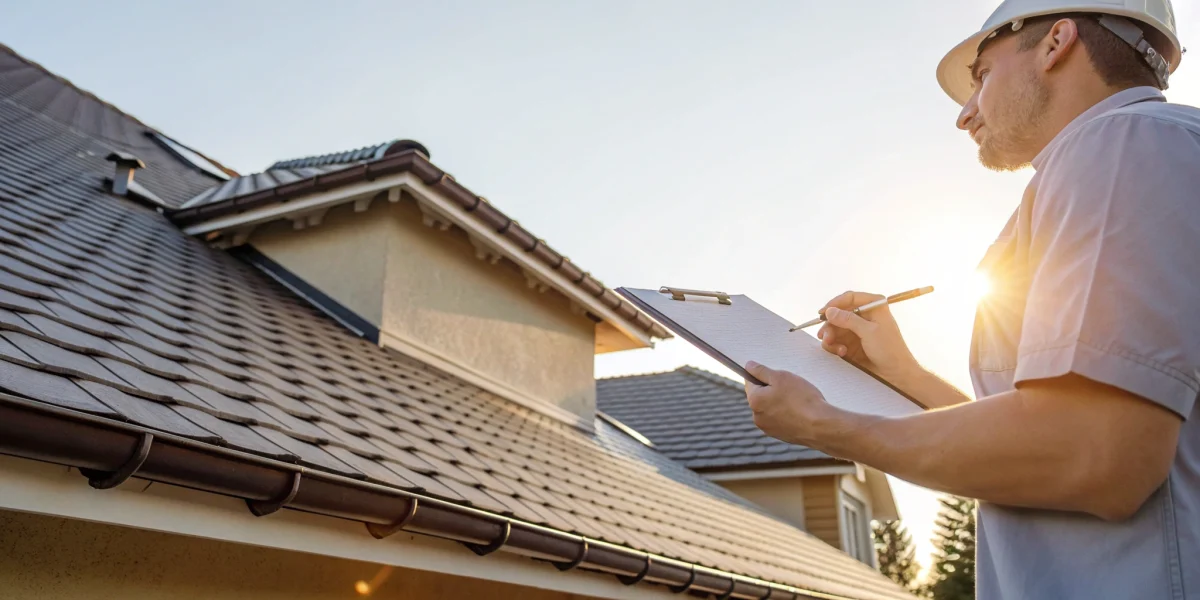
First, your inspector will conduct a thorough visual examination of the entire roof surface. This isn’t just a quick glance from the ground. They’ll get up on the roof to look for any missing, loose, or damaged shingles, tiles, or other roofing materials. They’ll also assess the overall condition and estimate its remaining lifespan. This step is crucial because it identifies immediate problems and potential future issues. A comprehensive inspection ensures that the final LeakFREE® roof certification accurately reflects the roof’s ability to protect your home for a specified period, which is exactly what your insurance provider wants to see.
Checking Flashing, Gutters, and Drainage
Next, the focus shifts to how your roof manages water. The inspector will carefully examine all the components responsible for drainage. This includes the flashing around chimneys, vents, and skylights, which are common spots for leaks to start. They’ll also check the drip edges and the condition of your gutters and downspouts to ensure water is being channeled away from your home’s foundation effectively. Clogged gutters or damaged flashing can lead to serious water damage over time, so a meticulous check of these systems is a non-negotiable part of any legitimate roof certification inspection.
Assessing Ventilation and Moisture Damage
A healthy roof needs to breathe. Your inspector will assess your attic’s ventilation system to make sure air is circulating properly. Poor ventilation can trap heat and moisture, leading to mold, mildew, and premature aging of your roof structure. While in the attic, they will also look for signs of water intrusion that might not be visible from the outside, such as water stains on the ceiling, damp insulation, or rot in the wooden supports. Catching these hidden issues early is one of the biggest benefits of a professional inspection and is essential for certifying the roof is sound.
Reviewing Your Final Report
Once the physical inspection is complete, you’ll receive a detailed report. This document is more than just a simple pass or fail grade; it’s a complete summary of the inspector’s findings. It will outline the condition of every component checked, complete with photos to illustrate any areas of concern. If repairs are needed to meet certification standards, the report will include specific recommendations. This final report is the official document you’ll provide to your insurance company, giving them the clear, professional assessment they need to write your policy. It’s a key tool for any homeowner to have.
How to Find a Qualified Roof Inspector
Finding the right person to inspect your roof is just as important as the certification itself. An inexperienced inspector can miss critical issues, leaving you with a false sense of security and a report your insurance company might reject. To get an accurate assessment, you need to do a little homework. Think of it as hiring any other skilled professional—you want someone with the right training, proper credentials, and a solid track record. Taking these steps will protect your home and ensure your certification holds weight.
Look for NRCIA Certification
This is the most important credential to look for. To ensure you are hiring a qualified roof inspector, start by checking for certification from the National Roof Certification and Inspection Association (NRCIA). As the leading authority in roof inspections since 1995, NRCIA provides a reliable standard for the industry. An inspector with an NRCIA certification has completed a comprehensive training portfolio and is committed to upholding the highest standards. This isn’t just a line on a resume; it’s your assurance that the inspector follows a meticulous process, resulting in a trustworthy report that gives you and your insurer confidence.
Confirm Their License and Insurance
Beyond certification, your inspector must have the proper legal and financial protections. Before hiring anyone, confirm they hold the necessary state or local licenses and are fully insured. For example, a roofing contractor in California must have a C-39 Contractor’s License and carry significant liability insurance. These requirements vary by location, but they serve the same purpose: to protect you. A valid license proves they meet local standards, while insurance covers any potential accidents or property damage. Don’t be shy about asking for copies of their license and insurance certificates before they start work.
Check Their Credentials and Reputation
A great inspector has more than just paperwork; they have a history of satisfied customers. Conducting your due diligence is a crucial final step. Look for an inspector with a strong, positive reputation by reading online reviews and asking for references. Many insurance companies prefer or even require certified inspectors for insurance-related inspections, which adds another layer of credibility. When an inspector is trusted by both homeowners and insurers, you know you’re in good hands. This is why a LeakFREE® certification is so valuable—it’s a credential that speaks for itself and signals a commitment to quality.
How Often Should You Get a Roof Certification?
A roof certification isn’t a one-and-done deal. Think of it more like a regular health check-up for your roof. How often you need one depends on a few key things: where you live, the age and material of your roof, and what your insurance company requires. Staying on top of recertification is the best way to keep your home protected, your insurance policy active, and your peace of mind intact. It’s a straightforward process that ensures small issues are caught before they turn into major headaches.
General Guidelines for Recertification
So, how long does a roof certification last? Generally, you can expect it to be valid for two to five years. This window can change based on your roofing material and local regulations, so it’s always smart to check with a certified professional in your area. It’s a common myth that a roof warranty means you can skip inspections, but that’s not the case. A warranty covers manufacturing defects, while a certification confirms the roof’s current condition. Regular inspections are crucial for catching small issues before they become big, expensive problems and ensuring you meet your insurer’s requirements.
How Climate and Weather Play a Role
If you live in an area prone to severe weather, your roof is on the front lines. Events like hurricanes, heavy snow, or hailstorms can cause significant damage that isn’t always visible from the ground. That’s why getting an inspection after a major storm is a great idea. A proactive approach helps you maintain your home’s LeakFREE® protection and address potential problems before they escalate. Scheduling a check-up before the stormy season hits can also give you confidence that your roof is ready to handle whatever nature throws its way.
Factoring in Your Roof’s Age and Material
Just like anything else, roofs age. An older roof will naturally need more frequent check-ins than a brand-new one. The material also plays a huge role. Asphalt shingles, metal, tile, and wood all have different lifespans and vulnerabilities. For example, some materials offer better wind or impact resistance than others. An inspector with the right training and education will understand the specific characteristics of your roof’s material and age, helping you create a certification schedule that makes sense for your home and keeps it properly protected.
Common Problems Found During an Inspection
A roof can look perfectly fine from the street, but a trained inspector sees things differently. They’re looking for subtle clues and hidden issues that could turn into major headaches down the road. During a certification inspection, a professional isn’t just glancing at your shingles; they’re conducting a thorough investigation to uncover any problems that might compromise your home’s safety and insurability. Understanding what they’re looking for can help you prepare and see why this process is so valuable for protecting your investment.
Structural Issues and Material Defects
Here, the inspector is looking at the bones of your roof. This includes checking for missing or broken components like flashing—the metal strips that seal joints around chimneys and vents—and drip edges that direct water away from your fascia. They’ll also examine the condition of your shingles, tiles, or other roofing materials for signs of wear like cracking, curling, or granule loss. The goal is to assess the roof’s overall integrity and ensure it can continue to do its job effectively, keeping your home protected with a LeakFREE® roof.
Water Damage and Poor Ventilation
Some of the most serious roof problems aren’t visible from the outside. That’s why an inspector will head into your attic to look for signs of trouble. Telltale indicators of water damage include damp insulation, dark spots on the ceiling, or the presence of mold and mildew. Often, these issues are tied to poor ventilation. When an attic can’t breathe properly, hot, moist air gets trapped, which can lead to condensation, rot, and structural damage over time. Our inspectors receive extensive training to spot these subtle but critical signs of moisture intrusion.
Red Flags That Can Prevent Certification
An inspector might identify a few key issues that could prevent your roof from getting certified right away. Common red flags include widespread cracked shingles, improperly installed flashing, and gutters clogged with debris that cause water to back up under the roofline. The good news is that most of these problems are fixable. Think of the inspection report not as a final verdict, but as a clear action plan for the repairs needed to get your roof up to standard. This is why a professional inspection is so important for homeowners—it catches small issues before they become costly disasters.
Common Myths About Roof Certification, Busted
When it comes to roof certifications, there’s a lot of chatter out there. It’s easy for misinformation to spread, which can lead to costly assumptions down the road. Let’s clear the air and tackle some of the most common myths head-on. Understanding the truth about what a roof certification is—and what it isn’t—is key to protecting your home and your wallet. From how long a certification lasts to what it means for your insurance, getting the facts straight will help you make smarter decisions for your property.
Myth: It’s a One-and-Done Deal
One of the biggest misconceptions is thinking of a roof certification as a permanent stamp of approval. In reality, it’s a snapshot in time, confirming your roof’s condition on the day of the inspection. Roofs face constant wear from weather and time, so their condition can change. That’s why regular inspections are so important. Think of it like a regular health check-up for your roof. Staying on top of maintenance not only keeps your roof in great shape but also ensures you can maintain your LeakFREE® protection and keep your insurance provider happy.
Myth: If It Looks Good, It Is Good
It’s tempting to believe that if your roof looks fine from the street, everything must be okay. Unfortunately, some of the most serious and expensive problems are completely hidden from view. Issues like damaged underlayment, improper flashing around chimneys, or poor attic ventilation aren’t visible from the ground. A professional inspection goes beyond a simple visual check to uncover these underlying problems before they lead to major leaks or structural damage. This is why having a certified expert examine every detail is non-negotiable for true peace of mind for all property stakeholders, from homeowners to real estate agents.
Myth: Certification Guarantees Full Coverage
Many homeowners assume that once they have a roof certification in hand, their insurance will cover any and all future roof issues. While a certification is a huge step toward securing great coverage, it isn’t a blank check. Insurance companies see a certification as proof that you’re a responsible homeowner, but they still expect you to perform regular maintenance. A certification helps you get and keep your policy, but it doesn’t eliminate your responsibility to care for your roof. It’s a partnership: the certification proves the roof’s initial health, and your upkeep maintains it.
The Risks of Skipping a Roof Certification
Thinking about skipping a roof certification to save a little time or money? It might seem like a harmless shortcut, but it can open the door to some serious headaches down the line. Your roof is your home’s primary shield against the elements, and neglecting its certified condition can lead to major financial and logistical problems. From dealing with uncooperative insurance companies to facing unexpected repair bills, the risks of forgoing a professional certification often far outweigh the initial cost. It’s a classic case of an ounce of prevention being worth a pound of cure. Let’s walk through exactly what you’re putting on the line.
Difficulty Getting or Keeping Insurance
Insurance companies aren’t just being nosy when they ask about your roof—they’re managing their risk. A roof in poor condition is a massive liability. It’s not uncommon for an insurance company to request a roof inspection within 30 to 60 days of issuing a new policy. If you can’t provide proof of your roof’s integrity through a certification, you could be in for a rough time. An insurer might respond by increasing your premiums, refusing to renew your policy, or even canceling it outright. In some cases, they may agree to cover your home but specifically exclude the roof from your policy, leaving you completely exposed if a leak or storm damage occurs.
Higher Premiums and Rejected Claims
On the flip side, a certified, well-maintained roof can actually save you money. A good roof condition might lead to discounts on your insurance or lower rates because the provider sees you as a lower-risk client. The real trouble starts when you need to file a claim. Without a recent certification on file, your insurer could argue that the damage was due to pre-existing issues or a lack of maintenance, not the covered event. As one industry expert notes, “If you don’t provide this certificate, your insurance claim could be delayed or even denied.” A LeakFREE® roof certification acts as your proof, establishing a professional baseline of your roof’s condition before an incident happens.
Facing Financial and Legal Trouble
The risks go beyond your insurance policy. Many homeowners mistakenly believe that a manufacturer’s warranty is all the protection they need, but that’s a dangerous assumption. Most warranties require regular maintenance and inspections to remain valid. If hidden damage goes undetected for too long because you skipped an inspection, it can void your warranty coverage entirely, leaving you to foot the bill for major repairs. These unexpected costs can be financially devastating. For those selling a home, the lack of a current roof certification can also complicate the transaction, leading to last-minute renegotiations or even causing a buyer to walk away. It’s a small step that provides peace of mind for all parties involved in a real estate transaction.
How Much Does a Roof Certification Cost?
Let’s talk about one of the most common questions we get: what’s the price tag on a roof certification? While there isn’t a single flat rate for every roof in the country, understanding the costs can help you budget and see the incredible value it offers. The price is a reflection of the thorough work that goes into ensuring your roof is sound and secure. Think of it not as an expense, but as an investment in your property’s safety and your own peace of mind. The final cost depends on a few key variables, which we’ll break down so you know exactly what to expect.
Understanding the Average Cost
The cost of a roof certification isn’t a one-size-fits-all number. Several factors play a role in determining the final price, including your roof’s size, its complexity (think steep pitches or multiple levels), its age, and its current condition. Your geographic location and the length of the certification term you choose—typically one to three years—also affect the cost. A larger, older roof in a region with harsh weather will naturally require a more intensive inspection than a small, newer roof in a mild climate. A qualified certified roof inspector will consider all these details to give you an accurate and fair quote for their services.
What Affects the Final Price?
To give you a clearer picture, the NRCIA provides suggested pricing guidelines. For a standard residential home (around 2,500 square feet or less), a one-year LeakFREE® Roof Certification typically costs around $250. If you opt for a longer term, a two-year certification is about $350, and a three-year term is around $450. Keep in mind that these are baseline figures. Your inspector may also account for additional factors like travel time or seasonal pricing adjustments. When you receive a quote, it will be tailored specifically to your property, ensuring the price reflects the actual scope of work required to certify your roof and protect your home.
Is It a Good Investment?
Absolutely. When you weigh the modest cost of a certification against the thousands of dollars you could spend on unexpected, major roof repairs, the value becomes crystal clear. A guaranteed roof certification is a proactive financial move that saves you money and stress down the road. It provides documented proof that your roof is in good shape, which is invaluable for insurance purposes and can even make your home more appealing to potential buyers. It signals that you’ve diligently maintained the property and that there are no hidden issues waiting to surface, giving everyone involved confidence in the transaction.
Related Articles
- Certificate of Insurance: What Homeowners Should Check
- Certificate of Insurance – What to Look For as a Homeowner
- Is a Roof Certification a Warranty? A Clear Guide
- Roof Certifications – NRCIA
Frequently Asked Questions
What’s the difference between a roof certification and a roof warranty? Think of it this way: a warranty comes from the manufacturer and covers defects in the roofing materials themselves, like if your shingles were faulty from the factory. A roof certification, on the other hand, is a professional assessment of your roof’s current condition and installation quality. It’s an expert opinion stating that your roof is in good shape and has a certain amount of life left in it, which is what your insurance company really cares about.
What happens if the inspector finds problems with my roof? Don’t worry, this is actually a common and helpful part of the process. If an inspector finds issues that prevent immediate certification, you’ll receive a detailed report outlining exactly what needs to be fixed. This report serves as a clear action plan. Once you have a qualified contractor complete the necessary repairs, the inspector can return to verify the work and issue the certification. It’s not a pass/fail test, but a path to ensuring your roof is truly sound.
Will a roof certification guarantee a lower insurance premium? While there’s no universal guarantee since every insurance provider has its own set of rules, a roof certification makes you a much more attractive client. It provides official proof that your roof is a low risk, which strongly positions you to secure better rates and avoid policy cancellations. By proactively demonstrating your roof’s good condition, you give your insurer every reason to offer you their best terms.
Why do I need a certified inspector instead of just a regular roofer? This comes down to impartiality and standardized expertise. A roofer’s primary business is selling and installing roofs, so their inspection might be viewed as a sales tool. A certified inspector, especially one from the NRCIA, has one job: to provide an unbiased and thorough evaluation based on a strict set of industry standards. Their assessment is trusted by insurance companies and real estate professionals because it’s objective and backed by rigorous training.
How long does a roof certification typically last? Generally, a roof certification is valid for a period of two to five years. The exact length of the term depends on several factors, including the age of your roof, the type of material it’s made from, and the climate in your region. Your inspector will determine the appropriate certification period based on their detailed assessment, giving you a clear timeline for when your next inspection should be scheduled.
