
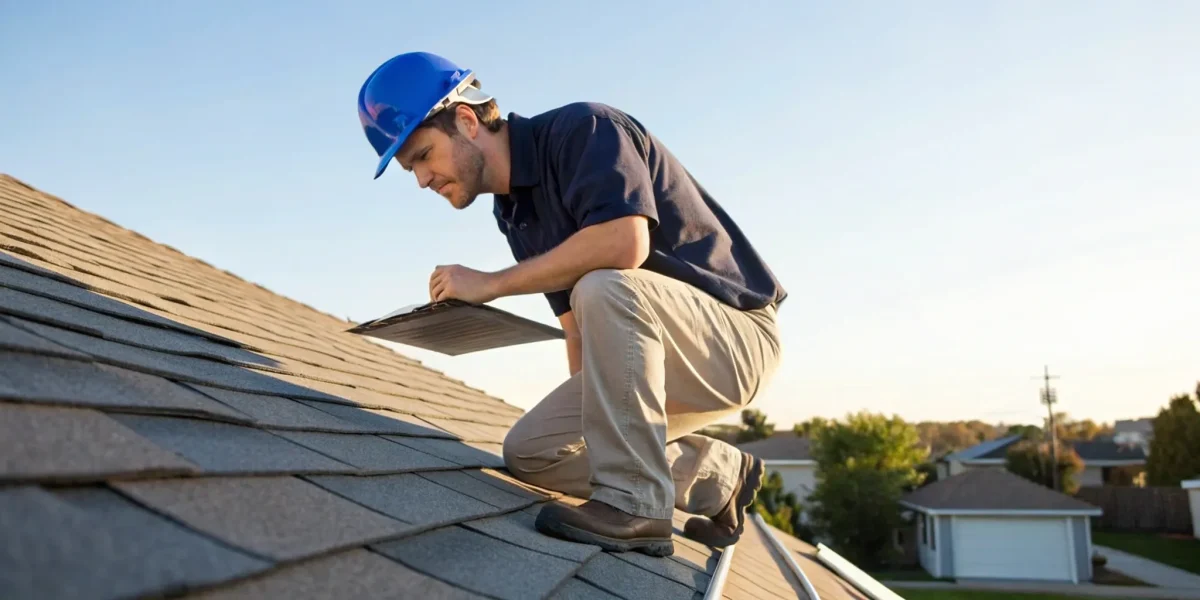
After a storm, many homeowners think any roofer can provide the assessment they need for an insurance claim. This is a common and costly misconception. There is a world of difference between a contractor providing a repair estimate and a certified roof inspector for insurance claims conducting an impartial evaluation. A certified inspector follows a strict set of standards to document damage, providing the unbiased evidence that insurance companies require. Their primary goal is accuracy, not selling you a new roof. This guide will clear up the confusion and explain why a certified professional is essential for a successful insurance claim.
Key Takeaways
- A Certified Inspection Is Your Strongest Asset in an Insurance Claim: An unbiased report from a certified professional provides the clear, standardized evidence that insurers require. This documentation builds credibility and helps distinguish new damage from pre-existing issues, leading to a smoother approval process.
- Schedule Inspections Strategically to Protect Your Investment: Don’t wait for a leak to appear. Getting an inspection after a major storm (but before filing a claim) and as part of routine maintenance provides a documented history of your roof’s health, which can prevent claim denials and save you money on major repairs.
- Demand Proof of Certification to Ensure Quality: An inspector’s credentials are non-negotiable. Verifying their NRCIA certification is the surest way to know you’re working with a trained, ethical professional who can provide the detailed, accurate report you need, rather than a contractor looking for a sales opportunity.
What Is a Certified Roof Inspector?
A certified roof inspector is more than just someone who climbs a ladder and takes a look around. They are a trained professional who evaluates your roof’s condition against a specific set of standards. Think of them as a specialist for the most critical protective feature of your home. Their job is to identify current issues, spot potential problems, and provide a detailed, unbiased report on the roof’s overall health. This certification isn’t just a piece of paper; it’s a testament to their expertise, training, and commitment to a professional code of conduct.
When you’re dealing with something as important as an insurance claim, having a certified expert on your side provides the credibility and detailed documentation you need. Their findings are based on established industry criteria, which gives their report significant weight with insurance companies and real estate professionals. Unlike a general contractor who might be looking for repair work, a certified inspector’s primary role is to provide an objective assessment. This impartiality is key, as it ensures the report is a true and accurate reflection of the roof’s condition. They help homeowners keep their roofs safe and strong, offering peace of mind that your property is properly protected.
Qualifications and Training Requirements
To become a reliable roof inspector, a background in a related field like construction, architecture, or engineering is incredibly helpful. This foundational knowledge provides a strong understanding of how building systems work together. However, hands-on experience and specialized training are what truly shape an expert. While a state license isn’t always mandatory for roof inspection, earning a professional certification is what sets a true professional apart. Reputable programs provide inspectors with the specific skills needed to assess roof integrity, identify subtle signs of damage, and understand the complexities of different roofing materials and systems. This formal education ensures they are up-to-date on the latest industry standards and best practices.
The NRCIA Standard for Certification
At NRCIA, we hold our members to the industry’s highest standard. An NRCIA certification is a mark of excellence that shows an inspector is not only trained but also trustworthy and accountable. To become certified, every member must complete our comprehensive training portfolio, pass rigorous exams, and agree to adhere to a strict code of ethics. This isn’t a one-time event; our inspectors are required to renew their credentials annually, ensuring they remain at the forefront of the industry. This commitment means that when you hire an NRCIA-certified inspector, you are working with a professional dedicated to providing reliable, expert service to protect your home.
Certified vs. Non-Certified: Why It Matters
Hiring a certified inspector versus a non-certified one can make all the difference, especially when it comes to insurance claims or real estate transactions. A certification acts as a report card for your roof, providing an official, time-stamped assessment of its condition. This formal documentation is invaluable. For homeowners, an NRCIA certification offers concrete proof of your roof’s health, which can be critical when filing a claim after a storm. For roofing professionals, becoming certified gives you a major advantage in the market, signaling to clients that you are committed to the highest levels of quality and safety. It’s the clearest way to demonstrate your expertise and build trust with your customers.
How a Certified Inspection Impacts Your Insurance Claim
Filing an insurance claim for roof damage can feel like a complicated and stressful process. You need to prove the extent of the damage and convince your insurer to cover the repairs. This is where a certified roof inspection becomes your most valuable asset. An inspection report from a certified professional provides an unbiased, expert assessment that gives your claim the weight and clarity it needs. It transforms your claim from a simple request into a well-documented case, making the entire process smoother and more likely to end in your favor.
Earn Credibility with Insurers
When you submit an insurance claim, you want the adjuster to see you as a credible and responsible homeowner. A report from an NRCIA-certified inspector does exactly that. Because our inspectors are trained to a national standard, insurers trust their findings. A certified roof inspection helps insurance companies accurately assess the risk associated with your home, which can lead to the fair handling of your claim. This professional evaluation shows that you’ve done your due diligence, and it provides the insurer with the objective information they need to process your claim efficiently, building a foundation of trust from the start.
Get Accurate Damage Documentation
A successful insurance claim is built on solid evidence. During a certified roof inspection, the inspector uses specialized inspection software to take detailed photos and videos, creating a comprehensive record of your roof’s condition. This thorough documentation is invaluable when you need to file a claim. Instead of just describing the damage, you can present a clear, visual log that leaves no room for interpretation. This detailed proof makes it much easier for an insurance adjuster to understand the scope of the necessary repairs, strengthening your case and preventing disputes over the extent of the damage.
Distinguish New from Pre-Existing Damage
One of the most common reasons for a claim denial is the insurer’s belief that the damage was pre-existing. Certified inspections are crucial in establishing that any damage is new and not the result of old age or poor maintenance. An inspector can identify the specific characteristics of storm damage versus long-term wear and tear. This expert analysis provides a clear timeline, proving that the damage occurred during a specific event covered by your policy. This distinction is critical and can significantly affect the outcome of your insurance claim, ensuring you get coverage for recent incidents.
Improve Your Claim’s Approval and Payout
Ultimately, the goal of filing a claim is to get the funds you need to restore your roof. Having a certified roof inspection enhances the clarity of the damage presented to the insurance company, which increases the likelihood of receiving an adequate payout for repairs. A detailed, professional report makes the adjuster’s job easier, reducing the back-and-forth and speeding up the approval process. When the evidence is clear and comes from a trusted source, insurers are more likely to approve the claim and offer a fair settlement that covers the full cost of getting a secure, LeakFREE® roof back over your head.
What to Expect During a Certified Roof Inspection
A certified roof inspection is a straightforward process, but knowing what to expect can make it even smoother. From the moment you schedule the appointment to the day you receive your detailed report, our goal is to give you a clear and accurate picture of your roof’s health. This information is vital for your insurance claim, helping you secure the coverage you deserve. Let’s walk through the key stages of an NRCIA-certified inspection so you feel confident and prepared.
How to Prepare for Your Inspection
A little preparation goes a long way. Before your inspector arrives, take a moment to gather any relevant paperwork, such as previous repair invoices or your current insurance policy. If you suspect recent storm damage, it’s a great idea to safely take photos of any visible issues from the ground. This documentation can provide valuable context for the inspector and strengthen your insurance claim. Also, ensure there’s a clear and safe path for the inspector to access your roof and walk around your property. These simple steps help the inspection proceed efficiently and ensure all your concerns are addressed.
The Inspection Process, Step-by-Step
An NRCIA-certified inspector follows a meticulous process to evaluate every aspect of your roof. The inspection begins with a thorough visual check of the exterior, where the inspector will look for missing or damaged shingles, cracks, and any issues with gutters or flashing. They will also assess the roof’s structure for signs of sagging or weakness. The interior inspection is just as important, as the inspector checks the attic for proper ventilation, insulation, and any signs of leaks or water damage. This comprehensive approach ensures that our reports are trusted by a wide range of property stakeholders, from homeowners to insurance underwriters.
The Technology and Tools We Use
To provide the most accurate assessment possible, our certified inspectors use advanced technology. Drones are often used to capture high-resolution images of your entire roof, including steep slopes or hard-to-reach areas that are challenging to inspect on foot. This not only improves safety but also provides a detailed bird’s-eye view, ensuring no potential issue is overlooked. This modern approach, combined with our specialized inspection software, allows us to document findings with precision. By using the best tools available, we can deliver a report that is both comprehensive and easy to understand.
Your Inspection Timeline and Report
We know that when you’re dealing with an insurance claim, time is of the essence. That’s why NRCIA inspectors deliver a detailed report, complete with photos and clear explanations, within 24 to 48 hours of the inspection. This report outlines the roof’s current condition, identifies any necessary repairs, and provides the documentation you need to support your claim. If your roof qualifies, you’ll also receive information about our exclusive LeakFREE® Roof Certification, which is typically valid for two to five years. This quick turnaround and detailed reporting help you move forward with your claim without unnecessary delays.
How Much Does a Certified Roof Inspection Cost?
Let’s talk about one of the first questions on everyone’s mind: what’s this going to cost? When you’re dealing with potential roof damage and insurance claims, budgeting is key. While there’s no single flat rate for a certified roof inspection, you can generally expect to pay between $125 and $600. Most homeowners find their final cost lands somewhere between $150 and $400 for a standard inspection.
The price tag reflects more than just a walk-around on your roof. It covers the inspector’s expertise, specialized tools, detailed documentation, and the credibility that comes with a professional assessment. Think of it less as a cost and more as an investment in a smooth, successful insurance claim. A thorough inspection from a certified professional can uncover hidden issues and provide the proof you need, potentially saving you thousands in the long run. The final price depends on a few key variables, which we’ll explore next.
Understanding the Cost Factors
So, what makes one inspection cost more than another? Several factors influence the final price, starting with the roof itself. A large, complex roof with multiple levels, steep pitches, and hard-to-reach areas will require more time and effort to inspect thoroughly than a simple, low-slope roof on a single-story home. The type of roofing material also matters; materials like slate or tile may require more specialized knowledge and care during the inspection compared to standard asphalt shingles. Your geographic location can also play a role in pricing. Ultimately, the goal is a comprehensive assessment, and the cost reflects the work required to deliver that.
Weighing the Cost Against the Benefits
It’s easy to focus on the upfront cost, but the real value of a certified inspection becomes clear when you weigh it against the potential benefits. That few-hundred-dollar fee is minor compared to the cost of undetected damage or a denied insurance claim. An expert inspection provides the detailed evidence needed to validate your claim, distinguishing new storm damage from pre-existing wear. For a more complex situation, you might pay between $400 and $800 for a highly specialized inspector, but their expertise can be the deciding factor in getting your claim approved. Plus, an NRCIA inspection can lead to a LeakFREE® certification, which adds a layer of warranty protection and peace of mind.
How to Maximize Your Investment
You’ve decided to invest in a certified inspection—great choice. Now, how do you make sure you get the most value for your money? Start by hiring a truly qualified professional. Verifying an inspector’s credentials with the NRCIA ensures you’re working with someone who meets a high standard of training and ethics. Before the inspection, clear any debris from around your home’s foundation and ensure the inspector has easy access to the attic or crawl space. During the process, don’t be afraid to ask questions. A good inspector will be happy to walk you through their findings. Afterward, read the report carefully so you fully understand your roof’s condition and have all the documentation you need for your insurer.
Common Myths About Certified Roof Inspections
Let’s clear up some confusion. When it comes to roof inspections and insurance, there’s a lot of misinformation out there. Believing these myths can lead to denied claims, higher premiums, and unexpected out-of-pocket costs. Getting the facts straight helps you protect your property and make smarter decisions. Here are three of the most common myths we hear—and the truth behind them.
Myth: Inspections Are Only for Visible Damage
It’s easy to think, “If I don’t see a leak or missing shingles, my roof must be fine.” But some of the most serious roofing issues aren’t visible from the ground. Problems like poor flashing, hidden moisture, or subtle hail damage can go unnoticed for years, leading to major structural problems down the road. A proactive inspection is about more than just spotting obvious damage; it’s a crucial step for risk assessment. Insurance companies rely on these detailed reports to understand your home’s condition, which can directly influence your premiums and make the claims process smoother if something does happen. A certified inspector is trained to find what you can’t see.
Myth: Certifications and Warranties Are the Same Thing
This is a big one, and the confusion is understandable. Think of it this way: a roof certification is like a snapshot in time. It’s a professional opinion, based on a thorough inspection, that your roof is in good condition and should remain leak-free for a set period, typically two to five years. A warranty, on the other hand, is a long-term promise from a manufacturer or contractor to cover defects in materials or workmanship. Warranties can last for decades. Our LeakFREE® certification gives you peace of mind about your roof’s current health, which is exactly what an insurer wants to see. Knowing the difference helps you understand exactly what protection you have.
Myth: Roof Age Doesn’t Affect Insurance Claims
Many homeowners are surprised to learn that their roof’s age is a major factor for their insurance company. An older roof is simply seen as a higher risk for leaks, wind damage, and other failures. Because of this, insurers may charge higher premiums for homes with aging roofs or even limit coverage for roof-related damage. Conversely, a newer or well-maintained roof can be a major asset. Letting your insurer know you’ve had your roof inspected or replaced can sometimes lead to lower rates. Regular inspections provide the documentation you need to prove your roof is in great shape, regardless of its age, which can make a real difference when filing a claim or renewing your policy.
Red Flags to Watch For When Hiring an Inspector
When you’re dealing with a potential roof issue, the last thing you need is an inspector who creates more problems than they solve. Choosing the right professional is about more than just getting a report; it’s about finding a trustworthy partner who can provide an accurate, unbiased assessment, especially when an insurance claim is on the line. Unfortunately, not everyone who shows up at your door is qualified or has your best interests at heart.
Knowing what to look for can help you steer clear of unreliable inspectors and protect your property. A few common warning signs can signal that you’re dealing with someone who might lack the proper expertise, professionalism, or ethical standards. Paying attention to these red flags—from missing credentials and poor communication to high-pressure sales tactics—ensures you work with a professional who will help, not hinder, your insurance claim process. The right inspector provides peace of mind, while the wrong one can lead to denied claims, shoddy repairs, and future headaches.
Missing Credentials or Certifications
A reputable roof inspector will always have verifiable qualifications. If someone is hesitant to show you their license, insurance, or proof of certification, consider it a major red flag. True professionals are proud of their training and education and affiliations with organizations like the NRCIA. These credentials aren’t just pieces of paper; they represent a commitment to industry standards and ongoing learning. You should be able to easily verify their status. Don’t just take their word for it—ask for proof and check with the certifying body. An inspector without proper credentials may lack the technical knowledge to accurately assess damage, which can seriously jeopardize your insurance claim.
Unprofessional Behavior and Poor Communication
Pay close attention to how an inspector communicates with you from the very first interaction. Are they responsive, clear, and willing to answer your questions? If an inspector seems evasive, dismissive, or uses overly technical jargon without explaining it, proceed with caution. A professional should be able to walk you through their process and findings in a way you can understand. An inspector who goes silent when you ask for details or seems annoyed by your questions isn’t someone you want to work with. This lack of transparency can be a sign that they’re hiding something or simply don’t have the expertise to provide clear answers.
High-Pressure Tactics and Incomplete Paperwork
Be wary of any inspector who pressures you to make a quick decision or tries to sell you on immediate, expensive repairs. A common tactic is to create a sense of urgency, suggesting that your roof is on the verge of collapse to rush you into signing a contract. A professional inspection should be objective and informative, not a sales pitch. Similarly, the final report should be thorough, with detailed descriptions and clear photographs. Vague assessments or incomplete paperwork are unacceptable, as this documentation is critical for your insurance claim. A LeakFREE® certified inspection, for example, provides the comprehensive detail insurers need.
Why Insurance Companies Prefer Certified Inspectors
When you file a roof-related insurance claim, the last thing you want is a long, drawn-out process. Insurance companies feel the same way. They prefer working with certified roof inspectors because it introduces a level of predictability and reliability into the claims process. A certified professional provides a clear, unbiased assessment that both you and your insurer can trust. This shared confidence helps manage risk, prevent disputes, and ensure that claims are handled fairly and efficiently. Ultimately, using a certified inspector isn’t just about satisfying the insurance company; it’s about making the entire experience smoother and more successful for you.
Standardized Reports Build Trust
Insurance companies review thousands of claims, and they rely on clear, consistent information to make decisions. A certified inspector provides a standardized report that presents findings in a uniform format, making it easy for an adjuster to understand the condition of your roof. This isn’t just a simple checklist; it’s a detailed assessment that uses consistent terminology and evaluation criteria. This level of professionalism helps insurers accurately determine risk and process your claim effectively. For you, it means your report is taken seriously, building a foundation of trust right from the start.
Fewer Disputes Mean Faster Processing
After your roof sustains damage, a certified inspection offers an objective, expert evaluation of the situation. This clarity is crucial for preventing disagreements between you and your insurance provider. When an insurer receives a detailed report from a trusted, certified source, there’s less room for interpretation or dispute over the extent of the damage. This clear communication helps streamline the entire claims journey, leading to quicker approvals and ensuring you get the funds you need for repairs without frustrating delays. It’s a straightforward way to get everyone on the same page.
The Protection of Liability Coverage
An NRCIA certification is more than just a credential; it’s a guarantee of quality and expertise. Our inspectors complete a rigorous training portfolio and must adhere to a strict code of ethics. This commitment to a higher standard gives insurance companies confidence in the inspector’s findings. They know the assessment is based on deep industry knowledge and a proven methodology. This assurance protects both you and the insurer, as it confirms that the inspection was performed by a qualified, knowledgeable, and trustworthy professional who stands behind their work.
How to Find a Qualified Roof Inspector
Finding the right roof inspector can feel like a big task, but it doesn’t have to be. You’re looking for a professional you can trust to give you an honest, thorough assessment of your roof’s condition, especially when an insurance claim is on the line. A great inspector acts as your partner, providing the clear documentation you need to protect your property. By taking a few simple steps, you can confidently choose an expert who will get the job done right. The goal is to find someone with proven expertise, a professional approach, and a solid reputation. This process is about ensuring peace of mind, knowing that the person evaluating one of your most important assets is truly qualified for the job.
Verify Credentials with the NRCIA
Your first step should always be to confirm an inspector’s qualifications. The most reliable way to do this is to ensure they are certified by the National Roof Certification and Inspection Association (NRCIA). An NRCIA certification means the inspector has completed intensive training and is committed to the highest industry standards for every inspection. This isn’t just a piece of paper; it’s proof that they have the skills to accurately identify damage, understand complex roofing systems, and produce the detailed reports that insurance companies require. You can find a directory of certified professionals right on our website, giving you immediate access to qualified experts in your area who are held to a consistent, national standard.
Key Questions to Ask Before You Hire
Once you have a shortlist of certified inspectors, it’s time to ask a few questions to find the perfect fit. Think of it as a brief interview to ensure they meet your specific needs. A true professional will be happy to provide clear answers and will appreciate that you’re doing your due diligence.
Here are a few key questions to ask:
- How many years of experience do you have with residential or commercial roofs like mine?
- What does your inspection process involve from start to finish?
- Are you familiar with the requirements for insurance claims?
- How do you document your findings? Can I see a sample report?
Their answers will give you a great sense of their experience and professionalism. An inspector who has completed our comprehensive training will be able to explain their process with confidence.
Check Reviews and Ask for Referrals
Finally, do a little homework to see what past clients have to say. A quick search for online reviews on sites like Google or Yelp can offer valuable insight into an inspector’s reliability, communication, and quality of work. Pay attention to how they respond to feedback, both positive and negative. Don’t underestimate the power of personal referrals, either. Ask friends, family, neighbors, or your real estate agent if they have an inspector they trust. Hearing about a positive firsthand experience is often the best way to find a dependable professional who will take great care of your home and provide the service you expect.
When to Schedule an Inspection for Insurance
Knowing when to call for a professional roof inspection is just as important as knowing who to call. The timing can make a significant difference in the outcome of your insurance claim, your out-of-pocket costs, and the long-term health of your roof. While every situation is unique, there are three key moments when scheduling an inspection is a smart move. Acting at the right time helps you stay ahead of potential problems and gives you the documentation you need to work effectively with your insurance provider. Let’s walk through when you should pick up the phone and schedule a certified inspection.
After a Major Storm or Suspected Damage
The sky has cleared after a big storm, but the potential for roof damage might still be lingering. High winds, hail, and heavy rain can cause issues that aren’t always visible from the ground. Before you even think about calling your insurance company, your first step should be a thorough assessment. If you can safely do so, take photos of any visible problems like missing shingles or dented gutters. A certified roof inspector can then conduct a detailed evaluation, uncovering hidden damage to the underlayment or flashing that could lead to serious leaks down the road. This initial report provides crucial, time-stamped evidence of the storm’s impact.
Before You File Your Claim
It might seem logical to call your insurance agent immediately after spotting damage, but I recommend pausing and scheduling a professional inspection first. Filing a claim without a complete picture of the damage can be a gamble. An independent, certified inspection provides you with a comprehensive report detailing the full extent of the issues. This document serves as your baseline evidence, strengthening your position and helping your insurer understand exactly what needs to be repaired. It’s a crucial service we provide for the homeowners and property managers we work with, as it helps prevent the claims adjuster from overlooking critical damage, ensuring your settlement is fair and covers the entire scope of the work.
As Part of Your Regular Maintenance
The best time to find a roof problem is before it actually becomes a problem. That’s why scheduling inspections as part of your regular property maintenance is so important. Think of it like a routine check-up for your home. A certified inspector can identify minor issues—like cracked sealant or a few loose shingles—and recommend small repairs before they escalate into major leaks and costly structural damage, helping you maintain a LeakFREE® roof. This proactive approach not only extends the life of your roof but also creates a history of responsible ownership. If you ever need to file a claim, having a record of regular inspections demonstrates that the damage is new and not due to neglect.
What Your Certified Inspection Report Includes
After your certified roof inspector completes their work, you won’t just get a simple pass/fail grade. You’ll receive a comprehensive report that serves as a complete record of your roof’s health. Think of it as a detailed biography of your roof, written by an expert. This document is designed to be clear, easy to understand, and incredibly thorough, giving you the exact information you need to move forward with confidence.
This report is your most powerful tool when dealing with an insurance company. It translates the inspector’s findings into a standardized format that insurers recognize and trust. Instead of a confusing collection of notes and jargon, you get a professional document that clearly outlines the condition of your roof, identifies any specific damage, and provides the evidence needed to validate your claim. It’s built to eliminate ambiguity and provide a solid foundation for a smooth and fair claims process. Whether you’re a homeowner, a property manager, or a real estate professional, this report gives you the clarity and credibility you need.
A Detailed Report with Photos
A key part of your certified inspection report is the visual evidence. Your inspector will provide a detailed written assessment accompanied by high-resolution photographs of your entire roofing system. These images capture everything from the overall condition of the roof to close-up shots of any specific areas of concern, like damaged shingles, compromised flashing, or signs of water intrusion. This visual documentation is crucial; it allows you and your insurance adjuster to see exactly what the inspector saw, leaving no room for misinterpretation. Our inspectors use specialized inspection software to organize these findings into a clean, professional report that tells a clear story.
LeakFREE® Warranty Details
One of the most significant benefits of an NRCIA-certified inspection is the potential for a LeakFREE® roof certification. If your roof meets our rigorous standards, your report will include the details of this valuable protection. This isn’t just a piece of paper; it’s a warranty that protects you against leaks for the duration of the certification period. For an insurance company, a LeakFREE® certified roof represents a much lower risk. For you, it provides incredible peace of mind, knowing your roof is not only in good condition but is also backed by the industry’s only standardized roof warranty.
Documentation to Support Your Claim
Ultimately, your certified inspection report is a powerful piece of documentation designed to support your insurance claim. The combination of a detailed, standardized assessment, photographic evidence, and a potential LeakFREE® warranty creates an undeniable record of your roof’s condition at a specific point in time. This helps differentiate new storm damage from pre-existing wear and tear—a common point of dispute in insurance claims. By providing clear, credible evidence, the report streamlines the entire process, helping to ensure your claim is handled fairly and efficiently. It’s a vital resource for the various professionals we serve, from homeowners to insurance underwriters.
Related Articles
- Roof Inspection for Insurance Claim: A Guide
- Insurance Claim Inspections – NRCIA
- How Insurance Companies Reduce Roof Claims
- Insurance Companies – NRCIATestimonial Slider
- Roof Certifications – NRCIA
Frequently Asked Questions
What’s the difference between a certified inspector and a regular roofer? Think of a certified inspector as an objective consultant for your roof. Their primary job is to provide an unbiased, detailed assessment of its condition based on a strict set of standards. A roofer or contractor, on the other hand, is primarily in the business of selling and performing repairs or replacements. While many roofers are honest, an inspector’s sole focus is on evaluation, which is why insurance companies value their impartial reports.
Will a certified inspection guarantee my insurance claim gets approved? While a certified inspection significantly strengthens your case, it doesn’t automatically guarantee approval. An insurer’s decision depends on your specific policy, the cause of the damage, and other factors. What the inspection does provide is credible, third-party documentation that proves the extent of the damage and helps distinguish new issues from pre-existing wear. This professional evidence makes your claim much harder for an insurer to dispute or deny.
How long does a LeakFREE® certification last? Our LeakFREE® certifications are typically valid for two to five years. The exact duration depends on the current age and condition of your roof at the time of the inspection. The certification provides you with a warranty against leaks for that period, offering both peace of mind and a valuable record of your roof’s health that you can share with your insurance provider.
If the inspector finds damage, will they also do the repairs? No, and that separation is a key part of what makes the process trustworthy. An NRCIA-certified inspector’s role is strictly to assess and report on the roof’s condition. They do not perform repairs. This ensures their findings are completely impartial and not influenced by the potential to sell you on additional work. Their goal is to give you an accurate picture so you can then hire a qualified contractor for any necessary repairs.
Do I need an inspection even if my roof is relatively new? Yes, it’s still a great idea. A certified inspection on a newer roof establishes a baseline of its condition, which can be invaluable if you need to file a claim later. It provides time-stamped proof that your roof was in excellent shape before a storm or other event occurred. This proactive step can also catch minor installation issues before they become major problems, helping you protect your investment from the start.
