
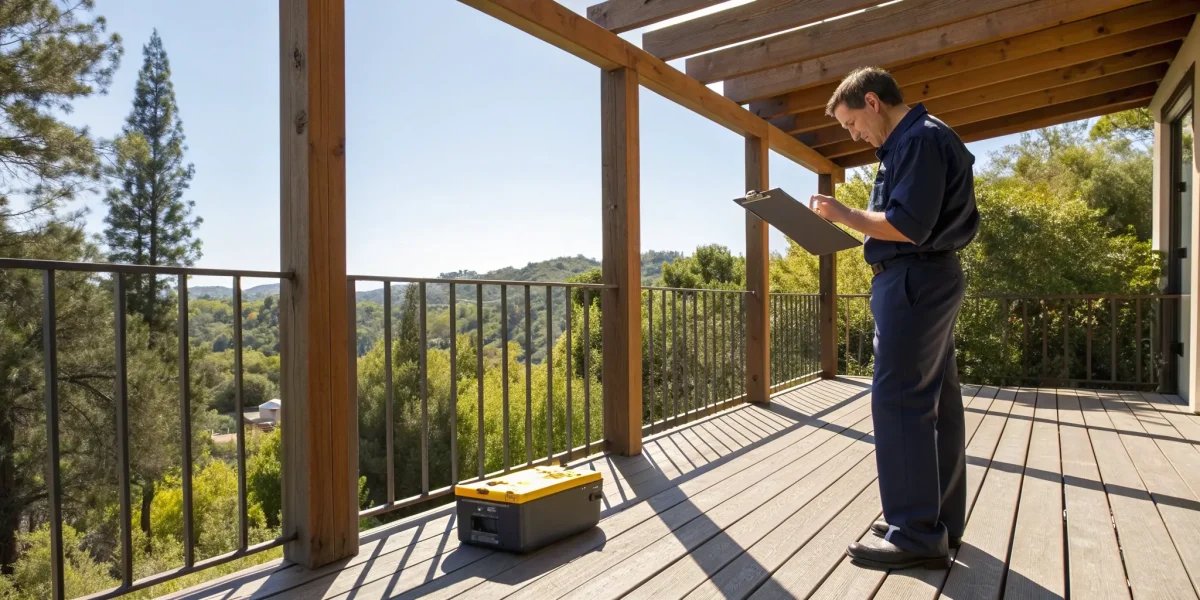
The story behind California’s SB 721 is a somber one, born from a tragic balcony collapse in Berkeley that highlighted a critical gap in property safety regulations. This law isn’t just about compliance; it’s a direct response designed to prevent such a disaster from ever happening again. For property owners and managers, it establishes a clear mandate for proactive safety checks on elevated structures like decks, stairways, and walkways. Navigating the legal language and specific timelines can be confusing, but the core goal is simple: to identify and fix structural hazards before they become life-threatening. We’ll break down the essential California SB 721 deck inspection requirements so you can understand your responsibilities and ensure your building is a safe home for your residents.
Key Takeaways
- Know Your Deadline: If your California property has three or more units with elevated balconies or walkways, your first safety inspection is due by January 1, 2025. This isn’t a suggestion—it’s a legal requirement with inspections recurring every nine years.
- Choose an Unbiased Professional: The law requires your inspection to be done by a licensed expert, like an architect or engineer. Crucially, this professional cannot be the same person who performs any necessary repairs, ensuring you get an honest and accurate assessment.
- Plan for Repairs to Avoid Penalties: An inspection report isn’t the final step. You must address any identified safety issues within a strict timeframe to avoid daily fines, a safety lien on your property, and serious legal risks. Having a plan for potential repairs is a key part of compliance.
What Is California SB 721?
California Senate Bill 721, often just called SB 721, is a state law that mandates safety inspections for elevated exterior elements in certain multi-family residential buildings. If you own or manage an apartment building with three or more units in California, this law directly impacts you. It was established to protect residents and the public by identifying and correcting structural hazards before they lead to disaster. Understanding its origins and goals is the first step toward ensuring your property is safe, secure, and fully compliant with the state’s requirements. The NRCIA provides certified California SB 721 inspections to help you meet these obligations with confidence.
The Story Behind the Law
The story behind SB 721 is a somber one, rooted in a preventable tragedy. The law was created after a balcony collapsed in Berkeley, killing six students. A subsequent investigation revealed that the collapse was caused by severe dry rot, a problem that regular inspections would have certainly caught. This heartbreaking event served as a critical wake-up call, highlighting a major gap in property safety regulations. Lawmakers responded by creating SB 721 to ensure that no other community would have to endure a similar loss due to structural neglect. It’s a direct measure to hold property owners accountable for the safety of their buildings.
What the Law Aims to Achieve
At its core, SB 721 is all about proactive safety. The law is designed to prevent future tragedies by requiring periodic inspections of elevated outdoor structures like balconies, decks, and walkways. The main goal is to confirm these elements are structurally sound and free from hazards like wood rot, rust, or other damage that could compromise their integrity. By mandating these checks, the law helps property owners identify and address potential issues before they become life-threatening emergencies. This not only protects tenants but also shields owners from significant liability. Following the inspection requirements is a key part of responsible property management and ensures your building remains a safe place to live.
Does SB 721 Apply to Your Property?
Figuring out if a new law applies to your property can feel like a chore, but understanding California’s SB 721 is essential for anyone who owns or manages multi-unit buildings. Often called the “Balcony Inspection Bill,” this law was put in place to prevent structural failures and protect residents by requiring regular safety checks of outdoor structures. It’s not just about compliance; it’s about ensuring the safety of the people who call your property home.
If you own an apartment building in California, there’s a good chance this law affects you directly. The requirements are specific, targeting buildings that are most at risk for wear and tear on their elevated elements. Getting ahead of this means you can plan for inspections, budget for potential repairs, and avoid the stress of last-minute scrambling or the serious consequences of non-compliance. Think of it as proactive maintenance that safeguards both your tenants and your investment. Let’s walk through exactly which buildings need an inspection and what your duties are as a property owner.
Which Buildings Need Inspection
So, how do you know if your building is on the list? SB 721 applies to properties with three or more multi-family dwelling units. The law specifically targets what it calls “elevated exterior elements,” which are structures like balconies, decks, porches, stairways, and walkways that stand more than six feet above the ground. If your apartment building fits this description, you are required to schedule a safety inspection. The deadline for the first inspection is January 1, 2025, so it’s important to act soon. This isn’t a one-and-done task; the law mandates that these inspections be repeated every nine years to ensure these structures remain safe over time.
Your Responsibilities as a Property Owner
As the property owner, the responsibility for arranging and acting on these inspections falls to you. Your first step is to hire a qualified professional—like a licensed architect, engineer, or a certified building inspector—to conduct a thorough assessment. If the inspection report reveals any condition that poses an immediate safety risk, you must take swift action to prevent access to the area and begin repairs right away. For any non-emergency issues, you have 120 days from receiving the report to apply for the necessary building permits. Fulfilling these duties is a critical part of being a responsible landlord and is fundamental to protecting your tenants, your property, and your peace of mind. We work with many property owners to help them manage these exact requirements.
What Needs to Be Inspected?
When it comes to SB 721, the law is very specific about what needs a closer look. The goal is to ensure the structural safety of parts of a building that are exposed to the elements and bear weight. Understanding these key areas will help you know exactly what an inspector will focus on during their visit, so you can feel prepared and informed. Let’s break down the main components that fall under the inspection requirements.
Defining “Elevated Exterior Elements”
So, what exactly are inspectors looking at? The law uses a specific term: Exterior Elevated Elements, or EEEs for short. Think of these as the outdoor, load-bearing structures that are built primarily with wood. These are the parts of your property that extend from the building and are exposed to weather, making them vulnerable to moisture and decay over time. The state of California requires these specific elements to be inspected to prevent structural failures. The focus of CA SB 721 inspections is to catch potential hazards before they become dangerous, protecting both residents and your investment.
Key Structural Requirements
Not every balcony or walkway is subject to SB 721. The law applies to EEEs that are six feet or more above the ground. This includes common structures like balconies, decks, porches, stairways, and elevated walkways. During the inspection, a certified professional will assess the condition of these elements, checking that they are safe, functioning correctly, and properly waterproofed. They’ll look for signs of dry rot, rust, and other structural damage. A key part of this is checking for water intrusion in hidden areas, as moisture is a primary cause of deterioration. Protecting your building from water damage, from the top down, is crucial for maintaining its integrity.
Common Areas to Check
A proper inspection is much more than a quick visual scan. Your inspector will examine several critical points to ensure everything is sound. They will assess the overall strength of the deck, how securely it’s attached to the building, the condition of its support posts, and the state of the walking surface. Railings are also a major focus to ensure they are secure and meet safety standards. Common problems that inspectors find include rotting wood, loose or corroded screws and fasteners, and inadequate water protection, known as flashing. Our inspectors receive extensive training to spot these exact issues, ensuring nothing is overlooked.
What Does an SB 721 Inspection Involve?
An SB 721 inspection is a detailed assessment to confirm the safety and structural integrity of your building’s elevated exterior elements (EEEs). A qualified professional follows specific guidelines to evaluate load-bearing components and waterproofing systems, essentially giving your property a health checkup. The goal is to catch potential problems like dry rot or water damage before they become serious, ensuring you meet legal requirements and keep your tenants safe.
Inspection Standards and Assessments
During an SB 721 inspection, a professional examines all elevated exterior elements six feet or more above the ground, including balconies, decks, stairways, and railings. Their primary job is to verify that these structures are safe and performing as intended. They’ll look for signs of deterioration like wood rot or corrosion and check for structural weaknesses. A key part of the assessment is evaluating the waterproofing systems that protect the structure from water intrusion. The inspector then provides a detailed report for your records and for planning any necessary repairs.
Key Deadlines and Inspection Cycles
Staying on top of deadlines is crucial for SB 721 compliance. The first inspection for all applicable buildings must be completed by January 1, 2025. This applies to any building with three or more multifamily dwelling units that has elevated exterior elements. Don’t wait until the last minute, as finding a qualified inspector can take time. After the initial inspection, the law requires subsequent inspections at least once every six years. This recurring cycle ensures your property is regularly monitored for safety, helping you stay compliant and protect your tenants.
Handling Emergency Repairs
If an inspector finds a condition that poses an immediate threat to safety, like severe dry rot or a loose railing, they must act fast. They are required to report these findings to both you and the local building enforcement agency within 15 days. As the owner, you’ll have a set timeframe—typically 15 to 120 days—to apply for a permit and make the repairs. This process ensures that dangerous conditions are corrected quickly, preventing potential accidents and bringing your property back into compliance with safety standards.
Who Can Perform an SB 721 Inspection?
Choosing the right inspector is one of the most critical steps in the SB 721 compliance process. The state has set clear guidelines on who is qualified to perform these safety assessments to ensure they are handled by experienced professionals who can accurately identify potential hazards.
Required Professional Qualifications
California law is very specific about who can conduct these inspections. Your inspection must be performed by a licensed general contractor, a certified building inspector, an architect, or an engineer. This requirement ensures a professional with proven expertise is evaluating your property. A crucial rule to remember is that the individual who inspects your elevated exterior elements cannot be the same person who performs any necessary repairs. This separation is designed to prevent conflicts of interest and guarantee you receive an unbiased, honest assessment of your property’s safety and structural condition.
The NRCIA Certification Advantage
While the state sets minimum qualifications, choosing an inspector with an NRCIA certification gives you an extra layer of confidence. Our certified inspectors aren’t just qualified; they receive specialized training tailored to the exact requirements of California’s SB 721 legislation. This means they know precisely what to look for to ensure your exterior elevated elements are safe and fully compliant. For property owners and managers, working with an NRCIA-certified professional simplifies the process. You can trust that the inspection is thorough, accurate, and focused on maintaining the long-term integrity and safety of your building, helping you protect your investment and your tenants.
What to Expect in Your Inspection Report
After the inspector leaves, you’ll receive a detailed report. This document is more than just a summary; it’s your official record of the inspection and your guide for any required next steps. A thorough report gives you a clear picture of the health of your elevated exterior elements (EEEs) and outlines exactly what you need to do to stay compliant and ensure resident safety. Think of it as a health check-up for your building’s balconies, decks, and walkways, identifying any existing issues and confirming which areas are in good shape.
Essential Report Components
Your inspection report should be a straightforward document that clearly lays out the findings. At a minimum, it must include a detailed description of the condition of your EEEs, an estimate of their remaining useful life, and any recommendations for further inspections if a problem area needs a closer look. Vague summaries won’t cut it. You need specifics on any signs of water damage, decay, or structural compromise. A professional inspector will use specialized inspection software to generate a comprehensive report that includes photographic evidence and precise descriptions, giving you a complete and accurate record.
How Long to Keep Your Records
Once you have the report, don’t just file it away and forget about it. California law requires you to keep inspection reports for at least 12 years, which covers two full inspection cycles. You’ll need to have these documents on hand in case local code enforcement officials request them. Keeping organized records is also smart for your own benefit. It creates a maintenance history for the property, which can be incredibly valuable for future planning and budgeting. This simple habit helps you stay on top of legal requirements and manage your property more effectively.
Reporting Unsafe Conditions
If the inspection uncovers a condition that poses an immediate threat to safety—like severe dry rot or a loose railing—the process moves quickly. The inspector is legally required to report this hazard to you and the local building department within 15 days. From there, you must notify your tenants of the issue and immediately prevent access to the dangerous area until repairs are completed. This protocol is in place for everyone’s protection. Working with a certified inspector who understands these SB 721 inspection duties ensures that these critical safety issues are handled correctly and without delay.
Common SB 721 Myths, Debunked
Navigating the specifics of any law can feel like walking through a maze, and SB 721 is no exception. Misinformation spreads quickly, leading to confusion, unnecessary stress, and the risk of non-compliance. Let’s clear the air and tackle some of the most common myths about California’s deck inspection law. Understanding the facts is the first step toward ensuring your property is safe and you’re meeting your legal obligations without any guesswork.
Misconceptions About Timelines and Inspectors
One of the biggest points of confusion revolves around the deadline. Many property owners believe the initial inspection window has already closed, but the first inspection must be completed by January 1, 2025. While that might seem far away, finding a qualified professional and scheduling the inspection takes time, so it’s wise to act sooner rather than later.
Another common myth is that any general contractor can perform the inspection. This is incorrect. SB 721 requires inspections to be conducted by a licensed architect, civil or structural engineer, or a building contractor holding specific license classifications. Choosing a properly certified inspector is not just a suggestion—it’s a legal requirement for a valid report.
Misunderstandings About Repair Deadlines
If an inspection uncovers issues, many people mistakenly believe they have a flexible timeline for repairs. The law is actually very specific. If an inspector identifies an immediate threat to safety, they must report it to the property owner and local enforcement agency within 15 days. The owner must then take preventative measures, like restricting access to the area, right away.
For non-emergency repairs, you must apply for permits within 120 days of receiving the report and complete the work within 120 days after the permit is issued. If you don’t, you could face a 30-day warning, followed by a safety lien on your property and significant daily fines until the issue is resolved. These aren’t minor penalties, so addressing repairs promptly is crucial.
Confusion Over Mandatory Requirements
Some property owners think SB 721 only applies to large, high-rise apartment buildings. In reality, the law applies to any residential building with three or more multifamily units that has “elevated exterior elements.” These elements include balconies, decks, porches, stairways, walkways, and entry structures that are more than six feet above the ground and rely on wood-based materials for support.
Finally, there’s a misconception that compliance is optional. SB 721 is a mandatory safety law designed to prevent structural failures and protect residents. It was passed in response to a tragic balcony collapse, and its requirements are not suggestions. All applicable properties must undergo these SB 721 inspections to ensure the safety of their structures and tenants.
The Risks of Non-Compliance
Ignoring the SB 721 requirements isn’t an option, and the consequences go far beyond a simple warning letter. Failing to comply can lead to serious financial and legal trouble that can put your property and your business at risk. It’s crucial to understand that these regulations are in place to prevent catastrophic failures and protect lives. Let’s break down exactly what you’re facing if you let these mandatory inspections slide. From steep daily fines to legal claims against your property, the stakes are high. Taking a proactive approach is the only way to safeguard your investment and, more importantly, ensure the safety of your residents.
Fines and Financial Penalties
If you don’t meet the SB 721 inspection requirements, you can face some hefty financial penalties. Local enforcement agencies can issue fines ranging from $100 to $500 for each day your property remains out of compliance. These aren’t one-time fees; they are daily penalties that can accumulate rapidly, turning a manageable issue into a major financial drain. For property owners, this means that delaying an inspection or necessary repairs can become incredibly expensive. The best way to avoid these fines is to stay on top of your inspection deadlines and address any required repairs as soon as possible. Think of it as a critical investment in your property’s long-term health and your own financial stability.
Legal Liability and Property Liens
Beyond the daily fines, non-compliance carries significant legal weight. If an inspection reveals that repairs are needed, you typically have a set timeframe to complete them. Should you fail to make the necessary fixes, you could receive a 30-day warning. If the issues still aren’t resolved, the local jurisdiction can place a safety lien on your property. A lien is a legal claim against your asset that serves as a public notice of unresolved safety issues. This can seriously complicate your ability to sell, refinance, or manage your property until the lien is cleared. To avoid this, it’s essential to work with a qualified inspector who can guide you through the repair and certification process efficiently.
Notifying Your Tenants
Your responsibilities under SB 721 also extend to the people living in your building. If an inspector identifies an immediate hazard—like severe dry rot or a loose railing—they are required to report it to both you and the local building department within 15 days. From there, the responsibility falls on you to immediately notify your tenants of the dangerous condition. You must also take prompt action to prevent access to the hazardous area until repairs are completed. This isn’t just a legal formality—it’s a critical step in ensuring tenant safety and maintaining trust. Clear communication and swift action are essential for both compliance and responsible property management.
How to Prepare for Your SB 721 Inspection
Getting ready for an SB 721 inspection doesn’t have to be a stressful experience. With a little bit of planning, you can make the process smooth, efficient, and predictable. Thinking ahead not only helps you meet your legal obligations but also saves you from last-minute scrambles that can cost you significant time and money. It’s all about being proactive rather than reactive. When you understand what inspectors are looking for and have a clear plan in place, you put yourself in the best position to address any issues quickly and keep your property safe and compliant.
This preparation involves more than just scheduling an appointment; it’s about organizing your documents, doing a preliminary assessment of your property, and lining up the right professionals before you’re up against a deadline. A well-prepared property owner can often streamline the entire process, from the initial walkthrough to any necessary repairs. This approach demonstrates due diligence and a commitment to tenant safety, which is the ultimate goal of the law. Let’s walk through the key steps to get you fully prepared for a successful inspection, so you can feel confident and in control when the inspector arrives.
Your Pre-Inspection Checklist
A little preparation goes a long way. Before the inspector arrives, run through this simple checklist to make sure you’re ready. First, gather all relevant building records, including original construction plans and any permits for past repairs or modifications. Next, do your own visual walk-through. Look for obvious signs of wear like cracks, water stains, or wood rot on your balconies and decks. Finally, ensure all elevated exterior elements are easily accessible. Clear away any furniture, planters, or stored items that might block the inspector’s view or access to critical structural components. This simple prep work helps the inspection go much faster and gives you a heads-up on potential issues.
Find a Qualified Inspector
Choosing the right inspector is one of the most important steps. Under SB 721, inspections must be performed by a licensed architect, civil or structural engineer, or a general contractor with specific licenses. It’s crucial to verify their credentials and experience with these types of inspections. Remember, the law states that the person who inspects the property cannot be the same person who performs the repairs. This rule prevents conflicts of interest and ensures an unbiased assessment. The NRCIA provides specialized training for CA SB 721 inspections, so you can find a certified professional who understands exactly what’s required to keep your property safe and compliant.
Plan for Repairs and Costs
Once you receive the inspection report, it’s time to act on its findings. If the report identifies any issues requiring repairs, you’ll need to create a plan. For non-emergency repairs, the law gives you 120 days from receiving the report to apply for the necessary building permits. After the permits are approved, you have another 120 days to complete the work. It’s a good idea to start getting quotes from qualified contractors as soon as you know what needs to be fixed. Budgeting for these potential costs ahead of time can prevent financial strain and ensure you can meet the deadlines without delay, keeping your tenants safe and your property in good standing.
Related Articles
- SB 721 Inspections – NRCIA
- SB 721 (Deck/Balcony) Inspections – NRCIA
- Mastering Senate Bill 721: California’s Balcony and Deck Inspection Law – NRCIA
Frequently Asked Questions
My building is fairly new. Do I still need to get an inspection by the 2025 deadline? Yes, you do. The law applies to all buildings with three or more multi-family units, regardless of their age. Even newer construction can have hidden defects or waterproofing issues that could lead to problems down the road. Think of the inspection as a proactive check-up to confirm everything was built correctly and remains safe, ensuring you catch any potential issues early on.
What’s the real difference between an “immediate threat” and a non-emergency repair? An immediate threat is a hazard that could cause injury or property damage at any moment, like a severely rotted support beam or a dangerously loose railing. These situations require you to restrict access to the area right away and start the repair process immediately. A non-emergency issue is a problem that needs attention but isn’t an imminent danger, such as early signs of water staining or minor cracks. You have a more structured timeline to address these, but they can’t be ignored.
Can I just hire my usual handyman or general contractor for the inspection? Not unless they hold the specific qualifications required by law. SB 721 mandates that inspections be performed only by a licensed architect, engineer, or a building contractor with specific license classifications. This is because the assessment requires a deep understanding of structural engineering and waterproofing systems. The law also prohibits the inspector from being the same person who performs the repairs, which ensures you get an unbiased and honest evaluation.
What happens if I miss the January 1, 2025 deadline? Missing the deadline can lead to serious consequences. Local enforcement agencies have the authority to issue daily fines, which can add up very quickly. If an inspection reveals problems that you fail to address, the city can place a safety lien on your property. This makes it difficult to sell or refinance and serves as a public record of non-compliance. It’s far less stressful and costly to schedule your inspection well before the deadline.
Is this a one-time inspection, or will I have to do this again? This is not a one-time requirement. The law was designed to ensure ongoing safety for residents. After your initial inspection is completed by the January 1, 2025 deadline, you are required to have your property’s elevated exterior elements inspected again at least once every nine years. Keeping a consistent inspection schedule helps you stay compliant and manage the long-term health of your building.
