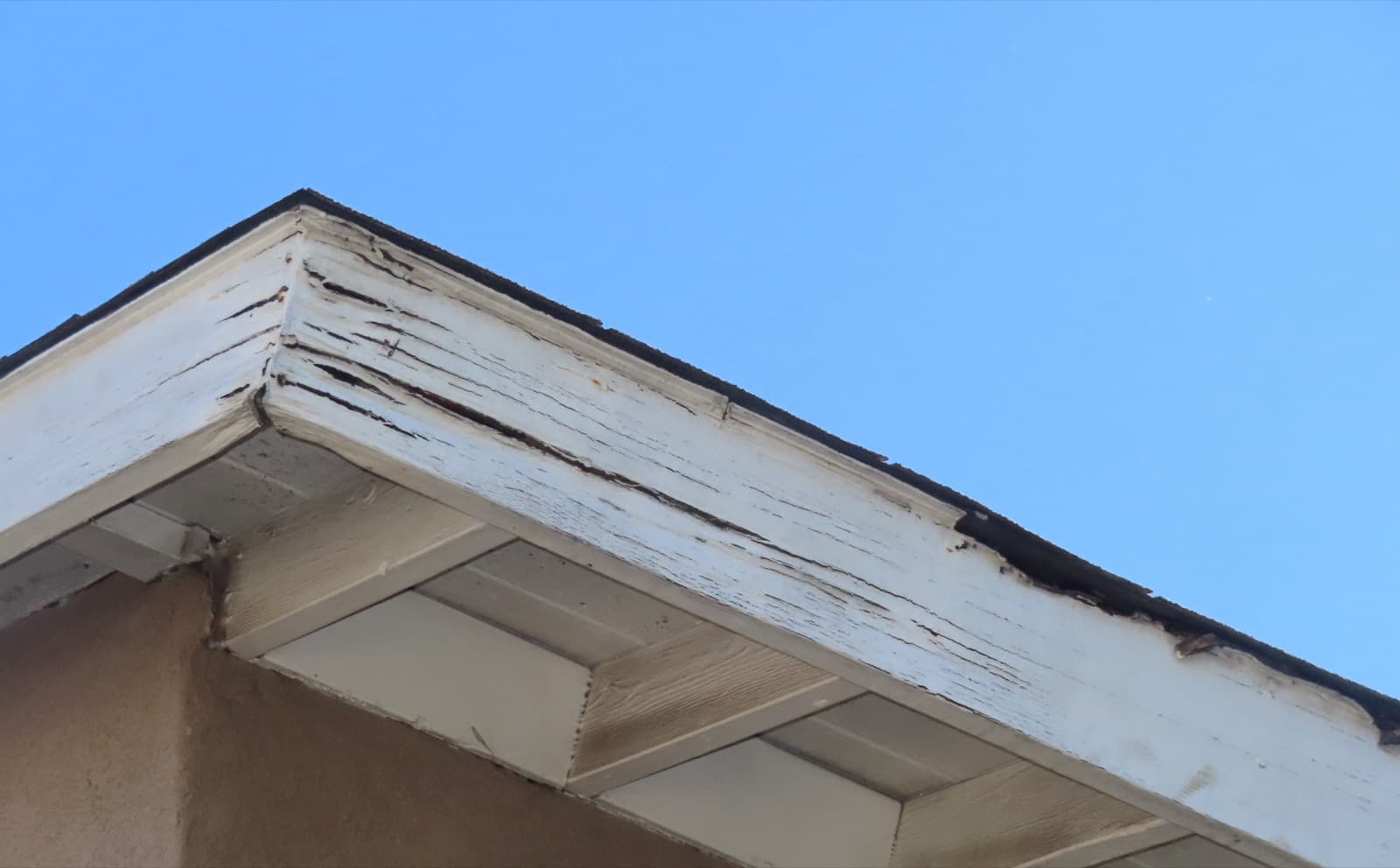
Why annual roof inspections belong in your maintenance plan
Most roof problems are not sudden. They are deferred maintenance arriving on its own schedule. The roof takes the weather before any other part of the building does, and it does that quietly, out of sight, until water reaches a ceiling and the repair stops being small.
Annual roof inspections exist to interrupt that sequence. An accredited inspector goes up once a year, finds the conditions that are heading toward failure, and gives you a written record you can act on while the fix is still cheap.
The weather is asking more of your roof
Rain arrives harder and in shorter bursts than it used to. Wind events are stronger. Temperature swings are wider. Roofing assemblies were engineered against historical patterns, and those patterns have shifted.
Each stress leaves a different signature. Wind-driven rain pushes water uphill under laps and finds any flashing detail that was installed short. Hail bruises and fractures depending on stone size, material, roof age and slope. Freeze and thaw cycles open small gaps into larger ones and can dam meltwater behind ice at the eave. Prolonged heat and ultraviolet exposure drive the oils out of asphalt and underlayment, and the material cracks, curls and loses granules. In Southern California, Santa Ana winds pile debris where water is supposed to drain, and standing water accelerates everything underneath it.
Snow load matters too. Older framing in higher elevations was not always designed for the weight it now carries, and a sagging deck is a structural problem wearing a roofing disguise.
Ventilation does quiet damage
An inadequately ventilated attic cooks the underside of the roof in summer and traps moisture in winter. The result is premature aging you cannot see from the street: brittle underlayment, corroded fasteners, and organic growth on the sheathing. Shingles can look acceptable while the assembly beneath them is failing. An inspector who checks the attic catches this. One who works from the driveway does not.
Out of sight, out of mind
Homeowners do not climb their roofs, which is the correct decision and also the reason problems mature undetected. By the time a stain appears on a bedroom ceiling, water has been travelling through the assembly for a while, and you are no longer preventing damage. You are mitigating it.
Third-party damage compounds this. Solar installers, satellite technicians, painters, tree crews and gutter cleaners all walk on roofs. Cracked tiles, displaced flashing and unsealed penetrations are routine after that work, and nobody reports them.
Past repairs are worth a hard look
Quick patches applied by whoever was available and cheap tend to fail in the same season, sometimes in a way that redirects water somewhere worse. Mismatched materials, sealant used as a structural fix, and fasteners driven through the wrong plane all show up during an annual inspection. Chasing a leak that was never properly diagnosed costs more over five years than fixing it correctly once.
What an annual inspection covers
An NRCIA member performs a LeakFREE® Check across five zones: interior, attic, exterior, perimeter and rooftop. Water moves between those zones, so the inspection follows it rather than stopping at the edge of the roof covering.
You receive a LeakFREE® Roof Inspection Report documenting condition on that date, with photographs attached to the findings and recommendations ranked by urgency. If the roof meets the published LeakFREE® criteria, the accredited member who performed the inspection can issue a LeakFREE® Roof Certification through InspectionPLUS®. Term is set by the findings, the slope, the materials and the condition, to a maximum of ten years, and the expiration prints as a date.
Across 6,460 member inspections nationwide, more than 66 percent of roofs either qualified for a LeakFREE® Roof Certification or could be repaired to qualify. Most roofs that look worrying from the ground are repairable.
What to do with the report
Address the urgent items now. Schedule the recommended repairs against your budget. Note the maintenance tasks for the season they belong to, usually gutter clearing before the rainy months and debris removal after windstorms.
Then keep the report. A file of consecutive annual reports shows how the roof is aging, supports an insurance claim when a storm does hit by establishing what condition preceded it, and answers the buyer’s toughest question years later when you sell.
Who should do the work
There is no federal license for roof inspectors, which means the credential behind the person on your roof is worth checking. NRCIA trains and accredits individual inspectors to a published standard and maintains the member directory. Members perform the inspections and issue the reports.
Ask for the accreditation, ask for proof of liability insurance, and ask whether the inspector also sells the repairs. Book the visit for the same month each year and it stops being a decision.
Find an accredited NRCIA inspector near you and book this year’s inspection: /member-directory/
LeakFREE®, Forensic ROOF®, Mr. RoofCheck®, InspectionPLUS®, Today’s Inspection… Tomorrow’s Protection®, and Got Leaks?® are registered trademarks of Field Gate FLP, used by permission. RoofGUARD™, ForensicGUARD™, DisasterGUARD™, E3GUARD™, and Think Like a Raindrop™ are trademarks of Field Gate FLP.