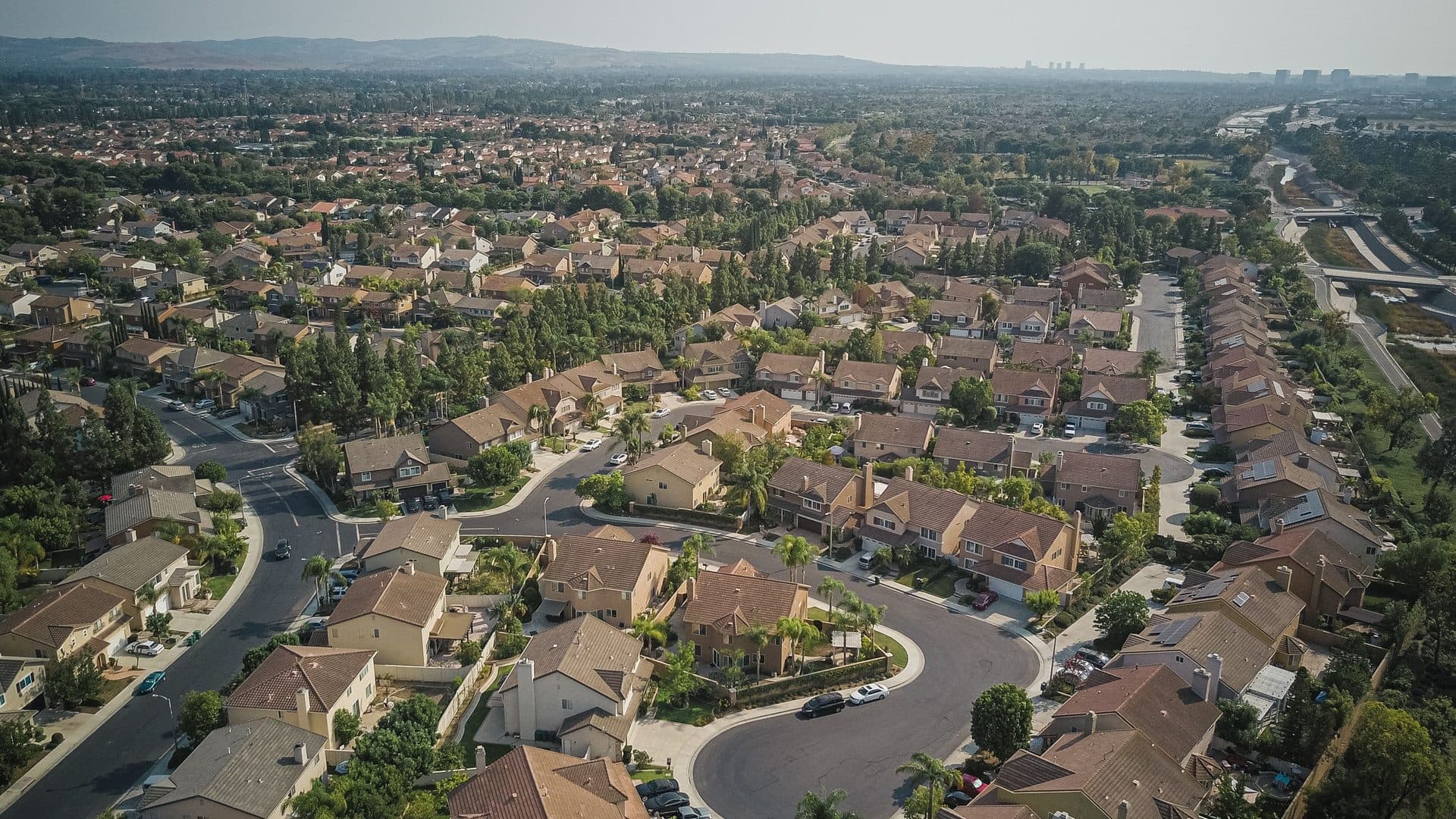
If you serve on an HOA board or manage a community, you may already know the pattern. Another leak after the last rain. Another patch. And still no clear answer about how long the roofs have left. An independent HOA roof inspection, done to a documented standard, gives your board a factual starting point before it commits reserve funds, plans a special assessment, or signs a large contract.
Here is what that inspection should deliver, the warning signs to watch for, and the questions to ask before you hire anyone.
Why roof decisions are hard for boards
Most boards are volunteers. You are asked to make large decisions about building systems you were never trained to evaluate, and then explain those decisions to neighbors who will help pay for them. When your only information comes from the company that maintains the roofs and may later bid the replacement, it can be hard to know where things stand.
Timing adds pressure. In many communities, the roofs were installed within a few years of each other, so they tend to wear out together. If the reserves were not built for a community-wide roofing program, the board needs to know early. Early information gives you time to plan, phase the work, and avoid an unexpected assessment.
Why a roof can look fine and still be near its end
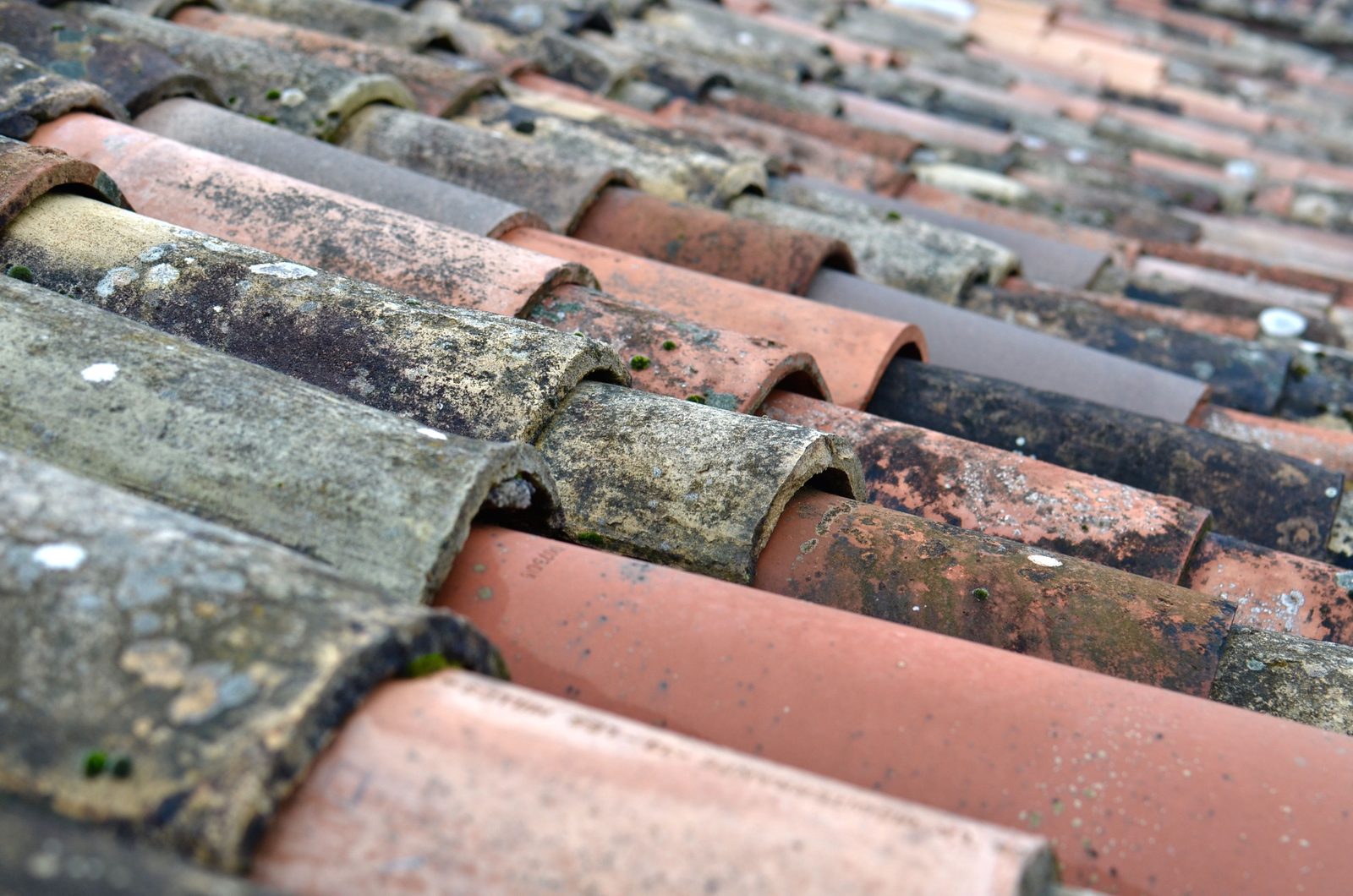
On a tile roof, the tile you see from the street is not the main waterproofing layer. Underneath it sits the underlayment, a water-resistant layer that catches the water that slips past the tiles and carries it down and off the roof. Tile can last for decades. Underlayment usually does not last as long. A roof can look tidy from the sidewalk while the layer doing the real work is wearing out.
This is why NRCIA trains inspectors to Think Like a Raindrop™. Water does not care how a roof looks. It lands, runs downhill, and finds the easiest way in: a cracked tile, a gap around a skylight, a worn spot in the underlayment. It often reaches the attic long before a stain shows on a ceiling. In one community assessment, inspectors found active attic leaks in homes where the ceilings below looked clean.
Water finds every weakness. We find it first.
For your board, that means a clean ceiling or a quick look from the ground does not tell you the roof is healthy.
Warning signs your board needs better information
- Leak complaints keep coming after rain, even though the community pays for yearly maintenance.
- Broken or slipped tiles are being sealed in place with caulk instead of replaced. Sealant can hold for a while, but it is a temporary patch, and it can steer water somewhere new.
- Maintenance reports have few photos, or photos that are not tied to a specific home and location.
- The yearly roof review is mostly a drone flyover. A drone is a useful supporting tool, but it cannot lift a tile or look into an attic.
- No one has given the board an estimate of how many years the roofs have left.
- Your only source of roof information is a company that also wants to sell you the repair or replacement.
None of these signs means anyone acted in bad faith. They mean the board does not yet have what it needs to make a confident decision.
What an independent roof inspection should give you
A good inspection answers your board’s question with evidence and puts the answer in writing.
- A written question and scope. Before work starts, the agreement should state what the inspection will answer, such as the current condition of the roofs and how long they are likely to last. It should also list which homes or buildings are included and what is excluded.
- An honest sample. Large communities often inspect a representative sample, meaning a selected group of homes from each building type, instead of every roof. That can be a sound and cost-conscious approach. The report should explain how the homes were chosen and say plainly that results for homes not inspected are estimates.
- Every part of each inspected roof checked. NRCIA’s roof inspection standard covers five zones: interior, attic, exterior, perimeter, and the rooftop, which is physically walked. The report should show that each zone was covered and name any area that could not be reached.
- Labeled photos tied to each home and location, so you can see what the inspector saw.
- Where water is getting in and what it has reached, described separately from the conditions that let it in.
- How each condition measures up to manufacturer installation requirements and applicable building codes, with anything that needs further evaluation clearly called out.
- A summary the whole board can read. Findings grouped by building type, written in plain language, with links to the individual reports for anyone who wants the detail.
- An estimate of remaining serviceable life, meaning how many more years the roof system can be expected to keep water out with reasonable care. It should be a range, with the reasoning shown.
- Priorities by timeframe: what should happen before the next rain, what can wait a year or two, and what belongs in the long-term plan.
Someone who was never on your roofs should be able to read the report and reach the same conclusions.
Keep the inspection separate from the sales pitch
Ask up front whether the inspector also performs roofing work. Many qualified professionals do both. That is not a problem by itself when it is disclosed and kept separate. The inspection should come first, and the findings should not depend on who gets the job. If your board later wants repair scopes or budget ranges, ask for them in writing as a separate document, and feel free to compare other contractors.
When bids arrive, look past the bottom line. A community-wide roofing project needs someone managing schedules, materials, and communication with residents, so ask each bidder who will do that. Ask an unusually high or unusually low bidder to explain the number. Many boards also find it easier to break a large project into phases. Phasing spreads the cost over several budget years and lets the board review the work and the communication on one phase before approving the next. If your plan runs several years, expect prices to change along the way.
Questions to ask before you hire an inspector
- Will you put the question, scope, and exclusions in writing before you start?
- If you inspect a sample, how will you choose the homes, and how will you explain the limits of that sample?
- Will you inspect all five zones on each home, including walking the roof and checking the attic?
- Will every photo be labeled with the home and location?
- Will the report estimate remaining serviceable life and explain how you reached it?
- Will you rank what needs attention now, soon, and later?
- Do you also offer roofing work, and how do you keep the inspection independent?
- Which NRCIA accreditation do you hold?
Your next step
Start by gathering what the community already has: installation dates, past maintenance reports, leak complaints by address, and your current reserve plan. Then contact an accredited NRCIA member who performs roof inspections for community associations, and share that file before the inspection is scoped.
NRCIA sets the standard and trains and accredits roof inspectors. Members are independent professionals who perform the inspections and write the reports. The inspector provides the expertise. The standard provides the anchor.
Find an NRCIA member in your area and ask for an independent roof inspection your board can plan around.
LeakFREE®, Forensic ROOF®, Mr. RoofCheck®, InspectionPLUS®, Today’s Inspection… Tomorrow’s Protection®, and Got Leaks?® are registered trademarks of Field Gate FLP, used by permission. RoofGUARD™, ForensicGUARD™, DisasterGUARD™, E3GUARD™, and Think Like a Raindrop™ are trademarks of Field Gate FLP.