
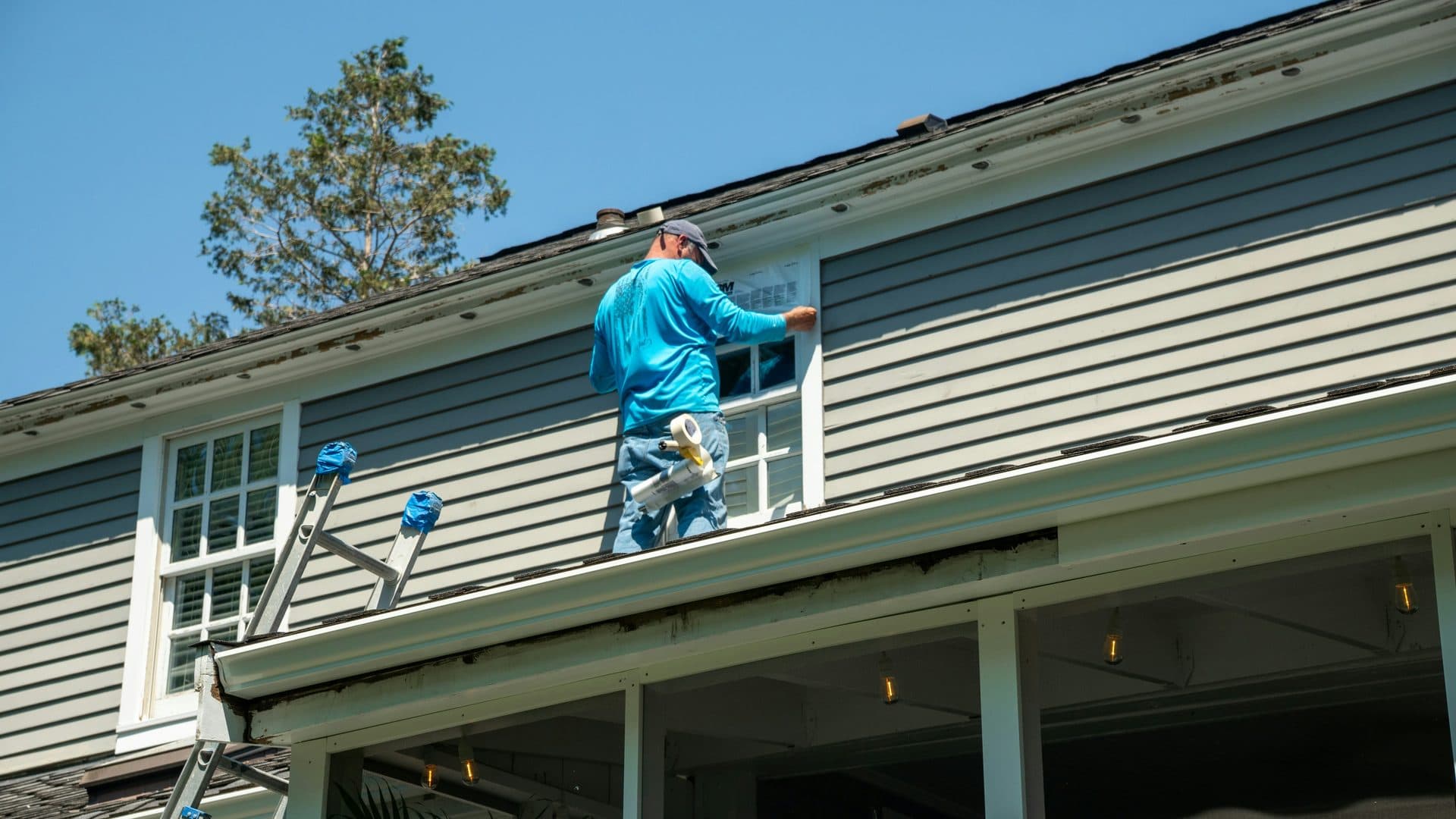
A new roof should end your worries about leaks. When it starts a new set of them, the weeks that follow can feel confusing. You may have a ceiling stain that was not there last year, shingles that look uneven, or a contractor who has stopped returning calls. Before you decide what to do, you need to know what actually happened to your roof, in writing, from someone with no stake in the answer.
If you think your roof was installed wrong, this article explains the warning signs, the mistakes that can weaken your position, what a strong inspection report should give you, and the questions to ask before you hire anyone.
Why the facts come before any next step
Every option you have depends on the facts. Asking the contractor to come back, talking with an attorney, or paying for repairs yourself are all easier and safer choices when you know what is wrong, why it happened, and how serious it is.
You and the contractor will probably see the problem differently. An independent inspection by someone who will not be bidding on the repair gives everyone the same starting point. It may also tell you something you did not expect, such as a problem the installer did not cause. That answer still protects you, because it keeps you from spending money on a dispute the evidence does not support.
Warning signs after a new roof
These signs deserve a closer look by a qualified professional:
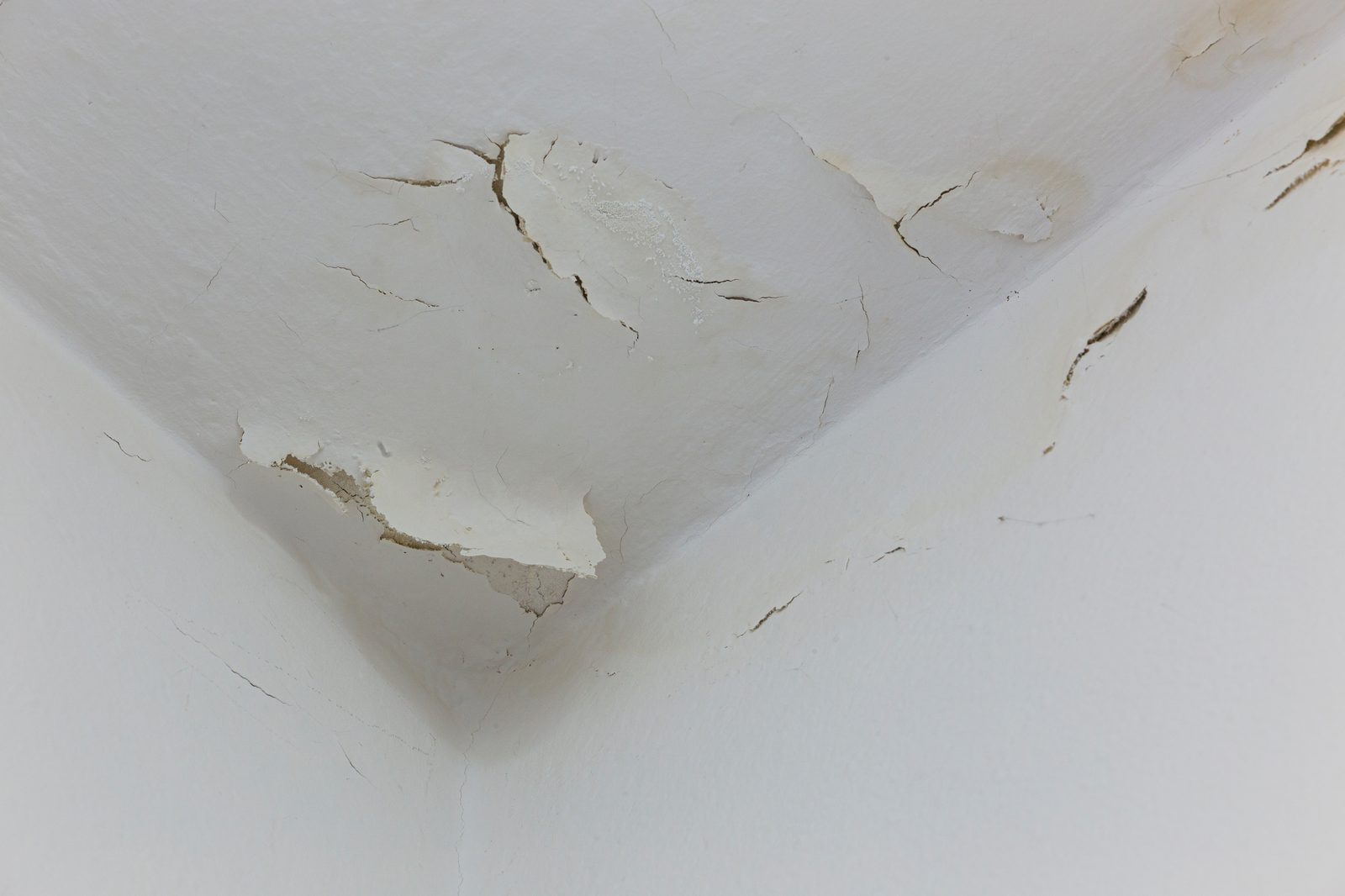
- New water stains on ceilings or walls, especially near chimneys, skylights, or where the roof meets a wall
- Shingles, panels, or material that look crooked, lifted, or unevenly spaced
- Gaps or missing metal around chimneys, vents, and wall joints. This metal is called flashing, and its job is to steer water away from openings in the roof.
- Damp insulation, musty smells, or dark spots on the wood in the attic
- Drips that appear only during heavy, wind-driven rain, or during snow melt
A stain does not always sit directly below the problem. Water can get in at one spot, run along the wood under the roof, and show up several feet away. That is why trained inspectors follow the water instead of guessing. NRCIA calls this mindset Think Like a Raindrop™: see the roof the way water does, find where it gets in, and trace where it travels and what it damages along the way.
Common mistakes that can weaken your position
- Repairing before documenting. If anyone fixes or tears off the problem area before it is inspected and documented, the evidence goes with it. Emergency steps to stop active leaking are reasonable. Permanent repairs can usually wait for the inspection.
- Relying only on the installer’s explanation. They may be right, but they are not independent.
- Waiting too long. Water damage tends to spread, and some legal and warranty deadlines may keep running while you wait. Deadlines vary by state, by contract and by insurance policy.
- Writing heated messages. If a dispute develops, emails and texts may later be shared with the other side. Keep your written messages calm and factual.
- Overlooking damage inside. If water has stained drywall, soaked insulation, or damaged wood, that damage belongs in the record along with the roof itself.
What a good forensic roof inspection gives you
A forensic roof inspection is an investigation into what is wrong and why. Among NRCIA members, this work is done by professionals who hold the NRCIA Forensic Roof Inspector (FRI) accreditation and perform the Forensic ROOF® Inspection using a documented, standards-based method. A good report should answer five questions for you, in this order:
- What question is the report answering, and which rules apply? The report should state the question in neutral terms, stay within the scope in your written agreement, and name the building code requirements and the manufacturer’s installation instructions that apply, so each finding is measured against a written requirement.
- Did the inspection cover the whole roof? NRCIA’s five-zone inspection looks at the interior, attic, exterior, perimeter, and rooftop, with the rooftop physically walked when it is safe to do so, including areas well beyond the spot you are worried about. Expect clear photos labeled with their location, measurements where a requirement calls for one, and a list of anything the inspector could not reach.
- Where does the water go? It should explain where water gets in, the path it travels, and what it damages, including damage inside the building.
- Does each condition meet the requirement? Each finding should say whether it passes, fails, or needs further evaluation, and why. If the evidence cannot answer a question, the report should say what further work would.
- Could anyone follow the report to the same conclusion? It should open with a plain-language summary that lets you, an attorney, or anyone without roofing knowledge understand the findings after one read, and it should state its limits plainly: areas that were hidden, unsafe to reach, or affected by weather.
The report states the physical cause of the conditions observed. It does not decide who is legally at fault, and it is not a legal or insurance determination. Those decisions belong to the appropriate parties.
When to consider talking with an attorney
Roof inspectors are not attorneys and should not give legal advice, and NRCIA does not give legal advice either. Still, the facts in a report often lead people to ask whether they need a lawyer. It may be worth getting legal advice early when:
- The report finds significant installation problems and the contractor will not respond or refuses to correct them
- Water has already damaged the inside of the building
- The cost of correcting the work is more than you can comfortably absorb
- You are unsure what your contract, warranty, or local deadlines allow
An attorney who handles construction disputes can tell you whether your situation is worth pursuing and what to do first, including how and when to share the report with the contractor. Some attorneys prefer to be involved before any letter or report goes out. If an attorney becomes involved after your inspection, they may ask your inspector for additional documentation. That is a normal part of the process.
Questions to ask before you hire an inspector
Bring this list to your first call:
- Do you or your company repair or replace roofs? If so, how do you keep the inspection independent, and will you disclose that in writing?
- What accreditation do you hold for forensic roof investigations?
- Will the report cite the specific code requirements and manufacturer instructions that apply to my roof?
- Will it include labeled photos and a plain-language summary?
- Will it document water damage inside the building as well as on the roof?
- How will the report explain anything you could not inspect?
- If an attorney becomes involved later, what additional services are available, and under what separate agreement?
Your next step
Start with the facts. Write down when you first noticed the problem. Keep your contract, invoices, and any warranty paperwork together. Take your own dated photos of stains and damage. Hold off on permanent repairs to the problem area until it has been documented. Then arrange an independent forensic roof inspection with an accredited professional, and read the report before you decide anything else.
Find an NRCIA member near you who is accredited to perform Forensic ROOF® Inspections.
LeakFREE®, Forensic ROOF®, Mr. RoofCheck®, InspectionPLUS®, Today’s Inspection… Tomorrow’s Protection®, and Got Leaks?® are registered trademarks of Field Gate FLP, used by permission. RoofGUARD™, ForensicGUARD™, DisasterGUARD™, E3GUARD™, and Think Like a Raindrop™ are trademarks of Field Gate FLP.

