


“NRCIA provides outstanding expert consulting support to my law firm and my clients on defective roofing cases by providing thorough, credible, evidence-based inspection reports and expert opinions on damages. The reports are easy to understand and reliable.”
Storm and disaster evaluation
After the storm, start with the facts.
When weather comes through, the question is what it actually did. An accredited member documents the visible, storm-related damage, or determines the proximate cause behind a claim, with nothing riding on how the claim turns out.
- For
- Owners, policyholders, carriers, adjusters and managers
- When
- After hail, wind or a named storm, before or during a claim
- Method
- Photographic documentation, and forensic method for claims
- You receive
- Captioned photographs, or a proximate cause report
Why it matters
An inspection with no side to take.
The inspector is not your adjuster and not your carrier’s. They document what the evidence shows, and that neutrality is what makes the finding worth reading, for both of you.
Adjusting a claim, determining coverage and setting a loss amount are separate activities, often licensed separately by state. Our members do none of them. They establish the facts the people who do can work from.

When you need it
When to call
Hail or wind came through
Documentation of what the weather did, before anyone has decided what it means.
You are filing a claim
A record of the visible damage, photographed and captioned, independent of any carrier.
A claim is in dispute
Storm, wear, maintenance or workmanship, weighed to find the proximate cause.
A portfolio after an event
The same documentation across every property, so managers can see where they stand.
The StormCHECK™ inspection
Everything the storm could have reached
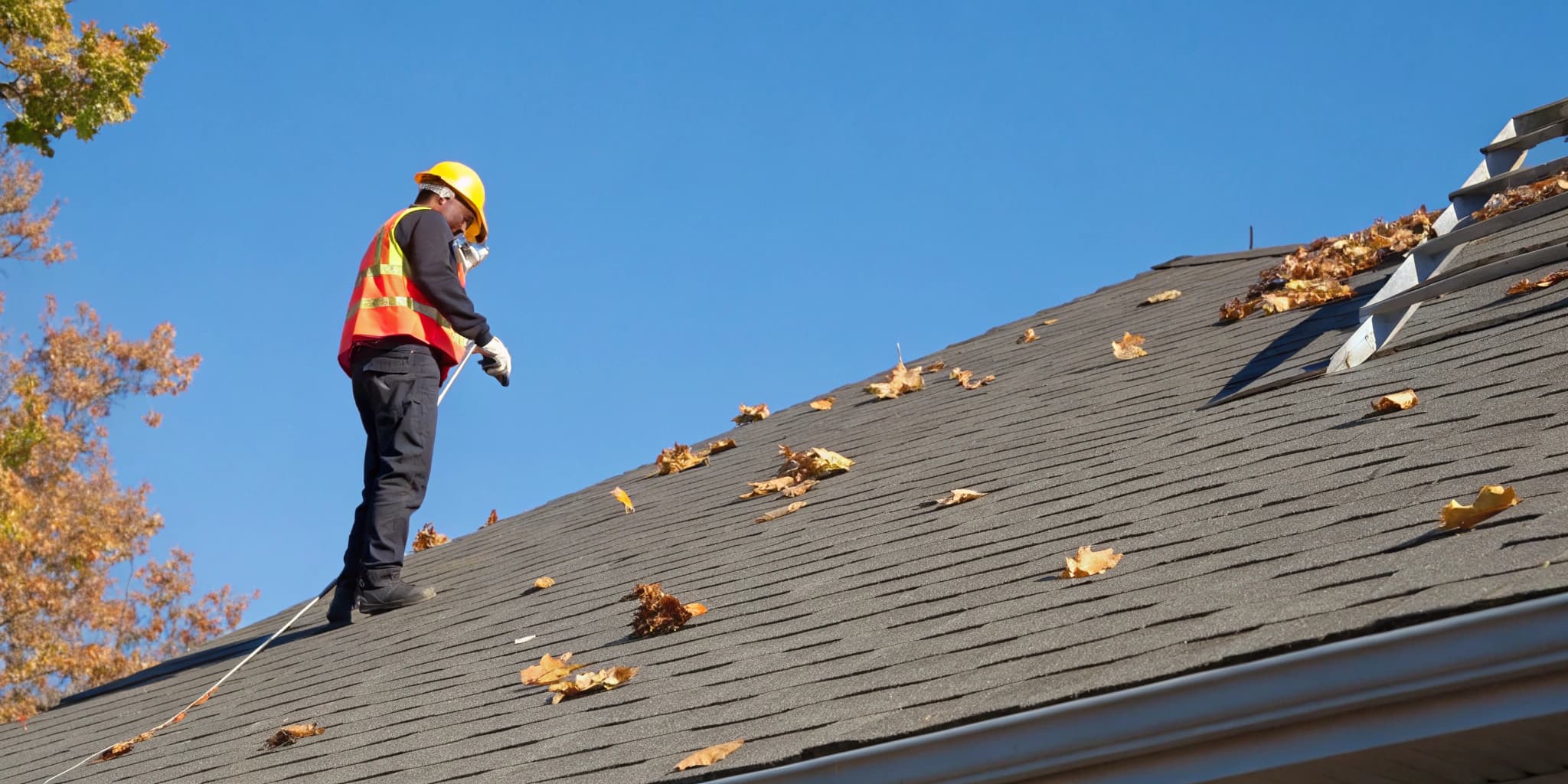
A limited, non-invasive, observational inspection. It documents visible conditions and legitimate, functional storm damage. It is documentation, not conclusions.
The roof surface
Shingles, tiles or membrane, examined and photographed for impact, lifting and loss.
Soft metals
Vents, flashing and gutters, where hail leaves its clearest record.
Openings and fixtures
Windows, doors, garage doors, fixtures, fencing and ancillary structures.
The site
Adjacent structures and the surroundings, for the direction and reach of the event.
The attic
When it is accessible and safe, for what the damage has let in.
What you receive
The facts of the loss, documented
Photo-centric documentation with captions for a StormCHECK™ inspection. For a claim inspection, a consultative report on the proximate cause of the damage, prepared for the party who retained the inspector.
- Captioned photographs of every affected component
- Visible damage recorded, not interpreted
- Proximate cause, for claim inspections
- A statement that the inspector gains nothing from the outcome

In this family
Three ways in
Which one depends on where the claim stands.
StormCHECK™ inspection
Documentation of visible storm damage, usually before or independent of an insurance claim.
Insurance claim inspection
The proximate cause of the damage behind a claim, weighing storm, wear, deferred maintenance, third parties and workmanship. Usually retained by the carrier.
Claim desk review
A review of the photographs and documents already gathered, without a site visit. Suited to a thin paper trail more than a contested one.
In their words
What people say about Storm and disaster
I can firmly recommend this association to anyone serious about expertise, knowledge and customer service… You get to see the effects of your work as you’re helping people get their lives and their properties back up to speed.
- Jason BurrisAttorney
The scope
What it is, and what it is not
A storm evaluation is
- Documentation of visible, functional storm damage
- A proximate cause determination, for a claim inspection
- Independent of any carrier, with no stake in the outcome
It is not
- Public adjusting or advocacy for either side
- An opinion on coverage, claim validity or the amount of loss
- A repair estimate, unless separately contracted
Questions
Frequently Asked Questions
Something else? Ask us directly.
StormCHECK™ documents what the storm did, usually before or independent of a claim. A claim inspection determines the proximate cause of the damage behind an existing claim, and is usually retained by the carrier.
Neither. They document what the evidence shows. That neutrality is the reason the finding is worth reading, whoever reads it.
Coverage is between you and your carrier, and the inspector does not decide it or advocate for it. What they give you is an accurate record of the damage and, for a claim inspection, what caused it.
Remove any emergency tarps before the inspector arrives, or they will be recorded as a limitation on what could be seen. Make sure the inspector can reach the attic and the property safely.
Ready when you are
Tell us about the property. We match your request to an accredited member who serves your area, and they confirm the details and the fee with you before anything is booked.
Choose your own inspector
Search the directory by name or place, see the credentials each member holds, and request them directly.
