
“We called NRCIA in the middle of our re-roofing project because things were not going well… That evening, before we even got the report, our roofer called to apologize and tell us the job was done below standard, so they wanted to redo the roof from scratch.”
Forensic Roof® inspection
What failed, why, and since when.
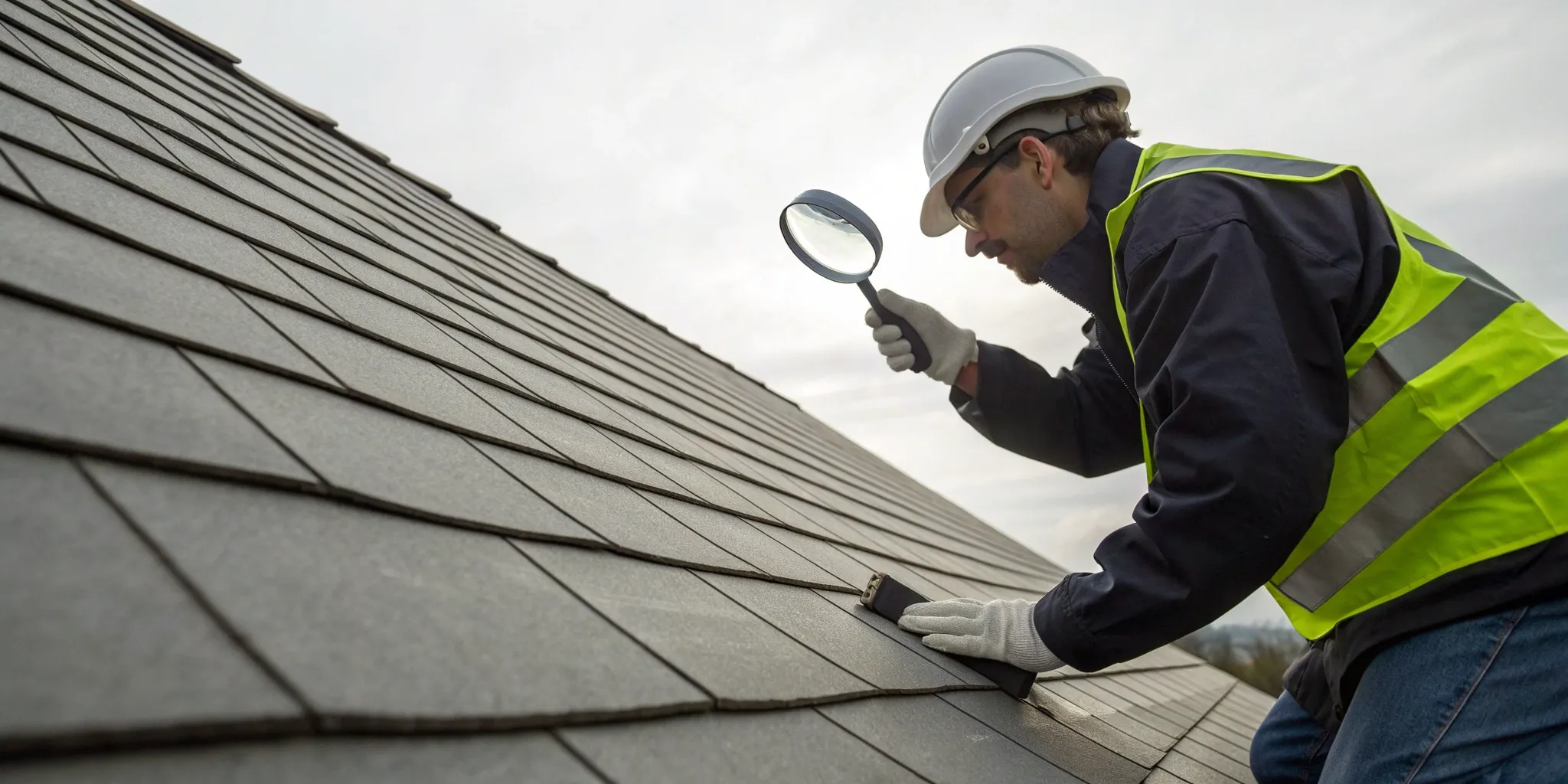
A Forensic Roof® inspection determines the cause, origin and proximate cause of a roof problem, or verifies that work was installed as it should have been. The report is written to be read by people who were never on the roof: owners, carriers, attorneys and courts.
- For
- Owners, carriers, attorneys, builders and associations
- When
- A leak that returns, a disputed claim, a workmanship question
- Method
- Documented and evidence-based, non-invasive by default
- You receive
- Observations, analysis and conclusions, photographed
Why it matters
Evidence, not opinion.
Accredited forensic inspectors determine proximate cause through a documented, evidence-based method, producing findings intended to support informed decisions on causation, liability and repair.
In forensic work the credential is part of the testimony. A finding is as strong as the method behind it and the independence of the person who reached it, and no stronger.

When you need it
When a forensic inspection is the right call
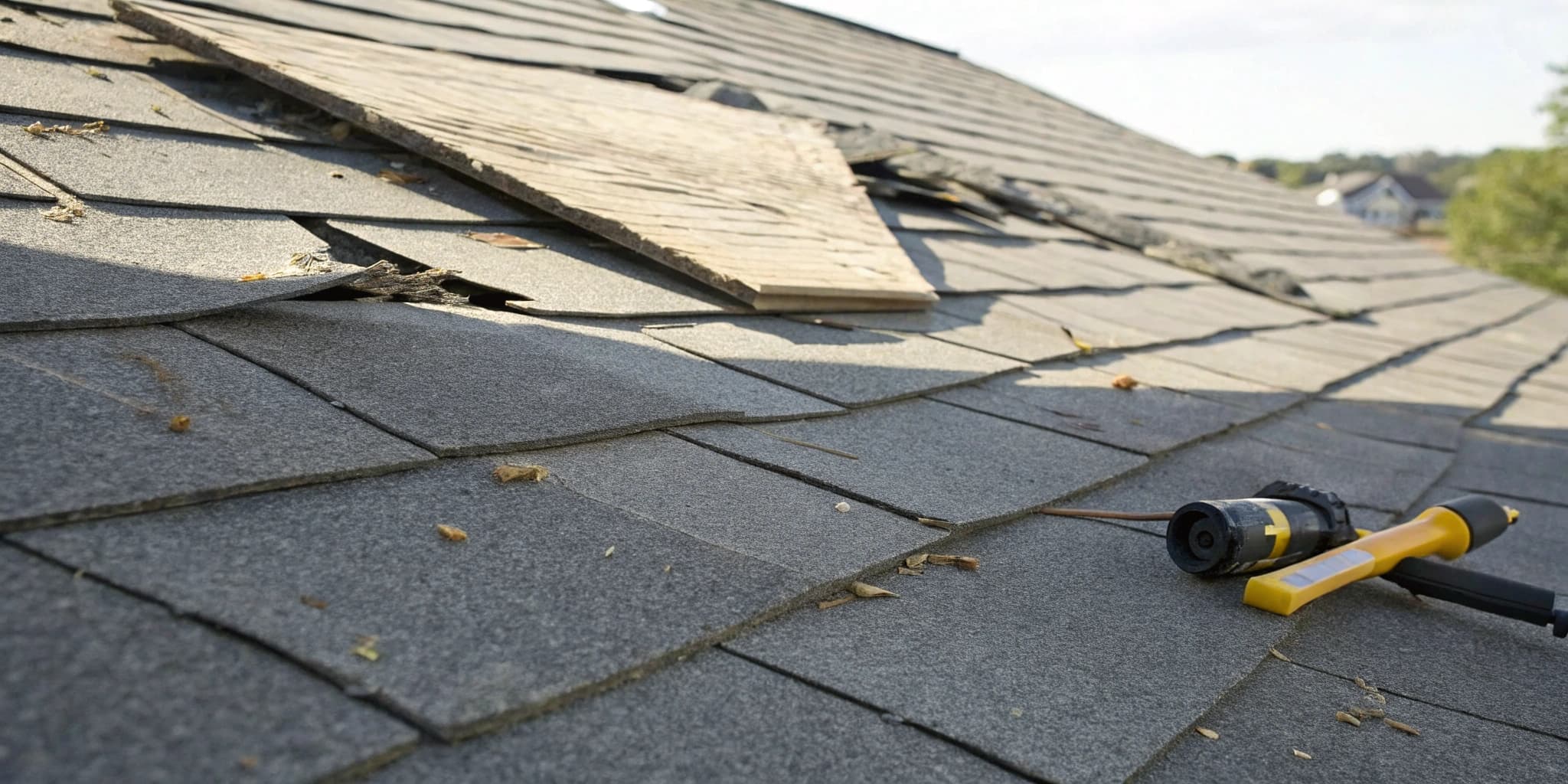
A leak after two repairs
When patching has not worked, the question is no longer where. It is why.
A new roof that leaks
Installation, material or design. The answer decides who is responsible.
A disputed claim
Storm, wear, maintenance or workmanship, weighed against the evidence.
A defect or a lawsuit
Findings documented for attorneys, builders and associations on either side.
How members work
From history to finding
The methodology is the inspector’s to choose for the question in front of them. What does not change is the discipline: a record of what was seen, kept apart from what it means.
History
The roof’s record before the site visit: its age, repairs, claims and what was reported, when.
Observation
The zones the question calls for, walked, photographed and located finding by finding.
Instruments, where warranted
Moisture meters, infrared and closer examination where the visible evidence gives reason.
Analysis
Installation, material, weather, maintenance and third parties, separated and weighed.
Findings
Observations, analysis and conclusions set out in that order, so each can be tested.
What you receive
A report built to be relied on
A consultative, photo-documented Forensic Roof® report setting out observations, analysis and professional conclusions, in an order a reader can follow and test.
- Photographs, dated and located on the roof
- Observations kept apart from conclusions
- Cause, origin and proximate cause, reasoned through
- A repair proposal, when you ask for one in writing

In this family
Forensic work, by the question
Not every question needs a full forensic inspection. The member recommends the narrowest one that answers yours.
Forensic Roof® inspection
The full question: what failed, why it failed, and when it began failing.
Limited forensic inspection
One attribute examined in depth: code, the manufacturer’s installation requirements, workmanship or third-party damage.
Leak investigation
Where the water is getting in and the remedy for it. If the question becomes who is responsible, that is forensic work.
Installation verification
Whether an installation or repair was performed as specified, before final payment or after a dispute.
In their words
What people say about Forensic Roof®
NRCIA provides outstanding expert consulting support to my law firm and my clients on defective roofing cases by providing thorough, credible, evidence-based inspection reports and expert opinions on damages. The reports are easy to understand and reliable.
- Dorielle B.Property Owner
“I desperately emailed NRCIA and was surprised by a prompt and very detailed answer, giving me good guidance along the way. Once you lose trust in your contractor, a neutral and professional point of view is crucial.”
NaseProperty Owner“This was the best inspection certification I have, because it enables me to really have an actual specialty as opposed to the very general approach which is common with home and commercial inspections. I have exponentially doubled my services since I became a member.”
Max CohenNRCIA Forensic Roof® Inspector · Roof Eval · Nassau County
The scope
What it is, and what it is not
A Forensic Roof® inspection is
- A determination of cause, origin and proximate cause
- Verification of installation and workmanship
- Findings intended to support decisions on causation, liability and repair
It is not
- A legal opinion, or an assignment of fault or liability
- An interpretation of an insurance policy or of coverage
- Destructive testing, lab analysis, engineering or testimony, unless separately agreed
Questions
Frequently Asked Questions
Something else? Ask us directly.
No. The report does not assign legal liability or fault, interpret a policy or decide coverage. It establishes what happened to the roof and why, so that the people who do make those decisions are working from evidence.
Expert testimony is arranged under a separate agreement. Whether someone qualifies as an expert witness is decided by the court, case by case. NRCIA accreditation documents training and method; it does not make anyone an expert in the eyes of a court.
A leak investigation finds where the water is getting in and recommends the remedy. When the question is who is responsible for it, or why a roof that should not be leaking is, that is forensic work.
In forensic work the designation is part of the testimony. A documented method, a published standard and a signed conflict-of-interest disclosure are what make a finding hard to set aside.
Ready when you are
Tell us about the property. We match your request to an accredited member who serves your area, and they confirm the details and the fee with you before anything is booked.
Choose your own inspector
Search the directory by name or place, see the credentials each member holds, and request them directly.
