
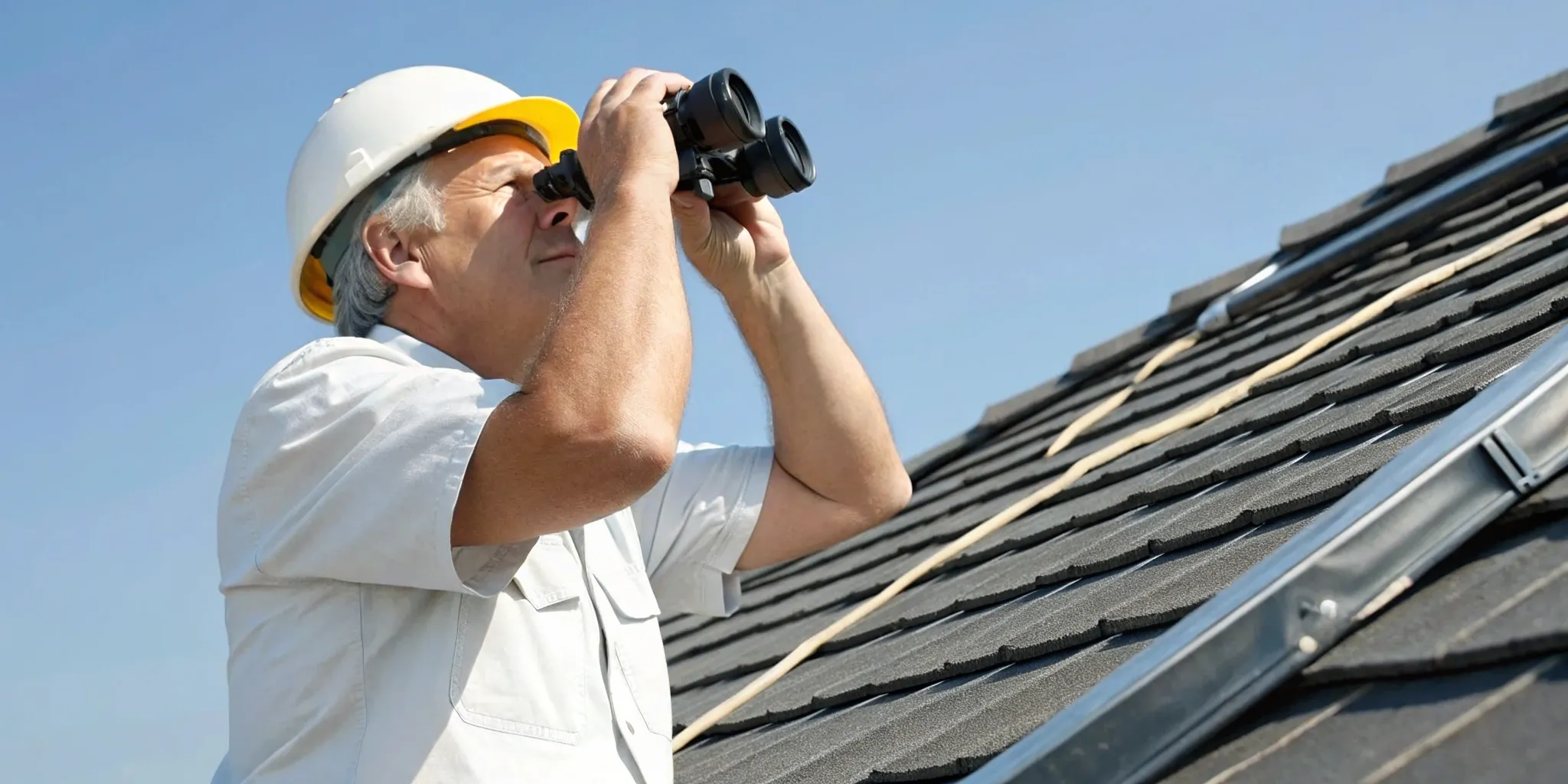
What an Expert Witness Roof Inspection Is
An expert witness roof inspection is a documented investigation into why a roof failed, conducted so that its findings and its methodology can both survive cross-examination. A routine condition assessment answers what is wrong today. This work answers a harder question: what caused it, when, and whether the workmanship, the materials or the maintenance departed from the standard of care.
The distinction matters because the two products serve different masters. A maintenance report advises an owner. A forensic report becomes an exhibit. It will be read by opposing counsel looking for the gap between what the inspector observed and what the inspector concluded.
When a Case Needs One
The trigger is usually a disagreement about causation with money attached to the answer.
- Construction and design defect. Whether the failure traces to the assembly as designed, the assembly as built, or a substitution made in the field.
- Storm and weather claims. Separating new wind or hail damage from pre-existing wear, which is where most denials and most disputes live.
- Product and installation failure. Whether a premature failure reflects a defective material or an installation that departed from the manufacturer’s published instructions.
- Code and maintenance disputes. Whether the assembly met the code in force at permit, and whether an owner’s upkeep or a contractor’s prior repair contributed.
- Coverage disputes over interior loss. Where water entered, how far it traveled, and how long it had been traveling.
An expert is also useful well before a complaint is filed. A pre-litigation assessment that says the claim is weak is worth considerably more than a strong opinion delivered after discovery closes.
How the Investigation Runs
Document review comes before the site visit
The paper record sets the questions. Contracts, submittals, permits, plans, change orders, manufacturer instructions, prior inspection reports, maintenance logs, repair invoices and weather records for the dates in question. Read together, these establish what was supposed to be built, what was billed, and what was known. Discrepancies found here direct the physical inspection instead of leaving it to chance.
The site inspection
The inspector documents the assembly as found: field of the roof, every penetration and termination, flashing and counterflashing, transitions, drainage, ventilation, and the interior and attic evidence of water travel. Photographs are dated and located. Measurements are recorded rather than estimated. The discipline that matters is documenting conditions that cut against the retaining party’s theory alongside those that support it, because an expert who records just the helpful facts is impeached by the ones they left out.
Non-destructive testing, then destructive if warranted
Infrared thermography reveals thermal anomalies consistent with trapped moisture. Electrical capacitance and impedance meters confirm or rule those out. Water testing under controlled, sequenced application can reproduce the intrusion path and establish it rather than infer it. Core sampling is destructive and should follow notice to all parties, joint protocol where litigation is pending, and full documentation, because a core taken outside protocol can put an entire opinion at risk.
The report
The report states the scope, the documents reviewed, the methodology, the observations, the analysis and the opinions, and it draws a visible line between each. It should be readable by a juror and defensible to an engineer. Every opinion should trace back to a specific observation or document the reader can locate in the file.
What to Look For When Retaining an Expert
Credentials that map to the question
A licensed architect, a professional engineer or a licensed contractor with relevant classification each brings something distinct, and none of them is automatically the right choice. Structural loading questions call for an engineer. Assembly, detailing and workmanship questions call for someone who has spent years diagnosing roofs. Ask what the expert has actually inspected, in what quantity, and in what materials.
A standard they can name
Standard of care arguments turn on what a competent professional would have done. An expert who can point to a published, repeatable inspection protocol is in a stronger position than one relying on personal judgment alone. NRCIA sets that standard nationally and accredits the individuals who apply it. Its ForensicGUARD™ program accredits members as NRCIA Forensic Roof Inspectors, advancing to Senior and Master designations with documented volume. The LeakFREE® Check gives the field work a defined five-zone structure: interior, attic, exterior, perimeter and rooftop.
Testimony history, disclosed early
Ask for the prior testimony list, the retention split between plaintiff and defense, and any Daubert or Frye challenge and its outcome. An expert who has been excluded once and can explain why is more credible than one who claims never to have been challenged.
Communication under pressure
Technical accuracy that a jury cannot follow has limited value. Interview the candidate and ask them to explain a counterflashing failure without using the word counterflashing. Watch whether they concede a point cleanly when you push on it. An expert who cannot say “I do not know” in your office will not manage it in a deposition.
Independence
An inspector who also bids the repair has a financial interest in the finding. That is a straightforward line of impeachment. Retain someone whose compensation is for the investigation and the opinion, at an agreed rate, and put the fee structure in writing before the site visit.
Preparing the Property
Give the inspector safe access to the roof, the attic and any crawl space, and clear stored items away from suspected interior evidence. Gather the paper file in advance, including items that seem unhelpful. Do not repair the condition at issue before the inspection, and if emergency mitigation is unavoidable, photograph the area extensively before anything is disturbed. Spoliation arguments have decided cases that the underlying facts would not have.
Two Things Attorneys Get Wrong
The idea that a standard roof inspection will serve is the more expensive mistake. A condition report notes that a roof leaks. A forensic investigation establishes why, and the difference is the entire case.
The second is the assumption that a retained expert cannot be neutral. Impartiality is the asset being purchased. An opinion that bends to the retaining party collapses on cross, and it takes the rest of the report with it.
Find an Accredited Inspector
Search the NRCIA member directory for an accredited forensic inspector in the jurisdiction where your case sits.
LeakFREE®, Forensic ROOF®, Mr. RoofCheck®, InspectionPLUS®, Today’s Inspection… Tomorrow’s Protection®, and Got Leaks?® are registered trademarks of Field Gate FLP, used by permission. RoofGUARD™, ForensicGUARD™, DisasterGUARD™, E3GUARD™, and Think Like a Raindrop™ are trademarks of Field Gate FLP.
