
Your homeowner’s insurance is up for renewal, but this time, there’s a catch: the provider is asking for a document you may have never heard of before. Getting a request for a roof certification for insurance can feel like frustrating red tape, but it’s actually a standard practice designed to assess the health of your home’s most critical shield. This isn’t just about checking a box for your insurer. It’s an opportunity to get a professional, in-depth look at your roof’s condition, catching small issues before they become costly disasters. This guide will walk you through exactly what a certification is and why it benefits you just as much as your insurance company.
Key Takeaways
- It’s a risk assessment for your insurer: A roof certification is a detailed report card that tells insurance companies your roof is in good condition, which helps them accurately assess their risk and can make getting or renewing your policy much smoother.
- Think of it as preventative care: The certification process uncovers minor issues that can be fixed affordably now, saving you from major repair bills and protecting your property’s value in the long run.
- Not all certifications are equal: A standard certification is just an opinion, while an NRCIA LeakFREE® certification includes a warranty. This provides a true guarantee against leaks, offering a level of security that other certifications simply can’t match.
What is a Roof Certification?
Think of a roof certification as a professional report card for your roof. It’s an official document issued by a certified inspector confirming that your roof is in good condition, free of major issues, and is expected to remain leak-free for a specific period. Unlike a standard home inspection, which just notes the roof’s current state, a certification provides a more in-depth assessment of its health and longevity. It’s a statement of confidence from an expert.
Insurance companies, mortgage lenders, and potential homebuyers often request a roof certification to verify that the roof is structurally sound and won’t require expensive, immediate repairs. It serves as proof that you’ve done your due diligence in maintaining the property. For example, the NRCIA’s LeakFREE® roof protection goes a step further by not only certifying the roof’s condition but also providing a warranty against leaks. This gives everyone involved, from the homeowner to the insurer, peace of mind. Essentially, the certification translates a complex roof assessment into a simple, trustworthy document that confirms the roof is ready to do its job.
What Happens During the Inspection?
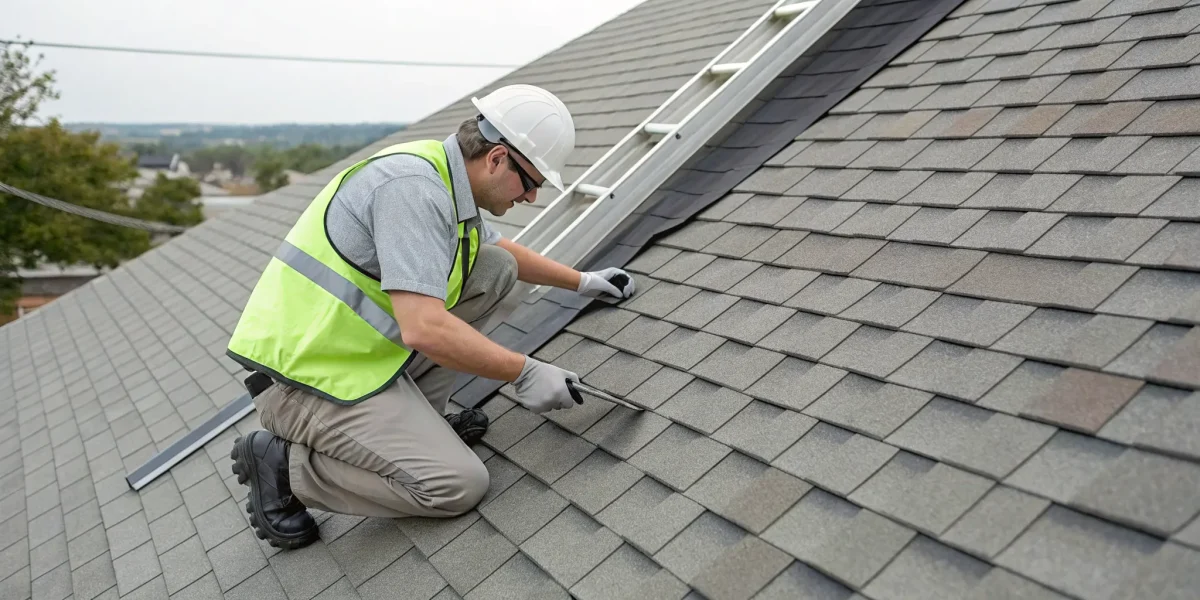
During the certification inspection, a qualified professional conducts a thorough examination of your entire roofing system. They don’t just do a quick walk-around. The inspector will get on the roof to check the condition of the materials, whether they are shingles, tiles, or metal. They’ll look for signs of wear like cracks, missing pieces, and water damage. Key areas like flashing, gutters, and drainage systems are also carefully examined to ensure they are functioning correctly. The inspection isn’t limited to the exterior; the inspector will also check interior spaces like the attic for any evidence of leaks or water stains that might indicate a hidden problem. This comprehensive process ensures every critical component is evaluated.
Understanding Your Certification Report
Once the inspection is complete and the roof meets all necessary standards, you’ll receive your official certification report. This document is your proof of the roof’s good health. It will clearly state the roof’s current condition, detail any repairs that were made to bring it up to standard, and provide an expert estimate of its remaining useful life. Most importantly, the report specifies how long the certification is valid, which is typically between two and five years. This report is what you’ll provide to your insurance company or include in real estate transaction documents. It’s a straightforward summary that gives all property stakeholders the clear, verified information they need.
Why Do Insurance Companies Require Roof Certifications?
When you apply for or renew a homeowner’s insurance policy, your provider might ask for a roof certification. It can feel like just another piece of paperwork, but for an insurance company, it’s a critical tool for understanding their risk. Your roof is your home’s primary shield against the elements, and its condition directly impacts the likelihood of future claims. A leaky or damaged roof can lead to thousands of dollars in water damage, mold remediation, and structural repairs, all of which the insurer might have to cover.
A roof certification provides a clear, unbiased assessment from a qualified professional. It tells the insurance company that your roof has been thoroughly inspected and is in good functional condition. This isn’t just about checking a box; it’s about giving the insurer the confidence they need to cover your property. For homeowners, this process can lead to smoother policy approvals, better coverage options, and sometimes even lower premiums. It’s a straightforward way to demonstrate that your home is a sound, low-risk investment for everyone involved.
To Assess Risk and Liability
At its core, insurance is a business of managing risk. Before an insurance company agrees to cover your home, it needs to evaluate how likely you are to file a claim. A well-maintained roof significantly lowers that risk. A professional roof certification serves as proof that your roof is structurally sound and free of defects that could lead to leaks or other damage. When an NRCIA-certified inspector provides a report, it gives the insurer a reliable, third-party assessment of the roof’s condition. This detailed information helps them accurately calculate your policy’s premium. A roof in great shape means less liability for them and a more secure home for you.
To Verify Your Roof’s Age and Condition
Insurance companies pay close attention to a roof’s age, especially if it’s over 15 or 20 years old. Different materials have different lifespans, and an older roof is statistically more likely to fail. However, age alone doesn’t tell the whole story. A 15-year-old roof that has been meticulously maintained might be in better shape than a 7-year-old roof that was poorly installed or neglected. A roof certification provides a current, detailed snapshot of the roof’s actual condition. The inspector evaluates everything from the state of the shingles to the integrity of the flashing, giving the insurer a much clearer picture than a simple date on a permit.
To Prevent Future Claims
Insurance companies would much rather prevent a claim than pay for one. A roof certification is a proactive measure that helps identify potential issues before they become expensive problems. If an inspection reveals minor issues like loose shingles or cracked flashing, the insurer will likely require you to complete the repairs before they finalize your policy. This step protects you from a sudden leak during the next storm and saves the insurance company from a costly water damage claim. Think of it as a bit of preventative care for your home. By confirming your roof is in good working order, the certification helps ensure your home remains protected and your coverage stays intact.
What Does a Roof Certification Inspection Cover?
When an inspector arrives to perform a roof certification, they’re doing much more than a quick visual scan. This is a comprehensive evaluation of your entire roofing system, designed to assess its current condition and estimate its remaining functional life. The inspector follows a meticulous checklist to examine every component, from the main structure down to the smallest details. Their goal is to determine if the roof is free of existing problems and can reasonably be expected to remain leak-free for the duration of the certification period. This isn’t just about passing or failing; it’s about getting a complete health report for one of your home’s most critical assets.
An NRCIA-certified inspector uses a standardized process to ensure every roof is evaluated against the same high criteria. This consistency is what makes a LeakFREE® roof certification so valuable to homeowners, buyers, and insurance companies alike. It means that a certification in one state holds the same weight and meaning as one in another. The inspection covers three primary areas: the roof’s structure and materials, signs of weather damage and wear, and the effectiveness of its drainage systems. Each part of the inspection gives a clearer picture of the roof’s overall health and helps identify any issues that need attention before a certification can be issued.
Checking the Structure and Materials
First, the inspector will evaluate the roof’s structural integrity. They look for any signs of sagging, uneven roof planes, or deterioration in the underlying decking. This foundational check ensures the roof is stable and properly supported. Next, they move on to the surface materials. Whether you have shingles, tiles, or metal roofing, the inspector will check for damage like cracks, curls, or missing pieces. They’ll also look for organic growth like moss or algae, which can trap moisture and accelerate wear. This detailed material inspection is crucial for confirming that the primary layer of defense against the elements is in good shape for all the different clients we serve.
Looking for Weather Damage and Wear
A roof is constantly exposed to the elements, and an inspector is trained to spot the specific damage that sun, wind, rain, and hail can cause. They will look for granule loss on asphalt shingles from UV exposure, lifted or creased shingles from high winds, and dents or cracks from hail impact. This part of the inspection also involves assessing the natural wear and tear that occurs over time. By evaluating how the roof has aged, the inspector can make an informed judgment about its durability and how much longer it can be expected to perform effectively. Our inspectors receive extensive training to identify these subtle but significant signs of degradation.
Inspecting Flashing, Gutters, and Drainage
Some of the most common sources of roof leaks are found where the roof meets another surface, like a chimney, vent, or wall. These transition points are sealed with metal strips called flashing. An inspector will carefully check all flashing to ensure it’s secure, free of rust, and properly installed to prevent water intrusion. They will also examine the gutters and downspouts to confirm they are clear of debris and effectively channel water away from the building’s foundation. Proper drainage is essential for a healthy roof, so the inspector will also look for any areas where water might be pooling, a sign of an underlying issue.
How to Get a Roof Certification for Insurance
Getting a roof certification for your insurance provider might sound complicated, but it’s a pretty straightforward process. When you break it down, it’s all about getting a professional assessment of your roof’s health and lifespan. This gives your insurance company the confidence it needs to provide coverage and gives you valuable insight into the condition of your property. Think of it as a check-up for one of your home’s most important assets.
The process involves three key steps: finding the right professional, getting your roof ready for its close-up, and then completing the inspection to get your official report. By following these steps, you can smoothly get the documentation you need. Whether you’re a homeowner, real estate agent, or property manager, a roof certification is a smart move for protecting your investment and securing fair insurance terms. Let’s walk through exactly what you need to do.
Find a Qualified NRCIA Inspector
First things first, you need to find the right person for the job. This isn’t a task for a general contractor or a handyman. You need a certified inspector who specializes in roofing systems and understands what insurance companies are looking for. An NRCIA-certified inspector is your best bet, as they have undergone specific training and follow a standardized inspection process. These professionals have the expertise to accurately assess your roof’s condition, identify potential issues, and determine its remaining lifespan. Choosing an NRCIA inspector ensures you get a credible, thorough evaluation that insurance carriers trust.
Prepare Your Roof for Inspection
Once you’ve scheduled your inspection, a little prep work can go a long way. Your goal is to make sure the inspector has clear and safe access to the entire roof surface. Start by removing any loose debris like leaves, branches, or dirt that may have accumulated. This allows for a clear view of the shingles, tiles, and flashing. You should also ensure there’s a safe path for the inspector to access the roof, whether it’s through a hatch or with a ladder. A clean and accessible roof helps the inspection process go smoothly and ensures the final report is as accurate as possible.
Schedule and Complete the Process
After the inspector completes their thorough examination, you’ll receive an official certification report. If your roof is in good shape and meets all the necessary standards, this document will serve as your proof for the insurance company. The report details the roof’s current condition, the materials used, its estimated remaining life, and the duration of the certification, which is typically two to five years. This certification not only satisfies insurance requirements but also becomes a valuable asset if you decide to sell your property, proving that your home is protected by a LeakFREE® roof.
How Much Does a Roof Certification Cost?
When you’re thinking about getting a roof certification, the cost is a practical concern. The good news is that it’s an affordable investment, especially when you consider the protection it offers. The total cost breaks down into a few key parts: the initial inspection fee, any necessary repairs, and the long-term value you get back. Think of it less as a cost and more as an investment in your property’s health. A certification helps you prove to your insurance company that your roof is in great shape, which can smooth out the process of getting or renewing your policy. Let’s walk through what you can expect to pay.
Understanding Inspection Fees
The initial inspection fee for a roof certification is generally quite reasonable. While prices vary based on your location and the roof’s size and complexity, you can typically expect the inspection to cost between $75 and $400. A larger or steeper roof might be on the higher end of that range, while a simple roof on a smaller home will likely be on the lower end. This fee covers the time and expertise of a certified professional who will conduct a thorough assessment of your entire roofing system, checking for any signs of damage or potential issues.
Factoring in Potential Repair Costs
During the inspection, the inspector might find minor issues that need to be addressed before a certification can be issued. This is a normal part of the process. The report will outline any required repairs, like sealing some flashing or replacing a few damaged shingles. These fixes are usually minor and are essential for bringing your roof up to standard. Addressing these small problems right away prevents them from turning into bigger, more expensive headaches later. It ensures your roof is truly sound and ready to qualify for a LeakFREE® certification, which is the ultimate goal.
How Certification Can Save You Money
This is where your initial investment really pays off. A certified roof is a clear signal to insurance companies that your property is a lower risk. Because of this, having a certification might help you secure a better rate on your homeowner’s insurance, especially if you live in an area prone to harsh weather. Insurers appreciate when homeowners take proactive steps to maintain their property. Beyond potential insurance discounts, a certification helps you catch and fix small issues before they escalate. This proactive maintenance saves you from the massive expense of major roof repairs, giving you both financial savings and peace of mind.
How Long Does a Roof Certification Last?
Think of a roof certification as a snapshot in time. It tells you the roof’s condition on the day of the inspection, but since your roof is constantly exposed to the elements, that certification won’t last forever. Understanding its typical lifespan is key for staying ahead of maintenance, keeping your insurance policy active, and protecting your property. While the exact duration can vary based on several factors, there are some general timelines you can expect.
The Standard Lifespan of a Certification
A roof certification is usually good for two to five years. This window reflects the period a roof in good condition is expected to perform without significant issues under normal circumstances. The specific length of your certification often depends on the inspector’s assessment of factors like the roof’s age, the quality of its materials, and the overall workmanship. For instance, a newer roof might earn a five-year certification, while an older one may only be certified for two years. Some programs, like the NRCIA’s LeakFREE® roof certifications, offer protection for a clearly defined term, giving you a reliable timeline for your coverage.
What Can Shorten Your Certification’s Validity?
While a certification provides peace of mind, it isn’t a shield against everything. A severe weather event, like a major hailstorm or hurricane, can cause new damage that effectively makes the original inspection report obsolete. Neglecting routine upkeep can also shorten its relevance. Regular inspections are so important because they can find small problems early, before they become big, costly repairs. If your roof is already old or has existing damage, an insurance company may require you to make repairs before issuing a policy, even with a recent certification in hand. Professionals who want to master identifying these critical issues can find valuable resources in our training portfolio.
What Happens if Your Roof Fails the Inspection?
Finding out your roof didn’t pass its inspection can feel like a major setback, but it’s actually a positive step forward. Think of it this way: you now have a clear, professional assessment of exactly what your roof needs to be in top condition. A failed inspection isn’t a final verdict; it’s a detailed roadmap for making necessary improvements. The inspector’s report is your guide, highlighting specific issues that compromise your roof’s integrity and prevent it from being certified.
This process is designed to protect your property. By identifying potential problems now, you can address them before they turn into costly emergencies like major leaks or structural damage. The goal of a LeakFREE® roof certification is to confirm your roof is sound and ready to protect your home for a set period. If it fails, it just means there are a few things to take care of first. Once those repairs are handled, you can move forward with getting the certification your insurance company requires and gain valuable peace of mind.
Common Reasons a Roof Might Fail
An inspector has a trained eye for details that most of us would easily miss. A roof might fail certification for several reasons, ranging from minor to significant. Common culprits include damaged or missing shingles, tiles, or shakes, which leave the underlying structure exposed to the elements. The inspector will also carefully check the flashing, which are the metal strips around chimneys, vents, and skylights. If the flashing is cracked, loose, or improperly installed, it’s a prime spot for leaks. Other red flags include clogged gutters preventing proper water drainage, signs of water stains on ceilings, and general deterioration due to age.
Your Next Steps: Repairs and Improvements
Once you have the inspection report in hand, your path forward is clear. The report will list every issue that needs attention, from replacing a few damaged tiles to sealing the flashing. Your next step is to hire a qualified roofing contractor to complete these repairs. It’s important to work with a professional who understands the requirements for certification. They can use the report as a checklist to ensure every problem is fixed correctly. Addressing these items not only helps you secure your certification but also extends the life of your roof and protects your entire home from potential water damage.
Getting Your Roof Re-Inspected
After all the required repairs have been completed by your contractor, it’s time to schedule a re-inspection. The original inspector will return to your property to verify that all the issues noted in the initial report have been properly addressed. They will review the contractor’s work to ensure it meets the necessary standards for certification. Once the inspector confirms that the roof is in sound condition, they will issue your official roof certification. This document confirms your roof is free of problems and is expected to remain leak-free for the duration of the certification period, which is exactly what your insurance provider needs to see.
Debunking Common Roof Certification Myths
Roof certifications can feel like a mysterious part of homeownership and real estate deals. Because they aren’t always required, a lot of misinformation floats around, leaving people unsure about what they are and why they matter. It’s easy to get tangled up in assumptions about what a certification does, what it costs, and whether you even need one. These myths can cause significant headaches, leading to unexpected repair bills, complicated insurance claims, or even deals falling through at the last minute.
Let’s clear the air and tackle some of the most common myths head-on. Understanding the truth behind these misconceptions will help you make smarter decisions about protecting your property, whether you’re buying, selling, or securing insurance. For example, believing that any certification will do can leave you with a worthless piece of paper, while assuming you don’t need one could put you at a major disadvantage. By separating fact from fiction, you can see the real value a proper certification brings to the table and learn how to find one that offers genuine protection and peace of mind. We’ll break down what a certification truly guarantees, whether it’s a legal necessity, and why not all certifications are created equal.
Myth: A Certification is a Guarantee Against Leaks
This is one of the biggest misunderstandings. A standard roof certification is a professional inspector’s expert opinion, not an ironclad guarantee. It states that, based on their inspection, the roof is in good condition and isn’t likely to leak for a specific period, usually two to five years. However, it doesn’t mean a leak is impossible. That’s why our LeakFREE® roof certifications are different. We go beyond a simple assessment by including a warranty with our certification. This provides an extra layer of protection, ensuring that if a leak does occur within the covered period, you have a clear path to getting it fixed without unexpected costs.
Myth: A Certification is a Legal Requirement
While it might feel like a requirement, a roof certification is not mandated by law for property transactions or insurance policies. Instead, it’s a requirement often set by other parties involved, like mortgage lenders or insurance carriers. They request a certification to manage their financial risk, especially when dealing with an older roof. For them, it’s proof that the roof has been professionally evaluated and is in sound condition. So, while you won’t get in legal trouble for not having one, you may find that it’s a necessary step to secure a loan or get the insurance coverage you need, particularly for real estate professionals closing a deal.
Myth: All Roof Certifications Are the Same
It’s easy to assume that one roof certification is just like any other, but that couldn’t be further from the truth. The quality and value of a certification depend entirely on who issues it. The length of the certification, the depth of the inspection, and the inspector’s qualifications can vary widely. This inconsistency is a major problem in the industry. At NRCIA, we solve this by offering the only standardized roof warranty available. Every one of our certified inspectors follows the same rigorous process and standards, so you know you’re getting the same high level of protection and service no matter where you are. It’s consistency you can count on.
More Than Just Insurance: Extra Benefits of Certification
While satisfying an insurance company might be the reason you first look into roof certification, its value goes much further. Think of it less as a requirement and more as a powerful tool for protecting your investment. For the diverse group of property stakeholders we work with, from homeowners to real estate professionals and property managers, a certification provides tangible advantages that can save money, streamline transactions, and offer incredible peace of mind. It’s an official statement from a qualified professional that your roof is in solid condition and ready to do its job.
This simple document can make a world of difference, whether you’re planning to sell your property, secure better insurance rates, or simply want to be a proactive and responsible owner. It shifts the conversation from uncertainty to confidence. Instead of wondering about the state of your roof, you have a clear, expert-backed assessment. This clarity is invaluable in real estate negotiations, maintenance planning, and even in discussions with your insurance provider. By understanding all the benefits, you can see why a certification is one of the smartest decisions you can make for your property’s long-term health and your own financial well-being.
Protect Your Property Value
When you’re selling a property, the roof is one of the biggest points of concern for potential buyers. A roof certification cuts through the uncertainty and acts as a major selling point. It’s an official document from a certified inspector confirming the roof is in good shape and isn’t expected to leak. This gives buyers the confidence they need to move forward, making your property more attractive and potentially helping it sell faster. Instead of a point of contention during negotiations, the roof becomes a proven asset, helping you protect your asking price and ensure a smoother transaction for everyone involved.
Catch Problems Early
One of the most practical benefits of a roof certification is the inspection itself. A trained inspector can spot subtle signs of wear and tear that an untrained eye would easily miss. Identifying these small issues, like minor flashing damage or a few loose shingles, allows you to address them before they escalate into major, expensive problems like widespread leaks or structural damage. This proactive approach to maintenance is key to extending the life of your roof and avoiding costly emergency repairs down the road. It’s a simple step that helps ensure your property has LeakFREE® roof protection for years to come.
Gain Peace of Mind and Marketability
Beyond the financial and logistical perks, a roof certification offers something invaluable: peace of mind. Knowing that your roof has been thoroughly vetted by a professional provides a sense of security that your home and family are protected from the elements. This confidence extends to the market, too. A certified roof is a highly marketable feature that can set your property apart. It demonstrates responsible ownership and can even lead to lower insurance premiums, especially in areas prone to severe weather. It’s official proof that your roof is strong, sound, and ready to perform, which is a reassuring message for you, future buyers, and your insurer.
Related Articles
- Roof Certification Archives – NRCIA
- Protect Your Warranty: Find a Certified Roof Inspector
- Roof Certifications – NRCIA
- What Is a Roof Certification? A Homeowner’s Guide
- Roof Inspections – NRCIA
Frequently Asked Questions
Is a roof certification different from the roof inspection I got when I bought my house? Yes, they are quite different. A standard home inspection gives you a general overview of the roof’s condition at that moment, noting visible issues like missing shingles. A roof certification, however, is a much more detailed assessment performed by a specialized inspector. It not only evaluates the current condition but also provides a professional opinion on the roof’s remaining lifespan and certifies that it should remain leak-free for a specific period, usually two to five years.
My roof is over 15 years old. Can it still pass a certification inspection? Absolutely. While age is a factor insurance companies consider, it doesn’t automatically disqualify a roof from certification. An older roof that has been well-maintained can often be in better shape than a newer, neglected one. The inspector focuses on the roof’s actual condition, not just its age. They will check for things like material integrity, proper flashing, and signs of wear. If the roof is structurally sound, it can certainly earn a certification.
What’s the real difference between a standard certification and an NRCIA LeakFREE® certification? A standard certification is an inspector’s professional opinion that your roof is in good condition. An NRCIA LeakFREE® certification takes this a significant step further by including a warranty. This means that if a leak occurs during the certification period, you have protection. Our process is also standardized across the country, so you get the same high level of inspection and assurance no matter where you live. It’s the difference between an expert opinion and an expert guarantee.
If my roof fails the inspection, am I required to use a specific contractor for the repairs? No, you are not obligated to use a particular contractor. After a failed inspection, you will receive a detailed report outlining exactly what needs to be fixed. You can then choose any qualified roofing professional to complete the necessary repairs. Once the work is done, you can schedule a re-inspection to confirm that the issues have been resolved and your roof is ready for certification.
How can I find a qualified inspector I can trust? The best way to ensure you’re getting a credible and thorough evaluation is to work with an inspector who is certified by a reputable organization. An NRCIA-certified inspector, for example, has completed specialized training and follows a strict, standardized process. This ensures they have the expertise to accurately assess your roof’s condition and provide a certification that insurance companies and real estate professionals trust.
