
Roof warranties are surrounded by myths and misunderstandings. Many people believe a warranty is a catch-all insurance policy that covers any problem, from storm damage to simple aging. This misconception can lead to major disappointment and unexpected expenses when a claim is denied. A warranty is a specific contract with clear terms, not a blanket protection plan. To get the real value from your coverage, you have to separate fact from fiction. The first step is asking the right question: what does a roof certification warranty cover, and just as importantly, what does it exclude? In this article, we’ll bust the most common myths and give you a clear, straightforward look at what your warranty actually provides.
Key Takeaways
- Know the Difference: A Certification Reports, a Warranty Protects: A roof certification is an expert’s assessment of your roof’s current health, while a warranty is a promise to cover specific future failures. The strongest protection comes from a certification that includes a warranty, giving you both a clear report and a safety net.
- Your Warranty is a Partnership: Your warranty isn’t a set-it-and-forget-it document. To keep it valid, you must actively maintain your roof by scheduling regular inspections, keeping it clear of debris, and documenting all repairs and maintenance.
- Read the Fine Print to Understand Exclusions: A warranty is not an all-purpose insurance policy and has specific limitations. It typically won’t cover damage from natural disasters, unauthorized repairs, or issues stemming from poor maintenance. Knowing these exclusions helps you avoid surprises when you need to file a claim.
What Is a Roof Certification Warranty?
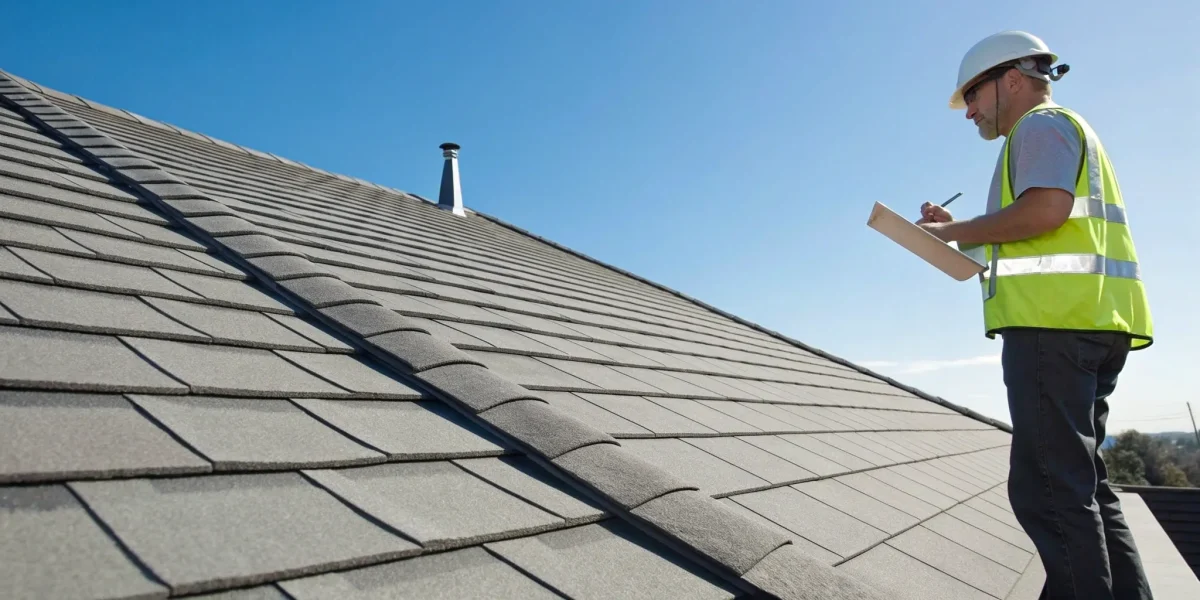
Think of a roof certification as an official report card for your roof. It’s a detailed assessment performed by a professional inspector that verifies your roof’s current condition and confirms it meets specific quality standards. This isn’t just a quick glance from the ground; it’s a thorough examination of the entire roofing system. When a roof passes this inspection, it can be issued a certification.
This certification often comes with a warranty, which acts as a promise. It’s a guarantee that the roof will remain free from leaks for a set period. If a problem covered by the warranty arises, the certifying company agrees to handle the repairs. This combination of a detailed inspection and a protective warranty provides a clear picture of the roof’s health and a safety net for the future. The goal is to ensure the roof is sound, and the NRCIA’s LeakFREE® roof protection is the industry standard for this type of assurance, offering a standardized warranty that you can depend on.
Certification vs. Warranty: What’s the Difference?
It’s easy to mix up these two terms, but they serve very different functions. A roof certification is an expert’s opinion on the roof’s condition right now. It states that, based on a professional inspection, the roof is in good shape and is expected to perform well for a certain amount of time. It’s a snapshot of the present.
A roof warranty, on the other hand, is a promise about the future. It’s a contract that outlines who is responsible for fixing specific problems if they occur down the road. While a manufacturer’s warranty might cover defective materials and a contractor’s warranty might cover installation errors, a certification warranty covers the overall performance of the roof after it has passed a rigorous inspection. This distinction is important for homeowners, real estate agents, and property managers who need a reliable assessment of a roof’s condition and a guarantee against future leaks.
Why a Professional Inspector Is Key
The value of a roof certification and its accompanying warranty depends entirely on the person performing the inspection. A qualified inspector doesn’t just look for obvious damage. They conduct a comprehensive review of the entire system, checking the roofing materials, flashing around chimneys and vents, gutters, and even the attic space for hidden signs of water intrusion. Their expertise is what gives the certification meaning.
Choosing an inspector with proper training and certification ensures you get an unbiased and accurate assessment. A certified professional follows a standardized process, which means they know exactly what to look for and how to identify potential issues that an untrained eye would miss. This thoroughness is crucial because it confirms the roof is truly in good condition, making the warranty a reliable promise rather than just a piece of paper. Without a professional, you risk getting a certification that overlooks critical flaws, leaving you exposed to unexpected and costly repairs.
What Does a Roof Certification Warranty Cover?
Think of a roof certification warranty as a safety net for one of your property’s most important assets. It’s a formal agreement that confirms your roof has been thoroughly inspected by a professional and is expected to perform well for a specific period. Unlike a simple handshake deal, this warranty provides a clear, written promise that protects you from certain types of failures. It’s designed to give you peace of mind, whether you’re a homeowner who wants to avoid unexpected repair bills or a real estate agent looking to assure a potential buyer.
The core purpose of this warranty is to cover the essentials: performance and quality. It’s a declaration that the roof is free from existing leaks and that the materials and installation meet professional standards. If an issue covered by the warranty pops up during the specified term, the provider is responsible for addressing it. This is especially important because many roofing problems, like slow leaks or installation mistakes, aren’t immediately obvious. A solid warranty ensures you won’t be left on your own to fix problems that should have been prevented. It’s a crucial layer of protection for homeowners, property managers, and real estate professionals alike.
Protection from Leaks and Water Damage
The most immediate benefit of a roof certification warranty is protection against leaks. A certified roof has been professionally inspected and verified to be watertight at the time of the check. The warranty backs this up with a promise: if a leak develops within the covered period due to normal wear and tear, the repairs are covered. This isn’t just about patching a hole; it’s about preventing the extensive and costly water damage that can spread to your ceilings, walls, and foundation. With a LeakFREE® roof certification, you have documented assurance that your roof is ready to protect your property from the elements, giving you confidence in its condition.
Coverage for Material and Installation Flaws
A comprehensive roof warranty typically covers two critical areas: the materials and the installation. A material warranty protects you if the roofing products themselves fail. For example, if shingles crack or degrade long before their expected lifespan due to a manufacturing defect, this coverage kicks in. Equally important is the workmanship warranty, which covers errors made during installation. Even the best materials will fail if they aren’t installed correctly. This part of the warranty ensures that issues like improperly fastened shingles or poorly sealed flashing are taken care of. Proper inspector and contractor training is the first step in preventing these flaws from happening in the first place.
Issues with Structural Integrity
Beyond immediate leaks and obvious flaws, a roof certification warranty can also address deeper issues related to the roof’s structural integrity. This covers problems that might develop over time due to aging materials or subtle installation concerns that weren’t apparent right away. For instance, if the roof decking begins to sag or fasteners start to pull away under normal conditions, the warranty would cover the necessary repairs to maintain the roof’s structural soundness. Regular warranty inspections are often part of the agreement, helping to identify and resolve these long-term issues before they become major failures, ensuring the roof remains a stable and secure part of your property.
What Isn’t Covered? Key Exclusions to Know
A roof certification warranty offers fantastic peace of mind, but it’s not a catch-all policy. Understanding what isn’t covered is just as important as knowing what is. This helps you avoid surprises down the road and ensures you know exactly where to turn when a problem arises. Think of it as reading the map before you start the trip. Most warranties have a few key exclusions that are standard across the industry, and they usually fall into three main categories: major weather events, issues caused by neglect, and the natural aging process of your roof. Knowing these limitations helps you partner your warranty with the right home insurance and maintenance plan for complete protection.
Damage from Natural Disasters and Severe Weather
Your roof certification warranty is designed to protect you from leaks and failures related to materials or workmanship, but it doesn’t cover damage from major “acts of God.” Think tornadoes, hurricanes, severe hail, or other extreme weather events. This type of catastrophic damage falls under the umbrella of your homeowner’s insurance policy. So, if a storm rolls through and causes significant harm, your first call should be to your insurance agent. They’ll guide you through the claims process for storm-related damage, which is separate from the protections offered by your roofing warranty.
Problems from Neglect or Unauthorized Repairs
A warranty is a two-way street; it requires you to keep up with basic maintenance. If damage occurs because gutters are clogged with leaves or debris has been left to sit on the roof for months, your claim might be denied. Similarly, hiring an uncertified handyman to perform a “quick fix” can instantly void your coverage. Manufacturers and certification providers have specific guidelines for both installation and repairs. Following these maintenance requirements is essential to keeping your warranty intact. It’s always best to work with a certified professional for any repairs to ensure the work meets the necessary standards.
Pre-Existing Conditions and Normal Wear and Tear
Your roof works hard, and over the years, it will show signs of aging. Things like gradual granule loss on shingles or slight fading from the sun are considered normal wear and tear and aren’t covered by your warranty. A warranty is there to protect against premature failure, not the natural lifecycle of the roofing materials. Additionally, any problems that existed before the inspection and certification were completed are typically excluded. This is why a thorough, professional inspection is so critical from the start—it identifies those pre-existing issues so they can be addressed upfront, ensuring your certification begins on a solid foundation.
How Long Does Your Warranty Last?
One of the most common questions about roof warranties is how long they actually last, and the answer can vary quite a bit. It’s not a one-size-fits-all situation. You’ll find that most manufacturer warranties for roofing materials cover you for anywhere from 10 to 30 years. Some premium products even come with 50-year or “lifetime” coverage, but what that really means is always spelled out in the fine print. It’s crucial to understand that a manufacturer’s warranty on materials is different from a contractor’s warranty on workmanship, and both are different from a certification warranty.
A certification warranty, like our LeakFREE® certification, has its own specific term, which is designed to give you peace of mind for a set period after a thorough inspection. The key is to know exactly what kind of coverage you have and what its timeline is from day one. This clarity helps you plan for future maintenance, budget accordingly, and protects you from any surprises down the road. Knowing the duration of your protection is the first step in making sure your roof—and your investment—is secure for years to come. Think of it as setting a clear expectation for how long your roof is guaranteed to perform as it should under specific conditions.
Understanding Warranty Timelines
The length of a roof warranty isn’t random; it’s based on several important factors. The type of material on your roof plays a huge role—think asphalt shingles versus metal or tile. Your local climate and the quality of the initial installation also have a major impact on how long a warranty will last. A roof in a mild, dry area will likely have a different lifespan than one that endures heavy snow or intense sun. That’s why it’s so important to carefully read and understand the terms and conditions of your specific warranty. Pay close attention to the duration of the coverage and what’s required of you to keep it active.
Can You Transfer the Warranty to a New Owner?
If you’re planning to sell your home, a transferable roof warranty can be a fantastic selling point. The good news is that many warranties can be passed on to the next owner, but it’s rarely an automatic process. Often, there are specific rules you need to follow, like notifying the warranty provider within a certain timeframe or paying a small transfer fee. Before you list your property, check your warranty documents to see what the transfer process involves. Not all warranties are the same, and some may not be transferable at all. Understanding whether your roof certification is a warranty that can be passed on helps you set clear expectations for potential buyers and adds real value to your home.
Common Roof Warranty Myths, Busted
Roof warranties can feel like they’re written in a different language, full of fine print and exceptions. It’s easy to make assumptions about what’s covered, which can lead to costly surprises down the road. Many property owners believe their warranty is a catch-all insurance policy, only to find out too late that a simple misunderstanding has left them with a hefty repair bill. To protect your investment, you need to know what your warranty truly provides.
Let’s clear up some of the biggest myths so you know exactly what to expect from your warranty. Understanding these common points of confusion will help you maintain your coverage and make informed decisions about your property. We’ll look at the difference between a certification and a warranty, what’s typically excluded from coverage, and how your own actions can impact the validity of your warranty.
Confusing a Certification with a Warranty
One of the most common mix-ups is thinking a roof certification and a roof warranty are the same thing. They are related but serve different purposes. A roof certification is like a report card for your roof right now. It’s a professional inspector’s opinion, based on a thorough evaluation, that your roof is in good condition and is expected to remain functional for a specific period.
A roof warranty, on the other hand, is a promise to fix certain problems that might happen in the future. While a basic certification just states the roof’s current condition, a top-tier program like the NRCIA’s LeakFREE® Roof Certification actually includes a warranty, giving you both the expert assessment and the future protection.
Expecting More Coverage Than You Have
It’s easy to assume a warranty covers any and all roof problems, but that’s rarely the case. A warranty is not the same as a homeowner’s insurance policy. Most warranties are designed to cover defects in materials or installation errors—not damage from external events. For example, your warranty won’t cover damage from natural disasters like hurricanes, hail, or falling trees.
It also won’t cover issues caused by unauthorized repairs or alterations, like installing a satellite dish incorrectly. Understanding these exclusions is vital for all property stakeholders, from homeowners to property managers. Always read the fine print to know exactly what is and isn’t protected, so you can plan accordingly for other types of coverage.
Forgetting Maintenance Can Void Your Warranty
Think of your roof warranty as a partnership. The provider promises to cover specific issues, and in return, you promise to take care of your roof. Most warranties require you to perform regular maintenance, and if you neglect this responsibility, your coverage could be voided. This means simple tasks like cleaning gutters, removing debris, and trimming overhanging branches are your responsibility.
Failure to address these environmental factors can lead to problems like water pooling or organic growth, which can cause damage that isn’t covered. If an inspector finds that neglect contributed to a roof failure, the manufacturer or contractor can deny your claim. Following a basic maintenance schedule is a small price to pay to keep your valuable warranty intact.
How to Keep Your Roof Warranty Valid
Think of your roof warranty as a partnership. The provider agrees to cover specific issues, and in return, you agree to take care of your roof. Simply having the warranty paper filed away isn’t enough; you have to be an active participant in your roof’s upkeep. If you neglect your responsibilities, you could accidentally void your coverage when you need it most.
Staying on top of a few key practices is all it takes to keep your warranty in good standing. By being proactive, you not only protect your warranty but also extend the life of your roof and safeguard your property from potential damage. It’s about creating a maintenance routine that becomes second nature and ensures you get the full value of your investment.
Schedule Regular Inspections
One of the most common requirements for keeping a roof warranty valid is scheduling routine professional check-ups. Regular care is essential because it allows a trained inspector to spot and address minor issues before they escalate into major problems that could compromise your coverage. Think of it like a regular health screening for your roof. A certified professional can identify subtle signs of wear, potential leak spots, or installation flaws that you might miss. These inspections provide a clear, documented history of your roof’s condition, proving you’ve been diligent about its care. This proactive approach is your first line of defense in maintaining your LeakFREE® roof protection.
Follow Proper Maintenance Practices
Most warranties come with the expectation that you’ll perform regular maintenance, and neglecting this duty is a quick way to have a claim denied. Manufacturers often include specific maintenance requirements in their warranty terms, so it’s important to read the fine print. This usually involves simple tasks like keeping gutters clean, removing debris like leaves and branches, and ensuring proper drainage. Environmental factors, if left unaddressed, can cause damage that won’t be covered, even if the roofing materials are technically sound. Following these guidelines demonstrates that you’re upholding your end of the warranty agreement and actively working to prevent avoidable damage.
Keep Good Records
Documentation is your best friend when it comes to your roof warranty. If you ever need to file a claim, you’ll need to prove that you’ve met all the requirements. Start a file and keep everything related to your roof in one place. This includes the original contract, the warranty certificate itself, and detailed records of every inspection, repair, or maintenance task performed. It’s also a great idea to take photos before and after any work is done. Having all your paperwork organized makes the claims process much smoother and shows the warranty provider that you’ve been a responsible property owner. This level of detail is a core part of our comprehensive inspection process.
Inspection Red Flags That Affect Your Warranty
A roof warranty offers peace of mind, but it’s not a set-it-and-forget-it deal. Certain issues, often hidden from an untrained eye, can render your warranty void just when you need it most. A professional inspection is your first line of defense, identifying red flags before they become costly problems. An inspector knows exactly what to look for, from the quality of the initial installation to the impact of later additions. Here are three major red flags that a certified inspector will look for to ensure your warranty remains intact.
Finding Improper Installation
Even the highest-quality roofing materials will fail if they aren’t installed correctly. Unfortunately, common roofing warranty claims often stem from improper installation. This can include anything from incorrectly spaced or overdriven nails to poorly installed flashing around chimneys and vents. These mistakes create weak points where water can seep in, leading to damage that the manufacturer won’t cover. A certified inspector has the training and expertise to spot these subtle but critical errors, giving you the chance to address them before they cause a leak and a denied claim.
Spotting Environmental Damage and Debris
It’s easy to overlook the slow accumulation of leaves, branches, and moss on your roof, but manufacturers see it as neglect. Most warranties include specific maintenance requirements, and failing to keep your roof clear can void your coverage. Debris traps moisture against the roof surface, accelerating wear and promoting rot, while clogged gutters can cause water to back up under your shingles. An inspector will document any buildup or environmental damage, providing a clear action plan to keep your roof in good condition and your warranty valid for its full term.
Discovering Unauthorized Additions
Adding solar panels, a satellite dish, or a new skylight can be a great upgrade for your property, but these modifications can immediately void your roofing warranty if not handled correctly. Drilling into the roof structure to mount equipment creates potential entry points for water. Most manufacturers require that any additions are installed by certified professionals and in accordance with their specific guidelines. During an inspection, a professional will check for any rooftop additions and verify they were installed properly, ensuring your investment remains protected and your warranty stays in force.
The NRCIA LeakFREE® Advantage
When you’re dealing with something as critical as your roof, you want more than just a piece of paper saying it was looked at. You want genuine peace of mind. A standard inspection report is useful, but it’s just a snapshot in time—a summary of the roof’s condition on one particular day. It doesn’t offer any protection for what might happen tomorrow. That’s where our LeakFREE® roof certification changes the game. We believe a certification should be more than an observation; it should be a promise.
What makes the NRCIA approach so different is that our LeakFREE® roof certification isn’t just an assessment—it includes a warranty. This unique combination means you get a thorough, expert evaluation of your roof’s health, backed by a tangible commitment to its performance. Think of it as an expert seal of approval that comes with a safety net. It’s a proactive way to protect your property, ensuring that you’re covered against future leaks and the costly, stressful damage they can cause. This integrated approach provides a level of security that a simple inspection or a standalone warranty can’t match, giving you real confidence in the roof over your head.
The Industry’s Only Standardized Warranty
Let’s talk about one of the biggest headaches with typical roof warranties: the fine print, especially when it comes to selling your home. Many warranties are not automatically transferable to a new owner, often requiring complicated paperwork or extra fees just when you’re trying to simplify things. We do things differently. The NRCIA offers the industry’s only standardized warranty, which means you get consistent, reliable coverage that holds its value. Our warranty is designed to be straightforward and transferable, adding a significant selling point to your property. This standardization ensures that no matter who you are—a homeowner, real estate professional, or property manager—you know exactly what protection you’re getting.
Our Comprehensive Inspection Process
A warranty is only as good as the inspection that comes before it. That’s why our process is so incredibly thorough. An NRCIA-certified inspector conducts a detailed, multi-point check of the entire roofing system. We don’t just glance at the shingles from the ground; we examine the flashing around chimneys and vents, check the condition of your gutters, and even head into the attic to look for hidden signs of leaks or water damage. This meticulous approach ensures we catch potential issues before they become major problems. To keep your roof in top shape and your warranty valid, we recommend scheduling professional inspections annually and renewing your full certification every three to five years. This regular maintenance is the key to long-term protection.
When Do You Need a Roof Certification?
A roof certification isn’t just a piece of paper; it’s a practical tool that provides clarity and confidence in some of life’s biggest transactions. While you might not think about your roof every day, there are specific moments when having its condition professionally documented becomes incredibly important. Think of it as a health check-up for one of your property’s most critical assets. It’s a proactive step that can save you from future headaches, unexpected costs, and complicated disputes.
Whether you’re preparing to sell your home, securing insurance, or simply want to be a responsible property owner, a roof certification offers a clear, expert opinion on the state of your roof. It moves the conversation from guesswork to facts, backed by a thorough inspection. For real estate professionals, it can streamline negotiations and build trust with clients. For homeowners, it provides a baseline for maintenance and a shield against unforeseen issues. Let’s break down the key situations where a roof certification is not just helpful, but essential.
Buying or Selling a Property
When a property is on the market, the roof is one of the biggest points of negotiation. For sellers, presenting a roof certification is a powerful move. It shows potential buyers that your roof is in solid condition, which can help your home sell faster and for a better price. It removes a major point of uncertainty and demonstrates that you’ve maintained the property well. For buyers, a certification provides invaluable peace of mind. It assures you that you won’t be facing a massive roof repair bill right after you get the keys, allowing you to move in with confidence knowing the roof over your head is secure.
Meeting Insurance Requirements
Insurance companies are all about managing risk, and an old or undocumented roof is a significant one. Many insurers require a roof inspection or certification to issue or renew a policy, especially for older homes or properties in areas prone to storms. A formal certification proves your roof was in good condition at a specific point in time. This documentation can be crucial if you ever need to file a claim after a storm, as it helps validate that the damage was caused by the event and not by pre-existing neglect. It can also sometimes lead to better policy terms, as it shows you’re a proactive homeowner.
Protecting Your Property Investment
Your roof is one of the most expensive components of your home, and protecting that investment is just smart financial planning. A roof certification gives you a clear and official assessment of its current condition, confirming that it meets established quality and safety standards. This isn’t just for buying or selling—it’s for effective long-term management. Knowing the exact state of your roof helps you budget for future maintenance and plan for an eventual replacement. It turns a potential liability into a well-managed asset, helping you preserve your property’s value and structural integrity for years to come.
How to Choose the Right Certification Provider
Finding the right company for your roof certification is about more than just getting a piece of paper. The provider you choose determines the quality of your inspection and the real-world value of your warranty. A certification is only as reliable as the inspector who performs it and the company that backs it. When you’re comparing options, you’re essentially looking for a partner who can give you genuine peace of mind that your property is protected. Think of it this way: you wouldn’t hire just anyone to fix your car’s brakes, so why would you settle for less when it comes to the roof over your head?
Making a smart choice comes down to two key areas: the inspector’s qualifications and the warranty’s fine print. A great inspector has the training and experience to spot issues others might miss, while a strong warranty provides clear, dependable coverage without confusing loopholes. Taking the time to vet your provider ensures you get a certification that truly protects your investment, whether you’re buying, selling, or simply maintaining your property. It’s a critical step that separates a meaningful guarantee from an empty promise. This isn’t a place to cut corners, as a weak certification can leave you exposed to costly repairs down the line.
Check an Inspector’s Credentials
Before you hire anyone, it’s time to do a little homework. Verifying that an inspector is fully licensed and insured is the absolute first step. This isn’t just about checking a box; it confirms they are operating legally and protects you from liability. Conducting this due diligence ensures that the inspector is properly credentialed to perform the job competently. Beyond the basics, look for proof of specialized training. General contractors are great, but a certified roof inspector has dedicated expertise in roofing systems, materials, and common points of failure. A true professional will be transparent about their qualifications and proud to share them with you.
Review the Warranty Terms and Coverage
The warranty is where the real value of a roof certification lies, so it’s essential to understand exactly what you’re getting. Don’t just skim the document—read the terms and conditions carefully. Pay close attention to the duration of the coverage, what specific types of damage are included, and, just as importantly, what is excluded. Some warranties are filled with vague language or clauses that can be easily voided. For example, using a non-approved contractor for a minor repair could invalidate your entire coverage. Look for a provider that offers a clear, standardized warranty so you know precisely what to expect. This transparency is the hallmark of a company that stands confidently behind its inspections.
Related Articles
- Is a Roof Certification a Warranty? A Clear Guide
- Roof Certifications – NRCIA
- NRCIA Certified Roof Inspection & Certification Experts
- What Is a Roofing Contractor Certification?
Frequently Asked Questions
So, is a roof certification warranty the same as my homeowner’s insurance? That’s a great question, and it’s a really important distinction to make. Think of them as two different players on the same team. Your homeowner’s insurance is there for big, sudden events, like damage from a hurricane, a major hailstorm, or a tree falling on your house. A roof certification warranty, on the other hand, covers issues related to the roof’s performance under normal conditions, like a leak caused by material failure or an installation error. They work together to give you complete protection, but one doesn’t replace the other.
What do I have to do to keep my warranty active? Keeping your warranty valid is mostly about being a proactive property owner. The two biggest things are scheduling regular professional inspections as recommended and performing basic upkeep. This means simple tasks like keeping your gutters clear of leaves and making sure debris doesn’t pile up on the roof surface. These small steps prevent minor issues from becoming big problems and show the warranty provider that you’re holding up your end of the partnership.
If I sell my house, can the new owner keep the warranty? Yes, and this is one of the biggest advantages of a standardized warranty like the NRCIA’s LeakFREE® certification. Many warranties are difficult or impossible to transfer, but ours is designed to pass seamlessly to the new owner. This provides incredible value and peace of mind during a real estate transaction, as it assures the buyer that the roof’s protection continues without any complicated hoops to jump through.
Why can’t I just have a regular roofer look at my roof instead of getting a formal certification? While a roofer can give you an estimate for repairs, a certified inspector provides something entirely different: an unbiased and thorough assessment based on a strict, standardized process. A certified inspector isn’t trying to sell you a new roof; their job is to give you an accurate report on its current condition. The formal certification that follows is backed by a warranty, which turns their professional opinion into a tangible promise of performance.
What happens if a leak or another problem is found during the certification inspection? Finding a potential issue during the inspection is actually a good outcome because it means you’ve caught it before it could cause serious damage. The inspector will document the problem and outline the necessary repairs. Once those specific repairs are completed by a qualified professional and verified, the roof can then be certified. This process ensures your certification starts on the right foot, with a roof that is confirmed to be in excellent, leak-free condition.
