
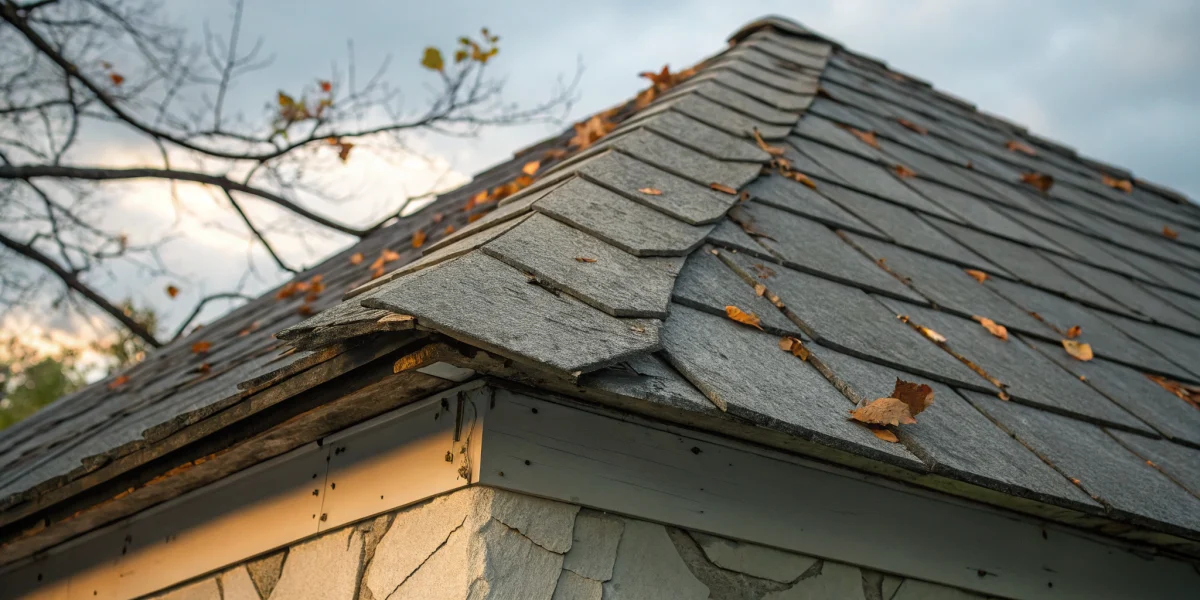
That dark spot on the ceiling seems to get a little bigger with every storm. You’ve noticed granules from your shingles collecting in the gutters. These are the warning signs that something isn’t right overhead, and it’s easy to feel a sense of anxiety. The key to finding the right solution is to first understand the root of the problem. Learning what causes roof material failure is the critical first step. Was it a hailstorm last spring? Is it the result of a poor installation from a decade ago? Or is it simply a lack of routine maintenance? Let’s explore the most common reasons a roof breaks down.
Key Takeaways
- The Most Critical Day is Day One: A roof’s lifespan is often determined by its installation. Investing in a certified contractor who follows precise techniques for nailing, flashing, and ventilation is the single most effective way to prevent premature failure and future headaches.
- Most Failures are Slow and Predictable: Roofs rarely fail overnight. The most common culprits are gradual damage from weather, neglected maintenance like clogged gutters, and the natural aging of materials. Understanding these causes empowers you to address them before they lead to a crisis.
- Your Eyes and a Professional’s Expertise are a Powerful Pair: You can spot obvious warning signs like missing shingles or ceiling stains, but only a certified inspector can identify hidden damage. Combining your own visual checks with routine professional inspections is the best way to protect your property.
Why Do Roofs Fail? The Most Common Causes
Your roof is your home’s first line of defense, but it can’t protect you forever without a little help. Most roof failures don’t happen overnight; they’re often the result of cumulative damage from a few common culprits. Understanding what causes a roof to break down is the first step in preventing costly, stressful problems down the road. From the weather battering it day after day to the quality of the initial installation, several factors determine your roof’s lifespan and performance. A small leak might seem like a minor annoyance, but it can be a symptom of a much larger issue brewing overhead. Ignoring these signs can lead to widespread water damage, mold growth, and even structural decay, turning a simple fix into a major renovation. That’s why knowing the root causes is so important. It empowers you to be proactive, spot trouble early, and make informed decisions about maintenance and repairs. Whether you’re a homeowner trying to protect your investment or a real estate professional advising a client, recognizing these failure points is key. By learning to identify the signs of wear from the elements, poor installation, neglected maintenance, and aging materials, you can take control and ensure the roof over your head remains secure for years to come. Let’s walk through the four most common reasons a roof might fail, so you know exactly what to watch for.
Damage from the Elements
Your roof is constantly exposed to the weather, and over time, that exposure takes a toll. Strong winds can lift and curl shingles, breaking their sealant and leaving them vulnerable. Hail is another major offender, as it can create dents, cracks, and fractures in shingles, tiles, and other roofing materials, creating an easy entry point for water. Even a steady, heavy rain can be a problem, especially if it finds its way into pre-existing weak spots. This relentless cycle of sun, rain, wind, and ice slowly wears down even the most durable materials, which is why a LeakFREE® roof certification can provide such valuable peace of mind.
Shoddy Installation Work
It’s a frustrating truth, but one of the most common reasons for premature roof failure is poor workmanship. You can invest in the best materials on the market, but if they aren’t installed correctly, they simply won’t perform as expected. Improper installation can lead to a whole host of issues, from leaks and wind damage to serious structural problems. This is why the quality of the installer matters just as much as the quality of the shingles. When contractors cut corners, it’s the homeowner who pays the price later. Ensuring your roof is handled by trained professionals who adhere to industry standards is critical for its long-term health and performance.
Skipped Maintenance
Just like your car, your roof requires regular maintenance to stay in good shape. Ignoring it is a recipe for disaster. Small, easily fixable issues—like a few loose shingles or a small crack in the flashing—can quickly escalate into major problems if left unaddressed. Debris like leaves and branches can pile up, trapping moisture and leading to rot. Experts recommend inspecting your roof at least twice a year, ideally in the spring and fall, to catch these minor problems before they become big, expensive ones. A routine check is one of the most effective ways to extend the life of your roof and prevent unexpected failures.
Old or Defective Materials
Every roofing material has a finite lifespan. Asphalt shingles, for example, might last 20 to 30 years, while other materials last longer. As your roof ages, it naturally becomes more susceptible to failure. Beyond age, the quality of the materials used plays a huge role. Cheaper, lower-quality materials won’t stand up to harsh weather as effectively and will degrade much faster. Occasionally, materials can even have defects straight from the factory, such as faulty adhesive strips or premature granule loss on shingles. This is why a thorough professional roof inspection is so important—it can identify issues with the materials themselves, not just the installation.
How Poor Installation Leads to Roof Failure
You can have the best roofing materials money can buy, but they won’t protect your property if they aren’t installed correctly. Shoddy installation work is one of the leading causes of premature roof failure, turning a major investment into a major headache. As one expert puts it, poor installation can lead to leaks, wind damage, and early failure, which can “negate the benefits of even the most high-end, top-quality materials.” This is why the person installing your roof matters just as much, if not more, than the shingles they’re using.
From fasteners that are driven in too deep to flashing that’s improperly sealed, small mistakes can create big openings for water to get in. Over time, these seemingly minor issues can lead to rotted decking, damaged insulation, and costly interior repairs. A certified professional follows manufacturer specifications and industry best practices to the letter, ensuring every component works together to create a watertight seal. Choosing a qualified contractor and getting a LeakFREE® certification ensures your roof is built to last, giving you peace of mind that the job was done right from the start.
Improper Nailing and Fastening
It might seem like a small detail, but how shingles are nailed to your roof is incredibly important. Each shingle needs a specific number of nails placed in the right spot to hold it down securely. If a nail is under-driven, it can hold the shingle above it up, creating a path for water. If it’s over-driven, the nail head can punch right through the shingle, weakening it and making it easy for wind to tear off. Angled nails are just as bad, as they don’t provide a secure hold. These seemingly minor mistakes are a common cause of roof leaks and wind damage, and they are often invisible from the ground.
Incorrect Flashing Around Vents and Chimneys
Flashing is the metal material installed around anything that pokes through your roof—like chimneys, vents, and skylights. Its job is to direct water away from these vulnerable seams. When flashing is installed incorrectly, it essentially creates a funnel for water to enter your home. A common shortcut is to reuse old flashing or rely on sealants like tar, which break down over time. This can lead to “extensive interior damage and mold growth due to poor installation.” A proper installation requires new, custom-fitted flashing that integrates seamlessly with the roofing material to create a permanent, watertight barrier.
Poor Shingle Overlap and Sealing
Roofing shingles are designed to work as a system, overlapping each other in a specific pattern to shed water effectively. If the overlap is insufficient or the alignment is off, wind-driven rain can easily get underneath. Furthermore, each shingle has a sealant strip that activates with the sun’s heat to bond the layers together. If the installation happens in cold weather or the shingles aren’t installed correctly, this seal may never properly form. One case study of a failed roof found 14 critical installation errors, many related to improper overlap and sealing, which is why following precise manufacturer guidelines is non-negotiable.
Faulty Ventilation
A roof needs to breathe. Proper ventilation allows air to flow through the attic, which helps regulate temperature and moisture levels. When a contractor installs a roof without paying attention to ventilation, it can trap hot, moist air. In the summer, this can bake your shingles from the inside out, causing them to become brittle and fail early. In the winter, it can lead to moisture condensation on the underside of the roof deck, causing rot, mold, and ice dams. A balanced system of intake and exhaust vents is critical for the longevity of your entire roofing system, not just the shingles.
What Weather Conditions Damage Roofs Most?
Your roof is your home’s first line of defense against the elements, but it can’t stand strong forever without a little help. Over time, constant exposure to sun, rain, wind, and ice takes a toll on even the most durable materials. Some weather patterns are particularly destructive, accelerating wear and tear and turning small issues into major problems. Understanding how these conditions affect your roof is the first step in preventing long-term damage and ensuring your home stays protected. A key part of that protection is having a professional who can spot the early signs of trouble, which is where a certified roof inspector becomes your most valuable partner.
Sun, UV Rays, and Extreme Heat
It might be surprising, but sunny days can be just as hard on your roof as stormy ones. The constant barrage of ultraviolet (UV) rays breaks down the chemical bonds in roofing materials like asphalt shingles, making them brittle and prone to cracking. Extreme heat also causes materials to expand and contract daily. This thermal cycling puts a lot of stress on your roof, leading to curled shingle edges and weakened seals over time. In hot climates, this relentless exposure can significantly shorten your roof’s lifespan. A thorough inspection can assess the extent of sun damage and help you plan for necessary repairs before a small crack turns into a major leak.
Ice Dams and Freeze-Thaw Cycles
For those in colder climates, winter brings a unique threat: ice dams. This happens when snow on your roof melts from the heat escaping your attic, then refreezes as it hits the colder eaves. This creates a literal dam of ice that blocks water from draining properly. The trapped water has nowhere to go but up, seeping underneath your shingles and into your home’s structure. This can lead to rotted wood, damaged insulation, and interior water stains. The constant freeze-thaw cycle also forces small cracks to widen, creating more entry points for moisture. Proper attic ventilation and insulation are key defenses, something a trained inspector will always check.
High Winds and Hailstorms
Severe storms with high winds and hail can cause immediate and obvious damage. Strong gusts can lift the edges of shingles, breaking their seals and leaving them vulnerable to being torn off completely. This exposes the underlying roof deck to the elements, creating a direct path for water to enter your home. Hail is just as destructive, creating dents and pockmarks that can compromise the integrity of your roofing material. On asphalt shingles, hail can knock off the protective granules, which is like removing your roof’s sunscreen, leading to rapid deterioration from UV exposure. After any major storm, it’s smart to have your roof professionally evaluated for hidden damage.
Constant Rain and Water Intrusion
While a single rainstorm might not seem like a big deal, persistent rain and moisture are a roof’s worst enemy. Water is incredibly persistent and will find its way through any weak spot, from a cracked shingle to a poorly sealed vent. Once inside, it can cause the wooden structure of your roof to rot and metal components to rust, compromising its structural integrity. This kind of damage often happens slowly and out of sight. That’s why preventing leaks before they start is so important. A LeakFREE® roof certification provides peace of mind by guaranteeing your roof is watertight, protecting your home from the slow, silent damage that constant moisture can cause.
Why a Lack of Maintenance Causes Big Problems
It’s easy to adopt an “out of sight, out of mind” attitude with your roof, but skipping routine maintenance is one of the fastest ways to cause serious damage. Roof problems rarely appear overnight; they are the result of small, neglected issues that build up over time. Think of it like a tiny crack in a windshield—at first, it’s barely noticeable, but with time and stress, it spreads until the entire pane is compromised. A little bit of debris, a few clogged drains, or a handful of overlooked repairs can create a domino effect, leading to water damage, structural strain, and costly fixes down the road.
Consistent maintenance isn’t just about cleaning up leaves; it’s about proactively protecting your biggest asset. By catching problems early, you can extend the life of your roof and ensure it provides the LeakFREE® protection your property deserves. Ignoring your roof is like ignoring a check engine light—the problem will only get worse and more expensive. The good news is that most major roof failures are preventable with a little attention and care. Let’s look at some of the specific ways a lack of maintenance can cause big problems for homeowners, property managers, and anyone responsible for a building’s integrity.
Clogged Gutters and Trapped Moisture
Your gutters have one job: to direct water away from your roof and foundation. When they get clogged with leaves, twigs, and other debris, they can’t do it. Instead, water backs up and pools along the edge of your roof. This trapped moisture can easily seep under your shingles, leading to rot in the underlying wood sheathing and fascia boards. It’s a perfect recipe for mold and mildew growth, which can compromise your home’s structural integrity and air quality. Not cleaning gutters or leaving debris on the roof are simple mistakes that can cause these much bigger issues, turning a five-minute task into a five-thousand-dollar repair.
Letting Small Problems Get Bigger
Roof problems usually don’t happen all at once; they build up over time. A single cracked shingle or a small patch of worn sealant might not seem like a big deal, but each one is an open invitation for water to get in. Over months and years, that slow, steady trickle of moisture can rot roof decking, saturate insulation, and stain your ceilings. What starts as a minor flaw can quietly grow into a major leak that requires extensive and expensive repairs. This is why addressing small issues as soon as you spot them is so critical. It’s the difference between a simple patch job and a full-blown roof replacement.
Failing Gutter and Drainage Systems
On flat or low-slope roofs, a functional drainage system is non-negotiable. If roof drains get clogged, water has nowhere to go and begins to sit and pool on the roof surface. This standing water is incredibly heavy—water weighs about five pounds per inch of depth per square foot—and it puts an immense amount of stress on the roof’s structure. This added weight can cause the roof to sag, leading to even more water accumulation and potentially causing a structural failure. For commercial properties or multi-family housing with elevated decks, like those requiring California SB 721 inspections, ensuring proper drainage is a matter of safety and compliance.
Forgetting Professional Inspections
While you can and should perform your own visual checks, nothing replaces the expertise of a trained professional. Regular maintenance is crucial to find small roof problems before they become big, dangerous ones. A certified inspector knows exactly what to look for, from subtle signs of hail damage to hidden moisture intrusion that an untrained eye would easily miss. They use specialized tools and follow a systematic process to assess every component of your roof system. Scheduling routine inspections with a certified professional isn’t an expense—it’s a smart investment in protecting your property, ensuring safety, and giving you peace of mind.
Spotting the Warning Signs of a Failing Roof
Your roof is your home’s first line of defense, but it can’t protect you forever. Over time, every roof will show signs of wear and tear. The key is to catch these issues early before a small problem turns into a major, expensive repair. You don’t need to be a roofing expert to spot the most common red flags. A few simple visual checks from both the outside and inside of your property can give you a clear idea of your roof’s health.
Knowing what to look for can save you a lot of stress and money. Things like a few damaged shingles, a small water spot on the ceiling, or clogged gutters might seem minor, but they can be early indicators of a failing system. By being proactive, you can address these problems head-on. Regular checks are essential, especially after a major storm or during seasonal changes. This simple habit helps you stay ahead of potential damage and ensures your roof remains a reliable shield for your property. If you do spot any of these warning signs, it’s a clear signal to call in a professional for a thorough roof inspection.
Signs You Can See from the Outside
You can learn a lot about your roof’s condition without ever stepping on a ladder. Take a walk around your property and look up. Do you see any shingles that are lifting, curling at the edges, or missing entirely? Check your gutters for an accumulation of granules—the sandpaper-like material from your asphalt shingles. A large amount of granule loss means your shingles are getting old and losing their protective layer. Also, look for any sagging areas, moss or algae growth, and damaged flashing around chimneys, vents, and skylights. It’s a good habit to perform this visual check at least twice a year, ideally in the spring and fall.
Signs You Can See from the Inside
Sometimes, the first sign of a roof problem appears inside your home. Head up to your attic on a sunny day and, with the lights off, look for any slivers of daylight coming through the roof boards. This is a sure sign of a hole or crack. You should also check for water stains, damp spots, or mold on the underside of the roof decking and on the insulation. Back in your living space, look for water stains, discoloration, or peeling paint on your ceilings and walls, particularly in the corners. A musty odor in certain rooms can also indicate a hidden leak that has been festering for some time, compromising your home’s LeakFREE® protection.
Cracked, Curled, or Missing Shingles
Shingles are designed to lie flat and create a watertight seal. When they start to crack, curl, or go missing, your roof’s underlying structure is exposed to the elements. Sun exposure can cause shingles to lose their flexibility and become brittle, leading to cracks. Curled edges, also known as clawing or cupping, often happen as shingles age and shrink. Missing shingles are frequently the result of high winds tearing them from the roof. Any of these issues create a direct path for water to seep into your home, making it crucial to address them quickly. This is a common concern for the many property stakeholders we work with, from homeowners to real estate professionals.
Sagging Spots and Unwanted Pests
A sagging roof is a serious structural issue that requires immediate attention. It often points to a problem with the decking underneath, which may be waterlogged and rotting, or an issue with the supports in your attic. A droopy or distorted appearance is a major red flag. At the same time, keep an eye out for unwanted visitors. Pests like squirrels, raccoons, and birds can chew through roofing materials to create nests, leaving your roof vulnerable to leaks. If you notice sagging or signs of animal activity, it’s best to contact a certified roof inspector who can safely assess the damage and determine the cause.
How to Prevent Your Roof from Failing
A failing roof is a homeowner’s nightmare, but the good news is that most roof failures are preventable. Instead of waiting for a leak to appear, you can take a proactive approach to roof care. It all comes down to a combination of smart choices, regular check-ups, and a little bit of hands-on maintenance. By staying ahead of potential issues, you protect your home’s structure, your belongings, and your peace of mind.
Think of your roof like any other major system in your home—it needs consistent attention to perform its best. Simple steps can extend its lifespan by years, saving you a significant amount of money and stress down the road. From choosing the right people for the job to keeping an eye on things yourself, here are the most effective ways to keep your roof in top condition and prevent premature failure.
Schedule Regular Professional Inspections
The single best thing you can do for your roof is to have a professional inspect it regularly. A certified inspector has the training to spot subtle signs of wear and tear that you might miss, like minor granule loss or hidden moisture. Finding these small issues early is the key to preventing them from turning into massive, expensive problems. A professional can assess everything from the flashing to the underlayment, giving you a complete picture of your roof’s health. This is especially important after severe weather events, which can cause damage that isn’t immediately obvious from the ground.
Choose Quality Materials and Certified Contractors
When it comes to roofing, you truly get what you pay for. Investing in high-quality materials suited for your local climate is a critical first step. But even the best materials will fail if they aren’t installed correctly. That’s why it’s essential to hire experienced and certified roofing contractors for any installation or repair work. A certified professional understands the specific techniques required for proper fastening, sealing, and ventilation. This ensures your roof is built to last and can withstand the elements, giving you a solid return on your investment for years to come.
Keep Drains and Vents Clear
Water is your roof’s biggest enemy, and your drainage system is its primary line of defense. When gutters and drains get clogged with leaves, twigs, and other debris, water can’t flow away from your home. Instead, it pools on the roof, adding immense weight and stress to the structure. This standing water can eventually work its way under shingles and cause leaks. Similarly, proper attic ventilation is crucial. Blocked vents trap heat and moisture, which can bake your shingles from below and lead to rot, so make sure airflow is never obstructed.
Perform Your Own Visual Checks
While nothing replaces a professional inspection, you can play an active role in your roof’s upkeep. Take a few minutes to perform a visual check at least twice a year, ideally in the spring and fall. From the safety of the ground, use binoculars to look for cracked, curling, or missing shingles. Check for dark streaks, moss, or algae growth, which can indicate trapped moisture. Also, take a peek in your attic for any signs of water stains, dark spots, or sagging. Catching these warning signs early allows you to call a professional before a small issue becomes a full-blown crisis and threatens your LeakFREE® roof.
When to Call a Certified Roof Inspector
Knowing the right time to call for a professional roof inspection can save you from costly repairs and major headaches. While some issues are obvious, others are subtle and require a trained eye. Being proactive is always the best approach. A certified inspector provides a clear, unbiased assessment of your roof’s condition, giving you the information you need to make smart decisions. They follow a standardized process to check every component, from the shingles and flashing to the underlying structure, ensuring nothing gets missed. This detailed report helps you understand the roof’s current lifespan and budget for future maintenance or replacement.
Whether you’re a homeowner worried about a small leak, a real estate agent preparing a listing, or a property manager overseeing multiple buildings, having an expert evaluate your roof is a critical step in protecting your investment and ensuring safety for everyone under it. It’s about replacing uncertainty with confidence, knowing that a professional has thoroughly examined one of the most important parts of your property. This isn’t just a quick glance from the ground; it’s a comprehensive evaluation that can uncover hidden damage, potential failure points, and improper installation work that could lead to disaster later. Think of it as an investment in prevention.
After a Major Storm
After a major storm rolls through, your first instinct might be to just glance up at the roof from the ground. But high winds, hail, and driving rain can cause damage that isn’t visible from your lawn. It’s crucial to have your roof inspected for missing shingles, dents, or cracks that could lead to leaks. Even small points of damage can allow water to seep in, compromising the structure of your home. An NRCIA-certified inspector has the training to spot these issues early, before they escalate into much bigger problems that threaten your property and your peace of mind.
As Part of a Regular Schedule
Think of a roof inspection like a routine check-up for your home. It’s a good idea to schedule one twice a year, ideally in the spring and fall. A spring inspection can identify any damage caused by harsh winter weather, like ice dams or heavy snow. A fall inspection helps prepare your roof for the coming winter by catching issues that developed during the hot summer months, such as damage from UV rays. This regular maintenance schedule ensures that small issues are caught and addressed before they become expensive emergencies, extending the life of your roof.
When Buying or Selling a Property
A roof inspection is an essential part of any real estate transaction. If you’re selling, a pre-listing inspection and a LeakFREE® roof certification can make your property more attractive to buyers and prevent last-minute negotiations over the roof’s condition. For buyers, an inspection is non-negotiable. It provides a clear picture of the roof’s health and potential future costs, so you know exactly what you’re investing in. It helps identify existing problems that could impact the home’s value and ensures the roof is ready to protect you from day one.
The Moment You Spot a Problem
If you see something that doesn’t look right, don’t wait. Obvious signs like water stains on your ceiling, cracked or curling shingles, or granules from your shingles collecting in the gutters are clear calls to action. Delaying a professional assessment can allow a minor issue to turn into a significant structural problem. A certified inspector can quickly diagnose the cause and recommend the right course of action. Getting an expert opinion right away is the most effective way to manage the problem and prevent more extensive—and expensive—damage down the line.
Related Articles
- Roof Failure Analysis 101: A Complete Guide
- Why You Need a Roof Failure Cause and Origin Expert
- Common Roofing Problems and How to Address Them – NRCIA
- What Causes a Roof to Leak? 8 Common Culprits
Frequently Asked Questions
My roof is brand new. Do I still need to worry about it failing? Unfortunately, yes. A roof’s age is only one factor in its health. Some of the most common reasons for premature roof failure are tied to poor installation. Even the highest quality materials won’t perform correctly if they aren’t fastened properly, if the flashing around vents is sealed incorrectly, or if the ventilation is inadequate. This is why the quality of the installation work is just as important as the quality of the shingles you choose.
How can I tell the difference between normal aging and actual storm damage? This can be tricky, which is why a professional opinion is so valuable. Generally, normal aging is a gradual process you’ll see over the entire roof, like a slow, even loss of the shingle granules. Storm damage is often more sudden and localized. For example, you might see distinct dents from hailstones or entire sections of shingles torn off by wind. A certified inspector can identify the specific signs of impact and wind lift that an untrained eye would likely miss.
I see a small water spot on my ceiling. How urgent is it to get it checked? Very urgent. A water spot is a sign that a leak has already made its way through your roofing material, the underlying deck, and your insulation. By the time you see evidence inside your home, the problem has been developing for a while. It’s critical to call a professional right away to find the source of the leak and fix it before it leads to rotted wood, widespread mold, and much more significant structural damage.
What’s the most important thing I can do to make my roof last longer? The single most effective action you can take is to schedule regular professional inspections. While cleaning your gutters and doing your own visual checks are helpful, nothing replaces the expertise of a trained inspector. They can spot subtle issues with flashing, seals, and materials before they become major failures. This proactive approach is the best way to catch problems early and extend the life of your roof for as long as possible.
Is a professional inspection really necessary if I can’t see any obvious problems from the ground? Absolutely. Many of the most serious roof problems are completely invisible from the ground. Issues like cracked flashing around a chimney, improper nailing that has loosened over time, or moisture damage to the underlying roof deck can’t be seen from your lawn. A certified inspector conducts a thorough, hands-on assessment of the entire roofing system to uncover these hidden risks before they have a chance to cause a major leak or structural failure.
