
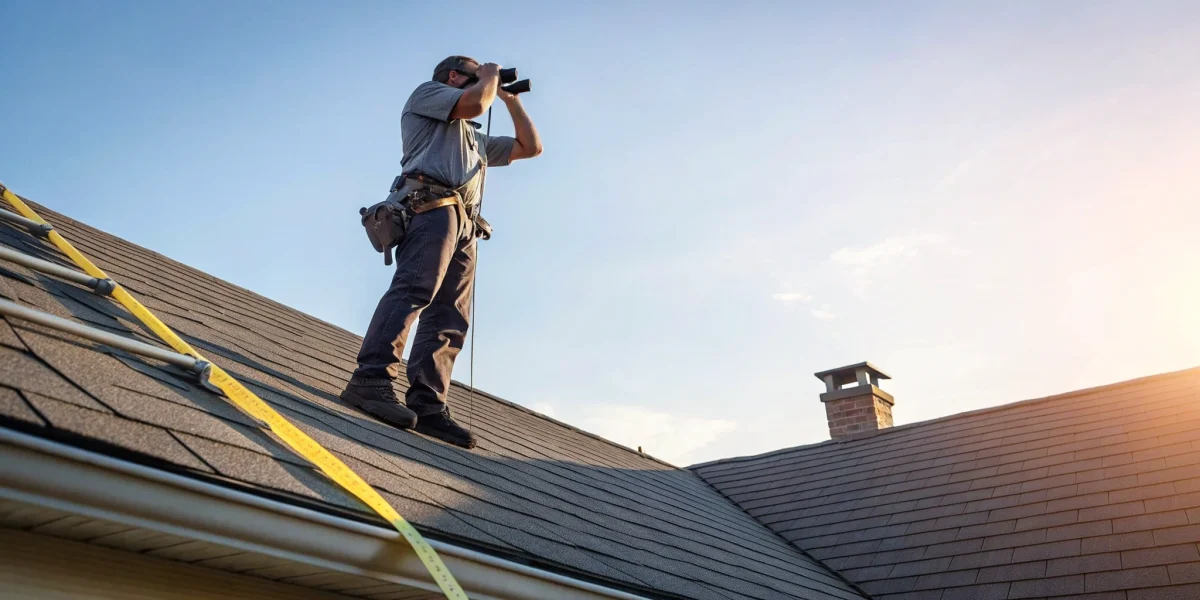
A successful insurance claim isn’t won with arguments; it’s won with evidence. After a storm damages your roof, your insurance company will want proof that the damage is covered by your policy. While their adjuster will conduct an inspection, their findings might not tell the whole story. This is why a third-party roof inspection for an insurance claim is so critical. It provides comprehensive, unbiased documentation from an expert who has your best interests at heart. This detailed report, complete with photos and professional analysis, serves as the cornerstone of your claim, making it nearly impossible for an insurer to downplay the damage or dispute its cause.
Key Takeaways
- Hire an Inspector Who Works for You: An independent, third-party inspector is your advocate, providing an unbiased damage assessment that serves as a powerful counterpoint to the insurance company’s evaluation.
- Use the Report as Your Strongest Evidence: A detailed report with clear photos and professional recommendations is the undeniable proof you need to substantiate your claim, streamline approvals, and challenge any disputes.
- Insist on NRCIA Certification for Credibility: Choosing an inspector with an NRCIA certification adds a significant layer of authority to your claim, demonstrating that your findings are backed by the industry’s highest standards.
What Is a Third-Party Roof Inspection for an Insurance Claim?
When your roof is damaged, filing an insurance claim can feel like a daunting process. A third-party roof inspection is one of the most effective tools you can have on your side. Simply put, it’s an independent evaluation of your roof’s condition performed by a certified professional who works for you, not for your insurance company. The goal is to get an honest, unbiased assessment of any damage that should be covered by your policy.
Think of it as getting an expert opinion before a major negotiation. The inspector thoroughly documents everything, from storm damage to potential structural issues, creating a detailed report. This report becomes your primary piece of evidence, substantiating your claim and making it much harder for an insurance company to downplay the damage or deny your request. It ensures the assessment is based purely on the facts, helping you secure the full compensation you’re entitled to. This service is invaluable for a wide range of property stakeholders, including homeowners, property managers, and real estate professionals who need a clear and accurate picture of a roof’s health.
The Difference Between an Independent vs. Insurance Inspection
After you file a claim, your insurance provider will send their own adjuster to inspect the roof. While this is a standard part of the process, it’s important to remember that this person works for the insurance company. An independent inspection provides a critical second opinion from a neutral expert. This can uncover details the insurance adjuster might miss or interpret differently.
An independent inspector is specifically trained to distinguish damage from a specific event, like a hailstorm, from general wear and tear—a distinction that can make or break your claim. Their findings give you a clear, factual baseline to compare against the insurance company’s report, ensuring the assessment is fair and accurate.
The Power of Independent Certification
Not all inspectors are created equal, and when you’re dealing with an insurance claim, credibility is key. Choosing an inspector with an NRCIA certification adds a significant layer of authority to your report. These professionals have completed a rigorous training portfolio and are held to the industry’s highest standards, which means their findings are trusted and respected.
Presenting a report from an NRCIA-certified inspector shows the insurance company you’ve done your due diligence with a qualified expert. It strengthens your position and demonstrates that your claim is backed by a thorough, professional assessment. This level of documentation can be the deciding factor in getting your claim approved without unnecessary delays or disputes.
Why Hire a Third-Party Roof Inspector?
When your roof is damaged, the last thing you want is a complicated and frustrating insurance claim process. While your insurance company will send its own adjuster, their primary goal is to protect the company’s bottom line. Hiring an independent, third-party inspector shifts the power back to you. This professional works on your behalf, ensuring your claim is based on a thorough and fair assessment of the damage, not just the insurance company’s initial evaluation. It’s about having a dedicated expert in your corner from start to finish.
Get an Unbiased Damage Assessment
An insurance adjuster works for the insurance company. A third-party inspector works for you. This distinction is critical. An independent inspector provides a completely unbiased report on the condition of your roof, free from any conflicts of interest. Their only objective is to document the facts accurately. This gives you a clear, honest picture of the damage and the necessary repairs, providing strong, credible evidence to support your claim. This is especially important for the diverse group of property stakeholders we work with, from homeowners to real estate professionals, who all need a trustworthy assessment.
Receive Comprehensive Documentation and Evidence
A strong insurance claim is built on solid proof. A professional third-party inspection provides exactly that. You’ll receive a detailed report that goes far beyond a simple estimate. This documentation typically includes high-resolution photos, a written summary of the findings, the specific date and cause of the damage, and a clear estimate for repairs or replacement. This level of detail is crucial for proving that the damage was caused by a specific event, like a storm, and isn’t just the result of old age or poor maintenance. This comprehensive evidence makes it much harder for an insurance company to dispute the validity of your claim.
Gain an Expert Ally for Negotiations
Going through an insurance claim can feel like you’re on your own, but it doesn’t have to be. Your independent inspector is more than just an assessor; they are an expert ally. Many inspectors will meet with your insurance adjuster on-site, walking the roof with them to point out every detail of the damage. This ensures nothing is overlooked and that the adjuster understands the full scope of the issue from a professional’s perspective. Having an expert from an organization with a robust training portfolio by your side during this critical meeting can make all the difference in getting a fair settlement.
Strengthen Your Case to Challenge a Denial
If your initial claim is denied, don’t lose hope. The first step is to ask the insurance company for the reason in writing. The next step is to fight back with facts. An independent inspection report is your most powerful tool for challenging a denial. A detailed, evidence-based report from a certified professional can effectively counter the insurance company’s assessment and form the basis of a successful appeal. This second opinion demonstrates that you’ve done your due diligence and have expert findings to back up your claim, significantly strengthening your position.
What to Look for in a Third-Party Roof Inspector
When you’re trying to get an insurance claim approved, the inspector you choose can make all the difference. But how do you find someone you can trust to give you an accurate and fair assessment? It comes down to looking for a few key qualifications that separate the experts from the rest. Here’s what to focus on to find a professional who will truly have your back.
The Gold Standard: NRCIA Certification
First and foremost, look for an inspector certified by the National Roof Certification and Inspection Association (NRCIA). Choosing an inspector with an NRCIA certification means they’ve had special training and follow high standards, which adds a lot of trust to their report. These professionals have completed rigorous training and are held to a national standard of excellence, ensuring their findings are thorough, unbiased, and credible. An NRCIA-certified inspector applies a proven methodology to document your roof’s condition, giving your insurance claim a solid foundation of expertise.
Proven Industry Experience
Beyond certification, you need an inspector with hands-on experience relevant to your property. When choosing a contractor for an inspection, pick one that knows how to work with your specific type of roof, whether it’s slate, shingles, or metal. An experienced inspector understands how local weather affects different roofing materials and can spot subtle signs of damage that a less seasoned professional might overlook. They should be able to provide a clear assessment based on years of practical knowledge working with a wide range of residential and commercial properties.
Deep Knowledge of the Insurance Claim Process
Finally, your inspector should understand the insurance world. A great inspector knows what adjusters need to see to approve a claim. It’s important to know if damage is new or happened over time. Experts can figure out how old a roof is and how well it was maintained, which helps decide what the insurance policy should cover. They can differentiate between storm damage and pre-existing issues, providing the clear, detailed documentation needed to build a strong case. This expertise is invaluable for ensuring your roof is protected and your claim is handled fairly.
What Kind of Damage Can an Inspector Find?
After a storm, it’s easy to spot the obvious problems—a few missing shingles or a dented gutter. But a roof is a complex system, and the most serious damage isn’t always visible from the ground. A professional inspector is trained to see what you can’t, identifying a full range of issues that could compromise your home’s safety and lead to expensive repairs down the road. Their job is to conduct a thorough assessment that goes far beyond a quick glance.
An inspector checks the entire roof, inside and out, to build a complete picture of its condition. They look for everything from blatant storm damage to subtle signs of weakness that an insurance adjuster might overlook. This detailed evaluation is critical for your insurance claim because it ensures every point of failure is documented, giving you the evidence needed to get the full compensation required to restore your roof properly.
Identifying Storm and Weather Damage
When a storm hits, it can leave a trail of destruction. A certified inspector knows exactly what to look for, starting with the most apparent signs like bruised, cracked, or missing shingles and dents in flashing and gutters. But their investigation doesn’t stop there. They also venture into the attic to search for secondary evidence, such as water stains on the underside of the roof deck or the beginnings of mold growth. These are clear indicators that water has breached the outer defenses of your roof. Finding these issues early is key to preventing long-term water damage and securing the LeakFREE® roof protection your home deserves.
Uncovering Hidden Structural Issues
Some of the most threatening roof damage is nearly invisible. A professional inspector can find hidden problems like small punctures in the roof membrane or damage to the underlayment beneath your shingles. While these issues may seem minor, they create pathways for water to seep into your home’s structure, leading to wood rot, compromised insulation, and costly structural decay over time. An adjuster focused on speed might miss these subtle clues, but an inspector with specialized training has the expertise to pinpoint these vulnerabilities and document them as part of your claim, ensuring your roof is repaired from the inside out.
Separating New Damage from Normal Wear and Tear
One of the biggest hurdles in an insurance claim is proving that the damage was caused by a specific event, like a recent hailstorm, and not by old age or lack of maintenance. This is where a third-party inspector becomes invaluable. Experts can tell the difference between old wear and tear and fresh storm damage. A certified roof inspector can accurately identify the tell-tale signs of hail impacts versus the blistering and cracking of an aging shingle. This impartial, expert distinction provides the credible evidence needed to validate your claim and counter any attempts by the insurance company to attribute the damage to pre-existing conditions.
How the Third-Party Inspection Process Works
Getting an independent roof inspection is a straightforward, three-step process that puts you in control. It’s all about gathering objective evidence to build a solid foundation for your insurance claim. From the initial assessment to the final report, each stage gives you the documentation you need to work effectively with your insurance company. Here’s what you can expect.
Scheduling Your Initial Assessment
The first step is hiring your own independent, certified roof inspector. This is a critical distinction: this inspector works for you, not the insurance company. Their only job is to provide a completely unbiased and accurate assessment of your roof’s condition. By engaging a professional who has your best interests at heart, you get a trustworthy report that serves as powerful evidence for your claim. This move ensures the findings are objective and focused on the facts, giving you a credible starting point for negotiations.
What Happens During the On-Site Inspection
During the inspection, a certified professional conducts a thorough examination of your entire roofing system, inside and out. On the exterior, they’ll look for obvious storm damage like bruised or missing shingles and dented gutters. Inside, they’ll check the attic for hidden issues like water stains or mold. A key part of their expertise is telling the difference between new damage from a recent storm and normal wear and tear. This professional evaluation is a vital first step toward securing a LeakFREE® roof and can make all the difference in getting your claim approved.
Receiving Your Final Report
After the on-site visit, you’ll receive a detailed inspection report. Think of this document as the cornerstone of your insurance claim, providing your insurance company with indisputable proof of the damage. A comprehensive report includes clear photos, a written summary of findings, the date and likely cause of damage, and a line-by-line estimate for repairs or replacement. This level of detail, often compiled using specialized inspection software, helps the insurance company understand the full scope of work and approve the necessary costs, minimizing back-and-forth.
What Your Inspection Report Should Include
Your inspection report is the most powerful tool you have when filing an insurance claim. Think of it less as a simple list of problems and more as a comprehensive story of your roof’s current condition. A detailed report from a certified professional gives the insurance adjuster a clear, evidence-based account of the damage, which helps them approve your claim without a lot of back-and-forth. It should be easy to read, meticulously detailed, and backed by undeniable proof. When you get your report, make sure it includes three key components that work together to build an undeniable case for your claim.
A Detailed Breakdown of All Findings
This is the heart of the report. A professional inspector will document everything they find after checking the entire roof system, both inside and out. They look for obvious storm damage, like bruised or missing shingles and dented gutters, but their work doesn’t stop there. They also search for hidden issues, like subtle water stains or mold in the attic that point to a bigger problem. A crucial part of this breakdown is the inspector’s ability—often gained through extensive training—to distinguish between recent storm damage and normal wear and tear. This distinction is vital for your insurance claim, as most policies only cover sudden, accidental damage. The report should clearly explain the type, location, and severity of each issue.
Clear Photographic Evidence
Words tell part of the story, but pictures provide the proof. Your inspection report must include clear, high-resolution photos that document every issue mentioned. These images are your visual evidence. A professional inspection report with clear photos and detailed notes is essential because it proves the damage was caused by a specific event, like a storm, and not just old age or lack of care. Each photo should be labeled and referenced within the report, creating an undeniable link between the written findings and the visual proof. This level of documentation, often compiled using specialized inspection software, leaves no room for ambiguity and makes it much harder for an adjuster to dispute the extent of the damage.
Actionable Repair Estimates and Recommendations
A great inspection report doesn’t just point out what’s wrong—it gives you a clear path to making it right. The final section should outline specific, actionable recommendations for repairs. This isn’t a vague guess; a good report includes a detailed estimate that breaks down the costs for materials, labor, and any necessary permits. It will specify the type and amount of damage, explain the likely cause, and present a professional opinion on the best way to fix it. This detailed estimate helps the insurance company understand and approve the costs, which can make the whole process smoother. It also gives you a clear scope of work to share with contractors, ensuring everyone agrees on what’s needed to get your roof back in top shape.
How to Prepare for Your Roof Inspection
A little preparation can make a huge difference in the outcome of your roof inspection and, ultimately, your insurance claim. By having the right information and access ready for your inspector, you help them build the strongest possible case on your behalf. Think of it as setting the stage for success. Taking these simple steps ensures the inspection is thorough, efficient, and provides the detailed evidence your insurance company needs to see.
Gather Your Roof’s History and Warranties
Before your inspector arrives, pull together any documents related to your roof. This includes the original installation paperwork, any existing warranties, and information about the materials used, like the brand and type of shingles. It’s a common misconception that a warranty replaces the need for inspections, but these documents actually provide a valuable baseline for your inspector. They establish the roof’s age and expected lifespan, which helps differentiate new storm damage from pre-existing issues. Having this history on hand gives your inspector crucial context, especially when dealing with LeakFREE® roof certifications.
Document Any Past Repairs
Just as important as the original installation records are the documents for any maintenance or repairs you’ve had done over the years. Find invoices, receipts, and any photos you might have of previous work. This paper trail demonstrates that you’ve been a responsible homeowner and have actively maintained your property. When an insurance company is looking for reasons to deny a claim, they might point to neglect or pre-existing damage. Your records serve as powerful evidence to counter that argument, showing your roof was in good condition before the recent damage occurred.
Know What to Expect on Inspection Day
A professional inspection is incredibly thorough. Your certified inspector will examine the entire roofing system, not just the obvious trouble spots. They’ll be on the roof looking for things like missing shingles and dents, but they’ll also need to check your attic for water stains, mold, or poor ventilation. To help them do their job, make sure the path around your house is clear of obstructions and that they can easily access your attic or crawlspace. A clear space allows them to work safely and efficiently, ensuring no detail is missed in their final report.
Overcoming Common Insurance Claim Hurdles
Filing an insurance claim for roof damage can feel like an uphill battle. The process is often confusing, and it’s easy to feel like you’re at a disadvantage. Insurance companies are understandably cautious, especially since roof damage is one of the most common claims they handle. But you don’t have to go through it alone. With the right preparation and professional support, you can confidently handle the challenges that come your way and secure the fair outcome you deserve.
Simplifying the Complex Claims Process
Let’s be honest: insurance paperwork is complicated. When you’re already stressed about a damaged roof, the last thing you want is to get lost in a maze of forms and technical jargon. This is where a third-party inspector becomes so valuable. They translate the complexities for you. An inspector acts as your guide, providing a clear, professional assessment that cuts through the confusion. Instead of you trying to prove the extent of the damage, you have an expert report that speaks for itself, making the entire process more straightforward for everyone involved. This clarity helps both you and the insurance company move forward efficiently.
Countering Potential Adjuster Bias
It’s important to remember that the insurance adjuster, while professional, works for the insurance company. Their job is to assess the damage from their company’s perspective, which can sometimes lead to a lower estimate than you need for proper repairs. Hiring your own independent inspector levels the playing field. Your inspector works for you. Their only interest is to provide a thorough and unbiased evaluation of your roof’s condition. This independent report gives you a powerful tool for negotiation, ensuring the assessment is fair and based purely on the facts. It shows you’ve done your due diligence and are serious about getting a complete and accurate settlement.
Providing the Evidence You Need to Succeed
A successful insurance claim is built on solid evidence. Your word alone often isn’t enough; you need clear, professional documentation to back it up. A certified inspector provides a detailed report that serves as your strongest piece of evidence. This isn’t just a simple write-up; it includes high-resolution photos, a written summary of the findings, the specific cause of the damage, and a detailed estimate for repairs. This documentation helps prove that the damage was caused by a specific event, like a storm, rather than gradual wear and tear. With this comprehensive report from a certified roof inspector, you have everything you need to substantiate your claim.
How Much Does a Third-Party Roof Inspection Cost?
When you’re dealing with a damaged roof and a pending insurance claim, the last thing you want is another unpredictable expense. So, what’s the price tag on a third-party roof inspection? The honest answer is: it varies. The cost isn’t a flat fee because every roof and situation is unique. Factors like the size of your roof, the materials it’s made of, and even your geographic location will play a role in the final price.
Think of this not as a cost, but as an investment in your property and the success of your insurance claim. Paying for an independent, expert opinion upfront can save you from the much larger financial headache of a denied claim or an insufficient payout that doesn’t cover all the necessary repairs. A professional inspection provides the leverage you need to get what you’re owed.
What Influences the Price
Several key factors determine the cost of a professional roof inspection. The size and complexity of your roof are the biggest drivers—a large, steep roof with multiple gables and dormers will require more time and effort than a small, simple ranch-style roof. The type of roofing material also matters, as inspecting slate or metal might require different techniques than standard asphalt shingles. Your inspector might use various methods, from a physical walk-through to advanced tools like infrared cameras or drones, which can also affect the price. Finally, labor costs can vary by region, so your location plays a part in the final quote.
Why It’s a Worthwhile Investment
Investing in a third-party inspection is one of the smartest moves you can make when filing an insurance claim. The detailed report you receive is more than just a piece of paper; it’s powerful evidence. This documentation, complete with photos and an expert assessment, gives you a solid foundation to negotiate with your insurance company. Many serious roof problems aren’t visible from the ground, which is why a professional roof inspection for an insurance claim is so critical. An inspector acts as your expert advocate, ensuring that all damage is accurately documented and giving your claim the credibility it needs to be approved.
Your Next Steps: Using Your Inspection Report
Once you have the detailed inspection report in your hands, you’re equipped with the evidence you need to move forward. This document is more than just a summary of your roof’s condition; it’s your roadmap for navigating the insurance claim process and ensuring you get a fair outcome. Think of it as your most powerful tool for clear communication and effective negotiation.
Submit Your Documentation to the Insurance Company
Your first step is to submit the complete inspection report to your insurance provider. A professional inspection report with clear photos and detailed notes is essential. It proves the damage was caused by a specific event, like a storm, and not just old age or lack of care. This level of detail removes ambiguity and presents a factual, evidence-based case for your claim. The report should clearly outline the scope of the damage and the necessary repairs, making it easy for the insurance company to understand the situation. This thorough documentation from a certified professional sets a strong foundation for your claim from the very beginning.
Work Effectively with Your Adjuster
The insurance company will assign an adjuster to your case. While they work for the insurer, you can create a collaborative environment by being prepared. Share your third-party inspection report with them right away. Many roofing companies will even meet with your insurance adjuster at your home. They can walk the roof together to make sure the adjuster sees all the damage, acting as an expert on your side. Having a certified roof inspector or their detailed report present during this meeting ensures that all findings are discussed and nothing is overlooked, which can significantly streamline the approval process.
Address Any Claim Denials or Disputes with Confidence
If your claim is denied, don’t be discouraged. This is where your independent inspection report becomes invaluable. Your first move should be to ask the insurance company for the reason for the denial in writing. Often, a denial is based on the initial assessment from their adjuster, which may have missed key details. Your third-party report provides the concrete evidence needed to formally appeal their decision. A detailed report from an independent, certified inspector can help you challenge the denial with facts, turning a potential dead end into a successful claim.
Related Articles
- Roof Inspection for Insurance Claim: A Guide
- Insurance Claim Inspections – NRCIA
- Your Guide to an Independent Roof Inspection for Insurance
- Free Roof Inspection Report for Insurance PDF Template
Frequently Asked Questions
Why should I pay for an inspection when my insurance company provides one for free? Think of it this way: the inspector from your insurance company works for them, and their main goal is to assess the damage from the company’s perspective. By hiring your own independent inspector, you get an expert who works exclusively for you. Their job is to provide a completely unbiased and thorough assessment of the damage, ensuring your claim is based on a full and accurate picture, not just the insurance company’s initial evaluation.
What makes an NRCIA certification so important for an inspector to have? An NRCIA certification is the gold standard in the roofing industry. It means the inspector has completed rigorous, specialized training and is held to a national standard of excellence. When you present a report from an NRCIA-certified professional, it carries significant weight with insurance companies. It shows that your claim is backed by a credible, expert assessment, which can make the entire process smoother and more successful.
Will hiring a third-party inspector guarantee my claim gets approved? While it’s not an automatic guarantee, it significantly strengthens your position. A claim denial often happens because of a lack of clear evidence or a disagreement over the cause of the damage. A detailed report from a certified inspector provides the indisputable, professional documentation you need to build a strong case and effectively challenge a denial if you receive one.
Is the inspection fee a worthwhile investment if the damage seems minor? Absolutely. Some of the most serious and costly roof damage, like small punctures or issues with the underlayment, isn’t visible from the ground. What looks like a few missing shingles could be a sign of a much larger problem. An inspection provides peace of mind and can uncover hidden issues that, if left unaddressed, could lead to major structural problems and expensive repairs down the line.
What’s the most effective way to use the inspection report? Your report is your primary tool for negotiation. The first step is to submit the full report to your insurance company to establish a clear, evidence-based foundation for your claim. Then, share it with the insurance adjuster assigned to your case. Having your inspector meet the adjuster on-site to review the findings together is an incredibly effective strategy to ensure nothing is overlooked and everyone is on the same page.
