
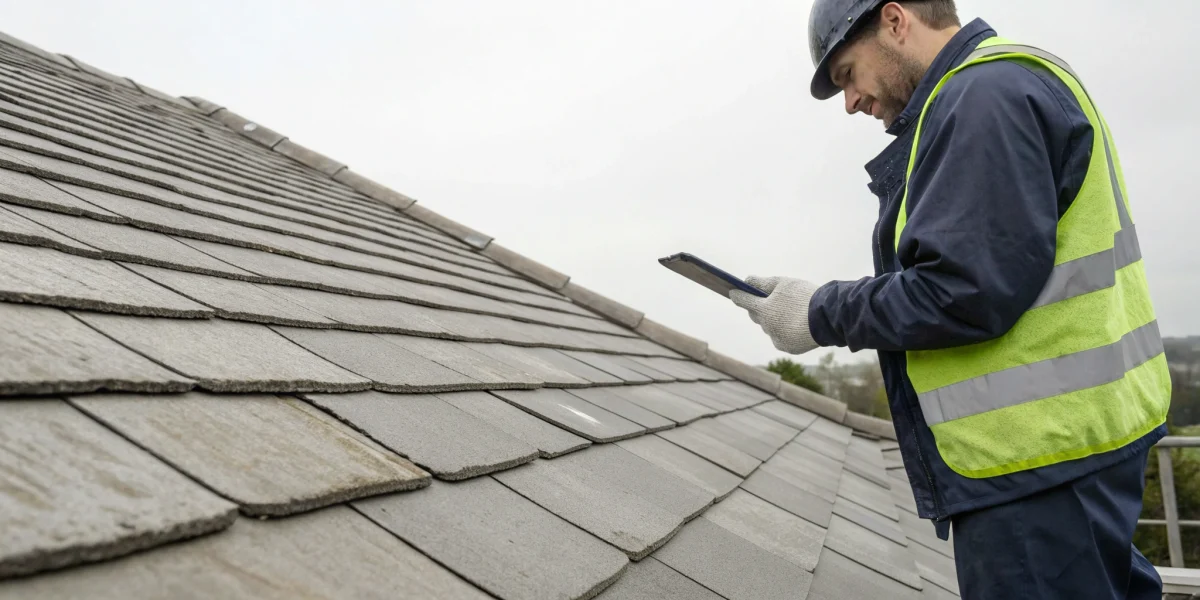
From the safety of the ground, your roof might look like it weathered the storm just fine. But what you can’t see can cause the most significant problems. High winds can lift shingles and break their watertight seals, while hail can create subtle fractures that lead to slow leaks over time. These hidden issues are often missed by an untrained eye, only revealing themselves when a water stain appears on your ceiling months later. A professional storm damage roof assessment report is designed to uncover everything—the obvious and the hidden. It provides a complete picture of your roof’s health, ensuring that small problems are addressed before they become costly disasters.
Key Takeaways
- Your Report is Your Strongest Tool for Insurance Claims: A professional storm damage assessment is the official evidence your insurance company needs. Using a report from a certified inspector substantiates your claim and helps you get the full compensation you’re entitled to.
- Take Control Before the Inspector Arrives: Your actions right after a storm set the stage for a smooth recovery. Confirm the area is safe, photograph everything, and notify your insurance provider immediately to meet policy deadlines and start your claim.
- Choose Expertise Over Convenience for Lasting Results: The credibility of your assessment and the quality of your repairs depend on who you hire. Always select a certified inspector for an unbiased report and a well-vetted contractor to ensure the work is done right.
What Is a Storm Damage Roof Assessment Report?
Think of a storm damage roof assessment report as your roof’s official story after a major weather event. It’s a detailed, professional document created by a certified inspector that methodically outlines the condition of your roof. This isn’t just a quick glance from the ground; it’s a thorough investigation. The report identifies every piece of damage, explains its severity, and provides clear recommendations for what to do next, whether that means simple repairs or a full replacement.
Inside, you’ll find a complete breakdown of the inspector’s findings, supported by photographs and specific notes. It will detail the type of damage observed—like missing shingles from high winds, dents from hail, or signs of water intrusion. The goal is to create an undeniable record of your roof’s post-storm state. This document is more than just an estimate; it’s a crucial piece of evidence that translates the physical damage into a clear, actionable plan. A proper assessment ensures that nothing is overlooked, giving you the foundation you need to restore your property and secure its long-term health with a LeakFREE® roof.
Why You Need an Assessment for Your Insurance Claim
When it’s time to file an insurance claim, your word alone isn’t enough. Insurance companies require proof, and a storm damage assessment report is the most powerful evidence you can provide. This professional document substantiates your claim, showing the adjuster exactly what happened and why repairs are necessary. It moves your claim from a simple request to a well-documented case, which can significantly speed up the approval process and help you get the appropriate compensation.
Timing is also critical. Most insurance policies have a strict window—sometimes just a few days—for you to report storm damage. Getting a professional assessment done quickly ensures you meet these deadlines with accurate information. Without it, you risk having your claim delayed, undervalued, or even denied.
The Role of a Certified Inspector
A certified inspector is the expert you need to accurately diagnose your roof’s condition. Unlike a general contractor, a certified inspector has undergone specialized training and education to identify all types of storm damage, especially the subtle issues that an untrained eye might miss. They know how to spot hidden hail impacts, compromised seals, and the early signs of water leaks that could lead to major problems down the road.
During the assessment, they will take extensive photos and detailed notes, examining not just the roofing material but also related structures. They provide a comprehensive report that explains the damage, its cause, and the best course of action for repairs, often including cost estimates. Hiring a certified professional ensures your assessment is thorough, credible, and gives you a clear path forward.
What Kind of Storm Damage Can an Assessment Find?
After a major storm, the damage to your roof isn’t always obvious from the ground. What might look like a few ruffled shingles could be hiding much bigger problems. A professional storm damage assessment is designed to catch everything, from the most visible issues to the subtle, hidden threats that can cause serious trouble down the road. A certified roof inspector has the training to identify all types of storm-related damage, ensuring your assessment report gives you a complete picture of your roof’s condition. This detailed evaluation is exactly what you need to file a successful insurance claim and get your home properly repaired.
Signs of Wind Damage
High winds are one of the most common culprits of roof damage. You might see shingles that are completely missing, but the damage can be less obvious. Strong gusts can lift the edges of your shingles, breaking the adhesive seal that keeps them flat and watertight. Even if the shingle settles back down, that broken seal creates a perfect entry point for rain. An inspector will look for creased, curled, or lifted shingles that an untrained eye might miss. They know these subtle signs indicate that your roof’s primary defense against water has been compromised, leaving your home vulnerable.
Telltale Signs of Hail Damage
Hail can be incredibly destructive, and the evidence it leaves behind is distinct. An inspector will look for dents, dings, or pockmarks on your shingles, flashing, and vents. Hailstones can also knock off the protective granules that cover asphalt shingles. These granules are more than just a color choice; they shield the shingle from the sun’s UV rays and help shed water. When hail strips them away, it exposes the underlying material, drastically shortening your roof’s lifespan. An assessment will document the size and pattern of the hail impacts to build a strong case for your insurance claim.
Spotting Water Damage and Hidden Leaks
Often, the first sign of a roof problem appears inside your home. Water stains on the ceiling, peeling paint near the roofline, or a musty smell in the attic are all red flags. A thorough assessment connects these interior symptoms to their source on the roof. An inspector will check the attic for damp insulation, mold, or a sagging roof deck. Catching these issues early is key to preventing widespread water damage and ensuring you get a truly LeakFREE® roof after repairs are made. A detailed report will document both the interior and exterior evidence of leaks.
Uncovering Hidden Structural Damage
Some of the most serious storm damage isn’t visible on the surface. The force of a fallen tree limb or extreme winds can affect the underlying structure of your roof, including the rafters and decking. This kind of damage can compromise the safety and stability of your entire home. A certified inspector is trained to look for signs of structural stress that go beyond cosmetic issues. They will assess the roof deck for sagging or weakness and check for any signs that the framework has been damaged, ensuring that your repair plan addresses the complete scope of the problem, not just what’s easy to see.
How to Prepare for a Post-Storm Roof Assessment
After a major storm, your first instinct might be to figure out the extent of the damage. But before an inspector ever sets foot on your property, there are a few critical steps you need to take. Handling these tasks correctly can make a huge difference in the safety of your family and the success of your insurance claim. Think of it as laying the groundwork for a smooth recovery process. By being proactive and organized from the start, you put yourself in the best position to get your roof—and your life—back to normal.
Prioritize Safety Before the Inspection
Before you even think about pulling out a ladder or taking photos, your number one priority is to make sure the area is safe. A storm can create hidden dangers that aren’t immediately obvious. Walk around the exterior of your property (from a safe distance) and look for hazards like downed power lines, the smell of gas, or leaning trees that could fall. Inside, be cautious of sagging ceilings or visible structural damage. If you notice any of these serious issues, leave the property immediately and contact your utility company or emergency services. Your safety is far more important than documenting a few missing shingles.
Document Everything with Photos
Once you’ve confirmed the area is safe to be in, grab your smartphone and start documenting. Take as many photos and videos as you can, covering every angle of the damage both inside and outside your home. On the roof, capture images of missing or lifted shingles, dented gutters, and any debris. Inside, look for water stains on the ceiling or walls, which could indicate a leak. Get wide shots to show the overall context and close-ups to detail specific problems. This visual evidence is incredibly valuable and will serve as a crucial record when you file your insurance claim. Do this before you make any temporary repairs.
Call Your Insurance Company ASAP
Don’t wait to contact your insurance provider. Most policies require you to report damage within a specific timeframe, so calling them promptly is essential to get your claim started on the right foot. When you call, have your policy number handy and be prepared to give a general description of the damage you’ve observed. They will assign an adjuster to your case and walk you through the next steps. Let them know you’ve taken initial photos and that you plan to have a professional roof inspection performed. This shows them you are being diligent and proactive about managing the situation.
Find a Qualified, Certified Inspector
While your insurance company will send their own adjuster, getting an independent assessment from a certified professional is one of the smartest moves you can make. A certified roof inspector has specialized training to identify all types of storm damage, including subtle issues that an untrained eye might miss. Their job is to provide a thorough, unbiased report detailing the condition of your roof. This detailed assessment becomes your most powerful tool, giving you a comprehensive and credible document to support your insurance claim and ensure you receive a fair settlement for all necessary repairs.
What’s Inside a Good Storm Damage Report?
A storm damage report is your roadmap to getting your roof fixed and your insurance claim approved. But what separates a helpful report from a confusing one? A thorough, professional report gives you, your contractor, and your insurance adjuster a clear, shared understanding of the situation. It breaks down complex issues into manageable pieces, turning a stressful event into a clear action plan. Think of it as the official record of your roof’s condition post-storm, a document that will be referenced by everyone involved in the restoration process.
When you receive a report from a certified inspector, it should be detailed, easy to understand, and backed by solid evidence. It’s not just a list of problems; it’s a comprehensive assessment that provides context and solutions. This document is your most powerful tool when communicating with your insurance company. A vague or incomplete report can lead to denied claims or insufficient payouts, leaving you to cover unexpected costs. A great report, on the other hand, provides the clarity and proof needed to get the full coverage you’re entitled to. It should clearly outline the scope of the damage, provide visual proof, and offer a clear path forward for repairs. Below, we’ll break down the essential components you should look for in any storm damage assessment.
Your Property and Contact Information
This might seem basic, but getting the details right is crucial. A professional report always begins with your name, property address, and contact information. It should also clearly state the inspection date and include the inspector’s name and contact details. This simple step prevents confusion and ensures everyone involved—from your insurance agent to your repair crew—can communicate effectively. Without this clear identification, the entire process can become disorganized, leading to unnecessary delays in your claim and repairs. This foundational information ensures a smooth process from start to finish.
A Detailed Breakdown of the Findings
This is the core of the report. It provides a complete breakdown of everything the inspector found during their visual check of your entire roofing system. The report should describe the condition of the shingles, gutters, flashing, and vents, noting specific storm damage like lifted shingles from wind or dents from hail. A quality report uses clear, descriptive language to explain the extent of the damage, helping you understand exactly what needs attention. This level of detail is made easier with specialized inspection software that helps standardize the process and ensure nothing is missed.
Photos and Clear Documentation of Damage
Words are important, but pictures are powerful. A good storm damage report must include high-quality photographs of any damage or areas of concern. This visual evidence is non-negotiable. It helps you see the issues for yourself and is critical for your insurance claim, leaving no room for doubt about the severity of the damage. Seeing a photo of a cracked shingle or dented flashing makes the inspector’s findings tangible and easy to grasp. This documentation serves as undeniable proof for your insurance adjuster and helps ensure you get the coverage you need for repairs.
Repair Recommendations and Cost Estimates
A great report doesn’t just tell you what’s wrong—it tells you how to fix it. This section should outline professional recommendations for necessary repairs or replacements. It should also provide an estimated cost and a potential timeline for the work, highlighting any urgent issues that need immediate attention. This actionable advice is what empowers you to make informed decisions. The goal is not just to patch a problem but to restore your roof’s integrity, potentially leading to a LeakFREE® certification that protects your home for years to come.
How to Use Your Report for a Successful Insurance Claim
Once you have a professional storm damage assessment in hand, you’re holding the key to a smoother insurance claim process. This report isn’t just a list of problems; it’s a detailed, evidence-based tool that helps you communicate clearly with your insurance company and contractors. Using it effectively can make the difference between a quick, fair settlement and a long, frustrating ordeal. Think of your report as the official playbook for your roof’s recovery. It outlines the damage, provides the necessary proof, and gives you a clear path forward, ensuring everyone involved is working from the same set of facts. This document translates the chaos on your roof into a clear, actionable plan that all parties can understand and agree on. It removes the guesswork and subjectivity, replacing it with professional analysis. By leveraging this report, you shift from being a stressed homeowner to an informed advocate for your property, ready to manage the repair process with confidence.
Know Your Insurance Policy Inside and Out
Before you even pick up the phone to call your insurance agent, take some time to review your homeowner’s policy. Understanding the specifics—like your deductible, what types of damage are covered, and any exclusions—will put you in a much stronger position. When you know what your policy says, you can discuss your claim with confidence. Your assessment report helps you match the documented storm damage directly to the coverage outlined in your policy. This preparation allows you to have a more productive conversation with your adjuster and ensures you’re asking for exactly what you’re entitled to.
Give Your Adjuster the Right Paperwork
Insurance adjusters work with facts and evidence. A comprehensive storm damage report from a certified inspector is the most powerful piece of evidence you can provide. It replaces grainy cell phone pictures with high-resolution photos and vague descriptions with precise, technical findings. This professional documentation gives your adjuster everything they need to validate your claim without a lot of back-and-forth. An NRCIA report, for example, uses standardized methods and clear language, presenting the damage in a way that is easy for insurance professionals to process. This level of detail and credibility can help expedite your claim and lead to a more accurate settlement.
Work Effectively with Your Contractor and Insurer
Your assessment report serves as a crucial bridge between you, your contractor, and your insurance company. It’s an unbiased, third-party evaluation of the damage, which helps prevent disagreements over the scope of repairs. When you share the report with potential contractors, they can create more accurate bids based on the same detailed information. For your insurer, the report from a certified inspector lends significant credibility to your claim. It shows that the damage has been verified by a trained professional, making it easier for the adjuster to approve the necessary repairs and costs. This creates a transparent and collaborative environment, moving the process forward efficiently.
What Makes an Assessment Report Trustworthy?
After a storm, you’re relying on an assessment report to be accurate, thorough, and fair. But how can you be sure the document in your hands is one you can trust? A reliable report isn’t just a list of damages; it’s a professional document built on a foundation of expertise, consistent methods, and clear communication. When you’re sharing this report with your insurance company or planning for major repairs, you need to have complete confidence in its findings.
The credibility of a report comes down to three key elements: the person who performed the inspection, the process they followed, and the quality of the report they produced. Understanding what to look for in each of these areas will help you spot the difference between a hastily written estimate and a truly professional assessment. This knowledge empowers you to ask the right questions and ensure you’re working with a qualified expert who serves your best interests.
The Inspector’s Certifications and Training
A trustworthy roof assessment report begins with the qualifications of the inspector. The report is only as credible as the person who created it. At a minimum, any professional you hire should be licensed and insured, which shows they’ve met basic industry standards. However, for something as critical as a storm damage assessment, you should look for a higher level of expertise.
Specialized certifications show that an inspector has completed advanced training focused specifically on diagnostics and industry best practices. An NRCIA Certified Roof Inspector, for example, has been trained to a national standard, ensuring they can accurately identify damage and recommend the right solutions. This level of qualification means they aren’t just guessing—they’re making an expert judgment based on proven knowledge.
Consistent Inspection Methods and Technology
A reliable assessment is the result of a systematic process, not a quick glance from a ladder. Top inspectors follow a consistent, step-by-step methodology for every roof they examine to ensure nothing is overlooked. This consistency is often supported by technology. Using specialized inspection software helps inspectors follow the right procedures and use the correct forms every time, which leads to more accurate and dependable reports.
When an inspector uses a standardized method, you can be confident that their findings are comprehensive and objective. They aren’t just looking for the most obvious damage; they’re trained to spot subtle issues that could lead to major problems down the road. This methodical approach removes guesswork and ensures the final report is a complete and factual record of your roof’s condition.
High-Quality, Standardized Documentation
Finally, the report itself should be a clear, professional, and easy-to-understand document. High-quality, standardized documentation is crucial because it helps you and your insurance adjuster understand the full scope of the damage. The report should clearly summarize the inspector’s findings, supported by high-resolution photos with annotations that point out specific areas of concern. It should avoid confusing jargon and present information in a logical format.
A trustworthy report serves as a vital record of your roof’s condition at a specific point in time. When it’s clear and comprehensive, it becomes a powerful tool for your insurance claim. The ultimate sign of a trustworthy assessment is one that can be backed by a warranty, like a LeakFREE® certification, which guarantees the quality of the inspection and any subsequent repairs.
Common Mistakes to Avoid After a Storm
When a storm passes, the stress and urgency can lead to quick decisions that aren’t always the best for your home or your wallet. It’s a chaotic time, but taking a moment to think through your next steps can save you a lot of trouble down the road. By avoiding a few common missteps, you can ensure your property is repaired correctly and your insurance claim goes as smoothly as possible. Let’s walk through what not to do, so you can feel confident in your post-storm recovery plan.
Waiting Too Long to Call for Help
The clock starts ticking the moment the storm ends. One of the biggest mistakes homeowners make is delaying the call to their insurance company. It’s best to report the damage as soon as it’s safe to do so, ideally within the first 24 to 72 hours. Prompt reporting gets your claim into the queue faster, which is crucial when adjusters are handling a high volume of calls in a storm-affected area. Waiting can not only delay your repairs but also raise questions about whether subsequent issues were part of the original storm damage. Get on the phone right away to start the process and show you’re on top of the situation.
Trying to Assess the Damage Yourself
Your safety is the number one priority. While it’s tempting to climb up on the roof to see the damage for yourself, it’s incredibly risky. A storm can weaken the structure, and surfaces can be slippery and unstable. It’s always best to hire a professional to perform a thorough inspection. Many qualified contractors and certified inspectors can provide a clear picture of the damage without you ever having to leave the ground. A certified roof inspector has the training and equipment to safely identify issues you might miss, from hidden leaks to subtle structural problems, ensuring nothing is overlooked.
Hiring an Unqualified Contractor
After a major storm, you’ll likely see an influx of contractors in your area, some of whom are just looking to make a quick buck. Be wary of anyone who shows up uninvited, pressures you into signing a contract, or offers a deal that seems too good to be true. These “storm chasers” often do subpar work and may not be around to honor a warranty. Always take the time to vet your contractor. Make sure they are licensed, insured, and can provide local references. Choosing a professional with a solid reputation and clear warranty terms ensures the job is done right the first time.
Making Permanent Repairs Too Soon
In the rush to protect your home from further harm, you might be tempted to start permanent repairs immediately. However, this can be a costly mistake. Your insurance adjuster needs to see the full extent of the damage to accurately assess your claim. You should absolutely make temporary fixes—like putting a tarp over a hole or boarding up a broken window—to prevent more water from getting in. But hold off on any permanent work until after the professional inspection and you’ve gotten the green light from your insurance provider. This ensures your repairs are fully covered and you don’t accidentally void your claim.
How to Read and Act on Your Assessment Report
Once you have the storm damage assessment in hand, it’s time to turn that information into action. Think of this report as your roadmap. It tells you exactly what’s wrong with your roof and what it will take to make it right. But a map is only useful if you know how to read it. Taking the time to understand the details, compare your options for repairs, and create a solid plan will help you manage the process with confidence and ensure you get the quality work your home deserves.
This is the part where you take control. By breaking down the technical language, carefully vetting your contractor bids, and planning the repair process, you can make sure your roof is restored properly and protects your home for years to come. Let’s walk through how to do it.
Decode the Technical Terms and Damage Ratings
Roofing reports can be filled with industry-specific terms that might look like another language. You’ll likely see phrases like “shingle granule loss,” “compromised flashing,” or “underlayment damage.” Don’t let the jargon intimidate you. Granule loss refers to the sandpaper-like coating on your shingles wearing away, while flashing is the metal that seals joints around chimneys and vents. Understanding these key terms helps you grasp the true condition of your roof.
A trustworthy inspector will always be happy to walk you through their findings and explain what everything means. The goal of the report is clarity, and a core part of an inspector’s professional training is communicating this information effectively. Never hesitate to ask questions until you feel you have a complete picture of the damage.
How to Compare Different Contractor Bids
After a storm, you may get several bids for the repair work. It’s tempting to just go with the lowest price, but that can be a costly mistake. A cheap bid might mean subpar materials or rushed labor. Instead, compare each proposal line by line. Does the contractor specify the exact type and brand of materials they’ll use? Is the scope of work detailed, including tear-off and cleanup? Do they offer a warranty on their workmanship?
Look for a contractor who provides a clear, comprehensive bid that aligns with the recommendations in your assessment report. Asking these questions helps you compare apples to apples and choose a professional who will deliver a lasting repair, not just a quick fix. A properly repaired roof can even qualify for a LeakFREE® certification, giving you documented protection.
Create a Plan for Repairs and Follow Up
Once you’ve selected a contractor, the next step is to create a clear plan. This should all be captured in a signed contract before any work begins. Your contract should outline a start and end date, a payment schedule based on project milestones, and confirmation that the contractor carries the proper insurance. It’s also smart to discuss the daily logistics, like where materials will be stored and how your property will be protected.
Don’t let your involvement end when the work begins. Check in on the progress periodically. Once the job is finished, do a final walkthrough with the contractor to ensure everything meets your expectations. For ultimate peace of mind, you can even schedule a post-repair inspection to verify the work was completed to industry standards.
Related Articles
- Roof Inspection for Insurance Claim: A Guide
- Hail Damage Roof Inspection for Insurance: A Guide
- Your Guide to an Independent Roof Inspection for Insurance
Frequently Asked Questions
Why can’t I just use a free estimate from a roofing contractor for my insurance claim? A free estimate from a contractor is designed to sell you a new roof or a repair job. A storm damage assessment from a certified inspector, on the other hand, is a detailed diagnostic report. Its purpose is to provide an unbiased and thorough account of all damage, which serves as credible evidence for your insurance claim. Think of the inspector as your fact-finder, while the contractor is the one who will eventually do the work based on those facts.
My insurance company is sending its own adjuster. Do I still need an independent assessment? Yes, it’s a very smart move. The insurance adjuster works for the insurance company, and their goal is to assess the damage from the company’s perspective. A certified inspector works for you. They provide a second opinion and a comprehensive report that ensures nothing is overlooked, giving you a powerful tool to make sure you receive a fair and complete settlement for all necessary repairs.
What should I do if I don’t see any obvious damage from the ground after a storm? You should still schedule a professional inspection. Some of the most significant types of storm damage, like broken shingle seals from high winds, subtle hail impacts, or compromised flashing, are nearly impossible to spot from the ground. An inspector is trained to identify these hidden issues before they can turn into major leaks and more expensive problems down the road.
What happens if my inspector’s report disagrees with my insurance adjuster’s findings? This is exactly why having a professional report is so valuable. Your detailed assessment, complete with photos and specific notes, serves as your primary piece of evidence. You can present this document to your insurance company to dispute their findings and negotiate a more accurate settlement. It moves the conversation from your word against theirs to a discussion based on expert, documented facts.
How quickly do I need to get an assessment done after a storm? You should act as quickly as possible. Most insurance policies have a limited window of time for you to report damage and file a claim. Getting a professional assessment done right away ensures you meet these deadlines with accurate information. It also helps prevent any initial damage from getting worse while you wait.
