
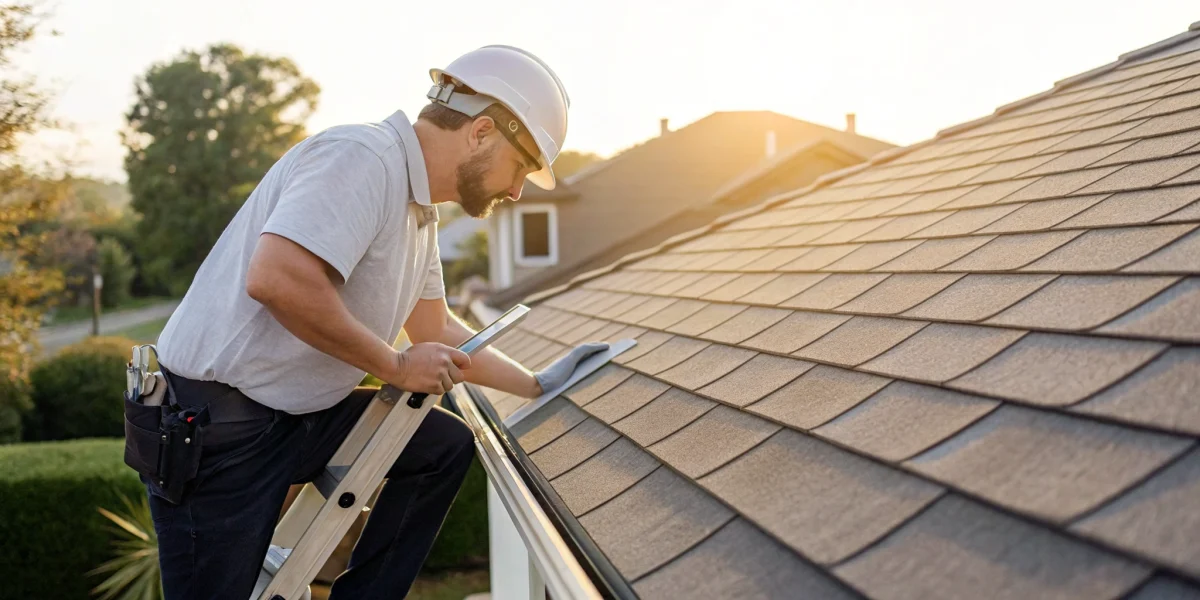
It’s a common belief that if you can’t see a leak, your roof must be fine. Unfortunately, that’s one of the most costly assumptions a property owner can make. By the time a water stain appears on your ceiling, moisture has likely been working its way through your attic, insulation, and structural supports for some time. The real damage often happens out of sight. A professional roof leak inspection service goes beyond a simple visual check to find these hidden problems. Using specialized tools and a systematic process, a certified inspector can identify vulnerabilities and stop minor issues from turning into major structural emergencies.
Key Takeaways
- Address Roof Issues Before You See a Drip: A professional inspection is your best tool for preventative care. It uncovers hidden vulnerabilities and minor damage before they allow water to cause serious rot, mold, and structural problems inside your home.
- An Independent Certification Protects Your Investment: Don’t rely solely on a manufacturer’s warranty or a “free” check-up from a roofer. A certified inspector provides an unbiased assessment, and a standardized warranty like a LeakFREE® certification offers true protection against future leaks.
- Modern Tools Eliminate the Guesswork: Today’s inspectors use technology like infrared cameras and moisture meters to pinpoint the exact source and extent of a leak. This data-driven approach ensures you get an accurate diagnosis and a targeted repair plan, not just a hunch.
What is a Roof Leak Inspection (And Why It Matters)
Think of a roof leak inspection as a health check-up for your home’s most important protector. It’s a professional, in-depth assessment designed to catch potential issues before they turn into huge, expensive headaches. This isn’t just about spotting a drip after a storm; it’s a proactive step to find hidden vulnerabilities, assess the overall condition of your roofing system, and ensure everything is sealed tight against the elements.
A proper inspection gives you a clear picture of your roof’s health, from the state of the shingles to the integrity of the flashing and underlayment. For homeowners, it provides peace of mind and a plan for maintenance. For real estate professionals and buyers, it offers a transparent look at a property’s condition. Ultimately, a roof leak detection service is about protecting your investment. By identifying problems early, you can address them with minor repairs instead of facing major structural damage or a full roof replacement down the road. It’s one of the smartest things you can do to maintain your property’s value and safety.
Breaking Down the Inspection Process
A professional roof leak inspection is much more than a quick glance from the ground. A certified inspector follows a detailed process to ensure nothing is missed. It starts with a thorough visual check of the roof’s exterior and interior, looking for obvious signs of damage like cracked shingles, loose flashing, or water stains on your ceiling. The inspector will also evaluate the entire roofing system, considering its age, materials, and overall condition.
To pinpoint the exact source of a leak, which can be notoriously tricky, inspectors often use specialized techniques. This can include controlled water tests that simulate rainfall to see exactly how and where moisture is getting in. Many professionals also use advanced technology for electronic leak detection, which can find breaches in the roof membrane that are invisible to the naked eye. This systematic approach ensures a comprehensive diagnosis, not just a guess.
Stop Costly Damage Before It Starts
Waiting until you see a water stain on your ceiling is often too late. By that point, moisture has likely been seeping into your attic, insulation, and structural beams for a while, creating the perfect environment for mold, mildew, and wood rot. What starts as a small, unseen leak can quickly lead to thousands of dollars in repairs, not just for the roof but for the rest of your home, too.
This is why early detection is so important. A professional inspection can identify weak spots and minor damage before they allow water to penetrate your home’s defenses. Addressing a few loose shingles or resealing some flashing is a simple, affordable fix. Replacing a rotted roof deck and remediating a mold problem is not. Taking a proactive approach protects your property and prevents small issues from becoming very disruptive and costly emergencies.
Extend Your Roof’s Lifespan and Protect Your Investment
Your roof is one of the most expensive components of your home, and you want it to last as long as possible. Just like changing the oil in your car, regular roof maintenance is key to its longevity. Professional inspections are a core part of that maintenance plan. By catching and addressing small problems early, you can prevent the kind of widespread damage that leads to premature aging and failure.
When minor issues are left unchecked, they create stress on the entire roofing system, accelerating wear and tear. A small breach can let moisture in, which degrades materials and weakens the structure over time. Regular roof inspections stop this cycle of damage, helping your roof reach or even exceed its expected lifespan. This not only saves you from the massive expense of an early replacement but also protects the overall value of your property.
Roof Inspection Myths, Busted
Several common myths about roof care can lead homeowners to neglect this critical task, often with costly consequences. One of the most damaging is the belief that a roof only needs attention when you can see a leak. The reality is that by the time a leak is visible inside, the damage has already been done. Water can travel a long way from its entry point, causing hidden rot and mold along the path.
Another one of the common misconceptions about roof inspections is that a manufacturer’s warranty means you don’t need them. Most warranties actually require regular maintenance to remain valid, and they typically only cover defects in the materials, not issues caused by poor installation or storm damage. An independent inspection ensures your roof is in good shape and helps you keep your warranty intact.
How Much Does a Roof Leak Inspection Cost?
When you suspect a leak, one of the first questions that comes to mind is, “How much will this cost to check out?” It’s a fair question. For most homeowners, a professional roof leak inspection will cost between $150 and $400. A basic visual inspection, where an inspector assesses the roof from the ground or a ladder, typically falls in the lower end of that range, around $150 to $250. A more detailed inspection, which might involve getting on the roof, checking the attic, and using specialized tools, will likely be closer to $250 to $400.
Think of this cost not as an expense, but as an investment in protecting your home. A thorough inspection gives you a clear, unbiased report on your roof’s condition, helping you catch small issues before they spiral into costly, catastrophic damage. It provides the information you need to plan for future repairs or replacement, giving you control over your home maintenance budget and peace of mind. For homeowners, this proactive step is one of the smartest decisions you can make.
What Factors Influence the Price?
The price for a roof inspection isn’t one-size-fits-all. Several key factors can influence the final quote you receive. The size and complexity of your roof play a big role; a larger, multi-level roof simply takes more time to inspect than a small, simple one. The roofing material also matters, as inspecting materials like slate or tile can be more intricate than checking standard asphalt shingles.
Another major factor is accessibility. A very steep or hard-to-reach roof requires extra safety precautions and equipment, which can add to the cost. Finally, your geographic location can affect pricing due to regional differences in labor rates and business expenses. Understanding these variables will help you see why quotes can differ from one property to the next.
Why an Inspection is a Smart Investment
Scheduling a regular roof inspection is one of the most effective ways to practice preventative home maintenance. It allows a professional to find small problems, like a few cracked shingles or failing sealant around a vent, before they turn into major leaks that require expensive repairs or even a premature roof replacement. Catching these issues early is the key to extending your roof’s lifespan and getting the most out of your initial investment.
Ignoring a potential leak can lead to serious consequences that go far beyond a few water stains. Persistent moisture can weaken your home’s structural components, ruin insulation, drive up energy bills, and create the perfect environment for unhealthy mold growth. A professional inspection helps you secure LeakFREE® roof protection, safeguarding not just your property but your family’s health and financial well-being.
The Hidden Costs of a “Free” Inspection
You’ve probably seen ads for “free” roof inspections, and while it sounds tempting, it’s wise to be cautious. Often, these offers are used as a sales tool by roofing companies whose primary goal is to sell you a full roof replacement. An inspector with a vested interest in finding problems may exaggerate minor issues, leading to unnecessary and expensive work. A paid inspection from an unbiased, certified professional ensures you get an honest assessment of your roof’s actual condition.
It’s also a common myth that a roof warranty eliminates the need for inspections. Most warranties require regular maintenance to remain valid and won’t cover damage caused by neglect. Investing in a report from a certified inspector gives you objective, reliable information you can use to make smart decisions, without the pressure of a sales pitch.
How to Choose a Reliable Roof Inspector
Finding the right roof inspector can feel like a daunting task, but it doesn’t have to be. The key is knowing what to look for and which questions to ask. A great inspector provides an unbiased, detailed assessment of your roof’s condition, giving you the clear information you need to make smart decisions. They work for you, not for a roofing company trying to sell you a new roof. By focusing on credentials, asking direct questions, and understanding the value of a solid certification, you can confidently hire a professional who will protect your investment and give you genuine peace of mind.
Look for These Credentials and Certifications
When you’re vetting a roof inspector, their qualifications should be front and center. Don’t just look for experience; look for proof of formal training and certification. An inspector certified by a national organization has demonstrated a commitment to industry standards and continuing education. For example, an NRCIA-certified inspector has completed a rigorous training program covering everything from technical inspection methods to professional ethics. This ensures they can accurately identify potential issues, from subtle water intrusion to structural weaknesses, using a standardized process. A certification is your assurance that the inspector has the expertise to give your roof the thorough evaluation it deserves.
Key Questions to Ask Your Inspector
Before you hire anyone, have a few key questions ready. This simple step helps you gauge their professionalism and approach. Start by asking about their certifications and if they are an independent inspector. An inspector who isn’t tied to a roofing company is more likely to give you an unbiased opinion. Ask them to walk you through their inspection process—what tools do they use, and what areas do they cover? You should also request a sample report to see the level of detail they provide. A professional report will include photos, clear descriptions of any issues, and recommendations. Finally, ask for references. A confident, reliable inspector will be happy to connect you with past clients.
Why Standardized Certifications and Warranties Matter
Many people think a manufacturer’s warranty on their shingles is all the protection they need, but that’s a common misconception. Those warranties typically only cover material defects, not installation errors or leaks caused by other issues. This is where a standardized roof certification comes in. A LeakFREE® Roof Certification is a warranty that guarantees your roof will remain free of leaks for the entire certification period. It’s a promise of quality and performance backed by a thorough inspection process. This type of standardized warranty provides a consistent level of protection that you can rely on, no matter who did the initial installation.
Red Flags to Watch For in a Roofing Inspector
Knowing what to avoid is just as important as knowing what to look for. Be cautious of anyone offering a “free” inspection that feels more like a high-pressure sales pitch for a full roof replacement. A true professional is there to assess, not just to sell. Another red flag is a lack of transparency. If an inspector is vague about their process, can’t provide a sample report, or doesn’t use professional inspection software to document their findings, it’s best to walk away. Also, be wary of anyone who dismisses small issues or suggests that inspections aren’t necessary without visible damage. Proactive inspections are designed to catch problems before they become costly disasters.
The Tech Behind a Modern Roof Inspection
A thorough roof inspection goes far beyond a quick look from the ground. Today’s top inspectors combine years of hands-on experience with advanced technology to uncover issues that are invisible to the naked eye. This blend of skill and science ensures nothing is missed, giving you a complete and accurate picture of your roof’s health. Using specialized tools allows for a non-invasive but incredibly detailed assessment, moving past guesswork and into data-driven analysis.
This modern approach is crucial for identifying the true source of a leak and catching minor issues before they become major headaches. From thermal imaging that detects hidden moisture to software that generates detailed reports, technology empowers inspectors to provide objective, verifiable findings. This level of detail is what makes a professional inspection for a LeakFREE® roof certification so valuable, offering you genuine peace of mind about the state of your property.
From Visual Checks to Water Testing
Every professional inspection starts with a comprehensive visual assessment, but it’s far more methodical than a simple walk-around. A certified inspector follows a systematic process, examining every component of the roofing system—from the condition of the shingles and flashing to the state of the gutters and vents. They’re trained to spot subtle signs of wear and tear that an untrained eye would easily miss.
If a potential leak source isn’t obvious, an inspector may perform a controlled water test. This involves carefully applying water to specific sections of the roof to recreate the leak under controlled conditions. This helps pinpoint the exact entry point without causing further damage, confirming the problem area so that a precise repair plan can be made.
Using Infrared to Find Hidden Leaks
One of the most powerful tools in an inspector’s kit is an infrared (IR) camera. This device detects temperature differences across the roof’s surface. Since trapped moisture evaporates and cools the area around it, wet spots appear as cooler, darker areas on the camera’s screen. This technology allows an inspector to “see” through the roof’s surface to find hidden moisture and hard-to-find leaks that show no visible signs.
Using an IR camera is especially effective for flat or low-slope roofs where water can travel a long way from the entry point before showing up as a stain on your ceiling. The right inspector training ensures this technology is used correctly to accurately map out saturated insulation and hidden leaks.
How Moisture Meters Pinpoint Problem Areas
After an infrared camera identifies a potential problem area, a moisture meter is used to confirm the presence of water and measure its concentration. These handheld devices have probes that can be pressed directly into roofing materials or used non-invasively to get a precise reading of moisture content. This step is critical for verifying the extent of the saturation.
This two-step process of detection and verification provides undeniable proof of a leak. It eliminates any guesswork, providing hard data that shows exactly where the roof is failing. By pinpointing the problem with such accuracy, you can be sure that the recommended repairs are targeting the true source of the issue.
The Role of Digital Reports and Software
All the data gathered during an inspection is compiled into a clear, comprehensive report. Modern inspectors use specialized inspection software to organize their findings, including high-resolution photos, thermal images, and detailed notes. This creates a professional, easy-to-understand document that outlines the roof’s condition and provides clear recommendations.
This detailed report is one of the most important deliverables of an inspection. It serves as an official record of your roof’s health and provides the objective evidence you need to schedule repairs, file an insurance claim, or complete a real estate transaction. A quality report empowers you to make informed decisions based on facts, not assumptions.
Signs You Need a Roof Leak Inspection
Your roof is your home’s first line of defense, but it’s easy to forget about it until a problem appears. Small issues can quickly become major headaches, leading to expensive repairs and damage. The key is knowing what to look for so you can act before a tiny drip turns into a disaster. Catching these signs early not only saves you money but also gives you peace of mind. Here are the key indicators—both inside and out—that it’s time to schedule a professional roof inspection.
Warning Signs Inside Your Home
A dripping ceiling is an obvious cry for help, but many signs of a roof leak are much more subtle. Keep an eye out for water stains or discoloration on your ceilings and walls, which often look like brownish rings. You might also notice paint that is peeling, bubbling, or cracking near the ceiling. A persistent musty odor, especially in your attic or upper floors, can signal hidden moisture and potential mold growth, which can affect your home’s air quality and your family’s health. Even a small leak can compromise your home’s structure over time. Addressing these issues promptly with a professional inspection helps ensure you maintain a certified LeakFREE® roof and protect your property’s value.
What to Look For on the Outside of Your Roof
While it’s best to leave the climbing to the pros, you can spot several red flags from the ground. Look for shingles that are cracked, curled, buckling, or missing altogether. Check the areas around chimneys, vents, and skylights for damaged flashing—the metal strips that seal these joints. Clogged gutters are another warning sign; when water can’t drain properly, it can back up and seep under your roofing materials. If you can safely peek into your attic, look for wet insulation, dark stains on the wood, or any visible drips. These are all clear signs that your roof’s integrity is compromised, and it’s time to call an inspector. We provide services for all types of homeowners and property managers facing these issues.
When is the Best Time for a Roof Inspection?
The best time for a roof inspection is before you have a problem, but certain events should prompt you to schedule one immediately. Always get your roof checked after a major weather event like a hailstorm, hurricane, or high winds, as damage isn’t always visible from the ground. If your roof is over 20 years old, it’s a good idea to have it inspected annually, even if it looks fine. Regular check-ups can catch age-related wear and tear before it leads to a leak. An inspection is also a critical step when buying or selling a home, providing a clear picture of the roof’s condition. Our inspectors are trained to spot subtle damage that an untrained eye would miss, ensuring nothing is overlooked.
Simple Maintenance to Prevent Future Leaks
Proactive maintenance is the most effective way to prevent leaks and extend the life of your roof. The single best thing you can do is schedule regular professional inspections. An inspector can identify and fix small problems, like replacing a few damaged shingles or resealing flashing, before they turn into costly, large-scale repairs. Keeping your gutters clean is another simple but crucial task that prevents water from backing up and damaging your roofline. Make sure tree branches are trimmed away from your roof to prevent damage from scraping or falling limbs. By partnering with NRCIA-certified professionals, you can create a simple maintenance plan that stops leaks before they ever have a chance to start.
Related Articles
- 7 Steps to Find the Source of a Roof Leak
- Forensic Roof Inspection for Leaks: A Complete Guide
- Inspection Report Archives – NRCIA
Frequently Asked Questions
I don’t see any water stains. Do I really need an inspection? That’s the perfect time to get one. A professional inspection is designed to catch problems long before they become visible inside your home. By the time you see a stain on your ceiling, water has already been seeping into your attic, insulation, and wood framing. A thorough inspection finds the hidden weak spots—like failing sealant or a few cracked shingles—so you can address them with a simple fix, not a major repair.
Is a roof inspection the same as getting a repair estimate from a roofer? They serve two very different purposes. A roofer’s estimate is typically focused on pricing a specific job, often a full replacement. An independent roof inspection, on the other hand, is a comprehensive and unbiased assessment of your entire roofing system’s condition. The inspector works for you to provide a detailed report on what’s right and what’s wrong, giving you objective information you can use to make smart decisions without any sales pressure.
How long does an inspection take, and do I need to be home? For most homes, a thorough inspection takes between one and three hours, depending on the size and complexity of your roof. It’s best if you or another adult is home during the appointment. While much of the work is done outside, the inspector will also need to access your attic and check interior ceilings for any signs of moisture, so they will need to come inside to complete the assessment.
What exactly do I receive after the inspection is finished? You will receive a detailed digital report that gives you a complete picture of your roof’s health. This document includes high-resolution photos of any problem areas, clear descriptions of the inspector’s findings, and specific recommendations for maintenance or repairs. It’s an official record that empowers you with the facts you need to plan for the future, get accurate quotes from contractors, or handle a real estate transaction.
What’s the difference between a standard inspection and one for a LeakFREE® certification? A standard inspection gives you a snapshot of your roof’s condition on a specific day. An inspection for a LeakFREE® certification is a more rigorous process because it determines if your roof qualifies for a warranty. If the roof meets the required standards, it is certified to remain free of leaks for a set period. It’s the difference between getting a professional opinion and getting a guarantee of performance.
