
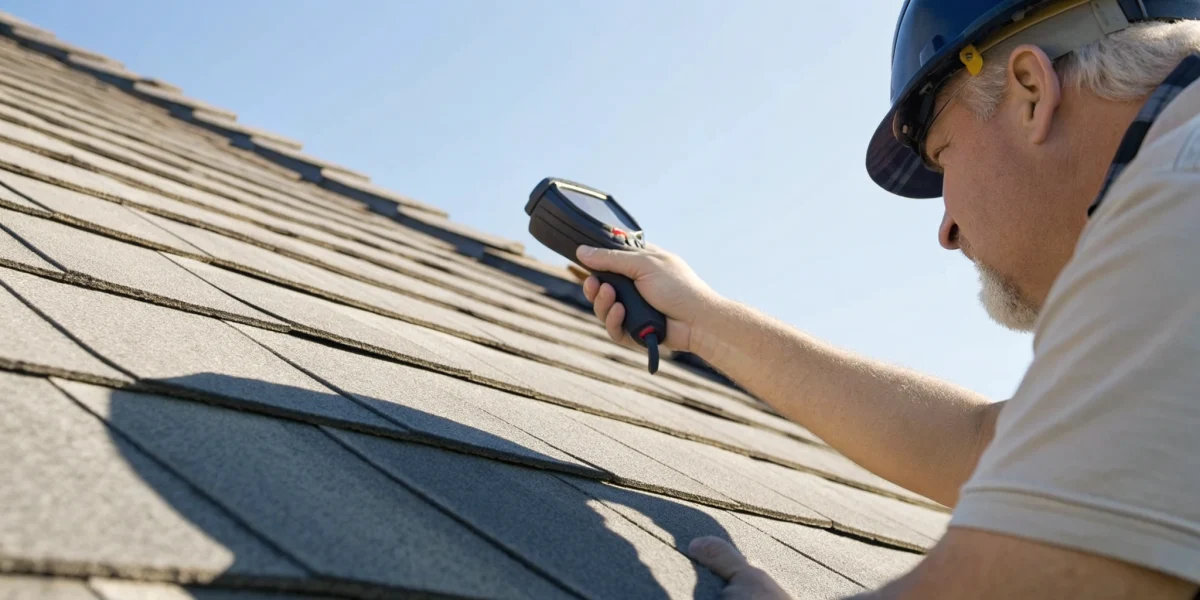
When you have a roof leak, you’re dealing with a mystery. Water is a sneaky intruder; it can enter through a tiny crack in a flashing seal, travel sideways along a rafter, and finally drip down feet away from its entry point. Simply patching the ceiling stain is like treating a symptom without diagnosing the illness. A certified inspector acts like a detective, using their expertise and specialized tools to trace the water’s path back to the source. The final product of this investigation is the roof leak cause analysis report. This document doesn’t just identify the problem—it explains precisely how and why the failure occurred, giving you the concrete evidence needed to fix it right the first time.
Key Takeaways
- Diagnose the Real Problem First: A professional leak analysis acts like a diagnostic tool, identifying the true source of a leak, not just the visible water stain. This ensures your repair money is spent on a permanent fix, not a temporary patch that will fail again.
- Use the Report as Your Roadmap: Your analysis report is more than a list of problems; it’s a clear guide for action. Use its detailed photos and prioritized recommendations to make informed repair decisions and provide solid proof for insurance claims.
- Adopt a Proactive Maintenance Mindset: The best way to handle leaks is to prevent them. Scheduling annual inspections and keeping organized records of your roof’s history helps you catch small issues early, saving you from expensive emergency repairs and extending your roof’s lifespan.
What is a Roof Leak Cause Analysis Report?
When you spot a water stain on your ceiling, your first instinct might be to just patch the roof area directly above it. But water is tricky—it can travel from the entry point along beams and rafters before it finally drips down. A Roof Leak Cause Analysis Report is a specialized document that goes beyond a simple visual check. It’s a deep dive into finding the real reason your roof is leaking, so you can fix the problem for good instead of just applying a temporary band-aid.
Think of it as a diagnostic tool for your roof. Instead of just identifying symptoms (the leak), it pinpoints the underlying condition causing them. This detailed analysis is the first step toward a lasting repair and is essential for anyone who needs a clear, documented understanding of their roof’s health, from homeowners to property managers. It provides the clarity needed to make smart, cost-effective decisions about repairs and maintenance.
What the Report Covers
The main goal of a cause analysis report is to uncover the root cause of a leak. Finding the true origin of the problem helps you fix it permanently, which makes your property safer and more reliable in the long run. A certified inspector doesn’t just look for the obvious hole; they investigate the entire roofing system to understand how and why water is getting in.
This process involves tracing the path of the water from the interior stain back to its exterior entry point. The report will detail this path and explain the specific failure—whether it’s a cracked shingle, failed flashing, or a design flaw. This focus on the root cause is what makes the analysis so valuable and is a core part of achieving a truly LeakFREE® roof.
What’s Inside the Report?
A professional Roof Leak Cause Analysis Report is a comprehensive document filled with specific, actionable information. It’s designed to be easy to understand, even if you’re not a roofing expert. Inside, you’ll find a detailed breakdown of each problem area, complete with high-resolution photos that show you exactly what the inspector sees.
Each issue is typically described with notes on its severity, helping you prioritize repairs. The report may also reference relevant building codes to show where the roof isn’t compliant. This level of detail is made possible by specialized inspection software that organizes findings into a clear, professional format. You get a complete picture of your roof’s condition, not just a list of problems.
How It’s Different from a Standard Inspection
While a standard roof inspection provides a general overview of your roof’s condition, a leak cause analysis is a forensic investigation focused on a specific problem. It’s designed to bridge the communication gap between property owners and roofing contractors, ensuring everyone is on the same page about the issue and the required solution.
A good report empowers you to make informed choices about repairs. It’s not just a list of flaws; it’s a roadmap to a solution. This document also serves as a valuable record for future maintenance needs or for insurance claims. For the diverse group of people we serve, from real estate agents to homeowners, this report provides the concrete evidence and clarity needed to move forward with confidence.
What Causes Most Roof Leaks?
A mysterious water stain on the ceiling is a homeowner’s nightmare. But the truth is, most roof leaks aren’t a mystery at all—they’re usually caused by a handful of common issues that develop over time. Understanding these culprits is the first step toward preventing a small drip from turning into a major disaster. By the time you spot visible signs of a leak, like stained drywall or a musty smell, water has likely been seeping in for a while, quietly causing damage.
The key is to catch these problems early. A small, inexpensive repair today can save you from a massive, costly headache tomorrow. From simple wear and tear to hidden installation errors, each potential cause highlights the importance of regular, professional check-ups. Knowing what to look for helps you partner with a certified inspector to keep your roof in top shape and protect the home it covers. Let’s walk through the five most frequent reasons your roof might start leaking.
Aging Materials and General Wear
Just like any other part of your home, your roof has a finite lifespan. Over the years, constant exposure to sun, rain, wind, and snow takes its toll. Shingles can become brittle and crack, seals around vents can dry out, and the underlying materials can degrade. This natural aging process creates vulnerabilities where water can find its way in. It’s a slow, gradual decline, which is why a leak can seem to appear out of nowhere. Proactive maintenance and inspections are your best defense against age-related failures, ensuring your roof provides continuous LeakFREE® protection.
Faulty Flashing and Seals
If your roof has a weak spot, it’s probably the flashing. Flashing consists of thin pieces of metal installed at joints, valleys, and around features like chimneys, vents, and skylights. Its job is to create a watertight seal and direct water away from these vulnerable areas. When flashing cracks, rusts, or pulls away from the roof due to expansion and contraction, it leaves a perfect entry point for rain. The caulk and sealant used around these areas can also degrade over time, creating gaps. A thorough inspection always includes a close look at all flashing and seals.
Clogged Gutters and Poor Drainage
It’s easy to forget about your gutters, but they play a critical role in protecting your roof. When they become clogged with leaves, twigs, and other debris, water can’t flow away from your house as intended. Instead, it backs up and pools along the edge of your roof. This standing water can seep under the shingles, rot the wood of the roof deck, and even lead to damaging ice dams in the winter. What starts as a simple gutter clog can quickly escalate into significant water damage to your roofline, siding, and even your home’s foundation.
Damage from Storms and Weather
While gradual wear is a common cause of leaks, severe weather can cause immediate and significant damage. High winds can lift or tear off shingles, exposing the underlayment to rain. Hail can create dents and cracks in roofing materials, compromising their ability to shed water. Even the timing of your roof’s installation can play a part; a roof installed during poor weather might have weak spots that fail much sooner than expected. After any major storm, it’s a smart move to have your roof inspected by a professional who can spot damage that isn’t visible from the ground.
Poor Workmanship
Unfortunately, not all roofing work is created equal. Improper installation is a leading cause of premature roof failure and leaks. This can range from incorrectly nailed shingles to poorly sealed flashing around vents and chimneys. Sometimes, well-intentioned but inexpert DIY repairs can make a problem worse. A roof is a complex system, and every component must be installed correctly to ensure it functions as a whole. This is why relying on professionals with a proven training portfolio is so important for both new installations and repairs.
How Do Professionals Analyze a Roof Leak?
Finding a roof leak isn’t as simple as looking up and spotting a drip. Water is tricky; it can travel along rafters and behind walls, showing up far from where it first entered. That’s why a professional leak analysis is less of a quick look and more of a systematic investigation. A certified inspector doesn’t just find the leak—they uncover the why behind it. This methodical approach ensures that the recommended fix isn’t just a temporary patch but a lasting solution that protects your property for the long haul.
The goal is to trace the water’s path from the point of entry all the way to where you see the damage. This process involves a combination of visual inspection, specialized tools, and a deep understanding of how roofing systems work. It’s about connecting the dots between a stained ceiling and a tiny crack in a flashing seal 20 feet away. By following a clear, repeatable process, an inspector can identify the root cause with confidence, which is the first step toward a truly LeakFREE® roof. This detailed analysis is what separates a professional assessment from a simple guess, giving you the clarity needed to make informed decisions about repairs and maintenance. It’s a crucial step for homeowners, property managers, and real estate professionals who need reliable answers.
The Initial Visual Check
The investigation always starts with a thorough visual check, both inside and outside the property. An inspector will begin by examining the interior areas where leaks are visible, looking for water stains, peeling paint, or damp spots on ceilings and walls. This helps establish the endpoint of the leak. Then, they head outside to the roof itself. They’ll look for obvious culprits like missing or damaged shingles, cracked sealant around vents and chimneys, and debris buildup. Identifying and addressing roof leaks quickly is a critical responsibility, as even a minor issue can escalate into significant structural damage if it’s not handled promptly.
Using Advanced Tools to Find Moisture
Sometimes, the source of a leak isn’t visible to the naked eye. Water can get trapped under roofing materials, slowly seeping into the structure without leaving obvious surface-level clues. This is where professionals use advanced tools to find hidden moisture. An inspector might use an infrared camera to detect temperature differences that indicate trapped water or a moisture meter to measure dampness levels within building materials. These tools allow them to see what’s happening beneath the surface, ensuring that hidden leaks don’t go unnoticed. This technology is often integrated into the inspection software that professionals use to build their reports.
Tracing the Water to Its Source
Once an inspector has an idea of the general area of the leak, the real detective work begins. They need to trace the path of the water back to its origin. On a sloped roof, water can enter at one point and run downhill before it finds a way to drip into your living space. An inspector uses their knowledge of roof construction to follow this path, checking for vulnerabilities along the way. This requires a strategic approach to protect the building’s integrity and the owner’s investment. It’s a skill that comes from experience and specialized inspector training, allowing them to think like water and predict its movement.
Documenting with Photos and Notes
A crucial part of any professional leak analysis is meticulous documentation. As the inspector works, they take detailed photos and notes of every finding. This creates a clear visual record of the roof’s condition, from the overall structure down to the smallest crack or piece of damaged flashing. This documentation is essential for a few reasons. First, it provides concrete evidence to support the inspector’s conclusions. Second, it’s invaluable when it comes to filing an insurance claim, as it captures clear proof of the damage. Finally, it serves as the foundation for a detailed and accurate repair plan.
Reviewing Past Weather and Maintenance
A roof leak doesn’t happen in a vacuum. To fully understand the cause, a professional inspector will look at the roof’s history. This includes reviewing past maintenance records to see what work has been done and when. They’ll also consider recent weather conditions, like heavy rain, high winds, or hail, that could have caused or contributed to the damage. Understanding this context helps paint a complete picture of the roof’s current state. This historical review allows the inspector to identify patterns of failure and recommend solutions that not only fix the current leak but also help prevent future problems.
Why You Need a Professional Roof Leak Analysis
When you spot a water stain on your ceiling, your first instinct might be to call for a quick patch. But that often just puts a band-aid on a bigger issue. A professional roof leak analysis is different. It’s about playing detective to find out exactly where the water is coming from and why, so you can fix it for good. This approach saves you from future headaches, protects your property, and gives you peace of mind when the next storm rolls in. It’s the difference between a temporary fix and a lasting solution.
A comprehensive analysis goes beyond the obvious drip, examining the entire roofing system—from shingles and flashing to gutters and ventilation—to identify the root cause. This thorough investigation ensures that the recommended repairs will actually solve the problem, preventing recurring leaks and the progressive damage they cause to your home’s structure, insulation, and interior finishes. Think of it as a doctor diagnosing an illness instead of just treating the symptoms. By investing in a professional analysis, you’re choosing a strategic, long-term approach to roof health over a reactive, short-sighted one. It provides a clear roadmap for effective repairs, helping you make informed decisions that protect your most valuable asset.
Avoid Wasted Money on the Wrong Repairs
It’s incredibly frustrating to pay for a roof repair, only to see the same damp spot reappear after the next big rainstorm. This happens when a repair only addresses the symptom—the drip you can see—instead of the actual cause. A professional analysis digs deeper to find the root of the problem. Ignoring the real issue doesn’t just lead to repeat repairs; it gets expensive. In fact, waiting until you see a leak can make the final repair cost three times higher and even cut your roof’s lifespan in half. A proper diagnosis ensures you spend your money on a permanent solution, not just another patch job.
Get the Proof You Need for Insurance Claims
Dealing with insurance claims can be a hassle, especially when you’re trying to prove the extent of roof damage. A professional roof leak analysis report is your best tool in this situation. It provides clear, unbiased documentation of your roof’s condition, complete with detailed photos and diagrams that pinpoint the exact location and cause of the leak. This evidence makes it much easier to file a successful claim and ensures that the contractor performs the correct repairs. For homeowners and property managers, having this professional report can make the entire process smoother and less stressful.
Protect Your Property’s Value
Your roof is one of your property’s most important assets, and protecting it is key to maintaining its value. The biggest threats are often the ones you can’t see. A professional inspection can identify potential problems 12 to 18 months before they turn into active leaks, giving you time to plan for maintenance instead of reacting to an emergency. Investing just 1-2% of your roof’s replacement cost in annual maintenance can extend its life by up to 40%. This proactive approach not only prevents costly water damage but also shows potential buyers that the property has been well-cared for, preserving its long-term value.
Get Clear Answers for Complex Roofs
Finding a leak isn’t always straightforward. Water is tricky; it can enter your roof in one spot and travel along beams and insulation before it finally drips onto your ceiling. The stain you see might be feet away from the actual entry point. Common culprits like damaged shingles, failing chimney flashing, or improperly sealed vents are often hidden from an untrained eye. A certified roof inspector has the experience and tools to trace the water’s path back to its source. They understand the complex ways a roof system works and can give you a definitive answer, even when the cause isn’t obvious.
What to Expect in Your Analysis Report
A professional roof leak cause analysis report is your roadmap to a dry, secure home. It’s designed to replace confusion and worry with clarity and confidence. Unlike a simple repair quote that just lists a price, a thorough analysis report gives you the full story: what’s wrong, why it happened, and exactly what steps to take next. Think of it as a complete diagnostic health check for your roof. It translates the complex language of roofing into a clear, understandable format, empowering you to make smart, informed decisions.
When you receive a report from a certified professional, you’re getting more than just an opinion. You’re getting a detailed, evidence-based assessment that stands up to scrutiny from insurance adjusters and gives you a solid foundation for any necessary repairs. The document will break down the inspector’s findings, complete with visual proof, so you can see the issues for yourself. It then lays out a prioritized action plan, helping you understand what needs immediate attention and what can be addressed as part of a long-term maintenance strategy. This comprehensive approach ensures you’re not just patching a symptom but solving the root problem for good.
Expertise from a Certified Inspector
The credibility of your report starts with the person who writes it. A certified inspector brings a level of expertise that goes far beyond a quick look from the curb. These professionals have undergone extensive inspector training to learn how to identify the true source of a leak, which is often far from where the water shows up inside. They understand the complex ways a roofing system can fail and follow a meticulous process to ensure no detail is missed. Their trained eye can spot subtle clues—like cracked seals, compromised flashing, or granular loss on shingles—that an untrained person would easily overlook. This expertise ensures your report is accurate, reliable, and provides a trustworthy foundation for all your repair decisions.
Detailed Findings with Photos
A quality analysis report doesn’t just tell you what’s wrong; it shows you. The document should be filled with clear, high-resolution photographs that pinpoint every area of concern. This visual evidence is crucial for several reasons. First, it helps you fully grasp the nature and extent of the damage. Second, it serves as indispensable proof when you file an insurance claim, leaving no room for dispute. Each photo should be clearly labeled and referenced within the report’s text, explaining exactly what you’re looking at and why it’s a problem. Modern inspection software allows inspectors to create a professional, easy-to-follow document that organizes these findings logically, making the situation easy for anyone to understand.
A Prioritized Plan for Repairs
Once the problems have been identified, the report should give you a clear path forward. A jumble of technical recommendations isn’t helpful, so a good inspector will provide a prioritized action plan. This plan will distinguish between urgent repairs needed to stop active leaks and protect your home from further damage, and secondary repairs or maintenance tasks that can prevent future issues. This approach allows you to focus your budget and attention where it matters most. The ultimate goal of this repair plan is to restore your roof’s integrity and bring it up to a standard where it can qualify for a LeakFREE® certification, giving you lasting protection and peace of mind.
A Look at Your Roof’s History
A great analysis report also serves as a vital historical document for your property. It provides a comprehensive snapshot of your roof’s condition at a specific point in time, including details about its age, materials, and overall health. This creates an essential baseline that you and future professionals can reference for years to come. By understanding your roof’s history, you can more easily identify recurring problems, track its performance over time, and make smarter decisions about long-term maintenance versus a full replacement. This context helps you move from a reactive cycle of emergency fixes to a proactive strategy that extends your roof’s lifespan and protects your property’s value.
How to Prevent Future Roof Leaks
Once you have your roof leak cause analysis report, you have a clear path forward. But fixing the current problem is only half the battle. The real goal is to prevent leaks from happening again. A proactive approach not only protects your property but also saves you from the stress and expense of emergency repairs. By putting a solid plan in place, you can extend your roof’s lifespan and maintain your peace of mind. It all comes down to a few key habits: acting on professional advice, scheduling regular check-ups, knowing what to look for, and keeping organized records.
Follow Your Recommended Repair Plan
Your analysis report is more than just a diagnosis; it’s a personalized action plan for your roof. The most critical step you can take is to address the recommended repairs right away. Putting off even minor fixes can allow small issues to escalate into major, costly damage. Think of it this way: a small patch today is much better than replacing an entire section of rotted decking tomorrow. Following the prioritized repair plan ensures you’re tackling the most urgent problems first, effectively stopping active leaks and preventing immediate recurrences. Acting decisively on these expert recommendations is the best way to protect your investment.
Schedule Regular Professional Inspections
Just like a routine dental check-up, regular roof inspections are essential for preventative care. Scheduling a comprehensive inspection at least once a year allows a professional to catch potential problems before they turn into active leaks. A certified roof inspector has a trained eye to spot subtle signs of wear and tear that you might miss, from failing seals around vents to early signs of material degradation. Consistent maintenance and inspections are critical for maximizing your roof’s lifespan. These regular check-ups keep you ahead of the curve, turning potential disasters into manageable maintenance tasks.
Know and Document the Early Warning Signs
As a property owner or manager, you are the first line of defense. By learning to recognize the early warning signs of a roof problem, you can call in a professional before a small issue becomes a catastrophe. Keep an eye out for things like curled or missing shingles, granules collecting in your gutters, or water stains appearing on interior ceilings and walls. When you spot something, document it. Take clear photos and make dated notes. This record-keeping is incredibly valuable for your maintenance history and can provide crucial evidence if you ever need to file an insurance claim.
Create a Long-Term Maintenance Strategy
A healthy roof is the result of a consistent, long-term strategy. This starts with good documentation. Keep a dedicated file—digital or physical—with all your roof-related paperwork, including inspection reports, repair invoices, warranties, and photos of any damage. This organized history helps you track your roof’s condition over time and plan for future maintenance. A key part of this strategy can include securing a warranty for your roof. For example, LeakFREE® roof certifications provide assurance that your roof meets specific standards, offering protection and a clear maintenance path forward.
Related Articles
- 7 Steps to Find the Source of a Roof Leak
- What Causes a Roof to Leak? 8 Common Culprits
- Forensic Roof Inspection for Leaks: A Complete Guide
Frequently Asked Questions
How is a leak analysis different from a free estimate from a roofer? A free estimate is typically a sales tool designed to give you a price for a specific repair. A roof leak cause analysis, however, is a professional diagnostic service. An independent inspector’s only job is to find the true source and extent of the problem, not to sell you on a particular repair. The detailed report you receive is an unbiased assessment that gives you the power to get accurate, comparable quotes from any contractor you choose.
Is a leak analysis worth the cost if the leak seems small? Yes, absolutely. A small water stain is often just the final symptom of a problem that’s been developing for a while. By the time you see it, water may have been slowly damaging your roof deck, insulation, and framing. Investing in an analysis to find the root cause now can prevent that minor issue from becoming a massive, expensive structural repair down the road. It’s about protecting your home for the long term, not just patching a temporary spot.
What if the report finds multiple problems? How do I know where to start? It can feel overwhelming to see a list of issues, but a quality analysis report is designed to give you clarity, not confusion. The findings will be prioritized for you, clearly separating urgent repairs needed to stop active leaks from preventative maintenance that can wait. This provides a clear, step-by-step action plan so you can focus your budget and attention where it matters most.
Can I just patch the spot on the roof directly above the ceiling stain? While it seems like the logical thing to do, the leak is rarely coming from that exact spot. Water is tricky—it can enter through a tiny crack in one area and travel along roof decking or rafters before it finally finds a place to drip down. Patching the wrong spot is a waste of time and money and leaves your home vulnerable to more damage. A professional analysis traces the water’s entire path to find the true entry point for a permanent fix.
How often should I get my roof professionally inspected to prevent leaks? The best way to stay ahead of leaks is to schedule a professional inspection at least once a year. An annual check-up allows a trained inspector to spot and address minor wear and tear before it has a chance to become a serious problem. It’s also a good idea to schedule an inspection after any major weather event, like a hailstorm or severe winds, to ensure no hidden damage was done.
