
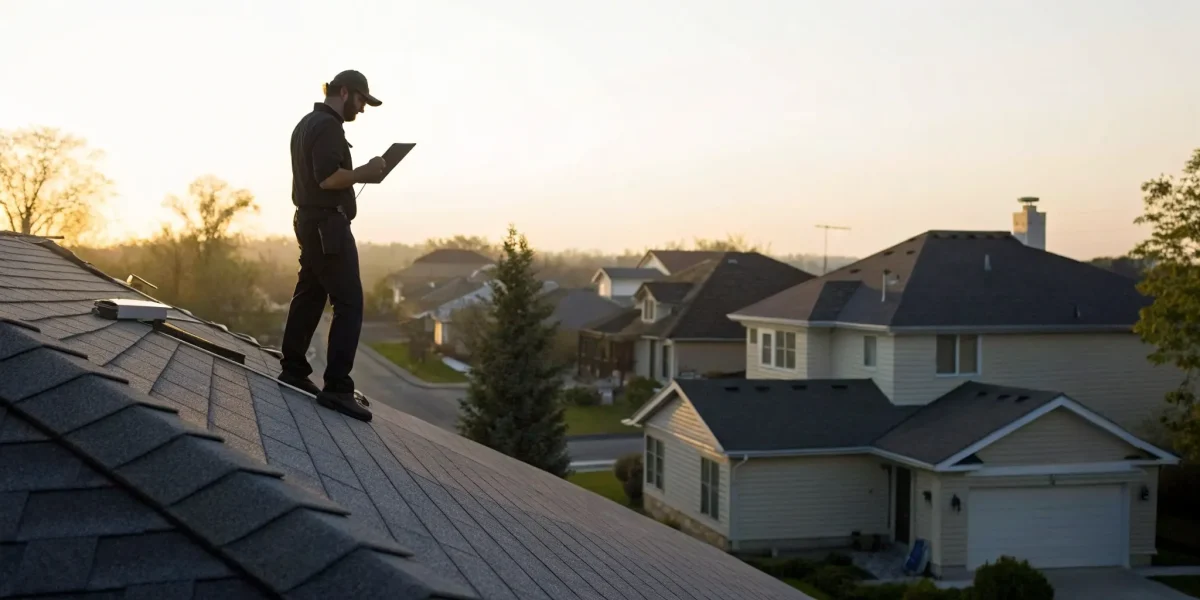
If you’re exploring career paths that offer stability and strong earning potential, the role of a roof inspector is worth a serious look. The demand for qualified inspectors is growing, driven by an active real estate market and an increasing need for assessments after severe weather events. This isn’t just a job; it’s a pathway to building your own business or becoming a highly valued expert in the construction and property industries. Understanding the complete roof inspector job description is the first step. It outlines a profession where your expertise directly translates into protecting property and providing genuine peace of mind for your clients.
Key Takeaways
- It’s a job of details and dialogue: Your success hinges on both your technical ability to spot hidden roof issues and your communication skills to explain those findings clearly to homeowners and real estate professionals.
- Invest in certification to build your business: Earning a professional credential is the most effective way to establish your expertise and gain client trust, demonstrating your commitment to quality and giving you a clear advantage in the market.
- Your earning potential is in your hands: The demand for skilled inspectors is growing, and your income directly reflects your expertise. Factors like location, experience, and specialized certifications create a clear path for career and financial growth.
What Does a Roof Inspector Do?
So, you’re curious about what a roof inspector actually does all day? It’s more than just climbing ladders and looking at shingles. A roof inspector is a detective, a safety expert, and a clear communicator all rolled into one. Your main job is to assess the health of a roof, identify potential problems before they become costly disasters, and provide a clear, unbiased report of your findings. You’re the trusted expert that homeowners, real estate agents, and property managers rely on to protect their investments. Let’s break down the key responsibilities you’ll handle on a daily basis.
Your Core Responsibilities
At its heart, the role is all about evaluation. On a typical day, you might inspect anywhere from three to five different roofs, each with its own unique challenges. You’ll be responsible for thoroughly examining every aspect of the roofing system—from the shingles and flashing to the gutters and underlying structure. This hands-on work requires a sharp eye for detail and a deep understanding of how roofing systems function. You’ll use tools like tablets to efficiently document your findings on the spot, capturing photos and notes that will form the basis of your final report for the clients you serve.
Documenting and Reporting Your Findings
Once you’ve completed the physical inspection, your focus shifts to creating a clear and comprehensive report. This isn’t just a simple checklist; it’s a detailed narrative of the roof’s condition. Your report will include high-quality photographs of any issues you’ve identified, along with specific, actionable recommendations for repairs or maintenance. This documentation is vital, as it gives property owners the information they need to make informed decisions. Using specialized inspection software helps streamline this process, ensuring your reports are professional, consistent, and easy for anyone to understand.
Ensuring Safety and Code Compliance
A huge part of your job is acting as a guardian of safety and quality. You are responsible for making sure all aspects of a roof meet local building codes and industry safety standards. You’ll be on the lookout for common problems like leaks, cracks, poor installation, and missing shingles that could compromise the building’s integrity. By identifying these issues, you help protect the property from water damage, structural problems, and other hazards. Your expertise ensures that any work performed is done correctly, giving property owners peace of mind that their roof is not just functional, but truly a LeakFREE® roof.
What Skills and Qualifications Do You Need?
Becoming a successful roof inspector requires a unique mix of technical knowledge, physical capability, and strong interpersonal skills. While you don’t necessarily need a four-year degree to get started, a solid foundation in related fields and a commitment to professional development are essential. Think of it as being part detective, part communicator, and part athlete. You’ll be investigating potential issues, explaining your findings to clients, and doing it all from rooftops. This combination of skills is what separates a good inspector from a great one, building a reputation for reliability and expertise that clients can trust. Let’s break down the specific qualifications that will help you build a successful career.
Education and Experience Requirements
While there isn’t one single path to becoming a roof inspector, having a background in a related industry can give you a significant head start. Experience in construction, engineering, or architecture provides a strong understanding of building envelopes, materials, and structural integrity. If you’re new to the field, look for opportunities to gain hands-on experience, perhaps by working with a roofing contractor or as an apprentice to a seasoned inspector. This practical knowledge is invaluable for learning how different roofing systems are installed, how they fail over time, and what common issues to look for. The goal is to build a foundational understanding of how roofs work before you start inspecting them.
Essential Technical and Communication Skills
A great roof inspector needs a sharp eye for detail. You’ll be looking for subtle signs of damage, like hairline cracks, minor water staining, or improperly installed flashing, that could lead to major problems down the road. Beyond spotting issues, you need strong problem-solving skills to diagnose the root cause. At the same time, your technical expertise is only half the job. You must be able to communicate your findings clearly and professionally to the wide range of people we serve, from anxious homeowners to busy real estate agents. Explaining complex roofing concepts in simple, understandable terms is a critical skill that builds trust and helps your clients make informed decisions.
Physical Fitness and Safety on the Job
This is not a desk job. As a roof inspector, your office is often several stories high, and you need to be physically prepared for the demands that come with it. You must be comfortable with heights and confident in your ability to safely use ladders to access various roof levels. The job requires balance, agility, and the ability to move carefully across steep or uneven surfaces in different weather conditions. Prioritizing safety is non-negotiable. Understanding and consistently following safety protocols isn’t just about compliance—it’s about ensuring you can do your job effectively and return home safely at the end of every day.
Certification and Licensing
While state licensing requirements for roof inspectors can vary, earning a professional certification is the best way to establish your credibility and stand out in the industry. Certification demonstrates a formal commitment to your profession and proves you have the knowledge to perform thorough, accurate inspections. Reputable organizations offer specialized programs that cover everything from roofing materials and installation standards to inspection techniques and reporting. Investing in a quality training portfolio not only sharpens your skills but also gives your clients peace of mind, knowing they’ve hired a true professional who is dedicated to the highest industry standards.
How Much Can a Roof Inspector Earn?
Let’s talk about one of the most important questions you have when considering a new career: what’s the earning potential? As a roof inspector, your salary depends on several factors, including your experience level, where you work, and the certifications you hold. While there’s a wide range, this is a field with solid financial opportunities and strong demand, giving you plenty of room to grow your income as you build your expertise.
Understanding Your Salary Potential
As a roof inspector, you can generally expect to earn between $36,240 and $79,850 per year. New inspectors will likely start at the lower end of that scale, but with experience and the right credentials, you can move toward the higher end. Your employer also makes a difference. For example, inspectors working for local government agencies often earn more, averaging around $71,680 annually. Investing in professional development, like the courses in our training portfolio, is one of the best ways to increase your value and command a higher salary in the private sector.
Job Growth and Market Demand
The demand for skilled roof inspectors is on the rise. The field is projected to grow by 6% over the next decade, which is faster than the average for most jobs. This growth is fueled by a couple of key factors. First, technology is advancing, with about 20% of contractors now using drones to make inspections safer and more efficient. Second, an increase in severe weather events means more storm-damaged roofs need professional assessment. With hail damage alone expected to cause billions in losses, the need for qualified inspectors to assess and document damage isn’t slowing down anytime soon.
How Location and Experience Impact Pay
Where you live and work plays a big role in how much you can earn. Inspectors in states with a higher cost of living or more frequent storm activity tend to see higher paychecks. Some of the top-paying states include Massachusetts ($72,390), Illinois ($70,110), Connecticut ($69,170), and California ($69,000). In states with specific regulations, like the requirement for California SB 721 inspections, specialized knowledge can also lead to higher pay. As you gain more years of experience and build a reputation for thorough, reliable work, your income potential will continue to grow no matter where you are.
What Training Will You Need?
While hands-on experience is invaluable, formal training is what separates a good inspector from a great one. The right certifications not only teach you the technical skills you need but also give you the credibility to win clients and build a successful career. Think of it as building your professional foundation—the stronger it is, the higher you can build. Investing in training shows clients that you’re committed to quality and that you have a standardized process for every inspection you perform. It’s about more than just a certificate; it’s about mastering your craft and providing real peace of mind.
Get Certified with NRCIA’s LeakFREE® Programs
If you’re looking for a program that sets the industry standard, this is it. The NRCIA’s LeakFREE® certification is one of the most comprehensive training options available. It goes beyond the basics of identifying damage and covers everything from advanced inspection techniques for various roof types to critical safety protocols. What makes this certification unique is its focus on a standardized process, ensuring every roof you inspect is held to the same high standard. This level of detail not only prepares you for complex scenarios but also gives you the expertise to offer the industry’s only standardized roof warranty, a major selling point for your business.
Other Industry-Recognized Credentials
Beyond specialized roof inspection programs, it’s wise to consider other credentials that round out your skill set. Many inspectors start with a general home inspection certification, like those offered by InterNACHI®, which includes modules on inspecting residential roofs. This can give you a solid understanding of how the roof system integrates with the rest of the home. Additionally, safety should always be your top priority. Completing certifications from the Occupational Safety and Health Administration (OSHA) is essential. It demonstrates your commitment to a safe work environment for yourself and everyone on the property.
Mastering Inspection Software and Technology
In today’s market, a clipboard and a camera just don’t cut it anymore. Proficiency with technology is a must-have skill for any modern roof inspector. Using specialized inspection software allows you to efficiently document your findings, generate professional reports, and communicate clearly with clients. This technology helps you create a detailed, visual record of the roof’s condition, complete with photos and notes, which is invaluable for homeowners, real estate agents, and insurance companies. Learning to use these tools effectively will make your workflow smoother, your reports more professional, and your business more competitive.
What’s the Job Really Like?
A job description can give you the highlights, but what does a typical day or week actually involve for a roof inspector? Beyond the technical skills, this career requires a specific blend of physical readiness, sharp observation, and great communication. It’s a role where you’re rarely behind a desk, and every property presents a new puzzle to solve. You’ll be working directly with homeowners, real estate agents, and contractors, making your ability to clearly explain complex issues just as important as your ability to find them. Let’s pull back the curtain on the day-to-day realities of the job.
The Physical Demands and Safety Protocols
First things first: this is a physically active job. You’ll spend a lot of time on your feet, climbing ladders, and carefully walking on various roof surfaces, from steep asphalt shingles to flat commercial roofing. Being comfortable with heights is non-negotiable. You need to be in good physical condition to carry your equipment and move around safely. Following strict safety protocols isn’t just a suggestion—it’s essential to prevent falls and injuries. Proper training and certification will equip you with the safety knowledge you need to protect yourself on every job site, ensuring you can do your work confidently and return home safely each day.
Dealing with Weather and Difficult Access
As a roof inspector, you work outdoors, which means you’re often at the mercy of the weather. You might be inspecting under the hot sun one day and dealing with wind or cold the next. Learning to work safely in different conditions is part of the job. Some roofs are also harder to access than others due to their height, pitch, or surrounding landscape. You’ll need to be a creative problem-solver to figure out the best and safest way to conduct a thorough inspection. Your primary goal is to get a clear view of every part of the roof system to check for common issues like damaged shingles, cracked tiles, or failing flashing.
Spotting Hidden Damage and Communicating with Clients
Your most important skill is a keen eye for detail. You’re not just looking for obvious problems; you’re searching for subtle signs of wear, water intrusion, or structural issues that an untrained person would miss. A successful inspection means identifying potential problems before they become expensive disasters for the property owner. After the inspection, your job is to translate your technical findings into a clear, understandable report. You’ll need excellent written and verbal communication skills to explain the roof’s condition to clients, whether they’re homeowners or real estate professionals, and provide them with actionable recommendations.
Tools and Tech That Make the Job Easier
While the fundamentals of roof inspection haven’t changed, technology has made the job safer and more efficient. You won’t just be relying on a ladder and a flashlight. Many inspectors now use tools like high-resolution drones to get a detailed look at hard-to-reach areas without putting themselves at risk. On the ground, you’ll likely use a tablet to document your findings in real-time with photos and notes. Specialized inspection software helps you organize this information into a professional, comprehensive report for your client. Embracing these tools allows you to perform more thorough inspections and deliver a higher quality of service.
Related Articles
- Construction Inspection Training: The Ultimate Guide
- Roof Inspection by NRCIA Certified Professionals
- Inspection Process Archives – NRCIA
Frequently Asked Questions
Do I need a background in roofing to become an inspector? While a background in roofing or construction is a definite advantage, it’s not a strict requirement. If you’re new to the industry, your first step should be a comprehensive training program. A quality certification will teach you the technical knowledge you need, from understanding different roofing materials to identifying installation errors. This formal education gives you the strong foundation necessary to start your career with confidence.
What’s the difference between a roof inspector and a general home inspector? Think of it as the difference between a family doctor and a heart specialist. A general home inspector examines the entire house and provides a broad overview of the roof as one part of a much larger report. A certified roof inspector provides a specialized, in-depth analysis of the entire roofing system. We focus exclusively on its condition, workmanship, and remaining lifespan, offering a level of detail that is critical for making major financial decisions.
How physically demanding is the job on a daily basis? This is an active career, so you should be prepared for the physical aspects. You’ll spend a lot of time on your feet, carrying tools, and climbing ladders. Being comfortable and steady at various heights is essential. The job doesn’t require you to be a top athlete, but it does demand good balance, mobility, and a constant focus on safety to handle different roof types and weather conditions.
Why is getting a certification like the NRCIA’s LeakFREE® so important? Certification is all about establishing credibility and trust. It shows clients that you have committed to a high standard of professional knowledge and follow a consistent, thorough process for every inspection. When you hold a respected credential, property owners and real estate agents know they are hiring an expert who can provide an accurate and reliable assessment, which is key to building a strong reputation in this field.
How much of the job is interacting with people versus working alone? You get a healthy balance of both. The inspection itself is typically a solo activity, allowing you to concentrate on the technical details without interruption. However, the rest of your time involves clear communication. You’ll be scheduling appointments, walking clients through your findings, and answering questions from homeowners, agents, and contractors. Strong people skills are just as vital as your technical expertise for success in this role.
