
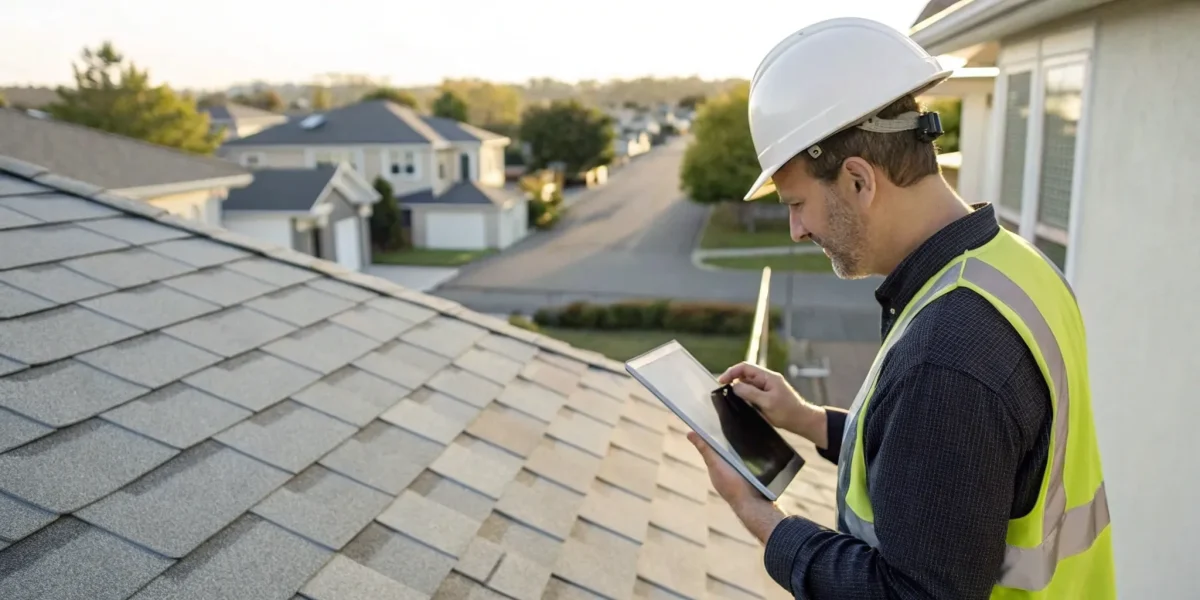
After you leave a property, your report is what stays behind to do the talking for you. Its primary job is to communicate the roof’s condition in a way that empowers the owner to make smart, informed decisions. A simple list of issues without context or priority is overwhelming and unhelpful. A structured roof inspection report template provides the framework you need to tell a complete story. It guides you to document everything from the roof’s materials to specific areas of damage, complete with photo evidence and clear recommendations. This transforms your report from a technical summary into a valuable, actionable plan for your client.
Key Takeaways
- Think of Your Report as Your Best Salesperson: A polished, professional report does the selling for you. It builds immediate trust and shows clients why you’re the right choice for the job before you even send a quote.
- Make It Easy for Clients to Understand: Ditch the technical jargon. Use clear photos and prioritize your recommendations so property owners can easily grasp the situation and feel confident in your advice.
- Standardize Your Workflow to Save Time: Using a consistent template or specialized software is the fastest way to create thorough, professional reports every time. This simple change protects your business and frees you up to focus on what you do best.
What Is a Roof Inspection Report Template?
Think of a roof inspection report template as your professional playbook. It’s a structured document that guides you through a systematic assessment of a roof, ensuring you don’t miss a single detail. The template provides dedicated sections to record everything from the roof’s age and materials to visible damage, wear and tear, and potential problem areas. Using a template means every inspection is thorough and consistent, which is the foundation of a trustworthy report.
This structured approach is essential for translating your findings into a clear, understandable format for your client. Instead of a jumble of notes, you present a polished, professional document that clearly outlines the roof’s current condition. It helps homeowners, property managers, and real estate agents grasp the situation quickly and make informed decisions. For professionals looking to standardize this process, using dedicated inspection software can take the guesswork out of creating and managing these reports, ensuring every client receives the same high level of detail and care.
Why Roof Reports Matter for Your Business
A detailed roof inspection report is one of the most powerful tools you have for building client trust. When you hand over a thorough, easy-to-read document, you’re not just telling a customer what’s wrong; you’re showing them your expertise and commitment to quality. These reports provide the clarity clients need to understand whether a simple repair will suffice or if a full replacement is on the horizon. By clearly documenting your findings, you empower them to make confident decisions about their property. This level of professionalism strengthens your reputation and sets your business apart from the competition, leading to more referrals and repeat business.
Who Benefits from a Standardized Template?
Frankly, everyone involved benefits from a standardized template. For you, the inspector or contractor, it creates a consistent workflow that guarantees a comprehensive evaluation every time. You can move through the inspection efficiently, knowing you’ve covered all your bases. For homeowners and property buyers, a standardized report provides a clear, reliable record of the roof’s health, making it easy to understand any necessary actions. This transparency is crucial, especially when a LeakFREE® roof certification is involved. Ultimately, your entire company gains a more professional image and a streamlined reporting process, making communication with all parties simple and effective.
What to Include in Your Roof Inspection Report
A thorough roof inspection report does more than just list problems—it tells a complete story about the roof’s condition, helping your client make informed decisions. Think of it as your most powerful communication tool. When you hand over a report that is clear, detailed, and professional, you build immediate trust and set yourself apart from the competition. A great report covers all the essential bases, leaving no room for confusion or doubt. It should be organized logically, making it easy for anyone, from a homeowner to a property manager, to understand the findings and the recommended next steps. Let’s break down the key components that every comprehensive roof inspection report should have.
Client and Property Information
Start with the basics to set a professional tone. This section grounds the entire report and serves as a clear record for both you and your client. Be sure to include the client’s full name and contact information, the complete address of the inspected property, and your own name and certification details. It’s also standard practice to note the date and time of the inspection. Adding a quick note about the weather conditions on that day—like “sunny and dry” or “overcast with light rain”—provides important context for your findings, especially when assessing moisture-related issues.
Roof System Details and Materials
Next, provide a detailed overview of the roof itself. This section gives your client a snapshot of what they’re working with. Include the type of building (e.g., single-family home, commercial building), the roof’s approximate age, and its expected remaining lifespan. You’ll want to specify the roofing materials used, such as asphalt shingles, metal panels, or tile. Documenting the roof’s structural components, like the pitch and underlying deck material, is also crucial. This information helps you create a baseline for the roof’s condition and is essential for recommending appropriate repairs or maintenance, ensuring everything aligns with the standards for LeakFREE® roofs.
Inspection Findings and Photo Evidence
This is the heart of your report. Clearly document everything you observed during the inspection, both good and bad. Note the condition of flashing, gutters, vents, and chimneys. Detail any signs of damage, such as cracked shingles, water stains, or granule loss. The single most effective way to communicate these findings is with high-resolution photos. Include pictures of any problem areas, using arrows or circles to pinpoint the exact issue. Visual evidence makes your findings undeniable and helps clients fully grasp the situation. Using a dedicated inspection software can make embedding and annotating photos a seamless part of your workflow.
Safety Notes and Accessibility
Your report should briefly mention how you accessed the roof, whether it was via a ladder, roof hatch, or another method. This detail is important for transparency and for planning any future work. More importantly, document any safety hazards you observed. This could include unstable structural elements, improper installations, or other issues that could pose a risk to anyone on the roof. Noting these concerns not only protects your client but also covers your own liability. This is especially critical for specialized jobs like California SB 721 inspections, where documenting the condition of elevated exterior elements is the primary focus.
Clear Recommendations and Priorities
Simply listing problems isn’t enough; a great report provides clear solutions. Conclude your findings with a section dedicated to actionable recommendations. For each issue you identified, suggest a specific course of action. To make it even more helpful, prioritize these recommendations. You can categorize them as “Urgent,” “Recommended,” or “Future Maintenance.” This helps the property owner understand what needs immediate attention and what can be budgeted for later. Providing this clear guidance positions you as a trusted advisor, not just an inspector. Honing this skill is a key part of professional development, which is why it’s a focus in our inspector training portfolio.
Why Use a Standardized Roof Inspection Template?
Switching from handwritten notes to a standardized template is one of the most effective changes you can make for your roofing business. It’s not just about looking organized; it’s about creating a system that saves you time, builds client trust, and protects your company. A consistent format ensures every inspection is just as thorough as the last, creating a reliable foundation for your reports. This simple shift can transform how you communicate with clients and manage your workflow, ultimately helping you secure more jobs and build a stronger reputation in the industry. By adopting a template, you’re investing in professionalism, clarity, and efficiency—three pillars of a successful business.
Look More Professional and Credible
First impressions are everything. When you present a client with a clean, well-organized, and consistently branded report, it immediately communicates your professionalism. It shows you have an established process and value thorough, detailed work. This isn’t just about appearances; it’s about building confidence from the very first interaction. A standardized format ensures you cover all the necessary checkpoints every single time, leaving no room for error or oversight. As one industry expert notes, “Good reports build trust with customers and show you are a professional.” This credibility is the bedrock of strong client relationships and can lead to more referrals, helping you stand out in a competitive market. It’s a key part of what it means to be a certified roof inspector.
Improve Client Communication and Trust
Most of your clients aren’t roofing experts. A report filled with technical jargon and disorganized notes will likely leave them feeling confused and uncertain. A standardized template helps you translate your expert findings into a clear, digestible format. When you “make it easy for homeowners to understand,” you empower them to make confident decisions about their property. A well-structured report “helps clients understand their roof’s condition and plan for any needed repairs or upkeep.” This transparency is fundamental to building trust. When clients feel you are a partner in protecting their investment, they are far more likely to approve your recommendations and hire you for future work. This is true for all the different clients you serve, from homeowners to property managers.
Streamline Your Workflow and Save Time
If you’re building each report from the ground up, you’re losing valuable time that could be spent inspecting more roofs or focusing on business growth. A template establishes a repeatable, efficient process. You’ll know exactly what information to gather on-site and where it fits into the final document. “Using technology and templates can save you time and make your reports look more professional.” Modern digital templates take this a step further, allowing you to quickly input findings, upload photos, and generate a polished report from a tablet or phone. With tools like NRCIA’s specialized inspection software, you can use custom forms with checkboxes and dropdowns to make the entire process faster and more accurate.
Ensure Legal Protection with Thorough Documentation
A detailed inspection report is more than a client deliverable—it’s a crucial business record. It acts as “a written assessment of the roof’s condition, supported by photographs and simple recommendations.” This documentation creates a clear, time-stamped record of the roof’s state, which can be invaluable in the event of a future dispute. It protects both you and your client by managing expectations and outlining pre-existing conditions. For commercial clients, thorough reports also help them “plan big repair jobs better… making sure roofs are fixed or replaced at the right time.” This level of detail provides accountability and helps you meet specific legal standards, such as those required for California SB 721 inspections.
How to Choose the Right Roof Inspection Template
With so many templates available, picking the right one can feel like a chore. But the template you choose is more than just a document—it’s a tool that shapes your workflow, client communication, and overall professionalism. A great template saves you time, protects you legally, and helps you present your findings clearly and effectively. To find the best fit for your business, focus on three key areas: customization, compliance, and integration. These elements will ensure your reports are not only thorough but also a powerful asset for winning jobs and building trust with your clients.
Look for Key Customization Features
Every roof is different, so your inspection template should be flexible enough to adapt. A rigid, one-size-fits-all checklist can force you to skip important details or add messy notes in the margins. Look for templates that allow you to create custom forms and checklists. This lets you tailor your inspection to specific roof types, materials, or client concerns. For example, you might need different fields for a commercial flat roof versus a residential shingle roof. This flexibility ensures your reports are always relevant and comprehensive, giving your clients the detailed information they need.
Check for Industry Compliance
Your report is a reflection of your professional standards. Using a template that aligns with industry best practices shows clients that you’re knowledgeable and credible. A good template will often use a simple, clear coding system—like rating conditions as Good, Fair, or Poor—to ensure consistency across all your inspections. This standardized approach makes your findings easy for homeowners and real estate agents to understand. Following established guidelines also helps ensure your inspections are thorough and meet the expectations of organizations like the NRCIA, reinforcing your commitment to quality and LeakFREE® roof protection.
Consider Integration with Your Current Software
To work as efficiently as possible, your inspection template should fit seamlessly into your existing workflow. The best templates integrate with the other software you use every day, like your CRM or invoicing system. Imagine creating a custom inspection form on your tablet, emailing the finished report to your client along with their invoice, and automatically saving a copy to their file—all from one platform. This level of integration eliminates redundant data entry and streamlines communication. When choosing a template, consider how it connects with your other tools or if a dedicated inspection software solution might be a better fit.
Common Mistakes in Roof Inspection Reporting
A great roof inspection can be completely undermined by a poor report. Even the most thorough inspector can lose a client’s trust with a report that’s confusing, unprofessional, or incomplete. The goal is to present your findings in a way that empowers the property owner to make informed decisions, not leave them with more questions than answers.
Avoiding a few common pitfalls can make a world of difference. When your report is clear, professional, and actionable, it becomes your best sales tool, demonstrating your expertise and building a strong foundation of trust with your client. Let’s walk through the most frequent missteps in roof inspection reporting and how you can steer clear of them to protect your reputation and grow your business.
Using Unclear Technical Jargon
You might know what “efflorescence” or “delamination” means, but your client probably doesn’t. Using overly technical terms without explanation is one of the fastest ways to confuse and alienate a homeowner or real estate agent. Your report should be a tool for clear communication, not a test of their roofing vocabulary. The best approach is to use simple, direct language whenever possible. If a technical term is necessary, take a moment to define it in plain English. Remember, you’re writing the report for your client, and making it easy for them to understand shows that you respect their time and value their business.
Including Price Estimates in the Report
Your inspection report should be an objective, factual assessment of the roof’s condition—nothing more. Including repair costs or sales estimates directly in the report can make clients feel pressured and may even call your objectivity into question. It blurs the line between inspection and sales pitch. A better practice is to present your findings first. Once the client has had a chance to review the condition of their roof, you can provide a separate quote or proposal for the recommended repairs. This two-step process feels more professional and gives the client space to make a decision without feeling rushed.
Lacking Sufficient Photo Documentation
A picture is truly worth a thousand words, especially in a roof inspection report. Failing to include enough clear, high-quality photos is a major mistake. Visual evidence validates your findings and helps the property owner see exactly what you’re talking about, from cracked shingles to damaged flashing. Each issue you identify should be accompanied by a photo. This proves you’ve done a thorough job and aren’t just using generic descriptions. Using modern inspection software can help you easily embed and annotate photos, drawing arrows or circles to highlight specific problem areas for maximum clarity.
Failing to Classify the Urgency of Repairs
A long list of recommended repairs can be overwhelming for any property owner. Without context, they have no way of knowing what needs immediate attention and what can wait. A great report helps them prioritize by classifying the urgency of each issue. You can use a simple system, such as labeling items as “Urgent,” “Recommended,” or “Monitor.” This turns a daunting list into an actionable plan. It helps the client understand the immediate risks and allows them to budget for future maintenance, positioning you as a helpful advisor and setting the stage for a long-term relationship.
How to Write Reports That Win More Jobs
A roof inspection report is more than just a summary of findings; it’s one of your most powerful sales and communication tools. When a potential client reads your report, they aren’t just learning about their roof—they’re deciding if they can trust you with the job. A clear, professional, and helpful report builds that trust instantly, positioning you as an expert who is there to solve their problems, not just point them out. It separates you from competitors who provide vague, jargon-filled documents that leave clients confused and uncertain.
By treating your report as a key part of the customer experience, you can turn a simple inspection into a signed contract. The goal is to give the property owner a clear path forward, making it easy for them to say “yes” to your recommendations. Implementing a few key strategies can transform your reports from simple documents into job-winning assets. Using tools like NRCIA’s specialized inspection software can help you consistently produce high-quality reports that reflect the quality of your work and build a reputation for excellence.
Use Clear, Client-Friendly Language
Your client is likely a homeowner or property manager, not a roofing expert. Avoid industry jargon and technical terms whenever possible. Instead of writing “fascia delamination,” try “the board along the roofline is peeling apart.” Your goal is to make the information accessible and easy to understand. If you must use a technical term, provide a simple explanation. A report that empowers the client with clear information builds confidence and shows that you’re on their side. Keep sentences short and to the point, focusing on what the client needs to know to make an informed decision.
Give Specific, Actionable Recommendations
Identifying a problem is only the first step. The real value for your client comes from your professional recommendations on how to fix it. Don’t just list the issues; offer clear, actionable solutions for each one. Every finding should be paired with high-quality photos that visually explain the problem. Seeing a cracked shingle or damaged flashing is far more impactful than reading about it. When you present a problem alongside a clear solution, like working toward a LeakFREE® roof certification, you guide the client toward a decision instead of leaving them to figure it out on their own.
Organize Findings by Priority
A long list of roof issues can be overwhelming for a client and may cause them to delay taking any action at all. To prevent this, organize your findings by urgency. Create categories like “Immediate Action Required” for critical issues like active leaks, “Recommended Repairs” for problems that could worsen over time, and “Items to Monitor” for minor concerns. This structure helps the client understand the risks and prioritize their budget effectively. By showing them what needs to be addressed now versus what can wait, you demonstrate that you respect their financial situation and are providing practical, honest advice.
Maintain Consistent, Professional Branding
Your report is a direct reflection of your business. A professionally branded document reinforces your credibility and helps clients remember you. Use your company’s logo, colors, and fonts to create a consistent look that aligns with your website and other marketing materials. A polished, branded report looks more authoritative than a generic checklist and shows that you pay attention to detail in every aspect of your work. This small touch makes a big difference in how clients perceive your company and can be a deciding factor when they choose a contractor. Displaying your NRCIA membership credentials on your report is another excellent way to build immediate trust.
Digital Tools to Streamline Your Reporting
Putting down the clipboard and picking up a tablet can completely change your reporting process. Digital tools don’t just save you time; they help you create consistent, detailed, and professional reports that build client trust and win more jobs. Think about it: instead of juggling a camera, a notepad, and your safety gear on a steep slope, you can capture everything you need on a single device. This shift makes your workflow much smoother, reduces the chance of errors, and produces a polished final document that reflects the quality of your work. From mobile apps for on-site data collection to comprehensive software that manages your entire workflow, the right technology can make a huge difference in your business. Let’s walk through a few options that can streamline your reporting.
Mobile Inspection Apps
This is where efficiency begins—right on the roof. Mobile inspection apps transform your smartphone or tablet into a powerful data collection tool. As you walk the property, you can fill out your checklist, make notes, and take photos that automatically sync to the correct section of your report. Many apps allow you to build flexible inspection checklists that you can customize for different roof types or specific job requirements. This means you can stop trying to decipher messy handwriting back at the office or matching stray photos to your notes. Everything is captured and organized in one place, making your on-site work faster and more accurate.
Cloud-Based Reporting Software
After you’ve completed the on-site work, cloud-based software helps you pull it all together into a clean, professional report. With all your inspection data stored securely in the cloud, you and your team can access the information from anywhere, whether you’re in the office or on the way to another job. This is a game-changer for collaboration. Many platforms also let you create custom digital inspection forms and email the final report directly to your client. This keeps all your client documents organized and creates a seamless, professional experience from start to finish.
NRCIA’s Specialized Inspection Software
For a truly professional edge, nothing beats software designed specifically for roofing inspectors. While generic apps can be useful, tools built for the roofing industry understand the specific details and standards required for a thorough inspection. Using technology with industry-specific templates saves you time and makes your reports look more professional. Our NRCIA inspection software is designed to meet the highest industry standards, guiding you through a comprehensive process that ensures you cover every critical detail. This level of precision and consistency helps you build credibility and shows clients you’re committed to quality.
Where to Find Professional Roof Inspection Templates
Once you know what to include in your report, the next step is finding a template that works for you. A great template saves you from reinventing the wheel and ensures you don’t miss any critical details. The good news is you have options, ranging from industry-certified templates to free downloadable files. The right choice depends on your business needs, your clients, and how you want to present your brand. Let’s look at a few of the best places to find high-quality templates that will help you create clear, professional, and effective roof inspection reports.
NRCIA Certified Templates
For roofing professionals who want to deliver the highest standard of service, starting with an NRCIA certified template is the way to go. These templates are designed to help you create comprehensive reports that build immediate trust with your customers. They guide you through a thorough process, ensuring every detail is documented correctly. Using our specialized inspection software, you can access templates that not only help homeowners make informed decisions about repairs but also highlight your professionalism. When a client sees a report built on an industry-leading framework, it reinforces that they hired a true expert.
Free Downloadable Options
If you’re just starting out or need a straightforward solution quickly, there are plenty of free templates available online. Many companies offer fillable PDFs or printable documents that cover all the basic components of a roof inspection. These are fantastic for streamlining your process and making sure you capture all the necessary information on-site. For example, you can find a great free roofing inspection report template that you can download and use right away. While they may not have the advanced features of specialized software, these free options are an excellent resource for getting organized without any initial investment.
Templates from Professional Associations
Beyond NRCIA, other professional associations in the roofing industry also provide valuable resources for their members and the public. These organizations often develop detailed forms and templates based on extensive industry knowledge and best practices. For instance, the Midwest Roofing Contractors Association (MRCA) offers a residential roof inspection form designed to help you track a roof’s condition and maintenance history over time. Using a template from a respected professional association can add another layer of credibility to your reports, showing clients that your work is aligned with established industry standards.
How Quality Reporting Builds Lasting Client Relationships
A roof inspection report is much more than a simple summary of findings; it’s one of the most powerful tools you have for building client relationships. When you deliver a clear, detailed, and professional report, you’re not just handing over a document. You’re demonstrating your expertise, building trust, and showing clients that you’re a reliable partner in protecting their property. This commitment to quality communication is what turns a one-time job into a long-term relationship with a client who will call you first for future needs and recommend you to their network.
Create Transparency with Detailed Findings
A thorough report is the foundation of a trusting relationship. When you provide detailed findings, complete with high-quality photos and specific notes, you show the client that you’ve done your due diligence. This transparency proves you have nothing to hide and that your recommendations are based on solid evidence. Good reports build trust with customers and show you are a professional. Instead of just telling a client their flashing is damaged, show them a clear picture with an annotation pointing to the exact spot. This level of detail removes ambiguity and helps clients feel confident in your assessment, making them more comfortable with your proposed solutions and your role as their go-to expert.
Educate Clients on Their Roof’s Condition
For most property owners, the roof is a bit of a mystery. Your report is your chance to be their guide. A well-written report translates technical jargon into understandable terms, helping clients grasp the current state of their roof and what it needs. The goal is to help clients understand their roof’s condition so they can plan for any needed repairs or upkeep. By clearly identifying defects, explaining the potential risks, and outlining cost-effective repair options, you empower them to make informed decisions. This educational approach positions you as a valuable advisor, not just a contractor, fostering a sense of partnership that clients truly appreciate.
Establish Trust Through a Professional Process
Every detail of your report contributes to the client’s overall impression of your business. A polished, consistently branded document makes your company look professional and organized. Using a standardized template or specialized inspection software ensures that every report you produce is clean, easy to read, and reflects the quality of your work. This professional process does more than just look good; it builds a deep sense of trust. When clients see that you’re organized and meticulous with your paperwork, they’ll feel assured that you’ll bring that same level of care and attention to the actual roofing work.
Related Articles
- Inspection Report Archives – NRCIA
- Great Example of An Inspection Report – NRCIA
- How to take photos for inspection reports – NRCIA
- Inspection Process Archives – NRCIA
- roof inspection Archives – NRCIA
Frequently Asked Questions
Should I include my repair prices directly in the inspection report? It’s best to keep your inspection report and your sales quote separate. The report’s main purpose is to provide an objective, factual assessment of the roof’s condition. When you include pricing in the same document, it can feel like a sales pitch and may cause the client to question your findings. Deliver the report first to establish trust, then follow up with a separate, detailed proposal for the recommended work. This two-step process feels more professional and gives the client space to make a clear decision.
What’s the single most important thing to include in my report to build client trust? Clear, high-quality photo evidence is non-negotiable. While every section of the report is important, nothing builds trust faster than showing a client exactly what you saw. A picture of a cracked shingle or damaged flashing is far more convincing than a written description alone. When you visually document every issue, you remove all doubt and demonstrate that your recommendations are based on concrete findings, making it easier for clients to approve your proposed solutions.
Is a free, downloadable template good enough for my business? Free templates can be a great starting point, especially if you’re looking to bring more structure to your reporting process without an initial investment. They help ensure you cover the basics on every job. However, as your business grows, you may find that a dedicated inspection software or a certified template from an organization like NRCIA offers a more professional and efficient solution. These tools often provide better customization, branding options, and integration that can save you significant time in the long run.
My clients often get overwhelmed by a long list of issues. How can I present my findings without scaring them off? The key is to provide a clear sense of priority. Instead of just listing every single issue, organize your recommendations into categories like “Urgent,” “Recommended,” and “Future Maintenance.” This simple structure transforms a daunting list into a manageable action plan. It helps the property owner understand what needs immediate attention to prevent further damage and what can be budgeted for down the road, positioning you as a helpful advisor rather than just a bearer of bad news.
How can I make my reports look more professional without spending a ton of time on design? Using a standardized template is the easiest way to achieve a professional look every single time. A consistent format with your company logo and contact information immediately signals that you are an established and organized business. Digital tools and specialized software make this even simpler by allowing you to create polished, branded reports in just a few clicks. The consistency itself builds credibility and shows clients you pay attention to every detail.
