
Filing an insurance claim for your roof isn’t just filling out paperwork; it’s entering a negotiation. Your insurance provider will send their own adjuster to assess the damage, but their primary goal is to evaluate liability for the company. To ensure your interests are fully represented, you need an expert on your side. An independent roof inspection for an insurance claim provides you with critical leverage. It’s an unbiased, third-party report that documents the true extent of the damage, giving you the credible evidence needed to secure a fair settlement. We’ll show you how this one step can strengthen your position and help you get the funds you need for proper repairs.
Key Takeaways
- A Detailed Report is Non-Negotiable: Your claim’s success depends on a professional inspection report that provides clear, photo-documented evidence. This document separates sudden storm damage from general wear and tear, giving your insurance company the objective proof it needs.
- An Independent Inspector Works for You: Don’t rely solely on the insurance company’s adjuster. Hiring an NRCIA-certified inspector ensures you get an unbiased, expert assessment focused on the true condition of your roof, which adds significant credibility to your claim.
- Prove Your Roof Was in Good Shape: Counter a common reason for denial—neglect—by keeping records of past maintenance and repairs. This documentation helps establish your roof’s condition before the damage occurred, making it easier to prove the problem was caused by a specific, covered event.
What is a roof inspection for an insurance claim?
When a storm hits or you suspect your roof has been damaged, an insurance claim is often the next step. But before your provider cuts a check, they need proof. That’s where a roof inspection for an insurance claim comes in. It’s not just a quick glance from the ground; it’s a detailed assessment performed by a professional to document damage, figure out if it was caused by a specific event (like a hailstorm), and estimate the cost of repairs or replacement.
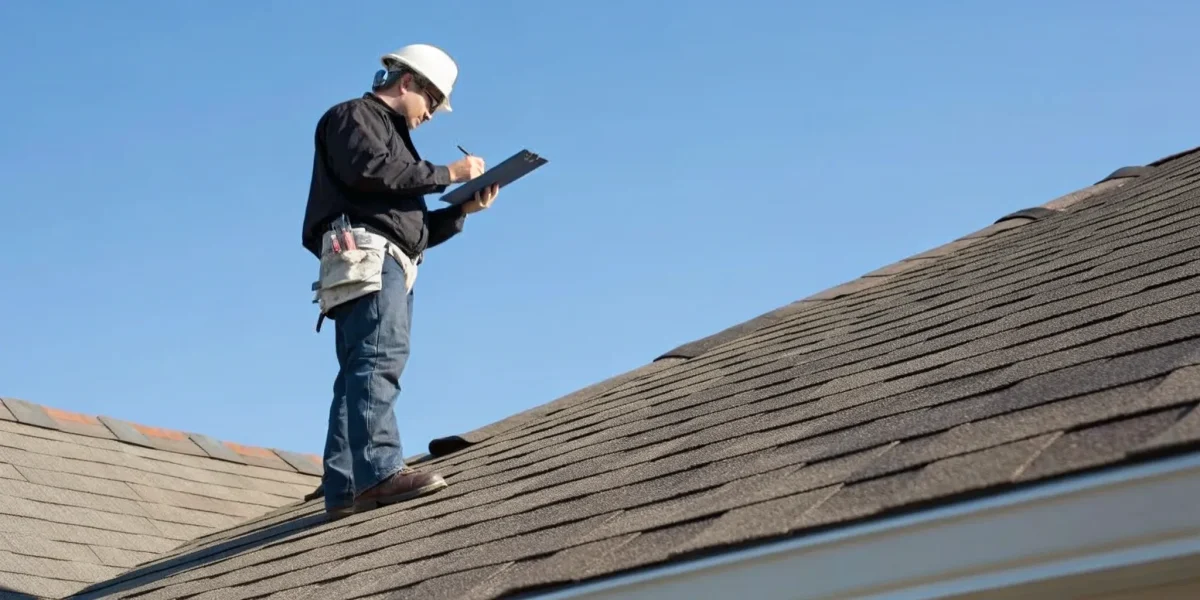
Think of the final inspection report as the most important piece of evidence for your case. A qualified inspector will get up on your roof to examine every component—shingles, flashing, gutters, and vents—for signs of trouble like cracks, missing granules, or leaks that might not be visible from your yard. This thorough documentation is exactly what you need to support your claim and show the insurance company the true extent of the damage. This process is crucial for all kinds of property stakeholders, from homeowners to property managers, ensuring everyone is protected.
Why your claim depends on a quality inspection
The success of your insurance claim often hinges on the quality of your roof inspection. Your insurance company will likely send their own adjuster, but their goal is to assess liability for the company. An independent inspection from a certified professional ensures you have an unbiased expert working on your behalf. This inspector’s only job is to document the facts and give you a clear picture of the damage.
A detailed report from a trusted inspector gives you leverage. Insurance companies often look for LeakFREE® roof certifications when evaluating risk, and a comprehensive inspection report holds similar weight. It shows you’ve done your due diligence and provides credible, third-party validation of your claim. This can make the difference between a claim that’s approved quickly and one that gets delayed or denied. It’s about having a clear, professional assessment of the situation from someone who isn’t on the insurance company’s payroll.
The right time to schedule your inspection
The most obvious time to schedule an inspection is right after a major weather event, like a hurricane or hailstorm. But you don’t have to wait for a disaster to strike. Insurance companies prefer to see that you’ve been proactive about maintenance. They may even require an inspection if your roof is getting older—typically around the 20-year mark—because they want to avoid paying for damage that could have been prevented with regular upkeep.
Having a professional inspection done periodically can save you headaches and money down the road. It establishes a baseline for your roof’s condition, making it easier to prove that any new damage was caused by a specific event. If you can show your roof was in good shape before a storm, your claim is much stronger. Think of it as a check-up for your roof that keeps it healthy and ready for whatever comes its way.
What to expect during a professional roof inspection
Knowing what a professional roof inspection involves can take the stress out of the process. It’s far more than a quick glance from the curb. A certified inspector follows a detailed process to assess your entire roofing system, inside and out. They are trained to spot subtle signs of damage an untrained eye would miss, giving you a complete picture of your roof’s health. This evaluation is what you need to build a strong insurance claim. The goal is to document your roof’s condition so you and your insurance company have a clear, shared understanding of what needs to be fixed.
The exterior check: Sizing up the damage
First, the inspector gets up on your roof for a hands-on look. They’ll walk the entire surface, examining shingles, flashing, vents, gutters, and chimneys for damage or wear. This isn’t just about finding a few missing shingles; they’re assessing the roof’s overall integrity and estimating its remaining lifespan. This information is critical for your insurance company, as it helps them understand the context of the damage. A comprehensive exterior check ensures every issue is documented, forming the foundation of your inspection report and future claim.
The interior look: Finding hidden issues
A roof leak doesn’t always show up as a drip from the ceiling, which is why the second part of the inspection happens inside your home. The inspector will check your attic, ceilings, and interior walls for signs of water intrusion. They’re looking for water stains, mold, or damp insulation—clues that point to a leak that might not be obvious from the outside. This step is crucial because it connects exterior damage to its interior consequences. Finding these hidden issues provides powerful evidence for your insurance claim, showing the full extent of the problem.
Why photos and detailed notes are key
After the inspection, you’ll receive a detailed report. This document is your most important tool for your insurance claim. It should include extensive photos and clear notes detailing the type and extent of the damage, its likely cause, and an estimate for repairs. Think of it as the official story of your roof’s condition. This report serves as objective proof to support your claim and helps you communicate with your insurance adjuster. A thorough report can lead to a LeakFREE® roof certification, which attests to the roof’s condition and gives you peace of mind.
What signs of roof damage do inspectors look for?
When a certified inspector assesses your roof for an insurance claim, they’re doing more than just a quick look-around. Think of them as trained detectives, searching for specific clues that tell the story of what happened to your roof and why. This detailed examination is what separates a strong, evidence-backed claim from one that gets questioned or denied. An inspector’s job is to document everything, from obvious storm damage to subtle issues that could lead to bigger problems down the road, ultimately estimating how many more years the roof will last.
They look at the entire roofing system—not just the shingles. This includes checking vents, gutters, flashing, and chimneys for signs of impact or stress. They’ll also often look inside your attic for evidence of leaks, water stains, or mold, which are clear indicators that the roof’s integrity has been compromised. This thorough process ensures that the report they create gives your insurance company a complete picture of the roof’s condition, helping them understand the extent of the damage and what repairs are necessary to secure your home. A LeakFREE® certified roof provides an extra layer of assurance that these components are sound and well-maintained, which can be a significant factor in your claim.
Telltale signs of storm damage
After a major weather event, an inspector knows exactly what to look for. They’ll scan for shingles that are bruised, cracked, or missing altogether—classic signs of high winds or hail. Hail damage often looks like dark, circular bruises where the protective granules have been knocked off the shingle. Wind can lift and curl shingles, breaking the seal that keeps them flat and water-tight.
Beyond the shingles, they’ll inspect gutters for dents and an accumulation of shingle granules, which is a sign of significant wear or impact. They also check flashing around chimneys and vents for any lifting or damage that could create an entry point for water. Every piece of evidence helps build a comprehensive story for your insurance claim.
Spotting the difference: Wear and tear vs. covered damage
This is where a professional inspector’s expertise is invaluable. Insurance companies are careful to distinguish between damage from a specific event, like a storm, and deterioration that happens over time from age or lack of maintenance. An inspector can identify the key differences. For example, old, brittle shingles that crack from age look different from shingles damaged by a sudden hail storm.
Insurance providers often require inspections for older roofs because they want to avoid paying for damage that could have been prevented. A certified inspector provides an objective, third-party assessment that documents whether the damage is consistent with a recent event or is the result of long-term neglect. This unbiased report is crucial for all the professionals we serve, from homeowners to real estate agents.
Uncovering damage you can’t see from the ground
Many serious roof problems are invisible from a street-level view. You might not see the subtle lift of a shingle, a cracked vent boot, or a small puncture that’s letting water seep into your attic. A professional inspector gets up on the roof for a hands-on evaluation, spotting issues that an untrained eye would easily miss. This is essential because even minor, hidden damage can escalate into major leaks and structural problems if left unaddressed.
An inspector’s detailed assessment can also uncover installation errors or material defects that may have made your roof more vulnerable to storm damage. By identifying these underlying issues, their report not only strengthens your current claim but also helps you protect your investment for the long term. The rigorous inspector training they receive ensures no detail is overlooked.
How your inspection report strengthens your insurance claim
After a storm or unexpected event, your roof inspection report becomes the single most important document in your insurance claim. Think of it as the foundation of your case. A thorough, professional report provides the objective evidence your insurance company needs to approve your claim quickly and fairly. It translates the visible (and invisible) damage into a clear, factual narrative that justifies the need for repairs or replacement. Without a detailed report from a certified professional, you’re essentially leaving the interpretation of the damage—and the value of your claim—up to the insurance adjuster alone. A strong report puts you in control of the conversation and is your best tool for a successful outcome.
Key details your report must include
A quality inspection report is much more than a simple pass/fail checklist. It’s a detailed file that should leave no room for questions. At a minimum, it must clearly document the type and extent of the damage, its specific cause, and provide comprehensive cost estimates for the necessary repairs. For example, instead of just saying “hail damage,” a proper report will specify the number of impacts per square foot, their size, and the resulting granule loss or mat bruising. It will also pinpoint the exact cause, distinguishing between a sudden storm and long-term wear. This document should also include a gallery of high-resolution photos with clear labels. A LeakFREE® roof certification can also serve as powerful evidence, attesting to the roof’s condition before the damage occurred.
What your insurance company looks for
When an insurance adjuster reviews your claim, they are looking for one thing: proof. They need to verify that the damage is legitimate, that it was caused by a covered event (like a storm, not neglect), and that the scope of the damage matches your claim. A professional inspection report provides this proof in a format they understand and trust. Insurers assess risk, and a report from a certified inspector shows that you are a responsible property owner who has done their due diligence. They look for objective, third-party validation that removes guesswork. Clear documentation, precise measurements, and unbiased analysis give your claim the credibility it needs to move smoothly through the approval process.
From damage to dollars: Understanding repair estimates
The inspection report is the bridge between the damage on your roof and the funds you need to fix it. A critical part of the report is determining whether the damage resulted from a sudden event or gradual deterioration, as this distinction is central to your policy’s coverage. The repair estimate shouldn’t be a single, lump-sum number. Instead, it should be a detailed breakdown of all associated costs, including materials, labor, permits, and debris removal. This transparency helps the insurance adjuster understand and approve the full scope of the work. A detailed estimate from a trusted professional ensures the proposed settlement accurately reflects the true cost of restoring your roof to its proper condition.
How to choose a roof inspector you can trust
When your roof is damaged and you’re filing an insurance claim, the inspector you hire becomes your most important advocate. Their report is the primary piece of evidence your insurance company will use to evaluate your claim, so you need someone who is thorough, credible, and experienced. Choosing the right professional can be the difference between a smooth, successful claim and a frustrating denial.
But how do you find someone you can rely on? It’s about more than just a quick online search. You need to look for specific credentials, ask the right questions, and know how to spot the red flags. A trustworthy inspector won’t just climb on your roof; they’ll provide a detailed, unbiased assessment that gives you a clear path forward. They understand what insurance adjusters need to see and can document damage in a way that leaves no room for doubt. Let’s walk through how to find an inspector who will have your back.
Why NRCIA certification matters
Think of a certification as a professional’s report card. When an inspector is certified by the National Roof Certification and Inspection Association (NRCIA), it tells you they’ve done their homework. These inspectors are professionally accredited to inspect and certify roofs because they’ve passed rigorous training and are held to a strict code of ethics. They aren’t just general contractors; they are specialists in roof assessment.
An NRCIA certification ensures your inspector is up-to-date on industry standards and uses a standardized process to evaluate your roof. This consistency is exactly what insurance companies look for. It removes guesswork and provides a clear, credible report that documents the condition of your roof, which is essential for a successful claim.
Smart questions to ask before you hire
Before you let anyone on your roof, you need to do a little interviewing. Asking a few key questions can help you gauge an inspector’s expertise and professionalism. Start with the basics: Are you licensed and insured? Then, get more specific to your situation. Ask about their experience with insurance claims and if they’ve had specialized training in storm damage assessment.
It’s also smart to ask what their inspection report includes. Will you receive detailed notes and high-quality photos? Can they provide a sample report? Finally, ask about their certifications. Specifically mentioning the NRCIA shows you’ve done your research and are looking for a true professional who is committed to their craft.
Warning signs of a bad inspector
Just as there are signs of a great inspector, there are red flags that should make you pause. Be wary of anyone who uses high-pressure sales tactics or offers to cover your deductible—a practice that is often illegal. Another warning sign is a vague or rushed inspection. A proper assessment takes time and shouldn’t just be a quick glance from the ground.
A trustworthy inspector will give you an honest, unbiased assessment of your roof’s condition, including any issues related to poor maintenance that could affect your claim. If an inspector promises that your insurance will cover everything without a thorough evaluation, consider it a major red flag. You want an expert who gives you the facts, not just the sales pitch.
What to do if your insurance claim is denied
Receiving a denial letter from your insurance company can feel like a major setback, but it doesn’t have to be the final word. Often, a denial is just the starting point of a conversation. Understanding why your claim was rejected and knowing what steps to take next can make all the difference. The key is to stay organized, gather the right evidence, and present your case clearly. With a solid plan, you can challenge the decision and work toward getting the coverage you need for your roof repairs.
Think of it this way: your insurance company has made its initial assessment, and now it’s your turn to provide a more complete picture. This is where a detailed, independent inspection becomes your most powerful tool. By methodically addressing the insurer’s concerns and backing up your claim with expert documentation, you can build a compelling argument for reconsideration. Let’s walk through exactly how to handle it.
Common reasons claims get denied
It’s easy to assume the worst, but a denial often comes down to a few common issues. One of the biggest reasons is the age of your roof. Insurance companies assess wear and tear, and they may deny a claim if they decide the roof is simply past its useful life. This doesn’t mean an older roof can’t be covered, but it does mean the condition will be scrutinized more closely.
Another frequent cause for denial is a lack of maintenance. Your policy is designed to cover sudden, accidental damage—like from a storm—not problems that have developed over time due to neglect. If an inspector finds evidence of pre-existing issues that weren’t addressed, your insurer may argue that the new damage wouldn’t have been as severe if the roof were properly maintained. Understanding your policy’s specific exclusions is also critical, as some types of damage may simply not be covered.
When to get a second opinion
If you believe your claim was denied unfairly, your next move should be to get a second opinion. The inspection performed by your insurance adjuster is just one assessment, and it may not have captured the full extent of the damage. An independent evaluation from a certified professional can provide a more thorough and unbiased look at your roof’s condition. This is especially important if you feel the initial inspection was rushed or didn’t consider all the factors involved.
A second opinion from an NRCIA-certified inspector gives you a detailed report from a neutral third party. This expert assessment can uncover evidence the adjuster missed and provide the credible documentation you need to challenge the denial. It’s a crucial step in building a strong case and showing your insurer that the damage warrants coverage.
How to talk to your insurance adjuster
When you reconnect with your insurance adjuster, your goal is to be prepared, professional, and persistent. Start by calmly asking for a specific reason for the denial in writing. Once you have that, you can tailor your response. Be clear and concise about the damage, using your independent inspection report as your guide. This isn’t the time for emotional arguments; it’s about presenting facts.
Provide all the documentation you’ve gathered, especially the detailed photos and repair estimates from your second-opinion inspection. By working with a reputable inspector and staying informed about your insurance policy’s terms, you can discuss your claim with confidence. A well-documented roof history, such as a previous LeakFREE® certification, can also serve as powerful proof of its prior condition, strengthening your case even further.
Common roof inspection myths, debunked
When it comes to roof damage and insurance claims, a lot of misinformation can float around. Believing these common myths can cost you time, money, and a lot of frustration. Let’s clear up a few of the biggest misconceptions so you can approach your insurance claim with confidence and clarity. Understanding the truth helps you protect your property and make sure you get the coverage you’re entitled to.
“My insurance covers everything.”
It’s a comforting thought, but unfortunately, it’s not true. Many homeowners assume their policy is a catch-all for any roof problem, but every policy has its limits. Your coverage depends on the specific terms, including what kind of damage is included and what’s excluded. For example, damage from a sudden storm might be covered, but issues stemming from old age or lack of maintenance likely won’t be. It’s one of the most common misconceptions about roof repair claims that can lead to a surprise denial. Always read your policy carefully to understand what is and isn’t protected.
“Regular maintenance doesn’t affect my claim.”
This is a particularly risky myth to believe. Insurance companies expect homeowners to perform reasonable upkeep on their property. If an inspector finds that the damage was caused or worsened by neglect, your claim could be denied. For instance, if a small, unrepaired leak leads to major water damage over time, the insurer may argue the problem was preventable. Insurers often find that neglected maintenance leads to denied claims, so keeping up with routine inspections and minor repairs is one of the best ways to protect your investment and ensure your coverage holds up when you need it.
“A new roof doesn’t need an inspection.”
Even a brand-new roof isn’t invincible. While it’s less likely to have age-related issues, it’s still vulnerable to problems. A severe storm can cause damage regardless of the roof’s age. More importantly, mistakes can happen during installation, or the materials themselves could have defects that aren’t immediately obvious. Some of the most common misconceptions about home roof inspections revolve around new construction. Having a certified professional inspect a new roof is a smart way to catch potential installation errors or material flaws early, before they turn into expensive, long-term problems.
Your checklist for a smooth inspection and claim
Navigating an insurance claim can feel overwhelming, but a little preparation goes a long way. Having a clear plan before, during, and after your roof inspection can make the entire process feel more manageable and set you up for a successful outcome. Think of this as your game plan for getting the coverage you deserve without the extra stress.
Get your paperwork in order
Before you even make the call, gather any documents related to your roof. This is your chance to build a strong foundation for your claim. Keep detailed records of all roof maintenance and repairs to show your insurance provider that you’ve been proactive about your roof’s upkeep. This includes receipts for any work done, photos you’ve taken over the years, and any previous inspection reports. Having this history organized in one place demonstrates responsible ownership and can be a key factor when the adjuster reviews your file. A well-documented history helps tell the story of your roof and validates the current state of the damage.
What to do before the inspector arrives
To get ahead of the game, consider hiring a trusted roofing professional for an inspection before the one scheduled by your insurance company. An independent inspector, especially an NRCIA-certified professional, will focus on the overall health of your roof, not just what your policy might cover. This gives you a complete picture of any issues and a baseline report to compare with the insurer’s findings. It’s also a good time for a final check-up. Clear any debris from your gutters and roof surface. Simple, regular roof maintenance is one of the best ways to prevent bigger problems and help your roof pass inspections with flying colors.
Your follow-up plan with the insurance company
Once the inspection is complete, the report becomes your most important tool. It should detail the type and extent of the damage, its cause, and provide cost estimates for the necessary repairs. This report is the evidence that supports your claim. If you disagree with your insurance adjuster’s assessment, don’t hesitate to get a second opinion. You have the right to bring in another professional to validate the damage and provide a competing estimate. An inspector with specialized training and education can provide the detailed documentation you need to effectively make your case and ensure you receive a fair settlement.
Related Articles
- Insurance Claim Inspections – NRCIA
- Insurance Inspection Request – NRCIA
- Insurance Companies – NRCIA
- Roof Inspections – NRCIA
- Homeowners – NRCIA
Frequently Asked Questions
Do I have to use the inspector my insurance company sends? No, you don’t. While your insurance provider will send their own adjuster to assess the damage, you always have the right to hire an independent inspector. The adjuster works for the insurance company, but an inspector you hire works for you. Their job is to provide a completely unbiased and thorough account of the damage, which gives you a powerful and credible tool when discussing your claim.
What’s the difference between a roofer’s estimate and a certified inspection report? A roofer’s estimate usually focuses on one thing: the price to fix the damage. A certified inspection report is a much more comprehensive document. It details the cause, type, and full extent of the damage across your entire roofing system, complete with detailed notes and photos. This report is designed to be official evidence for your insurance claim, explaining why the repairs are necessary, not just how much they will cost.
What if the inspector finds old damage that wasn’t from the recent storm? A professional inspector is trained to tell the difference between new storm damage and issues from long-term wear. They will document everything they find but will clearly distinguish which problems are directly related to the covered event. This detailed and honest assessment is key to building a credible claim. The report will focus on the new damage to support your case while also giving you a clear understanding of your roof’s overall health.
How can a past inspection report help me with a new claim? Having a previous inspection report on file is one of the smartest things you can do. It establishes a documented baseline of your roof’s condition, making it much easier to prove that new damage was caused by a specific event, like a hailstorm. It shows your insurance company that you are a responsible property owner, which can strengthen your claim and help move the approval process along more smoothly.
Is an inspection still necessary for a brand-new roof? Yes, it’s a great idea. A new roof can still have hidden problems, like subtle installation errors or material defects that you wouldn’t be able to see from the ground. An inspection confirms that the job was done right and gives you a clean bill of health. This initial report serves as a perfect baseline, which will be invaluable if you ever need to file an insurance claim down the road.
