
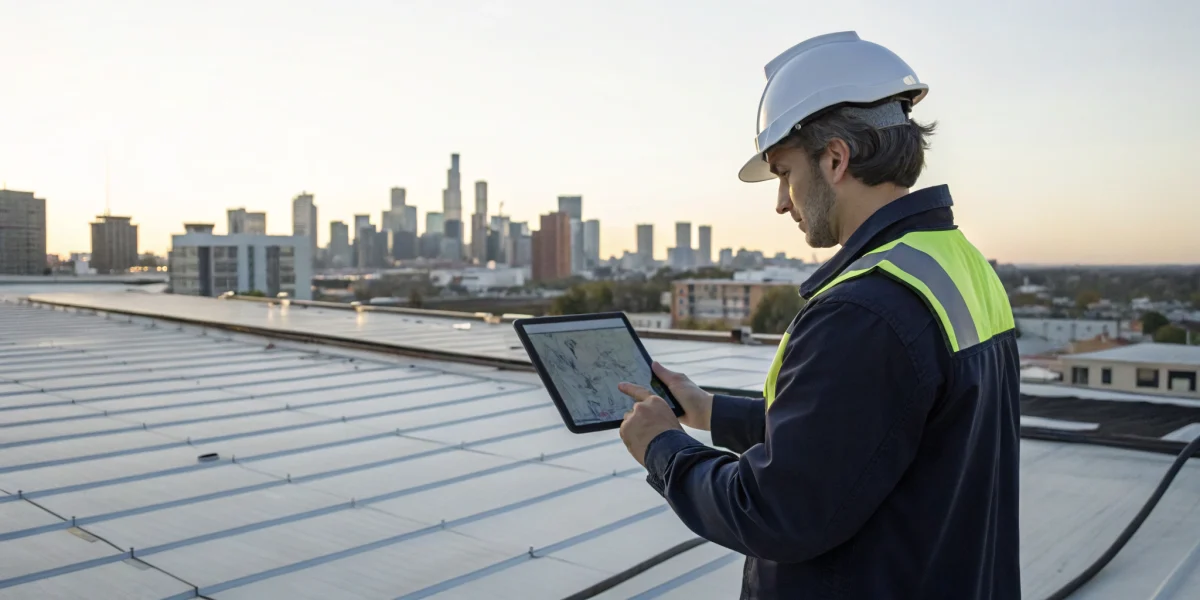
Juggling a clipboard, a camera, and a notepad on a steep roof isn’t just clumsy; it’s a recipe for missed details and unprofessional reports. When you get back to the office, you’re left deciphering scribbled notes and matching them to a folder of photos. This is where roof damage report software for inspectors changes the game. It transforms your process from scattered paperwork to a streamlined, digital workflow on a single device. This shift ensures every critical detail is captured consistently and presented in a clean, easy-to-understand format that builds immediate trust with homeowners, real estate agents, and insurance adjusters.
Key Takeaways
- Automate Your Reporting for Speed and Professionalism: Ditch the clipboard and manual data entry. The right software transforms your field notes into polished, branded reports in minutes, saving you hours of administrative work and building immediate trust with clients.
- Prioritize Features That Work in the Real World: Your software needs to function where you do. Insist on non-negotiable features like offline access for remote job sites, mobile photo tools for on-the-spot documentation, and customizable checklists that adapt to any roof type.
- Choose a Tool That Connects Your Entire Workflow: Look for software that integrates with your existing business systems, like your CRM and accounting software. This creates a seamless flow of information from the initial inspection to the final invoice, eliminating errors and streamlining your operations.
What Is Roof Damage Report Software?
Think of roof damage report software as your digital toolkit for every inspection. It’s designed to help you systematically document everything you see on a roof—from the materials and age to specific damage points—in a structured and professional way. Instead of juggling a clipboard, camera, and notepad, this software consolidates everything into one place, usually on a tablet or phone. This shift from paper to digital streamlines your entire workflow, from the moment you step on-site to the final report delivery.
This isn’t just about making your life easier; it’s about creating consistent, accurate, and easy-to-understand reports for your clients, whether they’re homeowners, real estate agents, or insurance adjusters. It standardizes the process, ensuring you don’t miss a single detail and that every report you produce reflects the quality of your work. Ultimately, the goal is to move from messy paperwork to clean, digital reports that build trust, help you manage your jobs more effectively, and give your business a professional edge. It’s a foundational tool for any modern roofing inspector or contractor looking to improve efficiency and client communication.
What It Does and Why It Matters
At its core, this software guides you through the inspection with a step-by-step process, so you gather all the critical information every time. It helps you document a roof’s overall condition, noting its materials, age, history, and any visible damage. This creates a comprehensive record that’s essential for recommending repairs or a full replacement.
The real power comes from how you present this information. The software generates highly shareable reports that clearly label all types of roof damage, often with zoomable photos that show clients exactly what you’re seeing. This visual evidence is incredibly effective for building trust and helping property owners understand the state of their roof. It transforms a simple inspection into a professional consultation.
How Software Is Changing Roof Inspections
Technology is taking roof inspections to a whole new level. Modern inspection software now often includes artificial intelligence (AI) to automatically measure roofs and detect damage from photos, which saves a ton of time and improves accuracy. Some platforms can even automate follow-up communications with clients.
You’re no longer limited to what you can see with the naked eye. Many tools integrate advanced imaging like high-resolution photos, thermal scans, and 3D models to give you a complete picture of the roof’s health. For growing businesses, this technology is a game-changer. It helps you manage more jobs, organize your crews, and keep every project on track as you scale.
Key Features to Look For in Roof Inspection Software
Choosing the right roof inspection software is about more than just going digital; it’s about finding a tool that works as hard as you do. The best platforms are designed to streamline your entire workflow, from the moment you step on-site to the second you deliver the final report. While features can vary, a few core capabilities separate the must-haves from the nice-to-haves. Think of these as the foundation of a solid software solution.
When you’re comparing options, look for tools that simplify data collection in the field, function without an internet connection, and automate the tedious parts of your job, like report writing. The ability to customize checklists ensures the software adapts to your process, not the other way around. For those looking to stay ahead of the curve, features like AI-powered damage detection and drone integration are becoming the new standard for accuracy and safety. Finally, never underestimate the power of a professional presentation. The software you choose should help you create clean, branded reports that build client trust and reflect the quality of your work. Let’s look at each of these features more closely.
Mobile Data Capture and Photo Tools
Your office is often a rooftop, so your software needs to be as mobile as you are. The days of juggling a clipboard, a separate camera, and handwritten notes are over. Modern inspection software lets you capture everything on a single tablet or smartphone. Look for a platform with an intuitive interface that guides you through the inspection process step-by-step. This ensures you gather all the critical information, from measurements and material types to detailed notes on problem areas. High-quality photo integration is essential. The ability to take photos directly within the app, annotate them to highlight damage, and embed them into your report saves time and eliminates any confusion when you’re back on the ground.
Offline Functionality for On-Site Work
You can’t always count on a strong cell signal or Wi-Fi connection at a job site. Whether you’re inspecting a new build in a developing area or a property in a rural location, your software must function reliably offline. This is a non-negotiable feature. The best apps allow you to complete a full inspection, take photos, and fill out all necessary fields without any internet access. Once you’re back online, the software should automatically sync your data to the cloud. This seamless process prevents frustrating delays and ensures that no critical information is ever lost, allowing you to work efficiently no matter where the job takes you.
Automated Reports and Custom Checklists
The single biggest time-saver in any inspection software is automated reporting. Instead of spending hours manually compiling notes, organizing photos, and formatting documents, the software does it for you. With a few clicks, it pulls all the data you collected into a comprehensive, easy-to-read report. But efficiency shouldn’t come at the expense of thoroughness. That’s why custom checklists are so important. Every roof is unique, and your inspection process may need to adapt. A quality platform allows you to modify existing templates or build your own checklists from scratch, ensuring you can meet the specific requirements of any job, from residential asphalt shingle roofs to complex commercial flat roofs.
AI Damage Detection and Drone Integration
Technology is pushing the boundaries of what’s possible in roof inspections, and AI is leading the charge. Software equipped with artificial intelligence can analyze photos and drone footage to automatically detect and highlight potential damage like hail hits, cracks, and wind-lifted shingles. This not only speeds up your assessment but also provides an unbiased, data-driven analysis to support your findings. When paired with drone integration, this technology makes inspections safer and more comprehensive. You can capture detailed imagery of steep or hard-to-reach roof sections without ever leaving the ground, giving you a complete picture of the roof’s condition while minimizing risk.
Professional, Branded Reporting
Your final report is more than just a summary of findings; it’s a reflection of your brand and professionalism. The software you use should help you put your best foot forward. Look for options that allow you to create polished, branded reports with your company’s logo, colors, and contact information. This small touch goes a long way in building credibility and trust with your clients, whether they are homeowners or real estate professionals. The ability to quickly generate and share these reports as a clean PDF or in another electronic format makes communication seamless. It shows your clients that you are organized, thorough, and professional from start to finish.
A Look at the Top Roof Inspection Software
Choosing the right software comes down to your specific needs, from the types of inspections you perform to the level of detail your clients expect. Some tools are built for speed and simplicity, while others offer deep customization and advanced features like drone integration. Let’s walk through some of the top contenders so you can see how they stack up and find the best fit for your inspection business. Each one brings something different to the table, whether it’s a focus on industry certification, workflow automation, or cutting-edge technology.
NRCIA Inspection Software
If your goal is to meet the highest industry standards, the NRCIA Inspection Software Platform is built for you. Designed by roofing experts, this software provides a comprehensive framework for conducting thorough, certified inspections. It guides you through every step, ensuring you capture all the necessary data points to produce a reliable and professional report. This platform is particularly powerful for those performing inspections that require certification, as it’s structured to align with rigorous industry benchmarks. It’s less about flashy features and more about providing a solid, dependable tool that helps you deliver accurate and credible results every time, reinforcing your expertise and trustworthiness with clients.
Jobba
Jobba is designed with the roofing contractor’s entire workflow in mind. Its software uses a step-by-step guide to help you gather all the essential information about a roof, making the on-site process smooth and consistent. Where it really shines is in its ability to connect the inspection to the next steps. After you’ve collected your data, Jobba helps you create professional inspection reports and generate accurate price quotes for your customers. This integration streamlines your operations, reducing the time between identifying a problem and presenting a solution. It’s a great choice for contractors who want a single tool to manage inspections and proposals.
Fulcrum
For inspectors who value simplicity and efficiency, the Fulcrum Roof Inspection App is a fantastic option. It makes the process of checking roofs and documenting issues straightforward and fast. With Fulcrum, you can easily assess a roof’s condition, noting its materials, age, history, and any visible damage right from your mobile device. One of its most useful features is the ability to generate clean, professional PDF reports on the spot, which you can then share with clients or team members instantly. If you’re looking for a no-fuss app that gets the job done without a steep learning curve, Fulcrum is definitely worth a look.
IMGING by Loveland Innovations
If you’re ready to incorporate modern technology into your inspections, IMGING is leading the charge. This platform uses AI and drone technology to help you conduct inspections faster and more safely. Instead of climbing onto every steep or complex roof, you can use IMGING to automate drone flights that capture high-resolution imagery. The software then analyzes these images to identify potential damage. This not only speeds up the inspection process significantly but also keeps your team safely on the ground. For businesses looking to handle more inspections without compromising on accuracy, leveraging drone technology with a platform like IMGING is a game-changer.
iAuditor by SafetyCulture
While not exclusively a roofing app, iAuditor by SafetyCulture is a highly versatile tool that many inspectors love for its flexibility. Its strength lies in its customizable checklists and powerful issue-tracking capabilities. You can build your own inspection templates from scratch or modify existing ones to fit your exact workflow. This makes it ideal for companies that offer various types of inspections or have unique reporting requirements. If you need a flexible platform that can adapt to different jobs and help you standardize your process across the board, iAuditor provides the tools to do just that.
Spectora
Spectora is a popular choice among home and roof inspectors because it’s designed to streamline the entire reporting process and improve client communication. The software comes with customizable templates that allow you to build beautiful, easy-to-read reports quickly. It automates much of the report-writing process, pulling in photos and comments as you go, which saves a ton of time back at the office. Spectora also includes tools to make sharing and explaining your findings to clients simple and effective. If a polished, professional presentation and a smooth client experience are top priorities for you, Spectora delivers on both fronts.
How Software Improves Your Inspection Accuracy and Efficiency
Switching from a clipboard and camera to dedicated roof inspection software is more than just a tech upgrade—it’s a fundamental shift in how you work. The right software makes your inspections more accurate and your entire workflow more efficient. Instead of juggling notes, photos, and measurements, you can capture everything in one place, following a structured process that ensures nothing gets overlooked. This consistency is key, whether you’re a solo inspector or managing a team.
Using software means you can spend less time on tedious administrative tasks and more time focusing on what you do best: assessing roofs. It helps you standardize your process, which leads to higher-quality inspections and reports every single time. This not only makes your job easier but also builds a stronger reputation for reliability and professionalism with your clients. With tools like the NRCIA’s inspection software, you can deliver detailed, data-backed reports that clearly communicate your findings and build trust. It’s about working smarter, not harder, to deliver exceptional results.
Streamline Data Collection with Step-by-Step Guidance
One of the biggest advantages of roof inspection software is its ability to guide you through the data collection process. Many apps use step-by-step checklists and prompts to ensure you gather all the necessary information, from roof dimensions to material types and observed damage. This structured approach minimizes the risk of human error and guarantees that every inspection is as thorough as the last. You won’t have to worry about forgetting to take a crucial photo or note a specific detail. This level of consistency is essential for maintaining high standards and is a core part of the professional training we offer. It creates a reliable foundation for every report you generate.
Get Real-Time Analysis with AI-Powered Detection
Modern inspection software is increasingly incorporating artificial intelligence (AI) to provide instant, unbiased analysis. Using drone imagery, AI algorithms can automatically detect and highlight potential issues like hail damage, cracks, and missing shingles with incredible precision. This technology acts as a second set of eyes, catching subtle problems that might be missed during a manual inspection. The analysis is based purely on data, removing any potential for subjective judgment and adding a powerful layer of credibility to your findings. This advanced capability helps you deliver a more accurate assessment and reinforces the value of a truly LeakFREE® certified roof.
Automate Reports and Reduce Paperwork
If you’ve ever spent hours after an inspection compiling notes and photos into a report, you know how time-consuming it can be. Roof inspection software automates this entire process. As you collect data on-site, the software organizes it in the background. Once you’re done, it can generate a comprehensive, professional report with just a few clicks. These reports seamlessly integrate your photos, annotations, and recommendations into a clean, easy-to-read format. This automation frees up a significant amount of your time, allowing you to complete more inspections and grow your business. It’s a key benefit for our members, who can access these tools through different NRCIA membership levels.
Improve Client Communication with Professional Presentations
A great inspection is only half the battle; you also have to communicate your findings effectively. Software helps you create polished, branded reports that are easy for clients to understand. Instead of a simple checklist, you can provide a detailed visual document with high-resolution photos, clear descriptions, and actionable recommendations. This level of professionalism builds trust and confidence with everyone you work with, from homeowners to real estate agents and insurance adjusters. When you present a report that is clear, thorough, and visually appealing, you demonstrate your expertise and commitment to quality, which is crucial for all the clients we serve.
Understanding Software Pricing: What to Expect
Choosing the right software often comes down to finding a pricing model that aligns with your business needs and budget. The cost of roof inspection software can vary quite a bit, so it’s helpful to understand the common structures you’ll encounter. Most providers offer flexibility, whether you’re an independent inspector handling a few jobs a month or a large firm managing a high volume of projects.
The main pricing models you’ll see are pay-per-report, monthly or annual subscriptions, and hybrid options that combine both. Each has its pros and cons depending on your workflow and how many inspections you perform. Don’t just look at the sticker price; consider the total cost over time and what’s included in each plan. Many companies also offer free trials, which are a fantastic way to test-drive the features before you commit financially. Taking the time to explore these options ensures you invest in a tool that supports your business growth without straining your finances.
Pay-Per-Report Models
If you’re just starting out or your inspection volume fluctuates, a pay-per-report model can be a great fit. With this approach, you only pay for what you use, which keeps your overhead low. There are no monthly commitments, so you’re not locked into a subscription during slower periods. This flexibility is perfect for managing cash flow. Typically, you can expect to pay between $15 and $30 per report. This model allows you to scale your software costs directly with your workload, making it a practical and low-risk entry point into using professional reporting tools.
Monthly Subscriptions
For inspectors and firms with a steady stream of business, a monthly subscription often provides the best value. These plans typically offer unlimited or a high volume of reports for a flat monthly fee, which makes budgeting predictable and straightforward. For example, some providers offer plans that break down to about $19 per report and may include valuable extras like a job tracking dashboard to help you manage your projects. A subscription can be more cost-effective in the long run if you consistently perform multiple inspections each month, and it usually gives you full access to the software’s complete feature set.
Hybrid Pricing and Free Trials
Some software companies offer hybrid pricing, giving you the best of both worlds. These plans might let you pay a small fee per report on a pay-as-you-go basis or offer a discounted monthly or annual subscription for a single user. For instance, you might find a plan that lets you pay around $13 per measurement or subscribe for a flat monthly rate. Before you decide, always look for a free trial. Most providers offer a trial period, often around seven days, which is the perfect opportunity to test the software’s features, user interface, and overall workflow to see if it’s the right fit for your business.
Discounts for Association Members
One of the best ways to get a great deal on software is through a professional organization. Roofing associations often negotiate exclusive discounts for their members, making top-tier software much more affordable. By joining an association, you not only gain credibility and access to training but also unlock savings on the tools you use every day. Before you purchase any software, check to see if your professional membership offers any perks. These partnerships are designed to support your success, so it’s always worth looking into what deals are available to you.
How to Choose the Right Roof Inspection Software
With so many options on the market, picking the right roof inspection software can feel like a major project. The best choice isn’t about finding the software with the longest feature list; it’s about finding the one that fits your business like a glove. Think of it as hiring a digital partner that will help you work faster, produce more accurate reports, and present a professional image to your clients. The right tool should simplify your workflow, not complicate it.
To make a smart decision, you need to look beyond the flashy marketing and focus on the core functions that will impact your day-to-day operations. Consider how your team works in the field, what your reporting process looks like, and which tools you already rely on. A platform that works brilliantly for a large commercial firm might be overkill for a solo residential inspector. This section will walk you through the key factors to weigh, from budget and usability to essential features like offline access and customization. By evaluating each option against these criteria, you can confidently select a software that supports your business goals and helps you grow.
Consider Your Budget and Total Cost
First things first: let’s talk about money. Roof inspection software comes with a few different pricing structures, and it’s important to understand them to find what works for your cash flow. Some platforms use a pay-per-report model, typically costing between $15 and $30 for each inspection you complete. Others offer a monthly subscription, which might run from $100 to $150 per user. You might also find hybrid models that combine a base fee with discounted reports. Consider your average monthly inspection volume to figure out which model is the most economical for your business. Don’t forget to ask about any setup fees or costs for additional training and support.
Evaluate the Learning Curve and User Interface
The most powerful software in the world is useless if your team finds it too complicated to use. A steep learning curve can lead to frustration and slow adoption, defeating the purpose of getting the software in the first place. Look for a clean, intuitive user interface that makes sense from the moment you log in. Good roofing management software should help you run more jobs and keep everything organized, not create another headache. Many companies offer free trials or demos, which are perfect opportunities to let your team test the platform and give feedback before you commit.
Check for Mobile and Offline Access
As an inspector, your office is often a rooftop, and you can’t always count on a stable internet connection. That’s why mobile and offline access is a non-negotiable feature. Your software should allow you to conduct a full inspection, take photos, and make notes on a tablet or smartphone without needing a signal. The best apps, like the Fulcrum Roof Inspection App, let you work completely offline and then automatically sync your data to the cloud once you’re back online. This ensures you never lose valuable information or waste time waiting for pages to load in an area with spotty service.
Ensure It Integrates with Your Current Tools
Your inspection software shouldn’t operate in a silo. To create a truly efficient workflow, it needs to connect with the other tools you use to run your business. Check for integrations with your Customer Relationship Management (CRM) system, accounting software like QuickBooks, and photo management apps like CompanyCam. When your software can connect with other tools, you eliminate the need for double data entry, reduce the chance of human error, and save a significant amount of administrative time. A well-integrated system allows information to flow seamlessly from one platform to the next, from the initial inspection to the final invoice.
Look for Customization Options
Every roofing business is a little different, and your software should be flexible enough to adapt to your unique processes. One-size-fits-all solutions rarely work perfectly. Look for a platform that offers customization, allowing you to build your own inspection checklists, modify report templates, and add your company branding. The ability to change inspection forms to fit different roof types or specific job requirements is invaluable. This flexibility not only makes your team more efficient but also ensures your final reports are tailored to your clients’ needs, reinforcing your expertise and professionalism.
Must-Have Integrations for Your Software
The best software doesn’t work in a silo. It should act as the central hub of your inspection operations, connecting seamlessly with the other tools you rely on every day. The right integrations eliminate double data entry, reduce the chance of human error, and create a smooth workflow from the initial client call to the final invoice. When your software talks to your other systems, you save time, look more professional, and can focus on what you do best: delivering accurate, reliable roof inspections. Choosing a platform that integrates well is just as important as its core features, as it ensures your entire business runs more efficiently.
CRM Connectivity
Your Customer Relationship Management (CRM) software is where you track every interaction with your clients. When your inspection software connects directly to your CRM, you can automatically sync client details, job status, and final reports. This keeps your entire team on the same page and ensures a consistent client experience. For example, some platforms help roofers talk better with their customers using automated text messages. This integration can also streamline payments by offering various ways for customers to pay and even providing financing options directly through the system, making the entire process smoother for everyone involved.
Cloud Storage and Data Syncing
As an inspector, you work from multiple locations—the office, your truck, and on the roof. Your software needs to keep up. Strong cloud storage and data syncing capabilities mean your reports, photos, and notes are securely saved and accessible from any device. Look for a system that works even when you’re offline. Top-tier apps let you complete your work without an internet connection and then automatically sync your records once you’re back online. For peace of mind, choose a platform with robust security credentials, like a SOC 2 Type II certification, to ensure your and your clients’ data is always protected.
Accounting Software Links
Manually creating invoices and tracking payments is a time-consuming part of the job. Integrating your inspection software with your accounting platform, like QuickBooks, automates this process. Once an inspection is complete, the software can generate an invoice and send it directly to your accounting system, eliminating redundant data entry and reducing the risk of errors. This connection simplifies bookkeeping, gives you a clearer picture of your financials, and helps you get paid faster. The ability to connect with other tools roofers already use is a key feature that makes a software platform truly valuable for running your business efficiently.
Drone and Measurement Tool Compatibility
Modern roof inspections often involve advanced technology like drones and aerial measurement tools. Your reporting software must be able to import and process data from these sources. Compatibility ensures you can easily incorporate high-resolution images, thermal scans, and precise measurements into your reports. Some software providers offer different versions so you can pick the one that best fits their needs and the equipment you already own. Other solutions combine aerial and photo measurement tools with proposal templates, allowing you to move quickly from measurement to a client-ready document without switching between applications.
What Real Users Say About Performance
Reading feature lists is one thing, but hearing from inspectors and contractors who use this software every day gives you the real story. The best tools aren’t just packed with features—they perform reliably in the field, make your job easier, and help you look more professional to your clients. When you’re deciding on the right software, feedback from your peers can be the most valuable guide. It helps you understand the practical benefits and potential drawbacks before you commit. From saving time on-site to delivering reports that win you more business, here’s what real users have to say about how these tools actually perform.
Feedback on Ease of Use
The last thing you need is software that’s a puzzle to figure out. Users consistently praise platforms that are intuitive and designed with their workflow in mind. The best reports are often described as highly shareable, with labeled images and zoomable visuals that build trust with clients. When software is developed by industry professionals, it shows. These tools are built to streamline tasks you handle daily, from managing work orders and customer details to overseeing projects. A clean, straightforward interface means less time fumbling with an app and more time focusing on the inspection itself.
Insights on Accuracy and Reliability
Accuracy is non-negotiable in roof inspections, and modern software is a game-changer for reliability. AI-powered tools can automatically measure roofs and detect damage with a level of precision that’s difficult to achieve manually. This technology gives you confidence in your findings and provides solid evidence to back up your recommendations. Users also value software that provides detailed views of the roof using advanced imaging like high-resolution photos and 3D models. This not only improves the quality of your inspection but also helps clients clearly see the issues you’ve identified, making your reports more credible and impactful.
Reports on Time Saved
One of the most celebrated benefits of roof inspection software is the incredible amount of time it saves. Professionals report that modern tools help them create accurate estimates, reduce material waste, and speed up the entire process from the initial measurement to the final proposal. This efficiency means you can complete more jobs without sacrificing quality. Many users recommend exploring free trials and booking demos to see firsthand how these tools can fit into your workflow. By automating repetitive tasks like report generation and data entry, you can reclaim hours of your day.
Experiences with Cost vs. Value
While there’s always a cost involved, users often find that the right software pays for itself. The value comes from increased efficiency, improved accuracy, and the professional polish it adds to your client presentations. Features like automated Smart Quotes and material orders can directly impact your bottom line by simplifying your sales process. It’s also worth noting that you can often find ways to manage the cost. For example, joining an organization like the NRCIA can give you access to exclusive member discounts on leading software. Ultimately, inspectors see it as an investment that helps them secure more work and operate more profitably.
How to Get Your Team Started with New Software
Choosing the right roof inspection software is a huge step, but the real work begins with implementation. A new tool can only improve your business if your team actually uses it—and uses it well. A bumpy rollout can lead to frustration, wasted time, and a quick return to old, inefficient habits. The key is to approach the transition with a clear plan. By focusing on proper training, a smooth data migration, and a commitment to using the software to its full potential, you can ensure your investment pays off. A thoughtful onboarding process will get your team up and running quickly, leading to more accurate inspections and happier clients.
Plan for Staff Training and Onboarding
Even the most intuitive software has a learning curve. Before you roll out a new platform, make sure you have a solid training plan. Many software providers offer dedicated support to get you started. For example, some companies provide hands-on training sessions or can even manage the initial setup for you if your team is stretched thin.
Look for a provider with a robust library of tutorials, webinars, and customer support. It’s also a great idea to designate one or two people on your team as “super users.” Let them get comfortable with the software first so they can act as go-to resources for their colleagues. Investing in your team’s skills upfront will pay dividends in efficiency and confidence. The NRCIA also offers a comprehensive training portfolio to help your inspectors master their craft.
Optimize Your Data Migration and Workflow
Switching to a new system is the perfect opportunity to clean up your processes. Before you move everything over, take some time to organize your existing client information, past inspection reports, and any custom checklists you use. A good software platform should make it easy to import this data without a major headache.
Think about how the software can streamline your current workflow. Can you automate follow-up emails? Can you create templates for common roof types in your area? The goal is to make the software work for you, not the other way around. Integrating a new tool should feel like a natural extension of your business operations, helping you scale without getting bogged down by manual tasks. The right inspection software is designed to fit seamlessly into your daily routine.
Use All Features for Standardized Inspections
Once your team is comfortable with the basics, encourage them to explore all the features the software has to offer. Many inspectors stick to what they know and miss out on powerful tools that could save them hours. Dive into features like automated report generation, which can pull together photos, notes, and recommendations into a polished document in minutes.
Using the full suite of tools helps standardize your inspection process, ensuring every client receives the same high level of detail and professionalism. These clean, comprehensive reports are what impress homeowners, real estate agents, and insurance adjusters. By creating a consistent and professional output every time, you build trust and reinforce your reputation as a reliable expert who serves a wide range of clients effectively.
Related Articles
- 7 Best Roof Inspection Report Apps for 2025
- Top 6 Roof Inspection Checklist Apps to Download
- Top 6 Commercial Roof Inspection Apps of 2026
- Inspection Software – NRCIA
Frequently Asked Questions
Why should I switch from my current paper-and-pen method? Switching to software is about creating consistency and saving a massive amount of time. Instead of spending hours after an inspection organizing notes and photos, the software builds a professional report for you as you work. This structured process ensures you never miss a critical detail, and the final, branded report helps you communicate your findings clearly to clients, which builds trust and helps you win more jobs.
What happens if I don’t have an internet connection on a job site? This is a common concern, and it’s why offline functionality is a must-have feature. The best inspection apps are designed to work completely without an internet connection. You can conduct the entire inspection, take and annotate photos, and fill out all your checklists on-site. Once you get back to a place with Wi-Fi or a cell signal, the app will automatically sync all your data to the cloud.
Is this software only for tech-savvy inspectors? Not at all. The top platforms are designed with the user in mind, featuring clean layouts and step-by-step guidance that make them easy to learn. Most companies offer free trials or demos, which are a great way to test the software yourself before committing. The goal of these tools is to simplify your job, not add a technical headache.
Can I customize the reports to fit my business and the types of roofs I inspect? Absolutely. Flexibility is key, and good software allows you to tailor it to your specific needs. You can typically modify existing checklists or build your own from the ground up to suit different jobs, whether you’re inspecting a residential asphalt roof or a large commercial property. You can also add your company logo and branding to every report for a professional touch.
Is the monthly subscription cost really worth it for a smaller operation? For most inspectors, the investment pays for itself quickly. Think about the time you’ll save on administrative work—time you can now spend on performing more inspections. The professional reports help you stand out from the competition and justify your pricing to clients. When you factor in the increased efficiency and improved client communication, the subscription cost often becomes a valuable business expense rather than a liability.
