
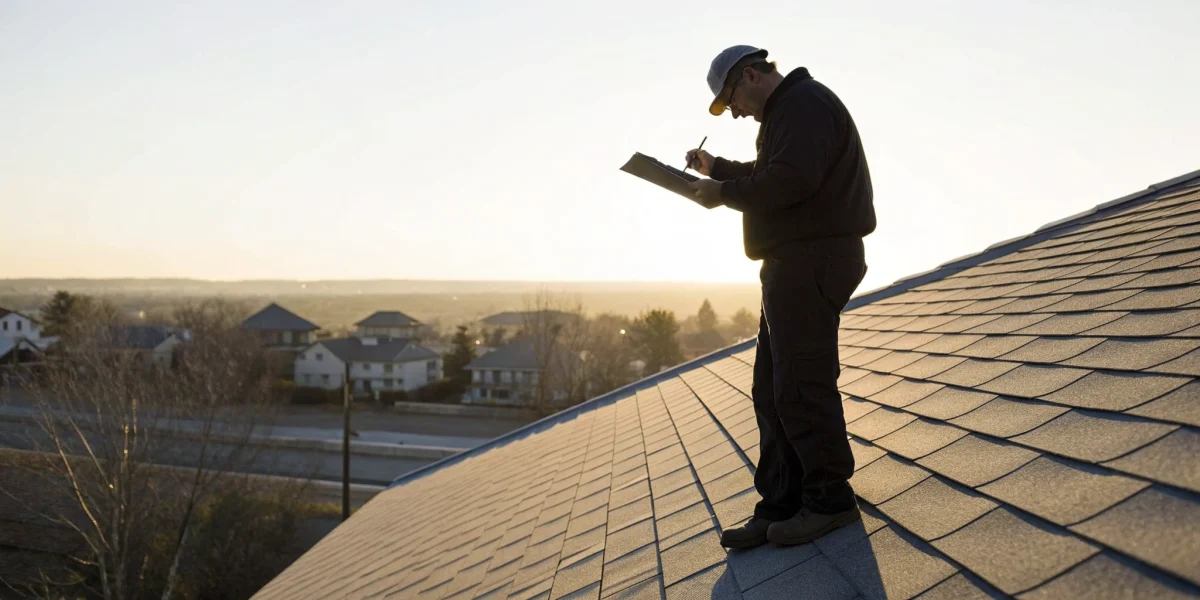
Let’s be honest: paperwork is the least exciting part of any roofing job. Trying to decipher handwritten notes, scanning loose pages, and manually entering data back at the office is a drain on your time and energy. A digital roof damage inspection report template is your ticket out of that administrative grind. By standardizing your process, you can complete reports faster, eliminate costly errors, and get information into your clients’ hands almost instantly. This isn’t just about being more organized; it’s about reclaiming valuable time that you can invest back into growing your business and serving more customers.
Key Takeaways
- Standardize Your Reports for Credibility: Use a template to ensure every client receives a clear, professional document. This consistency builds immediate trust and sets you apart from competitors who use inconsistent or handwritten notes.
- Combine Clear Photos with Simple Language: Your report’s power comes from showing, not just telling. Pair high-quality, annotated photos with straightforward explanations to help clients understand the issues and approve your recommendations faster.
- Connect Your Report to a Professional System: A template is just the start. Integrating it with professional training, software, and certification programs like NRCIA’s LeakFREE® warranty transforms your inspection from a simple service into a guaranteed solution.
What Is a Roof Damage Inspection Report Template?
Think of a roof damage inspection report template as your professional playbook. It’s a structured document that guides you through assessing and documenting a roof’s condition, ensuring you cover every critical detail systematically. Instead of jotting down notes on a blank page or using a generic form, a template provides a consistent framework for every job. This not only streamlines your inspection process but also makes sure that your findings are recorded clearly and comprehensively, every single time. This consistency is what separates a good inspector from a great one.
This tool is invaluable for both roofing professionals and the clients they serve. For an inspector or contractor, it’s the key to producing a thorough, professional report that showcases your expertise and builds immediate trust. For a homeowner or property manager, it provides a transparent, easy-to-understand overview of their roof’s health, cutting through technical jargon. It translates your assessment into actionable information, forming the basis for informed decisions about maintenance and repairs. Ultimately, a high-quality report is the first step toward ensuring a roof is sound, secure, and potentially eligible for programs like our LeakFREE® roof certifications.
Why You Need a Standardized Report
Let’s be honest, the old-school methods of reporting can cause more problems than they solve. Relying on paper forms or simple PDFs often leads to lost paperwork, illegible handwriting, and challenges with sharing reports efficiently. These issues create extra work for office staff who have to scan, organize, and try to make sense of inconsistent notes. A standardized report template cuts through that chaos. It ensures every inspection is documented with the same high level of detail and clarity, creating a consistent and professional experience for every client. This commitment to a higher standard is why we equip our certified inspectors with the best tools in the industry.
The Benefits for Pros and Homeowners
Using a well-designed report template is a win-win for everyone. For roofing professionals, it immediately enhances your credibility and professionalism. It empowers your team to generate detailed, accurate reports quickly, which builds client trust and sets you apart from the competition. For the homeowners and property managers you work with, these documented inspections are crucial for maintaining the roof’s longevity and function. A clear report helps them understand the condition of their property and the importance of recommended repairs. By identifying and addressing minor issues early, they can avoid the significant, costly problems that arise from neglect. A small, documented fix today can prevent a major headache and save thousands down the road.
What to Include in Your Roof Damage Report
A great roof damage report does more than just list problems—it tells a clear story about the roof’s current condition and what needs to happen next. Think of it as your primary communication tool. For homeowners, it provides the clarity needed to plan for repairs. For roofing professionals, it’s a record of your findings that showcases your expertise and builds trust. A thorough, well-organized report protects both you and your client by creating a shared understanding of the situation. Every detail, from basic client information to specific repair costs, plays a role in turning a simple inspection into a valuable service. This isn’t just about ticking boxes; it’s about delivering a comprehensive assessment that answers questions before they’re even asked. A detailed report can be the deciding factor for a home sale, an insurance claim, or a major renovation project. It establishes you as a credible expert and gives your clients the confidence to move forward with your recommendations. The following sections break down the essential components that make a report truly effective.
Client and Property Information
Every professional report should start with the basics. This section grounds the entire document and ensures there’s no confusion about who it’s for and what property was inspected. Be sure to include the client’s full name, the property address, and the client’s contact information. You should also add your name or your company’s name, your contact details, and the exact date of the inspection. This information is essential for record-keeping and makes the report a legitimate document for insurance claims or real estate transactions. It’s the first step in creating a report that helps all the different property stakeholders you work with understand their roof’s condition and plan for what comes next.
Roof Condition Assessment and Ratings
This is where you provide a high-level overview of the roof’s health. A simple, clear rating system can make complex information much easier for your client to digest. Many inspectors use a scale like Good, Fair, or Poor to rate the overall condition and then apply the same rating to individual components. You should assess every part of the roof system, including the shingles or tiles, flashing, gutters, drains, and the interior structure if visible. Providing these ratings gives your client a quick snapshot of which areas are in great shape and which need immediate attention. Mastering this assessment is a key part of any professional inspector training.
Visual Documentation and Photos
Photos are your best tool for showing exactly what you found. A picture of a cracked shingle or damaged flashing is far more impactful than a written description alone. Make sure to include clear, high-resolution photos to support your findings, especially when describing technical issues. Take pictures from multiple angles and consider adding annotations like circles or arrows to pinpoint the exact location of the damage. This visual evidence builds credibility and helps the property owner see what you see, eliminating confusion and making it easier for them to approve necessary repairs. Using professional inspection software can make embedding and annotating photos a seamless part of your workflow.
Damage Identification and Details
After the overview, it’s time to get specific. This section should detail every single issue you discovered during the inspection. Don’t just say “damaged shingles”—describe the type and extent of the damage. Note things like missing granules, cracks, curling, or blistering. Document any signs of leaks, damaged metal flashing, cracked caulk around vents, or blockages in the gutters. For each issue, record its precise location and severity. This detailed log is crucial for creating an accurate repair plan and is the first step toward ensuring the property can qualify for a LeakFREE® roof certification. The more detail you provide, the more valuable your report becomes.
Repair Recommendations and Cost Estimates
Finally, your report needs to provide a clear path forward. Based on your findings, outline your professional recommendations for repairs or replacement. It’s helpful to prioritize these recommendations, flagging urgent issues that need immediate attention versus maintenance items that can be addressed later. Alongside each recommendation, provide a detailed estimate that breaks down the costs for materials and labor. Transparency here is key to building trust with your client. When they understand what needs to be done, why it’s necessary, and how much it will cost, they can make confident, informed decisions about protecting their property.
How a Template Improves Your Inspection Workflow
Switching from jotting notes on a spare piece of paper to using a structured template is more than just an organizational upgrade—it’s a fundamental shift in how you run your business. A well-designed template brings consistency, speed, and professionalism to every job, transforming your inspection process from a potential weak point into a major strength. It acts as your co-pilot, ensuring you cover every critical detail from the ground to the ridge cap. This streamlined approach doesn’t just make your life easier; it builds client confidence, minimizes errors, and frees up valuable time that you can reinvest into growing your business or simply getting to the next job faster. By refining your workflow with a template, you’re not just creating better reports; you’re building a more efficient and reliable operation from the ground up.
Standardize Your Reports for a Professional Edge
First impressions count, and a polished, consistent inspection report speaks volumes about your professionalism. Using a standardized template ensures that every client receives a document that is clear, comprehensive, and easy to follow. This consistency builds trust and shows clients that you have a systematic, expert process. It also provides a reliable baseline. When you inspect the same roof a year later, you can easily compare findings and track its condition over time. This level of detail and organization gives you a professional edge that sets you apart from competitors who rely on handwritten notes and inconsistent formats.
Save Time on Every Inspection
Think about the time you’ve lost trying to decipher messy handwriting or asking your office staff to scan and organize loose papers. Traditional methods are slow and inefficient. A digital roof inspection template streamlines the entire process, saving you precious minutes on every single job. You can fill out fields, attach photos, and generate a complete report right from your tablet or phone while you’re still on-site. This eliminates the need for double data entry back at the office and gets the finished report into your client’s hands faster. That saved time adds up, allowing you to fit more inspections into your week.
Communicate Clearly with Clients
Your clients aren’t roofing experts, and a jumble of technical terms can leave them feeling confused and uncertain. A great report template is designed to communicate clearly with clients, translating your findings into an understandable format. It organizes information logically, placing photos next to the issues they document and providing straightforward explanations for recommended repairs. When a homeowner can clearly see the problem and understand the solution, they feel more confident in your assessment and are more likely to approve the work without hesitation. This transparency is key to building lasting customer relationships.
Prevent Lost Paperwork and Costly Errors
A misplaced inspection form or a misread note can lead to significant problems, from project delays to costly mistakes. Using a digital template system keeps all your reports securely organized in one central, accessible location. This digital trail reduces the risk of lost paperwork and creates a reliable record of every inspection, complete with timestamps and photos. By ensuring every detail is captured accurately and stored safely, you prevent the kind of miscommunication and disorganization that can damage your reputation and your bottom line. The right inspection software makes this process seamless.
Key Features of a Great Report Template
Not all report templates are created equal. A truly great one does more than just provide blank spaces to fill in; it acts as a guide, ensuring every inspection is thorough, professional, and easy for your client to understand. The right template streamlines your workflow and helps you build trust by delivering clear, consistent results. It should be a tool that works for you, not against you. When you’re evaluating a template, look for these four key features that separate the best from the rest.
Comprehensive Inspection Checklists
A solid template is built around a detailed checklist that covers every angle of the roof. Think of it as your pre-flight check—it ensures you don’t miss a single critical detail. Your checklist should guide you through everything from basic client information and weather conditions to the specifics of the roof’s materials, age, and structure. It needs dedicated sections for assessing shingles, flashing, gutters, and the attic space. This systematic approach guarantees that every inspection you perform is just as thorough as the last, providing a consistent and professional standard of practice for your business.
Customization for Different Roof Types
Roofs aren’t one-size-fits-all, and your inspection report shouldn’t be either. A great template offers the flexibility to adapt to different roofing systems, whether you’re looking at asphalt shingles on a residential home or a flat roof on a commercial building. The ability to customize fields and sections allows you to create a report that is perfectly tailored to the property in front of you. This not only makes your report more accurate but also shows your client that you have the expertise to handle their specific needs, which is a core part of delivering a LeakFREE® certified inspection.
Digital-Friendly and Easy to Share
In a business where speed and communication are key, your reports need to be easy to manage and share. A modern template should be digital-first, allowing you to complete it on a tablet or laptop right from the job site. Look for options that let you securely send the finished report to clients, real estate agents, or insurance adjusters with just a few clicks. Storing reports digitally also creates an organized, searchable history for each client, eliminating the risk of lost paperwork and making it simple to track a roof’s condition over time.
Software and Tool Integration
The most powerful templates integrate seamlessly with your business management tools. When your inspection report connects directly with your specialized inspection software, you can automate much of your workflow. Imagine creating a custom inspection form, filling it out on-site, attaching it to the client’s file, and sending it with the invoice—all from one platform. This level of integration saves a massive amount of administrative time, reduces the chance of errors, and keeps all your important client information organized in one central place, freeing you up to focus on the inspection itself.
Go Pro with NRCIA Templates and LeakFREE® Certification
A great roof damage report template does more than just organize your findings—it represents your professionalism and builds trust with your clients. While a free download is a fantastic starting point, stepping up to a professional system can set your business apart. At NRCIA, our templates are the foundation of a complete inspection and certification ecosystem designed to give you a competitive edge and provide homeowners with genuine peace of mind.
When you use an NRCIA report, you’re not just handing over a piece of paper. You’re delivering a promise of quality backed by the industry’s leading authority in roof inspections. Our system integrates standardized protocols, professional training, and powerful software to create a seamless workflow. This process culminates in the opportunity to offer our exclusive LeakFREE® roof certification, a powerful selling point that assures clients their roof is protected. It’s about moving beyond simple inspections to providing a comprehensive, guaranteed solution.
Built on Industry-Leading Inspection Protocols
Our templates are built on a foundation of proven, industry-leading inspection protocols. We’ve developed a systematic approach that ensures no detail is overlooked, from the smallest sign of wear to major structural concerns. This isn’t just about ticking boxes; it’s about proactive protection. Regular, thorough inspections can uncover problems with your roof before they lead to leaks or serious damage. By following our standardized process, you can confidently provide every client with a consistent, high-quality assessment. This methodical approach not only protects the homeowner but also solidifies your reputation as a meticulous and trustworthy roofing professional.
Supported by Professional Training and Certification
A template is only as effective as the person using it. That’s why we pair our resources with comprehensive professional training and certification programs. Hiring an experienced, certified inspector gives property owners peace of mind and a true understanding of their roof’s condition. Our training portfolio equips you with the expertise to accurately identify issues, understand different roofing systems, and communicate your findings clearly. When you complete a report using an NRCIA template, your certification tells clients that the assessment is backed by specialized knowledge and a commitment to the highest industry standards.
Powered by Specialized Inspection Software
In today’s market, efficiency and professionalism go hand in hand. Our templates are integrated into specialized inspection software designed to streamline your entire workflow. Using a dedicated digital platform makes managing roof inspection forms simpler and more efficient, eliminating the hassle of lost paperwork and manual data entry. You can easily capture photos, add notes, and generate clean, professional-looking reports directly from your device on-site. This technology not only saves you valuable time on every job but also enhances your client presentations with clear, organized, and easily shareable digital documents.
Integrated with Our LeakFREE® Warranty
The ultimate benefit of our system is its direct connection to the NRCIA LeakFREE® Warranty. Our inspection process is designed to be so thorough that it serves as the qualifying step for this powerful protection. Finding and fixing small problems early can save your clients a lot of money by preventing bigger, more costly repairs down the road. When a roof passes our rigorous inspection, you can offer a warranty that guarantees it will remain leak-free for the certification period. This transforms your inspection report from a simple assessment into the first step toward a tangible, valuable guarantee that protects your client’s investment.
Comparing Roof Inspection Report Providers
When you’re deciding on a roof inspection report template, you’ll find a few different types of providers out there. Your choice really depends on your business needs—are you a solo inspector looking for a simple checklist, or a growing company that needs an all-in-one software solution to manage your entire operation? Some providers focus on offering a single tool, like a downloadable PDF that you can print or fill out on a computer. These are often free and can be a great starting point. On the other end of the spectrum, you have comprehensive business management software that includes inspection reporting as just one of many features, helping you handle everything from scheduling to invoicing.
Then there are organizations like us at the NRCIA, where the template is part of a much larger professional ecosystem. Our reports are built on industry-leading inspection protocols and are designed to be used by certified professionals. This approach ensures a high standard of quality and consistency that clients can trust. Understanding the landscape of these options will help you pick the right solution to deliver professional, consistent, and clear reports every time. Let’s look at a few of the top contenders and what they bring to the table, from comprehensive business software to straightforward free downloads.
NRCIA: The Standard for Certified Inspectors
The NRCIA sets the benchmark for quality and reliability in the roofing industry. Our templates are more than just documents; they are an integral part of a professional ecosystem. Developed from industry-leading inspection protocols, these reports are designed for inspectors who have completed our specialized training and certification. This ensures every inspection is thorough, consistent, and meets the highest standards. When you use an NRCIA report, you’re not just handing over a piece of paper—you’re delivering the confidence and credibility that comes with being a certified professional. Our system is built to support your expertise and help you provide unparalleled service.
ServiceTitan: A Comprehensive Business Solution
For roofing companies looking for an all-in-one tool to manage their business, ServiceTitan is a popular choice. Software from ServiceTitan is designed to make inspections easier by letting you create custom digital checklists that your team can fill out on a phone or tablet right from the job site. All the information is saved to the cloud, so it’s instantly accessible to anyone in your company who needs it. This approach is great for larger teams that need to streamline their entire workflow, from scheduling and dispatch to invoicing and reporting. It’s less of a standalone template and more of a feature within a complete field service management platform.
Jobber: A Free Template Option
If you’re just starting out or prefer a straightforward, no-cost solution, Jobber offers a free, printable template for roof inspection reports. This tool helps you document all the essential details about a roof’s condition, making it useful for routine checks, assessing storm damage, or identifying early signs of wear and tear. While it lacks the advanced features and integrations of paid software, it’s a solid starting point for standardizing your reports. It ensures you cover the basics and present your findings in a clean, organized format without requiring any financial investment, making it a practical choice for solo inspectors or small businesses.
Other Digital Form Platforms
Beyond dedicated roofing software, you can use general-purpose digital form platforms to manage your reports. For example, a tool like pdfFiller allows you to upload an existing document, such as the MRCA Residential Roof Inspection Form, and convert it into a fillable digital version. You can then complete, edit, sign, and share the form online via email or a secure link. This option offers flexibility if you already have a template you like but want to move away from paper. It’s a good middle ground, giving you the benefits of digital workflows without committing to a full-scale business management system.
Best Practices for Completing Your Report
A great report does more than just list findings; it builds trust, clarifies complex issues, and gives your clients a clear path forward. Adopting a few best practices can transform your reports from simple documents into powerful communication tools that reflect your professionalism and expertise. By focusing on clarity, thoroughness, and actionable advice, you not only serve your clients better but also strengthen your reputation as a trusted inspector. These habits ensure every report you deliver is accurate, easy to understand, and valuable for any homeowner, property manager, or real estate professional you work with.
Use Clear, Homeowner-Friendly Language
Your clients aren’t roofing experts—that’s why they hired you. Avoid technical jargon and use simple, direct language that anyone can understand. Instead of just listing problems, frame them as solutions. For example, explain why a cracked caulk seal is a concern and what the recommended fix is. It’s also helpful to prioritize your recommendations. Let the client know which repairs are urgent and which can be addressed later. This approach empowers homeowners to make informed decisions and shows that you’re a partner in protecting their investment. The goal is to provide clarity and confidence, which is the foundation of a LeakFREE® roof.
Master Your Photo Documentation
Photos are your report’s most powerful tool. They provide undeniable proof of your findings and help clients visualize the issues you’re describing. Don’t just snap a few pictures; document everything methodically. Take wide shots for context, then zoom in on specific areas of damage, like cracked shingles or rusted flashing. Annotate your photos to point out exactly what the client should be looking at. High-quality visual evidence makes your report more credible and easier to understand. Using professional inspection software can help you organize and present your photos seamlessly, creating a polished and persuasive final report.
Be Systematic and Thorough
A consistent, step-by-step process is the key to a reliable inspection. Rushing or skipping steps can lead to missed issues and costly mistakes down the line. Always follow a comprehensive checklist to ensure you cover every component of the roof, from the shingles and flashing to the gutters and ventilation. This systematic approach guarantees that each inspection is performed to the same high standard, regardless of the roof type or property. This level of detail and consistency is a hallmark of a certified professional and is a core principle of our inspector training. A thorough inspection not only protects the client but also protects your professional credibility.
Provide Accurate Damage Assessments
Your final assessment should be clear, objective, and based entirely on your findings. Use a straightforward rating system (e.g., good, fair, poor) and clearly define what each rating means for the homeowner. A roof in “poor” condition requires immediate action, and your report should convey that urgency without causing alarm. Your expertise is in providing an accurate evaluation of the roof’s current state and its expected lifespan. This honest assessment helps clients plan for repairs or replacement and prevents small issues from becoming major disasters. It’s this accuracy that builds trust and forms the basis for a credible LeakFREE® warranty.
Common Mistakes to Avoid in Your Reports
Even the best template can’t save a report that’s filled with errors. Your final report is a direct reflection of your professionalism and expertise, so getting the details right is essential for building trust with clients and protecting your business. A sloppy or incomplete report can lead to major misunderstandings, put you at risk for liability, and damage your hard-earned reputation.
Think of your report as the final, crucial step in your inspection process. It’s where you translate your on-site findings into a clear, actionable document that your client can rely on to make informed decisions. Avoiding a few common pitfalls will ensure your reports are consistently accurate, helpful, and professional. Following a standardized process, like the one we teach in our NRCIA training programs, is one of the best ways to prevent these mistakes from happening in the first place.
Incomplete Assessments and Documentation Errors
When you’re busy, it can be tempting to rush through an inspection, but this is where critical details get missed. Common omissions like subtle water damage, cracked flashing, or missing shingles can lead to huge problems for a homeowner down the line. Failing to document these issues doesn’t just create an inaccurate report; it leaves your client vulnerable and can expose you to serious liability.
Your report is your official record of the property’s condition at the time of the inspection. Be thorough and document everything you see, even if it seems minor. A comprehensive checklist is your best friend here—it ensures you systematically check every component of the roof without fail. Detailed notes and a complete assessment protect both you and your client from future disputes.
Poor Visuals and Missing Photos
A picture really is worth a thousand words, especially when it comes to roof inspections. Your clients likely can’t (and shouldn’t) get on the roof to see the issues for themselves, so your photos are their only window into its condition. High-quality, well-lit images are non-negotiable. They provide undeniable proof of your findings and help clients understand the urgency behind your recommendations.
Make sure to take photos from multiple angles, capturing both wide shots for context and close-ups of specific damage. Annotating your photos to point out specific issues is even better. Clear visuals can also help dispel common misconceptions, like the idea that a warranty eliminates the need for inspections. When a homeowner can see the cracked sealant or lifted shingles for themselves, they understand why your work is so important. Our specialized inspection software makes it easy to integrate and label photos directly into your reports.
Unclear Recommendations and Next Steps
Identifying a problem is only half the job. A truly great report provides clear, actionable guidance on what to do next. Vague recommendations like “monitor for leaks” or “further evaluation needed” leave your clients confused and uncertain. They hired you for your expertise, so give them a clear path forward. Be specific about the problems you find and what it will take to fix them.
Instead of being vague, provide concrete steps. For example, “Recommend a qualified roofing contractor replace the three damaged shingles on the west-facing slope within 60 days to prevent water intrusion.” This tells the client the exact issue, the recommended action, and the level of urgency. This clarity not only helps the client but also positions you as a trusted, knowledgeable professional. It’s this level of detail that supports our industry-leading LeakFREE® roof certifications.
Overlooking Key Areas and Safety Hazards
After inspecting hundreds of roofs, it’s easy to become a bit too casual in your approach. However, complacency can lead to overlooking key areas or, worse, safety hazards. Every roof deserves a full and systematic inspection, from the main surfaces to the hard-to-reach upper sections, valleys, and flashing around chimneys and vents. These are often the places where problems start.
Maintaining a diligent process is crucial for your safety and the integrity of your report. Always be aware of your surroundings and note any potential safety issues, like soft spots in the decking or improperly secured ladders. Documenting these hazards not only protects the homeowner but also serves as a record of your thoroughness. This commitment to comprehensive inspections is why so many homeowners and real estate professionals rely on NRCIA-certified inspectors.
How to Present Your Findings to Clients
Once your inspection is complete and the report is filled out, the next step is presenting your findings to the client. This conversation is just as important as the inspection itself. A great report can fall flat if it isn’t communicated effectively. Your goal is to translate technical details into a clear, understandable story that empowers the property owner to make informed decisions. How you walk them through the damage, explain the necessary repairs, and outline the next steps can make all the difference in building a lasting professional relationship and securing the job. A thoughtful presentation shows you’re not just an inspector; you’re a trusted advisor who is there to help solve their problems.
Format the Report for Clarity
A well-organized report is your best tool for a clear presentation. When information is structured logically, it’s easier for clients to follow along and grasp the key takeaways. Using a standardized template is the best way to achieve this. A consistent format ensures you document every aspect of the roof’s condition, from major storm damage to subtle signs of wear and tear, without missing a thing. This structure helps you tell a coherent story, guiding the client from a general overview to specific problem areas. With everything laid out in a predictable way, you can present your findings confidently, knowing the report itself supports a clear and straightforward conversation.
Tailor Your Explanation to the Audience
Your client probably doesn’t know the difference between a soffit and a fascia, and that’s okay. It’s your job to explain the issues in simple terms they can understand. Avoid industry jargon and instead use straightforward language to describe the problems and their implications. This is where visual aids are incredibly powerful. Point to the high-resolution photos in your report to show them exactly what you’re talking about. Rather than just listing problems, focus on providing solutions. Frame your recommendations as a clear action plan, turning a list of damages into a path toward a secure, healthy roof. This approach helps homeowners feel capable, not overwhelmed.
Build Trust Through Transparency
A detailed and professional report does more than just list facts—it builds your credibility. When you present comprehensive findings in a clear, organized manner, you demonstrate your expertise and thoroughness. This transparency is the foundation of trust. Be direct about what you’ve found, explaining the severity of each issue without exaggeration or alarmist language. The goal is to eliminate confusion and give the client a complete picture of their roof’s health. When a client trusts your assessment, they are more likely to trust your recommendations. Pairing a transparent report with a credible backing, like a LeakFREE® roof certification, gives property owners ultimate peace of mind.
Get Your Roof Damage Inspection Report Template
Ready to create professional, consistent, and thorough roof inspection reports? We’ve put together the essential tools to help you get started. Below, you can download our free, easy-to-use template and a bonus maintenance checklist to streamline your workflow and deliver exceptional service to your clients.
Download Your Free Template and Resources
You can make your roof inspection process more efficient right now by downloading our free Roof Damage Inspection Report Template. It’s designed to help you document every detail clearly and professionally. The template guides you through all the essential sections, including customer information, inspection details, damage assessments, and clear recommendations for repairs. Using a standardized format ensures you cover all your bases, making it much easier to communicate your findings to clients. A thorough report helps with immediate repairs and provides a valuable record for future maintenance planning, a best practice for all the professionals we serve.
Bonus: Includes Our Roof Maintenance Checklist
As a bonus, your download also includes our Roof Maintenance Checklist. We all know that regular inspections are key to extending the life of a roof and catching small issues before they turn into major headaches. This checklist gives you a simple, repeatable process to follow. Performing annual inspections helps identify potential problems early, ensuring a roof stays in top condition and preventing costly surprises down the road. This bonus resource makes it easy to offer preventative maintenance advice to your clients, adding more value to your service. Grab your free template and checklist now to keep your projects organized and your clients happy.
Related Articles
- Free Roof Inspection Report for Insurance PDF Template
- The Best Roof Inspection Report Template Free for 2025
- Inspection Report Archives – NRCIA
- The Ultimate Roof Inspection Report Template Guide
Frequently Asked Questions
Why can’t I just use my own simple checklist instead of a formal template? While any checklist is a good start, a professional template does so much more. It creates a consistent, standardized document for every single client, which immediately signals your professionalism. This system ensures you never miss a critical detail and provides a clear, reliable record for both you and the property owner. It’s about moving from a simple to-do list to a powerful business tool that builds trust and protects you from liability.
Is a digital template really that much better than the paper forms I’m used to? Think of it as a major upgrade to your entire workflow. Digital templates save a significant amount of time by allowing you to complete reports, embed photos, and share the final document right from the job site. This completely eliminates issues like illegible handwriting, lost paperwork, and the administrative headache of scanning and filing back at the office, making your entire operation more efficient.
As a homeowner, what’s the most important thing to look for in an inspection report? You should look for clarity and photographic evidence. A good report will be written in straightforward language that you can actually understand, avoiding confusing industry jargon. It must include clear, high-resolution photos of any damage so you can see the issues for yourself. The report should also give you a prioritized action plan, telling you what needs to be fixed now versus what can be addressed later.
If my inspector uses an NRCIA template, does that mean my roof is automatically LeakFREE® certified? Using our template is the essential first step, but it doesn’t grant an automatic certification. To become LeakFREE® certified, a roof must pass a rigorous inspection performed by an NRCIA-certified professional who is following our specific protocols. Once the roof meets all our standards, it then becomes eligible for the certification and the peace of mind that comes with our warranty.
How does a detailed inspection report help when filing an insurance claim? A thorough report serves as your most crucial piece of evidence. It provides a professional, third-party assessment of your roof’s condition with dated photos and specific details about the damage. This official documentation creates a clear and credible record that substantiates your claim, which can make the entire process with your insurance company much smoother and more straightforward.
