
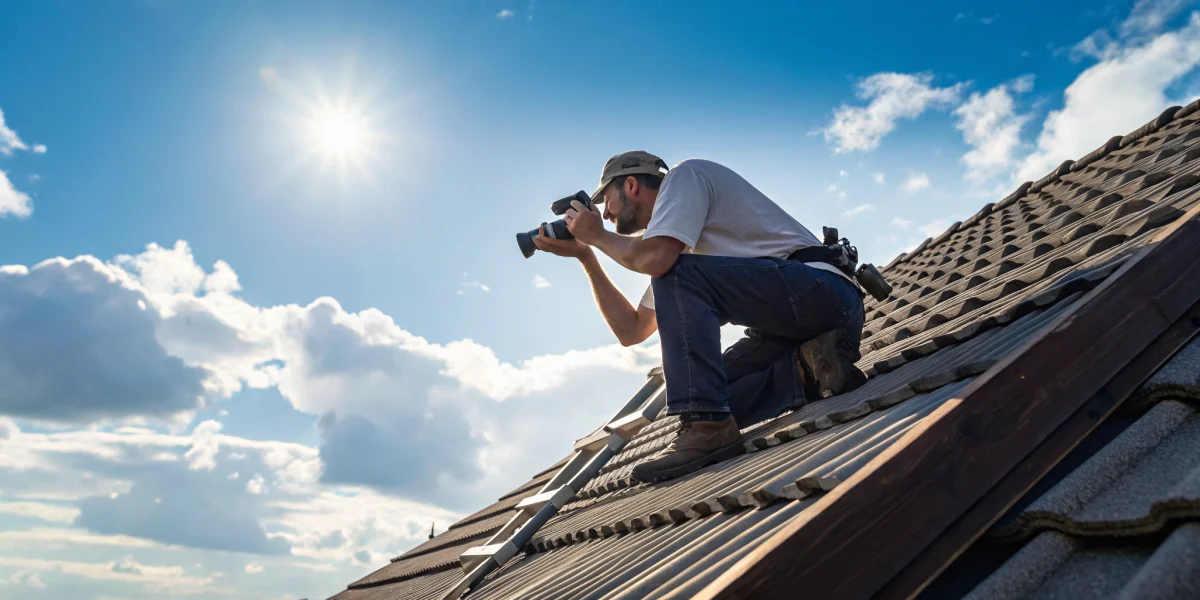
Not all roof inspections are created equal, especially when legal action is on the table. A quick look-over from a general contractor simply won’t cut it. When you need evidence that can withstand intense scrutiny from opposing legal teams, you need a forensic investigation conducted by a certified specialist. A professional roof damage assessment for legal cases is a meticulous process that digs deep to find the root cause of a failure. An expert isn’t just looking at the surface damage; they’re investigating why it happened. This thorough investigation, often conducted by an expert witness, provides the authoritative, unbiased analysis needed to build a compelling and successful case.
Key Takeaways
- Hire a Specialist, Not a Generalist: Your legal case requires a forensic roof investigation, not just a repair estimate. A certified, impartial inspector provides a detailed report on the cause of failure, which is the credible evidence needed to stand up to insurance companies and legal teams.
- Build Your Case with Solid Proof: A professional assessment is your primary evidence, but you should strengthen it with your own documentation. Take date-stamped photos immediately after the damage occurs and keep a detailed file of all repair invoices, receipts, and relevant weather reports.
- Don’t Delay Your Documentation: Time is critical when dealing with roof damage, as evidence can be lost to subsequent weather. Acting quickly to get a professional assessment from a qualified expert preserves the facts and shows you’ve taken responsible steps to mitigate further issues.
What Is a Roof Damage Assessment and Why Do You Need One for a Legal Case?
When your roof is damaged, the last thing you want is a complicated legal battle or a drawn-out insurance dispute. But if you find yourself in that situation, a roof damage assessment becomes your most important tool. This isn’t your average roof check-up; it’s a detailed investigation designed to provide clear, credible evidence for your case. Whether you’re dealing with an insurance company that won’t pay or a contractor who did shoddy work, a professional assessment gives you the facts you need to stand your ground and protect your property. It’s about getting an expert on your side to document the truth.
Defining a Roof Damage Assessment
Think of a roof damage assessment as forensic detective work for your roof. It goes far beyond a standard inspection by digging deep to find the root cause of a failure. An expert isn’t just looking at the surface damage; they’re investigating why it happened. Was it a result of a recent hailstorm, a defect in the materials, or poor installation? This thorough investigation is often conducted by an expert witness who meticulously documents every finding. The final report provides a comprehensive analysis of the roof’s condition, the source of the damage, and the necessary steps for repair, all laid out in a clear, factual manner.
How Assessments Support Your Legal Case
In any property-related legal dispute, clear evidence is everything. A certified, impartial roof inspection report can be the deciding factor in your case. A roofing expert provides an unbiased analysis that translates complex technical details into something lawyers, judges, and juries can easily understand. Their job is to present the facts without taking sides. This credibility is crucial when you need to prove your point in court or mediation. By having a detailed report from a trusted professional, you replace speculation with solid evidence, which significantly strengthens your position and helps legal professionals build a more compelling argument on your behalf.
The Effect on Your Insurance Claim
Dealing with insurance claims can be frustrating, especially if your claim is denied or the settlement offer is too low. An accurate roof damage assessment is your best defense. When an assessment is conducted by a qualified expert, it provides the detailed documentation needed to validate your claim. This empowers you to effectively contest an unfair decision from your insurance provider. Having a professional report from the start shows the insurance company that you are serious and have the evidence to back up your claim. It’s a proactive step that ensures you have the proof you need to secure a fair outcome and properly protect your home with a LeakFREE® roof.
What to Look for in a Roof Damage Assessment Expert
When your property is on the line in a legal dispute, the expert you choose to assess your roof damage is one of the most important decisions you’ll make. This isn’t the time for a quick look-over from a general contractor. You need a specialist whose findings are thorough, credible, and can withstand intense scrutiny from insurance companies and opposing legal teams. The right expert provides more than just an opinion; they deliver a fact-based, defensible analysis that can be the foundation of your entire case. A weak assessment can crumble under pressure, potentially costing you thousands in a settlement.
Finding this person means looking beyond a simple business listing. You need to examine their qualifications, understand the methodology behind their inspections, and verify their experience in the specific type of roofing and damage you’re dealing with. A true expert brings a combination of formal training, standardized processes, and hands-on experience to the table. This ensures their report is not only accurate but also presented in a clear, professional manner that leaves no room for doubt. Let’s walk through the key qualifications that separate a qualified expert from the rest, so you can feel confident in the professional you hire.
Key Certifications and Credentials
When you’re vetting an expert, start with their credentials. In a legal setting, a professional opinion is only as strong as the qualifications of the person giving it. Look for individuals with recognized licenses and certifications that prove their expertise. This includes titles like licensed architect (AIA), professional engineer (PE), or certified general contractor (CGC). These credentials show that the expert has met rigorous educational and ethical standards in their field. A certified roof inspector, especially one with a comprehensive training portfolio, brings a specialized skill set that adds another layer of authority to their assessment, making their testimony much more compelling.
Why an NRCIA Certification Matters
An NRCIA certification is a clear indicator that you’re working with a top-tier professional. An inspector who holds this credential has completed intensive training and is proficient in the nationally standardized LeakFREE® inspection method. This isn’t just another checklist; it’s a systematic process designed to produce consistent, unbiased, and incredibly thorough results every single time. Because every NRCIA-certified inspector follows the same high standards, their findings carry significant weight in the industry. This credibility is invaluable when you need to present a clear, authoritative report that will hold up in negotiations or in court, ensuring your property is protected by a LeakFREE® roof warranty.
The Importance of Proven Industry Experience
Beyond certifications, you need an expert with deep, practical experience in roofing. A general home inspector might understand the basics, but a dedicated roof consultant lives and breathes roofing systems. They have spent years, if not decades, diagnosing complex issues across a wide variety of materials and structures. This specialized knowledge is critical for identifying the true cause of damage, whether it’s from a storm, a manufacturing defect, or poor installation. An expert with proven industry experience can spot subtle signs of failure that a generalist might miss, providing the detailed insights necessary to build a strong and accurate case.
How the Roof Damage Assessment Process Works
When you need a roof damage assessment for a legal case, you can’t afford a simple glance-over. A professional, legally sound assessment is a meticulous, multi-step process designed to uncover the truth about your roof’s condition. It combines document analysis, hands-on inspection, and advanced technology to create a comprehensive picture of the damage and its cause. Understanding how this process works will help you know what to expect and ensure you get the credible evidence you need to support your case. Let’s walk through the key stages.
Step 1: The Initial Consultation and Document Review
Before an inspector ever sets foot on your property, the assessment begins with a deep dive into your roof’s history. During the initial consultation, the expert will gather and review all relevant paperwork. This includes original installation contracts, building permits, maintenance records, repair invoices, and any previous inspection reports. This step is crucial because it establishes a baseline and a timeline for your roof. By analyzing these documents, the inspector can identify potential red flags, understand the materials used, and see if the work complied with local codes and manufacturer specifications. This groundwork helps focus the on-site inspection and builds a stronger foundation for the final report.
Step 2: The On-Site Inspection and Technology Used
Next comes the physical examination of the roof. A certified inspector conducts a thorough, systematic inspection, meticulously documenting every detail with high-resolution photos and detailed notes. They don’t just look for obvious damage; they assess the quality of the installation, the condition of the materials, and the integrity of the entire roofing system. To uncover hidden issues, experts often use non-invasive technology like infrared cameras, which can detect trapped moisture beneath the surface without causing further damage. This combination of hands-on evaluation and advanced inspection software ensures that the findings are based on objective, verifiable evidence.
Step 3: Receiving Your Detailed Report
The final step is the creation of a comprehensive report that brings all the findings together. This isn’t just a summary of damages; it’s a detailed legal document. The report will include all the photographic evidence, the results of any tests performed, and a clear, professional opinion on the cause of the roof failure. An NRCIA-certified inspector is trained to create reports that are clear, concise, and defensible in a legal setting. This document connects the evidence from the document review and the on-site inspection to provide a credible, expert analysis that can be presented to insurance companies, attorneys, and in court to support your claim.
What Kinds of Roof Damage Require a Legal Assessment?
Not every leaky roof or missing shingle ends up in a legal dispute. However, certain situations are more likely to require a formal damage assessment to protect your interests, whether you’re dealing with an insurance claim or a construction issue. Understanding these scenarios helps you know when to call in a certified professional for a report that will hold up under scrutiny. These situations often involve significant financial stakes and disagreements over who is responsible for the repairs. A professional assessment provides the clear, unbiased evidence you need to make your case effectively.
Damage from Storms and Weather Events
Storms—from hurricanes and tornadoes to severe hailstorms—are a leading cause of roof damage. In fact, wind and hail were responsible for more than half of all home roofing claims in recent years. When a storm hits, the damage can be extensive and sometimes difficult to see. If your insurance company disputes the extent of the damage or denies your claim, a legal assessment becomes critical. An independent, certified inspector can provide an unbiased report that documents the full scope of the damage. This detailed documentation is your best tool for challenging a low settlement offer and ensuring you get the funds needed for a proper repair.
Poor Installation and Construction Defects
Sometimes, the problem isn’t with the weather but with the work itself. If you suspect your roof is failing because of poor installation or a defect in its design, you’ll likely need an expert opinion to prove it. This is where a roofing expert witness provides immense value. These impartial specialists investigate the root cause of the failure, document their findings in a detailed report, and can explain complex construction issues in a way that is easy for lawyers, judges, or arbitrators to understand. Their assessment provides the credible, third-party evidence needed to hold a contractor or builder accountable for their mistakes.
Damage Caused by Negligence
Negligence can come from many sources—a contractor using substandard materials, a property manager failing to perform routine maintenance, or even an unqualified inspector providing a faulty assessment. Proving negligence requires showing that a responsible party failed to meet a standard of care. A general engineer may not have the specific expertise to identify these failures. It’s crucial to work with professionals who have specialized training and experience in roofing systems. An incorrect assessment can delay your claim and lead to an unfair outcome. A certified expert provides the specific knowledge needed to identify negligence and build a strong case.
What Documents Will Strengthen Your Legal Case?
When you’re facing a legal dispute over roof damage, the strength of your case often comes down to the quality of your paperwork. It’s not just about saying what happened; it’s about proving it with clear, undeniable evidence. Think of it as building a fortress of facts around your claim. The more organized and thorough your documentation is, the better your chances of reaching a fair resolution, whether you’re dealing with an insurance company or another party. A solid paper trail can prevent your claim from being dismissed and gives your legal team the tools they need to advocate for you effectively.
A strong case is built on a foundation of credible evidence that tells a complete and accurate story. This is why a professional assessment is so critical—it provides the cornerstone of that foundation. With the right documents, you can clearly demonstrate the extent of the damage, its cause, and the costs required to make things right. We’ll walk through the three pillars of documentation that can make or break your case: compelling photos, a professional inspection report, and a complete record of related expenses and events. Having these documents in order shows you’re serious and prepared to defend your position.
Clear Photographic Evidence
Photos are your frontline evidence. They capture the immediate aftermath of the damage in a way words alone never can, providing powerful visual proof for insurance claims and legal proceedings. It’s crucial to take clear, high-resolution pictures from multiple angles as soon as it’s safe to do so. Get wide shots to show the overall context of the roof and surrounding property, then move in for close-ups of specific issues like missing shingles, hail impact marks, or points of water entry. Date-stamped photos are even better. This visual record serves as objective proof that helps eliminate debate about the extent of the damage and when it occurred, making it a vital asset for your case.
A Credible, Professional Inspection Report
While photos show the damage, a professional inspection report explains it. This document, prepared by a certified expert, provides an impartial, detailed analysis of your roof’s condition, the cause of the damage, and the recommended repairs. A report from a certified inspector carries significant weight in legal and insurance settings because it’s an unbiased, factual opinion. A clear, credible report can be the difference between winning and losing a case, providing the authoritative evidence needed during negotiations or in court. This is why working with an inspector who holds a recognized credential, like an NRCIA certification, is so important for the credibility of your claim.
Weather Reports, Invoices, and Other Key Documents
To round out your evidence, you need to create a complete file of all related paperwork. This includes gathering local weather reports from the day the damage occurred to prove a specific event, like a severe storm or high winds, was the cause. You should also keep a meticulous record of all related expenses. Save every invoice and receipt for temporary tarping, emergency repairs, and the inspection itself. This paper trail documents your financial losses and demonstrates that you took responsible steps to mitigate further damage. These records provide a comprehensive timeline and financial picture of the incident, which is essential for securing a fair settlement.
How a Roof Assessment Impacts Your Claim and Case
When you’re dealing with roof damage, a professional assessment is more than just a piece of paper—it’s a powerful tool that can shape the outcome of your insurance claim or legal case. A thorough, credible report provides the objective facts needed to support your position, whether you’re negotiating with an adjuster or presenting evidence in court. It transforms a subjective disagreement into a fact-based discussion, giving you a solid foundation to stand on.
Getting Your Claim Approved and Resolving Disputes
A clear, certified, and impartial roof inspection report can mean the difference between a swift approval and a lengthy dispute. When an insurance company or opposing party questions the extent of damage, a detailed assessment from a certified professional serves as your strongest evidence. NRCIA’s inspectors follow strict protocols that produce reports with high evidentiary value, making them difficult to contest.
An expert witness roof inspection is a deep, forensic investigation that provides an unbiased opinion on the cause and scope of the damage. This isn’t just a standard check-up; it’s a meticulous process designed to hold up under scrutiny. This level of detail is crucial for cutting through disagreements and ensuring your claim is handled fairly and efficiently.
Determining a Fair Settlement Amount
One of the biggest hurdles property owners face is receiving a lowball settlement offer. An independent roof assessment is your best defense. By documenting all damage accurately, the report establishes a clear, evidence-based scope of work required for repairs. This gives you the leverage to negotiate a fair amount that truly covers the cost of restoration.
Expert witnesses aren’t just for lawsuits. They can also act as consultants to help you negotiate with contractors or insurance companies, often helping you avoid court altogether. Their detailed findings and cost estimates provide a credible basis for your claim, making it harder for adjusters to justify an insufficient offer. If your initial offer seems too low, a professional assessment gives you the ammunition you need to fight for a fair settlement.
The Value of an Expert Witness Testimony
If your case does proceed to litigation, the testimony of a roofing expert can be invaluable. A roofing expert witness is an impartial specialist who investigates the issue, documents their findings, and writes a comprehensive report. More importantly, they can explain complex roofing problems in simple, clear terms to lawyers, judges, and juries who aren’t roofing experts.
The reports from an NRCIA-certified inspector are particularly effective because they follow standardized procedures, making them strong and reliable evidence in court. Using the right expert helps make the legal process faster and ensures that decisions are based on facts, not assumptions. Their objective analysis and clear communication can be the key to presenting a compelling and successful case.
How to Ensure Your Roof Damage Assessment Is Unbiased and Credible
When your roof damage assessment is part of a legal case, its credibility is everything. A biased or poorly documented report can fall apart under scrutiny, potentially costing you thousands in a settlement or claim. To protect your interests, you need an assessment that is objective, thorough, and backed by verifiable expertise. This means finding an inspector whose only goal is to uncover the facts, not to sell you a new roof or appease an insurance company. A credible assessment provides the solid foundation you need to build a strong case, ensuring that the evidence presented is both accurate and authoritative.
Find an Impartial Expert
The most critical factor in a credible assessment is impartiality. You need an expert who can provide an unbiased, factual opinion that will hold up in negotiations or even in court. This is different from getting a quote from a roofing contractor. While contractors are experts in repairs, their primary business is selling roofing services, which can create a conflict of interest. An impartial inspector, on the other hand, works for you as a neutral fact-finder. Their job is to conduct a deep investigation into the roof problem and report on the cause and extent of the damage without any vested interest in the outcome of the repairs.
Verify Your Inspector’s Credentials
Not all inspectors are created equal. When your property and finances are on the line, you need someone with specialized knowledge and proven qualifications. Look for an inspector with professional licenses and certifications that demonstrate their expertise. Credentials like a licensed architect (AIA), professional engineer (PE), or a certified general contractor (CGC) are excellent indicators of a high level of knowledge. More importantly, you need someone with specific experience in roof damage. An NRCIA certification, for example, shows that an inspector has received specialized training in roof systems and inspection standards, making them uniquely qualified to evaluate your roof.
Request Thorough Documentation
A verbal confirmation or a simple one-page invoice won’t be enough for a legal case. Your expert’s findings must be presented in a clear, detailed, and professional report. This document is the primary piece of evidence from the assessment, and it needs to be comprehensive. A credible report should include all the inspector’s findings, high-resolution photos, results from any tests performed, and their professional opinion on why the roof failed. The best inspectors use specialized inspection software to create certified, impartial reports that can mean the difference between winning and losing your case. Make sure you receive a report that tells the full story of the damage.
Common Challenges Property Owners Face During Roof Assessments
Getting a fair assessment for your roof damage can feel like an uphill battle, especially when a legal case or a significant insurance claim is on the line. It’s not always a straightforward process, and many property owners run into the same frustrating roadblocks. Understanding these common hurdles is the first step toward overcoming them. From dealing with insurance adjusters who may not have your best interests at heart to the struggle of finding a genuinely qualified inspector, being prepared can make all the difference in protecting your property and getting the compensation you deserve.
The key is to know what you’re up against. You might find that the person sent to evaluate your roof lacks the specific expertise needed for a thorough analysis, or you may be working under the wrong assumptions about what the inspection process actually involves for a legal dispute. Let’s walk through some of the most common challenges you might encounter and how you can face them head-on.
Dealing with Adjuster Bias and Lowball Offers
After you file a claim, your insurance company will send an adjuster to assess the damage. It’s crucial to remember that the adjuster works for the insurance company, not for you. Their primary objective is often to minimize the payout on behalf of their employer. This can lead to a damage estimate that feels unfairly low or an outright denial of your claim. This inherent bias is a significant hurdle for many property owners. An independent, detailed report from a certified professional gives you the credible evidence you need to challenge a lowball offer and advocate for a fair settlement.
Finding a Truly Qualified Expert
Not all inspectors are created equal, and a general contractor or engineer may not have the specialized knowledge required for a complex roof assessment. True expertise in roofing forensics is a niche skill. You need someone who understands roof systems inside and out, from material science to installation best practices. A generalist might miss subtle signs of hail damage or misdiagnose the root cause of a leak. This is why finding a certified roof inspector is so important. These professionals focus exclusively on roofs, ensuring they have the specific training and experience to provide an accurate and defensible assessment for your case.
Misconceptions About the Assessment Process
Many people assume that any roof inspection will be sufficient for a legal or insurance dispute, but that’s a common misconception. A standard roof check-up is very different from the forensic investigation required for a legal case. An expert witness inspection is more like a detective’s inquiry, designed to uncover the precise cause of failure. It goes far beyond a surface-level look to provide a deep, evidence-based analysis of the damage. Understanding this distinction helps you seek out the right kind of assessment from the start, ensuring the report you receive will stand up to scrutiny in a legal setting.
Mistakes That Can Weaken Your Legal Case
When you’re building a legal case around roof damage, every detail matters. The strength of your claim often comes down to the quality of your evidence and the credibility of your experts. Certain missteps can seriously undermine your efforts, making it harder to get the fair outcome you deserve. These aren’t just minor slip-ups; they can be the reason a claim is denied or a settlement is significantly reduced. From the moment you suspect damage, the choices you make—who you hire, how quickly you act, and how well you document everything—will shape the outcome. By understanding and avoiding these common mistakes, you can build a much stronger foundation for your case from the very beginning.
Hiring an Unqualified Inspector
You might think any general contractor or engineer can assess roof damage, but that’s a critical mistake. General engineering skills are not enough when it comes to the complexities of a roofing system. You need an expert who specializes in this area. A specialized roof consultant has specific training and focuses solely on identifying the cause and extent of roof damage, which is a completely different skill set from general construction. Hiring someone without verified expertise can lead to an inaccurate report that won’t hold up under scrutiny. This is why working with an inspector who has completed a rigorous training portfolio is essential for a credible and defensible assessment.
Waiting Too Long and Losing Evidence
After your roof sustains damage, the clock starts ticking. Delaying an inspection or filing a claim can be detrimental. Evidence can degrade over time as subsequent weather events wash away or alter the signs of the initial damage, making it much harder to prove your case. Insurance companies may also argue that the delay worsened the problem, potentially giving them grounds to deny your claim. While filing a storm damage claim can feel overwhelming, taking swift action is one of the most important steps you can take. An immediate, professional assessment captures the evidence while it’s still fresh and demonstrates that you’ve been proactive in mitigating further damage.
Gathering Incomplete Documentation
A strong legal case is built on a foundation of thorough documentation. Simply saying your roof was damaged isn’t enough—you have to prove it. Start by documenting everything as early and accurately as possible. This means taking clear photos and videos of the damage from multiple angles before any temporary repairs are made. Keep a detailed log that includes the date of the storm, the weather conditions, and notes on the damage you observed. It’s also crucial to save every receipt and invoice for any emergency repairs or related expenses. This detailed record, combined with a professional report created with specialized inspection software, creates a comprehensive and compelling body of evidence that is difficult to dispute.
Protect Your Interests with a Professional Roof Damage Assessment
When you’re facing a legal issue because of a damaged roof, getting a professional roof damage assessment isn’t just a good idea—it’s a critical step to protect yourself. Whether you’re a homeowner fighting an insurance denial or a property manager dealing with a construction defect case, a specialized inspection provides the hard evidence you need to build a strong argument. Think of it as your first line of defense.
A detailed report from a certified inspector can make all the difference. These reports are designed to be used in court, providing clear, factual information that helps attorneys win their cases. An expert witness roof inspection goes even deeper, offering an unbiased, professional opinion that holds up during negotiations and legal proceedings. This isn’t just about documenting damage; it’s about presenting a factual narrative that can’t be easily dismissed.
It’s also essential to work with professionals who have the right experience and credentials. Using a qualified expert not only ensures that the assessment is accurate but also helps make the entire claims process smoother and faster. When decisions are based on solid facts from a trusted source, it removes much of the back-and-forth that can stall a case. Ultimately, investing in a professional roof damage assessment strengthens your legal position by providing the credible evidence and expert opinions needed to secure a fair outcome.
Related Articles
- Expert Witness Roof Inspection: The Ultimate Guide
- Roof Inspection for Insurance Claim: A Guide
- Hail Damage Roof Inspection for Insurance: A Guide
- Cost of a Roof Expert Witness Report: A 2025 Guide
Frequently Asked Questions
What’s the main difference between a free estimate from a roofer and a professional damage assessment? A free estimate is a sales tool designed to give you a price for a new roof or a repair. A professional damage assessment, on the other hand, is a forensic investigation. Its only purpose is to uncover the facts—the cause, extent, and proper method of repair—and present them in a detailed, unbiased report that can be used as credible evidence in a legal or insurance dispute.
My insurance company already sent their own adjuster. Why do I need a separate assessment? The adjuster sent by your insurance company works for them, and their primary role is to protect the company’s financial interests. An independent assessment from a certified expert is conducted on your behalf. It provides an unbiased, third-party analysis of the damage, giving you the factual evidence you need to challenge a low offer and advocate for a fair settlement.
Can I wait to get an assessment until I know for sure I’m going to court? Waiting is one of the biggest mistakes you can make. Evidence can be lost or altered by subsequent weather, making it much harder to prove the original cause of the damage. Getting an assessment done immediately captures a clear snapshot of the situation, strengthens your claim from the very beginning, and shows you’ve been proactive in addressing the problem.
What makes an NRCIA-certified report more credible in a legal setting? An NRCIA-certified report carries more weight because it’s based on a nationally standardized inspection process. Every certified inspector follows the same rigorous, systematic method, which ensures the findings are consistent, thorough, and objective. This standardization removes guesswork and provides a level of credibility that is highly respected in both the legal and insurance industries.
Besides the report, what else should I be documenting for my case? Your professional report is the cornerstone, but you should also gather other key documents to build a strong case. Take date-stamped photos of the damage from every possible angle before any work is done. Keep a detailed log of events, including the date of the incident and any communication you’ve had. Finally, save every receipt for related expenses, like temporary tarping or emergency repairs, to create a complete financial record.
