
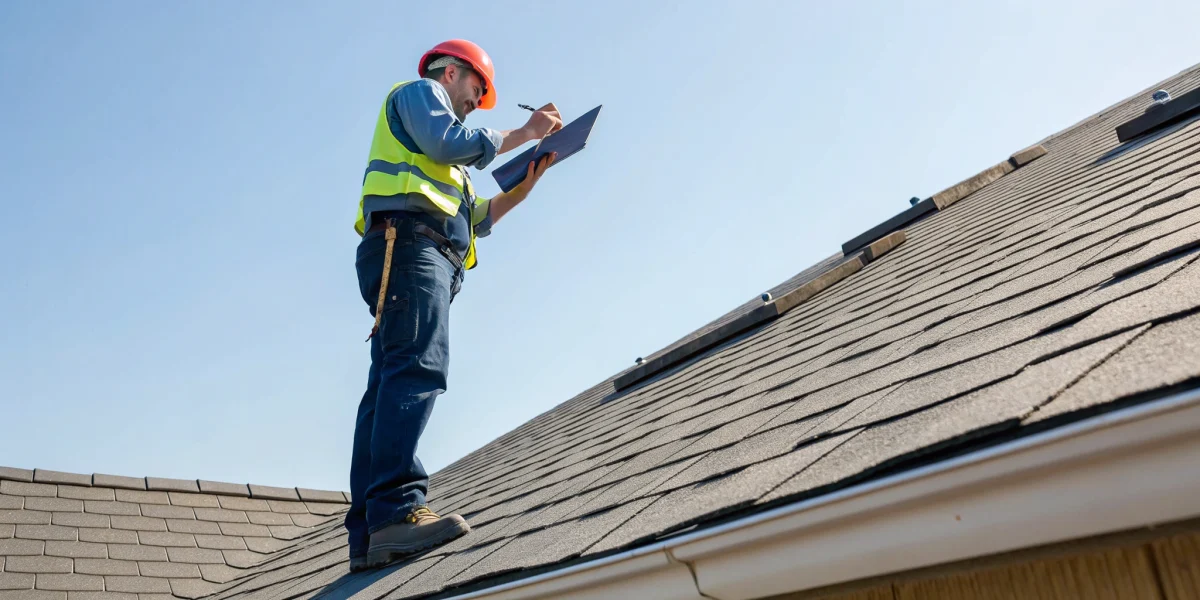
In my years of experience, I’ve seen countless home sales get complicated at the last minute, and the roof is often the culprit. Smart sellers and their real estate agents know that the best way to avoid this is to get ahead of the problem. A roof certification is your best tool for doing just that. It removes a huge question mark for buyers and demonstrates that your home has been meticulously maintained. Knowing how to get a roof certified for selling a house is no longer just a good idea—it’s a strategic move that sets your property apart and paves the way for a successful sale, giving everyone involved the confidence to move forward.
Key Takeaways
- Secure a LeakFREE® certification to gain a competitive edge: This official warranty removes a buyer’s biggest fear, puts you in control of negotiations, and makes your home stand out from the rest.
- Get certified before you list your home: This proactive timing gives you control over any necessary repairs and prevents last-minute issues from derailing your sale.
- Insist on an NRCIA-certified inspector: A certification’s value comes from its credibility. Choosing an inspector with NRCIA credentials ensures you get a standardized, trusted assessment that buyers and lenders respect.
What is a Roof Certification and Why Do You Need One to Sell?
If you’re getting ready to sell your home, you’ve probably got a long to-do list. But there’s one item that can make the entire process smoother and more profitable: a roof certification. Think of it as a professional seal of approval for your roof. A certified inspector conducts a thorough examination and issues a formal document stating that the roof is in good condition and is expected to remain leak-free for a specific period, typically two to five years.
This isn’t just about checking a box. A roof certification gives potential buyers confidence and can prevent last-minute negotiations or a deal falling through because of unexpected roof issues. It shows you’ve been a proactive homeowner and that your property is a sound investment. For many sellers, securing a LeakFREE® roof certification is the key to a faster, more successful sale. It addresses one of the biggest concerns for any homebuyer right from the start, letting them focus on all the other reasons they love your home. By getting ahead of potential problems, you maintain control over the repair process and costs, rather than reacting to a buyer’s inspector report during a stressful negotiation period. It’s a strategic move that protects your home’s value and streamlines the path to closing day.
Roof Certification vs. Roof Inspection: What’s the Difference?
It’s easy to confuse a roof certification with a standard roof inspection, but they serve very different purposes. A regular inspection is essentially a report card for your roof’s current condition; it identifies existing problems like cracked shingles or damaged flashing. A roof certification, on the other hand, goes a step further. It’s a guarantee that the roof will perform as it should for a set period. While an inspection just finds problems, a certification provides a warranty against future leaks. To issue one, an inspector performs a much more detailed assessment. They’re not just looking for current damage—they’re evaluating the roof’s overall integrity and lifespan to confidently back it with a guarantee. This is why a certification from a trained NRCIA professional carries so much more weight in a real estate transaction.
Why Buyers (and Their Lenders) Love Certified Roofs
A certified roof is a powerful signal to everyone involved in a home sale. For buyers, it offers immediate peace of mind. They know they won’t have to face a huge, unexpected expense for a roof replacement right after moving in. This assurance can make your property far more attractive than a competing home with an uncertified, aging roof. It helps you, the seller, by identifying any necessary repairs ahead of time, so you can address them on your own terms and protect your asking price. Lenders also love to see a roof certification. They are investing a significant amount of money in the property, and a faulty roof poses a major risk to that investment. In fact, many banks and mortgage companies require a roof certificate before they will approve a home loan, especially if the roof is older. Having one ready can prevent delays and keep your sale on track.
Clearing Up Common Myths About Roof Certification
Let’s clear up a few common misconceptions about roof certifications. First, they are not typically required by law. However, they are frequently requested by lenders, insurance companies, and savvy buyers as a condition of the sale. Think of it as a practical requirement rather than a legal one. Without it, you might find your pool of potential buyers shrinks considerably. Another myth is that a general home inspection is good enough. A home inspector’s roof check is usually a quick visual scan from the ground or a ladder. A roof certification involves a detailed, on-the-roof examination by a specialist. It’s an official document that attests to the roof’s condition and longevity, often backed by a warranty. It’s this professional guarantee that distinguishes a true roof certification from a simple inspection report.
Breaking Down the Cost of Roof Certification
Let’s talk numbers. Getting your roof certified is an investment, but it’s one of the most practical steps you can take before selling your home. The cost isn’t just a single line item; it’s a combination of the inspection fee and any necessary repairs. Understanding these components helps you plan your budget and avoid any surprises down the road, making the entire home-selling process feel more manageable.
Think of the certification cost as buying confidence—for yourself, for potential buyers, and for their lenders. A certified roof tells everyone involved that the home has been professionally evaluated and meets a high standard of quality. It can prevent last-minute negotiations from falling through over roofing concerns and shows that you’ve been a proactive, responsible homeowner. While the final price tag can vary, it’s helpful to know what to expect. The initial fee covers the professional inspector’s time and expertise to conduct a thorough evaluation of your roof’s condition, both inside and out. From there, the path to certification depends entirely on what they find. Planning for both the inspection and potential fixes is the key to a smooth and successful process that adds real value to your property.
What to Expect for Certification Fees
When you schedule a roof certification, you can generally expect the initial inspection and certification fee to be between $75 and $400. This fee pays for a qualified professional to come to your home and perform a detailed assessment of your roof’s interior and exterior. It’s important to remember that this price covers the inspection service only. It does not include the cost of any repairs that might be needed to bring your roof up to certification standards. Think of it as the starting point—a relatively small price for a professional opinion that can save you major headaches during property negotiations.
What Influences the Final Price?
Several factors can affect the final cost of getting your roof certified. The inspector is on the lookout for specific issues that compromise the roof’s integrity. They will carefully check for signs of leaks, damaged or missing shingles, improper flashing, and poor drainage. The size, pitch, and material of your roof can also play a role in the inspection’s complexity. If the inspector finds significant issues, the cost and scope of the required repairs will be the biggest variable in your total expense. A roof in great shape will cost much less to certify than one that needs extensive work to become a LeakFREE® roof.
Budgeting for Potential Repairs
It’s smart to set aside a budget for potential repairs before you even schedule the inspection. If the inspector identifies any problems, you’ll need to have them fixed by a qualified contractor before the certification can be issued. This isn’t just a hoop to jump through; it’s about ensuring the roof is structurally sound and protecting the home’s value. Addressing repairs proactively means you won’t be scrambling to find a contractor at the last minute. This preparation benefits everyone from homeowners to real estate professionals, making the entire transaction smoother and helping you secure a better price for your home.
How to Choose the Right Roof Inspector
Choosing the right roof inspector feels like a big decision, because it is. This is the professional who will give your roof the green light, making your home sale much smoother for everyone involved. But not all inspectors are created equal. A general home inspector might give your roof a quick glance from the ground, but a certified roof inspector provides a specialized, in-depth assessment that buyers and lenders truly trust. Think of it like seeing a specialist instead of a general practitioner for a specific health concern—you want an expert who knows exactly what to look for.
The right inspector doesn’t just check boxes on a generic form. They give you a clear, accurate picture of your roof’s condition and provide the credible documentation you need to close the deal with confidence. Their report can be a powerful tool in negotiations, showing potential buyers that you’ve proactively addressed one of their biggest potential concerns. Finding this expert isn’t about luck; it’s about knowing what to look for. It comes down to checking for the right credentials, verifying their professional background, and spotting the warning signs of someone who might not be up to the task. Let’s walk through exactly how to do that.
Look for NRCIA Credentials
Your first step is to look for an inspector who is certified by the National Roof Certification and Inspection Association (NRCIA). Since 1995, the NRCIA has been the leading authority for roof inspections, setting the industry standard for what a thorough and reliable assessment looks like. When an inspector holds an NRCIA certification, it means they’ve been trained to a specific, high standard. You’re not just getting their opinion; you’re getting a standardized evaluation that is recognized and respected nationwide. This credential is the clearest sign that you’re working with a true professional who specializes in roofing, not a generalist who just happens to be on your roof.
Verify Their Experience and Insurance
Beyond certification, you’ll want to confirm the inspector has solid experience and is fully insured. Ask how long they’ve been inspecting roofs in your area—local knowledge of weather patterns and common roofing materials is a huge plus. Most importantly, make sure they carry both general liability insurance and workers’ compensation. This protects you from any liability if an accident happens on your property during the inspection. An NRCIA-certified inspector not only meets these professional standards but can also offer a LeakFREE® warranty, which is a massive selling point that gives buyers incredible peace of mind and sets your home apart from the competition.
Warning Signs of a Bad Inspector
Finally, trust your gut and watch out for a few red flags. Be wary of anyone who offers a “certification” without a thorough inspection or who pressures you into unnecessary, expensive repairs on the spot. A credible certification should come from a specialist, so be cautious if a general contractor or handyman offers one without the proper credentials. A professional inspector will provide a detailed, easy-to-understand report and will be happy to show you their certification and proof of insurance. If they’re vague, evasive, or can’t produce their documents, it’s best to move on and find someone else you can trust.
Get Your Roof Ready for Inspection
A roof inspection doesn’t have to be a stressful event. With a little bit of prep work, you can walk into inspection day feeling confident and ready. Taking the time to get your roof in shape beforehand can help you avoid unexpected repair costs and potential delays in your home sale. Think of it as setting yourself—and your roof—up for success. It’s a simple way to ensure a smooth process from start to finish, giving you peace of mind and making your home more attractive to potential buyers. Here’s how you can prepare.
Your Pre-Inspection Checklist
Getting ready for your inspection is straightforward. Start by finding a qualified professional; you’ll want an inspector who is licensed, experienced, and ideally certified by a reputable organization. Once you schedule an inspection, take a walk around your property. Clear any leaves or branches from the roof surface and make sure your gutters are free of debris. While you shouldn’t climb on the roof yourself, these simple steps can make a difference. If the inspector does find any issues, be prepared to complete the necessary repairs to ensure your roof can be certified. Addressing problems upfront is always the smoothest path forward.
Common Problems That Cause a Fail
Inspectors have a trained eye for issues that could lead to future problems, like leaks. Some of the most common reasons a roof might not pass certification include structural problems, such as sagging or weak spots in the roof deck. They’ll also look closely at the condition of your roofing materials, checking for worn-out shingles, cracked tiles, or loose parts. Another major focus is the drainage system. Clogged gutters or improperly installed downspouts can cause water to back up and damage the roof. Finally, poor ventilation can trap moisture in your attic, which shortens your roof’s lifespan and prevents it from becoming one of the certified LeakFREE® roofs.
When to Start Prepping Your Roof
Timing is everything, especially when you’re selling your home. It’s always a good idea to get a roof certification before you list your property. This proactive approach shows potential buyers and real estate professionals that you’ve taken excellent care of your home and gives them one less thing to worry about. It can also prevent last-minute surprises that could derail a sale. For general maintenance, having your roof inspected every few years is a smart move. Regular check-ups help you catch small issues before they become expensive repairs and ensure your roof stays in great condition. This makes the pre-sale certification process much simpler when the time comes to sell.
What to Expect on Inspection Day
Knowing what happens during a roof inspection can take a lot of the stress out of the process. An NRCIA-certified inspector won’t just take a quick look from the street; they perform a detailed, multi-point evaluation to get a complete picture of your roof’s health. The goal is to identify any existing issues and assess the roof’s overall condition to determine if it qualifies for certification. The entire process is methodical and designed to be thorough, ensuring nothing is overlooked. From the moment the inspector arrives, they will systematically work through both the exterior and interior of your property, documenting their findings along the way.
The Exterior Check
The first part of the inspection focuses on the outside of your home. Your inspector will get up on the roof to examine its surface and structure up close. They’ll be looking for any signs of damage, like cracked, curling, or missing shingles or tiles. They will also assess the condition of the flashing around chimneys, vents, and skylights, as these are common spots for leaks. The inspector will check for any sagging or weak spots in the roof’s structure and ensure the drainage systems, like gutters and downspouts, are clear and functioning correctly to prevent water damage. This comprehensive exterior review is the foundation for a trustworthy LeakFREE® roof certification.
The Interior Check
A thorough roof inspection goes beyond the rooftop. To understand the full story, the inspector needs to look for signs of trouble from the inside, too. They will typically need access to your attic to check for water stains, mold, rot, and proper ventilation, which is crucial for your roof’s longevity. They’ll also look at the ceilings and walls in the rooms below for any discoloration or peeling paint that could indicate a hidden leak. This inside-out approach ensures that even subtle problems are caught before they can become major issues for the next homeowner. This level of detail is why so many real estate professionals rely on our certified inspections.
Receiving Your Inspection Report
Once the physical inspection is complete, you’ll receive a detailed report outlining the inspector’s findings. This document will describe the current condition of your roof, the materials used, and its remaining expected lifespan. If your roof meets all the necessary criteria and passes the inspection, this report is used to issue your official roof certification. This certificate is the formal document that proves your roof is in good shape, giving potential buyers and their lenders the confidence they need to move forward with the sale. It’s a powerful tool that validates the integrity of one of the most important parts of your home.
What Happens if Your Roof Fails the Inspection?
Finding out your roof didn’t pass its certification inspection can feel like a major setback, but it’s actually a positive step forward. A failed inspection isn’t a final verdict; it’s a detailed roadmap showing you exactly what needs to be fixed to get your roof in prime condition for selling your home. Think of it as a professional to-do list that eliminates guesswork. The inspector’s report pinpoints specific issues that need attention before the roof can be certified, ensuring you only invest in necessary repairs. Addressing these items not only gets you closer to certification but also protects your home’s value and gives you a stronger position when you get to the negotiating table.
Why Roofs Fail Certification
A roof fails certification when an inspector finds issues that compromise its integrity or shorten its expected lifespan. The goal of a certification is to verify that the roof is in good shape and free of problems that could lead to leaks or other damage in the near future. Common reasons for failure include active leaks, missing or damaged shingles, cracked tiles, deteriorated flashing around chimneys or vents, and signs of moisture in the attic. An inspector isn’t just looking for cosmetic flaws; they’re identifying liabilities. Any problem that prevents the roof from meeting the high standards of a LeakFREE® certification must be flagged so it can be properly addressed.
Your Plan for Making Repairs
Your inspection report is your guide. It will clearly list every issue that needs to be corrected to pass the certification. Your next step is to hire a qualified roofing contractor to complete these repairs. It’s best to tackle this right away, as you can’t get certified until the work is done. View these repairs as a direct investment in your home sale. By proactively fixing known problems, you show potential buyers that you’ve maintained the property well, which can help you secure a better price and a smoother closing. Once the repairs are handled, you’re ready for the final step in the process.
The Re-Inspection Process
After you’ve completed all the required repairs, you’ll schedule a re-inspection. This follow-up visit is typically much quicker than the initial one, as the inspector focuses specifically on the previously noted issues to confirm they’ve been resolved correctly. They will verify that the workmanship is solid and the roof now meets all the necessary standards. Once your roof passes this final check, you’ll receive your official roof certification. This document serves as proof to buyers and their lenders that your roof is in excellent condition, giving everyone the confidence needed to move forward with the sale.
Understanding Your Certification Documents
Once your roof passes its inspection, you’ll receive a set of documents that serve as official proof of its condition. This paperwork is more than just a formality; it’s a powerful tool that adds tangible value to your home and gives potential buyers the confidence to make an offer. Think of it as your roof’s official report card—one that you can proudly share during the selling process. Understanding what these documents say and how to use them will help you make the most of this valuable asset.
What Your Certificate Includes
Your roof certificate is a straightforward document that summarizes the inspector’s findings. It provides a clear snapshot of your roof’s health for you and any potential buyers. Inside, you’ll find key details like the roof’s approximate age, the type of materials used (like asphalt shingles or tile), and its current condition. The certificate will also state the roof’s estimated remaining lifespan and list any repairs that were required to meet certification standards. This document essentially eliminates guesswork, giving everyone involved in the transaction a clear and professional assessment of the roof.
All About the LeakFREE® Warranty
Here’s where an NRCIA certification really stands out. With it, you don’t just get a piece of paper; you get a LeakFREE® Roofs warranty. This is the only standardized warranty in the roofing industry, and it’s a game-changer. Unlike a roofer’s guarantee that might only cover a small repair patch, our warranty protects the entire roof against leaks for the duration of the certification period. It’s a comprehensive promise that provides genuine peace of mind, assuring the new owner that they won’t be dealing with unexpected drips and costly water damage after they move in.
How to Transfer the Certificate to the Buyer
One of the best features of your roof certification is that it’s fully transferable to the new homeowner. This process is simple and adds a significant layer of trust and value to your sale. During closing, the certification and its accompanying LeakFREE® warranty can be passed along to the buyer, giving them the same protection you had. For real estate professionals and buyers, this is a major selling point that can make your property much more attractive than comparable homes without a certified roof. It shows you’ve been a proactive and responsible homeowner, which helps build confidence and can lead to a smoother, faster sale.
How a Certified Roof Helps You Sell Faster
Selling your home can feel like a marathon, but getting your roof certified is like giving yourself a head start. It’s a proactive step that addresses one of the biggest concerns for potential buyers right from the beginning. A certified roof isn’t just a piece of paper; it’s a powerful marketing tool that can streamline negotiations, build buyer confidence, and make your property the one that everyone wants. By investing in a certification before you list, you’re not just preparing your house for sale—you’re setting the stage for a smoother, faster, and more profitable transaction.
Gain an Edge in Negotiations
A roof certification puts you in control of the conversation. Instead of waiting for a buyer’s inspector to find potential issues, you’ll already know the exact condition of your roof. This information is your leverage. You can address any necessary repairs on your own timeline and budget, avoiding the inflated quotes and last-minute scrambles that can happen during closing. This proactive approach benefits both homeowners and real estate professionals by removing the roof as a bargaining chip for the buyer. It shows you’ve done your due diligence, leaving less room for them to negotiate the price down based on roofing concerns. You’re selling a home with a proven, reliable roof, and that’s a position of strength.
Give Buyers Peace of Mind
For a homebuyer, the roof is one of the biggest and most expensive unknowns. The fear of a leaky roof or a surprise replacement can make even the most enthusiastic buyer hesitate. A LeakFREE® roof certification erases that anxiety. It’s a formal document from a qualified professional confirming that the roof is in good shape and is expected to perform well for a set period. This third-party validation gives buyers the confidence to make an offer. They know they aren’t inheriting a massive, immediate expense. This peace of mind is invaluable and can make your home feel like a safer, more secure investment than other properties on the market.
Make Your Home Stand Out
In a competitive real estate market, you need every advantage you can get. A certified roof is a standout feature that immediately sets your property apart. Real estate agents love highlighting it in listings because it builds instant trust and shows that your home has been meticulously maintained. Buyers and their agents always pay close attention to the roof, and having a certification ready to go proves you’re a transparent and responsible seller. When a buyer is weighing their options between two similar homes, the one with the certified, worry-free roof is often the one that gets the offer. It’s a simple step that makes a huge impression.
When to Schedule Your Roof Certification
Timing is everything when selling your home. Scheduling your roof certification at the right moment streamlines the sale, puts you in control of repairs, and makes your home more attractive to buyers. Getting this step on your calendar early is one of the smartest moves you can make. It prevents last-minute surprises that can derail a deal and shows potential buyers that your home has been meticulously cared for. By being proactive, you set the stage for a smoother, more profitable sale.
Finding the Sweet Spot in Your Selling Timeline
The ideal time to schedule your roof certification is before you officially list your home. Getting a professional assessment early gives you a clear picture of your roof’s condition, allowing you to handle any needed repairs on your own terms. This proactive approach prevents stressful, last-minute discoveries during the buyer’s inspection. A pre-listing certification also acts as a powerful marketing tool. It builds trust from the start and can help you secure a better price. For homeowners, this is a key step to a successful sale.
Does the Season Matter?
While you can get a roof inspected any time of year, some seasons are simpler. Spring and fall generally offer mild weather, which is ideal for inspections and potential repairs. However, don’t let the calendar be your only guide—the most important factor is getting it done before you list. A certified roof is a huge asset regardless of the season. In fact, having that certification during a rainy spring or snowy winter can be especially reassuring to buyers. It shows them you’ve already addressed potential issues, giving them one less thing to worry about.
Allowing Time for Potential Repairs
The biggest reason to schedule your certification early is to leave a buffer for repairs. If an inspector finds issues, they must be fixed before the roof can be certified. Discovering a problem when you’re already under contract can cause major delays and stress. By scheduling your inspection a month or two before you list, you give yourself time to get quotes, hire a contractor, and complete the work without pressure. This approach keeps your sale on track and helps you achieve a LeakFREE® certification, the gold standard that gives buyers ultimate peace of mind.
Related Articles
- Certified Roof Inspection for Home Sale: A Guide
- What Is a Roof Certification? A Homeowner’s Guide
- Is a Roof Certification a Warranty? A Clear Guide
Frequently Asked Questions
How long is a roof certification valid? A roof certification is typically valid for a period of two to five years. The exact length of the term depends on several factors, including the age, material, and overall condition of your roof at the time of the inspection. The inspector will determine the appropriate duration based on their professional assessment, giving you and any future buyer a clear timeline for the roof’s expected performance.
If my roof needs repairs to pass, do I have to use a specific contractor? Generally, you are free to choose any qualified and licensed roofing contractor to perform the necessary repairs. The most important thing is that the work is completed correctly and meets the standards outlined in the inspection report. Once the repairs are done, the inspector will return to verify the quality of the work before issuing the final certification.
My roof is brand new. Do I still need to get it certified? While a new roof is a fantastic selling point, a certification provides an extra layer of credibility that buyers love. It serves as an independent, third-party validation of the installation quality and materials. Plus, an NRCIA certification comes with a transferable LeakFREE® warranty, which is a powerful tool that can make your home stand out and give the new owner total peace of mind.
Is the LeakFREE® warranty different from a standard home warranty? Yes, they are very different. A typical home warranty is a broad service contract that covers multiple home systems, but it often has many limitations, deductibles, and exclusions when it comes to the roof. The LeakFREE® warranty is a specialized guarantee that focuses solely on the roof, promising that the entire surface will remain free of leaks for the full certification period. It’s a direct promise of quality and performance.
Can I get a roof certification even if I’m not planning to sell my home? Absolutely. Getting your roof certified is a smart move for any proactive homeowner. It gives you a clear understanding of your roof’s health, helps you catch small problems before they become expensive disasters, and provides valuable documentation for your own records or for insurance purposes. It’s a great way to protect one of your home’s most important assets.
