
No one wants to deal with the frantic scramble of finding buckets during a sudden roof leak. Yet, many property owners wait for a disaster before thinking about their roof’s health. A professional roof inspection shifts you from a reactive, stressful position to a proactive, controlled one. It’s a strategic check-up designed to catch small vulnerabilities—a cracked shingle or failing sealant—before they turn into catastrophic, expensive failures. By scheduling a regular assessment, you stay ahead of problems, extend your roof’s lifespan, and save yourself from the high cost and headache of emergency repairs down the road.
Key Takeaways
- Think Proactively to Prevent Problems: Schedule professional roof inspections annually and after major storms. This preventative approach helps you catch small issues like cracked shingles or failing sealant before they escalate into widespread water damage, saving you from costly emergency repairs.
- Hire a Certified Expert, Not Just a Contractor: The value of an inspection lies in the inspector’s expertise. Always verify credentials, licensing, and insurance, and prioritize professionals with certifications to ensure you get an unbiased, thorough assessment based on industry standards.
- A Quality Inspection is a Top-to-Bottom Assessment: A comprehensive inspection isn’t just a quick look from a ladder. A true professional examines the entire roofing system, including the exterior materials, the interior attic space for hidden leaks, and the underlying structural integrity to give you a complete picture of your roof’s health.
What Is a Professional Roof Inspection?
Think of a professional roof inspection as a complete health check-up for the top of your home. It’s a detailed assessment conducted by a trained expert to evaluate the condition of your entire roofing system. The goal is to catch small issues before they become big, expensive problems, giving you a clear picture of your roof’s current health and what to expect in the future. This isn’t just a quick glance from the ground; it’s a thorough examination of every component that protects you from the elements.
A comprehensive inspection provides you with a detailed report outlining any damage, potential vulnerabilities, and recommended actions. This information is invaluable whether you’re a homeowner wanting to maintain your property, a buyer needing to verify the condition of a potential new home, or a real estate professional aiming for a smooth transaction. For anyone who relies on a roof for protection, an inspection offers peace of mind and a solid plan for moving forward. It’s a proactive step that protects your investment and ensures the safety of your property for years to come.
What to Expect During an Inspection
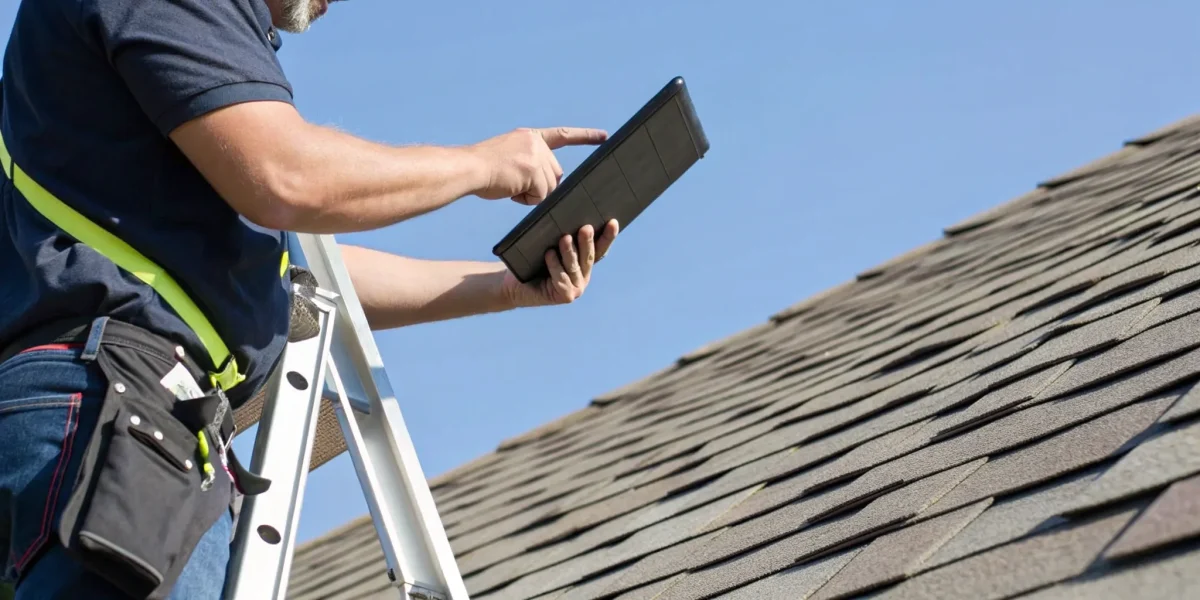
When an inspector arrives, they’ll perform a systematic review of your roof from the inside out. The process usually starts with an exterior check, where they will get on the roof to get a close look at the shingles, flashing, gutters, vents, and chimneys. They’re searching for signs of wear and tear like cracked or missing shingles, damaged flashing, and blockages in the gutters.
After assessing the exterior, the inspector will move inside to check your attic and ceilings. From the attic, they can spot signs of leaks that aren’t visible from the outside, like water stains, mold, or rot on the underside of the roof deck. They’ll also check for proper insulation and ventilation, which are key to your roof’s longevity. This complete guide to roof inspections shows how this two-part process gives you a full understanding of your roof’s condition.
Who Should Inspect Your Roof?
When it comes to something as critical as your roof, you want an expert with proven credentials, not just a general contractor or a handyman. The person inspecting your roof should have specific training and certification in roof systems. A certified inspector understands the complex ways a roof can fail and knows exactly what to look for. They follow a strict set of standards to ensure nothing is missed.
An inspector with an NRCIA certification has passed rigorous training, adheres to a professional code of ethics, and is licensed to perform inspections to the highest industry standard. Choosing a certified professional means you’re getting an unbiased, expert opinion based on specialized knowledge. This ensures the report you receive is accurate and trustworthy, giving you the confidence to make informed decisions about your property.
Why Get a Professional Roof Inspection?
Your roof is your home’s first line of defense against the elements, but it’s easy to forget about it until something goes wrong. A professional roof inspection is one of the smartest investments you can make in your property. It’s a proactive step that shifts you from reacting to disasters to preventing them altogether. Think of it as a health check-up for your home that provides a clear, expert assessment of its condition.
An inspection gives you a detailed snapshot of your roof’s health, identifying minor issues before they escalate into costly, complex repairs. Whether you’re a homeowner wanting to protect your investment, a real estate agent closing a deal, or a property manager maintaining a building, understanding the true condition of your roof is essential. A certified inspector provides the clarity and documentation needed to make informed decisions, secure insurance, and protect your property’s value for years to come. This peace of mind is invaluable for all the different professionals and property owners we work with.
Catch Problems Early to Save Money
Ignoring a small roof issue is like ignoring a toothache—it only gets worse and more expensive over time. A single cracked shingle or a small section of failing sealant might not seem like a big deal, but it can allow water to seep in, leading to wood rot, mold growth, and damaged insulation. Before you know it, a simple fix has turned into a major renovation project.
A professional roof inspection is designed to catch these problems early. A trained inspector knows exactly what to look for, from subtle signs of hail damage to hidden deterioration around vents and chimneys. By identifying and addressing these minor issues right away, you can prevent widespread damage and avoid the stress and high costs of emergency repairs down the road.
Protect Your Home’s Value
Your roof plays a huge role in your home’s curb appeal and overall market value. A stained, sagging, or damaged roof can be a major red flag for potential buyers, while a well-maintained one signals that the property has been cared for. Regular inspections help extend the life of your roof, ensuring it looks great and functions properly for as long as possible.
When it comes time to sell, having recent inspection reports and a certification can make the process much smoother. It gives buyers confidence and can even justify a higher asking price. A certified LeakFREE® roof provides documented proof of the roof’s condition, protecting your investment and making your property stand out in a competitive market.
Meet Insurance and Warranty Requirements
Sometimes, a roof inspection isn’t just a good idea—it’s a requirement. Many home insurance companies require an inspection before issuing or renewing a policy, especially for older homes. They need to know that the roof is in good condition to manage their risk. Without a satisfactory report, you could face higher premiums or even be denied coverage.
Similarly, manufacturer warranties for roofing materials often require periodic inspections to remain valid. A professional inspection provides the necessary documentation to prove you’ve met these maintenance requirements. A roof certification, issued by a qualified inspector after a thorough evaluation, serves as a formal statement on the roof’s condition and expected lifespan, satisfying the needs of insurance carriers, lenders, and warranty providers.
When Should You Schedule a Roof Inspection?
Knowing the right time to schedule a roof inspection can save you from costly repairs and give you peace of mind. While some situations are obvious, others are less so. Generally, there are three key times to call a professional: when you spot clear warning signs, as part of a regular maintenance schedule, and after severe weather hits your area. Staying on top of these moments is one of the best ways to protect your investment and keep your home safe and dry.
Warning Signs You Can’t Ignore
Your roof often gives you hints that something is wrong before a major problem occurs. If you notice water stains on your ceiling, dark streaks on your walls, or any signs of mold, it’s time to call for an inspection right away. From the outside, look for missing, cracked, or curling shingles. Another tell-tale sign is finding an excessive amount of shingle granules in your gutters. These are all indicators that your roof’s integrity is compromised. Acting quickly can prevent a small issue from turning into a major leak, helping you maintain one of your home’s most important protections: a LeakFREE® roof.
How Often to Schedule an Inspection
Beyond reacting to visible damage, proactive inspections are essential for your roof’s health. Think of it like a yearly check-up with your doctor. Experts recommend scheduling a professional roof inspection once a year. An annual review allows a trained inspector to catch subtle signs of wear and tear that could become serious problems if left unaddressed. This simple, preventative step helps extend the life of your roof, maintains your home’s value, and ensures that your warranty requirements are met. Regular inspections are a smart move for all property stakeholders, from homeowners to property managers.
Why You Need an Inspection After a Storm
Severe weather is one of the biggest threats to your roof. After a storm with strong winds, hail, or heavy snow, you should always schedule an inspection, even if you don’t see any obvious damage from the ground. High winds can lift and loosen shingles, breaking the seal that keeps them waterproof. Hail can create small, hidden fractures that compromise the shingle’s surface and lead to leaks down the road. If you suspect your roof was damaged, your first call should be to your home insurance company. They can guide you on the next steps for a claim and may send their own inspector to assess the situation.
What Do Roof Inspectors Look For?
A professional roof inspection is much more than a quick glance from the ground. It’s a detailed, systematic evaluation of your entire roofing system, from the shingles on top to the ventilation in your attic. Certified inspectors are trained to identify subtle signs of wear and tear that could easily be missed, spotting potential issues before they turn into costly emergencies. They follow a comprehensive checklist to ensure every component is examined, giving you a complete picture of your roof’s condition.
This thorough process involves checking the exterior surfaces, the interior spaces beneath the roof, and the underlying structure that holds it all together. An inspector’s goal is to assess the roof’s current performance, estimate its remaining lifespan, and identify any necessary repairs. By understanding what a professional looks for, you can better appreciate the value of a detailed inspection and feel more confident in the results. A proper roof inspection provides the clarity you need to protect your property.
Common Problems Found During Inspections
The main goal of a roof inspection is to catch problems early. Small issues like a cracked shingle or a clogged gutter can quickly escalate into major leaks and water damage, which account for a significant number of home insurance claims. Finding these problems when they’re minor saves you money and a lot of future headaches.
Inspectors are on the lookout for a range of common issues, including missing, broken, or curling shingles, which can leave your roof deck exposed to the elements. They also check for failing flashing around chimneys and vents, deteriorated sealant, and signs of algae or moss growth, which can trap moisture. By identifying these vulnerabilities, an inspector helps you address them proactively, ensuring your roof remains a reliable, LeakFREE® shield for your home.
Checking the Exterior: Shingles, Flashing, and More
The exterior inspection is a hands-on assessment of every visible part of your roof. A certified inspector will carefully examine the condition of your shingles or other roofing materials, looking for signs of aging like cracking, blistering, or granule loss. They’ll also pay close attention to the flashing—the metal strips that seal joints around chimneys, skylights, and vents—to ensure it’s secure and free of rust or gaps.
The inspection doesn’t stop there. Gutters and downspouts are checked for blockages and proper alignment to ensure water is being channeled away from your foundation. The inspector will also look for any sagging or uneven spots on the roof plane, which could indicate a deeper structural problem. Every component is evaluated to make sure the entire system is working together to keep your home dry.
Looking Inside: Attic and Ceiling Clues
Some of the most important clues about a roof’s health are found inside the home. That’s why a thorough inspection always includes a trip into the attic. From here, an inspector can spot signs of trouble that aren’t visible from the outside. They’ll look for water stains on the underside of the roof deck, damp insulation, or signs of mold and rot, which are all clear indicators of a leak.
The attic also reveals how well your roof is ventilated. Poor airflow can lead to moisture buildup and extreme temperatures that shorten your roof’s lifespan. An inspector will check for blocked vents and other ventilation issues. This comprehensive approach serves all types of property owners, from individual homeowners to property managers, by providing a complete diagnostic of the roofing system.
Assessing Structural and Safety Issues
Beyond surface-level problems, a professional inspector assesses the roof’s structural integrity. This is a critical safety check to ensure the framework supporting your roof is sound. The inspector will look for any signs of sagging across the roof ridges or in the middle of the roof deck, which could point to framing issues or water-damaged sheathing. They may also walk the roof carefully to feel for soft, spongy spots that indicate the underlying wood has weakened.
These structural problems are serious and often develop because roofs aren’t inspected regularly. A trained professional knows exactly what to look for, using their expertise to identify issues that could compromise the safety of your entire home. The rigorous training and education NRCIA inspectors receive prepares them to spot these critical structural concerns.
What to Look for in a Roof Inspector
Choosing the right person to inspect your roof is just as important as the inspection itself. You need someone with the right skills, a keen eye for detail, and the credentials to back it up. A thorough inspection from a qualified professional gives you a clear picture of your roof’s health and helps you make informed decisions. So, how do you find an inspector you can trust? It comes down to checking their training, understanding the standards they follow, and verifying their credentials.
Essential Certifications and Training
Not all inspectors are created equal. The best ones have invested in professional training and certification to master their craft. Look for an inspector who is professionally accredited. For example, NRCIA members are required to pass rigorous training, follow a strict code of ethics, and maintain their license annually to perform inspections. This ensures they are up-to-date on the latest industry standards and techniques. This level of commitment to education means you’re getting an expert who truly understands the complexities of a roofing system, from residential shingles to commercial flat roofs.
The NRCIA Certification Standard
A certification is more than just a piece of paper; it represents a commitment to a specific standard of quality. The NRCIA provides the industry’s only nationally standardized roof inspection process. This is a huge benefit for you. It means that an NRCIA-certified inspector in Florida follows the same meticulous process as one in Oregon, delivering a consistent and reliable report every time. This standardization removes the guesswork, giving you, your real estate agent, or your insurance company a clear and easy-to-understand assessment of your roof’s condition and its expected lifespan.
How to Verify Insurance and Licensing
Before you let anyone on your roof, you need to do a little homework. Always ask for proof of insurance, including general liability and workers’ compensation. This protects you from any liability in case of an accident on your property. While a specific degree isn’t required to become a roof inspector, proper qualifications are essential for credibility. You can easily find a qualified professional and verify their standing through the NRCIA. A reputable inspector will have no problem providing their credentials, so don’t be shy about asking. It’s a simple step that provides significant peace of mind.
How Much Does a Roof Inspection Cost?
One of the first questions homeowners and property managers ask is about the cost of a professional roof inspection. Think of it not as an expense, but as a small investment in protecting one of your most significant assets. The price for a thorough inspection is minor compared to the cost of extensive, unexpected roof repairs. While the final number can vary, understanding the typical price range and the factors that influence it will help you budget accordingly and see the clear value in a professional assessment.
A quality inspection gives you a complete picture of your roof’s health, identifying potential issues before they become costly disasters. This proactive approach is key to maintaining your property’s integrity and ensuring the safety of everyone under its roof. It also provides the documentation you might need for insurance purposes or when selling your property.
Understanding the Average Price
So, what should you expect to pay? Across the country, most homeowners pay between $125 and $571 for a professional roof inspection, with the national average sitting around $331. Some sources, like HomeAdvisor, report a slightly tighter typical range of about $120 to $321.
Consider this a ballpark figure. The final quote you receive will depend on the specifics of your property, which we’ll cover next. For this price, you’re getting an expert evaluation that can save you thousands in the long run by catching leaks, structural damage, and wear and tear early. The peace of mind that comes with a certified inspection and the potential for a LeakFREE® roof warranty is well worth the initial cost.
What Factors Influence the Cost?
Not all roofs are created equal, so inspection costs aren’t one-size-fits-all. An inspector will consider several key factors when preparing your quote. Knowing what they are can help you understand the price you’re given.
- Roof Size and Complexity: A larger roof with multiple levels, dormers, and skylights takes more time to inspect than a simple, single-story gable roof.
- Pitch and Accessibility: A steep roof requires extra safety equipment and expertise, which increases the cost. Taller buildings or hard-to-reach roofs may also require special equipment.
- Roofing Material: Standard asphalt shingles are straightforward to inspect, but materials like slate, tile, or metal may require a specialist to avoid causing damage.
- Type of Inspection: A standard visual inspection is most common. More advanced assessments, like the California SB 721 inspections for elevated exterior elements, are more intensive and cost more.
- Urgency: If you need an inspection right away for an emergency or real estate transaction, expect to pay a premium for expedited service.
What Happens After the Inspection?
Once the inspector leaves, your work begins. The inspection itself is the diagnostic step; what comes next is the action plan. You’ll receive a comprehensive report that outlines the current state of your roof and provides a clear path forward. This document is your most valuable tool for making informed decisions, whether you’re planning repairs, negotiating a home sale, or filing an insurance claim. Think of it as a detailed health record for your roof, giving you the insights needed to protect your home and your investment for years to come.
How to Read Your Inspection Report
Your roof inspection report is more than just a checklist. It’s a detailed narrative of your roof’s condition, complete with photos and expert analysis. A professional report will clearly explain any issues found, from minor wear and tear to significant structural concerns, and suggest what to do next. Don’t feel overwhelmed by the technical terms. The report is designed to be a practical guide, breaking down complex information into understandable sections. It will pinpoint the exact locations of problems and provide the evidence you need to move forward. The detailed documentation from NRCIA’s specialized inspection software ensures you have a clear and objective record.
Prioritizing Recommended Repairs
Not all roof problems are created equal. Your inspection report will help you understand which repairs are urgent and which can be scheduled for later. Inspectors look for everything from damaged shingles and failing flashing to structural issues that could compromise your home’s safety. Addressing minor issues promptly is one of the best ways to prevent them from turning into costly, catastrophic failures down the road. Use the report to create a maintenance plan, tackling the most critical items first to ensure your roof remains in top condition and qualifies for a LeakFREE® certification. This proactive approach saves you money and gives you peace of mind.
Using Your Report for Insurance Claims
When it comes to insurance, a detailed inspection report is your best friend. If your roof has been damaged in a storm, a thorough, third-party assessment from a certified inspector provides the unbiased proof you need to file a successful claim. NRCIA reports are trusted by insurance companies because they offer credible, photo-documented evidence. Without this professional documentation, you risk having your claim denied or your policy canceled. A clean bill of health from an inspector can also help you secure or maintain your homeowner’s insurance, proving that your roof is a sound and manageable risk.
How to Prepare for a Roof Inspection
A professional roof inspection is a straightforward process, and a little prep work on your end can make a huge difference. Taking a few simple steps before the inspector arrives helps them work safely and efficiently, ensuring you get the most thorough assessment possible. Think of it as setting the stage for a smooth, productive appointment. Whether you’re a homeowner, a real estate agent, or a property manager, these preparations will help you get the clear answers you need about your roof’s condition.
Preparing your property allows the inspector to access all necessary areas without delay or obstruction. It also shows you’re proactive about your property’s maintenance. By having relevant documents ready and ensuring the site is safe, you help the inspector focus entirely on the task at hand: evaluating the health of your roof. This collaboration leads to a more accurate report and a better experience for everyone involved.
Clearing the Way for Access and Safety
Before your inspector arrives, take a walk around your property to clear any potential obstacles. Move vehicles from the driveway and clear items away from the perimeter of your house, like patio furniture, grills, and toys. This gives the inspector a safe, wide berth to place their ladder and move around freely. Also, make sure the path to your attic or crawl space is unobstructed inside.
It’s also a good idea to secure any pets indoors for their safety and to prevent any interruptions. Finally, gather any documents you have related to your roof, such as previous repair invoices, warranty information, or original building plans. Having this history on hand can provide your inspector with valuable context about your roof’s past performance and materials.
What to Expect on Inspection Day
On the day of the inspection, the professional will typically start by examining your roof from the ground, looking for obvious issues like sagging or damage. Next, they will use a ladder to get a close-up view of the shingles, flashing, gutters, chimneys, and any skylights. They’ll be checking for things like cracked or missing shingles, signs of water pooling, and deteriorating seals.
The inspection isn’t limited to the exterior. The inspector will also need to check inside your home, specifically in the attic, to look for signs of leaks, water stains, rot, and inadequate ventilation. Once the assessment is complete, you should receive a detailed report, often with photos, that outlines their findings and provides clear recommendations for any necessary repairs. An NRCIA-certified inspector is trained to provide this comprehensive analysis, giving you the information you need to protect your property.
How Can You Extend Your Roof’s Life?
A little proactive care goes a long way in making your roof last. Think of it like regular check-ups for your car—addressing small issues now prevents major breakdowns later. While some tasks are simple enough to handle on your own, others require a trained professional’s eye. By combining your own regular observations with expert inspections, you can significantly extend the life of your roof, protecting your home and your investment for years to come. Here’s how you can strike that perfect balance.
Simple Maintenance You Can Do Yourself
You don’t need to climb a ladder to be your roof’s first line of defense. A few times a year, especially after a big storm, take a walk around your property and do a quick visual check from the ground. Look for any obvious signs of trouble like missing or cracked shingles. Keeping your gutters clean is another huge help; clogged gutters can cause water to back up under your shingles, leading to rot and leaks. It’s also smart to trim any tree branches hanging over your roof. This prevents leaves from piling up and reduces the risk of damage from falling limbs during a storm. These simple roof maintenance tips can make a big difference.
Know When to Call a Professional
While DIY checks are great for spotting obvious issues, they can’t replace a professional’s expertise. You should always schedule a professional roof inspection if you’re buying or selling a home, filing an insurance claim, or notice signs of a leak, like water stains on your ceiling. A certified inspector has the training and tools to identify subtle damage that an untrained eye would miss, from hidden moisture intrusion to structural weaknesses. If you see anything that concerns you, from a few loose granules in your downspout to a curled shingle, it’s best to get an expert opinion. Catching these problems early is the key to avoiding expensive, large-scale repairs down the road.
Why Hire a Pro Instead of DIY?
The DIY spirit is fantastic for many home projects, but when it comes to your roof, calling in a professional is the smartest and safest move. A roof is a complex system, and a thorough inspection requires more than just a quick look from a ladder. The potential for missing a critical issue—or worse, getting injured—is high. A professional inspector brings the right combination of safety training, specialized equipment, and deep expertise to give you a true picture of your roof’s health, ensuring your home and family are protected.
The Professional Advantage: Safety and Tools
First and foremost, safety is a major reason to hire a pro. Navigating a sloped, elevated surface comes with serious risks that certified inspectors are trained to manage. Beyond safety, professionals have access to technology that goes far beyond what the naked eye can see. They use tools like infrared scanners and drones to detect hidden moisture, heat loss, and subtle damage that would otherwise go unnoticed. This advanced equipment allows for a comprehensive assessment without invasive methods, giving you a complete and accurate report on your roof’s condition. This level of detail is essential for catching problems before they become expensive disasters.
What a Trained Eye Sees That You Might Miss
Not all inspectors are created equal, and a general home inspector may not have the specialized knowledge required for a detailed roof assessment. A certified roof inspector, on the other hand, has a trained eye for the nuances of different roofing materials, flashing techniques, and ventilation systems. NRCIA members undergo rigorous training and education to understand these complexities. They can spot subtle signs of wear, improper installation, or storm damage that a DIYer would easily overlook. This expertise ensures that your roof is evaluated against strict industry standards, giving you the confidence that your inspection is both thorough and reliable.
Related Articles
- Comprehensive Roofing Inspections: A Service to Clients – NRCIA
- Roof Inspections – NRCIA
- Inspection Process Archives – NRCIA
- roof inspection Archives – NRCIA
- Inspection Report Archives – NRCIA
Frequently Asked Questions
What’s the difference between a roof inspection and a roof certification? Think of an inspection as the detailed check-up and the certification as the clean bill of health that comes after. An inspection is the process where a professional evaluates your roof and gives you a comprehensive report on its condition. A certification, like our LeakFREE® warranty, is a guarantee issued once the roof passes that inspection, confirming it’s in solid shape and warranting it against leaks for a set period.
My home inspector said they’d check the roof. Isn’t that enough? While a general home inspector gives a great overview of the entire property, a roof is a complex system that benefits from a specialist’s eye. A certified roof inspector has specific, in-depth training to spot subtle signs of damage, wear, or improper installation that a generalist might overlook. It’s like seeing a cardiologist for a heart issue instead of relying on a general practitioner—you’re getting a higher level of focused expertise.
How long does a professional roof inspection usually take? You can typically expect a thorough inspection to last anywhere from one to three hours. The exact time depends on a few things, like the size of your roof, its steepness, and its complexity. A simple, single-story roof will naturally take less time to assess than a large, multi-level roof with several chimneys, valleys, and skylights.
Will an inspector try to sell me on expensive repairs or a new roof? A professional inspector’s job is to provide an objective, fact-based assessment, not to sell you services. An NRCIA-certified inspector, in particular, works as an unbiased third party, adhering to a strict code of ethics. They provide a detailed report of their findings, which you can then use to get accurate and competitive quotes from qualified roofing contractors if repairs are needed.
What if the report shows a lot of problems? Am I required to fix everything? Not at all. The inspection report is an informational tool to help you understand your roof’s condition and plan your next steps. It will typically prioritize the recommended repairs, separating urgent issues from minor ones that can be addressed later. This gives you the clarity to create a budget and a timeline, tackling the most critical fixes first to protect your home.
