
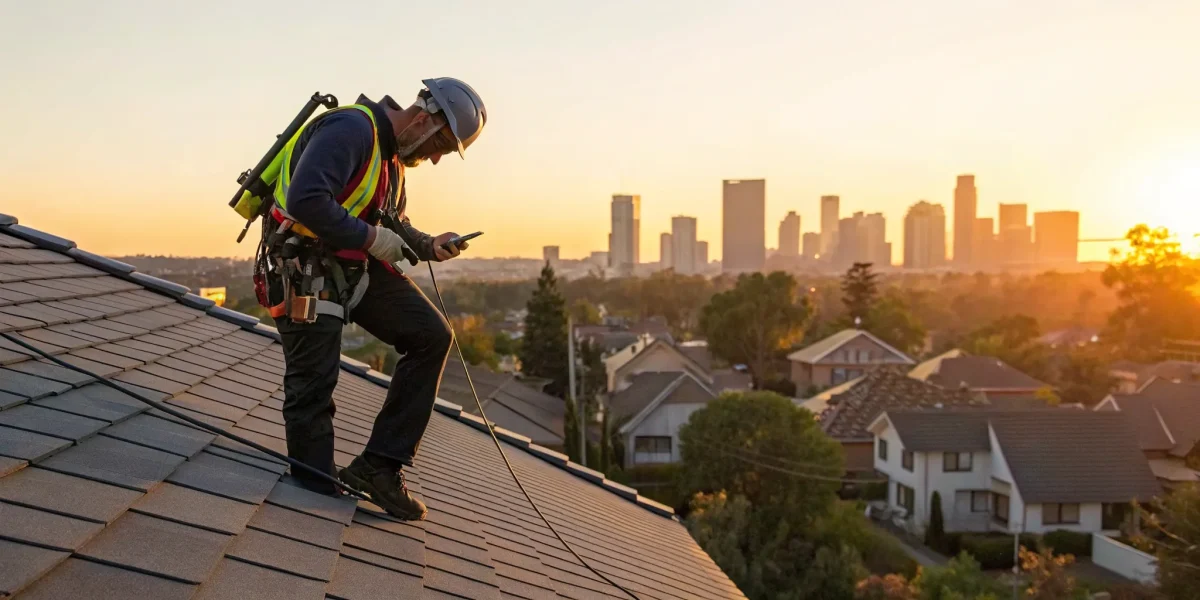
Starting your own business means finding a service that is always in demand. Every property sale, insurance claim, and maintenance check creates a need for a qualified roof inspector. This provides a steady stream of potential clients and a solid foundation for a profitable business you can build on your own terms. But to succeed, you need credibility from day one. Earning a professional certification is the single most important step to establishing yourself as an expert that clients can trust. This guide is your complete roadmap, explaining how to become a certified roof inspector, from choosing the right training program to marketing your new business and building a loyal client base.
Key Takeaways
- Choose a program that builds true expertise: A reputable certification path involves more than a single course; it requires comprehensive training, hands-on experience, and a commitment to continuing education to prepare you for a long-term career.
- Combine technical knowledge with strong communication: Your value isn’t just in finding issues on a roof, but in your ability to clearly explain those findings to clients in a professional report they can understand and act on.
- Use your certification as a strategic business tool: Your credentials open the door to higher earning potential and allow you to build a niche by specializing in areas like commercial properties, insurance claims, or offering exclusive LeakFREE® warranties.
What Does a Certified Roof Inspector Do?
So, what does a certified roof inspector actually do? It’s about much more than just spotting a few missing shingles. A certified inspector is a trained professional who provides a thorough evaluation of a roof’s condition, ensuring it’s safe, secure, and built to last. Think of yourself as a detective for the top of a building. You’ll be the go-to expert for homeowners needing peace of mind, real estate agents closing a deal, and property managers maintaining their investments. Your detailed assessments help people make informed decisions and protect one of their most valuable assets.
A Day in the Life of an Inspector
As a roof inspector, no two days are exactly the same, but they all revolve around a core mission. Roof inspectors are essential for making sure roofs are safe and strong on homes and other buildings. Your day might start with scheduling inspections and communicating with clients, then heading out to a property. You’ll spend time on-site, carefully examining the roof system, taking photos, and making detailed notes. The job is a great mix of hands-on fieldwork and focused office time, where you’ll compile your findings into a clear, professional report. Because people care so much about keeping their properties safe, this job is in high demand, serving a wide range of clients who depend on your expertise.
The Types of Inspections You’ll Perform
A professional inspection goes far beyond a quick glance from the ground. A roof inspector checks the whole roof, including its structure, materials, and overall condition—not just for leaks. At NRCIA, our inspectors perform a detailed ‘five-zone inspection’ that covers the property from the inside out: the interior ceilings, attic, exterior walls, garage, and the rooftop itself. You’ll conduct visual checks for damage, assess the quality of materials, and identify any potential safety hazards. After gathering photos and notes from each zone, you’ll deliver a comprehensive report within 24-48 hours, giving your client a complete picture of their roof’s health and the assurance that comes with a LeakFREE® certification.
What Qualifications Do You Need to Become a Certified Roof Inspector?
Becoming a trusted roof inspector is about more than just being comfortable with heights. It’s about building a foundation of knowledge and credibility that homeowners, real estate agents, and property managers can rely on. While you don’t need a four-year degree, you do need to meet specific requirements that prove your expertise and commitment to professional standards. Think of these qualifications as the essential building blocks of your career. They ensure you have the technical skills to identify potential issues with a roof and the professional integrity to deliver accurate, unbiased reports.
The path to certification is designed to set you up for success. It separates the professionals from the hobbyists and gives clients peace of mind knowing they’ve hired an expert. When you’re certified, you’re not just saying you know how to inspect a roof; you’re showing that you’ve been trained to a specific, industry-recognized standard. This credibility is what will help you build a client base and a sustainable business. The right training and certification not only prepare you for the job but also signal to clients that you are a serious, qualified professional they can trust with one of their most valuable assets. Let’s walk through exactly what you’ll need to get started on this rewarding path.
Education and Experience Requirements
Your journey begins with the right education. To become a certified inspector, you’ll need to complete a training program that covers the essentials: different roofing systems, proper inspection techniques, and critical safety protocols. While a high school diploma is typically the only prerequisite, any prior experience in construction or roofing will give you a significant advantage. This hands-on background helps you better understand building codes, materials, and what to look for on the job. The goal of your initial training portfolio is to build a strong base of technical knowledge, so you can confidently assess any roof you encounter.
Background Checks and Licensing
A certification is a mark of trust, and reputable organizations work hard to protect that. As part of the process, you can expect to undergo a background check. At the NRCIA, for example, all members must pass their training, adhere to a strict code of ethics, and maintain their license annually. This process ensures that every certified inspector meets a high standard of professionalism and accountability. Fulfilling these requirements isn’t just about checking a box; it’s about building a reputation for integrity. This commitment to quality is what allows you to grow your business, increase your earning potential, and become a go-to expert in your community.
Which Training Program is Right for You?
Choosing a certification program is one of the most important decisions you’ll make for your career. The right training not only gives you the technical knowledge you need but also provides the credibility to attract clients and grow your business. While there are several paths you can take, they aren’t all created equal. It’s important to find a program that offers comprehensive education, practical experience, and ongoing support to help you succeed long-term. Let’s look at some of the top options available so you can make an informed choice.
The NRCIA Path to Certification
If you’re looking for a clear, structured path to becoming a respected inspector, the NRCIA is the industry standard. As the nation’s leading authority on roof inspections, our certification process is designed to make you an expert. The journey involves four key steps: completing our in-depth training, passing the certification exam, gaining hands-on field experience, and committing to annual continuing education. This comprehensive approach ensures you have the skills and confidence to handle any inspection. Our training portfolio covers everything you need to know, setting you up for a successful and profitable career from day one.
Other Industry-Recognized Courses
Beyond the NRCIA, you’ll find other organizations that offer roof inspection courses, such as the International Association of Certified Home Inspectors (InterNACHI). Most of these programs follow a similar model where you take classes and must pass an exam to prove your competency. Getting a certification from any reputable organization is a great way to validate your skills and build trust with clients. When you’re exploring your options, look for programs that provide solid study materials, practice tests, and a clear curriculum to help you prepare for your exam and your career ahead.
The Importance of Hands-On Training
No matter which certification you earn, nothing replaces real-world experience. Classroom learning is essential, but applying that knowledge on an actual roof is where you truly hone your craft. I always recommend working alongside a seasoned inspector after you get certified. This mentorship allows you to get comfortable with essential tools like moisture meters and drones in real-life scenarios. Seeking an entry-level position or internship is a fantastic way to build your confidence and learn the nuances of the job that can only be taught in the field. Becoming an NRCIA member connects you with a network of professionals who can offer this kind of invaluable guidance.
Your Step-by-Step Guide to Certification
Ready to turn your interest in roof inspection into a professional credential? The path to certification is a straightforward process of learning, testing, and gaining real-world experience. Think of it as building your career from the ground up—you start with a solid foundation of knowledge and then layer on the practical skills that make you a true expert. Each step is designed to make you a competent, confident, and trusted inspector that homeowners and real estate professionals can rely on. This isn’t about jumping through arbitrary hoops; it’s about methodically acquiring the expertise that clients will depend on for one of their biggest investments. This guide breaks down the entire process into four clear milestones. We’ll cover everything from your initial training and passing the exam to getting crucial hands-on experience and maintaining your credentials for years to come. It’s a commitment, but one that pays off in a rewarding and stable career where you provide a genuinely valuable service. Let’s walk through exactly what it takes to become a certified professional.
Enroll and Complete Your Coursework
Your first move is to enroll in a high-quality training program. This is where you’ll learn the fundamentals that every great inspector needs to know. Comprehensive coursework will cover everything from different roofing systems and materials to essential safety protocols and proven inspection techniques. Choosing the right program is critical, as it sets the stage for your entire career. The NRCIA’s training portfolio is designed to give you a thorough understanding of the industry, ensuring you have the knowledge to handle any inspection that comes your way.
Prepare for and Pass the Exam
Once you’ve completed your coursework, the next step is to pass your certification exam. This isn’t just about memorizing facts; it’s about proving you can apply what you’ve learned. The exam is a crucial checkpoint that validates your expertise and demonstrates your competency to clients and employers. A good training program will do more than just teach you the material—it will prepare you to confidently tackle the exam. Passing is a major accomplishment that officially marks your entry into the world of certified roof inspection, so take your preparation seriously and celebrate your success.
Fulfill Your Practical Experience Requirements
While classroom learning is essential, nothing beats hands-on experience. Getting out in the field is where the lessons truly sink in and you learn to spot the subtle issues that only a trained eye can see. Practical experience is what separates a good inspector from a great one. You can gain this experience by working alongside a veteran inspector or by taking on inspections under supervision. Joining a professional organization like the NRCIA connects you with a network of experienced members who can offer mentorship and guidance as you build your skills and confidence.
Maintain Your Certification for the Long Term
Earning your certification is a fantastic achievement, but it’s not the finish line. The roofing industry is always evolving with new materials, building codes, and inspection technologies. To remain a trusted expert, you’ll need to commit to ongoing education. Continuing education keeps your skills sharp and ensures you’re always up-to-date on the latest industry standards. This commitment to lifelong learning not only maintains your certification but also reinforces your reputation as a dedicated professional who provides the highest level of service to your clients.
What Skills Do You Need to Succeed?
Earning your certification is a huge accomplishment, but it’s just the beginning. The most successful roof inspectors combine their formal training with a specific set of practical skills that build trust and establish their reputation as true experts. Think of your certification as your license to drive, and these skills as the ability to handle any road condition with confidence.
Developing these abilities doesn’t happen overnight. It comes from a commitment to continuous learning and a genuine desire to provide the best possible service to your clients. From understanding the intricate details of a roofing system to clearly explaining your findings to a homeowner, each skill plays a vital role. Mastering them will not only help you perform more accurate inspections but also grow your business. Whether you’re working with real estate agents on a tight deadline or helping a family feel secure in their new home, these are the core competencies that will define your career and set you apart from the competition.
Master the Technical Side of Roofing
A deep understanding of roofing systems is the bedrock of your expertise. This goes beyond just identifying different materials; it’s about knowing how they’re installed, how they age, and how they fail. A comprehensive training portfolio is essential for building this foundation, covering everything from safety protocols to the complexities of various roof types. Your clients are relying on you to be the expert, and having this technical knowledge allows you to accurately diagnose issues, predict potential problems, and provide sound recommendations. This is the knowledge that gives you the confidence to stand behind every inspection you perform.
Prioritize Safety and Code Compliance
Working on roofs comes with inherent risks, which makes safety your top priority—for yourself and for the property. A thorough knowledge of safety regulations and local building codes is non-negotiable. These codes aren’t just rules to follow; they are standards designed to ensure a roof is structurally sound and can withstand the elements. Since requirements can vary by state and even municipality, staying current is part of the job. This diligence protects you from liability and ensures your clients receive an inspection that is both accurate and compliant, giving them total peace of mind.
Learn to Communicate and Write Great Reports
You can perform the most detailed inspection in the world, but if you can’t explain your findings clearly, your work loses its value. Strong communication skills are crucial, both in person and in your written reports. You need to translate technical jargon into straightforward advice that a homeowner or real estate agent can understand and act on. Your inspection report is the final product of your work, and it should be clear, concise, and professional. Using quality inspection software can help you create comprehensive reports that detail your findings and build credibility with your clients.
Develop a Keen Eye for Detail
A great roof inspector sees what others miss. This skill is about meticulous observation—spotting the subtle signs of water intrusion, identifying a small section of damaged flashing, or noticing fasteners that were improperly installed. It involves performing thorough visual checks, assessing the roof’s underlying structure, and evaluating the quality of the materials. This keen eye for detail is what separates a basic inspection from a truly comprehensive one. It’s a skill that sharpens with every roof you climb, and it’s what will earn you a reputation for being thorough, reliable, and trustworthy in your field.
What’s in a Professional Inspector’s Toolkit?
A great inspector is only as good as their tools. Showing up prepared not only helps you do a thorough job but also signals your professionalism to clients. Your toolkit will be a mix of high-tech gadgets, essential safety gear, and smart software to pull it all together. Let’s walk through what you’ll need to carry out inspections safely and effectively.
Essential Inspection Tools and Tech
To perform a comprehensive assessment, you need more than just a good eye. Your basic kit should include measuring devices to accurately calculate roof dimensions and slopes. An infrared camera is a game-changer for detecting hidden moisture or heat loss that isn’t visible otherwise. Of course, you’ll need a sturdy ladder and a safety harness to access roofs securely. Don’t forget the smaller essentials, either—a powerful flashlight and inspection mirrors are perfect for getting a clear view of those dark, hard-to-reach spots. Mastering these tools is a core part of any good training program, helping you find and document issues with confidence.
Must-Have Safety Equipment
Your personal safety should always be your top priority on any job site. Working at heights comes with obvious risks, so never cut corners on safety equipment. Your standard personal protective equipment (PPE) includes a hard hat, safety glasses, and sturdy, non-slip footwear. For any steep-slope roof, fall protection gear like a harness and lanyards is non-negotiable. It’s also smart to keep a well-stocked first aid kit in your vehicle for any minor scrapes or cuts. Adhering to strict safety protocols is a hallmark of a true professional and a key part of maintaining your NRCIA membership in good standing.
Software for Efficient Reporting
In this business, your final report is your final product. Professional, easy-to-read reports build client trust and set you apart from the competition. Modern inspection software is designed to make this process seamless. Look for features that let you create standardized report templates you can customize for each job. The ability to integrate photos directly into your findings provides clear visual evidence for your clients. And with cloud storage, you can securely save your reports and access them from anywhere. The right inspection software streamlines your workflow, so you can spend less time on paperwork and more time growing your business.
How Much Can You Earn as a Certified Roof Inspector?
Pursuing a new certification is a significant step, and it’s smart to think about the financial return on your investment of time and money. Becoming a certified roof inspector isn’t just about adding a new skill; it’s about creating a clear path to greater earning potential and business stability. With the right credentials, you can position yourself as a trusted expert in a field where expertise is highly valued and rewarded. Let’s break down what you can expect to earn and why certification makes such a big difference.
Understanding Your Earning Potential
Your income as a roof inspector is directly tied to your qualifications. While anyone can offer inspections, certified professionals are consistently chosen for bigger, more complex, and higher-paying projects. Clients, whether they’re homeowners or commercial property managers, are willing to pay a premium for the peace of mind that comes with a certified inspection. As you build experience, your earning potential grows even more. Becoming an NRCIA Certified Roof Inspector signals that you have a specialized skill set, allowing you to confidently charge what your expertise is worth and take on more lucrative jobs that are often unavailable to uncertified inspectors.
Job Opportunities and Market Demand
The demand for qualified roof inspectors is strong and steady. Every property sale, insurance claim, and routine maintenance schedule creates a need for a thorough roof assessment. People are more focused than ever on protecting their properties, which means they are actively seeking out professionals to ensure their roofs are safe and secure. This consistent demand provides a reliable stream of work for inspectors across the country. You’ll find opportunities serving a wide range of clients, from individual homeowners to real estate agents and large insurance companies, creating a stable foundation for your career or business.
The Financial Value of Certification
Ultimately, certification is about building credibility. It’s a formal declaration that you have the specialized knowledge and skills that clients and manufacturers trust. This trust is the cornerstone of a successful inspection business. When you have credentials from a respected organization like the NRCIA, you stand out from the competition. This allows you to not only attract more clients but also to justify higher fees for your services. An NRCIA membership is more than just a line on your resume—it’s a powerful business asset that directly contributes to your bottom line by establishing you as a go-to expert.
Where Can You Specialize as a Roof Inspector?
Once you have your certification, you can start thinking about the kind of inspector you want to be. While you can certainly be a generalist, choosing a specialty can help you build a stronger reputation, attract specific clients, and become the go-to expert in your area. Think of it as carving out your own corner of the market. Specializing allows you to focus your skills, streamline your marketing, and often, charge more for your expertise. From offering exclusive warranties to focusing on specific property types, here are a few paths you can take to build your niche.
Offer NRCIA’s LeakFREE® Certifications
One of the most direct ways to set yourself apart is by offering a service no one else can. As an NRCIA member, you have the exclusive ability to provide LeakFREE® roof certifications. This isn’t just a standard inspection report; it’s a guarantee that the entire roof will remain leak-free for the duration of the certification. For homeowners, buyers, and real estate agents, this level of assurance is a massive selling point. By specializing in these certifications, you’re not just identifying problems—you’re providing a solution and peace of mind, making your services incredibly valuable in any real estate transaction.
Focus on Insurance and Warranty Inspections
If you have a knack for details and documentation, specializing in insurance and warranty inspections could be a great fit. These inspections are critical for processing claims after storm damage or for verifying that work meets a manufacturer’s warranty standards. Credibility is everything in this niche. An NRCIA certification shows insurance companies and manufacturers that you have the specialized knowledge to provide accurate, unbiased assessments they can trust. This path requires a deep understanding of roofing systems and the ability to write clear, comprehensive reports that hold up to scrutiny. It’s a reliable field with consistent demand from various property stakeholders.
Choose Between Commercial and Residential Properties
Do you prefer working with homeowners or business clients? The answer can help you decide whether to focus on residential or commercial properties. Residential inspections often involve helping families make informed decisions about their homes, working closely with real estate agents on tight deadlines. Commercial inspections, on the other hand, involve larger, more complex systems on buildings like warehouses, retail centers, and apartment complexes. You’ll work with property managers and business owners, dealing with different materials and challenges. While you can certainly serve both markets, specializing in one allows you to master its unique demands and become the preferred inspector for that type of client.
Serve a Niche Market like California’s SB 721
Sometimes, the best niche is right in your backyard. Local and state regulations can create unique opportunities for certified inspectors. For example, California’s Senate Bill 721 requires periodic inspections of exterior elevated elements, like balconies and decks, on multi-family residential buildings. This law created a specific, ongoing need for qualified professionals. The NRCIA offers a specialized certification for these CA SB 721 inspections, enabling inspectors to meet this regional demand. Pay attention to the laws in your area—you might find a similar, underserved market that you can build your business around.
How to Maintain Your Roof Inspector Certification
Earning your certification is a huge milestone, but it’s just the beginning. Think of it less like a diploma you hang on the wall and more like a subscription to excellence. The roofing industry is constantly changing, with new materials, updated building codes, and better inspection techniques emerging all the time. Maintaining your certification shows clients and employers that you’re not just qualified, but that you’re committed to staying at the top of your game. It’s what separates a good inspector from a great one and is essential for long-term career growth.
This ongoing commitment is what protects the value of your credential and builds trust in your expertise. It ensures you’re always equipped to provide the most accurate, reliable, and up-to-date assessments for every property you inspect. By staying active with your certification, you’re not just checking a box—you’re investing in your career, opening doors to promotions or even starting your own business. It’s a continuous cycle of learning and renewal that keeps you sharp and in demand. Below, we’ll cover the three key pillars of keeping your certification active and valuable.
Meet Your Continuing Education Requirements
The best inspectors are lifelong learners. The construction world doesn’t stand still, and neither should your education. Continuing education (CE) is a core part of maintaining your certification, ensuring you’re always familiar with the latest materials, installation methods, and diagnostic tools. These requirements aren’t just busywork; they are designed to keep your skills sharp and relevant. Fulfilling your CE credits is a direct investment in your career, helping you provide more value to your clients and paving the way for advancement. The NRCIA offers a comprehensive training portfolio to help you meet these requirements and stay ahead of the curve.
Stay Current on Industry Updates
Beyond formal coursework, staying informed about industry shifts is critical. Building codes get updated, new safety regulations are introduced, and market trends can change how you approach an inspection. A great certification body does more than just test you; it keeps you in the loop. Being part of an organization like the NRCIA means you have a partner dedicated to providing you with timely updates and resources. This helps you perform your job effectively and confidently, knowing you’re aligned with the latest standards. Active NRCIA membership ensures you have access to the information you need to protect your clients and your reputation.
Understand the Renewal Process
Your certification has an expiration date for a reason—it confirms that your skills are current. The renewal process is your opportunity to demonstrate your ongoing commitment to professional standards. Typically, this involves submitting proof that you’ve completed your continuing education requirements, reaffirming your adherence to a code of ethics, and paying a renewal fee. It’s a straightforward process designed to uphold the integrity of the certification itself. By keeping your credentials current, you’re not only securing your own professional standing but also contributing to the high standards that make certified inspectors so trusted in the industry.
How to Launch Your Roof Inspector Career
Earning your certification is a huge milestone, but it’s also just the beginning. Now it’s time to turn that credential into a thriving career. Launching your business successfully comes down to three key areas: building your network, marketing your services, and continuously growing your expertise. Think of it as building a sturdy, three-legged stool—if one leg is weak, the whole thing can wobble. By focusing on these pillars from the start, you’ll create a solid foundation for a long and successful career as a certified roof inspector. Let’s walk through how you can get started in each area.
Build Your Professional Network
Your network is your most valuable asset. Start by connecting with the people who will hire you or refer you to clients: real estate agents, insurance agents, property managers, and roofing contractors. Attend local industry events and introduce yourself. Joining professional organizations like the NRCIA is another great way to meet peers and potential partners who value high standards. These connections won’t just send business your way; they’ll also become a source of support and knowledge. Building genuine relationships based on trust and the quality of your work will pay dividends for years to come, creating a steady stream of referrals that marketing alone can’t buy.
Market Your Inspection Services
Once you’re certified, you need to let people know you’re open for business. Start by defining what makes you different. As an NRCIA inspector, you can offer exclusive services like LeakFREE® roof certifications, which is a powerful selling point for homeowners and real estate professionals. Create a simple, professional website that outlines your services, credentials, and contact information. From there, you can reach out to local real estate offices to introduce yourself and explain the value you bring to their transactions. Effective marketing isn’t about being flashy; it’s about clearly communicating how you solve problems for your clients and why they should trust you with their roof.
Grow Your Expertise and Client Base
Your initial certification proves you have the foundational skills, but the best inspectors never stop learning. The roofing industry is always changing, with new materials and building codes emerging. Committing to ongoing training not only keeps your skills sharp but also builds incredible credibility with clients, contractors, and manufacturers. This dedication to your craft is what turns a one-time client into a lifelong customer who refers you to others. As you gain experience, you can specialize in areas like commercial properties or insurance claims to further increase your value and earning potential. The more you know, the more you can grow your business and become the go-to inspector in your area.
Related Articles
- Construction Inspection Training: The Ultimate Guide
- How to become an NRCIA Certified Roof Inspector – NRCIA
- Comprehensive Roof Inspection – NRCIA
Frequently Asked Questions
Do I need to have roofing or construction experience to start? While a background in a related field can give you a head start, it is not a requirement. A quality certification program is designed to teach you everything you need to know, from safety protocols to the specifics of different roofing systems. What’s most important is having a keen eye for detail, a commitment to high standards, and a desire to become a trusted expert.
How is an NRCIA certification different from other programs? The main difference is our focus on providing a complete solution, not just an assessment. As an NRCIA-certified inspector, you have the exclusive ability to offer LeakFREE® roof certifications, which come with a warranty. This gives you a powerful and unique service that homeowners, buyers, and real estate agents value, setting you apart from inspectors who can only identify problems.
Can I run my own business as a roof inspector, or do I need to work for a company? You have the flexibility to choose the career path that works best for you. Many certified inspectors go on to launch their own successful businesses, enjoying the freedom of being their own boss. Others prefer the structure of joining an established inspection firm or roofing company. Your certification is a valuable credential that opens doors to both opportunities.
What kind of ongoing support can I expect after I get my certification? Your certification is the beginning of our relationship, not the end. We provide our members with continuing education to keep their skills sharp, timely updates on changing industry standards, and access to a professional network of peers. You also get resources like our specialized inspection software to help you work more efficiently and professionally.
How long does the certification process usually take? The timeline really depends on your personal schedule and how quickly you move through the coursework and exam preparation. The process is designed to be thorough so that you are fully prepared for the field. We structure our training to be comprehensive yet flexible, allowing you to learn at a pace that fits your life while still meeting the high standards required for certification.
