
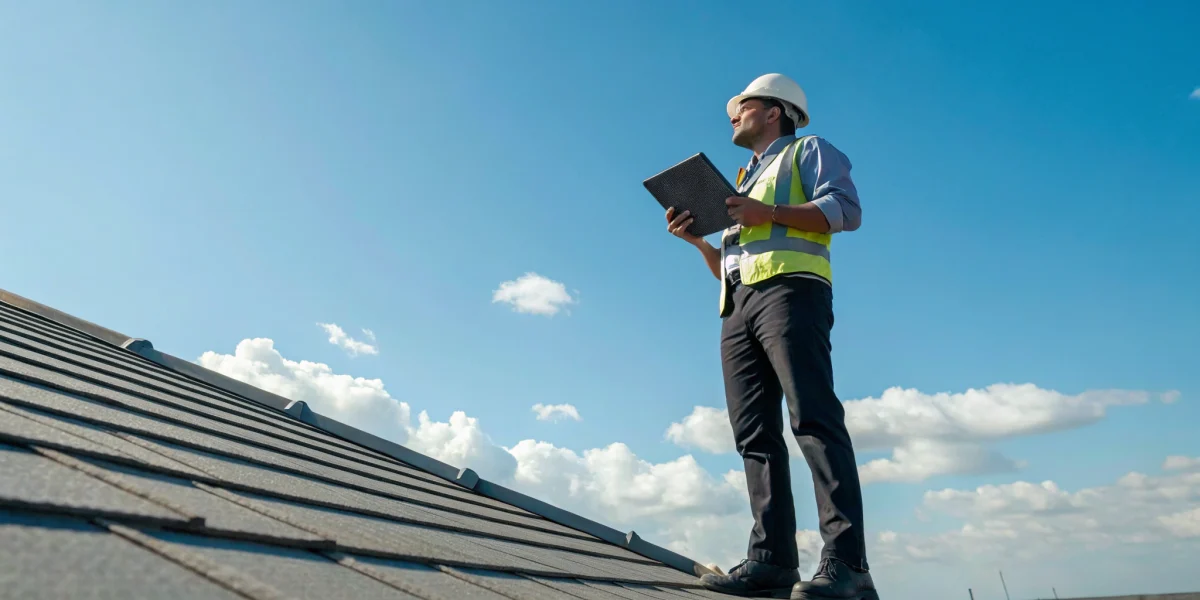
It’s a common misconception that a roofing contractor and a roof inspector do the same job. While a contractor is focused on selling and performing repairs, an independent inspector’s only goal is to provide an accurate, impartial evaluation of your roof’s health. This distinction is incredibly important. An inspector has no financial stake in finding problems; they are there to give you a straight answer. This is why their findings are so trusted by insurance companies and real estate professionals. When you hire a roof inspector for a damage report, you are investing in an unbiased opinion backed by training and certification. This report serves as your trusted guide, ensuring you only pay for the work that truly needs to be done.
Key Takeaways
- An Inspector Gives Facts, Not a Sales Pitch: A certified inspector’s role is to provide an objective, third-party assessment of your roof’s condition. This impartiality is essential for getting an honest evaluation, especially when dealing with insurance claims or real estate negotiations.
- Do Your Homework Before Hiring: The right inspector has the right credentials. Always confirm their professional certifications, ask for proof of liability insurance, and review a sample report to understand the quality of their work.
- Put Your Inspection Report to Work: A detailed report is your most valuable tool after the inspection. Use it as credible evidence to streamline insurance claims, negotiate effectively in property transactions, and create a proactive maintenance plan for your roof.
What Is a Roof Inspector and Why Hire One?
When you’re dealing with potential roof damage, getting a clear, unbiased opinion is the first and most important step. That’s where a professional roof inspector comes in. They offer a specialized service that’s different from what you’d get from a typical roofing contractor, providing an objective look at your roof’s health. Their expertise is incredibly valuable whether you’re a homeowner, a potential buyer, or a real estate professional trying to close a deal. Let’s break down what an inspector does and why hiring one is such a smart move.
The Job of an Independent Roof Inspector
Think of an independent roof inspector as a detective for your roof. Their primary job is to conduct a thorough examination and provide a professional, written assessment of its current condition and expected lifespan. They aren’t there to sell you a new roof; they’re there to give you the facts. A certified inspector will document the roof’s overall health, pinpoint specific issues like leaks or weather damage, and offer expert recommendations for necessary repairs. This detailed report serves a wide range of property stakeholders, from homeowners needing documentation for insurance to buyers wanting to verify a home’s condition before purchase.
Why an Expert Damage Report Matters
A damage report from a certified inspector is more than just a piece of paper—it’s credible, third-party documentation that holds up under scrutiny. When you’re filing an insurance claim or negotiating a home sale, this expert report provides the proof you need to move forward with confidence. Certified inspectors have completed a rigorous process to prove they can accurately evaluate a roof’s condition. Their findings give you clear, professional evidence, which is also essential for securing a LeakFREE® roof certification. This type of certification offers the ultimate peace of mind with a standardized warranty against leaks.
Independent Inspector vs. Contractor: What’s the Difference?
It’s important to understand the different motivations between an inspector and a contractor. A roofing contractor’s business is built on selling and performing repairs or replacements. While most are reputable, their assessment can be influenced by the potential for a job. An independent inspector, however, has no financial stake in the outcome of the repairs. Their sole purpose is to provide an accurate, unbiased evaluation. This impartiality is precisely why many insurance companies and real estate professionals prefer their reports. Inspectors who complete a comprehensive training portfolio are equipped to provide this level of objective analysis, ensuring you get a straight answer every time.
What Types of Roof Inspections Are There?
Not all roof inspections are created equal. The type of inspection you need really depends on your situation. Are you trying to figure out why your roof is leaking after a storm? Are you buying a new home and want to know what you’re getting into? Or maybe you just want a general check-up on your roof’s health. Each scenario calls for a different approach, and a professional inspector will tailor their process to your specific goals. Understanding the distinctions will help you hire the right person and get the information you need to make smart decisions about your property. Let’s walk through the main types of roof inspections so you can find the perfect fit for your needs.
Forensic Inspections: Pinpointing Specific Damage
Think of a forensic inspection as detective work for your roof. This is the inspection you need when there’s a specific problem, like a persistent leak or damage after a major storm, and you need to know the exact cause. A certified inspector will dig deep to determine precisely why the roof failed. Was it wind, hail, a faulty installation, or defective materials? A forensic report provides detailed evidence that is essential when you’re filing an insurance claim or dealing with a warranty issue. It moves beyond simply identifying the damage to explain the root cause, giving you the documentation you need to get it resolved.
Condition Inspections: Assessing Overall Roof Health
A condition inspection is like a routine physical for your roof. It’s a proactive assessment designed to give you a complete picture of your roof’s current health and its expected lifespan. This type of inspection is perfect for homeowners who want to stay on top of maintenance and catch small issues before they become expensive problems. An inspector will evaluate the entire roofing system, identify areas of wear and tear, and recommend necessary repairs. Getting a regular condition inspection is one of the best ways to extend the life of your roof and ensure it remains a LeakFREE® roof for years to come.
Installation Inspections: Verifying New Roofs
Putting on a new roof is a major investment, and an installation inspection is your quality control. This inspection is done shortly after a new roof is installed to verify that the work was done correctly and meets all industry standards. An independent inspector will check for proper material application, correct flashing installation, and adequate ventilation—all the critical details that ensure your roof will perform as it should. This provides peace of mind that your contractor did the job right and protects your investment from the very beginning. It’s a crucial step for both homeowners and the roofing professionals we serve who stand by their quality work.
Due Diligence Inspections: For Real Estate Sales
When you’re buying or selling a property, a due diligence inspection is a non-negotiable. This inspection provides an unbiased, third-party assessment of the roof’s condition, which is vital information for everyone involved in the transaction. For buyers, it uncovers any potential problems or upcoming expenses, allowing you to negotiate with confidence. For sellers, a clean roof inspection report can build trust and help the sale go smoothly. Because the roof is one of the most expensive components of a home, getting a clear, professional opinion from a certified inspector helps ensure there are no surprises for anyone at the closing table.
How Much Does a Roof Inspection Cost?
One of the first questions on everyone’s mind is, “What’s this going to cost me?” It’s a fair question. Think of a roof inspection not as an expense, but as an investment in protecting your property. The final price can vary, but understanding the factors that influence it will help you know what to expect. A professional inspection gives you a clear picture of your roof’s health and can save you from much larger, more expensive surprises down the road.
Average Price Range for a Roof Inspection
Generally, you can expect a standard roof inspection to cost between $150 and $400. This range is a good starting point, but remember that it’s not set in stone. The price can shift based on where you live and the specific details of your roof. For example, inspection costs in a major metropolitan area might be higher than in a smaller town due to differences in labor rates and business expenses. This fee covers a professional’s time, expertise, and the detailed assessment needed to truly understand your roof’s condition.
What Factors Affect the Price?
Several key factors can influence the final cost of your inspection. A larger, more complex roof with multiple peaks, valleys, and angles will naturally take more time and effort to inspect thoroughly. The steepness of your roof and how easy it is to access also play a big role; a very steep or high roof might require special safety equipment. The type of roofing material matters, too. Delicate materials like slate or clay tiles demand a more careful, time-consuming approach. Your geographic location is the final piece, as local labor costs can cause prices to vary from one city to another.
What Does the Inspection Fee Cover?
When you pay for a roof inspection, you’re getting much more than just a quick look. The fee covers a comprehensive evaluation of your entire roofing system. Afterward, you’ll receive a detailed written report that outlines the roof’s current condition, complete with photos documenting any areas of concern. This certified roof damage inspection report is an invaluable tool. It highlights existing issues, points out potential future problems, and provides expert recommendations for any necessary repairs, giving you a clear roadmap for maintaining your roof.
How to Choose the Right Roof Inspector
Finding the right roof inspector can feel like a big task, but it’s one of the most important decisions you’ll make for your property. The quality of your inspection directly impacts everything from a real estate transaction to an insurance claim. A thorough, unbiased assessment from a qualified professional gives you the clarity and documentation you need to move forward with confidence. Not all inspectors have the same level of training or experience, so doing a little homework upfront will save you headaches down the road. Think of it as hiring a specialist—you want someone with proven expertise who can give you the full picture of your roof’s health. This means looking beyond a basic visual check and finding someone who understands the complexities of roofing systems, from materials and installation to potential points of failure. The goal is to find a partner who can provide a clear, objective report that protects your investment and gives you peace of mind.
Check for Key Certifications and Qualifications
The first thing you should look for is proof of certification. An inspector with a professional certification has completed a rigorous training process to prove they can accurately evaluate a roof’s condition, identify potential issues, and provide the detailed documentation you need. Certifications from a reputable organization like the NRCIA show that an inspector is committed to upholding industry standards and staying current with the latest techniques. When you hire a certified professional, you’re not just paying for an opinion; you’re investing in expertise backed by a formal education and training program. It’s the clearest indicator that you’re working with a true professional.
Verify Their Insurance and Liability Coverage
This step is non-negotiable. A professional roof inspector must carry both general liability insurance and workers’ compensation. Liability insurance protects your property from any accidental damage that might occur during the inspection, while workers’ compensation covers the inspector in case of an injury on your property. Without this coverage, you could be held financially responsible for accidents. Don’t feel awkward asking for a certificate of insurance before they begin any work. A reputable inspector will have this information ready and will be happy to provide it. This simple check protects you, your property, and the inspector, ensuring a safe and professional process for everyone involved.
Questions to Ask Before You Hire
Before you commit, take a few minutes to interview potential inspectors. Their answers will tell you a lot about their experience and professionalism.
Here are a few key questions to ask:
- What certifications do you hold? This confirms they have the qualifications you’re looking for.
- How many years have you been inspecting roofs? Experience matters, especially with complex or older roofing systems.
- Can you provide a sample inspection report? This gives you a clear idea of what to expect. Look for detailed descriptions, clear photos, and actionable recommendations.
- What kind of inspection software and tools do you use? Modern tools can provide a more accurate and comprehensive assessment.
- Are you affiliated with any roofing contractors? An independent inspector will provide an unbiased report without trying to sell you on unnecessary repairs.
How to Prepare for Your Roof Inspection
A little prep work can help your roof inspection go smoothly and ensure the inspector can do their job thoroughly. Start by clearing any obstacles from around the perimeter of your home, such as patio furniture, grills, or potted plants. This gives the inspector safe and easy access to the roofline and gutters. If you have an attic, make sure the access point is clear of boxes or other stored items. It’s also helpful to gather any documents you have related to your roof, including the age of the roof, past repair invoices, or warranty information. Being present during the inspection is also a great idea, as it gives you a chance to ask questions and get a firsthand explanation of any findings.
Using Your Roof Inspection for Insurance Claims
After a major storm rolls through, the last thing you want is a long, drawn-out battle with your insurance company. A professional roof inspection is your most powerful tool in this situation. It provides a clear, unbiased assessment of any damage, which is exactly what you need to file a successful claim. Think of it as having an expert on your side from the very beginning, one who can document the facts so you can focus on getting things fixed.
An inspector’s report isn’t just a list of problems; it’s a comprehensive document with photos, detailed descriptions, and professional recommendations. This evidence-based approach helps your insurance adjuster understand the full scope of the damage, ensuring you get a fair settlement to cover the necessary repairs. When you work with an NRCIA-certified inspector, you’re getting a report that meets a high standard of quality and detail, which can make the entire claims process much smoother. It removes the guesswork and replaces it with facts, helping you get your home—and your life—back to normal faster.
What Your Inspection Report Includes
A certified roof damage inspection report is a thorough document that gives you a complete picture of your roof’s health. It details your roof’s current condition, pinpoints specific issues like storm damage or wear and tear, and provides expert recommendations for repairs. You can expect to see high-resolution photos and detailed notes documenting every area of concern. This isn’t just a simple estimate; it’s a professional assessment that outlines the cause and extent of the damage, giving you a solid foundation for your insurance claim or real estate transaction.
How a Professional Report Speeds Up Your Claim
Submitting a claim with a certified inspection report can significantly speed up the approval process. The detailed visual record of your roof’s condition leaves little room for debate. Instead of going back and forth with an adjuster, you’re presenting a clear, evidence-based case from the start. This professional documentation helps prevent disputes and demonstrates that you’ve had the damage properly assessed by a qualified third party. It helps ensure you receive a fair payment for the damage, making the entire insurance process smoother and less stressful.
Sharing the Report with Your Insurance Company
When you file your claim, you should submit the full inspection report right away. This proactive step shows your insurance provider that you are serious and have done your homework. An independent report from a certified inspector often carries more weight than an estimate from a roofing contractor who might also be bidding on the repair work. It serves as a credible, unbiased evaluation of the damage. This transparency can help you build a better relationship with your adjuster and makes it easier for them to approve the necessary funds for a quality repair, protecting your home with a LeakFREE® roof.
Common Signs of Roof Damage to Spot
While a professional inspector will catch everything, you can keep an eye out for obvious signs of trouble. After a storm, walk around your property and look for missing, cracked, or broken shingles. Check your gutters for an accumulation of shingle granules—that’s a sign of advanced wear. Other red flags include dented vents or flashing, worn-out seals around pipes, and any visible sagging in the roofline. Inside your home, look for water stains on the ceiling or walls. Spotting these issues early and calling for an inspection can prevent small problems from turning into major, costly repairs.
Related Articles
- Roof Inspection by NRCIA Certified Professionals
- Hiring a Certified Roof Inspector for Insurance Claims
- What’s the Real Commercial Roof Inspection Cost?
- Roof Inspection Cost Calculator: What You Need to Know
- Roof Inspection Cost: Your 2025 Pricing Guide
Frequently Asked Questions
Can’t I just get a free estimate from a roofer instead of paying for an inspection? While a free estimate from a contractor can be useful, it serves a different purpose. A contractor’s main goal is to sell you a service, so their assessment is naturally tied to a potential job. An independent inspector, on the other hand, provides a completely unbiased evaluation of your roof’s condition. You’re paying for their objective expertise and a detailed report, not a sales pitch, which is why their findings are so trusted by insurance companies and in real estate deals.
How often should I have my roof inspected? A good rule of thumb is to have a professional look at your roof every one to two years as part of your regular home maintenance. It’s also smart to schedule an inspection after any major weather event, like a severe hailstorm or hurricane. These proactive check-ups allow you to catch minor issues, like a few loose shingles or worn-out seals, before they turn into significant and costly water damage.
What happens after the inspection if problems are found? If the inspector identifies issues, your detailed report will serve as your action plan. It will clearly outline the specific problems and provide professional recommendations for the necessary repairs. With this unbiased, third-party documentation in hand, you can then confidently contact qualified roofing contractors to get quotes for the exact work that needs to be done, putting you in a much stronger position to evaluate their proposals.
Is a roof inspection included in a standard home inspection? A general home inspector will typically perform a basic visual check of the roof from the ground or a ladder, but it’s not a specialized assessment. A certified roof inspector conducts a much more thorough examination of the entire roofing system, from the materials and flashing to the underlying structure. Given that the roof is one of the most critical and expensive parts of a home, getting an expert opinion specifically on its condition is a crucial step.
Does a clean inspection report mean my roof will never leak? An inspection report provides a professional assessment of your roof’s condition at a specific point in time and an estimate of its remaining lifespan. While a clean report is excellent news, it can’t guarantee against future issues caused by severe weather or other unforeseen events. For that next level of assurance, a LeakFREE® certification offers a warranty that protects you from the cost of repairs if a leak does occur.
