
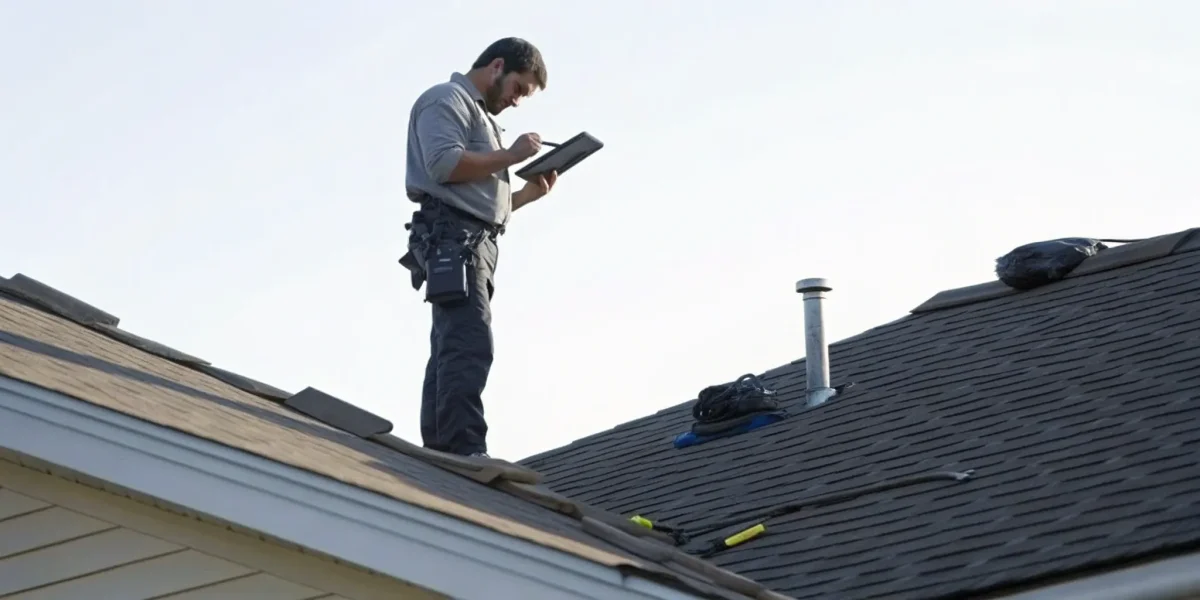
Dealing with insurance companies after storm damage can be an incredibly frustrating process. Your insurer needs clear, credible proof of damage, and a simple photo from your phone often isn’t enough to get your claim approved. This is where a professional roof inspector becomes your most valuable ally. They provide an unbiased, third-party report with detailed documentation and photos that insurance adjusters respect. When you hire expert for roof damage assessment, you’re not just getting a list of problems; you’re getting the official evidence needed to substantiate your claim, fight a denial, and ensure you receive a fair settlement.
Key Takeaways
- Treat a roof inspection as preventative care for your property: A small upfront cost helps you catch minor issues before they turn into expensive repairs and provides the essential documentation you need for a smooth insurance claim process.
- Prioritize certified and insured professionals: Look for NRCIA certification as a key indicator of quality and always ask for proof of license and insurance to protect yourself and ensure you’re hiring a true expert.
- Expect a detailed action plan, not just a verbal summary: A professional inspection concludes with a comprehensive report, complete with photos and clear recommendations, giving you a roadmap for maintenance and repairs.
Why Hire a Professional Roof Inspector?
After a major storm or when you’re buying a new home, your roof is probably top of mind. But even without a specific event, getting a professional set of eyes on it is one of the smartest decisions you can make as a property owner. While a DIY look-around might seem sufficient, a certified inspector brings expertise and tools that can uncover issues you’d never spot from the ground. They provide a clear, unbiased assessment of your roof’s condition, which is invaluable for maintenance, insurance claims, and your peace of mind. A professional inspection gives you a complete and actionable report, so you know exactly where you stand and what steps to take next to protect your property.
Catch Problems Early to Save Money
Think of a roof inspection as a check-up for your home. It’s a proactive step that catches small issues before they spiral into major, expensive headaches. A single cracked shingle or a small area of compromised flashing might not seem like a big deal, but it can let moisture seep into your roof deck, attic, and walls. Over time, this can lead to wood rot, mold growth, and significant structural damage. A professional inspector can identify these minor vulnerabilities and recommend simple repairs, saving you from a five-figure roof replacement down the road. Investing a small amount in an inspection today can protect your biggest asset and prevent costly surprises.
Stay Safe: The Risks of DIY Inspections
Climbing onto your roof is risky business. Without the right safety equipment and experience, you’re putting yourself at risk of a serious fall. Professional inspectors undergo extensive training not only on what to look for but also on how to move around on different types of roofs safely. They have the proper harnesses, ladders, and footwear to do the job without endangering themselves or your property. Beyond personal safety, you could also accidentally cause more damage by walking on weak spots or dislodging shingles. It’s always better to leave the high-altitude work to a trained professional who knows how to assess your roof thoroughly and safely.
Find Hidden Damage an Expert Eye Can See
Your roof is a complex system, and its most serious problems often aren’t visible to the untrained eye. A professional inspector knows that even small, visible damage can hide bigger issues like water intrusion or structural weaknesses. They conduct a detailed examination, checking for everything from cracked or missing shingles and damaged vents to clogged gutters and poor attic airflow. They’re trained to spot subtle signs of wear and tear that indicate underlying problems. These comprehensive storm damage assessments ensure that nothing is missed, giving you a complete picture of your roof’s health and what’s needed to keep it in top shape.
Get the Support You Need for Insurance Claims
If your roof has been damaged by a storm, a professional inspection report is your most powerful tool when filing an insurance claim. An inspector provides an honest, unbiased, and detailed account of the damage, complete with photos and specific notes. This documentation serves as credible evidence for your insurance company, substantiating your claim and helping you get the full compensation you’re entitled to. For both homeowners and insurance professionals, this third-party assessment is crucial for a smooth and fair process. If your claim is initially denied or underpaid, a report from a certified inspector can be instrumental in successfully appealing the decision.
What to Look For in a Roof Inspector
Finding the right roof inspector is about more than just a quick search online. You’re looking for a partner who can give you a clear, honest assessment of one of your biggest investments. The quality of the inspection directly impacts your financial decisions, whether you’re buying a home, filing an insurance claim, or planning for maintenance. A great inspector brings a combination of official credentials, proven experience, and a solid reputation to the job. Taking the time to vet your options ensures you get an accurate report you can rely on, giving you the confidence to take the right next steps for your property.
Look for NRCIA Certification and Credentials
When you start your search, the first thing to look for is professional certification. Think of it as a seal of approval that shows an inspector has met rigorous industry standards. An inspector with an NRCIA membership has demonstrated a commitment to their craft and to providing top-tier service. This certification isn’t just a line on a resume; it means they follow a specific code of ethics and have access to ongoing education. Choosing a certified professional ensures you’re working with someone who is qualified, accountable, and dedicated to delivering a thorough and accurate assessment of your roof’s condition.
Verify Their Insurance and Licensing
Before you let anyone on your roof, it’s essential to confirm they have the proper insurance and licensing. This is a non-negotiable step that protects you from any liability in case of an accident on your property. A professional inspector should be able to readily provide proof of general liability and workers’ compensation insurance. Additionally, check for any state or local licensing requirements, such as a C-39 Roofing Contractor license in some areas. Don’t just take their word for it—ask for the documents. A legitimate professional will expect this and will be happy to provide them for your peace of mind.
Check Their Experience and Training
A certificate is important, but it’s even more valuable when paired with real-world experience. Many of the best inspectors started their careers as roofing contractors or in construction, giving them hands-on knowledge of how roof systems are built and where they typically fail. This practical background allows them to spot subtle signs of damage that others might miss. Ask about their background and what kind of specialized training they’ve completed. An experienced inspector can offer deeper insights, not just identifying problems but also explaining why they happened and what the best solutions are.
Read Reviews and Ask for References
Finally, do a little digging into their reputation. Online reviews on sites like Google or Yelp can offer a glimpse into other customers’ experiences. Look for patterns in the feedback—are they consistently described as thorough, professional, and communicative? Beyond online reviews, don’t hesitate to ask for references from past clients. A confident, reputable inspector will have a list of satisfied customers who can speak to the quality of their work. Speaking directly with a reference can give you a much clearer picture of what to expect and help you find a professional who provides trusted inspections.
What Does a Professional Roof Inspection Include?
A professional roof inspection is a comprehensive health check for one of your property’s most critical assets, going far beyond a quick look at your shingles. A certified inspector systematically examines every component for both obvious and hidden issues. They’ll look for cracked shingles, signs of water leaks, mold, and weak spots in the roof deck. They will also assess flashing, vents, and gutters to ensure proper function. This detailed process provides a complete picture of your roof’s condition, so you know exactly where you stand.
A Look at Modern Inspection Methods
Today’s top inspectors combine traditional techniques with modern technology for a safer, more effective assessment. While a visual check is key, inspectors often use drones to capture high-resolution images of steep or hard-to-reach areas. This provides a close-up look at your entire roof without the risk. The best professionals use specialized inspection software to document findings in real-time, ensuring every detail is captured accurately. This blend of expertise and technology delivers a more thorough and reliable evaluation.
Using Technology to Find Moisture
One of the biggest threats to a roof is hidden moisture, which can seep into underlayers long before you see a ceiling stain. That’s why inspectors use tools like infrared cameras to find problems the naked eye can’t. These devices detect temperature differences that reveal hidden moisture pockets. Catching these issues early can save you from major, costly repairs. It’s a key step in maintaining a LeakFREE® roof and protecting your property from water damage.
Receiving a Detailed Report with Photos
After the inspection, you should receive a detailed, written report—not just a verbal summary. This document outlines all the inspector’s findings and should include clear photographs of any areas of concern. A good report will also provide specific recommendations for repairs or maintenance, often with cost estimates to help you plan. This documentation is your roadmap to a healthy roof and is incredibly valuable whether you’re budgeting for upkeep, negotiating a home sale, or filing an insurance claim.
Getting Help with Insurance Claim Paperwork
If your roof was damaged in a storm, the insurance process can be daunting. A professional inspector can be your best ally. Their unbiased, third-party assessment provides the credible documentation needed to support your claim. While not required, an inspector’s detailed report can make a significant difference in getting a fair settlement. Some inspectors even meet with the insurance adjuster on-site to review the damage, ensuring nothing is missed. This expert support helps you present a clear, accurate case to your insurance company.
How Much Should a Roof Assessment Cost?
Let’s talk about one of the first questions on everyone’s mind: what’s the price tag on a professional roof assessment? It’s a fair question, and the answer is that it varies. Think of it less as a standard product with a fixed price and more as a specialized service tailored to your property. The cost depends on several factors, from the size and slope of your roof to where you live. While some companies might offer a “free” look, a thorough, documented inspection from a certified professional is an investment in your property’s health.
This investment is one of the smartest you can make as a property owner. Catching a small issue like a few cracked shingles or a failing seal around a vent today can save you from dealing with a major leak, water damage, and structural problems down the road. The detailed report you receive is more than just a summary of findings; it’s a crucial tool for planning maintenance, budgeting for future repairs, and providing the necessary documentation for an insurance claim. A professional assessment gives you a clear, unbiased picture of your roof’s condition, empowering you to make informed decisions.
What’s the Typical Price Range?
While there’s no one-size-fits-all price, you can expect a professional roof inspection to cost anywhere from $100 to $600. For example, a typical roof inspection in Dallas, TX, usually falls within this range. This gives you a general idea, but remember that costs can be higher for very large or complex commercial properties. A basic visual inspection might be on the lower end of the scale, while a more in-depth assessment using specialized tools like thermal imaging will be on the higher end. The key is to understand what you’re getting for the price. A detailed report from a certified inspector provides value that far exceeds its cost.
What Factors Affect the Cost?
Several key factors influence the final price of your roof assessment. As one expert puts it, “Several things affect how much you’ll pay: How bad the damage is, what your roof is made of, local labor rates, and how tricky the job is.” A large, steep roof with multiple levels and dormers is simply more time-consuming and riskier to inspect than a small, low-slope roof. The material also matters—inspecting slate or tile requires different expertise than assessing standard asphalt shingles. Your geographic location plays a big role due to varying labor costs. Finally, the type of inspection software and technology used, such as drones or infrared cameras, can also affect the price.
How to Budget for Your Inspection
When you’re planning your budget, it helps to think of a roof inspection as preventative care for your home. As industry professionals often note, “The cost of an inspection is much less than the cost of major repairs or a full roof replacement if problems are ignored.” Spending a few hundred dollars now can help you avoid a five-figure replacement cost later. To budget effectively, get quotes from at least two or three certified inspectors. This allows you to compare not just the price but the scope of the inspection and the detail of the report you’ll receive. Remember that a quality inspection that leads to a LeakFREE® certification can also add value to your property, making it a worthwhile financial decision.
How to Find and Compare Roof Inspectors
Where to Look and What to Check
Finding the right roof inspector starts with knowing where to look. You can begin with online searches and local directories, but referrals from friends, family, or your real estate agent are often the most reliable. Once you have a few names, it’s time to do some homework. The first thing to confirm is that they are licensed and insured in your state—this protects you from liability. Next, look for professional credentials. An inspector with an NRCIA certification has completed specialized training and is held to a higher standard. Many insurance companies even require a certified inspector for claims, so this step can save you a major headache later. Finally, read online reviews and check their website to see the full scope of services they offer.
Key Questions to Ask Before You Hire
Think of this step as a job interview—because it is. You’re entrusting someone with the safety of your home, so don’t be shy about asking direct questions. Start with their background: “What are your qualifications and certifications?” and “How many years of experience do you have with residential or commercial roofs?” It’s also smart to ask about their process. Inquire about the inspection methods they use and confirm that you’ll receive a detailed report with photos and clear explanations of any findings. A professional will be happy to walk you through their training and qualifications. Their answers should give you confidence that they are thorough, transparent, and knowledgeable. If they seem hesitant or vague, it’s best to move on.
Warning Signs of a Bad Inspector
Knowing what to avoid is just as important as knowing what to look for. Be wary of anyone who shows up at your door uninvited, especially after a major storm. These “storm chasers” often use high-pressure tactics and offer deals that sound too good to be true. A true professional will never pressure you into making a decision on the spot. Another major red flag is a lack of transparency. If an inspector is unwilling to provide proof of their license, insurance, or certifications, or if they can’t give you a clear, written estimate, consider it a sign to walk away. Your inspector should be a trusted partner in maintaining your property, not a source of stress and uncertainty.
What to Expect on Inspection Day
Knowing what happens during a professional roof inspection can make the process feel much more straightforward. A certified inspector follows a clear, methodical process to give you a complete picture of your roof’s health. From the moment they arrive to the final report, each step is designed to identify potential issues and give you a clear path forward. Let’s walk through what you can expect on the big day so you feel prepared and confident.
Before the Inspector Arrives
A little preparation can help your inspection go smoothly. Before the inspector shows up, make sure there’s a clear path around your property for them to access all sides of the roof. It’s also a good idea to clear any items away from attic access points inside your home, as they’ll likely need to check for proper ventilation and signs of interior leaks.
If you have any specific concerns, like a leak you’ve noticed or damage from a recent storm, jot them down to share with the inspector. While it’s best to schedule an inspection at least once a year, it’s essential to call a professional after any major weather event. This proactive approach helps catch small problems before they become expensive headaches for homeowners and property managers alike.
During the Inspection
Once the inspector arrives, they’ll get to work on a comprehensive assessment of your entire roofing system. This isn’t just a quick glance from the ground. A professional will get on the roof to check for cracked, curling, or missing shingles, examine the flashing around chimneys and vents, and look for any signs of water damage or weak spots. They’ll also inspect your gutters to ensure they are clear and functioning correctly.
The inspection continues inside, where they’ll check the attic for proper airflow, insulation, and any signs of moisture or mold. Throughout the process, the inspector will take detailed notes and photos of their findings. This thorough documentation is a key part of a professional assessment and ensures that every detail, big or small, is recorded for your final report.
After the Inspection: Your Report and Next Steps
After the physical inspection is complete, you’ll receive a detailed report. This document is the most valuable part of the service, as it translates the inspector’s findings into actionable information. Your report will include photos of any problem areas, a written summary of the roof’s condition, and clear recommendations for any necessary repairs or maintenance. It should also provide cost estimates for the suggested work.
This report is your roadmap for protecting your property. For homeowners, it provides the clear proof needed to file a successful insurance claim. The detailed documentation from a certified inspector helps ensure insurance companies have everything they need. With this information in hand, you can make informed decisions to keep your roof in top shape.
Related Articles
- What’s the Real Commercial Roof Inspection Cost?
- Top 5 Benefits of Regular Roof Inspections
- Comprehensive Roofing Inspections: A Service to Clients – NRCIA
- Roof Inspection Cost: Your 2025 Pricing Guide
Frequently Asked Questions
How often should I get my roof inspected? A good rule of thumb is to have your roof professionally inspected once a year. Think of it as an annual check-up. However, you should also schedule an inspection after any major weather event, like a hailstorm or high winds, even if you don’t see any obvious damage from the ground. This proactive approach is the best way to catch small issues before they turn into significant problems.
Can’t I just have a roofing contractor give me a free estimate instead of paying for an inspection? While a free estimate from a contractor can be useful, it serves a different purpose. An estimate is typically focused on the cost of a specific repair or replacement, with the end goal of selling you that service. A professional inspection, on the other hand, is a comprehensive and unbiased assessment of your entire roof system’s health. You’re paying for a detailed, impartial report that gives you a complete picture, not a sales pitch.
What happens if the inspection uncovers serious issues? Finding a problem can be stressful, but that’s exactly why you get an inspection—to know what you’re dealing with. Your detailed report will act as your guide. It will clearly outline the issues, provide photos for reference, and recommend specific actions. You can then use this professional documentation to get accurate and comparable quotes from qualified roofing contractors for the necessary repairs.
Is a roof inspection required when buying or selling a home? While it may not be legally mandated in every area, a professional roof inspection is a critical part of the due diligence process for any home sale. For a buyer, it provides a clear understanding of the roof’s condition and potential future costs. For a seller, having a pre-listing inspection can build trust with potential buyers and allow you to address any issues on your own terms, preventing last-minute surprises.
Does an NRCIA certification really make a difference? Yes, it absolutely does. An NRCIA certification is a benchmark for quality and professionalism in the industry. It means the inspector has completed specialized training, follows a strict code of ethics, and is committed to providing a thorough and accurate assessment. Choosing a certified inspector gives you confidence that you’re receiving a report you can truly rely on for making important decisions about your property.
