
After a hailstorm, the quiet that follows can be unsettling. You step outside, relieved to see no obvious destruction, but a nagging question remains: is my roof okay? The truth is, the most costly hail damage isn’t always visible from the ground. It’s the subtle bruising, the tiny cracks, and the dislodged granules that quietly compromise your roof’s ability to protect your home. These small issues can lead to slow leaks, rot, and expensive interior repairs down the road. That’s why a professional hail damage roof inspection for insurance is your most critical first step. It provides the credible, detailed evidence you need to file a successful claim and ensure your home is properly protected.
Key Takeaways
- Prioritize a professional inspection over a DIY check: Much of the most serious hail damage, like granule loss and hidden cracks, is invisible from the ground and can lead to costly leaks if left unaddressed.
- Use an inspection report as your primary evidence: A detailed report from a certified inspector provides the unbiased, third-party documentation that insurance companies need to validate your claim and approve necessary repairs.
- Choose a certified inspector and act promptly: Ensure your inspector has specialized credentials, like an NRCIA certification, to guarantee a thorough assessment, and be sure to file your claim before your policy’s deadline expires.
How Does Hail Damage Affect Your Roof?
After a hailstorm passes, it’s easy to feel relieved if you don’t see any immediate, obvious problems. But hail damage is often subtle, creating issues that can quietly compromise your roof’s integrity over time. What might look like a few minor scuffs from the ground can actually be signs of significant wear that will shorten your roof’s lifespan and leave your home vulnerable to leaks. Hail can strike your shingles with enough force to create cracks and voids that aren’t visible from the ground, essentially creating a pathway for water to seep into your home’s structure. Over months, this moisture can lead to rot, mold, and costly interior damage. Understanding what hail does to different roofing materials and why even small impacts matter is the first step toward protecting your property. It’s not just about cosmetic fixes; it’s about catching hidden damage before it leads to expensive, long-term problems that your insurance policy is meant to cover.
Spotting Damage on Different Roof Types
Hail damage doesn’t look the same on every roof. The material, age, and slope of your roof all play a role in how it stands up to impact. For the most common asphalt and composition shingles, hail hits can look like dark spots or bruises where the protective granules have been knocked away. These spots might even feel soft to the touch, almost like a bruise on an apple. On wood shingles, hail can cause splitting and cracking, while metal roofs will show dents. Clay or slate tiles are more brittle and can crack or shatter completely. The pattern of damage is often random, so it’s important to have a certified roof inspector who knows what to look for on your specific type of roof.
Why Even Small Dents Are a Big Deal
It’s tempting to dismiss minor dents or a few missing granules as purely cosmetic, but these small imperfections can be big trouble. On an asphalt shingle, those granules are the first line of defense against UV rays and moisture. Once they’re gone, the underlying mat is exposed, which can accelerate aging and lead to cracking and leaks. For metal roofs, even a small dent can compromise the protective coating, eventually leading to rust and corrosion. Think of it as a small crack in your phone screen—it might seem fine at first, but it weakens the entire structure. Addressing these issues early helps maintain a LeakFREE® roof and prevents small problems from turning into major repairs.
Common Myths About Hail Damage
One of the most common misconceptions is that if you can’t see damage from your yard, your roof is fine. The truth is, some of the most serious functional damage is nearly invisible to the untrained eye. Another myth is that a little bit of damage isn’t worth filing an insurance claim for. The reality is that if your roof has sustained any damage at all, you likely have a valid claim. Ignoring it doesn’t make the problem go away; it just means you’ll be paying for the repairs out of your own pocket when the damage worsens. A professional inspection provides the credible documentation you need to work with your insurance company and ensure your home is protected.
How to Spot Signs of Hail Damage
After a hailstorm passes, it’s natural to wonder if your roof took a hit. The good news is that you don’t need to be a roofing expert to look for initial clues. Spotting the first signs of trouble can be as simple as walking around your property and checking for issues inside your home. While a professional inspection is the only way to know the full extent of the damage, a quick personal assessment can tell you if it’s time to make that call. Think of it as a preliminary check-up before bringing in the specialist.
This process helps you gather information and understand the situation, so you can have a more productive conversation with your inspector and insurance agent. Remember, the goal isn’t to diagnose every problem yourself but to identify red flags that warrant a closer look from a certified professional.
What to Look for From the Ground
You can learn a lot about your roof’s condition without ever leaving the ground. Start by walking the perimeter of your home. Look for dents or dings on your gutters, downspouts, and any metal flashing or vents. These are often the easiest places to spot hail impacts. Hail damage on shingles can be tricky to see from a distance, but you might notice granules—the sandpaper-like material from your shingles—collecting on the ground or in your gutters.
Hail damage often appears random, without a clear pattern, so scan the entire roof surface you can see. If you notice any of these issues, it’s a strong indicator that your roof likely sustained damage and needs a professional to assess the situation up close.
Warning Signs Inside Your Home
Sometimes, the most telling signs of roof damage aren’t on the roof at all—they’re inside your house. After a storm, take a few minutes to check your ceilings and walls for any new water stains or discoloration. These are classic signs of a leak. It’s also a good idea to peek into your attic, if you can do so safely. Look for damp insulation or daylight coming through the roof deck.
Even a small leak can lead to significant problems like mold and structural issues over time. Finding these internal warning signs is a clear signal that your roof’s integrity has been compromised. If you see anything concerning, your next step should be to contact your insurance agent to discuss what to do next and schedule a professional inspection.
Why a DIY Inspection Isn’t Enough
While a ground-level check is smart, climbing onto your roof yourself is a risk you shouldn’t take. Roofs can be slippery and dangerous, especially after a storm, and falls can lead to serious injury. Beyond the safety risks, most homeowners simply don’t have the training to identify all the different types of hail damage. An expert knows how to spot subtle clues, like hidden cracks or structural weaknesses, that an untrained eye would easily miss.
A certified roof inspector has the tools and expertise to conduct a thorough assessment safely. They can document the damage properly, which is essential for a successful insurance claim. Trying to do it yourself could lead to you missing critical damage, potentially costing you thousands in future repairs and devaluing your claim.
Why Your Insurance Claim Needs a Professional Inspection
After a hailstorm, your first instinct might be to quickly assess the damage yourself. But when it comes to your insurance claim, a casual look-over just won’t cut it. Insurance companies require detailed, credible proof of damage to approve a claim for roof repair or replacement. A professional inspection isn’t just a suggestion; it’s the most critical step in building a successful claim. An expert can document the full extent of the damage—including issues you can’t see from the ground—and provide the formal report your insurer needs to see. This professional assessment is your best tool for ensuring you get the full compensation you’re entitled to, preventing you from paying for storm-related damages out of your own pocket.
Finding the Damage You Can’t See
It’s easy to assume that if you don’t see large, obvious dents, your roof is fine. Unfortunately, some of the most significant hail damage is practically invisible to the untrained eye. Hail can cause subtle bruising, cracking, and granule loss on shingles that compromise their ability to protect your home from water. Over time, these small weak spots can lead to major leaks and structural issues. A certified inspector knows exactly what to look for. They can identify hidden damage to shingles, flashing, and seals that a homeowner would likely miss, ensuring that the full scope of the problem is documented for your claim.
Getting the Right Proof for Your Claim
Think of your insurance claim as building a case—and your strongest piece of evidence is a professional inspection report. While your own photos are helpful, they don’t carry the same weight as a detailed assessment from a qualified expert. A professional inspector provides a comprehensive document that includes high-resolution images, precise measurements, and a technical evaluation of the damage. This report serves as an unbiased, third-party validation of your claim. It shows your insurance adjuster exactly what happened and why repairs are necessary, removing ambiguity and streamlining the approval process. It’s the official proof you need to get your claim processed efficiently and fairly.
The NRCIA Advantage: Standardized and Certified
Not all roof inspections are created equal. When you work with an NRCIA-certified inspector, you’re getting an assessment backed by the industry’s highest standards. Our inspectors follow a rigorous, standardized process, which means their findings are consistent, reliable, and highly respected by insurance companies. This isn’t just a quick walk-around; it’s a thorough evaluation designed to produce clear, objective results. This level of professionalism and standardization gives your claim instant credibility. Plus, our inspectors can certify a roof as LeakFREE®, providing an extra layer of assurance that strengthens your position with your insurer and gives you long-term peace of mind.
Pro Inspection vs. DIY: What’s at Stake?
Trying to handle a roof inspection yourself might seem like a way to save time, but it can cost you dearly in the long run. If you miss subtle damage, your insurance claim could be denied for lack of evidence, leaving you to cover expensive repairs yourself. Even worse, that undiscovered damage won’t fix itself. It can lead to slow leaks, mold growth, and rotting wood, causing far more expensive problems down the road. A professional inspection protects your home and your finances. It ensures you have the documentation for a successful claim and catches potential issues before they become catastrophes, safeguarding your most valuable asset.
Filing Your Hail Damage Claim: Step-by-Step
Dealing with the aftermath of a hailstorm can feel overwhelming, but filing an insurance claim doesn’t have to be. Following a clear process can make a world of difference. It helps you stay organized, present a strong case to your insurer, and get the repairs you need without unnecessary delays. Think of these steps as your roadmap to a successful claim.
What to Do Right After the Storm
Once the storm has passed and it’s safe to go outside, your first step is to document everything. Grab a notebook or open a new note on your phone and write down the exact date and time the storm occurred. This detail is crucial for your insurance claim. While you should leave the roof climbing to the professionals, you can safely assess the situation from the ground. Look for fallen branches, dented gutters, or visible damage to siding and windows. If you notice active leaks or serious issues, you may need to make temporary repairs to prevent further water damage. Just be sure to save every receipt.
Gathering Your Documents and Photos
This is where you build the evidence for your claim. Your phone is your best tool here—take plenty of photos and videos of any damage you can see from the ground. Capture close-ups of dents on gutters, downspouts, and air conditioning units, as well as wider shots of your property. Beyond your own photos, your claim will need supporting paperwork. Start a folder and collect any weather reports confirming the hailstorm, receipts for emergency repairs, and eventually, your professional inspection report. Having a complete file makes the process much smoother when you contact your insurance company.
How to Work With Your Insurance Adjuster
After you file your claim, your insurance company will send an adjuster to assess the damage. Their job is to create a report detailing what needs to be fixed, the estimated cost, and how payments will be handled. It’s incredibly helpful to have your own independent inspection report from a certified professional before the adjuster arrives. This allows you to compare findings and ensures all damage is accounted for. Be present for the adjuster’s inspection, ask questions, and provide them with a copy of your documentation. This shows you’re proactive and helps ensure a fair assessment.
Don’t Miss Your Filing Deadline
It’s important to know that most insurance policies have a time limit for filing a claim, which is often one year from the date the damage happened. While that might sound like a lot of time, it can pass quickly. Waiting too long can complicate the process, as further weathering can make it harder to prove the damage was caused by a specific storm. Contact your insurance agent as soon as possible to understand your policy’s specific deadlines. Getting a professional inspection scheduled promptly is the best way to get the ball rolling and protect your investment.
What Happens During a Professional Roof Inspection?
So, you’ve scheduled a professional roof inspection. What actually happens when the inspector arrives? It’s much more than a quick glance from the driveway. A certified inspector conducts a thorough, systematic evaluation of your entire roofing system to identify any issues, especially the subtle hail damage that can lead to major problems later. They’ll get up on the roof to physically examine the shingles, flashing, vents, and gutters. They will also typically inspect the attic for signs of leaks, poor ventilation, or structural issues.
The inspector’s main goal is to create a detailed and objective record of your roof’s current state. This isn’t just about finding problems; it’s about documenting everything with photos and precise notes. This documentation becomes the foundation of your insurance claim, providing the clear evidence needed to get your repairs approved. A comprehensive inspection serves everyone involved, from homeowners and property managers to real estate agents and insurance companies, by providing a clear and accurate picture of the roof’s health. The process is designed to be transparent, leaving you with a clear understanding of what needs to be done and why.
The Tools and Techniques Inspectors Use
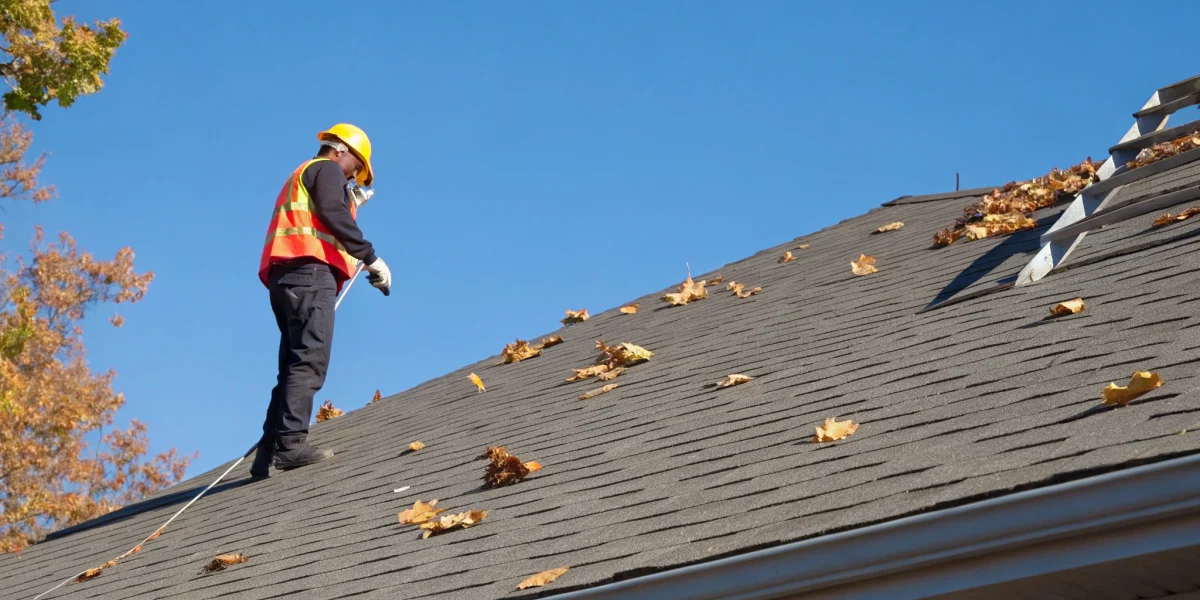
You might be wondering why you can’t just climb up there yourself. A big part of the answer comes down to safety and specialized equipment. Professionals use gear like high-traction safety shoes or even harnesses to move around safely on steep or slippery surfaces—things most of us don’t have in the garage. Beyond safety, they come equipped with tools designed for detailed analysis. They use high-resolution cameras to capture clear images of damage, chalk to mark test areas, and sometimes even moisture meters to detect leaks that aren’t visible to the naked eye. This combination of proper safety protocols and diagnostic tools allows them to perform a much more thorough assessment. The extensive training certified inspectors receive ensures they know exactly what to look for and how to document it properly.
What Insurance Adjusters Look For
When it comes to hail damage, a professional inspector knows they need to speak the same language as the insurance adjuster. To do this, they often use the same methods adjusters use to evaluate a claim. A key technique involves marking off “test squares”—typically 10×10 foot sections—on different slopes of your roof. Within each square, the inspector counts the number of hail strikes that have caused “functional damage,” meaning damage that compromises the integrity and lifespan of the shingle. This isn’t just about cosmetic dents; it’s about impacts that have fractured the mat of the shingle or caused significant granule loss. By documenting damage this way, the inspector provides the exact type of evidence the insurance company needs to validate your claim, making the approval process much smoother.
Understanding Your Inspection Report
After the inspector has completed their work, you’ll receive a detailed report. This document is your roadmap. It won’t be filled with confusing jargon; instead, it should clearly outline the roof’s condition, complete with photos that show you exactly what the inspector saw. A good report breaks the findings down into a few key areas: the structure, the materials, and the interior. The structural section will cover the decking and trusses, while the material section details the condition of your shingles, flashing, and vents. The interior check looks for signs of leaks in your attic or ceilings. The report will conclude with a clear summary and recommendations for necessary repairs. This information empowers you to make informed decisions and is essential for achieving a LeakFREE® certified roof.
After the Inspection: What’s Next?
With the inspection report in hand, you have a clear path forward. The first step is to contact your insurance agent. Your report is the most powerful tool you have, serving as independent, third-party proof of the damage your roof has sustained. You can confidently share it with your insurance representative to initiate the claims process. The report takes the guesswork out of the equation and helps prevent the frustrating back-and-forth that can sometimes happen with claims. Whether the inspection confirms significant damage or gives you a clean bill of health, the outcome is peace of mind. You’ll know exactly where you stand and what you need to do to keep your home protected. It’s about turning a stressful situation into a manageable plan of action.
How to Choose the Right Roof Inspector
After a hail storm, you’ll likely have many people knocking on your door offering inspections. But choosing the right professional is one of the most important decisions you’ll make in the entire insurance claim process. The quality of your inspection directly impacts the outcome of your claim, so it’s worth taking the time to find someone truly qualified. A great inspector doesn’t just spot damage; they know how to document it in a way that insurance companies understand and accept, which can be the difference between a denied claim and a fully funded repair.
Think of it like hiring any expert—you want someone with the right credentials, a proven track record, and the ability to communicate clearly. This person will be your advocate, providing the objective evidence needed to get your roof repaired correctly. They are the key to translating the physical damage on your roof into a language the insurance industry recognizes. A thorough, professional inspection is your best tool for a smooth and successful claim. Let’s walk through how to find a roof inspector you can trust to get the job done right.
Look for These Certifications
When you’re evaluating an inspector, their credentials are your first clue to their expertise. You need someone who can tell the difference between hail damage, normal wear and tear, and a manufacturing defect. As one expert puts it, “Roofing systems must be physically inspected by someone who has training and experience in determining if there is actual hail damage.” This isn’t a job for a general contractor; it requires specialized knowledge.
Look for inspectors who hold certifications from a reputable, industry-leading organization. An NRCIA certification, for example, shows that an inspector has completed a rigorous training portfolio and adheres to a national standard of practice. This level of qualification ensures they can accurately assess the damage and provide the detailed documentation your insurance company needs.
Questions to Ask Before You Hire
Before you let anyone on your roof, you should have a quick conversation to gauge their experience and approach. This isn’t an interrogation—it’s a simple way to make sure they’re the right fit for the job. A qualified inspector will be happy to answer your questions and should be transparent about their process.
Start with these questions:
- Are you certified to perform hail damage inspections?
- Can you provide references from past clients with hail damage claims?
- How do you document damage for insurance purposes?
- Are you familiar with the claims process for my insurance provider?
A knowledgeable inspector should understand how to work with insurance claims. They’ll know to confirm there’s legitimate damage before you file, preventing you from starting a claim unnecessarily. Their goal is to provide an objective assessment, not just to sell you a new roof.
Making Sense of Reports and Warranties
Once the inspection is complete, you’ll receive a report. At the same time, your insurance adjuster will create their own report detailing the damage, repair costs, and payment structure. This document can be confusing, with terms like “ACV (actual cash value),” “depreciation,” and your deductible. A good inspector will provide a report that is clear, detailed, and easy to compare with the adjuster’s findings.
This is where a standardized inspection process makes a huge difference. It ensures every detail is documented consistently, leaving no room for ambiguity. Also, ask about any warranties or guarantees that come with their work. For instance, an NRCIA-certified inspector can offer a LeakFREE® roof certification, which provides an extra layer of protection and peace of mind long after the repairs are done.
Related Articles
- Roof Inspection for Insurance Claim: A Guide
- Professional Roof Inspection: A Homeowner’s Guide
- What Causes a Roof to Leak? 8 Common Culprits
- Hiring a Certified Roof Inspector for Insurance Claims
Frequently Asked Questions
How soon do I need to act after a hailstorm? It’s best to act quickly. Most insurance policies have a deadline for filing a claim, often within one year of the storm. Acting promptly makes it easier to prove the damage was caused by that specific event. More importantly, hidden damage from hail, like small cracks or granule loss, can lead to leaks and more significant problems over time. Getting a professional inspection scheduled soon after the storm helps you catch these issues before they worsen and ensures you don’t miss your window to file a claim.
What if my insurance adjuster’s report is different from my inspector’s? This is precisely why having an independent inspection report is so valuable. If the adjuster’s assessment overlooks certain damages or estimates a lower repair cost, your report from a certified inspector serves as credible, third-party evidence. You can use it to have a productive conversation with your insurance company, pointing out the specific discrepancies. A detailed, standardized report from an NRCIA professional gives you the documentation you need to advocate for a fair and complete settlement.
My roof is brand new. Can it still be damaged by hail? Yes, absolutely. While a new roof is in its best condition, no roofing material is completely immune to the impact of hail. Significant hail can crack new shingles, dent metal panels, or knock off the protective granules that shield your roof from UV rays and moisture. This kind of damage can compromise the integrity and shorten the lifespan of your roof right from the start. An inspection is still a smart move, even on a newer roof, to ensure its long-term health isn’t at risk.
Will filing a hail damage claim make my insurance rates go up? This is a common concern, but typically, the answer is no. Insurance companies generally classify storm damage from events like hail as an “act of God” or a catastrophe claim. Unlike an at-fault accident, these claims usually don’t cause your individual premium to increase. While it’s possible for an insurer to raise rates for an entire area that has been hit by a major storm, you shouldn’t be penalized for filing a legitimate claim for weather-related damage.
Is a professional inspection worth the cost if my deductible is high? Think of a professional inspection as an investment in information. The cost of an inspection is minimal compared to the potential cost of repairing major water damage from a leak you didn’t know you had. The report gives you a clear understanding of the extent of the damage, which allows you to make an informed financial decision. If the repair costs are only slightly more than your deductible, you might choose not to file. But without that expert assessment, you’re just guessing, and you could be overlooking a problem that will cost you far more down the road.
