
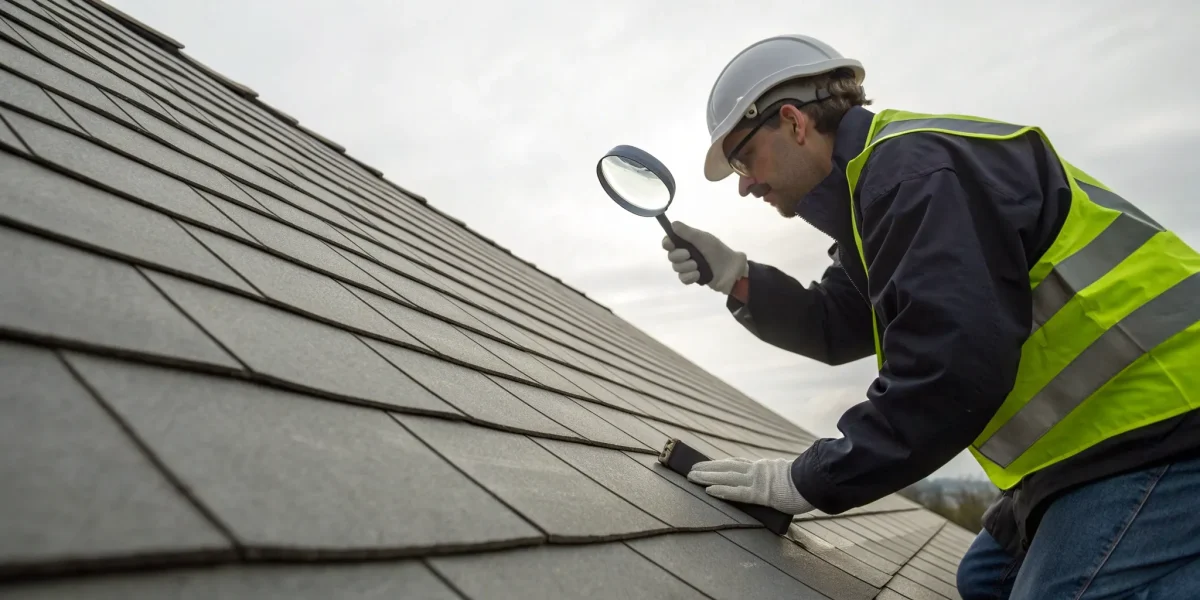
You just invested in a brand-new roof, expecting decades of worry-free protection. But what if small issues start appearing just months after the job is done? Before you get into a dispute with your contractor, you need objective facts. A post-installation forensic roof investigation is the ultimate quality control check. It verifies that the materials used and the installation methods meet manufacturer specifications and industry standards. An investigator meticulously examines the entire system to identify any shortcuts or errors that could lead to premature failure. This proactive step gives you peace of mind and provides the concrete evidence needed to hold your contractor accountable.
Key Takeaways
- Solve Persistent Problems for Good: A forensic investigation is your best tool for uncovering the true source of chronic leaks or mysterious roof failures. It moves past temporary fixes by providing a definitive diagnosis, ensuring you can address the root cause once and for all.
- Arm Yourself with Factual Evidence: The detailed, scientific report from a forensic investigation is your strongest asset in high-stakes situations. Use this objective proof to validate insurance claims, settle disputes with contractors, or enforce a manufacturer’s warranty.
- Hire a Detective, Not Just an Inspector: A qualified forensic investigator needs more than a basic license; they require specialized training, experience with complex systems, and advanced diagnostic tools. Vet candidates carefully to ensure you’re hiring an expert who can analyze clues and deliver a conclusive report.
What Is a Forensic Roof Investigation?
Think of a forensic roof investigation as detective work for your property. It’s not your average roof check-up; it’s a deep, investigative process designed to uncover the root cause of complex or persistent roofing problems. While a standard inspection identifies existing issues like leaks or damaged shingles, a forensic investigation answers the crucial question: Why is this happening?
This specialized inspection is often performed after a new roof has been installed to verify that the contractor did the job correctly and followed all building codes and manufacturer specifications. It’s a meticulous process that goes far beyond a visual once-over. An investigator will examine every layer of the roofing system, from the surface materials down to the structural decking, to find hidden defects or installation errors. These inspections are carried out by highly experienced professionals who have completed an extensive training portfolio, and sometimes, a structural engineer may be brought in to provide additional expertise. The goal is to deliver a conclusive, evidence-based report that explains exactly what went wrong and how to fix it for good.
Forensic vs. Standard Inspections: What’s the Difference?
A standard roof inspection is a vital part of property maintenance. It’s a health screening for your roof, designed to catch visible signs of wear and tear, potential leaks, and storm damage before they become major headaches. It gives you a general overview of your roof’s condition and is the first step toward securing a LeakFREE® roof certification.
A forensic inspection, on the other hand, is a much more detailed and scientific examination. It’s what you need when you have a chronic problem that regular fixes haven’t solved or when you suspect poor workmanship. Investigators use specific testing methods to gather hard data, providing objective proof of a roof’s condition and the source of its failure. This process helps you understand the true cause of an issue so you can find a permanent solution and avoid more costly repairs later.
When to Call in a Forensic Investigator
Knowing when to call in a forensic investigator can save you significant time, money, and stress. While a standard inspection is great for routine upkeep, there are specific situations where a forensic approach is necessary.
Consider a forensic investigation if:
- You’ve just had a new roof installed. A post-installation forensic check ensures the work meets industry standards and gives you peace of mind that your investment is sound.
- You’re dealing with persistent leaks. If you’ve had multiple repairs for the same leak without success, a forensic investigator can pinpoint the underlying cause that others have missed.
- You need to file an insurance claim. After a major weather event, a detailed forensic report provides the concrete evidence needed to support your claim with insurance companies.
- You’re involved in a legal dispute. Whether it’s with a contractor over faulty installation or in a real estate transaction, a forensic report serves as expert documentation.
Why Your Commercial Property Needs a Forensic Roof Investigation
A forensic roof investigation isn’t just another item on your maintenance checklist; it’s a deep dive into the health of your roof system. For commercial properties, where the roof protects significant assets, understanding its true condition is critical. This type of investigation goes far beyond a simple visual check, employing scientific methods to uncover the root cause of failures, predict future problems, and provide a clear path forward. It’s about getting definitive answers, whether you’re dealing with a persistent leak, assessing storm damage, or planning a major capital expenditure. Think of it as a complete diagnostic for one of your building’s most vital components.
Uncover Hidden Structural Damage
A standard inspection can spot obvious issues, but a forensic investigation uncovers problems lurking beneath the surface. What looks like minor wear and tear could be a symptom of a much larger, hidden issue like trapped moisture, compromised insulation, or incorrect installation. Investigators often take material samples to test for things like mold or asbestos, which a visual check would miss. They also use advanced tools and inspection software to get a complete picture. By identifying these hidden structural weaknesses early, you can address them before they lead to catastrophic failure and protect the long-term integrity of your building.
Strengthen Insurance Claims and Legal Cases
When you’re facing a dispute over roof damage, solid evidence is your best asset. A forensic roof investigation provides exactly that. The process is built on meticulous data collection, material analysis, and detailed documentation, creating an objective report that stands up to scrutiny. This comprehensive evidence is essential for substantiating insurance claims and can be the deciding factor in getting the coverage you deserve. For the professionals we serve, including property managers and insurance companies, this level of detail is invaluable. In legal situations, a forensic investigator can serve as an expert witness, providing clear, fact-based testimony to support your case.
Prevent Expensive Future Repairs
Waiting for a leak to appear before you act is a reactive approach that almost always leads to more extensive and expensive repairs. A forensic investigation allows you to be proactive. By identifying vulnerabilities and the root causes of minor issues, you can develop a targeted maintenance plan that addresses problems before they escalate. This preventative strategy not only saves you from the high cost of emergency repairs and business disruptions but also extends the functional lifespan of your roof. Investing in a thorough investigation helps ensure your roof remains a reliable, LeakFREE® asset for years to come, protecting your property and your budget.
A Look at Advanced Forensic Investigation Techniques
A forensic roof investigation goes far beyond what you can see with the naked eye. While a standard inspection might involve a walk-around and a visual check, a forensic investigator acts more like a detective, using specialized tools to uncover the root cause of a problem. This isn’t just about finding a leak; it’s about understanding precisely how and why it happened, tracing the issue back to its source, whether that’s a material defect, an installation error, or storm damage. This methodical approach is what separates a basic look-over from a true diagnostic assessment that provides clear, actionable answers.
To get this complete picture, investigators rely on a suite of advanced technologies. These tools allow them to see inside your roofing system, measure things that are invisible, and gather concrete data to support their findings. Think of it as giving your roof a full diagnostic workup, similar to a medical MRI or CT scan. This level of detail is crucial for building a strong insurance claim, resolving a dispute with a contractor, or simply creating a bulletproof plan for repairs. The goal is to move past guesswork and get to the facts, and that requires the right technology in the hands of a trained certified roof inspector.
Infrared Thermography to Find Hidden Moisture
One of the most powerful tools in an investigator’s kit is infrared thermography. This technology uses a special camera to detect temperature differences across your roof’s surface. Wet materials hold heat differently than dry ones, so when moisture is trapped under the roofing membrane, it shows up as a distinct thermal pattern. This allows an inspector to quickly and non-invasively pinpoint areas of hidden moisture that would otherwise go unnoticed until a major leak appears. It’s a game-changer for identifying the true scope of water intrusion and preventing small problems from turning into widespread, expensive damage.
Core Sampling for Material Analysis
Sometimes, you need to know what’s going on inside the roof itself. That’s where core sampling comes in. An investigator will carefully extract a small, cylindrical sample—or core—that includes every layer of your roofing system, from the surface down to the deck. This sample is then sent to a lab for analysis. Core sampling can confirm if the right materials were used, if they were installed to the manufacturer’s specifications, and if there are underlying issues like mold or degradation. It provides undeniable physical evidence of the roof’s composition and condition.
Drone Imaging for a Bird’s-Eye View
Getting a complete and safe view of a large or steep commercial roof can be a challenge. Drones have completely changed the game. Equipped with high-resolution cameras, drones can capture detailed images and videos of the entire roof surface, including hard-to-reach areas. This bird’s-eye view helps investigators spot patterns of damage, identify potential weak points, and document the roof’s overall condition with incredible accuracy. The imagery provides a comprehensive record that is invaluable for reports, insurance claims, and planning repairs, all without putting an inspector at risk on a precarious roof.
High-Tech Moisture Surveys
While infrared thermography is great for a broad overview, high-tech moisture surveys take it a step further to zero in on problem spots. Using tools like electrical impedance scanners or nuclear moisture gauges, an investigator can precisely measure moisture levels within the roofing system. These surveys help map out the exact boundaries of wet insulation and pinpoint the water’s entry points with surgical accuracy. This detailed data ensures that when it’s time for repairs, you’re only replacing what’s necessary, saving you time and money while ensuring the leak is truly fixed.
The Forensic Roof Investigation Process, Step by Step
A forensic roof investigation isn’t a quick glance from the curb. It’s a methodical, multi-stage process designed to uncover the root cause of a roof’s failure. Each step builds on the last, moving from a broad overview to a microscopic analysis. This systematic approach ensures that nothing is overlooked and that the final conclusions are based on solid evidence, not guesswork. Think of it like a detective solving a case—every clue is collected and analyzed before the final report is written. Understanding these steps will help you know what to expect when you bring in a professional and appreciate the depth of the work involved in protecting your property.
Step 1: Initial Assessment and Documentation
Before an investigator ever sets foot on your roof, the groundwork begins. This initial phase is all about gathering context. The investigator will collect every piece of information available about the roof, including original construction plans, maintenance logs, repair histories, and manufacturer warranties. They’ll also look at historical weather data for the area to identify any significant events like hailstorms or high winds. As experts at Perry and Reeves note, “Forensic investigations are rooted in visual inspections, material analysis, and data collection.” This documentation creates a complete history of the roof, providing crucial clues that will guide the on-site inspection. All this information is often organized using specialized inspection software to build a comprehensive case file.
Step 2: The On-Site Investigation
This is where the hands-on work happens. The investigator conducts a thorough visual examination of the entire roofing system, from the surface materials down to the decking and flashing. They’re looking for more than just obvious damage. According to Interstate Roofing, inspectors will “visually check how the roof was installed… and ensure the installation followed the manufacturer’s instructions.” This means checking for signs of poor workmanship, improper material use, or design flaws. During this phase, the investigator will take extensive photographs and may collect physical samples of roofing materials for later analysis. This meticulous fieldwork is a core skill taught in professional inspector training programs.
Step 3: Laboratory Analysis
The samples collected during the on-site visit are sent to a lab for scientific analysis. This step can reveal hidden issues that are impossible to see with the naked eye, such as material composition defects, moisture saturation, or the presence of contaminants like mold. Investigators may also use advanced technology to get a clearer picture of the roof’s condition. As Thornton Tomasetti points out, “Advanced forensic tools like drone imaging and 3D modeling help uncover hidden damage.” This combination of lab testing and high-tech imaging provides objective, scientific data to support the investigator’s findings, ensuring the final assessment is accurate and defensible.
Step 4: The Comprehensive Report
Once the on-site inspection and lab analysis are complete, the investigator compiles all the findings into a detailed report. This isn’t just a simple summary of damages; it’s a comprehensive document that tells the full story of your roof. The report will clearly explain the cause of the failure, supported by photographic evidence and lab results. As Interstate Roofing explains, the expert provides “a detailed report that explains everything they found, including the causes of any damage and recommendations for repairs.” This final document is your roadmap, providing clear, actionable steps for remediation and helping you make informed decisions to protect your investment.
How to Spot a Qualified Forensic Roof Investigator
When your roof is failing and the cause isn’t obvious, you can’t afford to hire just any inspector. A forensic roof investigation requires a level of expertise that goes far beyond a standard check-up. You’re essentially hiring a detective for your roof—someone who can piece together clues, analyze evidence, and deliver a definitive conclusion about what went wrong.
Finding the right professional means looking past a simple business license. You need someone with a specific combination of training, hands-on experience, and technical know-how. A qualified investigator can be the difference between a quick fix and a lasting solution, especially when insurance claims or legal disputes are on the line. Knowing what to look for will help you choose an expert who can provide the clarity and direction you need to protect your property.
Key Certifications and Credentials to Look For
A true forensic investigator has a background built on years of experience. This isn’t a job for someone new to the industry. Look for professionals who have dedicated their careers to understanding complex roofing systems. While experience is crucial, formal credentials validate their expertise. Certifications show that an inspector is committed to their craft and stays current with industry standards and techniques.
Organizations like the NRCIA offer specialized training that equips inspectors with the advanced skills needed for forensic work. Don’t hesitate to ask about their qualifications and whether they have experience with cases similar to yours. In some situations, the investigation may even require input from other experts, like structural engineers, so a well-connected professional is always a plus.
Proven Experience with Commercial Roofs
Commercial roofs are a world of their own. They often feature complex drainage systems, multiple penetrations from HVAC units, and vast, low-slope surfaces made from specialized materials. An investigator who primarily works on residential shingle roofs may not have the specific knowledge needed to diagnose issues on a commercial property. You need someone who understands the unique challenges that commercial property owners face.
When vetting a potential investigator, ask about their portfolio of commercial projects. Have they worked on roofs similar to yours? Can they provide case studies or references? An expert in commercial roofing will be familiar with common failure points in systems like TPO, EPDM, or modified bitumen and will know exactly where to look for hidden problems.
Deep Technical and Analytical Skills
A forensic investigation is a scientific process, and the best investigators use advanced technology to gather evidence. They look beyond surface-level issues to find the root cause of a problem. This requires a deep understanding of building science and access to the right equipment. A qualified expert will use modern inspection tools to get a complete picture of your roof’s condition.
Ask if they use techniques like infrared thermography to detect trapped moisture or drone imaging to get a detailed aerial view. These tools help uncover problems that are invisible to the naked eye. Ultimately, a great investigator combines this high-tech data with sharp analytical skills to connect the dots and deliver a precise, evidence-based conclusion about why your roof is failing.
Breaking Down the Cost of a Forensic Roof Investigation
When you’re dealing with a persistent roof issue, the cost of a forensic investigation can feel like another expense on a growing list. But it’s better to think of it as an investment in a definitive solution. Unlike a standard inspection, a forensic investigation digs deep to find the root cause of failure, which can save you thousands in the long run. The price isn’t one-size-fits-all because every roof and every problem is unique.
The final cost depends on the complexity of the issue and the techniques needed to uncover the truth. A straightforward leak on a small residential roof will naturally cost less to investigate than a systemic failure across a massive commercial facility. An investigator will consider the roof’s size, materials, and accessibility, along with the specific lab tests or imaging required. At NRCIA, we provide a clear scope of work so you understand exactly what the investigation entails and the value it delivers in protecting your property.
What Factors Influence the Price?
Several key factors determine the cost of a forensic roof investigation. The size and complexity of your roof are the most significant. A larger roof simply takes more time to examine thoroughly, while intricate designs with multiple levels, dormers, or skylights add layers of complexity to the diagnostic process. The type of roofing material also plays a role, as some materials require specialized testing methods.
The scope of the investigation itself is another major factor. Is the investigator trying to find the source of a single leak, or are they assessing widespread material failure? The specific techniques used, such as infrared thermography or core sampling for material analysis, will also influence the price. Ultimately, the goal is to create a precise, evidence-based report that gives you a clear path forward for repairs and helps you protect your property for years to come.
Why Commercial Properties Have Unique Costs
Investigating a commercial roof is often a more involved process than a residential one, and the costs reflect that. Commercial roofs are typically much larger and feature complex systems like industrial HVAC units, extensive drainage networks, and multiple vent pipes. Each of these penetrations is a potential point of failure that requires careful, individual assessment. The flat or low-slope design of most commercial roofs also presents unique challenges for drainage and moisture detection.
Furthermore, the stakes are higher for commercial property owners. A roof failure can lead to operational downtime, damaged inventory, and safety hazards for employees and customers. Forensic investigations on these properties often require inspecting interior spaces, like ceilings and walls, for signs of water intrusion that can pinpoint the exterior source. This level of detail is essential for building a strong insurance claim or pursuing legal action if necessary.
Understanding the Long-Term ROI
It’s easy to focus on the upfront cost of a forensic investigation, but the real story is in the long-term return on investment. A thorough investigation prevents the cycle of paying for cheap, ineffective repairs that only patch the symptoms instead of fixing the core problem. By identifying the exact cause of failure, you can ensure the correct repairs are done once, extending your roof’s lifespan and preventing far more expensive damage down the road.
Think of it this way: the cost of a forensic report is a fraction of what you might spend on a premature roof replacement or extensive interior water damage restoration. This detailed, expert analysis provides the proof you need to hold manufacturers or contractors accountable, strengthen insurance claims, and make informed decisions about maintenance. It’s a proactive step that safeguards your property’s value and gives you peace of mind.
Warning Signs: When You Need a Forensic Roof Investigation
Knowing when to call for a forensic roof investigation can save you from costly repairs and major headaches down the road. While a standard inspection is perfect for routine maintenance, certain red flags signal that you need a much deeper analysis. If you’re facing complex or recurring issues, it’s time to move beyond a surface-level look and get to the root of the problem. These situations require a detailed, evidence-based approach to uncover what’s truly going on with your roof.
Leaks That Won’t Quit
A persistent leak is one of the most frustrating problems a property owner can face. If you’ve had multiple repairs done but the water keeps finding its way in, it’s a clear sign of a deeper issue. Many people think a leak is the start of a problem, but it’s often a late-stage symptom of a much larger failure within the roof system. A forensic investigator won’t just patch the drip; they will trace the water’s path back to its origin, identifying the core defect that standard repairs have missed. This process is essential for developing a permanent solution and achieving a truly LeakFREE® roof.
Strange Settling or Structural Shifts
Have you noticed a sag in your roofline, new cracks appearing in your interior walls, or doors and windows that suddenly stick? These aren’t just quirks of an aging building—they can be warning signs of serious structural distress related to your roof. A forensic investigation uses detailed visual inspection, material analysis, and data collection to identify structural issues that are not immediately visible. An investigator can determine if the roof’s weight is improperly distributed or if a key structural component is failing, providing the evidence needed to address the problem before it leads to a catastrophic failure.
After a Major Storm Hits
Severe weather events like hurricanes, hailstorms, or heavy snow can inflict more than just obvious damage. While you can easily spot missing shingles or dented gutters, a storm’s true impact can be much more subtle. High winds can weaken structural connections, and hail can create micro-fractures in roofing materials that invite moisture in over time. A forensic investigation after a major storm is crucial for uncovering this hidden damage. The detailed report from a certified inspector provides the documentation you need to file a comprehensive insurance claim and ensure your property is properly restored.
When a New Roof Fails to Perform
It’s incredibly disheartening when a brand-new roof starts leaking or showing signs of failure. If your recent investment isn’t performing as it should, a forensic investigation is your next step. This specialized inspection helps determine if the problem stems from defective materials, poor workmanship, or an installation that didn’t follow manufacturer specifications or building codes. An investigator can pinpoint exactly where things went wrong, providing you with the unbiased, third-party evidence needed to hold the original contractor accountable and validate a warranty claim.
Common Myths About Forensic Roof Investigations, Busted
When it comes to complex roof issues, a lot of misinformation can float around. These myths can lead to costly mistakes, leaving property owners with bigger problems than they started with. Let’s clear up a few common misconceptions about forensic roof investigations so you can make informed decisions about protecting your property.
Myth: “I can just inspect it myself.”
It’s tempting to grab a ladder and take a look yourself, but a casual glance is no substitute for a professional forensic investigation. A trained investigator knows how to spot subtle signs of failure that an untrained eye would easily miss—like hidden moisture intrusion, compromised structural components, or material defects. These experts have undergone extensive training to understand complex roofing systems and failure analysis. Overlooking a small issue can lead to catastrophic damage down the road. A professional forensic investigation provides a detailed, unbiased assessment that goes far beyond a simple visual check, giving you the full picture of your roof’s health.
Myth: “My warranty will cover everything.”
A roof warranty can provide a great sense of security, but it’s not a blank check for any and all problems. Most warranties come with specific conditions, limitations, and exclusions. For instance, damage from improper installation or lack of required maintenance might not be covered. If you neglect regular inspections, you could unknowingly void your warranty. A forensic investigation provides the detailed documentation needed to determine the exact cause of failure, which is critical for validating a warranty claim. It ensures you have the evidence to prove the issue falls under the manufacturer’s responsibility, protecting your investment in a LeakFREE® roof.
Myth: “It’s too expensive to be worth it.”
Viewing a forensic roof investigation as a cost rather than an investment is a common mistake. While there is an upfront expense, it’s minor compared to the potential costs of unaddressed roof failure, which can include extensive structural repairs, interior water damage, and even legal fees. The detailed report from a forensic investigator can be the key to a successful insurance claim, saving you thousands. It also provides a clear roadmap for repairs, preventing future issues and extending the life of your roof. For the various professionals we serve, from property managers to real estate agents, this level of certainty is invaluable.
How to Choose the Right Forensic Investigation Service
Finding the right expert to conduct your forensic roof investigation is just as important as the investigation itself. The quality of the analysis and the final report depends entirely on the skill and experience of the person you hire. To make sure you’re getting a true expert, you need to do your homework and ask the right questions. Here’s what to focus on.
What to Look for When Researching
Forensic investigations require a level of expertise that goes far beyond a standard roof check. You’re looking for an inspector with extensive, hands-on experience in diagnosing complex roof failures. These professionals often have specialized credentials and a deep understanding of building science. Some may even be structural engineers or have completed advanced training programs focused on materials science and failure analysis. When you’re vetting potential investigators, look for a proven track record. Ask for case studies or examples of similar projects they’ve handled. A seasoned forensic expert will be able to demonstrate their ability to uncover the root cause of even the most mysterious roof problems.
Key Questions to Ask Before You Hire
Once you have a shortlist of candidates, it’s time to ask some direct questions. Think of it as an interview for a critical role—because it is. Start by asking about their process: “How do you approach an investigation to find the true root cause of a problem?” Their answer will reveal their methodology and attention to detail. Next, inquire about their experience with disputes. Ask, “Have you ever served as an expert witness in legal cases or insurance claims?” This is vital if your situation could lead to litigation. Finally, request a sample of a final report. This will show you the level of detail, clarity, and professionalism you can expect from their work.
Clarify the Project Timeline
A forensic roof investigation isn’t always a quick process, so setting clear expectations on timing is essential. A straightforward case might only take a day for the on-site inspection, but a more complex situation could stretch over several weeks. This longer timeline often accounts for necessary lab testing of materials, detailed data analysis, or coordination with other experts. Before you sign any agreement, ask for a projected timeline with key milestones. This should outline when the on-site work will happen, when to expect lab results, and a final delivery date for the comprehensive report. Understanding the timeline helps everyone involved, from property managers to real estate professionals, plan accordingly and avoids any surprises down the road.
What to Expect During and After Your Investigation
A forensic roof investigation is a detailed process, but knowing what’s coming can make it feel much more manageable. Once you’ve hired a qualified investigator, the process moves from assessment to action. It’s a collaborative effort where the investigator gathers evidence and you get the clear answers you need to protect your property. From preparing for the on-site visit to understanding the final report, here’s a breakdown of what happens next and how you can get the most out of the investigation.
How to Prepare Your Property
To help your investigator work efficiently, you can take a few simple steps to prepare your property. Start by ensuring there is clear and safe access to the roof, attic, and any interior areas showing signs of damage. It’s also helpful to gather any relevant documents you have, such as original building plans, warranty information, and records of past repairs or inspections. Your investigator will perform visual checks and may need to take small core samples of roofing materials for lab testing. This is a normal part of the process that allows for a deeper analysis of your roof’s condition and composition.
Understanding Your Final Report and Recommendations
After the on-site work and any necessary lab analysis are complete, you’ll receive a comprehensive report. This isn’t just a simple checklist; it’s a detailed document that explains exactly what the investigator found, supported by photographic evidence and data. The report will identify the root cause of the failure, outline the extent of the damage, and provide clear, unbiased recommendations. A professionally prepared report from a certified inspector is designed to be easily understood, giving you the information you need to make sound decisions about repairs, replacements, or next steps with an insurance claim.
What Comes Next? Your Action Plan
The final report is your roadmap to a solution. It will outline a clear action plan tailored to your roof’s specific issues, helping you address the core problem instead of just treating the symptoms. This plan allows you to fix issues correctly the first time and avoid more significant, costly damage down the road. Depending on the findings, the recommendations might range from targeted repairs to a full roof replacement. The evidence and expert analysis in the report provide the leverage you need to move forward confidently, whether you’re working with contractors, insurance adjusters, or legal counsel.
Related Articles
- Roof Inspection by NRCIA Certified Professionals
- Cost of a Roof Expert Witness Report: A 2025 Guide
- roof inspection Archives – NRCIA
- Inspection Report Archives – NRCIA
Frequently Asked Questions
How is a forensic investigation different from the free inspection a roofer offers? A free inspection from a roofing contractor is typically a sales tool designed to identify issues they can then quote you to fix. A forensic investigation, on the other hand, is a completely independent and unbiased diagnostic service. The goal isn’t to sell you a new roof, but to provide a definitive, evidence-based answer about why your current roof is failing. It’s a much deeper, scientific process that gives you the facts you need to make an informed decision.
Will the investigation process cause more damage to my roof? Not at all. A professional forensic investigator is trained to be meticulous and minimally invasive. While the process may involve taking small core samples to analyze the roof’s layers, this is done carefully and the area is immediately and properly sealed to prevent any future issues. The purpose is to diagnose the problem without creating new ones, ensuring your property remains protected throughout the investigation.
How long does a forensic roof investigation usually take? The timeline really depends on the complexity of the issue and the size of your property. The on-site inspection might be completed in a day, but the full process can take longer. If material samples need to be sent to a lab for analysis, that can add a week or more to the timeline. Your investigator should give you a clear projection of the timeline, including key milestones, before they begin any work.
Is a forensic investigation only necessary for major disasters or legal disputes? While it’s an essential tool in those situations, a forensic investigation is valuable in many other scenarios. It’s a smart move after a new roof installation to verify the quality of the work, or when you’re dealing with a persistent leak that multiple repair attempts haven’t solved. Think of it as the right choice anytime you need a conclusive answer to a complex roofing problem, big or small.
What do I do with the final report once I have it? Your final report is your action plan. It provides a clear, detailed explanation of the root cause of your roof’s issues and recommends specific steps for a permanent solution. You can use this document to get accurate quotes from contractors for the correct repairs, provide concrete evidence for an insurance claim, or hold a previous contractor accountable for faulty work. It gives you the expert leverage you need to move forward with confidence.
