
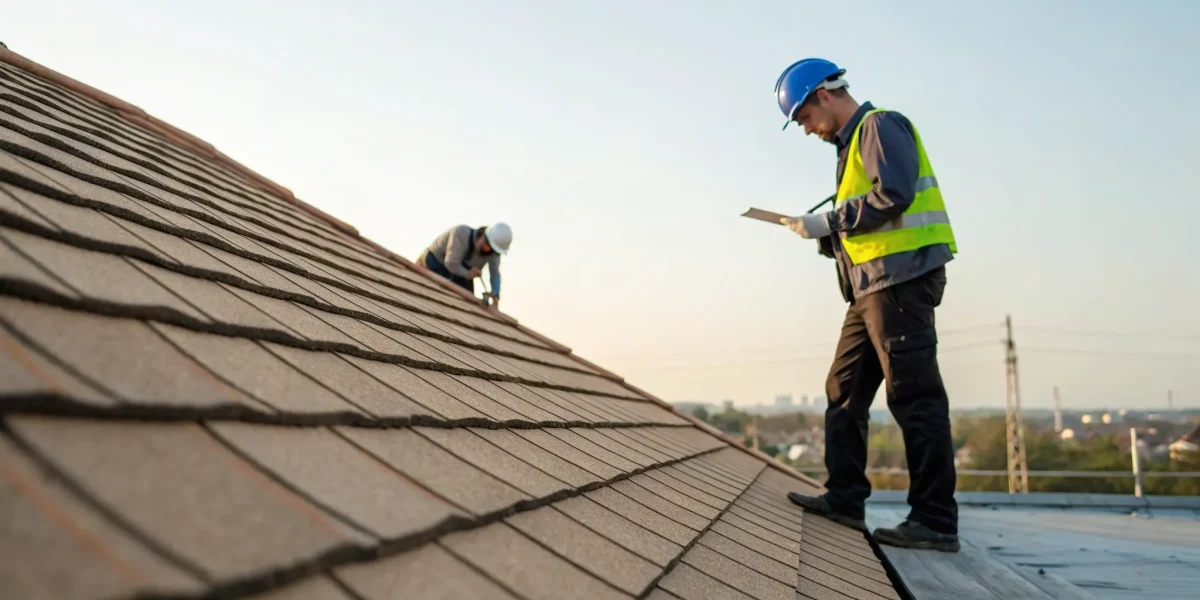
As a property manager or building owner, your roof can feel like a major liability. Understanding its condition is the first step toward protecting your investment, but knowing where to start can be a challenge. A structured inspection process empowers you to take control. It gives you a clear framework for what to look for, helping you spot obvious issues and have more informed conversations with roofing contractors. It demystifies the process, turning a daunting task into a manageable plan. Our free commercial roof inspection checklist pdf is designed to be that starting point, giving you the tool you need to be proactive about your roof’s health.
Key Takeaways
- Adopt a Systematic Approach: A detailed checklist is your best tool for ensuring every inspection is thorough and consistent. It helps you cover all critical areas, from the roof surface to drainage, creating a reliable record for maintenance and compliance.
- Prioritize Proactive Maintenance: Scheduling inspections at least twice a year and after major storms allows you to address minor wear and tear early. This simple habit prevents small issues from escalating into major structural damage and costly emergency repairs.
- Put Safety and Professionalism First: A proper inspection is a safe one. Always use the correct personal protective equipment and fall protection, and recognize when a job requires a certified professional for complex roofs or official documentation.
What Is a Commercial Roof Inspection Checklist?
Think of a commercial roof inspection checklist as your game plan for checking a roof’s health. It’s a systematic guide that ensures you or your inspector examines every critical component, from the surface materials to the drainage systems. Using a checklist means nothing gets overlooked. It standardizes the process, so whether you’re a seasoned contractor or a property manager, you can be confident that every inspection is thorough and consistent. This simple tool helps you spot potential trouble early, document the roof’s condition accurately, and keep a clear record for future reference, which is essential for all kinds of property stakeholders.
Why Regular Inspections Are a Must
Catching a small issue before it becomes a catastrophe is the whole point of regular roof inspections. An annual check-up can uncover problems with roofing materials or drainage before they lead to serious leaks or structural damage that could disrupt your business. According to The Hanover Insurance Group, these routine checks help you find problems early, preventing them from turning into expensive, business-halting emergencies. It’s about proactive care, not reactive panic. A consistent inspection schedule is the best way to protect your investment and ensure your building’s roof remains in top condition, safeguarding everything underneath it.
The Real Cost of Skipping Roof Maintenance
Putting off roof maintenance might seem like a way to save money in the short term, but it’s a costly gamble. The numbers don’t lie: for every dollar you spend on preventive maintenance, you can save about four dollars in future repair costs. When you skip inspections, you’re essentially waiting for a failure to happen. And those failures are getting more expensive. According to one report, roof damage claims for U.S. insurers doubled from $30 billion to $60 billion in just one year. Regular inspections are your first line of defense against becoming part of that statistic, protecting your budget from the massive, unplanned expenses of a major roof repair or replacement.
Key Areas Your Checklist Should Cover
A solid commercial roof inspection is methodical, not random. You can’t just wander around and hope to spot trouble. Your checklist should act as your guide, walking you through every critical component of the roof system, from the surface materials down to the internal structure. Breaking the inspection into these key areas ensures you don’t miss a thing and can catch potential issues before they balloon into expensive, business-halting repairs. This creates a repeatable process, making every inspection consistent and reliable.
Check the Roof Surface and Materials
The first stop is the roof’s surface. Your focus will change depending on the material—whether it’s TPO, EPDM, metal, or shingles—but the goal is the same: find signs of damage. Look for cracks, blisters, punctures, or open seams where the material is pulling apart. For shingled roofs, check for any that are curled, missing, or have lost their protective granules. Spotting this kind of wear and tear early is the key. Catching a small puncture now can prevent a massive leak later, saving you from significant water damage and operational headaches.
Inspect Drainage and Water Flow
Water is your roof’s biggest enemy, so managing it is a top priority. A proper inspection means checking every part of the drainage system. Make sure gutters, downspouts, scuppers, and internal drains are completely clear of leaves, dirt, and other debris that cause clogs. Blocked drains lead to ponding water, which puts immense stress on your roof structure and speeds up material decay. Walk the entire roof to identify any low spots where water is collecting. Efficient drainage is non-negotiable for your roof’s longevity.
Examine Flashing and Penetrations
Most roof leaks don’t happen in a wide-open field of roofing material; they start where things get complicated. Pay close attention to flashing—the seals around rooftop equipment like HVAC units, vents, pipes, and skylights. These penetration points are the most vulnerable spots for water to get in. Check that all seals are tight, with no gaps, cracks, or deterioration. Properly maintained flashing is essential to achieving LeakFREE® roof protection, as even a tiny gap can let in a surprising amount of water.
Assess Structural and Safety Features
A roof inspection is as much about safety as it is about condition. Check the integrity of permanent ladders, roof hatches, and walkways to ensure they are secure. Make sure safety railings are stable and meet compliance standards. For buildings in California, this also means understanding specific requirements for SB 721 inspections on elevated exterior elements. Assessing these features is crucial for preventing accidents and ensuring a safe environment for maintenance crews, contractors, and anyone else who needs roof access.
Don’t Forget to Look Inside
Often, the first signs of a roof problem appear inside the building. Before you even head up to the roof, walk through the top floor. Look at the ceilings and along the tops of walls for any water stains, discoloration, or peeling paint. Be aware of any musty smells or visible mold, especially after a heavy rain. These are classic indicators of a slow leak that might not be obvious from the outside. Finding these interior clues can help you zero in on problem areas once you’re on the roof.
What to Look for During a Commercial Roof Inspection
A thorough commercial roof inspection goes beyond a quick walk-around. It’s a detailed process where you need to know exactly what to look for. Catching small issues early can save you from dealing with major, business-disrupting problems down the road. By focusing on a few key areas, you can systematically assess the roof’s condition and identify potential trouble spots before they escalate. Here’s a breakdown of the critical elements to examine during your inspection.
Spotting Water Damage and Leaks
The first and most critical thing to look for is any sign of water intrusion. Regular inspections can uncover problems with your roof before they lead to leaks or significant damage that impacts your business. Look for the obvious signs like dripping water, but also pay close attention to the subtle clues: water stains on interior ceilings, peeling paint near vents, or damp spots on walls. On the roof surface, check for areas where insulation feels soft or spongy underfoot. A LeakFREE® certified roof provides peace of mind, but maintaining that status requires vigilance in spotting these early warning signs.
Identifying Material Wear and Tear
Your roof’s materials are constantly exposed to the elements, so wear and tear is inevitable. Your job is to spot it before it compromises the roof’s integrity. Carefully examine all roof surfaces for cracks, blisters, punctures, or open seams. Check for signs of deterioration like rust on metal panels or flashing, and look for clogged gutters or downspouts. A comprehensive checklist helps you systematically review every component, from the main roof field to the smallest details. Proper inspector training ensures you know how to identify material-specific issues across various roofing systems, which is key to an accurate assessment.
Checking Rooftop Equipment and Installations
A commercial roof is often home to more than just roofing materials. Don’t forget to check all the equipment on your roof, like HVAC units, exhaust vents, skylights, and plumbing pipes. Each of these installations creates a penetration in the roof membrane, which is a potential entry point for water. Inspect the flashing and sealant around every piece of equipment. Look for gaps, cracks, or signs of deterioration that could break the watertight seal. Using a detailed inspection software helps you document the condition of each penetration, ensuring nothing gets overlooked during your assessment.
Finding Ponding Water and Drainage Issues
Water that stays on a roof for more than 48 hours after it rains is called “ponding water,” and it’s a serious problem. The excess weight can stress the building’s structure, and the constant moisture accelerates the deterioration of roofing materials. During your inspection, look for any areas of standing water. You can also spot signs of past ponding by looking for rust stains, algae growth, or concentrated piles of dirt and debris. Always check that drains, scuppers, and gutters are completely clear and functioning properly. Proper drainage is a critical safety component, especially for the elevated exterior elements found on many commercial buildings.
How Often Should You Inspect a Commercial Roof?
How often should you inspect your commercial roof? It’s a question we hear all the time, and the simple answer is: more often than you probably think. While an annual check-up is a good starting point, the ideal frequency depends on your roof’s age, material, and the local climate. A brand-new roof in a mild climate might need less attention than a 15-year-old roof that endures harsh winters and stormy summers.
Think of it as a proactive health plan for your building. Regular inspections are your best defense against small issues turning into costly, business-disrupting disasters. By establishing a consistent schedule, you can catch potential problems early, extend the life of your roof, and protect your investment. The key is to have a plan that includes routine seasonal checks, immediate assessments after severe weather, and any inspections required to keep your warranties valid.
Your Seasonal Inspection Schedule
At a minimum, you should have your commercial roof professionally inspected twice a year: once in the spring and once in the fall. A spring inspection is perfect for assessing any damage caused by winter snow, ice, or wind. It’s your chance to make repairs before the intense summer sun and heavy rains arrive.
In the fall, the goal is to clear away leaves and debris that can clog drains and prepare the roof for the coming winter. This simple, twice-yearly routine helps you stay ahead of seasonal wear and tear. For roofing professionals, offering these seasonal check-ups is a great way to provide ongoing value to clients and build long-term relationships. Proper training for inspectors ensures these inspections are thorough and effective.
When to Inspect After a Storm
Mother Nature doesn’t follow a schedule, so your inspection plan needs to be flexible. It is critical to inspect your roof immediately after any severe weather event. This includes heavy rain, hail, high winds, or significant snowfall. Storms can cause immediate and obvious damage, like punctures from flying debris, but they can also create subtle problems that are harder to spot.
For example, high winds can lift the edges of roofing materials or damage flashing around vents and equipment, creating openings for water to seep in later. Don’t wait for a leak to appear inside your building. A prompt post-storm inspection allows you to identify and address vulnerabilities before the next rainfall causes major interior damage. This is a crucial service for the property stakeholders who rely on a sound roof to protect their assets.
Staying Compliant with Your Warranty and Insurance
Beyond protecting your building from the elements, regular roof inspections are a matter of financial sense. Most commercial roofing warranties and insurance policies require you to perform and document regular maintenance. If you fail to do so, you could risk voiding your coverage. Imagine discovering a major roof failure only to learn your warranty won’t cover the repair costs because you skipped a few inspections.
It’s a costly mistake that’s easy to avoid. Keeping detailed records of your inspections—including photos and notes—provides the proof you need to stay compliant. It also ensures that when you need to make a claim, the process goes smoothly. A LeakFREE® roof certification is an excellent way to formalize this protection, as it includes a warranty backed by routine professional checks.
Key Safety Rules for Commercial Roof Inspections
A checklist is a great tool, but it’s useless if you don’t make it back down from the roof safely. Safety should always be the top priority during any commercial roof inspection. It’s not just about following rules; it’s about creating a secure environment for yourself and anyone else on the property. Before you even think about stepping onto a roof, you need a solid understanding of the risks and how to manage them. This means having the right gear, securing your access points, paying attention to the weather, and making sure you’re properly trained for the job.
Gear Up: Personal Protective Equipment (PPE)
First things first, let’s talk about gear. Personal Protective Equipment (PPE) is your first line of defense. This isn’t optional—it’s essential. At a minimum, you should be wearing a hard hat, safety glasses, gloves, and sturdy, non-slip footwear. As the team at Sentry Roofing points out, comprehensive safety involves “proper training, excellent communication, physical barriers, specific equipment, and additional support.” Your PPE is a critical part of that equation. Investing in quality gear and knowing how to use it is a fundamental step in every inspection. Proper inspector training will always cover the correct use of PPE for various roofing systems and conditions.
Prevent Falls and Secure Access Points
Falls are the most significant risk in roofing, so preventing them is paramount. For most commercial roofs, especially those with a pitch or near an edge, you’ll need a fall-arrest system. This could include roof anchors and safety cords. According to OSHA’s extensive Fall Prevention Standard, anyone working within 10 feet of the roof’s perimeter must be properly tied off. Before you ascend, always ensure your ladder is secure and on stable ground. Check that all access points, like roof hatches, are safe to use. Taking a few extra minutes to double-check your fall protection setup can make all the difference.
Choose the Right Time and Weather
Your inspection schedule should be flexible enough to accommodate the weather. Never inspect a roof during or immediately after rain, as wet surfaces are incredibly slippery. The same goes for icy or snowy conditions. High winds can also create dangerous situations, affecting your balance and turning loose materials into projectiles. It’s best to work in clear, dry weather. This not only keeps you safe but also helps you get a more accurate assessment. As Blue Frog Roofing advises, it’s also “critical to remove debris and unclog drains to give you a clear picture of the condition.” A clear roof is a safer roof to walk on.
The Importance of Training and Clear Communication
Having all the right gear won’t help if you don’t know how to use it. Proper training is the foundation of roof safety. You need to understand safety protocols, know how to handle your equipment, and be able to identify potential hazards before they become problems. If you’re working with a team, clear communication is vital. Make sure everyone knows the plan and can alert others to dangers. As American WeatherStar notes, “keeping a good footing is key to safety,” and that comes from a combination of the right footwear and the knowledge of where it’s safe to step. This is why comprehensive certification programs are so valuable—they equip you with the skills to inspect roofs safely and effectively.
Why Use a PDF Checklist for Your Inspections?
When it comes to commercial roof inspections, consistency is everything. Relying on memory alone is a recipe for missed details and inconsistent reports. A standardized checklist ensures every inspection is thorough and systematic, whether you’re a seasoned pro or new to the field. It acts as your guide, making sure you cover every critical area, from the roof surface and drainage systems to flashing and structural components. This systematic approach not only helps you identify potential issues before they become costly problems but also builds a history of the roof’s condition over time.
Using a PDF checklist is a straightforward way to bring this level of professionalism to your work. It’s a simple tool that offers incredible value by standardizing your documentation process. While advanced platforms like NRCIA’s proprietary inspection software offer powerful features for managing inspections, a PDF checklist is a universally accessible starting point. It bridges the gap between messy paper notes and a fully digital system, giving you a clean, professional format that’s easy to use and share. It ensures that every report you deliver is comprehensive, clear, and reflects the high quality of your work.
Keep Your Documentation Consistent
Using a checklist to keep track of what you find during inspections helps you record the condition of your roof over time. When you use the same checklist for every inspection, you create a consistent, reliable record. This historical data is invaluable for tracking gradual wear and tear, predicting future maintenance needs, and making informed decisions about repairs or replacement. It also means that if a different inspector from your team visits the property next year, they can follow the exact same process. This consistency ensures a high standard of quality and helps property managers maintain a complete and accurate history of their asset.
Use a Checklist on Any Device
One of the biggest advantages of a PDF checklist is its versatility. You can download it and use it on virtually any device—a smartphone, tablet, or laptop. This means you always have it with you on the job site. You can fill it out directly on a tablet for a paperless workflow or print a physical copy if you prefer to take notes by hand. This flexibility allows you to work in a way that’s most comfortable and efficient for you. Unlike some software that may be limited to certain operating systems, a PDF is a universal format that works for everyone, ensuring you can get the job done without any technical headaches.
Simplify Record Keeping and Compliance
A completed checklist is more than just a set of notes; it’s an official record. Using a standardized PDF simplifies your administrative work by ensuring all essential information is captured in a clean, organized format. This is especially important for compliance and insurance purposes. A thorough report can be crucial when filing an insurance claim or proving that you’ve met the maintenance requirements of a roof warranty. For property managers in certain areas, detailed inspection records are a legal necessity for regulations like California SB 721. A clear, comprehensive checklist makes it easy to generate professional reports that you can save, share with clients, and keep for your records.
Avoid Lost Paperwork and Inconsistent Reports
Paper-based systems are prone to problems. Notes can get lost, damaged by weather, or become illegible. Without a template, reports can vary wildly from one inspection to the next, even when completed by the same person. This inconsistency can look unprofessional and lead to missed details. A PDF checklist solves these issues by providing a standard format for every job. It ensures that no steps are skipped and that every report is clear, professional, and comprehensive. This uniformity not only streamlines your internal processes but also builds trust with your clients, who can rely on receiving a consistently high-quality report every time.
How to Get the Most Out of Your Inspection
A great inspection is more than just walking around on a roof. It’s a systematic process that combines safety, detailed documentation, and the right tools. Whether you’re a property manager preparing for a visit or a contractor refining your workflow, focusing on these key areas ensures you get a clear picture of your roof’s health. A thorough process helps you catch small issues before they become expensive problems and creates a valuable record for future maintenance.
DIY vs. Calling a Pro: What to Know
Deciding between a quick look yourself and hiring a professional often comes down to safety. While a ground-level check can help you spot obvious issues, getting on the roof is another story. Safety regulations are strict, and anyone working near the edge must use proper fall protection equipment. Professionals have the training and gear to perform inspections safely and thoroughly. For property managers and owners, hiring a certified inspector not only ensures compliance but also provides the peace of mind that comes with an expert assessment.
Document Everything: The Role of Photos and Notes
Clear documentation is the backbone of a useful roof inspection. Your goal is to create a detailed record of the roof’s condition. This means taking plenty of photos—capture wide shots of the entire roof, then get close-ups of any potential problem areas like seams or flashing. Make sure your photos are timestamped. These images serve as crucial evidence for insurance claims, warranty requirements, and maintenance planning. Think of it as building a visual history that helps you protect your investment and maintain a LeakFREE® roof.
Use Tech for a Better Inspection
Modern technology can make your roof inspections faster, more accurate, and more consistent. Using digital checklists on a tablet or phone helps standardize the process, ensuring no critical steps are missed. This approach cuts down on paperwork and makes it easy to capture photos and notes in one place. Digital tools streamline the entire workflow, from assessment to final report. For roofing professionals, specialized inspection software improves efficiency and helps create thorough reports that build client trust.
When to Call a Professional Roof Inspector
While a basic checklist helps you stay on top of routine maintenance, some situations demand a professional’s eye. Knowing your limits is key to protecting both your property and yourself. A DIY inspection can’t replace the expertise of a trained inspector who knows exactly what to look for and how to do it safely. If you encounter a major issue, need official documentation, or simply feel out of your depth, it’s time to call in a pro. They have the tools, training, and experience to provide a thorough assessment you can rely on.
For Complex Roofs and Special Equipment
If your building has a steep pitch, multiple levels, or intricate features, a professional inspection is non-negotiable. These complex roofing systems require specific skills and equipment to assess safely and effectively. Professionals come equipped with the right gear and proper training to handle these challenges. They understand the necessary safety precautions, from using physical barriers to specialized support, ensuring a comprehensive inspection without putting anyone at risk. Don’t attempt to assess a complicated roof on your own; it’s safer and smarter to leave it to someone who handles these structures every day.
For Insurance Claims and Warranty Needs
When you need to file an insurance claim for roof damage or ensure your warranty remains valid, you’ll need documentation from a qualified professional. Insurance companies and warranty providers require detailed reports that accurately assess the condition of your roof. An inspector using the correct safety equipment, like a fall-arrest system, can gather the necessary evidence and provide the expert documentation you need. This is especially important for your warranty needs, as a certified inspection can confirm that your roof meets all requirements and that any damage is properly recorded for a claim.
The Advantage of an NRCIA Certified Inspector
Hiring an NRCIA certified inspector gives you peace of mind that you’re working with a top-tier professional. Our members are held to the industry’s highest standards for safety and expertise. Anyone working on a pitched roof or near the edge must be properly tied off with the right equipment, following strict fall prevention standards. An NRCIA inspector not only adheres to these safety protocols but also has the qualifications to conduct a truly thorough inspection. They can identify subtle issues that might otherwise go unnoticed, helping you protect your investment and ensure your roof’s long-term health.
Common Roof Inspection Mistakes to Avoid
Even with the best checklist in hand, it’s easy to make mistakes during a commercial roof inspection. These aren’t just small slip-ups; they can lead to overlooked damage, expensive emergency repairs, and serious safety risks. Knowing the common pitfalls is the first step to avoiding them entirely. Think of it as learning from others’ mistakes so you don’t have to repeat them.
The biggest issues usually stem from three areas: cutting corners on the process, putting off inspections for too long, and neglecting basic safety rules. A rushed job can mean missing a critical sign of water intrusion, while procrastination can turn a minor fix into a full-blown roof replacement. And, of course, nothing is more important than ensuring everyone stays safe. A proper inspection is methodical, proactive, and always puts safety first. That’s why professional training and certification are so valuable—they instill the habits that prevent these common but costly errors.
Skipping Steps or Losing Records
A checklist is a fantastic tool, but it only works if you follow it consistently. It’s tempting to skip a step that seems minor, but every item is there for a reason. Overlooking something as simple as checking a single drain could lead to a major backup down the road. Just as important is keeping detailed records of every inspection. Without a clear history, you can’t track wear and tear over time or prove that you’ve kept up with maintenance. Using dedicated inspection software can help you maintain consistent, organized reports, ensuring nothing gets lost in a pile of paperwork.
Waiting Too Long to Spot Problems
Putting off a roof inspection is one of the most expensive mistakes you can make. Small problems rarely fix themselves; they almost always get worse. A few cracked shingles or a small tear in the membrane can quickly become a significant leak that damages your building’s interior and inventory. Regular inspections help you catch these issues early when they are still simple and inexpensive to fix. This proactive approach is the core principle behind maintaining a LeakFREE® roof. By staying ahead of potential problems, you extend the life of your roof and protect your business from unexpected disruptions and costs.
Forgetting About Safety
Roof inspections come with inherent risks, and safety should never be an afterthought. Far too many accidents happen because someone didn’t use the right gear or failed to follow established safety protocols. Anyone accessing the roof must be protected against falls, whether through guardrails or proper tie-off equipment. It’s also crucial to be aware of weather conditions and potential hazards like skylights or electrical lines. This is where professional inspector training becomes non-negotiable. It ensures that every inspection is performed not just effectively, but safely, protecting both the inspector and your property.
Get Your Free Commercial Roof Inspection Checklist
Regularly inspecting your commercial roof is one of the most effective ways to maintain your property’s value and prevent small issues from turning into expensive disasters. A systematic approach ensures you don’t miss a thing, and that’s where a solid checklist comes in. It acts as your guide, helping you spot potential trouble before it leads to serious damage.
Our free Commercial Roof Inspection Checklist is designed to streamline your process. It walks you through all the essential components, from the roofing materials and flashing to the drainage systems and signs of wear. As experts at the Hanover Insurance Group note, inspecting your roof annually can help you avoid a host of problems, including damaged materials and leaks. This simple step is key to extending the life of your roof and protecting everything underneath it.
Of course, safety should always be your top priority during any inspection. Working on a roof requires careful planning and the right precautions to prevent accidents. Whether you’re a seasoned professional or a property manager, having a clear plan is non-negotiable. Taking the time to prepare properly ensures the inspection is both safe and effective.
Ready to make your inspections more consistent and thorough? Download your free Commercial Roof Inspection Checklist today. It’s the perfect tool to help you protect your investment and gain the peace of mind that comes with a well-maintained, LeakFREE® roof.
Related Articles
- Roof Inspection Archives – NRCIA
- Roofing Safety Standards: Ensuring Your Inspection Runs Smoothly – NRCIA
- Comprehensive Roofing Inspections: A Service to Clients – NRCIA
- roof inspection Archives – NRCIA
- roofcheck Archives – NRCIA
Frequently Asked Questions
Can I do this inspection myself, or do I need to hire a professional? While you can certainly perform a visual check from the ground or look for interior signs of leaks, getting on a commercial roof is a different story. Professionals have the safety training and specialized equipment required to navigate the roof without risk. They also have the experience to spot subtle issues that an untrained eye might miss, ensuring a truly thorough assessment that protects both you and your property.
My roof is brand new. Do I really need to inspect it already? Yes, absolutely. Think of it as establishing a baseline for your roof’s health. An early inspection can catch any potential installation issues that might have been overlooked. It also creates the first entry in your roof’s historical record, which is essential for tracking its condition over time and for any future warranty claims. Starting a regular inspection schedule from day one is the best way to protect your new investment.
What’s the most critical sign of a roof problem I should look for? Water is your roof’s number one enemy, so any sign of it being in the wrong place is a major red flag. Look for areas of ponding water that don’t evaporate within a day or two after rain. Also, pay close attention to clogged drains, gutters, or scuppers, as these can cause water to back up. These drainage issues are often the first warning signs of bigger problems to come.
Is a yearly inspection enough for my commercial roof? An annual inspection is the absolute minimum, but the best practice is to have your roof checked twice a year—once in the spring to assess winter damage and once in the fall to prepare for the coming cold. You should also schedule an immediate inspection after any severe weather event, like a hailstorm or high winds. A proactive schedule is far more effective than a reactive one.
Why is keeping detailed records of my inspections so important? Detailed records are your proof of due diligence. Most commercial roof warranties and insurance policies require regular, documented maintenance to remain valid. If you ever need to file a claim, a consistent history of inspections with photos and notes will be your best asset. These records also help you track gradual wear and make smarter, more informed decisions about future repairs and budgeting.
