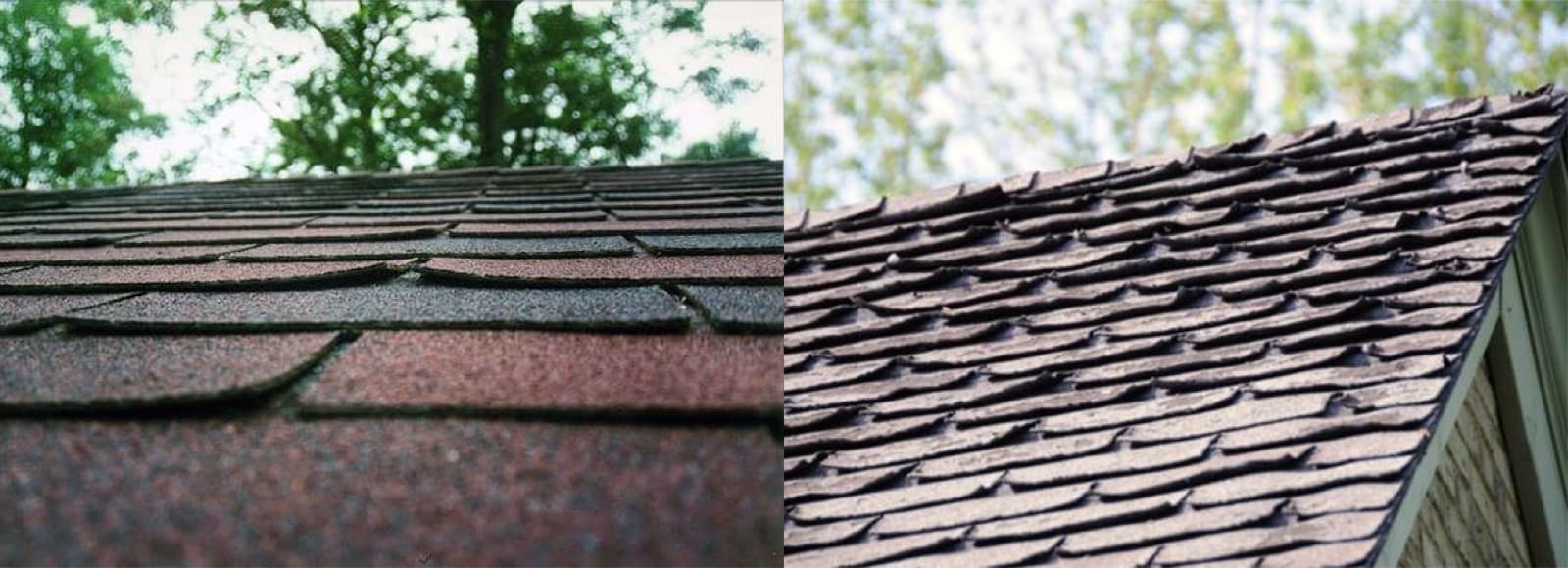
Why a roof inspection before solar panels matters
A residential solar array is a long commitment bolted to a surface with a shorter life than the array. Panels commonly carry manufacturer coverage measured in decades. The roof underneath them may have a fraction of that left. Getting a roof inspection before solar panels go on is what keeps those two timelines from colliding at your expense.
The array also changes the roof. Racking is fastened through the covering into structure, and every fastener is a hole that has to be sealed correctly and stay sealed. Water finds every weakness. The point of looking first is to find the weaknesses before somebody adds dozens of new ones.
What the inspection should cover
NRCIA members trained through the RoofGUARD™ program perform the LeakFREE® Check, a five-zone examination covering interior, attic, exterior, perimeter and rooftop. For a property considering solar, the findings that matter most are these:
- Remaining service life. How many years the covering can reasonably be expected to perform, given its material, age, slope and condition.
- Deck condition. Racking loads transfer into sheathing and rafters. Soft or delaminated sheathing will not hold an anchor.
- Existing water entry. Stains, saturated insulation and rot in the attic, found before panels make that area harder to reach.
- Flashing and terminations. The details that already leak, or are about to.
- Attic ventilation. Panels shade the deck and change how heat moves through the assembly.
- Layers. A roof already carrying two coverings is a different structural and sealing problem.
You want that written down, with photographs and dates, before an installer surveys the same roof. A report from someone who is not selling the array is the version you can rely on later.
Replace the roof now or reset the array later
This is the decision most homeowners get wrong. If the covering has a handful of years left, the cheaper path is almost always to re-roof before installation. Doing it afterward means paying to remove the array, store it, re-roof, then remount and rewire, and that removal and reset is billed as its own project.
Ask two questions before signing anything. How many years of service life does the written inspection report give this covering? How much would removal and reinstallation of this array cost if the roof needed replacing in five years? Get both answers on paper.
Roofing materials that complicate a solar mount
- Asphalt shingle. The most straightforward mounting, using flashed penetrations set into the shingle course.
- Concrete and clay tile. Tiles break under foot traffic and during mounting. The installer needs tile-specific hooks or replacement tile flashings, plus spare stock that matches.
- Slate. Brittle, expensive, and unforgiving of a wrong step. Many installers decline it, and that is a reasonable answer.
- Wood shake and shingle. Fire code, fastener corrosion and splitting all come into play.
- Standing seam metal. Often the easiest, because clamps attach to the seam without penetrating the panel at all.
- Low-slope membrane. Usually ballasted or fully adhered racking rather than through-fastened, and drainage has to be preserved.
Mounting method should follow the material, not the installer’s habit. Ask which method is proposed for your specific covering and how each penetration is flashed.
What solar does to your roof paperwork
Three documents can change the day the array goes up.
Your manufacturer warranty. Many roofing material warranties carry conditions about penetrations and third-party work. Read yours, or ask the manufacturer directly, before installation rather than after a claim.
Your LeakFREE® certification. A certification records the condition of a specific roof on a specific date. New penetrations change that roof. Re-inspection is triggered when repairs are performed by anyone other than an NRCIA member, so tell the member who issued your certificate before the installer starts and plan for a look afterward.
Your HOA or review board rules. Community associations and historic review boards often restrict placement and visibility. Read the governing documents before you take a bid.
Incentives change, so verify them at the source
Federal, state, local and utility incentives for residential solar are revised regularly, and eligibility often turns on whether you own the system rather than lease it. Confirm current terms with your state energy office and a tax professional before you build a payback estimate. Any number quoted to you by a salesperson should be checkable against a published source.
After the array is up
Panels need very little routine attention. The roof under them still does.
- Have the roof examined after hail or high wind, the same as any other roof.
- Watch for an unexplained drop in production, which can point to physical damage.
- Keep the array clear of overhanging limbs and debris that traps water at the panel edges.
- Leave rooftop cleaning to people with fall protection and experience on that covering.
- Keep the installation drawings, the mounting details and the inspection report together. A future roofer will need all three.
Across 6,460 member inspections nationwide, more than 66 percent of roofs either qualified for a LeakFREE® certification or could be repaired to qualify. Knowing which category your roof falls into is a better place to start a solar project than a sales appointment.
Find an accredited NRCIA inspector near you in the member directory and get the roof documented before the array goes on.
LeakFREE®, Forensic ROOF®, Mr. RoofCheck®, InspectionPLUS®, Today’s Inspection… Tomorrow’s Protection®, and Got Leaks?® are registered trademarks of Field Gate FLP, used by permission. RoofGUARD™, ForensicGUARD™, DisasterGUARD™, E3GUARD™, and Think Like a Raindrop™ are trademarks of Field Gate FLP.