
“The bitterness of poor quality remains long after the sweetness of low price is forgotten.”
You have probably seen this line credited to Benjamin Franklin. It sounds like him, but Franklin died in 1790, and researchers have found no evidence that he said it. Quote Investigator traced the earliest known version to a card registered for copyright by Thomas B. Lehon of Chicago in 1906. Over the next century, versions of it appeared in advertising for printers, furniture stores, lumber companies, window companies, and jewelers. One ran in a Butte, Montana newspaper in 1932.
That history makes the point well. The saying came out of the trades, and it has lasted because people keep finding it true. It also carries a second lesson for anyone hiring help with a roof: a claim that sounds right still needs to be checked. Checking is what a good roof inspection is for.
What the price tag leaves out
Price matters. Nobody should overpay, and every property owner has a budget. Price is also the part you stop thinking about first. The check clears, the job is done, and the number fades from memory.
What stays is the result: a defect nobody looked for, a report that cannot answer a buyer’s question, a repair that leaks again next winter, or a new roof installed outside the manufacturer’s instructions with its warranty coverage now in question. Those costs arrive later, and they can be much larger than whatever was saved.
A better question to ask about any roofing decision is this one: what will this choice cost over the life of the roof?
Where shortcuts show up on a roof
The principle applies from the first inspection to the last shingle, and Think Like a Raindrop™ explains why. Water lands on a roof, runs downhill, and finds the easiest way in. Any step that gets skipped becomes a place water can find.
- Inspections. A short visit that covers only part of the roof can miss what matters most. For a full roof inspection, NRCIA members check five zones: the interior, the attic, the exterior, the perimeter, and the rooftop, which is walked when it is safe to do so. A surprise leak after closing is often a condition nobody looked for.
- Reports. A report that says “roof appears in fair condition” and little else cannot help you in a sale, an insurance conversation, or a contractor bid. You need photos tied to locations, an explanation of cause, and clear recommendations.
- Certifications. A roof certification means what its standard and its written terms say. Before you rely on one, ask who issued it, what criteria the roof was measured against, and what the certificate covers and excludes.
- Repairs. Water often enters several feet uphill from the stain it leaves. A patch at the stain may not stop the leak, and the water can keep following the same path into the decking, the wood boards under the roofing.
- Replacements. Some of the most important parts of a roof are the ones you cannot see once it is finished: underlayment, flashing, ventilation, and fastening. Work that does not follow the manufacturer’s installation requirements may affect warranty coverage and how long the roof lasts.
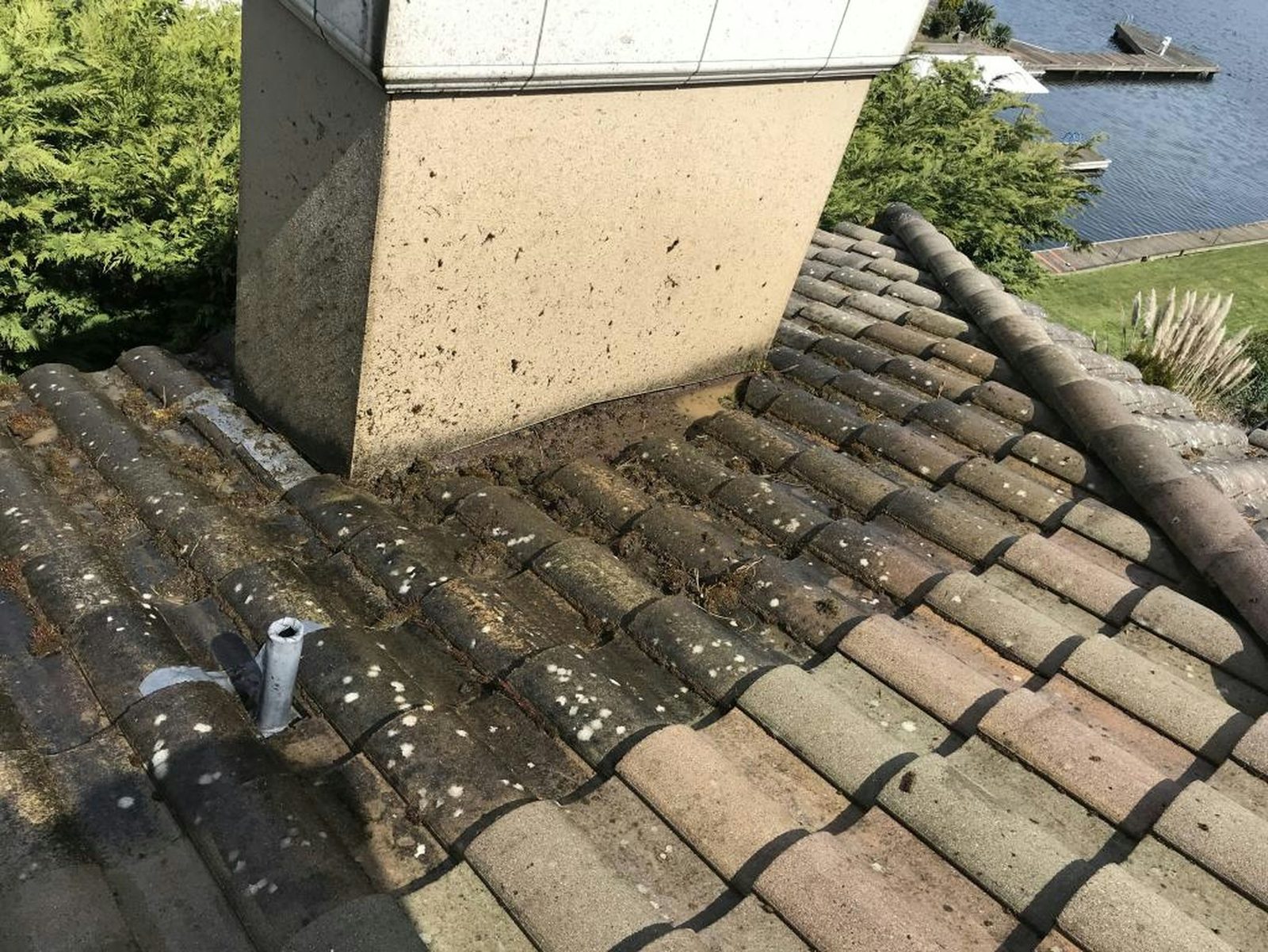
Why the report matters as much as the visit
When the inspector climbs down the ladder, the job is only half done. The report is how the inspection gets used. Buyers, sellers, agents, lenders, insurers, contractors, and sometimes attorneys will read it without ever setting foot on your roof. If the report is unclear, it cannot do its job.
A quality roof inspection report should include:
- Clear findings in plain language that a property owner can understand
- The question and the scope, including the building code and manufacturer requirements that apply to your roof
- Photos tied to specific locations on the roof
- The likely cause of each problem, including where water would land, travel, and get in, so the right repair gets made
- A clear call on each condition: meets the requirement, does not, or needs further evaluation
- Prioritized recommendations that separate urgent items from routine maintenance
- Observations kept separate from conclusions, with any area the inspector could not reach listed and explained
- An estimate of remaining service life, where the evidence supports one, labeled as the inspector’s professional opinion
- The inspector’s name, credentials, and the standard used
- Timely delivery, so the report arrives before your deadline
A good report also protects you over time. It is a dated record of your roof’s condition, which matters when you sell, when you file a claim, or when you need to show when a problem began. Here is a simple test: could someone who never saw your roof read the report and reach the same conclusion? The inspector provides the expertise. The standard provides the anchor.
Questions to ask before price decides for you
When you compare bids, compare more than the bottom line. Ask every company the same questions:
- What credentials and training does the person on my roof hold?
- Can I see a sample report before I hire you?
- Will my report include labeled photos, causes, and prioritized recommendations?
- What standard is the work measured against?
- If your company also does repairs, how do you keep the inspection separate from any repair proposal?
- Will the work follow the manufacturer’s installation requirements?
- Who is accountable if something was missed?
If one bid is much lower than the others, ask what accounts for the difference. Sometimes it is efficiency. Sometimes the scope is narrower. Either way, you deserve to know what is included before you decide.
What to expect from an NRCIA member
NRCIA sets the standard for roof inspection and certification and trains and credentials the inspectors who work to it. NRCIA members are independent professionals. Accredited members inspect roofs, document their findings in written reports, and, when a roof meets the published criteria, issue a LeakFREE® Roof Certification. LeakFREE® is a federally registered trademark of Field Gate FLP. Only NRCIA members can issue a LeakFREE® certification.
Many members are also licensed roofing contractors, and licensing requirements vary by state. NRCIA’s Code of Ethics requires a member to tell you in writing, before the inspection, if their company could receive repair work from it, and to complete the inspection before offering any repair proposal.
Members establish their own prices, estimating methods, and commercial terms independently. NRCIA does not set, recommend, or coordinate member pricing. What the standard does hold steady is the quality of the work: findings based on evidence, reports you can use, and documentation that holds up long after the invoice is paid.
The sweetness of a low price fades fast. A roof inspected right, and documented right, keeps paying you back every time it rains.
Find an NRCIA member near you and ask to see a sample report.
Source on the quote’s origin: Quote Investigator, “The Sweetness of Low Price Never Equals the Bitterness of Poor Quality,” May 14, 2025.
LeakFREE®, Forensic ROOF®, Mr. RoofCheck®, InspectionPLUS®, Today’s Inspection… Tomorrow’s Protection®, and Got Leaks?® are registered trademarks of Field Gate FLP, used by permission. RoofGUARD™, ForensicGUARD™, DisasterGUARD™, E3GUARD™, and Think Like a Raindrop™ are trademarks of Field Gate FLP.