Got Leaks?® is a simple question with a big job. It asks every property owner to stop and think about the roof overhead before the roof gives the answer on its own terms.
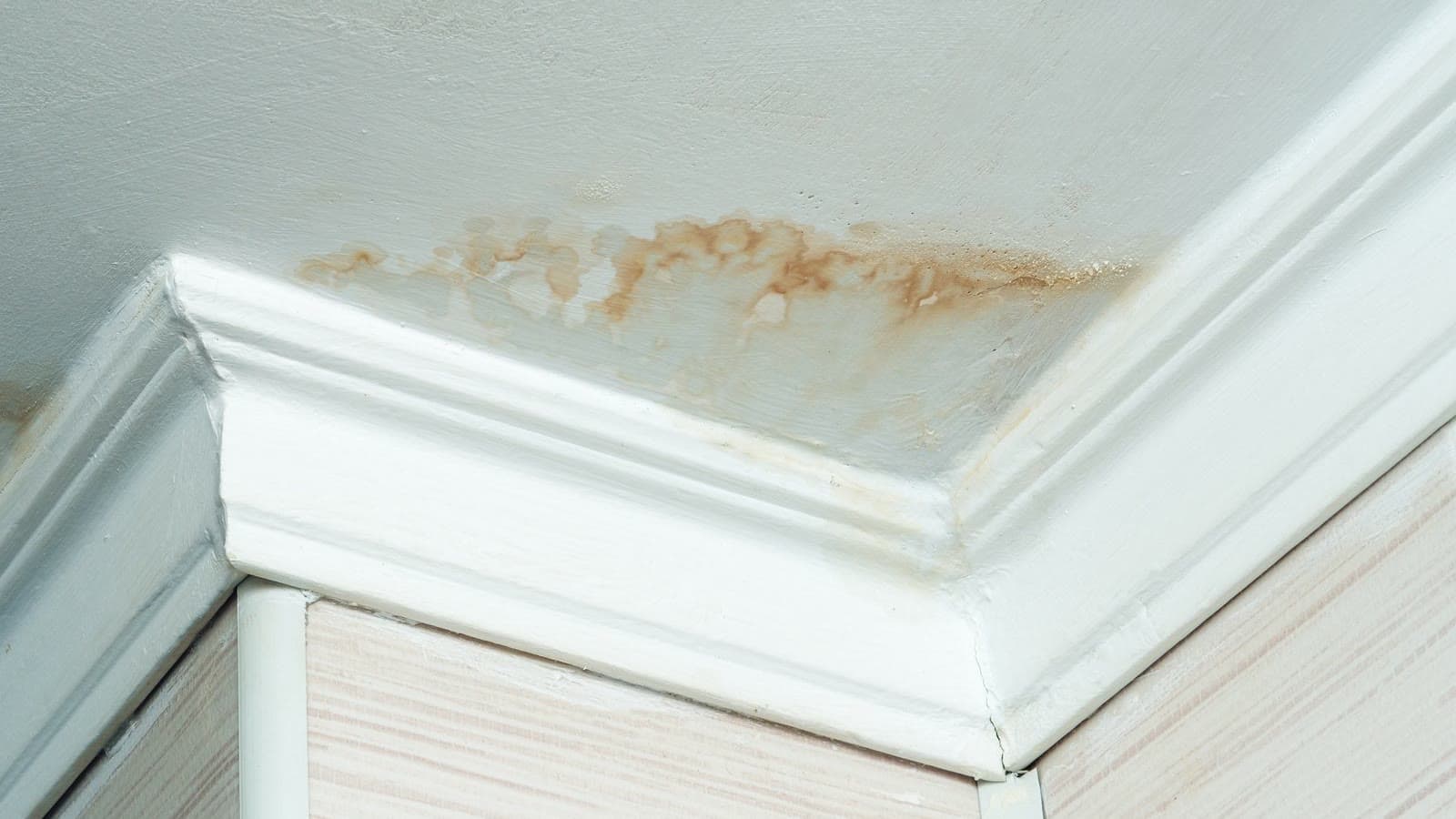
Most roofs fail quietly. Water runs downhill and finds the easiest way in: a lifted shingle, a loose nail, a gap in the flashing (the metal that seals joints around chimneys, vents, and walls). Inside, it can travel along the decking, the wood boards under the roofing, for months before a stain appears, often several feet from where it entered. NRCIA calls this way of seeing a roof Think Like a Raindrop™: follow the water from where it lands to where it gets in and what it damages. A good roof leak inspection starts there.
Two honest answers, and one next step
Yes, I have leaks. You already know something is wrong: a stain, a drip in heavy rain, a musty attic, missing shingles after a storm. You need someone to find where the water gets in, explain the cause in writing, and show you the evidence before anyone prices a fix.
I don’t know. This is the most common answer, and it matters more than it sounds. Not knowing is different from not leaking. If you are buying, selling, insuring, or managing a building, an unknown roof is a risk of unknown size.
Either way, the next step is an independent roof inspection before you decide on any repair.
Warning signs worth a closer look
Any of these is a good reason to have the roof looked at:
- Stains, bubbling paint, or soft spots on ceilings and upper walls
- A musty smell, damp insulation, or daylight visible in the attic
- Shingle granules collecting in gutters or at the bottom of downspouts
- Missing, cracked, curled, or lifted shingles, tiles, or roof panels
- Loose or rusted flashing around chimneys, skylights, vents, or walls
- New damage after hail or wind, even with no dripping
A sign does not tell you the cause. Water in a bedroom ceiling may have entered at a vent ten feet uphill.
Why the inspection should come first
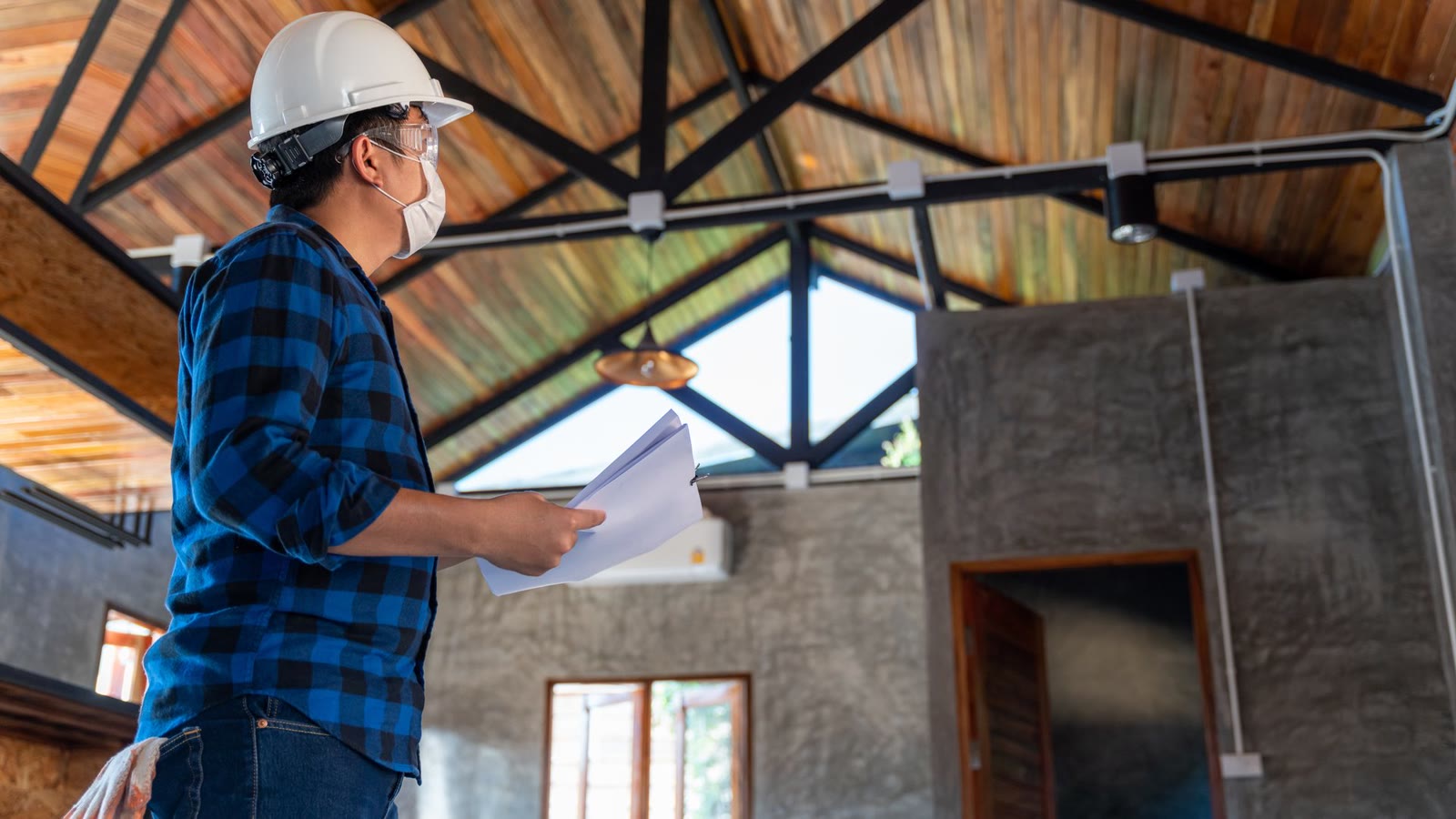
A repair estimate tells you what it will cost to fix what a contractor sees. An inspection answers the earlier question: what is happening to this roof, and why? When the inspection comes first, any repair rests on documented findings, and you can compare proposals from any contractor on the same facts.
What a good roof inspection should give you
Use this list to judge the report you receive:
- The question, in writing. The report states what the inspection was meant to answer and what was in and out of scope, along with the building code and manufacturer requirements that apply to your roof.
- Every area checked. For a full roof inspection, NRCIA members inspect five zones: the interior, the attic, the exterior, the perimeter, and the rooftop itself, walked when safe. Any area that could not be reached is listed, with the reason.
- Photos tied to locations. Each photo shows where on the property it was taken, so you can match a finding to a spot on your roof.
- The water’s path. Where water would land, how it would travel, where it gets in, and what it has damaged.
- A clear call on each condition. Whether each condition meets the applicable standard or requirement, does not meet it, or needs further evaluation.
- A plain answer. A summary you can understand on one read, with what the inspector saw kept separate from what the inspector concludes, and every limitation stated.
A good test: could someone who never saw your roof read the report and reach the same conclusion? The inspector provides the expertise. The standard provides the anchor.
Inspection services NRCIA members provide
NRCIA members inspect homes, multifamily properties, and commercial buildings. The right inspection depends on your decision:
- LeakFREE® Check. The standard roof inspection, performed by a RoofGUARD™ accredited NRCIA Certified Roof Inspector (CRI). It produces a written LeakFREE® ASSURANCE Report and is the first step toward certification.
- Annual and maintenance inspections. Scheduled check-ups that catch small problems early.
- StormCHECK™. A non-invasive inspection after hail or wind that documents visible conditions and storm-related damage in a StormASSURANCE™ report, usually before or apart from any claim. It is not a full roof inspection, a certification, or a claim decision.
- ClaimCHECK™. An insurance claim inspection performed by members accredited for claim work. It documents the physical cause of reported roof damage. Your insurance company decides what the policy covers.
- Forensic ROOF® Inspection. An investigation by an NRCIA Forensic Roof Inspector (FRI) into the cause and origin of a roof problem, or into whether a roof was installed to code and the manufacturer’s requirements.
How a LeakFREE® Roof Certification works
An inspection tells you where the roof stands today. A LeakFREE® Roof Certification is a written statement, issued by an accredited NRCIA member, that a specific roof met the published LeakFREE® criteria on a specific date, subject to the terms, exclusions, and expiration date on the certificate. LeakFREE® is a federally registered trademark of Field Gate FLP. Only NRCIA members can issue a LeakFREE® certification.
The process usually follows these steps:
- The member performs a LeakFREE® Check and delivers a written report.
- If repairs are needed, you choose who makes them. When the work is done by someone other than an NRCIA member, the roof is inspected again.
- The member confirms that the roof now meets the published criteria.
- The member issues the certification. The term is set by what the inspection finds, along with the roof’s slope and materials, and can run up to ten years.
A certification is not a promise that the roof will never leak, and it is not insurance. Read the full terms, exclusions, and maintenance requirements before you pay. Buyers, sellers, and agents can use it as written evidence of the roof’s condition, and lenders and insurers may request documentation like it.
When your inspector also does repairs
Many NRCIA members are also licensed roofing contractors (licensing requirements vary by state). Several safeguards apply:
- The member tells you in writing, before the inspection, if their company could receive repair work from it.
- The findings rest on the roof’s condition, whether or not you hire the member for repairs.
- After a LeakFREE® Check or a leak investigation, a member who also does roofing work may include a repair proposal. You can still use the report to get other bids.
Questions to ask before you hire anyone
- Are you an NRCIA member, and which accreditation do you hold for this type of inspection?
- What question will this inspection answer, and what is in and out of scope? Will I get that in writing?
- Will you check the interior and attic, walk the roof if it is safe, and label every photo by location?
- Will the report separate what you saw from what you concluded, and list any areas you could not reach?
- Do you also do repairs? If so, how do you keep the inspection separate from any proposal?
- If my roof qualifies for a certification, can I read the full terms before I pay?
Your next step
Whether you have a leak or simply do not know, start with documented facts. They make every later decision easier, from a repair to a sale.
Find an NRCIA member near you and schedule an independent roof inspection.
LeakFREE®, Forensic ROOF®, Mr. RoofCheck®, InspectionPLUS®, Today’s Inspection… Tomorrow’s Protection®, and Got Leaks?® are registered trademarks of Field Gate FLP, used by permission. RoofGUARD™, ForensicGUARD™, DisasterGUARD™, E3GUARD™, and Think Like a Raindrop™ are trademarks of Field Gate FLP. StormCHECK™, StormASSURANCE™, and ClaimCHECK™ are trademarks of Field Gate FLP.