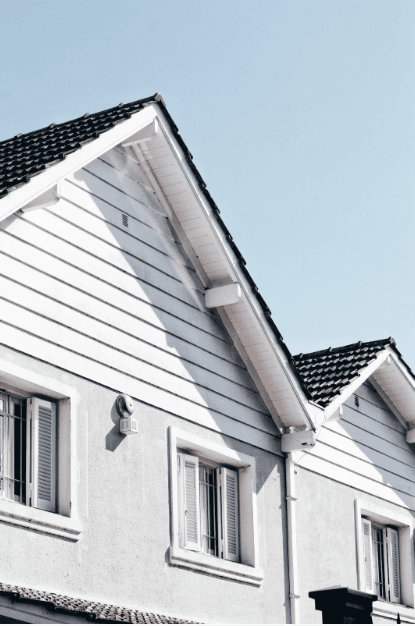
What energy efficient roofing actually changes
Your roof is the largest surface your house presents to the sun, and it is the surface heat escapes through in winter. Energy efficient roofing works on both halves of that problem: keeping conditioned air inside when it is cold, and keeping solar heat out of the attic when it is hot. Materials get most of the attention. Insulation, ventilation and detailing do more of the work.
None of it is a single purchase. It is a set of decisions made together, usually at replacement, when the deck is open and everything is reachable.
Insulation and ventilation come before material
Insulation slows heat moving through the assembly. Ventilation moves heat and moisture out of the attic so the assembly stays dry. Get either one wrong and the best material on the market underperforms.
Two cautions worth raising with your contractor. Adding insulation adds weight, so the structure needs to be able to carry it, and on low-slope commercial-style decks that sometimes means adding metal b-decking for shear support and load capacity. And blocking soffit vents with new insulation is one of the most common ways a well-intended upgrade produces attic condensation, damp sheathing and, eventually, a repair bill.
Energy efficient roofing materials, compared
- Asphalt shingles. Affordable, widely available, and available in cool-rated versions. Look at the solar reflectance index rather than the color swatch. A darker roof absorbs more heat, which is useful in a cold climate and expensive in a hot one.
- Metal. Aluminum and steel reflect well and shed heat quickly. Manufacturers commonly rate metal systems for 40 to 70 years depending on the metal and the coating, though fasteners, sealants and flashing details still need periodic attention like any other roof.
- Clay and concrete tile. Thermal mass plus the air gap under the tile keeps attic temperatures down in hot, dry regions. Heavy, so the structure has to be rated for it.
- Slate. Very long service life and good thermal resistance. Also the heaviest and the most expensive to install and repair.
- Composite. Fiberglass, recycled fiber and asphalt blends that hold up well in weather and come in profiles that mimic slate or shake at a fraction of the weight.
Climate decides more of this than product literature does. A reflective roof that saves a Phoenix homeowner real money in July can raise a Minneapolis heating bill in January.
Design choices that move the number
- Color. The cheapest efficiency decision you will make. Lighter surfaces reflect, darker surfaces absorb.
- Slope. Steeper planes drain faster and take sun at a less direct angle through much of the day.
- Overhangs and eaves. Shade on the walls reduces heat load on the whole house. Ventilated soffits in those overhangs keep the attic breathing, so pay attention to the soffit material and its vent area.
- Gutters. Not an efficiency component in themselves, but a clogged gutter puts water into the eave and wet insulation stops insulating.
Add-ons worth pricing
- Radiant barriers. Reflective sheet installed under the deck that turns back radiant heat before it loads the attic. Most effective in hot, sunny climates.
- Solar shingles and panels. Generation rather than reduction. Both add penetrations and weight, which is why the roof underneath should be assessed before anything is mounted to it.
- Green roofs. Vegetation as insulation and stormwater control. Structural and waterproofing requirements are significant and specific.
- Reflective coatings. Applied to an existing surface, mainly on low-slope roofs, to push solar heat back off the membrane and reduce cooling load. A coating is not a repair. Applied over an unresolved defect, it hides the evidence and traps the moisture.
Have the roof assessed before you change it
Every item above adds weight, penetrations or a new layer to an assembly that is already carrying water away from your house. That is worth knowing the condition of beforehand.
NRCIA members work a LeakFREE® Check across five zones: interior, attic, exterior, perimeter and rooftop. The attic zone is where efficiency and water intrusion meet, because the same missing baffle that traps heat in August produces condensation on the underside of the deck in January. Think Like a Raindrop™ is the method, and it applies just as well to warm wet air moving up as to rain coming down.
You get a LeakFREE® Roof Inspection Report out of it: photographs, findings, causes and what correcting each one involves. Take that to whoever is quoting the upgrade. It tells you whether you are buying efficiency on a sound roof or paying to insulate a problem.
Know what you have before you spend
An efficiency upgrade on a roof near the end of its service life is money spent twice. Start with the condition report.
Find an accredited NRCIA inspector near you at /member-directory/.
LeakFREE®, Forensic ROOF®, Mr. RoofCheck®, InspectionPLUS®, Today’s Inspection… Tomorrow’s Protection®, and Got Leaks?® are registered trademarks of Field Gate FLP, used by permission. RoofGUARD™, ForensicGUARD™, DisasterGUARD™, E3GUARD™, and Think Like a Raindrop™ are trademarks of Field Gate FLP.