
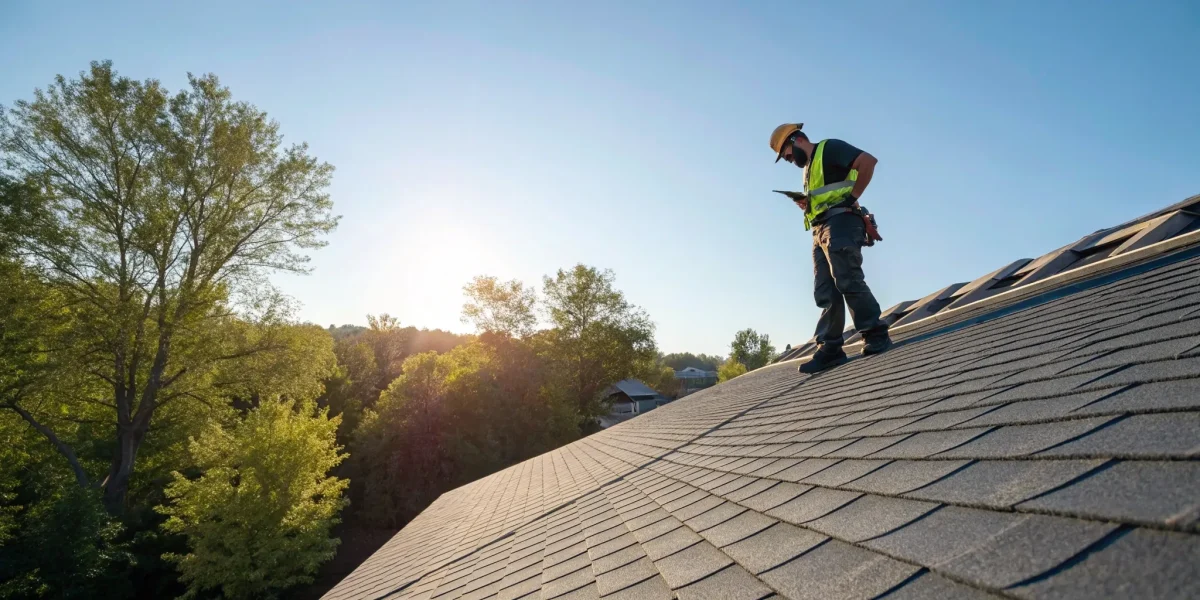
Your roof might look perfectly fine from the ground, but it’s a complex system that faces constant wear from the elements. Subtle issues like cracked flashing, granule loss on shingles, or poor attic ventilation are often invisible to the untrained eye. These small problems are the starting point for major damage, including wood rot, mold growth, and structural decay. This is where a professional check-up becomes essential. Understanding the benefits of regular roof inspections means recognizing that an expert can spot these hidden red flags before they escalate. It’s about gaining the peace of mind that comes from knowing your home’s first line of defense is truly secure.
Key Takeaways
- Schedule Inspections to Prevent Surprises: A proactive inspection schedule—at least once a year and after major storms—is the best way to catch minor wear and tear before it turns into a major, budget-breaking repair.
- Safeguard Your Financial Protections: Beyond just avoiding expensive emergency repairs, a documented inspection history protects your home’s value and ensures you stay compliant with the terms of your roof warranty and homeowners insurance.
- Insist on a Certified Professional: The quality of an inspection depends entirely on the inspector’s expertise, so choosing a certified professional guarantees a thorough, unbiased assessment and a detailed report you can use to make informed decisions.
What Is a Roof Inspection and How Often Do You Need One?
Think of a roof inspection as a routine health check-up for your home. It’s a professional assessment of your roof’s condition, designed to identify potential issues before they turn into costly emergencies. From the ground, your roof might look perfectly fine, but a trained inspector can spot subtle signs of trouble that aren’t visible from your driveway. Most homeowners wait until they see a leak or find a shingle in their yard to call for help, but by then, a small, fixable issue has often grown into a major repair project.
A comprehensive inspection gives you a clear picture of your roof’s health. An inspector will look for things like missing or cracked shingles, damaged flashing, and other signs of wear. This proactive approach is essential for everyone from homeowners and buyers to property managers and real estate professionals. It’s about protecting your investment, ensuring your family’s safety, and maintaining your peace of mind. Instead of reacting to a disaster, a regular inspection lets you stay ahead of problems and manage your home’s maintenance on your own terms.
What an Inspector Looks For
A professional roof inspector does more than just a quick visual scan. They conduct a detailed examination of the entire roofing system, which requires a deep understanding of how all the components work together. They’ll check the condition of your shingles or tiles, look for signs of water damage in the attic, inspect the flashing around chimneys and vents, and ensure your gutters are functioning correctly.
This level of detail is crucial because it allows for the early detection of minor issues. A small crack or a few granules wearing off a shingle might seem insignificant, but a certified inspector knows these can be the first signs of a bigger problem. By catching these things early, you can prevent them from escalating into widespread leaks, rot, or structural damage that could compromise your entire home.
Your Roof Inspection Schedule
So, how often should you have your roof inspected? A good rule of thumb is to schedule a professional inspection at least once a year. Many experts recommend twice a year—once in the spring to check for any damage from winter storms and once in the fall to prepare for the colder months ahead. This biannual schedule helps you catch seasonal wear and tear before it settles in.
In addition to your regular check-ups, you should always schedule an inspection after a major weather event like a hurricane, hailstorm, or heavy snowfall. By staying on top of a consistent inspection schedule, you ensure small issues are addressed promptly, which is the best way to extend your roof’s lifespan and maintain a LeakFREE® certified roof.
How Regular Roof Inspections Save You Money
It’s easy to put off a roof inspection when everything seems fine, but this is one of those cases where being proactive pays off—literally. A small, planned expense for a professional inspection can save you from massive, unexpected bills down the road. Think of it as a check-up for your home’s most important line of defense. By investing a little in preventative care, you protect your budget from the shock of a sudden roofing crisis and gain valuable peace of mind.
Catch Small Issues Before They Become Big Problems
The biggest benefit of a regular inspection is finding minor issues before they spiral into costly disasters. A trained inspector can spot subtle signs of trouble you’d likely miss, like a few loose shingles, tiny cracks in the flashing, or early signs of algae growth. Left alone, these small flaws can allow water to seep in, leading to wood rot, damaged insulation, and even mold. Catching a problem when it’s just a simple fix helps you maintain a LeakFREE® roof and prevents a small repair from turning into a full roof replacement.
Avoid Costly Emergency Repairs
Emergency roof repairs are stressful and expensive. They often happen after a major storm, when demand for roofers is high and you’re forced to pay a premium for urgent service. Regular inspections help you get ahead of these situations. An inspector can identify weak spots that are vulnerable to high winds or heavy rain, allowing you to reinforce them before the storm hits. This planned approach to maintenance is far more affordable than paying for an emergency crew to tarp your roof in the middle of the night. It gives you control over your home maintenance budget and schedule.
Protect Your Home’s Value
Your roof plays a huge role in your home’s overall value and curb appeal. A well-maintained roof is a major selling point, giving potential buyers confidence in the integrity of the property. Neglecting it can lead to visible damage like stains and sagging, which can scare buyers away or lead to lowball offers. For the homeowners and real estate professionals we work with, a documented history of regular inspections and a professional certification can be a powerful tool during a sale. It shows you’ve cared for the property and helps justify your asking price.
What Problems Can a Roof Inspection Uncover?
Your roof does more than just keep the rain out; it’s a complex system that protects your entire property. From the ground, it might look perfectly fine, but a professional inspection can reveal a different story. Many serious issues start small and stay hidden, quietly causing damage long before you notice a leak in your ceiling. A trained inspector knows how to spot the subtle red flags that signal bigger trouble ahead, from minor cracks in flashing to early signs of material decay.
Think of an inspection as a health check-up for your roof. It’s a chance to catch problems early, before they spiral into expensive, time-consuming repairs. An inspector will assess every component, from the shingles and flashing to the underlying structure and ventilation. This thorough evaluation gives you a clear picture of your roof’s condition and a roadmap for any necessary maintenance. For homeowners and property managers, this proactive approach is the key to protecting your investment and ensuring peace of mind. By understanding exactly what’s happening up there, you can make informed decisions instead of reacting to emergencies. It’s about shifting from a reactive mindset to a proactive one, which ultimately saves you stress and money.
Structural Damage and Wear
Over time, every roof is exposed to the elements—sun, wind, rain, and snow all take their toll. This constant exposure can lead to structural wear that isn’t always obvious. An inspector looks for issues like a sagging roof deck, which could indicate a problem with the underlying rafters or sheathing. They’ll also check for damaged flashing around chimneys, vents, and skylights, as these are common points for water to get in. Even a few missing or cracked shingles can compromise the roof’s integrity, creating an entry point for moisture and pests. Catching these structural weaknesses early prevents them from escalating into a major failure.
Hidden Water Damage and Leaks
The first sign of a leak is often a water stain on your ceiling, but by that point, the damage has already been done. Water can travel a long way from its entry point, seeping into insulation, rotting wood framing, and creating the perfect environment for mold and mildew to grow. A professional inspector is trained to be a detective, searching for the subtle clues of moisture intrusion in the attic and on the roof itself. They know how to spot hidden leaks before they cause widespread damage, saving you from costly interior repairs. This is why a LeakFREE® roof certification is so valuable—it confirms your roof is sound and watertight.
Worn-Out Shingles and Materials
Your roof’s outermost layer is its first line of defense, but it doesn’t last forever. An inspector will carefully examine the condition of your shingles or other roofing materials. They look for common signs of aging, such as shingles that are curling, cracking, or buckling. They’ll also check for “balding” spots where the protective granules have worn away, leaving the shingle vulnerable to UV damage. In addition, they inspect the seals around vents and pipes to ensure they haven’t dried out or cracked. Identifying and replacing worn-out materials is a simple, proactive fix that can prevent much larger problems down the road.
Poor Ventilation and Insulation
A healthy roof needs to breathe. Proper attic ventilation allows heat and moisture to escape, which is crucial for the longevity of your entire roofing system. Without it, trapped heat can bake your shingles from below in the summer, while moisture can lead to condensation, mold, and ice dams in the winter. An inspector will assess your attic’s intake and exhaust vents to ensure they are clear and functioning correctly. They can also identify issues with insulation that may be contributing to energy loss. A well-ventilated roof not only lasts longer but also helps keep your energy bills in check.
Extend Your Roof’s Lifespan with Proactive Care
Think of your roof like any other major investment. With the right care, it can perform beautifully for its entire expected lifespan. For example, a typical asphalt shingle roof can last 20 to 25 years, but that number can drop to just 12 to 15 years with neglect. The difference between those two outcomes is proactive maintenance. Regular inspections are the cornerstone of a care strategy that keeps your roof in great shape, protecting your home and helping you get the most value out of your initial investment. By identifying and addressing minor issues early, you’re not just making repairs; you’re actively extending the life of your roof.
This approach is all about preventing problems before they start. A certified inspector can spot subtle signs of wear and tear that might go unnoticed from the ground, giving you a clear roadmap for what needs attention. This allows you to plan for maintenance on your own terms, rather than reacting to an emergency. Ultimately, consistent care ensures your roof remains a reliable shield for your home, providing the kind of long-term security that every homeowner deserves. With a solid maintenance plan, you can work toward achieving a LeakFREE® roof and the peace of mind that comes with it.
Create a Preventive Maintenance Plan
A professional roof inspection is the first step in creating a smart, preventive maintenance plan. Instead of waiting for a leak to appear in your ceiling, you can take control by identifying potential vulnerabilities ahead of time. An inspector gives you a detailed report on your roof’s condition, pointing out areas that need immediate attention and others to watch over time. This proactive approach helps you find and fix small problems before they escalate into expensive, complex repairs. Think of it as a regular health check-up for your home—it’s the best way to ensure everything is functioning as it should and to prevent future complications.
Stop Seasonal Damage in Its Tracks
Your roof takes a beating from the elements year-round, from summer heat and UV rays to winter ice and snow. Each season leaves its mark, and the damage is often invisible from the ground. An inspector knows exactly what to look for, whether it’s soft spots in the decking, tiny gaps in the flashing, or the beginnings of mold growth in the attic. Scheduling inspections after major weather events or as seasons change allows you to catch this hidden damage right away. By addressing these issues promptly, you can stop seasonal wear from compounding and turning into a much larger, more destructive problem down the road.
Preserve Materials with Timely Fixes
Catching a small problem early does more than just save you money on a single repair—it preserves the integrity of your entire roofing system. A single cracked shingle or a piece of loose flashing might seem minor, but it creates an opening for water to seep in and damage the underlying materials. Timely fixes protect your shingles, underlayment, and decking from moisture and decay. This is why regular inspections are so valuable for the diverse group of property stakeholders we serve. By investing a little in small repairs now, you prevent the kind of widespread material failure that could lead to a premature and costly full roof replacement.
How Inspections Affect Your Warranty and Insurance
A roof inspection does more than just spot potential leaks; it plays a critical role in the financial protection of your home. Your roof warranty and homeowners insurance are powerful tools, but they often come with conditions. Regular, professional inspections are the key to making sure these protections are there for you when you need them most. By keeping a documented history of your roof’s condition, you can maintain compliance, simplify claims, and ensure you’re getting the highest standard of care for one of your property’s most important assets.
Stay Compliant with Your Warranty
Think of your roof warranty as a partnership. The manufacturer agrees to stand by their product, and in return, you agree to properly maintain it. Many roofing warranties and insurance policies actually require regular maintenance to remain valid, and a professional inspection is the best way to prove you’re holding up your end of the deal. Skipping inspections could give a manufacturer grounds to deny a claim, potentially leaving you with a massive bill for what should have been a covered repair. A consistent inspection record shows you’ve been proactive, helping you protect your investment and ensuring your warranty provides the safety net it was designed for. This is a core part of achieving a truly LeakFREE® roof.
Get the Documentation You Need for Insurance Claims
When a storm hits or a leak appears, the last thing you want is a long, drawn-out battle with your insurance company. An official inspection report provides clear, unbiased proof of your roof’s condition before an incident occurs. This documentation is invaluable for validating an insurance claim, as it establishes a baseline and helps prove that the damage was caused by a specific event. It removes the guesswork and strengthens your position. This same report is also a major asset when selling your home, giving potential buyers confidence in the integrity of the roof. It’s a simple step that provides peace of mind for all the different stakeholders involved in a property.
The Benefits of a Professional Certification
Not all inspections are created equal. When you work with an NRCIA-certified inspector, you’re getting more than just a quick look. Our members are professionally accredited to inspect and certify your roof according to a national standard. To earn this certification, inspectors must complete rigorous training courses, adhere to a strict code of ethics, and maintain their credentials annually. This process guarantees that your inspection is thorough, consistent, and performed by a true professional who understands every detail of roof system performance. It’s the difference between a casual opinion and an expert assessment backed by the industry’s leading authority.
The Real Cost of Skipping a Roof Inspection
It’s easy to put your roof on the back burner. As long as there are no visible leaks or missing shingles, everything must be fine, right? Unfortunately, this “out of sight, out of mind” approach is one of the most expensive gambles a property owner can make. Most people wait until they spot obvious damage before calling a professional, but by then, a simple fix has often snowballed into a major, costly repair. The truth is, the small fee for a professional inspection is minimal compared to the thousands you could spend on water damage, structural repairs, or even a full roof replacement.
Skipping a routine inspection is like ignoring the check-engine light in your car. You might get away with it for a while, but eventually, the problem will catch up with you—and it will be far more expensive to fix. A proactive approach doesn’t just save you money; it gives you control over your home’s maintenance and protects its long-term value. By investing in regular check-ups, you’re not just buying a service; you’re buying peace of mind and financial security. It’s the smartest way to manage one of your property’s most critical assets.
Common Myths About Roof Inspections
One of the biggest myths is that if you don’t see a leak, your roof is in good shape. The reality is that many serious issues, like slow leaks, poor ventilation, or structural weaknesses, aren’t visible from the ground and don’t cause immediate interior damage. Another common misconception is that any roofer can perform an adequate inspection. But not all inspections are created equal. A quick glance from a ladder isn’t enough. A thorough inspection requires a trained eye and a detailed process to identify subtle signs of wear and tear. A truly professional inspector has the expertise to spot potential problems that an untrained person would easily miss.
The Financial Risks of Waiting
Putting off a roof inspection is a significant financial risk. A few cracked shingles or a small tear in the underlayment might seem minor, but they create an opening for water to seep in. Over time, that moisture can rot the roof decking, compromise your home’s structural integrity, and lead to mold growth in your attic and walls. By the time you notice a stain on your ceiling, the damage is already extensive. What could have been a simple, affordable repair can quickly escalate into a complex and expensive project involving roofers, carpenters, and mold remediation specialists. Regular inspections catch these small issues before they have a chance to cause widespread, costly damage.
Understanding the Long-Term Value
Think of a roof inspection as a long-term investment in your property. Its primary value lies in early detection. Catching minor issues before they escalate not only helps you avoid expensive emergency repairs but also significantly extends the lifespan of your roof. A well-maintained roof protects your entire home, preserving its structural integrity and overall market value. For homeowners and property managers alike, this proactive approach turns unpredictable, budget-breaking emergencies into manageable, planned maintenance. It’s about protecting your investment and ensuring your roof provides the reliable protection you depend on for years to come.
How to Prepare for Your Roof Inspection
A roof inspection is a straightforward process, but a little prep work makes a big difference. Taking a few simple steps before your inspector arrives helps them work more efficiently and gives you the most accurate assessment of your roof’s condition. This is the first step toward securing its long-term health and gives you a clear path forward for any needed maintenance. Here’s how to get ready.
Clear the Area and Ensure Safe Access
One of the most helpful things you can do is clear the area around your home. Your inspector needs to walk the entire perimeter to see the roofline and eaves, and they’ll need a safe, stable place for their ladder. Before they arrive, move vehicles from the driveway and clear away patio furniture, grills, and toys from the immediate vicinity of the house. This protects your belongings and prevents trip hazards. Also, remember to unlock any gates and keep pets inside so the inspector can move around freely and without interruption. A clear space ensures a safe and thorough inspection, helping them spot issues that aren’t visible from the ground.
Note Any Known Issues or Concerns
You know your home better than anyone, so take a moment to jot down any concerns before the inspection. Have you noticed water stains on the ceiling or found shingles in your yard? Sharing this information is incredibly valuable for all the different clients we serve. Many homeowners wait until they see obvious damage, but by then, a small issue may have become an expensive repair. Providing a list of your concerns helps the inspector focus on potential trouble spots and gives them important context. Having previous repair invoices or warranty documents ready is also a great idea.
Find the Best Time to Schedule
Timing is key for a successful roof inspection. For safety and accuracy, schedule your inspection for a day with clear, dry weather. Rain, snow, or high winds can make it dangerous for an inspector to be on the roof and can also hide certain types of damage. It’s also smart to be strategic about when you schedule. A great time for an inspection is after a major weather event, like a hailstorm. This proactive approach helps you catch small issues before they lead to leaks, keeping your home protected with a LeakFREE® roof.
How to Choose the Right Roof Inspector
Finding the right person to inspect your roof is just as important as the inspection itself. You need someone with the right expertise who can give you a clear, unbiased assessment of your roof’s condition. A thorough inspection from a qualified professional gives you the peace of mind that your home is protected and helps you plan for any necessary repairs or maintenance. But with so many options out there, how do you know who to trust? It comes down to knowing what to look for and what questions to ask. Choosing a certified, experienced inspector ensures you get an accurate report, helping you protect one of your biggest investments.
The Advantage of an NRCIA Certification
When you’re looking for a roof inspector, a certification is your first sign of a true professional. It shows they’ve invested in their education and are committed to a higher standard of practice. The National Roof Certification and Inspection Association (NRCIA) was created to meet this need. As the home inspection industry grew, it became clear that a specialized expert was needed for roofs. NRCIA members are professionally accredited to inspect and certify your roof. They must pass rigorous training, follow strict standards and a code of ethics, and are licensed annually. This process ensures you know exactly who is serving you and can trust their findings.
Questions to Ask Before You Hire
Before you hire anyone, it’s smart to do a little homework. A few direct questions can help you find an experienced inspector with the right qualifications. Start by asking about their certifications, and don’t be shy about checking online reviews to see what past clients have said. You should also verify their credentials with recognized organizations like the NRCIA.
Here are a few key questions to ask any potential inspector:
- Are you licensed and insured in my state?
- Can you provide references from recent clients?
- What specific training have you completed for roof inspections?
- What does your inspection report include? (Look for photos and detailed notes.)
A true professional will be happy to answer these questions and provide the documentation you need.
What to Expect from a Certified Professional
A certified roof inspection is much more than a quick glance from the ground. A professional inspector will get on the roof for a hands-on assessment. They will complete a thorough inspection, looking for hail or wind damage, granule loss on asphalt shingles, cracked or missing shingles or tiles, and damage to skylights, flashings, and gutters. They’ll also check for signs of structural issues, water damage, and poor ventilation. After the inspection, you should receive a detailed report that outlines their findings, complete with photos and clear recommendations. This documentation is exactly what you need to make informed decisions and get the most value from your LeakFREE® roof certification.
Related Articles
- Comprehensive Roofing Inspections: A Service to Clients – NRCIA
- Roof Inspections – NRCIA
- Roof Inspection Archives – NRCIA
- Why Homeowners Need Annual Roof Inspections – NRCIA
- roof inspection Archives – NRCIA
Frequently Asked Questions
Is a roof inspection different from what a general home inspector does? Yes, they are quite different. Think of a general home inspector as a family doctor—they have a broad knowledge of the entire home but aren’t specialists in any one area. A certified roof inspector is like a cardiologist for your roof. They have specialized training to identify subtle issues with materials, installation, and drainage that a generalist might miss. This focused expertise gives you a much more detailed and accurate picture of your roof’s health.
My roof is brand new. Do I really need an inspection? It’s a great question, and it’s smart to be thinking about your new investment. An inspection on a new roof is actually a fantastic idea. It acts as a quality control check to ensure the installation was done correctly and meets manufacturer specifications. Catching any small installation errors early on can prevent major headaches down the road and ensures your warranty remains in good standing from day one.
What’s the difference between a free estimate and a paid inspection? The main difference is the goal. A free estimate from a roofing company is usually a sales tool designed to quote you a price for a specific repair or a full replacement. A paid, professional inspection is a comprehensive diagnostic service. The inspector’s only job is to provide you with an unbiased and thorough assessment of your entire roofing system, giving you a detailed report that you can use to make informed decisions without any sales pressure.
What should I expect to receive after the inspection is complete? A professional inspection should always conclude with a detailed written report. This isn’t just a simple checklist; it should include photographs of any problem areas, clear descriptions of the roof’s condition, and specific recommendations for maintenance or repairs. This document is your official record, which is incredibly useful for planning future work, providing to your insurance company, or showing to potential buyers if you decide to sell your home.
Will an inspector fix the problems they find on the spot? An inspector’s role is to assess and report, not to perform repairs. This separation is important because it ensures you receive a completely objective evaluation without any conflict of interest. Their job is to give you the unbiased information you need. Once you have their detailed report, you can then confidently hire a qualified roofing contractor to handle any necessary fixes.
