
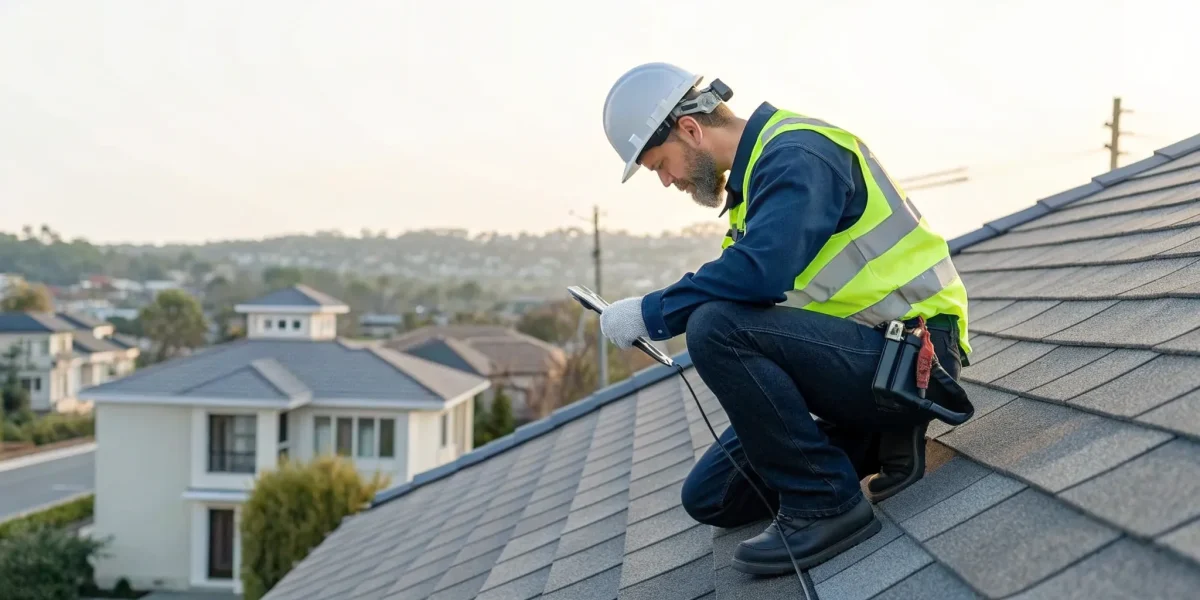
In the high-stakes world of California real estate, trust is everything. Homebuyers, property managers, and insurance agents all depend on the word of a qualified inspector to make sound financial decisions. That’s why certification isn’t just a piece of paper—it’s the foundation of your credibility. But with different training programs and state requirements to consider, the path forward can seem unclear. This article cuts through the confusion. We’ll provide a straightforward guide on how to become a certified roof inspector in California, focusing on the steps that build a reputable, trustworthy career from your very first inspection.
Key Takeaways
- Master the Fundamentals First: Before seeking certification, prioritize gaining hands-on roofing experience and understanding California’s licensing requirements. This practical knowledge is the bedrock of a credible inspection career.
- Align Your Certification with Your Career Goals: Choose a program that fits your timeline and professional ambitions. Whether you need a direct path to get started or a deep specialization, your choice will define your expertise in the field.
- Build a Business, Not Just a Skillset: Long-term success depends on more than technical ability. Create a solid plan for marketing your services, securing the right insurance, and building a professional network to grow a sustainable business.
What Does It Take to Become a Roof Inspector in California?
Thinking about becoming a roof inspector in California? It’s a great career path that combines technical skill with a bit of detective work. But before you start climbing ladders, it’s important to understand what the job really requires. It’s not just about spotting a few loose shingles. You’ll need a specific blend of experience, physical ability, and knowledge of state regulations to build a successful and credible business. Let’s walk through the foundational requirements you’ll need to meet to get started in the Golden State.
Your Background: Education and Experience
You don’t need a college degree to become a roof inspector, but you do need a solid foundation. Most inspectors start with at least a high school diploma or GED. What’s more important, however, is hands-on experience. A background in roofing or construction gives you a significant advantage, as you’ll already have a practical understanding of how roofing systems are built and how they fail. This prior knowledge of the industry helps you learn the inspection process much faster and makes you more credible to clients from day one. If you’re new to the field, consider working with a roofing company first to build that essential experience.
The Physical and Technical Must-Haves
This job will definitely keep you active. Being a roof inspector is physically demanding, requiring you to be comfortable with heights, capable of climbing ladders, and able to navigate sloped surfaces safely in all sorts of weather. Beyond physical fitness, you need the right tools. Your basic kit should include a sturdy ladder, a good camera (your smartphone works great), a tape measure, and chalk. But the most critical tool isn’t something you can buy—it’s a deep understanding of roofing systems and building codes. This expertise is what allows you to accurately assess a roof’s condition and is something our training portfolio is designed to build.
Understanding California’s Licensing Rules
In California, if you’re performing work that becomes a fixed part of a structure, you generally need a license. The state’s regulations are managed by the California Contractors State License Board (CSLB), which sets the rules for contractors and inspectors. To qualify for a license, you must be at least 18 years old and have the required experience or work with someone who does. While a home inspection license isn’t mandated statewide for independent inspectors, having a contractor’s license can broaden the services you offer and is often necessary for performing repairs. It’s crucial to understand these rules to operate legally and build a trustworthy business.
Which Roof Inspector Certification Is Right for You?
Once you have the foundational experience, the next step is choosing a certification program. This isn’t just a piece of paper; it’s the training and credibility that will shape your career. Each program offers a different approach, timeline, and focus. Think about your personal goals, how quickly you want to get started, and the level of specialization you’re aiming for. Let’s look at three of the most recognized options so you can find the perfect fit for your new venture.
National Roof Certification and Inspection Association (NRCIA)
If you’re looking for a direct and flexible path to becoming a certified inspector, the NRCIA is an excellent choice. The process is designed to be efficient, typically taking just two to four weeks to complete. To earn your certification, you’ll go through the NRCIA’s specialized training, perform a hands-on practice inspection to apply what you’ve learned, and meet with an instructor to finalize your skills. This streamlined approach is perfect for self-starters who are ready to get their business up and running without a lengthy academic commitment. The focus is on practical, real-world application, ensuring you have the confidence and competence to start inspecting right away.
International Association of Certified Home Inspectors (InterNACHI)
InterNACHI offers a broad, resource-rich certification path that is part of its larger home inspector association. To get started, you first need to become an InterNACHI member. From there, you’ll complete their free online course, “How to Perform Roof Inspections,” along with other general home inspector requirements. For those who want more hands-on practice, InterNACHI also offers advanced training at its ‘House of Horrors’ facility, where you can work on real-world inspection challenges in a controlled environment. This route is a solid option if you’re interested in general home inspection and want access to a wide library of educational resources and a large professional network.
HAAG Engineering Certification
For inspectors who want to specialize in damage assessment, particularly for insurance claims, the HAAG certification is considered a gold standard. This is a much more intensive and technical program. It involves a five-day course that costs between $2,000 and $3,000 and focuses on advanced techniques for identifying and evaluating roof damage from events like hail and wind. Because the standards and science are always evolving, HAAG also requires annual renewal to maintain your certification. This path is best for established professionals looking to add a highly respected specialization to their skill set, rather than for those just starting out in the industry.
NRCIA vs. InterNACHI vs. HAAG: What’s the Difference?
So, how do you choose? Your decision comes down to your career goals and timeline. The NRCIA offers the most flexible and direct route, getting you certified and into the field in under a month. InterNACHI provides a cost-effective online option that is bundled with a general home inspector membership, making it a good fit for those wanting a broader education. HAAG is the most advanced and expensive of the three, positioning you as an expert in damage assessment. For most aspiring inspectors in California, the NRCIA provides the ideal balance of comprehensive training, speed, and practical focus, letting you build your business on a solid foundation. You can explore the full training portfolio to see how the curriculum aligns with your business goals.
Your Step-by-Step Guide to Getting Certified
Once you’ve decided which certification aligns with your career goals, it’s time to map out the steps to get there. Each program has its own unique process, but they all lead to the same goal: getting you qualified and out in the field. Let’s break down what it takes to earn a certification from the top organizations.
The NRCIA Certification Process
If you’re looking for a direct and efficient path to certification, the NRCIA process is designed to get you up and running in about two to four weeks. It’s a straightforward, three-step plan. First, you’ll complete the required NRCIA training, which gives you the foundational knowledge for conducting thorough inspections. Next, you’ll put that knowledge to the test by conducting a practice inspection. This is your chance to apply what you’ve learned in a real-world context. Finally, you’ll meet with an NRCIA instructor to review your work and finalize your certification. This hands-on approach ensures you’re not just learning theory but are fully prepared to handle inspections with confidence from day one.
The InterNACHI Certification Pathway
For those who prefer a broader home inspection framework, InterNACHI offers a comprehensive certification program. The journey starts when you join InterNACHI as a member. From there, you’ll need to meet their general Home Inspector Certification requirements, which establish a solid baseline of expertise. The core of their roof-specific training is a free online course, “How to Perform Roof Inspections.” For inspectors who want more hands-on training, they also offer advanced classes. To maintain your standing, you’ll need to follow their continuing education requirements, which helps ensure your skills stay sharp and up-to-date with industry standards. This pathway provides a structured route for those building a career in general home inspection.
Meeting HAAG’s Certification Requirements
The HAAG certification is known in the industry for its intensive, engineering-based approach, particularly for damage assessment. Earning this credential requires a significant commitment. Candidates must complete a rigorous five-day program that dives deep into the science behind roofing systems and storm damage. The cost typically falls between $2,000 and $3,000, reflecting the specialized nature of the training. To ensure inspectors maintain this high level of expertise, HAAG also requires an annual renewal of the certification. This path is best suited for professionals who want to specialize in complex damage analysis, often for insurance or forensic purposes, and are prepared for the investment in time and money.
Putting It to Practice: Field Inspections and Final Review
No matter which certification you pursue, nothing replaces real-world experience. Classroom learning and practice inspections are crucial, but getting out in the field is where your skills truly take shape. I always recommend seeking out an internship or finding an experienced inspector or roofing company to shadow. Working alongside a seasoned professional helps you understand how different roofing systems are built and, more importantly, where they typically fail. This hands-on practice is invaluable for building the intuition and practical knowledge that will set you apart. It’s the step that transforms you from someone with a certificate into a truly competent and credible roof inspector.
The Investment: How Much Certification Costs and How Long It Takes
Becoming a certified roof inspector is an investment in your career, and like any good investment, it requires some upfront capital—both in time and money. Understanding the costs and timelines for different certification programs is the first step in planning your path. Let’s break down what you can expect from the top organizations so you can find the right fit for your budget and schedule.
NRCIA: Cost and Timeline
The National Roof Certification and Inspection Association (NRCIA) offers a streamlined path to certification that you can complete in about two to four weeks. The process is straightforward: you’ll complete the NRCIA training, conduct a practice inspection to apply what you’ve learned, and then meet with an instructor for a final review. This structured approach is designed to get you qualified and ready to work quickly, equipping you with the skills and credentials you need to start your career with confidence. It’s an excellent option if you’re eager to enter the field without a long-drawn-out training period, providing a clear and efficient route to becoming a professional inspector.
InterNACHI: Cost and Timeline
With the International Association of Certified Home Inspectors (InterNACHI), the timeline is more self-directed. To become a Certified Roof Inspector, you first need to join as a member and fulfill their general Home Inspector Certification requirements. After that, you can take their free online course, “How to Perform Roof Inspections.” For those who prefer hands-on learning, InterNACHI also offers advanced training at their “House of Horrors” facility. Because you can move at your own pace, this option offers a lot of flexibility for those balancing other work or life commitments. It’s a solid choice if you prefer to learn independently and on your own schedule.
HAAG: Cost and Timeline
If you’re looking for a deep dive, HAAG’s intensive certification program might be for you. This is a more significant commitment, involving a five-day course that costs between $2,000 and $3,000. The program is designed to give you a comprehensive understanding of roof inspection, particularly around damage assessment. It’s also important to factor in the annual renewal requirement, which comes with its own costs and training. This option is often chosen by inspectors who want to specialize in complex assessments for insurance claims or forensic investigations, where a higher level of expertise is required from the start.
Don’t Forget: Budgeting for Startup Costs
Beyond your certification fees, remember to budget for your toolkit. Getting started requires some essential startup tools to do the job safely and professionally. You’ll need basics like a sturdy ladder, proper safety gear like a harness and non-slip boots, and a good camera for documenting your findings. You can expect to spend between $500 and $1,500 to get fully equipped. Think of this as a one-time investment that sets the foundation for a successful and credible inspection business. Showing up with the right gear not only keeps you safe but also shows clients you’re a serious professional.
Gearing Up: The Skills and Tools Every Top Inspector Needs
Once you have your certification, it’s time to focus on the practical side of the job. Being a successful roof inspector is about blending deep technical knowledge with the right tools and a knack for clear communication. Think of yourself as a detective for roofs—your job is to uncover the story of what’s happening up there and translate it for your clients. This means developing a sharp eye for detail, investing in the right gear, and mastering the art of the inspection report. It’s this combination of skill and equipment that will build your reputation and your business.
Mastering the Technical Inspection Skills
A top-tier roof inspector sees what others miss. Your primary role is to thoroughly assess a roof’s condition, from its structure and materials down to the smallest details. You’ll be looking for signs of damage like cracked or missing shingles, failing flashing, and potential water intrusion points. This requires more than just a quick look; it demands a methodical approach and a solid understanding of different roofing systems and building codes. The best way to build this expertise is through comprehensive training that teaches you exactly what to look for, ensuring you can provide an accurate and honest report every time.
Beyond the Roof: Communication and Report Writing
Finding a problem is only half the job. The other half is explaining it clearly to your client, whether they’re a homeowner, a real estate agent, or a property manager. Your findings need to be documented in a detailed, easy-to-understand report. This is where strong writing skills and great technology come into play. Using photos and clear descriptions, your report should paint a complete picture of the roof’s health. Investing in specialized inspection software can make this process seamless, helping you generate professional reports that build trust and empower clients to make informed decisions.
Your Essential Toolkit: Basic Gear and Safety Equipment
You can’t inspect what you can’t reach or see. Every inspector needs a core set of tools to do the job right. Your essential toolkit should include a sturdy, high-quality ladder, a good camera for documenting your findings (your smartphone works great), a tape measure, chalk for marking areas, and binoculars for initial ground-level assessments. Just as important is your safety gear. Always use a harness on steep roofs, wear slip-resistant footwear, and protect your hands with gloves. While these tools are critical, remember that your most valuable asset is your knowledge.
Leveling Up with Tech: Drones and Infrared Cameras
Ready to take your inspections to the next level? Modern technology can give you a serious edge. Drones are fantastic for safely inspecting roofs that are too steep, high, or fragile to walk on, providing a bird’s-eye view without the risk. They are especially useful for complex jobs like California SB 721 inspections on multi-family properties. Meanwhile, an infrared camera can be a game-changer for detecting issues invisible to the naked eye, like hidden moisture under the roof membrane or areas of heat loss. Integrating these advanced tools into your workflow not only improves your accuracy but also shows clients you’re a cutting-edge professional.
Facing the Field: Common Challenges for New Inspectors
Once you’re certified, the real work begins. Every new inspector faces a few common hurdles when starting out. Knowing what to expect can help you move past them quickly and build a successful career. From dealing with homeowner misconceptions to establishing your own credibility, here’s a look at the challenges you’ll encounter and how to handle them.
Busting Common Myths About Roof Inspection
One of the first things you’ll notice is that many homeowners have some interesting ideas about their roofs. A common one is that a quick look from the ground is good enough. You’ll need to be prepared to gently explain how a professional inspection uncovers hidden issues an untrained eye would miss. Another frequent myth is that new roofs are flawless and don’t need an inspection. In reality, even brand-new construction can have installation errors or material defects. Educating your clients on these common roofing myths is part of the job and shows your value.
Staying Safe: Risk Management and Training
It’s easy to get comfortable after you’ve been on a few dozen roofs, but safety should always be your top priority. The most common accidents happen when inspectors become too casual, especially when getting on and off a roof. This is where your initial training really counts. Following strict safety protocols every single time is non-negotiable. A comprehensive training portfolio doesn’t just teach you what to look for; it teaches you how to do it safely. Understanding how different roofing materials age and react to California’s climate is also a key part of risk management, preventing small issues from becoming costly liabilities.
Standing Out: How to Build Credibility
As the new inspector on the block, building trust is everything. Your credibility is your most valuable asset. You build it one inspection at a time with thoroughness and professionalism. Sometimes, the best inspection is one that finds no problems at all. This gives the homeowner incredible peace of mind and proves you’re honest. Offering a standardized warranty, like the LeakFREE® roof certification, is a powerful way to stand out. It shows you’re confident in your work and gives clients a tangible guarantee, instantly setting you apart from the competition and building a reputation for quality.
Getting Past the Initial Learning Curve
There’s a big difference between studying for an exam and standing on a real roof. The initial learning curve can feel steep, but don’t let it intimidate you. You’ll need to learn how to manage client expectations, especially when they believe their roof is in perfect shape. The real skill you’ll develop over time is the ability to spot subtle signs of trouble—the kind of things that aren’t obvious but could point to a bigger problem down the line. This expertise comes with experience, so focus on being meticulous with every job. Continuous learning and leaning on industry resources will help you get past that initial curve much faster.
What’s Next? Career Paths for Certified Inspectors in California
Your Career Options and Earning Potential
Once you’re certified, you have a couple of great paths to choose from. You can join an established inspection or roofing company to build your experience, or you can work for yourself as an independent contractor. As for what you can make, a roof inspector in California typically earns between $45,000 and $75,000 a year.
Want to increase that number? Specializing is key. Earning an advanced credential like the NRCIA’s LeakFREE® certification not only makes you more valuable to clients but also opens the door to higher-paying projects. And, of course, starting your own inspection business gives you the greatest control over your income potential.
Finding Your Niche: Specializing in SB 721 and More
Finding a specialty is one of the best ways to build a successful career. Instead of being a generalist, you can become the go-to expert for a specific type of client or inspection. You might focus on residential inspections for real estate transactions, new construction projects, or routine maintenance for homeowners.
In California, there’s a significant demand for inspectors qualified to handle SB 721 inspections for buildings with elevated exterior elements like balconies and decks. Specializing in this area can create a steady stream of work from property managers and commercial building owners who need to comply with state law. By carving out a niche, you make it easier for your ideal clients to find you.
Ready to Be Your Own Boss? Starting Your Own Business
The idea of being your own boss is appealing, and for many inspectors, it’s the ultimate goal. Running your own business means you set your own schedule, choose your clients, and keep the profits. However, it also means you’re in charge of everything—marketing, scheduling, accounting, and client communication.
If you’re new to the industry, working for an established company for a few years is a smart way to learn the business side of things without the risk. When you are ready to go solo, having the right tools makes all the difference. Using professional inspection software can help you streamline your reports and manage your workflow, giving you a solid foundation for your new venture.
Keep Growing: Continuing Education and Maintaining Your Certification
Your initial certification is just the beginning. The roofing industry is always changing, with new materials, installation techniques, and updated building codes emerging all the time. To stay relevant and provide the best service, you have to commit to lifelong learning. Most certifications require a certain number of continuing education credits to remain active, so it’s a built-in part of the job.
Think of it as an investment in your career. Staying current with your skills not only protects your clients but also protects your reputation. Organizations like the NRCIA offer a full training portfolio to help you stay on top of industry standards and continue to grow as a professional inspector.
Ready for Launch? Starting Your Roof Inspection Career
Earning your certification is a huge accomplishment, but it’s also just the beginning. Now it’s time to turn that credential into a thriving business. Launching your career as a roof inspector involves more than just technical skill; it requires a solid business foundation. Think of it as building a house—your certification is the strong frame, but now you need to add the walls, wiring, and plumbing to make it a functional, successful enterprise.
This means getting the word out about your services, protecting yourself legally, building a strong professional network, and knowing where to turn for support when you need it. It might sound like a lot, but you can tackle it one step at a time. The key is to be strategic and professional from day one. Being part of an organization like the NRCIA gives you a major head start, providing you with the credibility and resources to build your business with confidence. Exploring the different membership levels can show you the kind of long-term support available as you grow.
Get the Word Out: Marketing Your Services
Once you’re certified, you need to let potential clients know you exist. Start by creating a professional online presence with a simple website and social media pages. This is your digital storefront, so make it count. Clearly list your services and share your qualifications. Most importantly, feature your NRCIA certification prominently. This credential is a powerful trust signal that sets you apart from the competition. You can even explain the value of a LeakFREE® roof to educate homeowners. Don’t forget physical marketing materials like business cards and flyers to hand out when you’re networking.
Protecting Yourself: Insurance and Liability Essentials
Operating as a professional inspector means protecting both your business and your clients. Before you take on your first job, secure the right insurance. General liability insurance is a must-have to cover accidental property damage, while Errors and Omissions (E&O) insurance protects you if a client claims you made a mistake in your inspection. You’ll also need to check with your city and state for any required business licenses to operate legally. Taking care of these details upfront shows that you’re a serious professional dedicated to serving your clients responsibly.
Building Your Network in the Industry
Your success will largely depend on the relationships you build. Referrals are the lifeblood of an inspection business, so start connecting with other professionals in the property industry. Reach out to real estate agents, insurance agents, contractors, and property managers. These professionals are constantly in need of reliable inspectors for their clients. For example, property managers in California often require specialized services like SB 721 inspections for elevated exterior elements. Position yourself as a knowledgeable and dependable partner, and they’ll be happy to send business your way.
Finding Support: Resources for New Inspectors
You don’t have to build your business alone. Joining a professional organization like the NRCIA means you have a built-in support system from day one. You gain access to a community of peers, continuing education opportunities, and powerful business tools like specialized inspection software. The NRCIA is designed to support you throughout your career, not just during the certification process. By taking advantage of the training portfolio and other member resources, you can stay on top of industry standards and continue to grow your skills and your business.
Related Articles
- How to become an NRCIA Certified Roof Inspector – NRCIA
- Become a Certified Commercial Roof Inspector in 5 Steps
- California SB 721 Deck Inspection Requirements Guide
- A Guide to Roof Certification for Homeowners Insurance
- The Future is Certified Roof Inspections – NRCIA
Frequently Asked Questions
Do I need roofing experience before I can get certified? While a background in roofing or construction gives you a definite head start, it isn’t always a strict requirement to begin a certification program. A quality training program is designed to teach you the technical skills you need to assess a roof’s condition. However, nothing beats real-world experience, so if you’re new to the industry, I strongly recommend shadowing a seasoned inspector or working with a roofing company to build that practical knowledge.
Do I need a specific license to perform roof inspections in California? California does not require a statewide license specifically for performing roof inspections. However, if your work involves offering to make repairs on the issues you find, you will likely need a contractor’s license from the California Contractors State License Board (CSLB). It’s important to understand this distinction to ensure you’re operating your business legally from the start.
Which certification is best if I want to start my business quickly? If your goal is to get your business up and running efficiently, the NRCIA certification is designed for exactly that. The entire process, from training to final review, typically takes just two to four weeks. Other programs may be more self-paced or involve longer, more intensive courses, so your choice really depends on your timeline and career goals. For most new inspectors, the NRCIA provides the most direct path to getting into the field.
Besides the certification fee, what other startup costs should I plan for? You should definitely budget for your essential tools and business setup. Your initial toolkit, including a quality ladder, safety harness, and a good camera, will likely cost between $500 and $1,500. You’ll also need to secure business insurance, specifically General Liability and Errors & Omissions (E&O) policies, to protect yourself and your clients. These are the foundational investments that establish you as a true professional.
How do I find my first clients after getting certified? Finding your first clients is all about building relationships. Start by networking with real estate agents, property managers, and insurance agents in your area, as they are constantly in need of reliable inspectors. You should also create a simple, professional website that clearly lists your services and highlights your certification. This credential acts as a powerful signal of trust and is one of your best marketing tools when you’re just starting out.
