
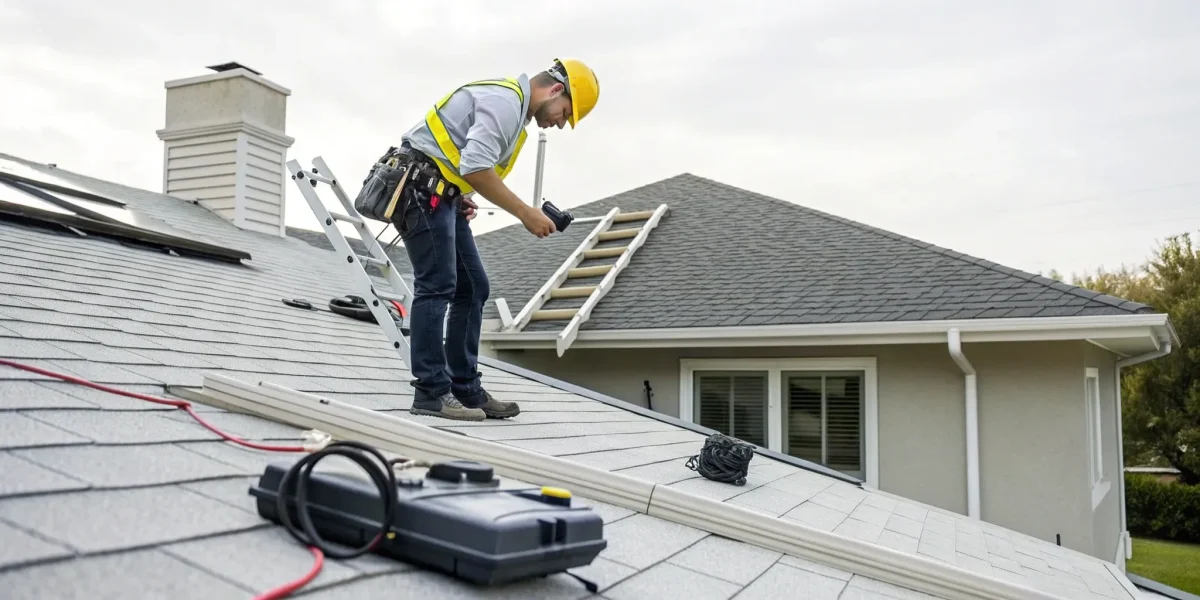
When you suspect a roof leak, the temptation to try a quick DIY fix can be strong. It seems like a simple way to save money, but this approach often backfires. Climbing on a roof is dangerous, and a well-intentioned but incorrect repair can trap moisture, making the problem much worse. A true leak detection expert does more than just look for a hole; they use specialized tools and a trained eye to pinpoint the exact cause. Before you risk your safety or your home’s integrity, let’s break down what a certified inspector brings to the table and what to look for when you hire a professional to find a roof leak.
Key Takeaways
- Address Roof Issues at the First Sign: Small water stains, peeling paint, or a musty odor often point to bigger, hidden problems. Calling an expert early is the most effective way to prevent minor issues from turning into costly structural damage.
- Professional Detection is Non-Negotiable: A certified inspector uses specialized tools and training to find the true source of a leak safely and accurately. This prevents the misdiagnoses and ineffective repairs that often come with a DIY approach.
- Verify Credentials for Peace of Mind: When hiring, look for qualifications that go beyond a basic license, like an NRCIA certification. This ensures your professional is held to a higher standard and can provide proven solutions, including the LeakFREE® warranty.
Signs It’s Time for a Pro: Spotting a Roof Leak
Some roof leaks announce themselves with a dramatic drip, but most start quietly. Catching the early warning signs can save you from dealing with extensive and costly damage down the road. Knowing what to look for helps you decide when to call in a certified inspector to protect your home and ensure you have a truly LeakFREE® roof. If you notice any of the following red flags, it’s time to get a professional opinion.
Water Stains and Discoloration
One of the most common signs of a roof leak is a new stain on your ceiling or wall. These often look like brownish rings or discolored patches and can grow over time. Don’t ignore them, even if they seem small or feel dry to the touch. Leaks can be intermittent, only showing up after heavy rain or snowmelt. You should also check your attic for wet spots, dark stains on the wood, or damp insulation. Bubbling or peeling paint is another tell-tale sign that moisture is getting trapped behind the surface, signaling a problem that needs a closer look from an expert.
Mold Growth and Musty Odors
If you notice a persistent musty or earthy smell, especially in upper-level rooms or your attic, it’s a strong indicator of hidden moisture. Where there’s moisture, mold is often not far behind. You might see it as black, green, or gray patches growing on walls, ceilings, or around ventilation pipes. Mold isn’t just unsightly; it can pose health risks and signifies a long-term moisture problem. Since water can travel far from the actual entry point, it’s best to have a roofing expert trace the odor or growth back to its source to fix the leak for good.
Missing or Damaged Shingles
Take a moment to look at your roof from the ground—no ladders needed. Do you see any shingles that are missing, cracked, or curling at the edges? High winds and age can easily damage or tear shingles away, leaving the underlayment exposed to the elements. This is a direct invitation for water to seep in. Also, check your gutters for an excessive amount of shingle granules. These tiny, sand-like particles protect the shingles from the sun, and when they wash away, it means your shingles are becoming brittle and less effective. Spotting this kind of damage early is key to preventing a small issue from becoming a major leak.
Sagging or Warped Areas
A sagging or warped spot on your roof is a serious red flag that requires immediate attention. This often indicates that the underlying roof decking has been compromised by prolonged water exposure, causing it to rot and lose its structural integrity. You might notice a dip, a bowed appearance, or what looks like a low spot on the roofline. This isn’t just a leak; it’s a sign of potential structural failure. Problems with flashing around chimneys, skylights, or vents are common culprits that can lead to this kind of damage, which is why a thorough, professional inspection is so critical to pinpoint the exact cause.
Why Professional Detection Beats a DIY Approach
When you spot a water stain, your first instinct might be to grab a ladder and find the source yourself. While the DIY spirit is admirable, tracking down a roof leak is a job best left to the professionals. An expert not only finds the leak safely and accurately but also identifies underlying issues you might miss, preventing small problems from turning into costly structural damage. Before you try to tackle it alone, consider what a certified inspector brings to the table.
The Safety Risks of DIY Inspections
Your safety should always come first. Climbing onto your roof is inherently dangerous, especially if it’s wet, steep, or has weak spots you can’t see. A slip and fall can lead to serious injury. Professionals are trained to work at heights and have the proper safety equipment to minimize risks. They know how to walk on a roof without causing further damage to shingles or tiles. It’s simply not worth risking your well-being to save a few dollars. A certified roof inspector has the experience to perform the job safely and effectively, giving you peace of mind.
Access to Advanced Detection Technology
Finding a leak isn’t always as simple as looking for a hole. Water can travel from its entry point along rafters and insulation before it shows up on your ceiling, making the source difficult to pinpoint. Professionals use advanced tools like infrared cameras and electronic moisture meters to find hidden moisture without tearing your roof apart. This technology allows them to see temperature differences and moisture levels that are invisible to the naked eye. This approach ensures they can find the exact source of the leak quickly and accurately, saving you time and preventing unnecessary damage to your home.
Common DIY Mistakes That Worsen Leaks
Well-intentioned DIY repairs often make the problem worse. For example, applying caulk or tar to the wrong area can trap water, leading to wood rot and more significant structural issues. Another common mistake is poking a hole in a water-stained ceiling to release pressure; you never know how much water is trapped, and you could cause a ceiling collapse or widespread water damage. A professional knows how to diagnose the problem correctly and will recommend the right repair. Avoiding these common pitfalls is key to protecting your property and ensuring the LeakFREE® standard of a properly maintained roof.
An Expert Eye for Hidden Damage
A professional inspector does more than just find the leak; they assess the overall health of your roof. An untrained eye might miss subtle signs of widespread issues, like poor ventilation causing moisture buildup or failing flashing around chimneys and vents. Experts can identify these problems before they become major headaches. Because water doesn’t always follow a straight path, what looks like a small leak could be a symptom of a much larger issue. A thorough inspection from a certified professional provides a complete picture of your roof’s condition, helping you make informed decisions about repairs and maintenance.
What to Expect During a Professional Roof Inspection
Knowing what happens during a professional inspection can take a lot of the stress out of the process. When you hire a certified inspector, you’re not just getting someone to climb a ladder; you’re getting a systematic evaluation designed to give you a complete picture of your roof’s health. The process is thorough, transparent, and focused on providing you with clear, actionable information. From the initial conversation to the final report, every step is designed to accurately identify the source of the leak and any other potential issues.
The Initial Assessment and Documentation
Your inspection begins before anyone even steps on your roof. The inspector will start by talking with you to understand your concerns, asking about where you’ve seen evidence of a leak, how long it’s been happening, and any recent weather events. They will document these details to guide their investigation. This initial conversation is crucial because it helps the professional focus their attention. If you think you have a leak, it’s best to call an expert to find the exact spot it’s coming from. They will also perform a visual check of the interior, looking for water stains, mold, or other signs of moisture intrusion in your attic and ceilings.
A Comprehensive Roof Examination
Next, the inspector will conduct a detailed examination of the roof’s exterior. This is where a professional’s trained eye makes all the difference, as they can identify issues invisible to most homeowners. They will walk the entire roof surface, checking for damaged, missing, or aging shingles. They’ll also inspect critical areas like flashing around chimneys, vents, and skylights, which are common failure points. The inspector will look for signs of moisture damage, such as dark spots, mold, or discoloration, and check the condition of gutters and downspouts to ensure proper drainage. This hands-on assessment provides a complete overview of your roof’s current condition.
Using Infrared and Moisture Detection Tech
To find moisture that isn’t visible, many professionals use advanced tools. An inspector might use an infrared camera to detect temperature differences in your roof structure, which can indicate trapped moisture that the naked eye would miss. While these tools are incredibly helpful for finding leaks, they don’t always reveal the cause. That’s why this technology is paired with a physical inspection. The combination of advanced inspection software and hands-on expertise allows the inspector to pinpoint not just where the water is, but how it’s getting in. This tech-assisted approach ensures a more accurate and efficient diagnosis.
Your Detailed Report and Repair Plan
After the inspection is complete, you’ll receive a detailed report outlining the findings. This isn’t just a simple invoice; it’s a comprehensive document that includes photographs, descriptions of any damage, and a clear assessment of your roof’s overall health. The report will pinpoint the source of the leak and recommend a specific repair plan. A credential like our LeakFREE® certification provides a reliable benchmark for your roof’s condition. The inspector will walk you through the report, explain the recommended next steps, and provide a clear estimate for any necessary repairs, ensuring you have all the information you need to protect your property.
Breaking Down the Cost of Roof Leak Detection
Talking about money can be tricky, but when you’re dealing with a roof leak, you need to know what to expect. The cost of finding a leak isn’t a one-size-fits-all number. It’s a bit like calling a mechanic—they need to diagnose the problem before they can tell you how much the fix will be. The price for professional leak detection depends on the size and complexity of your roof, how difficult the leak is to find, and the technology required to pinpoint the source. Let’s break down the key components so you can feel prepared.
Average Costs for Detection Services
A professional roof leak inspection typically covers the cost of a trained expert coming to your property, performing a thorough assessment, and identifying the source of the water intrusion. While prices vary by region and company, this initial detection service is for the diagnosis, not the repair itself. The goal is to get a clear, accurate picture of the problem so you can make an informed decision about the solution. Think of this as the essential first step to preventing a small issue from turning into a major headache.
Factors That Influence the Final Price
Several key factors can affect the cost of a leak detection service. The size, pitch, and material of your roof play a big role—a large, steep tile roof is more complex to inspect than a small, flat asphalt one. The accessibility of the leak also matters. If the source is obvious, the inspection will be quicker and less expensive. However, for hidden or intermittent leaks, an inspector may need more time and specialized equipment, like infrared cameras, which can influence the price. A professional with advanced training and certification may have a higher rate, but their expertise often saves you money by getting the diagnosis right the first time.
Emergency vs. Scheduled Inspection Fees
If water is actively dripping into your home, you can’t wait for a regular appointment. Emergency call-out fees are higher because they require a professional to rearrange their schedule for immediate dispatch, often outside of normal business hours. While the added cost can be frustrating, it’s important to remember that waiting can lead to much more expensive problems. An uncontrolled leak can quickly cause significant damage to your ceiling, walls, insulation, and even your home’s structural framing. Paying a premium for an emergency inspection is often a necessary investment to protect your property from further harm.
Budgeting for Potential Repair Costs
Once the leak is found, the next step is the repair. It’s smart to budget for this from the start, as even small leaks can lead to bigger issues if they aren’t addressed promptly. The final repair cost will depend entirely on the cause and extent of the damage. Replacing a few damaged shingles might be a relatively minor expense, while repairing failed flashing around a chimney or skylight will cost more. A comprehensive inspection report should give you a clear breakdown of the necessary repairs and their estimated costs, helping you plan accordingly. This is where having a LeakFREE® roof warranty can provide incredible peace of mind.
What to Look for in a Roof Leak Professional
Finding the right professional to handle your roof leak is about more than just a quick online search. The quality of the inspection and repair depends entirely on the expertise of the person you hire. A great contractor will not only find the source of the leak but also identify potential future problems, saving you from bigger headaches down the road. To make sure you’re hiring a true expert, you need to look at their qualifications, insurance, and specific experience. Taking the time to vet your options properly ensures your home is in capable hands and the job gets done right the first time.
Essential Certifications and Licensing
First things first, any professional you consider should have the proper credentials. This starts with verifying they hold the necessary state and local licenses to work in your area. Beyond that, look for certifications from respected industry organizations. These aren’t just pieces of paper; they show that a contractor is committed to their craft and stays current with the latest standards and techniques. A certification from a group like the National Roofing Contractors Association (NRCA) indicates a baseline of knowledge and professionalism, giving you an initial layer of confidence in their abilities.
The NRCIA Certification and LeakFREE® Standard
For an even higher level of assurance, look for an NRCIA certification. This credential provides a clear, reliable benchmark for assessing a roof’s condition because it means the professional has completed specialized training. It’s a sign they know exactly what to look for. Even better is when they adhere to the LeakFREE® standard. This isn’t just a promise; it’s a guarantee that the contractor follows specific workmanship protocols designed to protect your roof from leaks. Choosing a professional with these qualifications gives you peace of mind that you’re getting top-tier service.
Proper Insurance and Bonding
Never skip the insurance check. A reputable roofing professional must carry both general liability insurance and workers’ compensation. Liability insurance protects your property from any damage that might occur during the inspection or repair process. Workers’ compensation covers their employees if they get injured on the job, protecting you from being held responsible. Don’t just take their word for it—ask to see their certificates of insurance and confirm that the policies are current. This simple step is a crucial safeguard for you and your home.
Experience with Your Specific Roof Type
Not all roofs are the same, and neither is the experience required to service them. A contractor who primarily works on asphalt shingle roofs may not have the specific skills needed for a tile, metal, or flat roof. When you speak with potential hires, ask directly about their experience with your particular roofing material and the type of architecture your home has. A proven track record is essential. Ask if they can provide references or show you examples of similar jobs they’ve completed. This ensures they understand the unique challenges your roof might present and can handle the job effectively.
How to Choose the Right Roof Leak Detection Service
Finding the right professional to diagnose your roof leak can feel overwhelming, but it doesn’t have to be. With a clear plan, you can confidently sort through your options and hire a true expert who will solve the problem correctly the first time. The key is to look beyond the price tag and focus on credentials, methods, and transparency. A little homework upfront saves you from major headaches and costly repairs down the road.
Compare Estimates and Service Offerings
Your first step should be to gather at least three estimates from different roofing professionals. When you review them, don’t just look at the bottom line. A low bid might be tempting, but it could signal inexperience or a less thorough inspection. A quality estimate will detail the scope of the inspection, the methods they plan to use, and what’s included in the service fee. As one expert puts it, “Always call a professional roofer to find and fix roof leaks. They have the expertise and tools to do it safely and correctly.” A comprehensive service offering is just as important as a competitive price.
Check Reviews, References, and Credentials
Before you commit to a contractor, do some digging into their reputation. Look for online reviews on multiple platforms and don’t hesitate to ask for a list of recent references you can contact. Most importantly, verify their credentials. A contractor’s commitment to quality and professionalism is often reflected in their certifications. Look for professionals who hold a LeakFREE® certification, which shows they meet a national standard for excellence in leak prevention and repair. This simple check ensures you’re working with someone who is serious about their craft and accountable for their work.
Ask About Their Detection Methods and Tools
A true professional will use more than just a visual inspection to find the source of a leak. Ask potential hires what kind of technology they use. Modern leak detection relies on advanced tools like infrared cameras, acoustic listening devices, and moisture meters to pinpoint hidden leaks with incredible accuracy. This technology allows them to find problems that are completely invisible to the naked eye, preventing small issues from turning into major structural damage. Companies that invest in professional inspection software and tools are typically more efficient and effective at diagnosing complex leaks.
Red Flags to Watch Out For
Be cautious of anyone who gives you a quote over the phone without seeing the roof or pressures you into signing a contract on the spot. Another major red flag is a contractor who dismisses the need for a thorough inspection. Some people believe DIY checks are enough, but this is a dangerous misconception; experts are trained to “identify issues invisible to untrained eyes.” Remember that not all leaks show up as a drip from the ceiling. Many can go unnoticed for months, causing hidden rot and mold. A professional who understands this will insist on a comprehensive evaluation.
Key Questions to Ask Before You Hire
Once you’ve narrowed down your list of potential professionals, it’s time to ask the right questions. Think of this as an interview—you’re hiring someone for a critical job, and you need to be confident in their abilities. Getting clear answers upfront prevents misunderstandings and ensures you’re working with a true expert who respects your time and property. A reputable professional will welcome these questions and provide transparent answers.
Don’t be afraid to dig into the details about their process, guarantees, and the fine print in their contracts. A little due diligence now can save you from major headaches later. These questions will help you gauge their expertise, professionalism, and whether they’re the right fit for your specific needs. Remember, you’re looking for a partner who can not only find the leak but also provide a lasting solution and stand behind their work. A quick phone call can reveal a lot about a company’s customer service and willingness to be transparent, setting the stage for a positive working relationship from the very beginning.
What is your detection process and timeline?
Before you agree to anything, you need to understand exactly how the professional plans to tackle the problem. Ask them to walk you through their step-by-step process for locating the leak. Will they perform a visual inspection from the ground? Will they get on the roof? Do they use specialized equipment like infrared cameras? A seasoned roofing expert will have a systematic approach, not just a vague plan to “take a look.”
Also, be sure to ask for a realistic timeline. How long will the initial inspection take? Once the leak is found, when can you expect a quote for repairs and how long will the work itself take? Getting these details helps you manage your expectations and plan accordingly.
What warranties or guarantees do you offer?
A warranty is more than just a document; it’s a company’s promise to stand by its work. Ask what kind of guarantees they offer on both the leak detection service and any subsequent repairs. A contractor’s confidence in their own workmanship is often reflected in the strength of their warranty. Be wary of vague promises or a lack of any formal guarantee.
For the ultimate peace of mind, look for professionals who offer an NRCIA-backed LeakFREE® certification. This isn’t just a contractor’s promise; it’s the industry’s only standardized roof warranty, ensuring a consistent and high level of protection. It shows the inspector or contractor has met rigorous standards and is committed to providing a durable, long-term solution.
Can we review payment terms and the contract?
Never let work begin without a signed contract that you fully understand. Ask for a detailed, itemized quote and a copy of the contract to review. Make sure it clearly outlines the scope of work, the materials to be used, the total cost, and a payment schedule. Are there deposits required? When is the final payment due? Understanding the financial side of things is crucial for avoiding surprise costs.
This is also the time to confirm their licensing and insurance. A professional company will readily provide proof of liability insurance and workers’ compensation. This protects you in case of accidents or property damage during the inspection or repair process. A clear contract protects both you and the contractor.
Common Causes of Roof Leaks Pros Can Pinpoint
When you find a water stain on your ceiling, your first thought is probably a hole in the roof. While that’s sometimes the case, the true cause can be more complex. A certified inspector knows that leaks often originate from specific vulnerabilities in the roofing system. They’re trained to look beyond the obvious drip and diagnose the root cause, ensuring the right fix is applied. Understanding these common culprits can help you see why a professional eye is so valuable.
Damaged or Missing Flashing
Think of flashing as the rain jacket for the most vulnerable parts of your roof. These thin pieces of metal are installed wherever the roof plane is interrupted—around chimneys, vents, skylights, and in roof valleys. Its job is to direct water away from seams and joints. Over time, flashing can rust, become loose from weather, or get damaged by animals. When flashing fails, it creates a direct path for water to get into your home. An inspector will meticulously check these areas, as they are one of the most frequent sources of leaks.
Failed Shingles and Membrane Systems
The most visible part of your roof—the shingles or membrane—is its primary shield against the elements. For sloped roofs, shingles can crack, curl, or be blown off entirely, exposing the sensitive underlayment. On flat or low-slope roofs, the membrane can be punctured or the seams can separate, allowing water to seep underneath. A professional can spot not just the obvious damage but also subtle signs of wear that indicate a material is failing. This is why a LeakFREE® certification is so valuable; it confirms the entire roofing surface is sound and ready to handle the weather.
Poor Ventilation and Drainage
Sometimes, the water damage you see isn’t from a leak at all. Poor attic ventilation can trap warm, moist air that condenses on the underside of the roof deck, eventually dripping down and mimicking a leak. A professional can tell the difference. Similarly, your roof’s drainage system is critical. Clogged gutters or improperly installed downspouts can cause water to back up and pool along the roofline. This standing water can easily work its way under shingles and into your home, a problem known as an ice dam in colder climates.
Structural Issues and Age-Related Wear
Every roof has a lifespan. As a roof ages, its materials naturally degrade. Sealants around vents and flashing can dry out and crack, shingles become brittle, and the underlying structure can even begin to sag under years of stress. These age-related issues create multiple potential points of failure. An inspector doesn’t just look for a single leak source; they assess the overall condition of the roof system. It takes extensive inspector training to recognize when a roof is simply reaching the end of its useful life and requires more than a simple patch job.
Your Next Steps: Scheduling a Professional Inspection
Once you’ve decided to bring in a professional, the process moves quickly. Knowing what to do next helps you stay in control and ensures you get the most value from your inspection. From preparing your home to understanding the final report and your warranty options, here’s how to handle the next steps with confidence.
How to Prepare for Your Inspection
Before your inspector arrives, take a few minutes to get your home ready. If you’ve noticed specific signs of a leak, like water stains on the ceiling, make a note of them. While you should leave the detective work to the experts, pointing out problem areas can give them a great starting point. It’s always best to call a roofing expert to find the exact source of a leak rather than attempting to diagnose it yourself. Also, make sure the inspector has clear access to any relevant areas, like your attic or crawl spaces. A little prep work goes a long way in making the inspection smooth and efficient.
What Happens After the Leak Is Found
After the inspection, you’ll receive a detailed report outlining the findings. This is where a professional’s value truly shines. An expert can identify issues invisible to an untrained eye, giving you a complete picture of your roof’s health. The report will pinpoint the exact location of the leak, detail the extent of the damage, and provide recommended next steps. It’s important to act on these recommendations promptly. Even seemingly minor problems are often easy to fix early on but can become incredibly expensive if they’re allowed to spread, so timely action is key to protecting your property and your wallet.
Understanding Your Repair and Warranty Options
With the inspection report in hand, you can make informed decisions about repairs. The report will likely recommend qualified contractors, and it’s wise to choose one with the right credentials. Roofing certifications are a great indicator that a contractor meets high standards for training and workmanship. Beyond the immediate fix, think about long-term protection. A strong warranty is your best defense against future issues. The NRCIA’s LeakFREE® roof certifications offer a standardized, reliable guarantee, giving you peace of mind that the repair is built to last and your investment is protected.
Related Articles
- Inspection Process Archives – NRCIA
- Homeowner Roofing Resources & Tips | NRCIA Articles
- roof inspection Archives – NRCIA
- Inspection Report Archives – NRCIA
Frequently Asked Questions
My roof is only a few years old. Could it really be leaking already? Absolutely. While age is a major factor in roof health, it isn’t the only one. Leaks on newer roofs are often caused by issues with the initial installation, such as improperly installed flashing around chimneys or vents. Severe weather like high winds or hail can also damage even a brand-new roof, creating openings for water to get in. Think of it less about age and more about the integrity of the entire roofing system.
Is a small, dry water stain on my ceiling really that urgent? Yes, it’s best to treat any water stain as an urgent issue. A stain that feels dry to the touch simply means the active dripping has stopped for now, but the path for water to enter your home is still there. Leaks are often intermittent, showing up only during heavy rain. Ignoring it allows moisture to get trapped in your attic or walls, which can lead to hidden mold growth and wood rot that you won’t see until the damage is extensive.
What makes an NRCIA-certified inspector different from a general roofing contractor? While many roofing contractors are skilled at installation and repairs, an NRCIA-certified inspector is a specialist in diagnostics. They have completed specific training focused on identifying the precise cause of a leak using a standardized, thorough process. They are trained to spot subtle issues that others might miss and can offer the LeakFREE® certification, which is a nationally recognized warranty that guarantees the quality of your roof.
Will the inspection fee be applied to the cost of the repair? Typically, the leak detection inspection is a separate diagnostic service. You are paying for the inspector’s time, expertise, and specialized equipment to accurately identify the source of the problem. Some companies may offer to credit the inspection fee toward the repair if you hire them for the work, but you should always clarify this upfront. The primary goal of the inspection is to get a correct diagnosis so you can ensure the right repair is performed.
How often should I have my roof professionally inspected even if I don’t see any problems? Preventative maintenance is the best way to avoid costly emergency repairs. It’s a good practice to have your roof professionally inspected every one to two years, and also after any major weather event like a severe hailstorm or hurricane. This proactive approach allows an expert to catch and fix small issues, like cracked sealant or a few loose shingles, before they have a chance to turn into a significant leak.
